
Introduction
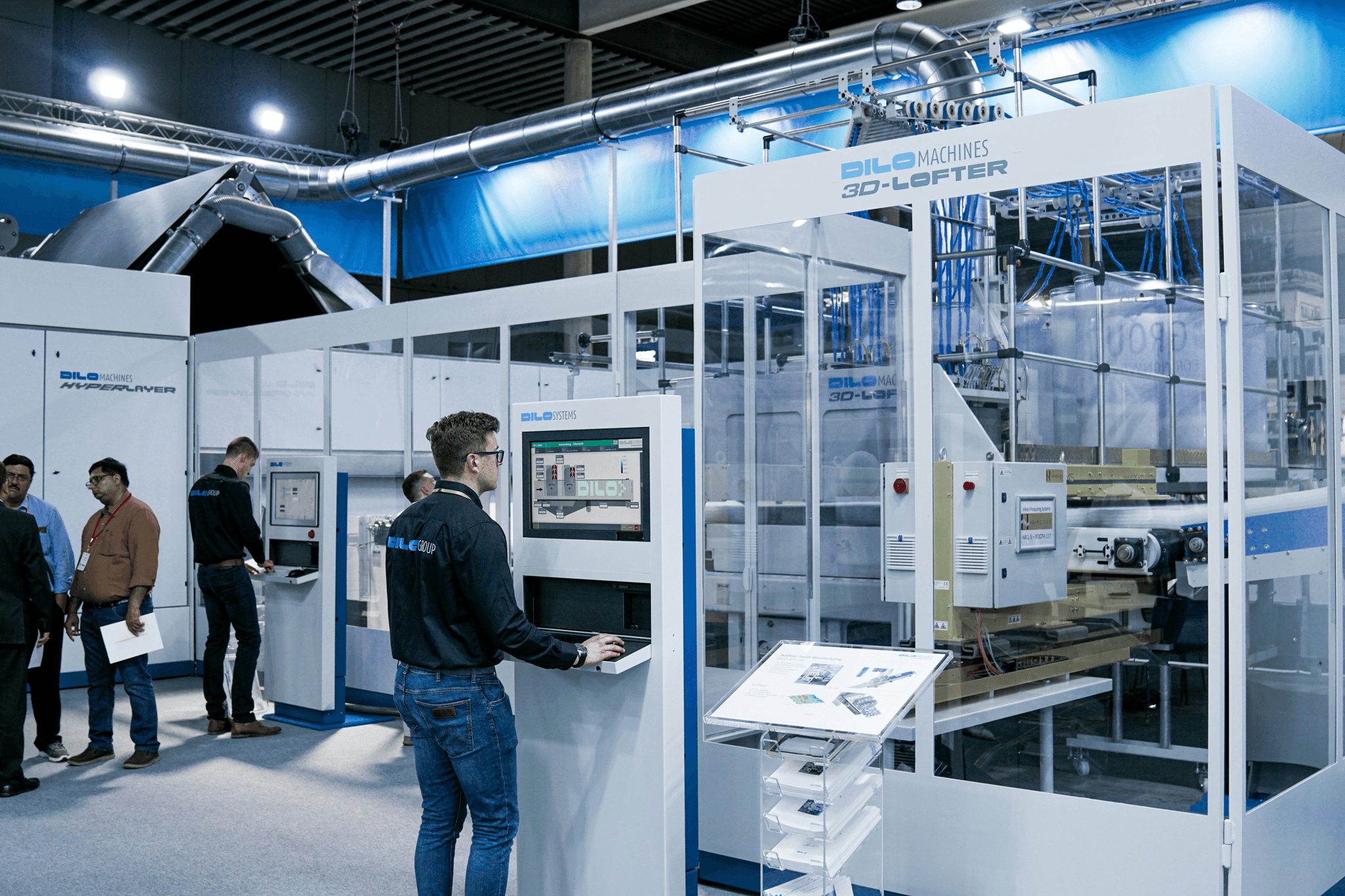
In the bustling world of international trade, ensuring the quality of products is paramount. Quality control is not just a box to check; it's a critical process that can make or break your importing business. A robust quality control strategy can significantly reduce product defects, enhance customer satisfaction, and ultimately drive profitability.
Understanding the Importance of Quality Control
Quality control serves as the backbone of successful importing operations, safeguarding against potential pitfalls that arise from product defects. By implementing rigorous incoming quality control (IQC), businesses can identify issues before they escalate into costly problems. This proactive approach not only protects your bottom line but also fortifies your brand's reputation in a competitive market.
How Product Defects Impact Importing
Product defects can have far-reaching consequences for importers, affecting everything from financial stability to customer loyalty. When defective products slip through the cracks, they lead to returns, refunds, and a tarnished brand image that may take years to repair. Understanding this impact underscores why thorough inspections—like first article inspection (FAI) and in-process quality control (IPQC)—are essential during every phase of production.
The Role of Quality Control Inspection
Quality control inspection plays a pivotal role in mitigating risks associated with product defects throughout the importing process. By employing methods such as during production inspection (DUPRO) and final inspection, importers can ensure that their goods meet the necessary standards before reaching consumers' hands. These inspections not only help catch flaws early but also foster trust between suppliers and buyers by demonstrating a commitment to quality.
What is Quality Control Inspection?
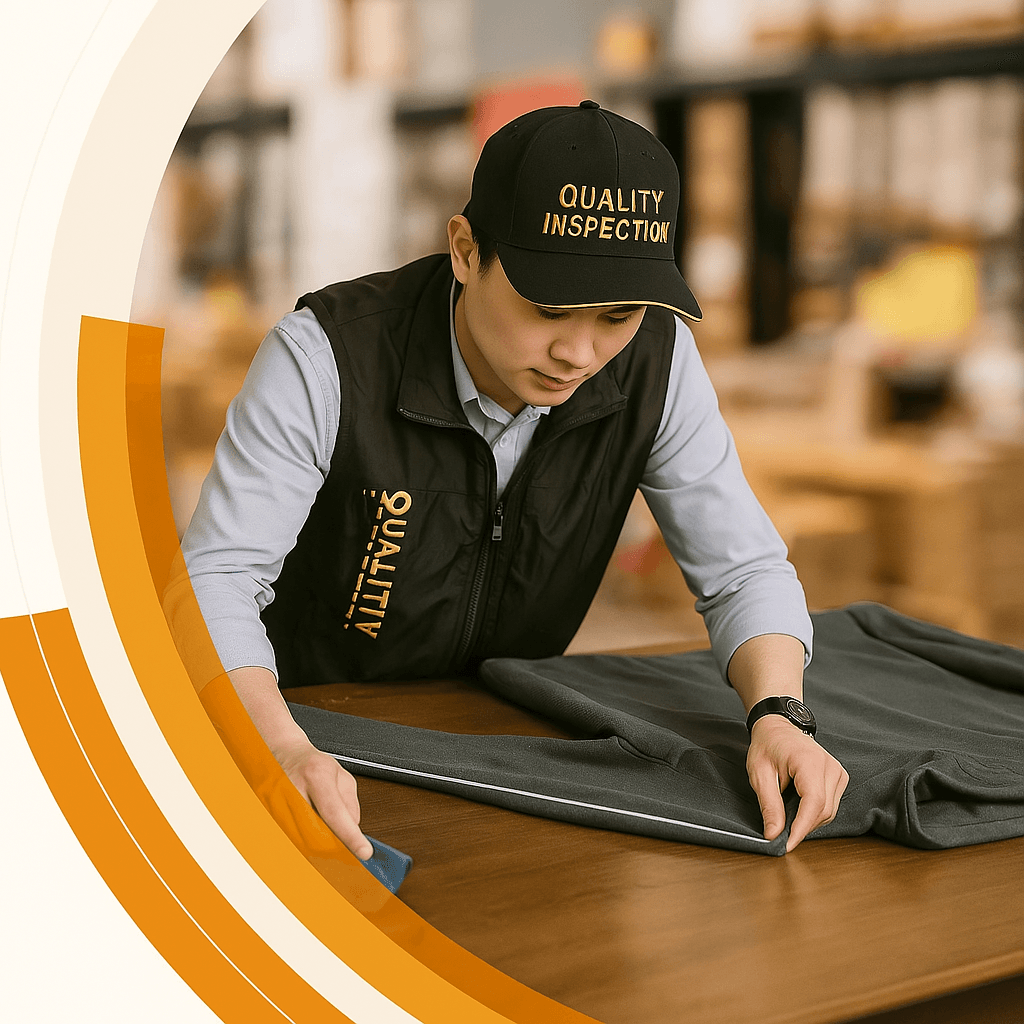
Quality control inspection is a vital process in the importing industry that ensures products meet specified standards before they reach consumers. This systematic approach helps identify product defects early, preventing costly errors and maintaining brand integrity. By implementing quality control measures, importers can safeguard their investments and enhance customer satisfaction.
Defining Quality Control in Importing
In the context of importing, quality control refers to the processes and procedures put in place to ensure that products meet predetermined specifications and standards. It encompasses various stages of production, from incoming quality control (IQC) to final inspections, each designed to catch product defects before they reach the market. By establishing a robust quality control framework, importers can significantly reduce the risk of defective products slipping through the cracks.
Different Types of Inspections
There are several types of inspections crucial for maintaining product quality throughout the importing process. Incoming quality control (IQC) checks raw materials upon arrival, ensuring they meet necessary standards before production begins. During production inspection (DUPRO), inspectors monitor ongoing manufacturing processes to identify any potential issues early on; this is complemented by in-process quality control (IPQC), which focuses on assessing products at various stages during production. Finally, a thorough final inspection ensures that finished goods are free from defects before shipment.
Why Every Importer Needs It
Every importer needs quality control inspection because it serves as a proactive measure against potential product defects that could lead to financial losses or reputational damage. By investing in these inspections, businesses can avoid costly recalls and maintain customer trust—key components for long-term success in competitive markets. Furthermore, incorporating inspections like first article inspection (FAI) allows importers to validate initial samples against specifications before mass production begins, reinforcing their commitment to high-quality standards.
The Cost of Ignoring Product Defects
Ignoring product defects is like playing a game of Russian roulette with your business's future. The implications can be severe, impacting not just your bottom line but also the very essence of your brand. In a world where quality is king, overlooking the importance of robust quality control measures such as Incoming Quality Control (IQC), First Article Inspection (FAI), In-Process Quality Control (IPQC), and Final Inspection can lead to disastrous outcomes.
Financial Implications for Businesses
The financial fallout from product defects can be staggering. Companies may face hefty recall costs, increased warranty claims, and lost sales due to damaged consumer trust—all stemming from inadequate quality control practices like DUPRO inspections. When businesses fail to invest in thorough inspection processes, they risk not only immediate losses but also long-term financial instability that can cripple their operations.
Moreover, the costs associated with rectifying defects often far exceed the initial investment in quality control systems. For instance, implementing effective IQC and FAI protocols could prevent costly mistakes before they escalate into larger issues during production or post-sale. Ultimately, neglecting these critical inspections leads to a vicious cycle of spending more on damage control rather than investing in preventive measures that enhance quality.
Brand Reputation Risks
A tarnished reputation is one of the most significant risks associated with ignoring product defects. Consumers today are more informed and vocal than ever; a single defect can lead to negative reviews and social media backlash that lingers long after the issue has been resolved. When brands fail to uphold high standards through rigorous inspections like IPQC or Final Inspection, they invite skepticism that could take years to overcome.
In an era where customer loyalty hinges on trustworthiness and reliability, overlooking product defects jeopardizes not just sales but also customer relationships. Brands known for consistent quality benefit from word-of-mouth referrals and repeat business; conversely, those plagued by defects face an uphill battle in regaining consumer confidence after failing inspections. Investing in comprehensive quality control strategies helps safeguard against these reputational risks while reinforcing brand integrity.
Case Studies of Failed Inspections
Consider the infamous case of a major electronics company that launched a new smartphone only to discover significant battery issues post-release—issues that could have been caught through diligent FAI or Final Inspection processes. The result? A costly recall campaign that drained millions from their budget while simultaneously eroding consumer trust built over decades. This case exemplifies how neglecting proper inspection methods can spiral into catastrophic consequences.
Another notable example involves a fashion retailer whose clothing line faced widespread criticism due to sizing inconsistencies—a problem easily preventable through effective IQC and IPQC measures during production stages. Customers returned items en masse, leading to inventory pile-ups and ultimately causing financial strain on what should have been a successful launch season. These case studies underline the critical need for thorough inspections at every stage—from incoming materials through final products—to mitigate risks associated with product defects.
How Quality Control Inspection Detects Product Defects

Quality control inspection is the backbone of ensuring that imported goods meet the required standards. It employs various methodologies to identify product defects before they reach consumers, saving businesses from potential losses and reputational damage. By implementing a robust quality control strategy, importers can significantly reduce the risk of encountering defective products.
Methodologies Used in Inspections
Several methodologies are employed during quality control inspections to detect product defects at different stages of production. Incoming Quality Control (IQC) focuses on assessing raw materials upon arrival at the factory, ensuring that only high-quality materials are used in manufacturing. First Article Inspection (FAI) evaluates the initial production samples, confirming they meet specifications before mass production begins.
In-process Quality Control (IPQC) monitors ongoing manufacturing processes to catch any deviations early on, while During Production Inspection (DUPRO) allows inspectors to assess products at various stages of production for compliance with quality standards. Finally, Final Inspection ensures that finished goods are thoroughly checked for any product defects before shipment. By utilizing these methodologies, businesses can effectively minimize risks associated with importing defective products.
Common Defects Found in Imports
Product defects can manifest in numerous ways during the importing process, and understanding these common issues is crucial for maintaining quality standards. Some frequent defects include cosmetic flaws like scratches or dents, functional issues where a product does not operate as intended, and packaging errors that could lead to damage during transit. Additionally, non-compliance with regulatory standards can pose significant risks for importers.
Another common issue is dimensional discrepancies where products do not meet specified measurements or tolerances—this is particularly critical in industries like manufacturing or construction where precision matters immensely. By identifying these common defects through rigorous inspections—such as IQC and Final Inspection—businesses can prevent costly returns and maintain customer satisfaction.
Real-world Examples from China Inspection Pro
China Inspection Pro has successfully helped numerous clients detect product defects through their comprehensive inspection services tailored for various industries. For instance, a client importing electronics faced significant challenges due to high return rates caused by faulty components; after implementing IQC and DUPRO inspections, they saw a drastic reduction in defects and improved customer feedback.
Another example involved a furniture importer whose products consistently arrived with cosmetic flaws and structural weaknesses; by employing FAI along with Final Inspections before shipping, they were able to rectify these issues promptly and enhance their brand reputation significantly. These real-world examples underscore how effective quality control inspection methodologies not only identify product defects but also contribute positively to overall business performance.
The Benefits of Partnering with Quality Control Experts
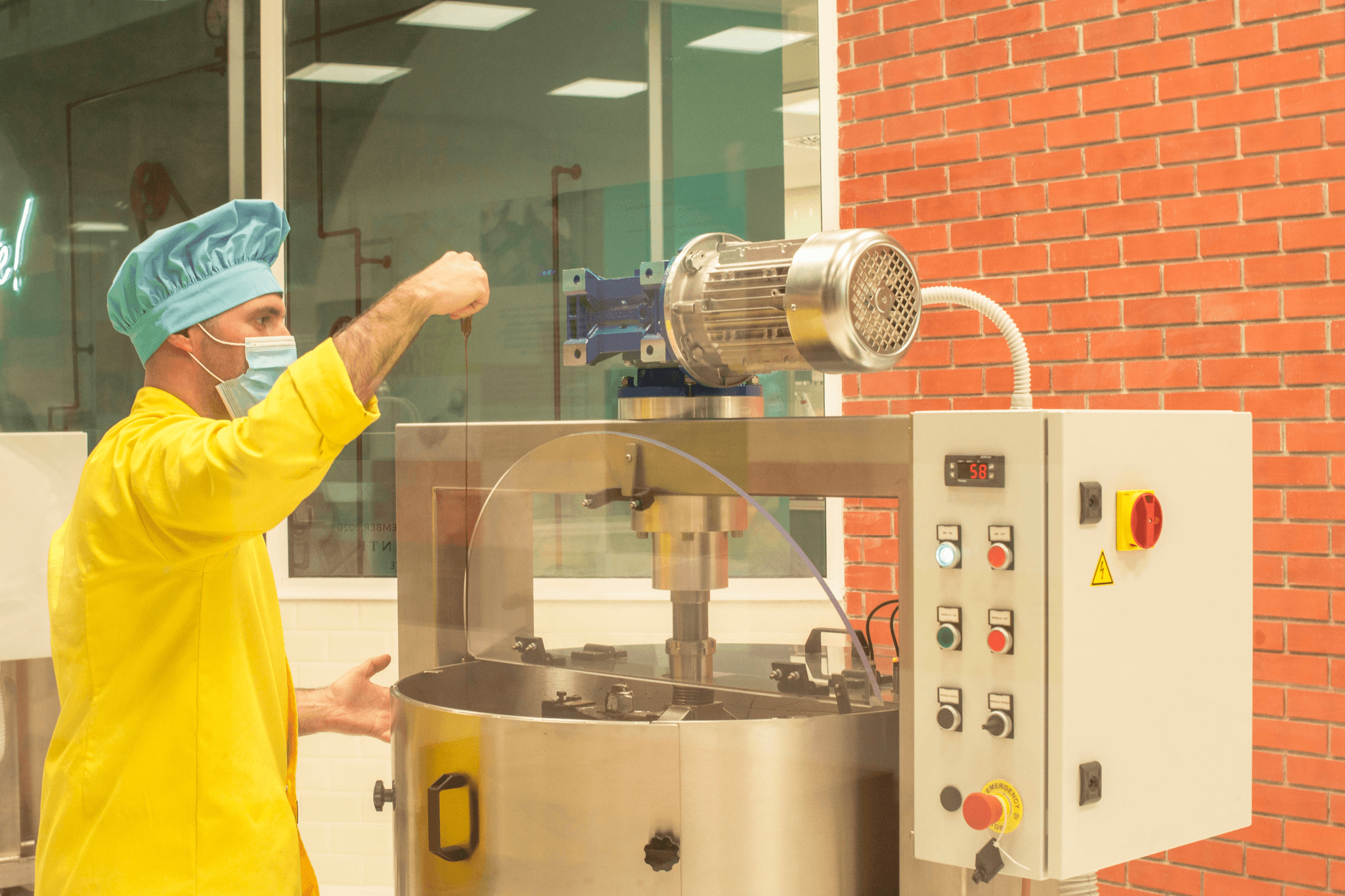
In today's competitive market, ensuring the quality of your products is paramount. Partnering with quality control experts can be a game-changer for your business, especially when it comes to identifying and mitigating product defects. These professionals bring specialized knowledge and experience that can help streamline your operations while safeguarding your brand's reputation.
Expertise in Identifying Defects
Quality control experts possess a keen eye for detail, which is crucial in spotting product defects that may go unnoticed by untrained personnel. Their expertise encompasses various inspection methodologies, including Incoming Quality Control (IQC), First Article Inspection (FAI), In-Process Quality Control (IPQC), during production inspection (DUPRO), and final inspection techniques. By leveraging their skills, businesses can dramatically reduce the risk of defective products reaching consumers, ultimately saving time and money.
Moreover, these specialists are adept at analyzing trends in defects over time, allowing companies to implement corrective actions proactively. Their insights can inform the design and manufacturing processes, leading to continuous improvements that enhance product reliability. With their guidance, you can ensure that every stage of production meets stringent quality standards.
Access to Advanced Inspection Technologies
Quality control experts utilize state-of-the-art technologies that elevate the standard of inspections beyond traditional methods. From automated visual inspection systems to advanced measurement tools, these technologies provide precise evaluations that help detect even the slightest product defects. This level of scrutiny is essential for maintaining consistent quality across all batches.
Additionally, employing advanced technologies allows for faster inspections without compromising accuracy. This efficiency not only expedites the production process but also ensures timely deliveries—an important factor in maintaining customer satisfaction and loyalty. By incorporating such innovations into your quality control strategy, you position your business as a leader in quality assurance.
How China Inspection Pro Enhances Your Business
Partnering with China Inspection Pro offers numerous advantages tailored specifically for businesses engaged in importing goods from China. Their comprehensive approach includes all aspects of quality control: from IQC to FAI and DUPRO to final inspections—ensuring no stone is left unturned when it comes to identifying product defects before they reach your customers’ hands.
China Inspection Pro’s team comprises seasoned professionals who understand the nuances of various industries and their specific requirements regarding quality standards. They not only help identify defects but also offer actionable insights on improving manufacturing processes based on data collected during inspections—leading to reduced defect rates over time.
In summary, collaborating with China Inspection Pro means gaining access to unparalleled expertise and cutting-edge technology dedicated to enhancing your business's overall quality assurance efforts while minimizing risks associated with product defects.
Developing an Effective Quality Control Strategy
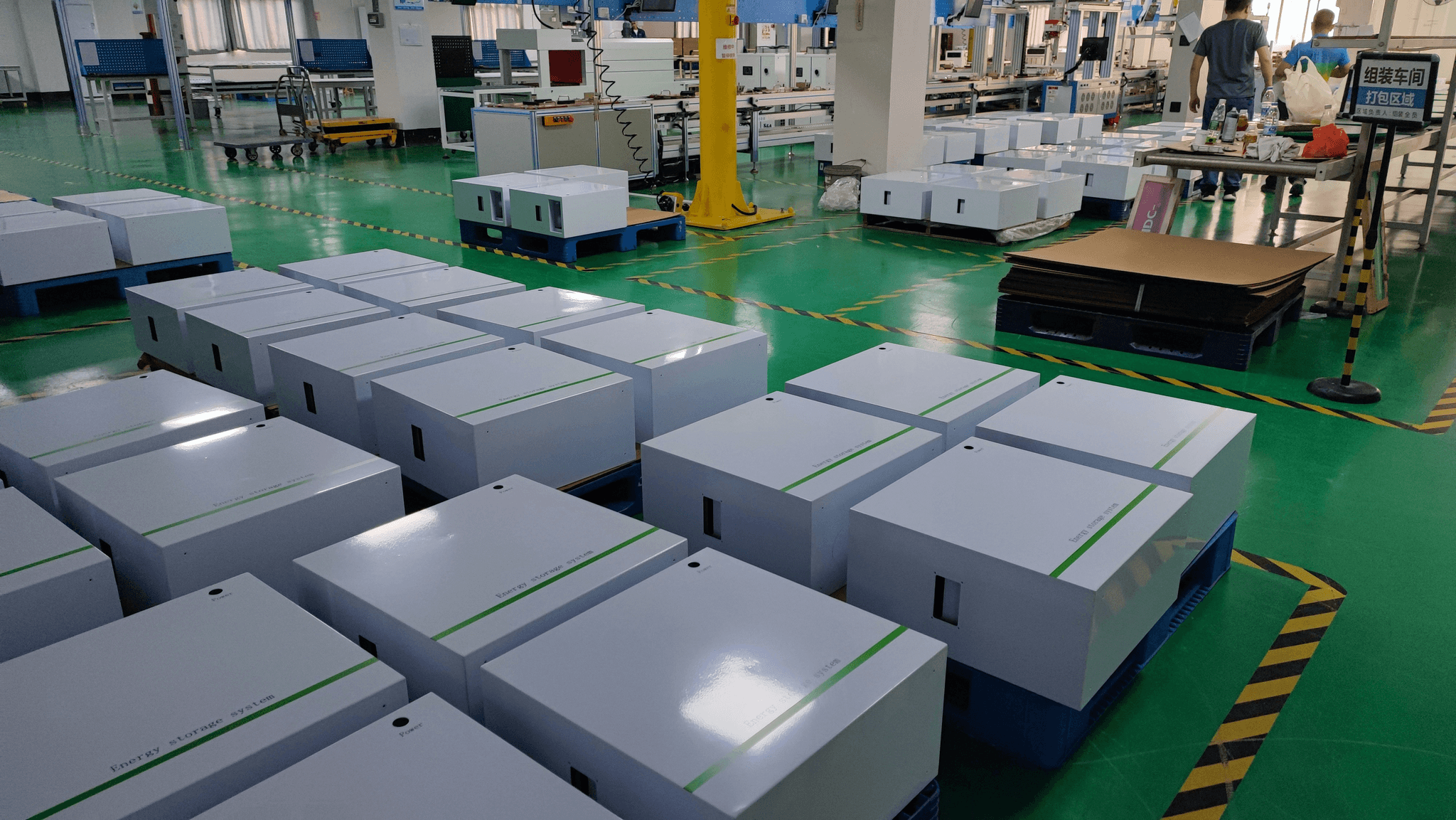
Creating a robust quality control strategy is essential for any importer looking to minimize product defects and ensure customer satisfaction. A well-structured plan not only enhances product quality but also streamlines operations, reducing costs associated with returns and complaints. By implementing a comprehensive approach that includes various inspection stages, importers can significantly mitigate risks.
Steps for Creating a Quality Control Plan
The first step in crafting a quality control plan is to identify the specific standards your products must meet, which often involves consulting industry benchmarks and regulations. Once you have established these criteria, it's crucial to outline the types of inspections that will be conducted at different stages—Incoming Quality Control (IQC), In-Process Quality Control (IPQC), and Final Inspection are all vital components of this process. Each stage serves a unique purpose: IQC checks materials upon arrival, IPQC monitors production processes, and Final Inspection ensures the finished product meets all specifications before shipment.
After determining the inspection types, assign responsibilities to team members or partners who will oversee these processes. Training your staff on how to identify common product defects during inspections will empower them to act quickly when issues arise. Lastly, regularly review and update your quality control plan based on feedback and performance metrics to adapt to changing market demands or supplier capabilities.
Integrating Inspections into Supply Chain Management
Integrating inspections into your supply chain management is critical for maintaining consistent quality throughout the production cycle. This means embedding Incoming Quality Control (IQC) checks right at the beginning when raw materials arrive at your facility; this proactive approach helps catch potential issues before they affect production. Additionally, implementing In-Process Quality Control (IPQC) allows you to monitor manufacturing practices in real-time, ensuring that any deviations from standards are addressed immediately.
During Production Inspections (DUPRO) can further enhance this integration by providing insights during key phases of manufacturing rather than waiting until everything is completed for Final Inspection. By making inspections an integral part of your supply chain strategy, you create an environment where quality becomes everyone's responsibility—from suppliers through to end-users. This collaborative effort not only reduces product defects but also builds stronger relationships with partners who share your commitment to excellence.
Measuring Success in Defect Reduction
To truly understand how effective your quality control strategy is at reducing product defects, it's essential to establish clear metrics for success. Start by tracking defect rates across various stages—such as IQC findings versus Final Inspection results—to pinpoint where improvements are needed most urgently. Regularly analyzing this data will provide valuable insights into trends over time and help refine both inspection methods and supplier performance.
Another useful metric is customer feedback; monitoring complaints related to product defects can help gauge overall satisfaction levels while highlighting areas requiring attention or improvement in future shipments. Implementing corrective actions based on these insights not only enhances current operations but also fosters a culture of continuous improvement within your organization—because let's face it: nobody wants their brand associated with poor-quality products!
By emphasizing these strategies within your overall business framework, you're setting yourself up for long-term success in delivering high-quality goods that meet customer expectations while minimizing costly errors along the way.
Conclusion
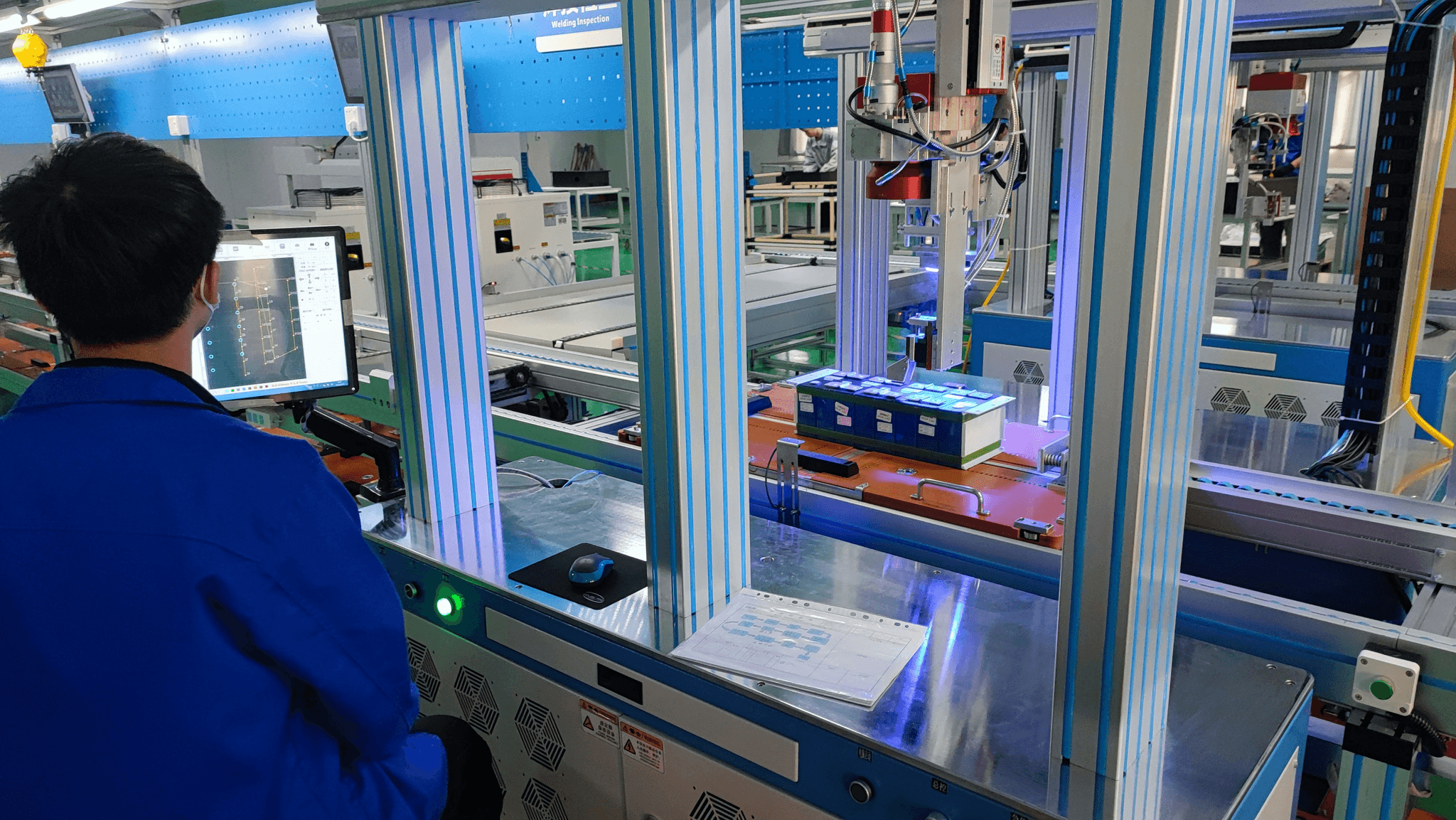
Quality control is not just a box to check; it's a vital part of elevating industry standards. By implementing robust quality control measures, businesses can significantly reduce product defects and ensure that their offerings meet customer expectations. This commitment to quality not only enhances the reputation of a brand but also fosters trust among consumers.
Elevating Standards Through Quality Control
When companies prioritize quality control, they set a benchmark for excellence in their industry. Incoming quality control (IQC) processes ensure that materials meet specified standards before production even begins, minimizing the chance for product defects later on. Furthermore, practices like First Article Inspection (FAI) and In-Process Quality Control (IPQC) help maintain those high standards throughout the manufacturing process.
Integrating these methods into your workflow creates a culture of quality that resonates through every level of your organization. It’s not just about preventing defects; it’s about fostering an environment where excellence is expected and celebrated. By consistently applying these principles, businesses can elevate their standards while reducing costs associated with poor-quality products.
The Long-term Value of Detecting Defects
The financial implications of ignoring product defects can be staggering; they extend far beyond immediate losses to include long-term repercussions like diminished brand loyalty and market share erosion. Investing in thorough inspections—such as during production inspection (DUPRO) or final inspection—can save companies from costly recalls and reputational damage down the line. A proactive approach to identifying defects pays dividends by maintaining customer satisfaction and trust over time.
Moreover, early detection allows businesses to adjust processes before issues escalate into major problems, ultimately leading to reduced waste and increased efficiency in operations. Companies that embrace rigorous quality control measures are better positioned for sustainable growth because they build strong relationships with customers based on reliability and consistency. The long-term value lies not only in financial savings but also in cultivating an unwavering commitment to quality.
Partnering with China Inspection Pro for Success
Navigating the complexities of international trade requires expertise that can make or break your business success—this is where partnering with China Inspection Pro comes into play. Their specialized knowledge in various inspection methodologies ensures that every aspect of incoming goods is thoroughly vetted for product defects before reaching your shelves or customers’ hands. From IQC to FAI, IPQC, DUPRO, and final inspections, they equip you with the tools needed to maintain high-quality standards continuously.
By leveraging advanced technologies alongside expert insights from China Inspection Pro, businesses can significantly enhance their operational efficiency while minimizing risks associated with defective products. This partnership empowers you not just to react to issues but proactively prevent them through comprehensive strategies tailored specifically for your needs. In today’s competitive landscape, aligning yourself with seasoned professionals who understand the nuances of import quality control is crucial for long-term success.