
Introduction
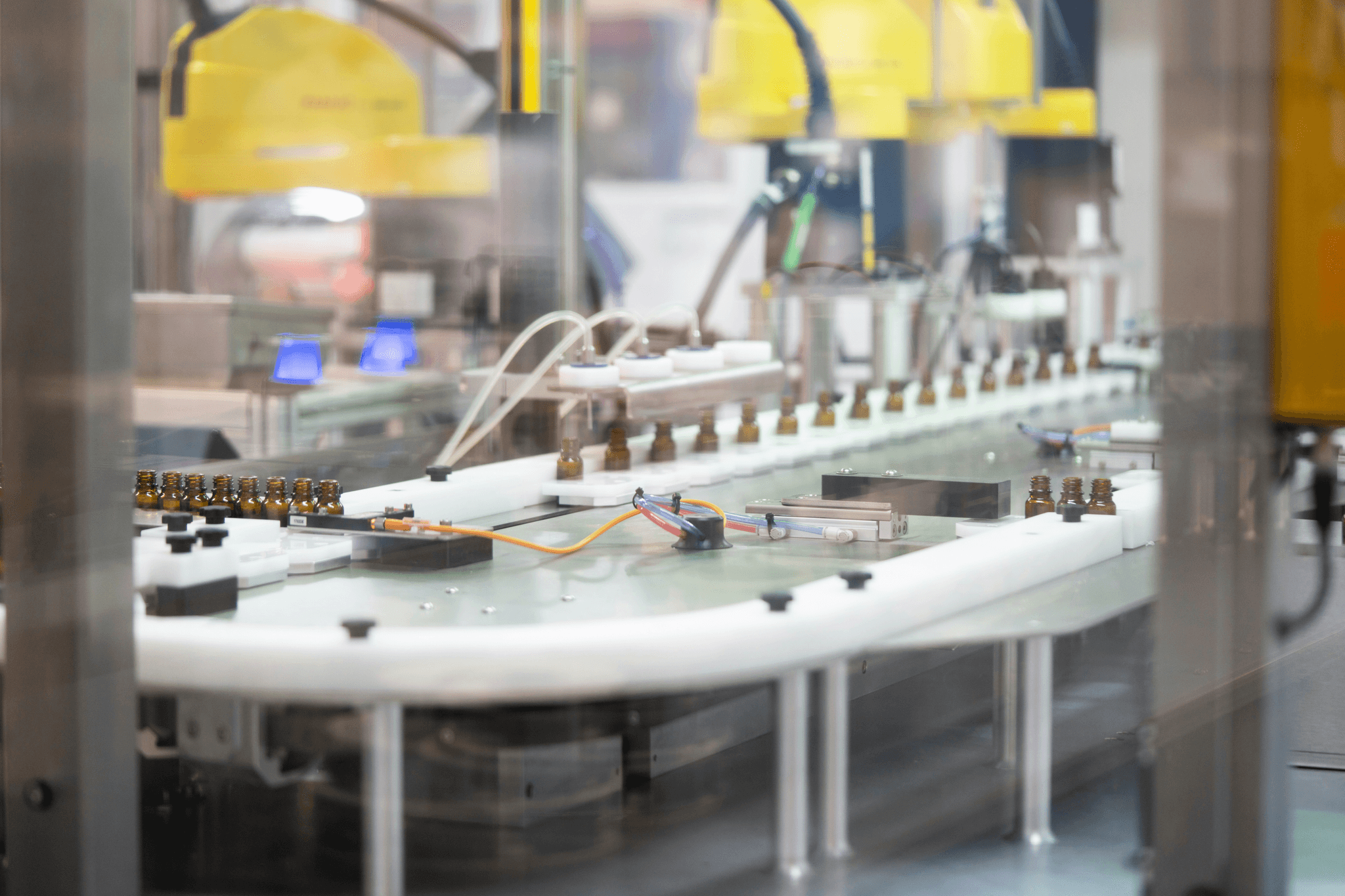
In the fast-paced world of Electronics Manufacturing, maintaining high quality is essential for success. Quality not only influences customer satisfaction but also impacts brand reputation and operational efficiency. Therefore, establishing a robust quality control framework is vital to ensure that products meet stringent standards and perform reliably in the market.
Importance of Quality in Electronics Manufacturing
Quality in Electronics Manufacturing is paramount as it directly affects product reliability and customer trust. Poor quality can lead to increased returns, warranty claims, and damage to a company’s reputation—an outcome no manufacturer desires. By focusing on quality, companies can create a competitive edge that fosters customer loyalty and drives long-term success.
Key Challenges in Maintaining Quality
Despite its importance, maintaining quality in Electronics Manufacturing presents several challenges. Variability in component sourcing, fluctuating production processes, and human error can all compromise product integrity. Moreover, the rapid pace of technological advancement necessitates constant updates to processes and training programs to ensure consistent quality standards are met.
Overview of Effective Quality Control Methods
To combat these challenges effectively, manufacturers must implement a variety of quality control methods tailored to their unique needs. Creating a Quality Control Checklist is an excellent starting point that helps streamline inspections and establish inspection frequency across different stages of production. Consistent processes supported by advanced technologies can enhance components management while ensuring adherence to quality benchmarks throughout the manufacturing lifecycle.
Implement Rigorous Testing Procedures
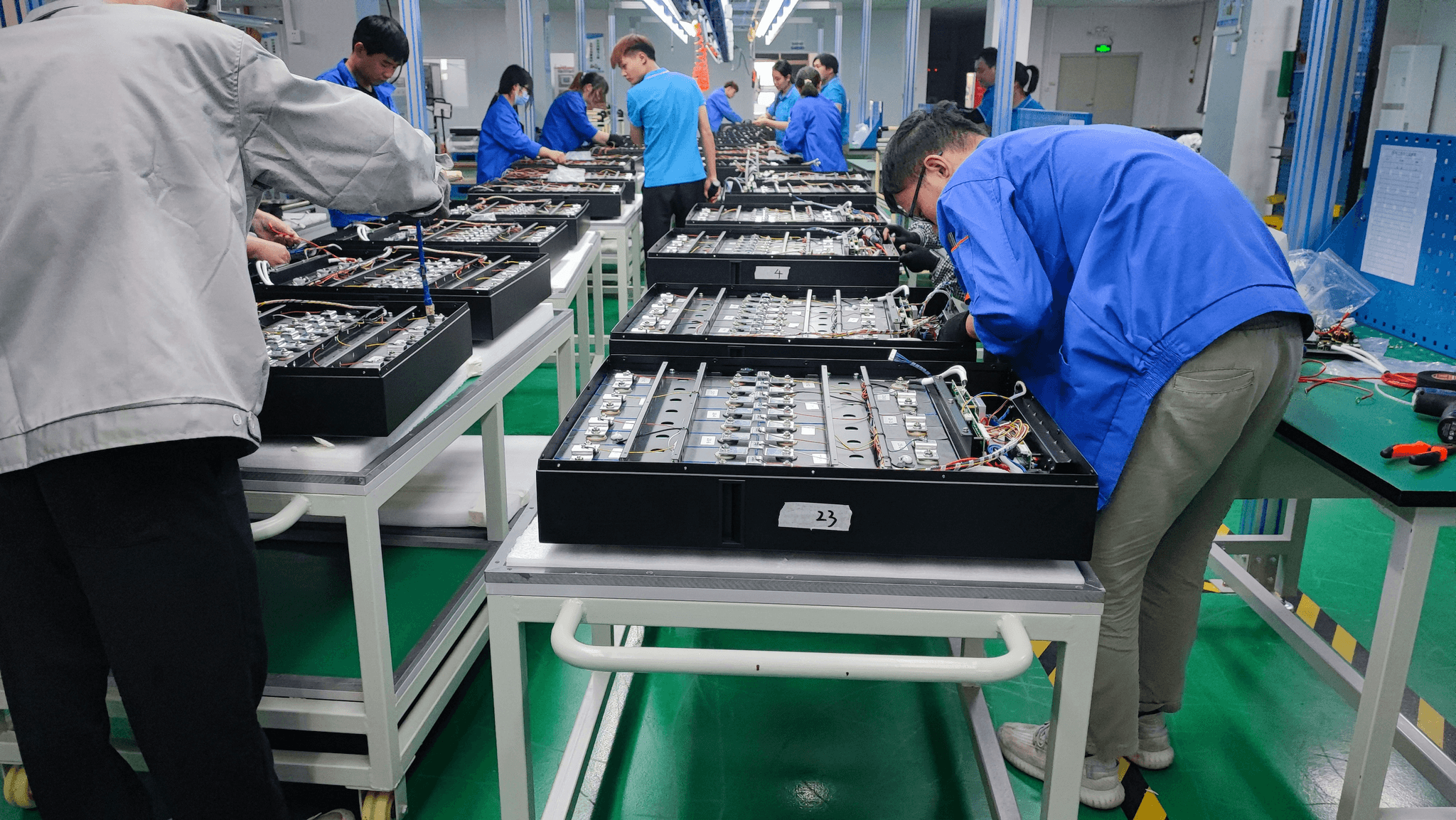
In the world of Electronics Manufacturing, rigorous testing procedures are not just a checkbox on a list; they are the backbone of product quality and reliability. By implementing these testing protocols, manufacturers can significantly reduce defects and ensure that their products meet industry standards. This section will explore the critical phases of testing: pre-production, continuous checks during production, and post-production inspections.
Importance of Pre-production Testing
Pre-production testing is essential for verifying that components management processes are effective before any assembly begins. This stage allows manufacturers to create a quality control checklist that identifies potential issues early on, saving both time and resources in the long run. By establishing inspection frequency at this phase, manufacturers can ensure that every component meets required specifications before they even hit the production line.
Moreover, conducting thorough pre-production tests helps in identifying design flaws or material deficiencies that could lead to failures later on. It’s like having a safety net—catching problems before they spiral into costly recalls or damaged reputations is invaluable in Electronics Manufacturing. Ultimately, this proactive approach fosters confidence among stakeholders and customers alike.
Continuous Quality Checks During Production
Once production kicks off, maintaining consistent processes through continuous quality checks is crucial for sustaining high standards in Electronics Manufacturing. Regular inspections throughout the manufacturing process help catch deviations from quality benchmarks early on—before they become widespread issues affecting large batches of products. Establishing inspection frequency during this stage ensures that every step adheres to predetermined standards.
Implementing real-time monitoring systems can further enhance these checks by providing immediate feedback on any anomalies detected during production runs. This allows teams to make quick adjustments rather than waiting until the end of a production cycle when problems may already have escalated. Ultimately, consistent processes not only improve product quality but also enhance operational efficiency.
Post-production Inspections
Post-production inspections serve as the final checkpoint in ensuring product excellence before items reach consumers in Electronics Manufacturing. These inspections verify that all components meet quality requirements and function as intended after assembly is complete. By applying rigorous standards during this phase, manufacturers can identify any last-minute defects or inconsistencies.
Additionally, post-production evaluations offer valuable insights into overall manufacturing performance and areas for improvement in future cycles—turning inspection findings into actionable insights for ongoing development efforts is key here! With an effective strategy for post-production checks in place, companies can confidently deliver high-quality electronics while minimizing returns and enhancing customer satisfaction.
Utilize Advanced Manufacturing Technologies
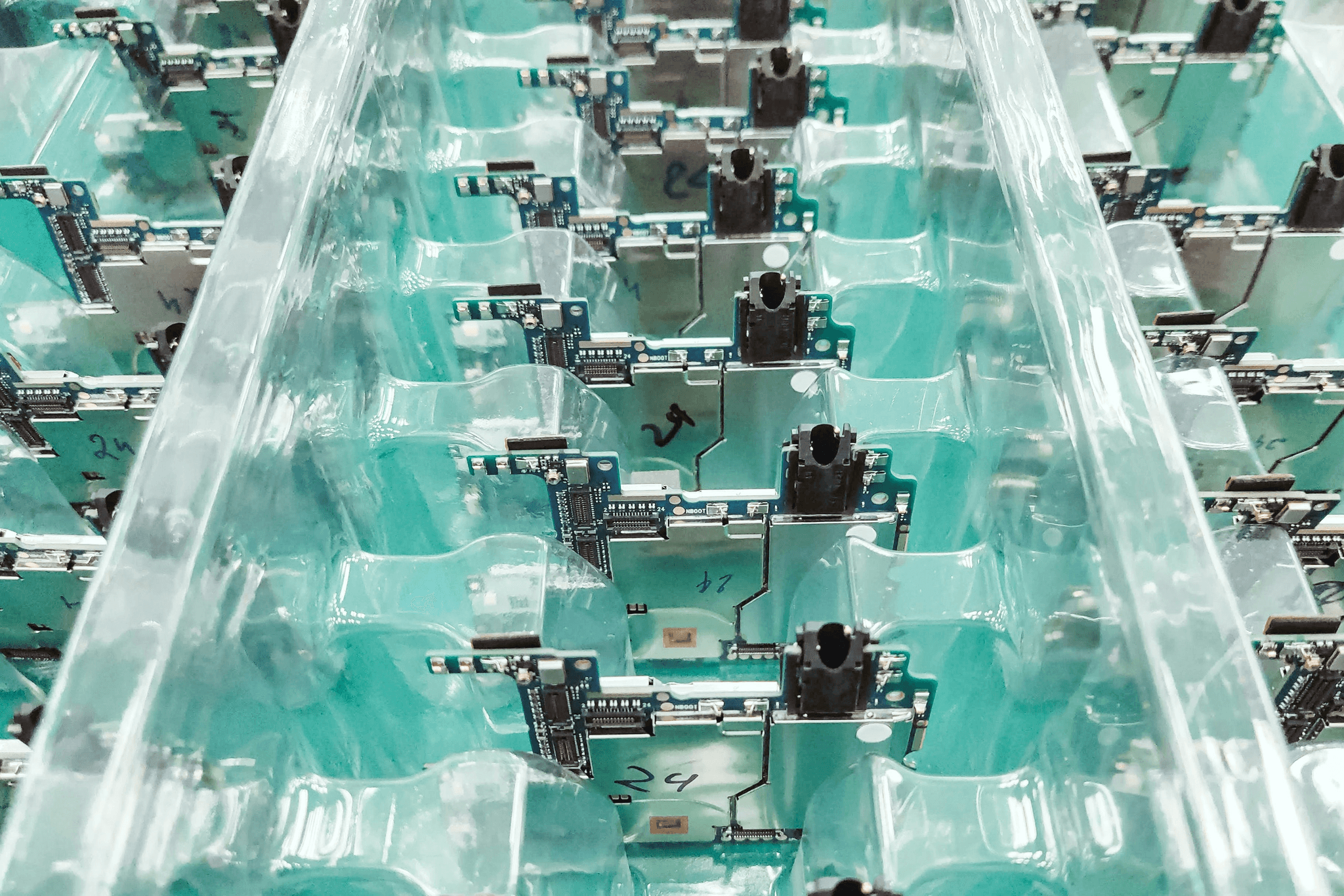
In the fast-paced world of electronics manufacturing, leveraging advanced technologies is no longer a luxury but a necessity. Automation, the Internet of Things (IoT), and artificial intelligence (AI) have become pivotal in enhancing quality control processes. By integrating these technologies, manufacturers can create a quality control checklist that ensures consistent processes and optimal components management.
Role of Automation in Quality Control
Automation plays a crucial role in maintaining high standards within electronics manufacturing. By automating repetitive tasks, manufacturers can reduce human error and ensure that every component is produced with precision. Additionally, establishing inspection frequency through automated systems allows for real-time monitoring, enabling quick adjustments to maintain quality.
The integration of automated systems not only streamlines production but also facilitates the collection of data related to quality control metrics. These insights can be used to refine processes further and identify areas for improvement. Ultimately, automation empowers teams to focus on higher-level problem-solving while ensuring consistent processes are followed throughout production.
Benefits of IoT in Electronics Manufacturing
The Internet of Things (IoT) has revolutionized how manufacturers approach quality assurance in electronics manufacturing. With IoT-enabled devices, companies can monitor equipment performance and product quality in real time, allowing for immediate corrective actions when deviations occur. This capability significantly enhances components management by providing visibility into each stage of production.
Moreover, IoT technology enables predictive maintenance, which helps prevent equipment failures before they impact product quality or lead to costly downtime. By utilizing data analytics derived from connected devices, manufacturers can establish inspection frequency based on actual performance rather than arbitrary schedules. This proactive approach fosters continuous improvement and helps maintain high-quality standards across all operations.
How Artificial Intelligence Enhances Quality Assurance
Artificial intelligence (AI) is another game-changer in the realm of electronics manufacturing and quality assurance. AI algorithms can analyze vast amounts of data from various sources to identify patterns that may indicate potential issues before they escalate into significant problems. This capability allows manufacturers to create a more effective quality control checklist tailored specifically to their production needs.
Furthermore, AI-driven tools can automate the analysis of inspection results and provide actionable insights for improving processes continuously. By incorporating machine learning models into their operations, companies can adapt their strategies based on historical performance data while ensuring consistent processes across all stages of production. The result is enhanced product excellence that meets or exceeds customer expectations consistently.
Invest in Workforce Training and Development

In the fast-paced world of Electronics Manufacturing, investing in workforce training and development is not just a luxury—it's a necessity. Skilled labor plays a crucial role in maintaining high-quality standards, as employees equipped with the right knowledge can effectively manage components and adhere to consistent processes. By prioritizing training, manufacturers can ensure that their teams are not only capable of executing tasks but also committed to upholding quality throughout the production cycle.
Importance of Skilled Labor in Electronics Manufacturing
Skilled labor is the backbone of any successful Electronics Manufacturing operation. When workers possess specialized knowledge and hands-on experience, they are better equipped to identify potential issues early on, which helps create a quality control checklist that addresses critical areas before problems escalate. Moreover, skilled employees contribute to components management by ensuring that each part meets specified standards and functions correctly within the final product.
Training programs that focus on developing specific skills relevant to Electronics Manufacturing can significantly enhance productivity while reducing waste and errors. This investment pays off through improved product quality and faster turnaround times—two essential factors for staying competitive in today’s market. Ultimately, having a knowledgeable workforce leads to fewer defects and higher customer satisfaction.
Continuous Education and Training Programs
Continuous education is vital for keeping pace with technological advancements in Electronics Manufacturing. Regularly scheduled training programs help reinforce existing skills while introducing new techniques or technologies relevant to modern manufacturing processes. Establishing inspection frequency within these programs ensures that employees are consistently updated on best practices for quality assurance.
One effective approach is implementing hands-on workshops where employees can practice new skills or technologies directly related to their roles. This experiential learning fosters an environment where staff feel empowered to innovate while adhering to established quality standards. Additionally, creating a culture of continuous improvement encourages team members to seek out further training opportunities independently.
By investing in ongoing education, manufacturers can cultivate a highly skilled workforce ready to tackle challenges head-on—ultimately leading to enhanced product reliability and reduced operational costs over time.
Cultivating a Quality-First Mindset
Cultivating a quality-first mindset among employees is essential for fostering an environment dedicated to excellence in Electronics Manufacturing. When every team member understands their role in maintaining quality, it promotes accountability across all levels of production—from assembly line workers to management personnel overseeing operations. This collective commitment ensures consistent processes are followed throughout manufacturing.
To nurture this mindset, companies should encourage open communication about quality concerns or suggestions for improvement from all employees—after all, those on the front lines often have valuable insights into potential pitfalls or inefficiencies! Additionally, recognizing individual contributions toward achieving high-quality outcomes reinforces the importance of each person’s role in the overall success of the organization.
Creating initiatives such as monthly awards for exceptional attention to detail or innovative ideas can motivate staff members while reinforcing their commitment towards maintaining top-notch standards across all stages of production.
Collaborate with Quality Inspection Services
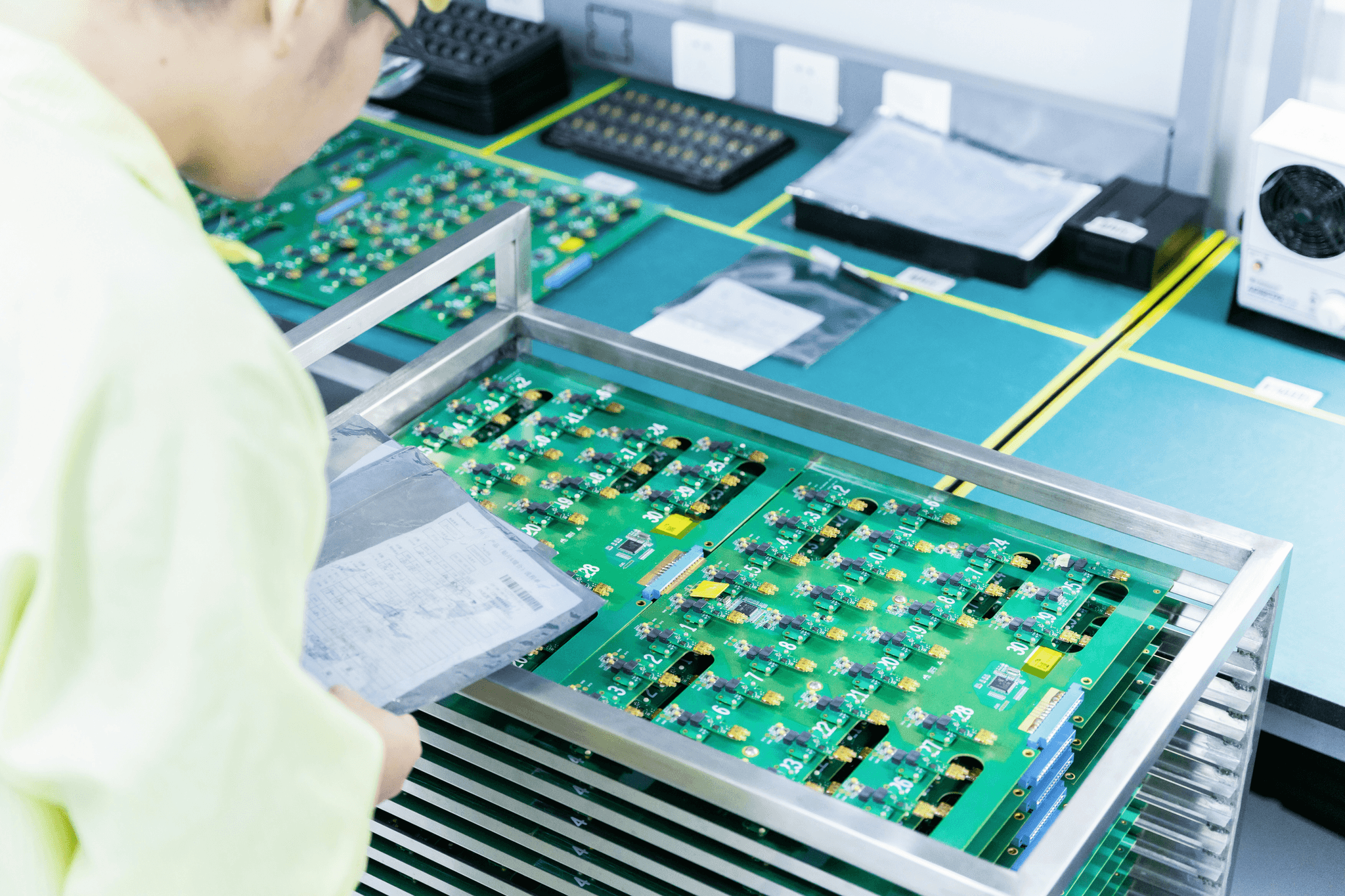
In the competitive landscape of electronics manufacturing, collaboration with quality inspection services can significantly enhance product quality and reliability. By partnering with specialized firms like China Inspection Pro, manufacturers can leverage expertise that ensures adherence to stringent quality standards. This collaboration not only streamlines the inspection process but also fosters a culture of accountability and excellence.
Benefits of Partnering with China Inspection Pro
Partnering with China Inspection Pro brings a myriad of benefits to electronics manufacturing operations. First, their comprehensive approach allows manufacturers to create a quality control checklist tailored to specific components management needs, ensuring that each aspect of production meets the required standards. Additionally, their ability to establish inspection frequency helps maintain consistent processes throughout the manufacturing cycle, reducing the likelihood of defects and enhancing overall product integrity.
Moreover, working with such specialized services allows for real-time feedback during production phases. This immediate insight enables manufacturers to address issues proactively rather than reactively, saving time and resources in the long run. Ultimately, this partnership cultivates trust among stakeholders by demonstrating a commitment to high-quality products.
How Quality Inspection Drives Product Excellence
Quality inspection is pivotal in driving product excellence in electronics manufacturing by identifying potential flaws before they escalate into costly defects. Regular inspections ensure that every component adheres to industry standards while also allowing for adjustments based on performance metrics gathered during production runs. By integrating these checks into routine operations, businesses can refine their processes and elevate their product offerings.
Furthermore, implementing a robust quality control checklist helps standardize procedures across different production lines. This consistency not only enhances efficiency but also reinforces brand reputation as consumers increasingly seek reliable products from trusted manufacturers. In essence, effective quality inspection serves as both a safeguard against errors and a catalyst for continuous improvement.
Turning Inspection Findings into Actionable Insights
The true value of collaborating with quality inspection services lies in turning findings into actionable insights that drive improvements in electronics manufacturing processes. After conducting thorough inspections, it’s crucial for teams to analyze data meticulously; this analysis reveals patterns that may indicate recurring issues or areas ripe for optimization within components management strategies.
By embracing these insights, manufacturers can adjust their operational practices accordingly—whether it’s refining material choices or altering assembly techniques—to bolster overall product quality further. Establishing consistent processes based on these findings ensures that lessons learned translate into tangible enhancements throughout future production cycles.
Ultimately, leveraging the expertise gained from inspections empowers organizations not just to respond effectively but also proactively shape their approach toward quality assurance in electronics manufacturing.
Conclusion
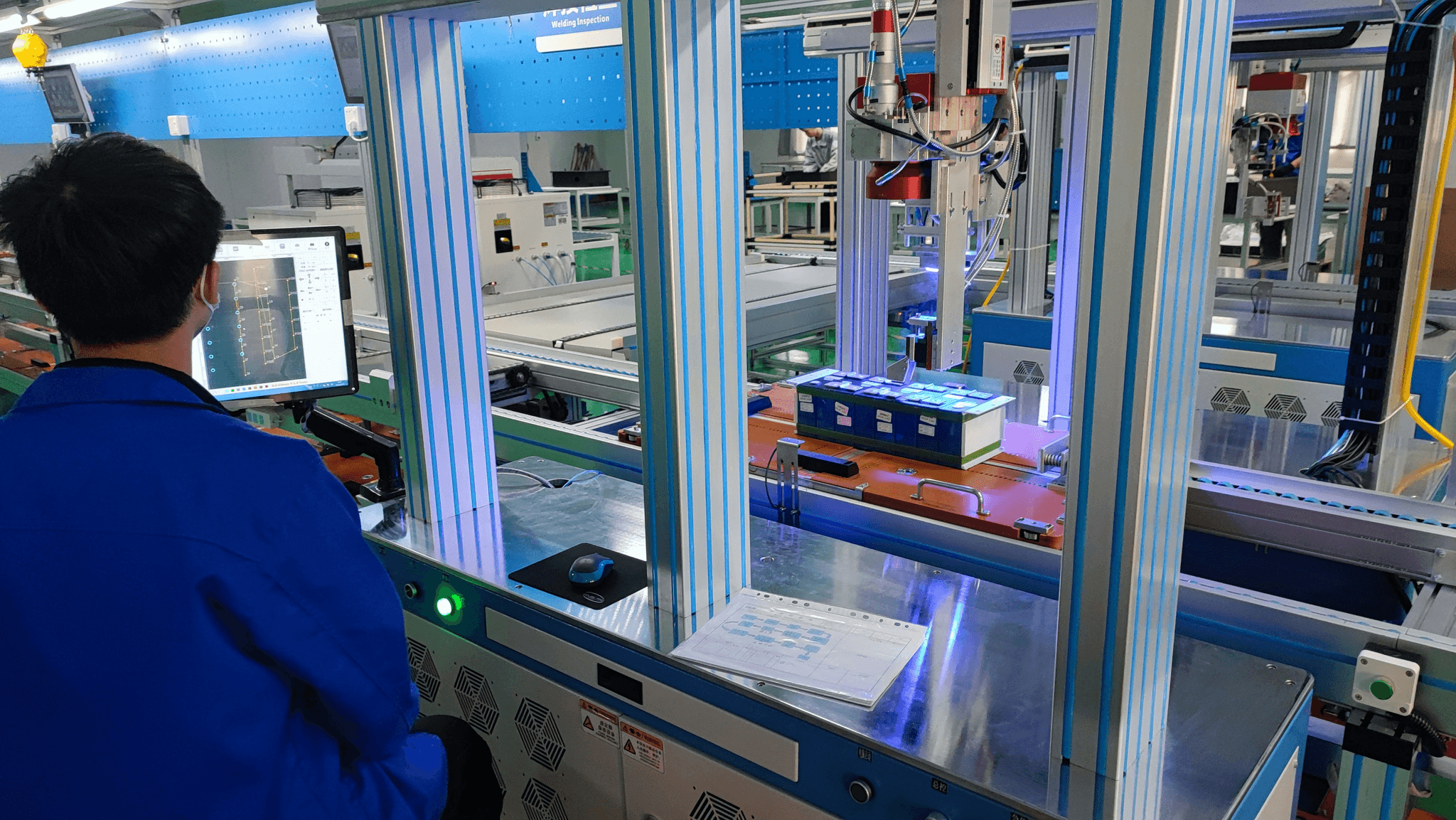
In the world of Electronics Manufacturing, maintaining quality is not just a goal—it's a necessity. By implementing effective quality control strategies such as rigorous testing procedures, utilizing advanced technologies, investing in workforce training, and collaborating with inspection services, manufacturers can create a robust framework for excellence. A comprehensive approach ensures that every component is managed effectively while establishing inspection frequency and consistent processes to drive superior outcomes.
Recap of Quality Control Strategies
To recap, the journey toward exceptional quality in Electronics Manufacturing begins with creating a quality control checklist that outlines essential testing and inspection steps. Pre-production testing sets the stage for success, while continuous checks during production help catch issues early on. Post-production inspections are equally vital; they ensure that finished products meet established standards before reaching consumers.
The Role of Technology in Electronics Manufacturing
Technology plays an instrumental role in enhancing quality assurance within Electronics Manufacturing. Automation streamlines processes and reduces human error, while IoT offers real-time data that aids in components management and monitoring production lines efficiently. Furthermore, artificial intelligence can analyze vast amounts of data to identify patterns or anomalies, allowing manufacturers to proactively address potential quality issues before they escalate.
Importance of Continuous Improvement in Quality Assurance
The pursuit of excellence doesn't end once standards are met; continuous improvement is critical in the realm of Electronics Manufacturing. Regularly revisiting and refining processes ensures that manufacturers stay ahead of industry trends and consumer demands. By fostering a culture where feedback drives innovation and adjustments are made based on inspection findings, companies can enhance their overall product quality consistently.