
Introduction
In the ever-evolving landscape of quality management, understanding the role of IQC—or Incoming Quality Control—is paramount. What does IQC mean in this context? It serves as a critical checkpoint in the manufacturing process, ensuring that materials and components meet specified quality standards before they enter production. This initial layer of quality control lays the foundation for a robust system that upholds product integrity.
Understanding the Role of IQC
What is IQC in quality management? At its core, IQC is designed to identify defects early in the supply chain, allowing manufacturers to address issues before they escalate into costly problems down the line. By implementing effective IQC processes, organizations can significantly reduce waste and improve overall efficiency—an essential goal in today’s competitive market.
Importance of Quality Management
Quality management is not just a buzzword; it’s a crucial aspect that influences customer satisfaction and brand reputation. The importance of maintaining high-quality standards cannot be overstated—after all, consumers are increasingly discerning and expect nothing less than excellence from their products. Thus, integrating robust systems like IQC into broader quality management strategies becomes vital for long-term success.
The Connection Between IQC, IPQC, and OQC
Understanding how IQC connects with other quality control methods such as IPQC (In-Process Quality Control) and OQC (Outgoing Quality Control) is essential for creating a comprehensive quality assurance framework. While IQC focuses on incoming materials, IPQC monitors processes during production, and OQC ensures final products meet established specifications before shipping. Together, these elements create a synergy that enhances overall product reliability and customer satisfaction.
What is IQC in Quality Management

In the realm of quality management, understanding the role of Incoming Quality Control (IQC) is essential for ensuring that products meet specified standards before they enter the production process. So, what does IQC mean? Essentially, it acts as the first line of defense against defects and inconsistencies in materials and components sourced from suppliers. The purpose of IQC is to systematically evaluate incoming goods to confirm their quality and compliance with established specifications.
Definition and Purpose of IQC
What is IQC? It stands for Incoming Quality Control, a critical component within quality management systems aimed at assessing the quality of materials before they are utilized in manufacturing processes. The primary purpose of IQC is to prevent defective products from making their way into production lines, ultimately safeguarding both product integrity and customer satisfaction. By conducting thorough inspections during this phase, organizations can reduce waste and avoid costly recalls or rework later in the production cycle.
The Five Key Principles of IQC
The effectiveness of IQC hinges on five key principles that guide its implementation: clarity, consistency, communication, collaboration, and continuous improvement. Clarity ensures that all inspection criteria are well-defined so that everyone involved understands what constitutes acceptable quality levels. Consistency guarantees that inspections are performed uniformly across different batches or shipments—this reduces variability and fosters reliability in results.
Communication plays a pivotal role by keeping all stakeholders informed about quality expectations and any issues arising during inspections; this transparency builds trust between suppliers and manufacturers. Collaboration among teams enhances problem-solving capabilities when defects are detected while emphasizing shared responsibility for product quality across departments. Lastly, continuous improvement encourages organizations to regularly review their processes to identify areas for optimization—this principle ensures that IQC remains relevant amid evolving industry standards.
The Evolution of IQC Practices
The evolution of IQC practices has been shaped by advancements in technology and shifts in market demands over time. Initially focused on basic visual inspections, modern IQC now incorporates sophisticated methodologies such as statistical sampling techniques and automated inspection systems powered by artificial intelligence (AI). This shift not only increases efficiency but also improves accuracy when evaluating incoming materials.
Moreover, the integration of data analytics into IQC practices allows organizations to identify trends related to supplier performance or material defects more effectively than ever before; this proactive approach enables businesses to address potential issues before they escalate into significant problems down the line. As we look ahead at what is IQC in quality management today versus its historical context, it becomes clear that embracing innovation will be crucial for maintaining competitive advantage while ensuring high-quality outputs.
IQC Inspection Standards
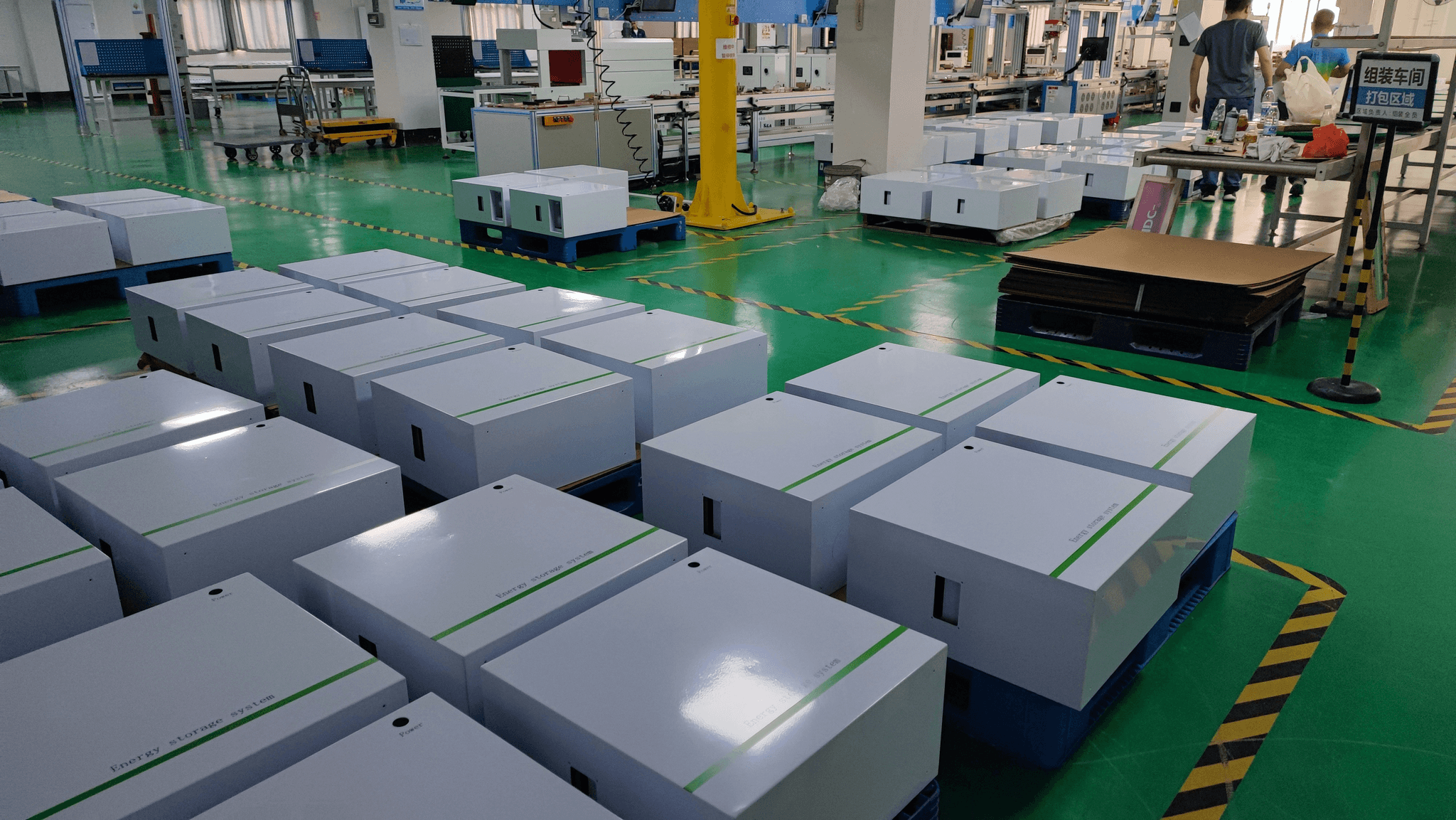
In the realm of quality management, understanding IQC inspection standards is crucial for ensuring that incoming materials meet the required specifications before they enter the production process. These standards serve as guidelines to help organizations maintain a consistent level of quality throughout their operations. So, what are IQC inspection standards? They encompass various protocols and criteria designed to assess the quality of incoming goods effectively.
Overview of Common IQC Standards
Common IQC standards include various methodologies and frameworks that help organizations define what constitutes acceptable quality for incoming materials. These may involve statistical sampling methods, visual inspections, and specific material specifications tailored to each industry’s needs. By implementing these standards, companies can answer the question: What is IQC in quality management? Essentially, it serves as a proactive approach to identifying potential issues before they escalate into larger problems during production.
Furthermore, these standards often align with industry benchmarks and regulatory requirements, ensuring that organizations not only meet internal goals but also comply with external mandates. For instance, many companies adopt guidelines from internationally recognized bodies like ISO or ASTM to enhance their credibility and operational efficiency. Understanding these common IQC inspection standards is fundamental for any organization aiming to optimize its quality control processes.
Inside the ISO 9001 Framework
The ISO 9001 framework is one of the most widely recognized sets of standards in quality management systems globally and plays a pivotal role in defining effective IQC practices. It emphasizes a process approach that integrates various elements of quality control—including incoming quality control (IQC), in-process quality control (IPQC), and outgoing quality control (OQC). By adhering to ISO 9001 principles, organizations can ensure that their IQC measures are not only robust but also aligned with best practices in the industry.
What does IQC mean within this framework? Essentially, it involves establishing clear criteria for supplier evaluation and material acceptance based on documented procedures that align with customer expectations and regulatory requirements. This structured approach allows businesses to systematically monitor their supply chains while fostering continuous improvement—a core tenet of ISO 9001.
Incorporating ISO 9001 into your organization's IQC strategy can lead to enhanced consistency in product quality while reducing waste and inefficiencies across all stages of production. This alignment not only benefits manufacturers but also instills confidence among customers regarding product reliability.
Best Practices for Implementing Standards
Implementing effective IQC inspection standards requires a blend of strategic planning and practical execution tailored to an organization’s specific needs. One best practice is conducting thorough training programs for staff involved in incoming inspections; this ensures they understand both what is expected from them and how to utilize tools effectively for accurate assessments. Furthermore, regular audits should be conducted to evaluate compliance with established IQC procedures—this helps identify areas needing improvement or adjustment.
Another key aspect involves leveraging technology tools such as automated inspection systems or software applications designed specifically for managing incoming materials efficiently. These tools can streamline processes while reducing human error—making them invaluable assets when answering questions like: What are IQC inspection standards? They provide clarity on how inspections should be performed consistently across varying batches or suppliers.
Lastly, fostering open communication between suppliers and internal teams enhances transparency around expectations related to material specifications—this collaborative effort ultimately leads to improved relationships along the supply chain while reinforcing commitment towards maintaining high-quality inputs into production processes.
The Process of Incoming Quality Control

Incoming Quality Control (IQC) is crucial for ensuring that the materials and components received by a manufacturing facility meet the required standards before they enter the production process. Effective IQC helps to minimize defects, reduce waste, and enhance overall product quality. Understanding the steps involved in IQC can clarify what does IQC mean in practice and why it is essential for quality management.
Steps Involved in IQC
The first step in the IQC process typically involves sampling incoming materials based on predefined criteria. This includes determining how many items will be inspected and what specific characteristics will be evaluated, such as dimensions, material properties, or visual defects. Following this sampling, detailed inspections are conducted to assess whether these items meet established IQC inspection standards.
Once inspections are complete, any non-conforming items are documented and reported to relevant stakeholders for further action—be it rework, return to supplier, or disposal. After addressing any issues found during inspection, the approved materials can then proceed into production. This systematic approach ensures that only high-quality inputs enter the manufacturing workflow while reinforcing what is IQC in quality management.
Role of China Inspection Pro in IQC
China Inspection Pro plays a pivotal role in streamlining the IQC process for businesses looking to maintain high-quality standards while sourcing from suppliers overseas. They offer comprehensive inspection services that help companies verify compliance with their specific requirements before materials reach their facilities. By leveraging their expertise, businesses gain confidence that they are adhering to rigorous IQC inspection standards.
Additionally, China Inspection Pro provides tailored solutions that address unique industry needs—whether it’s electronics, textiles, or machinery parts—ensuring that clients receive thorough evaluations of their incoming goods. Their involvement not only saves time but also mitigates risks associated with poor quality control practices often seen when dealing with international suppliers. Ultimately, their support enhances understanding of what is IQC and its significance within a broader quality management framework.
Importance of Documentation in the IQC Process
Documentation serves as a backbone for effective Incoming Quality Control (IQC), ensuring transparency and accountability throughout the inspection process. Proper documentation records all findings from inspections—including pass/fail results—and serves as an invaluable resource for identifying trends over time or addressing recurring issues with specific suppliers or materials. This emphasis on documentation also reinforces compliance with various industry regulations related to what are IQC inspection standards.
Moreover, having detailed records allows organizations to swiftly respond if problems arise later down the production line due to subpar inputs—enabling traceability back to initial inspections conducted under their defined protocols of what does IQC mean? In essence, proper documentation not only supports continuous improvement efforts but also solidifies an organization’s commitment to maintaining high-quality standards across all levels of operations.
Challenges in IQC Implementation

Implementing Incoming Quality Control (IQC) is not without its hurdles. Organizations often face a variety of obstacles that can hinder the effectiveness of their quality management systems. Understanding these challenges is crucial for improving processes and ensuring that products meet the required standards.
Common Obstacles in Quality Control
One of the most significant challenges in IQC implementation is inconsistent supplier quality. When suppliers fail to deliver materials that meet established IQC inspection standards, it can lead to defects and increased costs down the line. Additionally, lack of training among staff about what IQC means and how to execute it effectively can result in poor inspections and missed defects.
Another common obstacle is inadequate documentation practices within quality management systems. Without proper records, tracking issues becomes nearly impossible, making it difficult to identify patterns or recurring problems related to incoming materials. Furthermore, communication gaps between different departments—such as procurement and quality assurance—can lead to misunderstandings about what constitutes acceptable quality levels.
Lastly, resistance to change within an organization can pose a significant barrier. Employees may be accustomed to certain ways of working and may not readily embrace new IQC practices or technologies aimed at enhancing quality control measures. This reluctance can slow down the entire process and affect overall product quality.
How to Mitigate Risks and Errors
To tackle these challenges effectively, organizations must first focus on supplier relationships by establishing clear expectations for compliance with IQC standards. Regular audits and performance reviews can help ensure that suppliers consistently meet the necessary requirements for incoming materials. Additionally, fostering open lines of communication with suppliers allows for quicker resolution of issues when they arise.
Training programs are essential for educating employees on what is IQC in quality management and how they can contribute positively to the process. By providing comprehensive training sessions that cover inspection techniques, documentation practices, and the importance of adhering to standards like ISO 9001, organizations can empower their teams to perform more effectively during inspections.
Investing in technology solutions also plays a pivotal role in mitigating risks associated with IQC implementation. Implementing software tools designed for real-time tracking and reporting can streamline documentation processes while facilitating better communication between departments involved in quality control efforts.
Real-World Examples of IQC Failures
Real-world failures highlight just how critical effective IQC practices are across various industries. For instance, a well-known automotive manufacturer faced severe backlash when defective parts from a supplier led to multiple vehicle recalls due to safety concerns—an unfortunate reminder of what happens when incoming materials aren't adequately inspected according to established IQC standards.
In another scenario involving electronics manufacturing, a company experienced significant production delays after receiving subpar components from overseas suppliers who didn't adhere strictly enough to their own defined inspection protocols for incoming goods—raising questions about their understanding of what does IQC mean? The resulting ripple effect impacted not only product timelines but also customer satisfaction ratings.
These examples serve as cautionary tales emphasizing why robust Incoming Quality Control procedures are essential for maintaining product integrity while avoiding costly errors down the line.
Comparing IQC, IPQC, and OQC

In the world of quality management, understanding the roles of Incoming Quality Control (IQC), In-Process Quality Control (IPQC), and Outgoing Quality Control (OQC) is crucial. Each plays a distinct role in ensuring that products meet the required standards throughout the manufacturing process. So, what does IQC mean in this context? Essentially, IQC focuses on evaluating the quality of materials and components before they enter the production line, setting a strong foundation for overall product quality.
What Does IQC Mean in Context?
What is IQC? It refers to a systematic approach used to assess incoming materials and components for defects or inconsistencies before they are utilized in production. By implementing robust IQC practices, manufacturers can significantly reduce waste and avoid costly errors down the line. This proactive stance not only ensures compliance with quality standards but also fosters a culture of continuous improvement within organizations.
Key Differences Between IQC, IPQC, and OQC
When we delve into the differences between IQC, IPQC, and OQC, it becomes clear that each serves unique functions within quality management systems. While IQC focuses on inspecting incoming materials prior to their use in manufacturing processes, IPQC monitors product quality during production to catch any issues early on. OQC takes center stage at the end of the manufacturing process by inspecting finished products before they are shipped out to customers—ensuring that only high-quality goods reach consumers.
Understanding these distinctions helps clarify how each control method contributes to an organization's overall quality assurance strategy. For example, while all three methods aim for excellence in product quality, their timing and focus differ significantly: from pre-production checks with IQC to real-time monitoring through IPQC and final inspections via OQC.
The Synergy Between These Control Methods
The synergy between IQC, IPQC, and OQC creates a comprehensive framework for maintaining high-quality standards throughout production cycles. By integrating these control methods effectively, companies can create a seamless flow of information regarding product quality from incoming materials all the way through to final output. This interconnectedness not only enhances operational efficiency but also cultivates an environment where continuous improvement is prioritized.
Moreover, leveraging technology within this synergy can streamline processes further—automating inspections or utilizing data analytics can provide deeper insights into potential areas for enhancement across all stages of production. Ultimately, understanding what is IQC in relation to IPQC and OQC allows organizations to create robust systems that ensure consistent delivery of high-quality products.
Conclusion
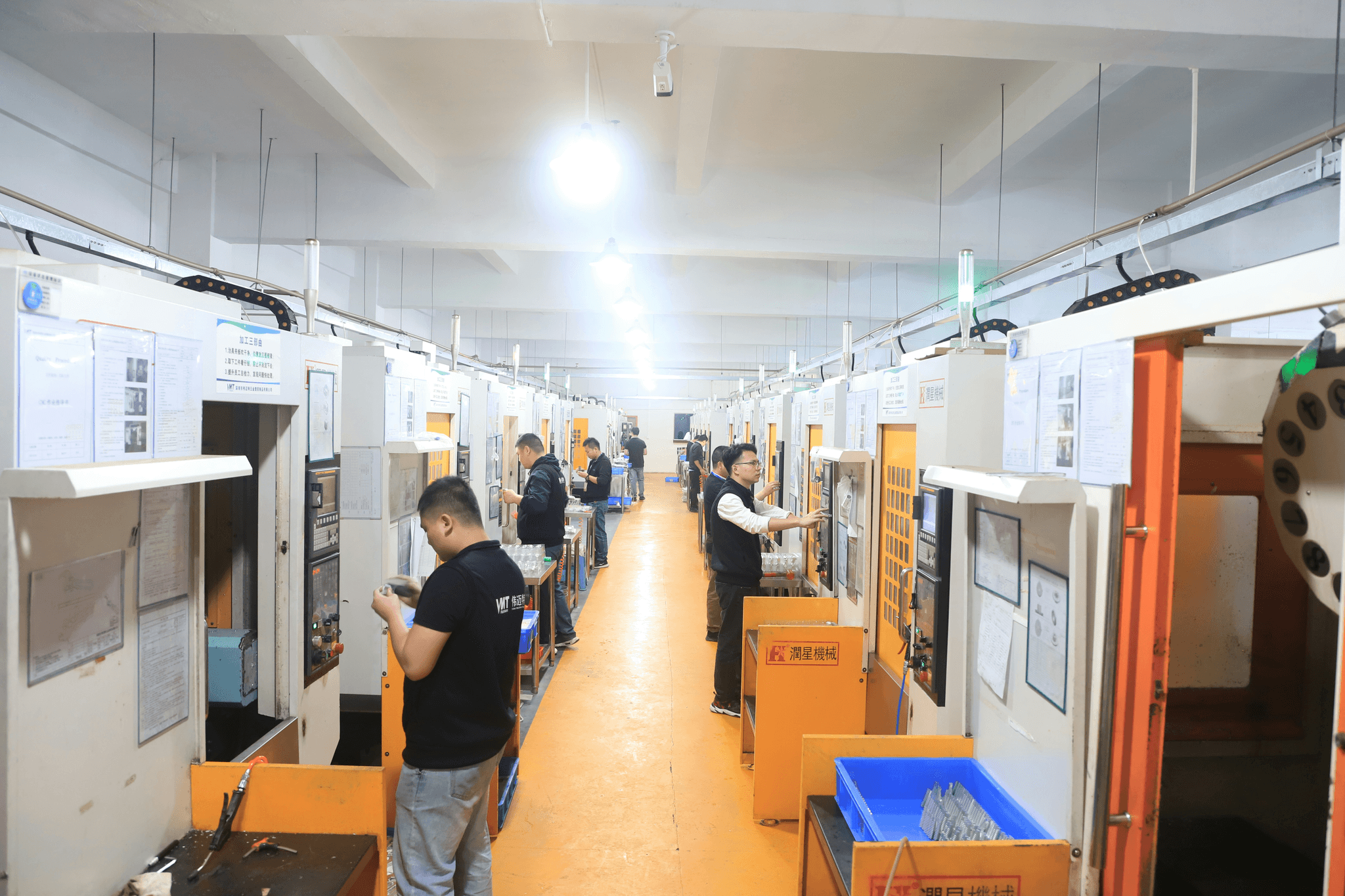
In the ever-evolving landscape of manufacturing, the future of IQC (Incoming Quality Control) is bright and full of potential. As companies increasingly recognize the importance of quality management, IQC will play a pivotal role in ensuring that products meet stringent standards before they even reach production lines. This proactive approach not only enhances product reliability but also builds trust with consumers and stakeholders alike.
The Future of IQC in Manufacturing
What does IQC mean for manufacturers looking to thrive? It signifies a shift towards more rigorous quality assurance processes that integrate seamlessly with other quality control methods like IPQC (In-Process Quality Control) and OQC (Outgoing Quality Control). As industries embrace automation and data analytics, the future of IQC will be characterized by smarter, more efficient practices that reduce waste and enhance overall productivity.
Enhancing Quality Through Continuous Improvement
What is IQC in quality management if not a commitment to continuous improvement? The principles behind IQC encourage organizations to constantly evaluate their processes, seeking ways to enhance performance and reduce defects. By fostering a culture of continuous improvement, businesses can adapt quickly to changes in market demands while maintaining high-quality standards across all operations.
Leveraging Technology for Effective IQC
In today's digital era, leveraging technology is crucial for effective IQC implementation. What are IQC inspection standards without modern tools to support them? Advanced technologies like AI-driven analytics and automated inspection systems not only streamline the inspection process but also provide real-time data that helps identify issues before they escalate into costly problems.