
Introduction

In the realm of scientific research, the concept of reference samples plays a pivotal role in ensuring the accuracy and reliability of results. These samples serve as benchmarks against which experimental data can be compared, allowing researchers to validate their findings and maintain consistency across various analyses. Understanding reference samples is not just an academic exercise; it’s a fundamental aspect that underpins the integrity of scientific inquiry.
Understanding the Concept of Reference Samples
A reference sample is essentially a standard or benchmark that researchers use to calibrate instruments, validate methods, or compare test results. It provides a known quantity or quality against which unknown samples can be measured, ensuring that findings are both accurate and reproducible. In various fields—from clinical trials to environmental testing—the application of reference samples is vital for establishing reliable data and drawing meaningful conclusions.
Importance in Scientific Research
The importance of reference samples in scientific research cannot be overstated; they are crucial for maintaining quality control throughout the research process. By utilizing well-characterized reference samples, scientists can ensure that their methodologies yield consistent results across different studies and laboratories. This consistency not only enhances the credibility of individual research projects but also contributes to broader scientific understanding by enabling comparisons across diverse studies.
Overview of Applications in Various Fields
Reference samples find applications across numerous fields, each with its unique requirements and standards. In clinical trials, they help ascertain drug efficacy by providing reliable baselines for patient responses; in environmental testing, they ensure that pollutant levels are accurately assessed against known standards; and in food safety testing, they help verify contamination levels against established safety thresholds. The versatility and necessity of reference samples make them indispensable tools in advancing knowledge and improving quality control practices across disciplines.
Defining Reference Samples

Understanding what constitutes a reference sample is crucial in various fields of research and analysis. A reference sample serves as a benchmark against which other samples can be compared, ensuring accuracy and consistency in results. These samples are typically well-characterized materials that have known properties or concentrations, allowing researchers to validate their methods and findings effectively.
What Constitutes a Reference Sample
A reference sample is defined by its reliability and reproducibility; it must exhibit consistent characteristics over time. In scientific terms, this means that the physical, chemical, or biological properties of the sample are well-documented and stable under defined conditions. Researchers often utilize certified reference materials (CRMs) that come with a certificate of analysis, providing assurance regarding their quality and suitability for various applications.
Distinction Between Reference and Test Samples
While both reference samples and test samples play vital roles in research, they serve distinctly different purposes. A reference sample is used primarily for calibration or validation of analytical methods, whereas a test sample is the subject of investigation or experimentation itself. This distinction is essential because mixing up these two types could lead to erroneous conclusions in research findings.
Common Types of Reference Samples
There are several common types of reference samples used across disciplines, each tailored to specific applications in research and analysis. For instance, biological reference samples might include blood serum with known analyte concentrations for clinical trials, while environmental testing often employs soil or water samples with established contaminant levels. Food safety testing also relies on standardized food matrices as reference samples to ensure compliance with safety regulations.
Applications of Reference Samples in Research and Analysis

Reference samples play a crucial role across various fields of research and analysis. Their applications can significantly enhance the reliability and validity of results, ensuring that findings are consistent and comparable. From clinical trials to environmental assessments, understanding how reference samples are utilized can shed light on their importance in quality control.
Role in Clinical Trials
In clinical trials, reference samples serve as benchmarks against which the effectiveness of new treatments can be measured. They help establish a baseline for normal biological responses, allowing researchers to determine whether observed effects are due to the treatment or simply variations in patient responses. By incorporating well-characterized reference samples, researchers can enhance the credibility of their findings, making it easier to cite these results in future studies.
Moreover, using reference samples helps ensure that test methods are reliable and reproducible across different laboratories. This consistency is vital for regulatory approval processes, where demonstrating rigorous quality control is essential. As a result, the role of reference samples in clinical trials cannot be overstated—they are foundational to advancing medical science.
Utilization in Environmental Testing
Environmental testing relies heavily on reference samples to monitor pollutants and assess ecosystem health effectively. These samples provide a standard against which environmental data can be compared, helping scientists identify trends over time or detect anomalies that may indicate contamination events. The applications of reference samples here extend beyond mere detection; they also facilitate compliance with environmental regulations by ensuring that testing methods meet established quality control standards.
For instance, water quality assessments often utilize reference samples containing known concentrations of specific contaminants. This allows researchers to calibrate their instruments accurately and validate their results against recognized benchmarks. Ultimately, employing reference samples ensures that environmental testing is both precise and trustworthy—essential for protecting public health and preserving natural resources.
Importance in Food Safety Testing
Food safety testing is another critical area where reference samples prove invaluable. They help ensure that food products meet safety standards by providing a reliable means for validating analytical methods used to detect harmful substances like pathogens or chemical residues. Utilizing well-defined reference samples allows laboratories to maintain high-quality control standards while conducting routine tests on food items.
In this context, having access to certified reference materials enables food safety officials to establish clear thresholds for acceptable levels of contaminants—making it easier for them to enforce regulations effectively. Furthermore, citing these reference materials when reporting findings enhances transparency within the industry and builds consumer trust in food safety practices. Thus, the importance of utilizing robust reference samples cannot be underestimated; they form an essential pillar supporting public health initiatives worldwide.
Citing Reference Samples
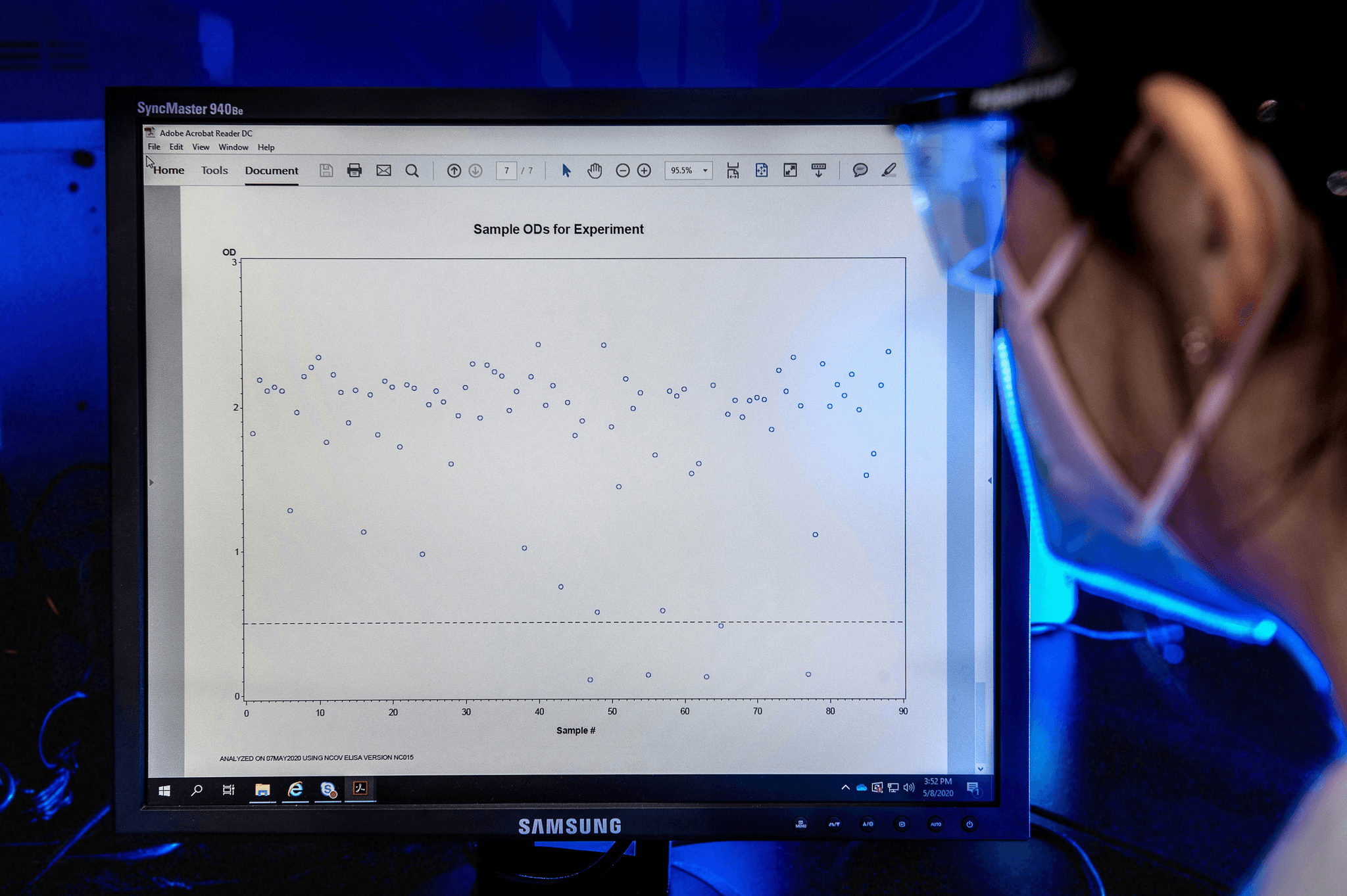
When it comes to scientific research, citing reference samples is not just a bureaucratic formality; it's a fundamental aspect that ensures credibility and reproducibility. Proper citation provides transparency in the research process, allowing others to trace the origins of data and validate findings. Additionally, it highlights the importance of quality control by showcasing how reference samples were utilized in experiments and analyses.
Why Proper Citation Matters
Proper citation of reference samples is crucial for several reasons. First, it enhances the integrity of research by ensuring that all data sources are acknowledged, which is essential for maintaining trust among peers and stakeholders. Furthermore, accurate citations enable researchers to build upon existing work effectively; without them, valuable insights could be lost in a sea of unverified claims.
Moreover, citing reference samples can significantly influence regulatory compliance in fields like clinical trials or environmental testing. Regulatory bodies often require precise documentation regarding the use of reference samples to ensure safety and efficacy standards are met. Thus, neglecting proper citation can lead to severe consequences—both academically and legally.
Guidelines for Citing in Research
When citing reference samples in research papers or articles, researchers should adhere to specific guidelines that promote clarity and consistency. Most academic journals provide style guides—such as APA, MLA, or Chicago—that outline how to cite various types of sources including reference materials. Researchers should include essential details such as the name of the sample, source organization or repository, date accessed (if applicable), and any relevant identifiers like a DOI or accession number.
Additionally, it's wise to provide context around each cited reference sample within your text; this helps readers understand its significance in relation to your findings or hypotheses. For example: The results demonstrated significant alignment with findings from Smith et al.'s 2020 study using Reference Sample XYZ. This approach not only improves readability but also reinforces the connection between your work and established research.
Examples of Citing in Different Disciplines
Citing reference samples varies across disciplines due to differences in conventions and standards; however, some core principles remain consistent regardless of field. In biomedical research, one might cite a reference sample from an established biorepository as follows: National Institutes of Health (NIH) Biorepository (2021). Reference Sample ID: R12345. In contrast, environmental science might lean towards more detailed descriptions that include geographical information: U.S. Geological Survey (2020). Reference Sample from Hudson River Basin.
In social sciences where qualitative data may come into play alongside quantitative metrics from reference samples, citations could look something like this: Jones & Taylor (2022) utilized Reference Sample ABC for their longitudinal study on community health outcomes. Such examples illustrate how flexibility within citation practices can accommodate various methodologies while still emphasizing the importance of quality control through proper referencing.
Quality Control and Reference Samples

In the realm of scientific research, quality control is paramount, particularly when it comes to using reference samples. These samples act as benchmarks, ensuring that experiments yield consistent and reliable results. By maintaining high standards through quality control practices, researchers can confidently interpret their findings and draw meaningful conclusions.
Ensuring Consistency in Results
Ensuring consistency in results is one of the primary roles of reference samples in research and analysis. When a reference sample is used, it provides a stable point of comparison for test samples, helping to mitigate variability that can arise from different experimental conditions. This consistency is crucial for validating methods and confirming that results are reproducible across multiple trials or studies.
Moreover, the applications of reference samples extend beyond mere comparison; they also serve as a foundation for developing new testing methods. In clinical trials, for instance, utilizing well-characterized reference samples allows researchers to benchmark new drugs against established treatments effectively. Thus, the reliance on reference samples not only enhances accuracy but also fosters innovation in scientific inquiry.
Role of Quality Control in Laboratories
Quality control plays an indispensable role in laboratories where reference samples are employed extensively. It involves systematic measures to monitor and maintain the integrity of both test and reference samples throughout the testing process. By implementing rigorous quality control protocols, laboratories can ensure that their results are not only accurate but also compliant with regulatory standards.
Furthermore, establishing a robust quality control framework helps laboratories identify any discrepancies or anomalies early on in their processes. This proactive approach minimizes the risk of erroneous data that could arise from poorly managed reference samples or inadequate testing procedures. Hence, effective quality control directly correlates with enhanced trustworthiness in research findings across various disciplines.
How China Inspection Pro Implements Quality Control
China Inspection Pro stands at the forefront when it comes to implementing quality control measures involving reference samples. Their methodology includes stringent protocols for sourcing high-quality reference materials that meet international standards for accuracy and reliability. By doing so, they ensure that all applications of reference samples align with best practices within scientific research.
Additionally, China Inspection Pro employs advanced analytical techniques to validate their results continually against established benchmarks provided by their carefully selected reference samples. This commitment to excellence not only reinforces their credibility but also enhances overall laboratory performance across multiple sectors such as food safety testing and environmental analysis. As a result, organizations relying on China Inspection Pro benefit from improved confidence in their data integrity—essential for informed decision-making based on solid evidence.
Challenges in Using Reference Samples

While reference samples are invaluable in many fields, their use is not without challenges. Understanding these challenges is crucial for researchers and analysts who rely on the accuracy and reliability of reference samples in their work. Addressing these issues can significantly enhance the effectiveness of applications of reference samples in research and analysis.
Issues with Sample Degradation
One of the foremost challenges with reference samples is sample degradation over time. Environmental factors such as temperature, humidity, and light exposure can adversely affect the integrity of a reference sample, leading to inaccurate results during testing. Researchers must be vigilant, as even minor degradation can skew data and compromise quality control measures.
To mitigate these risks, proper storage conditions should be established based on the specific requirements of each type of reference sample. Regular monitoring and assessment can help ensure that samples remain viable for testing purposes. Ultimately, addressing issues related to sample degradation is essential for maintaining confidence in research findings.
Variability in Reference Values
Another challenge lies in the variability of reference values among different batches or sources of reference samples. This inconsistency can arise from variations in manufacturing processes or differences between laboratories that produce or analyze these samples. Such discrepancies complicate the process of citing reference samples accurately within research publications.
To combat variability, laboratories should establish standardized protocols for creating and validating reference samples across various contexts. Additionally, collaboration among institutions can facilitate sharing best practices to minimize discrepancies over time. By addressing variability head-on, researchers can improve the reliability of their findings and bolster confidence in quality control efforts.
Solutions to Overcome Common Challenges
Fortunately, there are several effective solutions to overcome common challenges associated with using reference samples. Implementing rigorous quality control measures throughout the lifecycle of a sample ensures that it remains stable and reliable for extended periods. Regular calibration against known standards also helps maintain consistency across different applications.
Moreover, utilizing advanced technologies such as digital tracking systems allows researchers to monitor environmental conditions affecting their references actively. Training personnel on best practices for handling and storing these critical resources further enhances overall quality control efforts within laboratories. By embracing innovative solutions, researchers can better navigate the complexities surrounding reference samples while ensuring high-quality results.
Conclusion

In summary, reference samples play a pivotal role across various domains of research and analysis. They serve not only as benchmarks for accuracy but also as tools for validation and consistency in results. Understanding the importance of reference samples, their applications, and proper citation practices is essential for advancing scientific inquiry.
Key Takeaways About Reference Samples
Reference samples are indispensable in ensuring the reliability of scientific findings. They provide a standardized measure that researchers can rely on to compare against test samples, thus enhancing the credibility of results. Additionally, recognizing the distinction between different types of reference samples can help streamline processes across diverse fields such as clinical trials, environmental testing, and food safety.
Future Trends in Research Applications
Looking ahead, the applications of reference samples are poised to expand significantly with advancements in technology and methodology. Innovations such as digital sampling techniques and automated analysis will likely enhance the efficiency and accuracy of using reference samples in research. Furthermore, interdisciplinary collaborations may lead to novel uses of these samples, particularly in emerging fields like personalized medicine and environmental sustainability.
The Impact on Quality Assurance Practices
The integration of quality control measures with reference samples is crucial for maintaining high standards in laboratory practices. By ensuring that results are consistent and reliable through rigorous quality control protocols involving reference samples, laboratories can bolster their reputations within the scientific community. As industries increasingly prioritize quality assurance practices, the role of reference samples will undoubtedly become even more central to achieving regulatory compliance and fostering public trust.