
Introduction

In the world of textiles, understanding GSM testing fundamentals is crucial for ensuring fabric quality and performance. GSM, or grams per square meter, serves as a vital metric that determines the weight and thickness of fabric, directly influencing its usability across various applications. As we delve into the intricacies of GSM testing, we'll explore its significance in quality control and how it affects everything from durability to feel.
Understanding GSM Testing Fundamentals
GSM testing is essential for manufacturers aiming to maintain high standards in their textile products. This measurement not only quantifies fabric weight but also serves as a benchmark for assessing quality control processes. By understanding what GSM testing entails, businesses can make informed decisions about material selection and production techniques that align with industry standards.
Importance of Quality Control in Textiles
Quality control is the backbone of any successful textile operation; without it, inconsistencies can lead to subpar products that fail to meet customer expectations. Implementing rigorous quality control measures ensures that every batch of fabric adheres to specified GSM levels, thereby guaranteeing reliability in performance and appearance. In an industry where reputation is paramount, prioritizing quality control can set a brand apart from its competitors.
How GSM Affects Fabric Quality
The relationship between GSM and fabric quality cannot be overstated; different GSM levels yield distinct characteristics in terms of texture, durability, and suitability for various applications. For instance, one might wonder: is 100 or 120 GSM thicker? This question highlights how slight variations in weight can influence not just feel but also functionality in real-world use cases. By comprehensively understanding how GSM impacts fabric attributes, manufacturers can tailor their offerings to meet specific consumer demands more effectively.
What is GSM Testing?

GSM stands for grams per square meter, a measurement that indicates the weight of fabric and plays a pivotal role in quality control. By knowing how to conduct a proper GSM test, manufacturers can ensure that their products meet industry standards and customer expectations.
Definition of GSM and Its Significance
GSM testing refers to the process of measuring the weight of fabric in grams per square meter, providing essential insights into its thickness and density. The significance of this measurement cannot be overstated; it directly influences aspects like durability, drape, and overall feel of the material. For instance, when pondering Is 100 or 120 GSM thicker?, it's clear that understanding these nuances helps manufacturers decide which fabric best suits their intended use.
Common GSM Measuring Techniques
There are several common techniques employed in conducting a GSM test to ensure accuracy in quality control processes. One popular method involves cutting a sample piece of fabric into a specific size—usually one square meter—and weighing it on precision scales. Another approach utilizes specialized machines designed explicitly for measuring GSM quickly and accurately, allowing for efficient production lines where quick decisions are necessary—especially when determining whether Is 350 or 600 GSM better? for particular applications.
Real-World Applications of GSM Testing
The applications of GSM testing extend far beyond mere academic interest; they have real-world implications across various industries. For instance, clothing manufacturers rely on accurate measurements to determine which fabrics will provide adequate warmth or breathability—essential factors when deciding between options like Which is thicker, 200 GSM or 300 GSM? In home textiles such as towels or bed linens, understanding the weight can affect consumer satisfaction significantly; heavier fabrics often imply higher quality and longevity.
The Role of Quality Control
Quality control is the backbone of any textile manufacturing process, ensuring that what leaves the factory meets the desired standards. In an industry where fabric quality can make or break a brand's reputation, effective quality control measures are essential for maintaining product consistency and reliability. By systematically evaluating each stage of production, manufacturers can identify potential issues early on, thus safeguarding their investments and customer satisfaction.
Ensuring Product Consistency and Reliability
One of the primary goals of quality control is to ensure that every batch of fabric produced maintains a consistent GSM (grams per square meter). This consistency is crucial because fluctuations in GSM can lead to differences in durability and feel—after all, nobody wants to receive a shipment where some rolls are 100 GSM while others are 120 GSM! With rigorous quality control protocols in place, manufacturers can confidently assure their clients that they will receive products that meet specified standards time after time.
In addition to maintaining GSM consistency, quality control processes help identify defects or irregularities in fabric production. For instance, if a batch shows signs of uneven thickness—like determining if 100 or 120 GSM is thicker—it’s essential for manufacturers to catch this before it reaches consumers. By implementing robust testing methods throughout the production cycle, companies not only enhance reliability but also build trust with their customers.
Processes Involved in Quality Control
Quality control involves several key processes designed to monitor and improve product quality continually. Among these processes is the GSM Test itself, which measures the weight of fabric samples accurately and consistently across different batches. Techniques such as cutting samples from various parts of rolls ensure that measurements reflect true average weights rather than anomalies.
Another critical component is regular inspections during production stages; this includes checking for colorfastness, shrinkage rates, and overall fabric integrity. These evaluations help answer questions like Is 350 or 600 GSM better? by providing insights into how different weights perform under various conditions. Moreover, feedback loops allow teams to adjust processes on-the-fly based on real-time data gathered during inspections.
Lastly, training employees on quality standards ensures everyone involved understands what constitutes acceptable fabric quality. This investment not only enhances morale but also fosters a culture where everyone takes ownership of product outcomes—after all, it's not just about passing tests; it's about delivering excellence every time.
Case Studies Highlighting Quality Control Success
To illustrate the impact of effective quality control practices in textiles, let’s look at two notable case studies: one involving a high-end fashion brand and another focused on an industrial textile manufacturer. The fashion brand faced challenges with inconsistent GSM levels leading to customer complaints about varying fabric feels between collections; however, after implementing stringent quality checks—including regular GSM Tests—they achieved remarkable improvements in customer satisfaction ratings.
On the other hand, an industrial textile manufacturer specializing in workwear was grappling with high return rates due to durability issues linked directly to improper weight specifications—specifically whether 200 GSM or 300 GSM was more appropriate for their products. By adopting comprehensive quality assurance protocols including thorough testing at each production phase, they were able to reduce returns significantly while enhancing overall product performance.
These case studies underscore why investing time and resources into robust quality control systems pays off—not just for manufacturers but also for consumers who ultimately benefit from superior products that meet their expectations consistently.
GSM Thickness: 100 vs. 120

When it comes to fabric thickness, the GSM (grams per square meter) measurement plays a crucial role in determining the characteristics of textile materials. In this section, we'll dive into the nuances between 100 and 120 GSM fabrics, exploring their differences and implications for quality control in textiles. Understanding these variations is essential for manufacturers and consumers alike who seek to make informed choices based on fabric performance.
Comparing the Thickness of 100 and 120 GSM
The primary difference between 100 and 120 GSM lies in their weight and thickness, which can significantly affect how each fabric behaves during use. While both fall within a similar range, the slight increase in weight at 120 GSM often translates to a more substantial feel, making it an attractive option for specific applications. In terms of the GSM test, this distinction is vital; understanding whether you need a lighter or heavier fabric can guide your purchasing decisions effectively.
Is 100 or 120 GSM thicker? The answer is straightforward: 120 GSM is indeed thicker than its counterpart by approximately 20 grams per square meter. This small yet significant difference can influence not only how the fabric looks but also how it performs under various conditions.
Impact on Fabric Durability and Feel
The durability of a fabric often correlates with its GSM rating; hence, understanding these ratings is essential for quality control processes in textile production. Fabrics with higher GSM values like 120 tend to be more durable than those at lower values such as 100, making them better suited for items that require longevity like outerwear or upholstery. Additionally, when considering comfort and feel—two critical aspects of consumer satisfaction—higher GSM fabrics generally provide a softer texture that enhances wearability.
However, it's important to note that higher thickness doesn't always equate to better performance across all applications; sometimes lighter fabrics are preferable depending on their intended use—like summer clothing where breathability matters most. Therefore, while assessing durability through quality control measures, one must also consider how these factors interact with consumer needs.
Recommendations Based on End-Use
Choosing between different GSM levels requires an understanding of end-use scenarios to maximize both performance and satisfaction among consumers. For instance, if you're producing lightweight garments intended for hot weather conditions—such as t-shirts or summer dresses—a fabric weighing around 100 GSM would likely be more appropriate due to its breathability and comfort level during warmer months.
On the other hand, if durability is paramount—for items like jackets or workwear—opting for a heavier option at around 120 GSM would be advisable since it ensures greater resilience against wear-and-tear while maintaining an acceptable drape quality.
In summary, when navigating through options like Is 350 or 600 GSM better? or Which is thicker: 200 GSM or 300 GSM?, always keep your specific application in mind alongside quality control practices that ensure consistency across production batches.
Choosing Between 350 and 600 GSM
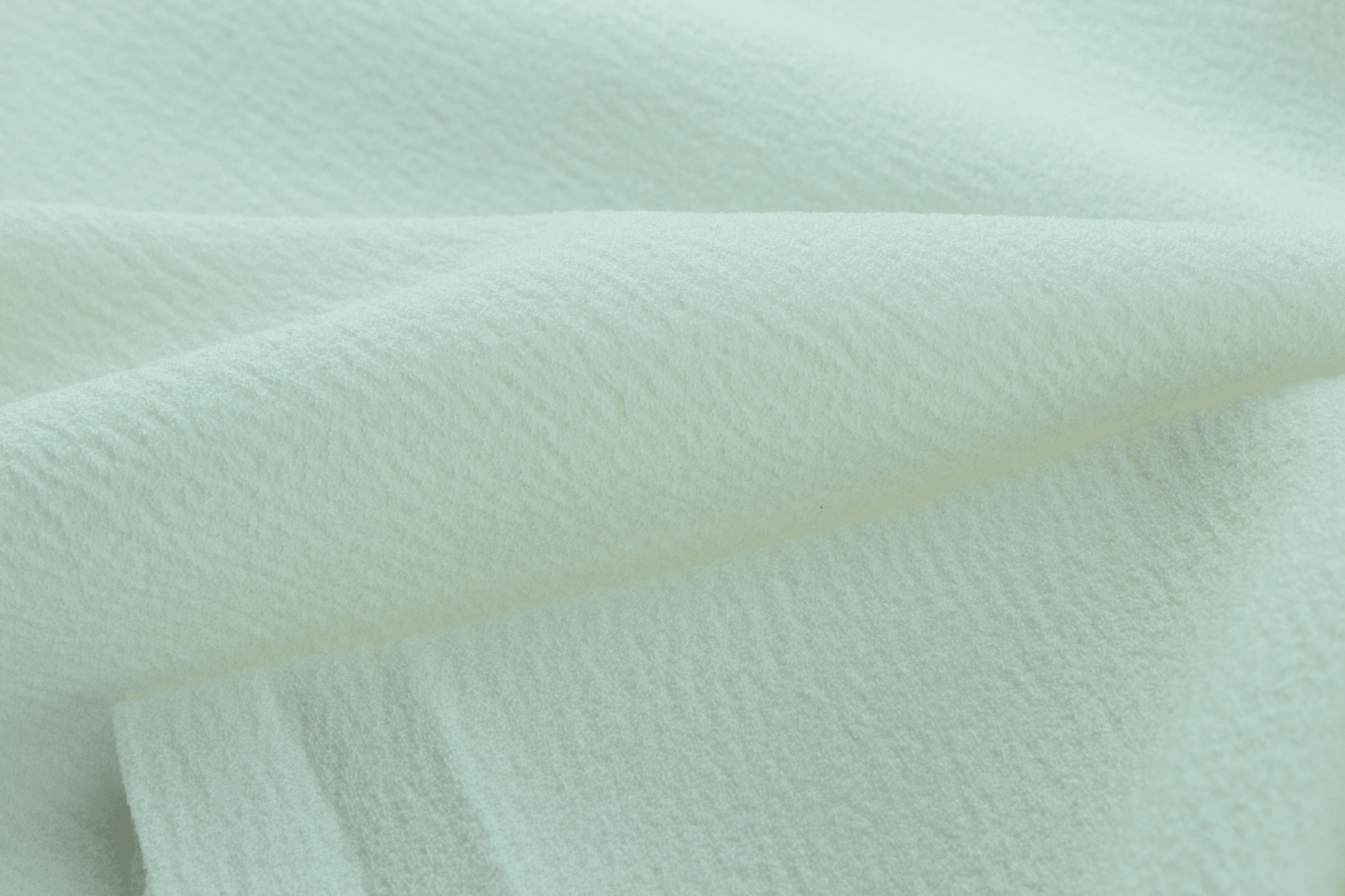
When it comes to fabric selection, the GSM (grams per square meter) rating can significantly influence both the feel and function of textiles. Understanding the differences between 350 and 600 GSM is crucial for manufacturers and consumers alike, especially when considering quality control measures. This section will delve into the pros and cons of each GSM level, their best applications, and insights from industry experts on how to make informed choices.
Pros and Cons of 350 vs. 600 GSM
Choosing between 350 and 600 GSM involves weighing various factors that can impact your final product. On one hand, fabrics with a GSM of 350 are generally lighter, making them suitable for everyday wear or summer clothing; they offer breathability without compromising too much on durability. Conversely, a higher GSM of 600 typically results in thicker fabrics that provide enhanced warmth and durability but may be less comfortable in hotter climates.
However, higher weight also means increased cost; thus, while a fabric with a GSM of 600 might be more robust for items like winter coats or heavy upholstery, it might not always be necessary for lighter applications such as t-shirts or summer dresses. Quality control plays a vital role here; ensuring consistent GSM measurements can prevent costly mistakes in production that arise from using inappropriate fabric weights for specific uses. Ultimately, determining whether you should opt for a heavier or lighter fabric boils down to understanding your target market's needs.
Best Uses for Different GSM Levels
The best uses for different GSM levels vary significantly based on the intended application of the textile product. Fabrics at around 350 GSM are often ideal for items requiring flexibility—think bed linens or casual wear—where comfort is paramount but extreme durability isn’t necessary. In contrast, materials rated at 600 GSM excel in applications demanding sturdiness; they are perfect candidates for towels or blankets that need to withstand frequent washing while still providing excellent absorbency.
Moreover, understanding what is GSM testing? can help manufacturers align their products with market expectations by ensuring that they meet required performance standards without sacrificing quality control principles during production processes. For instance, knowing whether you need something lightweight versus heavyweight can save time during design phases by eliminating unsuitable options early on.
Insights from Industry Experts
Industry experts often emphasize the importance of making informed decisions based on comprehensive testing data when selecting between different fabric weights like 350 and 600 GSM. Many professionals advocate conducting thorough gsm tests to gauge how well these materials perform under various conditions—this includes assessing factors such as breathability, durability over time, and overall comfort levels experienced by end-users.
Additionally, insights reveal that fabrics with higher gsm ratings tend to retain their shape better after multiple washes compared to their lower gsm counterparts; this aspect is crucial when evaluating long-term value versus initial cost outlay. Experts also recommend considering customer feedback post-purchase as part of quality control processes—this real-world information can guide future production choices regarding which gsm ratings yield optimal satisfaction among consumers.
GSM Comparisons: 200 vs. 300

When it comes to understanding fabric quality, one of the most common questions is: which is thicker, 200 GSM or 300 GSM? The answer is straightforward; 300 GSM is thicker than 200 GSM, as the number indicates grams per square meter of fabric weight. This difference in thickness can significantly impact the performance and feel of the material used in various applications.
Which is Thicker: 200 GSM or 300 GSM?
In the world of textiles, knowing how to conduct a proper GSM test can clarify these comparisons. When comparing fabrics, a simple measurement reveals that a fabric rated at 300 GSM will weigh more than one at 200 GSM when measured over an equal area. This distinction plays a crucial role in determining not just thickness but also how each type of fabric behaves under different conditions.
Implications for Quality and Performance
The implications of choosing between 200 and 300 GSM are vast and can influence quality control processes significantly. Fabrics with higher GSM typically offer greater durability and can withstand wear and tear better than their lighter counterparts.
Real Examples of Fabric Choices
In real-world scenarios, you’ll often find that brands opt for different weights based on their target market's needs. For example, many activewear brands may prefer using materials around the 300 GSM range to ensure their products are robust enough for rigorous activities while still maintaining comfort through advanced moisture-wicking properties. Conversely, fashion designers might lean towards lighter fabrics like those at the 200 GSM mark for garments intended for casual wear or layering pieces.
Conclusion
In wrapping up our exploration of GSM testing and its significance in the textile industry, it’s clear that understanding GSM is crucial for ensuring fabric quality. The nuances of what is GSM testing? extend beyond mere numbers; they encompass the very essence of fabric performance and durability. Quality control plays a pivotal role in this landscape, ensuring that fabrics meet specific standards and consumer expectations.
Key Takeaways on GSM Testing
One of the primary takeaways from our discussion on GSM testing is its direct impact on fabric quality. Whether you’re pondering, Is 100 or 120 GSM thicker? or weighing options between Is 350 or 600 GSM better?, knowing the implications of different GSM levels can guide informed decisions. Ultimately, a well-executed GSM test not only ensures consistency but also enhances overall product reliability.
Quality Control Best Practices for Success
Quality control is not just an afterthought; it’s integral to maintaining product excellence in textiles. Implementing robust quality control processes helps address questions like Which is thicker, 200 GSM or 300 GSM? by providing clear benchmarks for comparison. Furthermore, adopting best practices in quality control can lead to significant improvements in customer satisfaction and brand reputation.
Why Partnering with China Inspection Pro Matters
In an industry where precision matters, partnering with China Inspection Pro can elevate your quality control efforts to new heights. Their expertise in conducting thorough GSM tests ensures that your products meet international standards while addressing critical queries about fabric weight and thickness effectively. By collaborating with seasoned professionals, businesses can streamline their operations and enhance product integrity, making every meter of fabric count.