
Introduction
In the world of wooden furniture, quality assurance is not just a buzzword; it's a fundamental principle that shapes the entire manufacturing process. Understanding Wooden Furniture Quality Assurance involves recognizing how various factors contribute to the overall quality of the final product. From selecting raw materials to ensuring meticulous craftsmanship, every step plays a crucial role in delivering furniture that meets customer expectations and withstands the test of time.
Understanding Wooden Furniture Quality Assurance
Wooden Furniture Quality Assurance encompasses all measures taken to ensure that products meet predefined standards of quality throughout production. This includes everything from sourcing high-quality timber to implementing rigorous quality control inspection procedures at various stages of manufacturing. By focusing on control and quality, manufacturers can significantly reduce defects and enhance the overall durability and aesthetics of their products.
Importance of Quality Control in Manufacturing
Quality control is essential in the manufacturing sector because it serves as a safeguard against inconsistencies and defects that can tarnish a brand's reputation. In wooden furniture production, effective quality control ensures that each piece not only meets aesthetic standards but also complies with safety regulations. By prioritizing quality assurance services, manufacturers can build trust with consumers, leading to increased customer satisfaction and loyalty.
Common Challenges in Quality Inspection
Despite its importance, quality inspection often faces several challenges that can hinder effective implementation. Common issues include variations in raw material quality, human error during production processes, and inadequate training for staff involved in quality control inspections. Addressing these challenges requires a proactive approach—utilizing advanced technologies for better monitoring and fostering an organizational culture centered around continuous improvement in control the quality practices.
The Role of Quality Control in Furniture Production
Defining Quality Control in the Industry
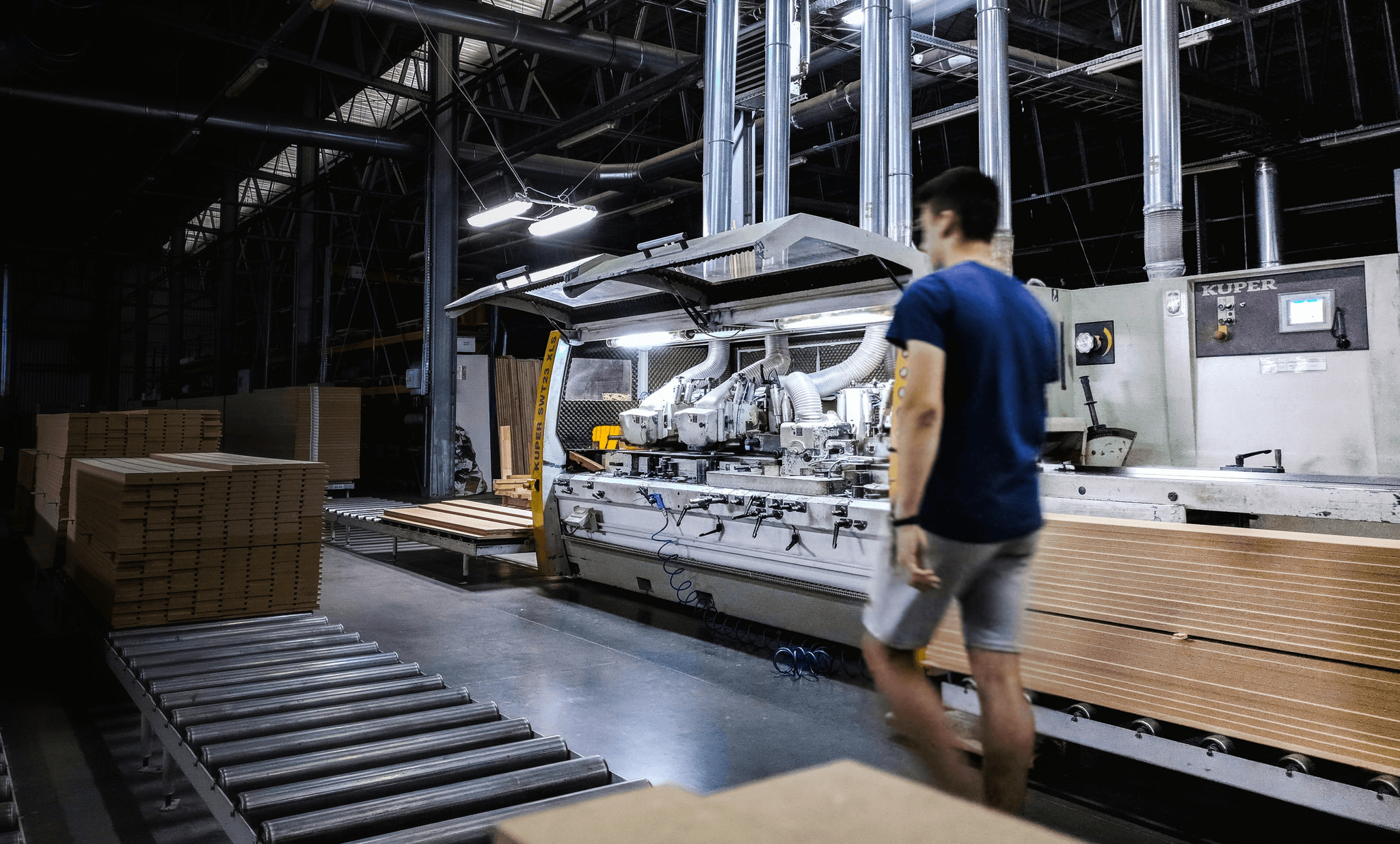
In the context of furniture production, quality control refers to the processes and procedures put in place to ensure that each piece meets predetermined specifications for durability, aesthetics, and functionality. This encompasses everything from raw material selection to final product inspection, ensuring that every step contributes positively to the overall quality. Essentially, quality control answers the question: what is necessary for wooden furniture quality assurance?
Key Elements of Control and Quality
The key elements of control and quality in furniture production include thorough inspections at various stages of manufacturing, standardized testing methods, and adherence to industry regulations. These elements work together to create a cohesive system that monitors each aspect of production—from sourcing high-quality wood to implementing effective quality inspection protocols. By focusing on these components, manufacturers can control the quality throughout their processes.
How Quality Control Impacts Customer Satisfaction
Quality control has a direct impact on customer satisfaction by ensuring that every piece of wooden furniture not only meets but exceeds consumer expectations. When customers receive products free from defects and crafted with care, they are more likely to become repeat buyers and advocates for the brand. Ultimately, robust quality assurance services foster trust between manufacturers and consumers by delivering consistent results that enhance overall satisfaction.
Identifying Common Quality Issues

When it comes to Wooden Furniture Quality Assurance, identifying common quality issues is paramount. Manufacturers often face various defects that can compromise the integrity and aesthetic appeal of furniture pieces. By understanding these common defects, businesses can implement effective quality control measures to ensure their products meet high standards.
Common Defects in Wooden Furniture
Wooden furniture can exhibit a range of defects that impact both functionality and visual appeal. Some of the most prevalent issues include warping, cracking, and poor finishes, which may arise from improper drying processes or environmental factors during manufacturing. These defects not only diminish the quality control aspect but also affect customer satisfaction when the final product does not meet expectations.
Another common defect is misalignment in joints, which can lead to instability in furniture pieces like tables and chairs. This issue often stems from inadequate quality inspection during production or a lack of attention to detail in assembly processes. Addressing these common defects through rigorous quality inspections will significantly enhance overall Wooden Furniture Quality Assurance.
Ways to Control the Quality of Raw Materials
Controlling the quality of raw materials is crucial for achieving high standards in wooden furniture production. One effective approach is to establish strong relationships with trusted suppliers who adhere to strict quality control measures themselves. By sourcing materials that have been thoroughly inspected for moisture content, density, and grain patterns, manufacturers can reduce the likelihood of defects down the line.
Additionally, implementing a robust incoming inspection process allows manufacturers to assess raw materials before they enter production. This step ensures that only high-quality wood is used, which directly correlates with improved durability and aesthetics in finished products. Overall, controlling raw material quality significantly contributes to successful Wooden Furniture Quality Assurance efforts.
Strategies for Preventing Manufacturing Flaws
Preventing manufacturing flaws requires a proactive approach within the production process itself. One strategy involves utilizing advanced technology such as automated machinery equipped with precision tools that enhance accuracy during cutting and assembly phases. This level of precision minimizes human error and improves overall control and quality throughout manufacturing.
Another effective strategy includes regular training sessions for staff on best practices related to quality control inspection techniques and adherence to established standards. When employees are well-informed about potential pitfalls in manufacturing processes, they become more vigilant about spotting issues early on before they escalate into larger problems affecting product integrity.
Lastly, integrating feedback loops where employees can report inefficiencies or potential concerns fosters an environment focused on continuous improvement within production lines. By combining these strategies with comprehensive quality assurance services, manufacturers can create a culture dedicated to excellence—ensuring their wooden furniture meets or exceeds customer expectations consistently.
Effective Quality Control Inspection Techniques

In the world of wooden furniture manufacturing, effective quality control inspection techniques are crucial to ensure that products meet both industry standards and customer expectations. The process of quality control is not merely a checklist but an ongoing commitment to excellence that requires careful attention at every stage of production. By implementing best practices, leveraging modern tools, and conducting regular audits, manufacturers can significantly enhance their Wooden Furniture Quality Assurance processes.
Best Practices for Quality Inspection
When it comes to quality inspection in wooden furniture production, establishing a set of best practices is essential for maintaining high standards. First and foremost, clear criteria should be defined for what constitutes acceptable quality; this includes specifications on materials, finishes, and structural integrity. Regular training sessions for staff involved in quality control can also foster a culture of awareness and accountability regarding the importance of maintaining control and quality throughout the manufacturing process.
Another key practice is to incorporate visual inspections alongside measurement-based assessments; while a ruler can tell you if something is the right size, nothing beats the human eye for identifying subtle defects or inconsistencies that might affect overall aesthetics or functionality. Moreover, creating a feedback loop where inspectors report issues back to production teams can help identify recurring problems early on—thus preventing larger scale flaws down the line. Ultimately, these best practices not only streamline operations but also enhance customer satisfaction by ensuring that each piece meets rigorous standards.
Tools and Technologies for Quality Control
In today's digital age, various tools and technologies have revolutionized how we approach quality control in wooden furniture production. From advanced software solutions that track defects in real-time to automated machinery designed to minimize human error during assembly—these innovations are game-changers in ensuring Wooden Furniture Quality Assurance. Utilizing technologies such as 3D modeling or virtual reality simulations can also aid designers and manufacturers alike in visualizing potential issues before they manifest physically.
Additionally, incorporating data analytics into your quality control processes allows manufacturers to spot trends over time; this insight helps companies understand which aspects of their production are most prone to defects. For instance, if certain types of wood consistently show warping issues during humidity changes, proactive measures can be taken earlier in the supply chain to mitigate these risks before they reach customers' homes. Embracing these tools not only enhances efficiency but also builds trust with consumers who expect high-quality products.
The Importance of Regular Quality Audits
Regular quality audits are vital components of any comprehensive Wooden Furniture Quality Assurance strategy; they serve as checkpoints that help ensure ongoing compliance with established standards over time. By systematically reviewing processes and outcomes at scheduled intervals—be it weekly or monthly—manufacturers can identify areas needing improvement while reinforcing accountability among teams responsible for maintaining control over product quality.
Moreover, audits provide an opportunity for organizations to assess whether their current practices align with industry regulations or customer expectations; falling short on either front could result in costly recalls or damage to brand reputation. When conducted thoroughly and transparently—with results shared across departments—audits foster a culture committed not just to meeting minimum requirements but striving toward continuous improvement within all facets of production.
In conclusion, effective quality control inspection techniques are foundational elements that drive success in wooden furniture manufacturing by ensuring products meet stringent standards through best practices, innovative tools, and regular audits.
Solutions for Quality Assurance Challenges

In the realm of wooden furniture production, overcoming quality assurance challenges is crucial to maintaining a competitive edge. A structured approach can significantly enhance the effectiveness of quality control measures, ensuring that each piece meets high standards. By focusing on robust frameworks, staff training, and external quality assurance services, manufacturers can effectively control the quality of their products.
Implementing a Robust Quality Assurance Framework
A well-structured quality assurance framework serves as the backbone of any successful wooden furniture manufacturing process. This framework should outline clear procedures for quality control inspection at every stage—from raw material sourcing to final product delivery. By defining roles and responsibilities within this framework, manufacturers can ensure that every team member understands their part in maintaining control and quality throughout production.
Moreover, integrating regular reviews and updates into this framework allows companies to adapt to industry changes and emerging standards in wooden furniture quality assurance. This adaptability is vital for staying ahead in a competitive market where customer expectations are continually evolving. Ultimately, a robust framework not only enhances product consistency but also builds consumer trust in the brand's commitment to excellence.
Training Staff for Quality Awareness
Staff training is an essential component of any effective quality assurance strategy in wooden furniture manufacturing. When employees are equipped with knowledge about what constitutes high-quality craftsmanship and how to identify potential defects, they become invaluable assets in the quality control process. Regular workshops and training sessions can foster a culture of quality awareness that permeates through all levels of production.
Encouraging staff to take ownership of their work reinforces the importance of controlling the quality at each step—whether it’s selecting raw materials or performing final inspections before shipment. Furthermore, when workers understand the implications of poor-quality output on customer satisfaction, they are more likely to prioritize excellence over speed or cost-cutting measures. This heightened awareness ultimately leads to fewer defects and increased overall product reliability.
Utilizing Quality Assurance Services for Compliance
In today's global marketplace, utilizing external quality assurance services has become increasingly important for compliance with industry standards and regulations related to wooden furniture production. These third-party services provide an objective perspective on manufacturing practices while ensuring adherence to international safety standards—something that internal teams may overlook due to familiarity bias. Engaging with reputable companies ensures that your products meet both customer expectations and legal requirements.
Moreover, these services often employ advanced technologies and methodologies that enhance traditional inspection processes—making them an invaluable resource for manufacturers looking to improve their overall efficiency in controlling product quality. By leveraging expert knowledge from these organizations, businesses can gain insights into best practices that drive continuous improvement across all operations related to woodworking craftsmanship. Ultimately, utilizing such services not only mitigates risks but also enhances brand credibility among consumers who value transparency regarding Wooden Furniture Quality Assurance.
The Importance of Third-Party Inspections

In the realm of Wooden Furniture Quality Assurance, third-party inspections serve as a crucial checkpoint for manufacturers and consumers alike. These independent evaluations ensure that quality control measures are not just theoretical but practically enforced. By leveraging the expertise of companies like China Inspection Pro, businesses can elevate their quality control processes to new heights.
Benefits of Using Companies Like China Inspection Pro
Engaging with specialized quality assurance services, such as China Inspection Pro, brings numerous advantages to furniture manufacturers. First and foremost, these companies offer an objective perspective on quality inspection, free from internal biases that may skew results. Additionally, they provide access to advanced tools and methodologies that enhance the overall control and quality of the manufacturing process.
Moreover, utilizing third-party inspectors can significantly reduce risks associated with product defects. By ensuring rigorous quality control inspection protocols are followed, manufacturers can identify issues early in production—saving time and resources in the long run. This proactive approach not only boosts operational efficiency but also fortifies customer trust in your brand.
How Third-Party Inspectors Enhance Quality Assurance
Third-party inspectors play a pivotal role in refining quality assurance practices within the wooden furniture industry. Their expertise allows for meticulous evaluation of raw materials and finished products alike, ensuring that every piece meets established standards for durability and aesthetics. This level of scrutiny is essential for maintaining high-quality benchmarks throughout the production cycle.
Furthermore, these inspectors often bring industry best practices to the table, sharing insights that can help improve existing processes related to control and quality management. Their recommendations can lead to enhanced training programs for staff involved in manufacturing and inspection processes alike—ensuring everyone is aligned with best practices in quality control what is fundamentally about meeting consumer expectations.
By integrating third-party inspections into your workflow, you create a culture of continuous improvement where feedback loops foster innovation in product development and manufacturing techniques. Ultimately, this leads to higher customer satisfaction as consumers receive products that consistently meet or exceed their expectations.
Building Trust with Consumers through Transparent Inspections
Transparency is key when it comes to building trust with consumers regarding Wooden Furniture Quality Assurance efforts. When manufacturers openly share results from independent third-party inspections, they demonstrate a commitment to accountability that resonates well with discerning buyers seeking high-quality products. This openness fosters confidence among customers who want assurance that their purchases are crafted with care.
Additionally, showcasing positive inspection outcomes on marketing platforms serves as powerful social proof—reinforcing your brand's dedication to maintaining stringent quality standards through effective quality control measures. Customers appreciate knowing that thorough inspections have taken place before items reach their homes; it’s a testament to your focus on controlling the quality at every stage.
In this age where consumers are increasingly informed about product sourcing and manufacturing integrity, leveraging transparent inspections becomes an essential strategy for differentiation in a competitive market landscape. Building trust through transparency not only enhances customer loyalty but also positions your brand as a leader committed to excellence in wooden furniture production.
Conclusion
In summary, the journey of Wooden Furniture Quality Assurance is a multifaceted process that hinges on effective quality control strategies. By understanding the key elements of control and quality, manufacturers can significantly enhance their production processes. Emphasizing quality inspection and implementing robust frameworks ensures that defects are minimized, leading to satisfied customers.
Recap of Key Quality Assurance Strategies
Throughout this discussion, we’ve highlighted several strategies essential for maintaining high standards in wooden furniture production. From identifying common defects to controlling the quality of raw materials, each step plays a crucial role in ensuring overall product excellence. Moreover, employing advanced quality control inspection techniques and regular audits further solidifies these strategies and enhances product reliability.
Importance of Ongoing Quality Control
Ongoing quality control is not just a checkbox in the manufacturing process; it’s an ongoing commitment to excellence that pays dividends over time. Consistently monitoring and improving quality helps prevent issues before they arise, fostering trust between manufacturers and consumers. In an industry where reputation is paramount, maintaining high standards through continuous oversight is vital for long-term success.
Future Trends in Wooden Furniture Quality Assurance
Looking ahead, the future of Wooden Furniture Quality Assurance promises exciting innovations driven by technology and consumer demand for transparency. Emerging trends include increased automation in quality control processes and enhanced use of data analytics for real-time monitoring of production lines. As companies adopt more sophisticated quality assurance services, we can expect a greater emphasis on sustainability and ethical sourcing practices within the industry.