
Introduction
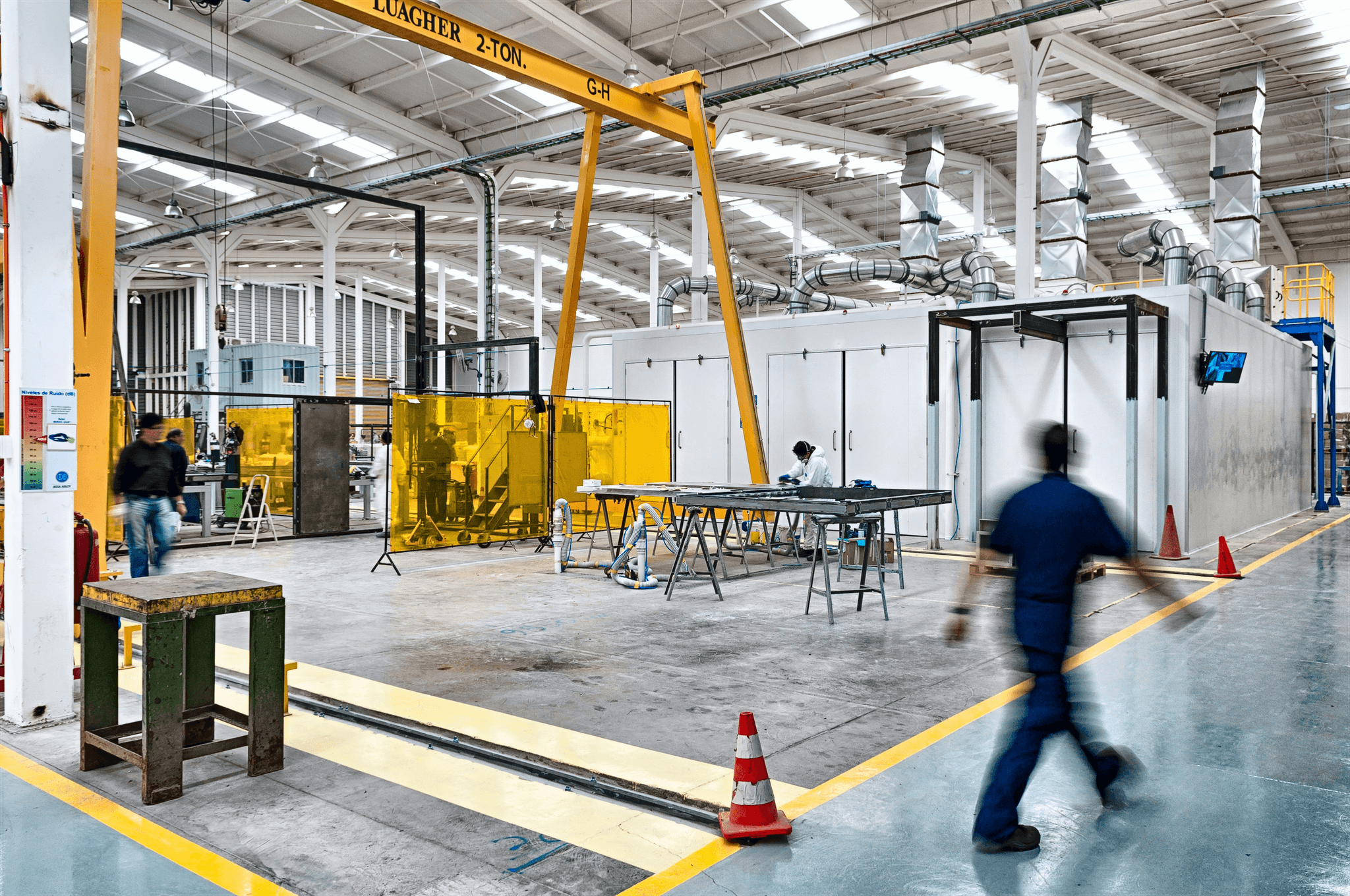
Diving into the world of Manufacturing Sporting Goods is more than just creating equipment; it's about turning your passion for sports into a profitable venture. Success in this industry hinges on a well-thought-out strategy that guides every step, from sourcing your materials to delivering top-tier products to athletes and enthusiasts alike. When you create a manufacturing plan that emphasizes quality and efficiency, you set the foundation for a brand that athletes trust on the field and consumers love off it.
Turning Passion into Profit in the Sporting Goods Industry
Many entrepreneurs start with a love for sports, but transforming that passion into profit requires more than enthusiasm—it demands strategic planning and execution. Creating a manufacturing strategy focused on quality, innovation, and customer satisfaction will help you stand out in a competitive market. By sourcing your materials wisely and finding a production facility suited to your needs, you can build products that truly perform while also turning a profit.
Why Successful Manufacturing Starts with Strategy
Developing a comprehensive manufacturing sporting goods strategy is essential because it aligns your goals with actionable steps like sourcing your materials effectively and implementing a quality control system. A clear plan ensures you balance cost-efficiency with product excellence, which ultimately impacts consumer perception and brand loyalty. When you create a manufacturing framework grounded in strategic thinking, you're better equipped to navigate challenges such as supply chain disruptions or regulatory standards.
Ensuring Product Excellence from Factory to Field
From choosing the right factory to developing an effective quality control system, every stage plays a vital role in ensuring product excellence in manufacturing sporting goods. Implementing a comprehensive QC system allows you to catch issues early and turn inspection findings into actionable improvements—keeping your products at peak performance levels. When you focus on quality from factory floor to field use, you're not just selling equipment; you're building trust with athletes who rely on your gear for their best performance.
Understanding the Manufacturing Sporting Goods Landscape
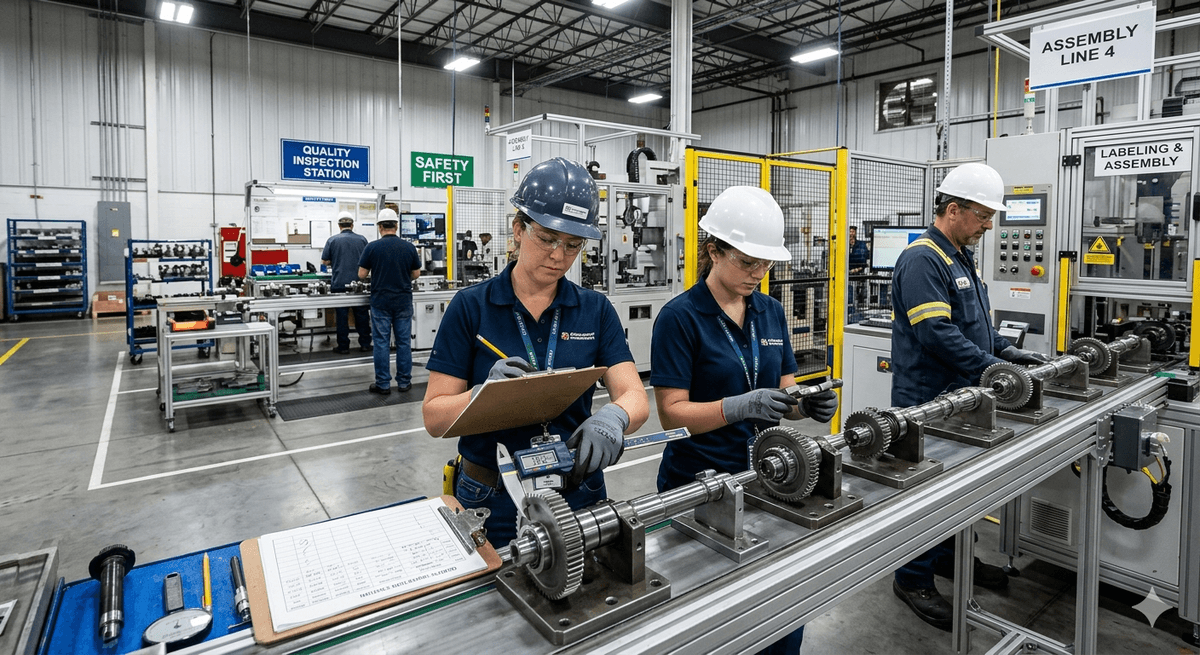
Diving into the manufacturing sporting goods industry reveals a landscape filled with giants, trends, and regulations that shape every decision. To create a manufacturing strategy that stands out, it’s crucial to understand who the major players are, what consumers are craving, and how regulatory standards influence production. This knowledge helps craft a well-rounded approach for sourcing your materials, finding a production facility, and developing a quality control system that keeps your brand competitive.
Major players like Nike and Adidas dominate the scene with their innovative products and expansive global reach. These brands set the bar high for quality and design, making it essential for new entrants to study their manufacturing strategies carefully. By analyzing how they source their materials and implement comprehensive QC systems, you can create a manufacturing blueprint tailored to meet industry standards while carving out your niche.
Market trends in sporting goods are constantly evolving — from eco-friendly materials to smart gear integrating technology. Consumer expectations now lean towards sustainability and durability, meaning you need to source your materials responsibly while aligning with current market demands. Staying ahead means adopting cutting-edge technology in your manufacturing process and developing a quality control system that ensures every product meets rigorous standards.
Regulatory standards and certifications also play a pivotal role in shaping the landscape of manufacturing sporting goods. Compliance with international safety regulations not only protects your brand but also enhances credibility among consumers. Implementing a comprehensive QC system is vital here; it helps identify compliance gaps early on so you can adjust sourcing strategies or find new production facilities that meet certification requirements without missing deadlines or sacrificing quality.
Create a Manufacturing Strategy That Wins
Crafting a winning manufacturing strategy for sporting goods is no small feat, but it’s the backbone of turning passion into profit. Whether you're sourcing your materials or finding the right production facility, every decision impacts your end product. A well-thought-out plan helps you navigate the complex landscape of manufacturing sporting goods while keeping costs in check and quality at the forefront.
When you create a manufacturin strategy, setting clear production goals is essential. These goals act as your compass, guiding you through sourcing your materials efficiently and selecting a top-notch production facilityg strategy that aligns with your brand vision. Without defined objectives, even the best sourcing and facility choices can lead to chaos rather than success.
Balancing cost and quality is another critical aspect of manufacturing sporting goods. You want to source your materials from reliable suppliers without breaking the bank, all while maintaining high standards that meet consumer expectations. Developing a comprehensive approach to this balance ensures that your products are both competitive in price and superior in quality—key ingredients for standing out in this crowded market.
Leveraging innovative technologies can give you an edge when creating a manufacturin strategy for sporting goods. Advanced manufacturing tools and automation not only streamline processes but also help implement a comprehensive QC system more effectively. Integrating these innovations allows you to stay ahead of industry trends while ensuring consistent quality across every batch.
No matter how advanced your strategies are, finding a production facilityg strategy that fits is paramount. Working with factories like Zhejiang Bushings or Li Ning requires assessing their capabilities and compliance standards carefully—these decisions directly influence your ability to implement a solid manufacturing sporting goods plan successfully.
Once you've established where you'll produce, developing a quality control system becomes non-negotiable. Implementing a comprehensive QC system ensures each product meets rigorous standards before hitting the field or store shelves. Turning inspection findings into actionable improvements keeps your brand reputable and customers coming back for more.
Remember, creating an effective manufacturing sporting goods plan isn’t just about getting products out the door—it’s about building resilience against supply chain disruptions and regulatory hurdles by planning ahead with strategic sourcing and robust QC systems in place.
Sourcing Your Materials with Confidence

In the world of Manufacturing Sporting Goods, sourcing your materials is the foundation of a successful strategy. Choosing reliable suppliers like Rawlings and Under Armour ensures you’re working with partners who understand the importance of quality and consistency. When you source your materials from trusted providers, you create a manufacturing process that’s not only efficient but also capable of delivering top-tier sporting goods that meet consumer expectations.
Finding the right suppliers isn’t just about price; it’s about building relationships that foster transparency and sustainability. Evaluate potential partners carefully to ensure they align with your quality standards and sustainability goals. Developing a strong supply chain begins with sourcing your materials from vendors who prioritize durability, eco-friendliness, and timely delivery—key ingredients for creating a manufacturing strategy that wins in competitive markets.
Creating a manufacturing process that incorporates high-quality raw materials starts with thorough evaluation. When you source your materials effectively, it becomes easier to develop a quality control system tailored to catch any inconsistencies early on. Implementing a comprehensive QC system helps maintain product excellence from factory to field, safeguarding your brand’s reputation and customer satisfaction.
Negotiating contracts is an often-overlooked step in sourcing your materials confidently. By securing favorable terms, you can reduce costs without sacrificing quality—an essential move in managing production budgets wisely. A well-negotiated contract supports building stronger supplier relationships and ensures continuous access to premium materials needed for manufacturing sporting goods at scale.
---
Let me know if you'd like me to expand further or adjust the tone!
Finding a Production Facility That Fits
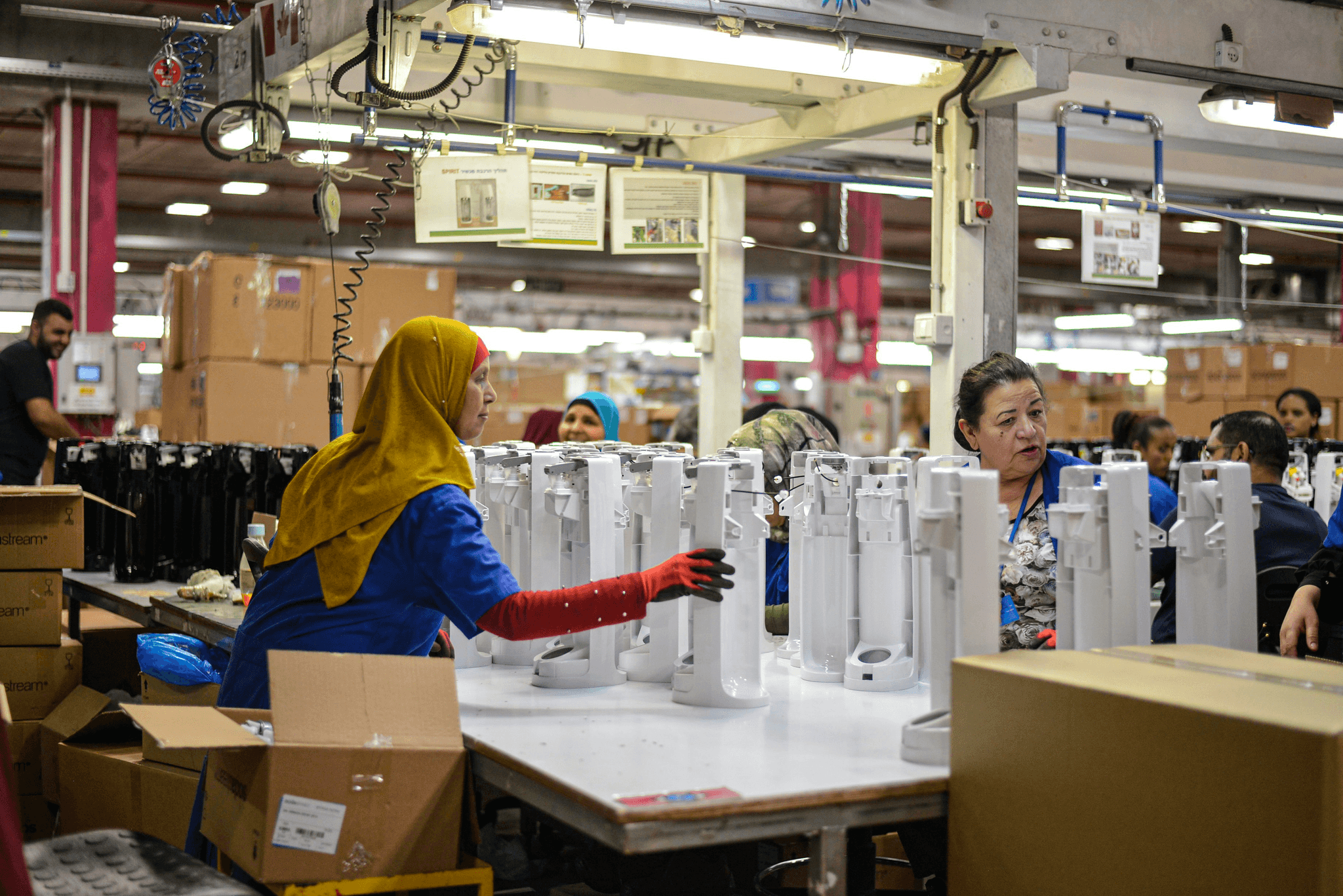
Choosing the right production facility is crucial in the journey of creating a manufacturing strategy that delivers top-tier sporting goods. The facility you select will directly impact your product quality, cost efficiency, and ability to meet market demands. To succeed in manufacturing sporting goods, you need to find a production partner that aligns with your brand’s vision and operational needs.
When sourcing your materials and finding a production facility, it’s important to evaluate factories like Zhejiang Bushings or Li Ning. These established manufacturers have proven track records in manufacturing sporting goods at scale while maintaining high standards. Building relationships with such factories can streamline your process, reduce delays, and ensure consistent quality, key elements when creating a manufacturing strategy that wins in competitive markets.
Site selection is another critical step; you want a location that complies with international standards and local regulations. Conduct thorough compliance checks to avoid costly legal pitfalls down the line. A well-chosen site not only supports efficient logistics but also enhances your ability to implement a comprehensive QC system that keeps your products at peak performance from factory floor to field.
Developing strong supplier relationships is the backbone of successful manufacturing sporting goods. Engaging with reliable factories like Zhejiang Bushings or Li Ning fosters trust and facilitates better negotiations on contracts for sourcing your materials. These partnerships are vital for creating a manufacturing strategy rooted in collaboration, transparency, and continuous improvement—especially when implementing a comprehensive QC system designed for excellence.
Developing a Quality Control System for Sporting Goods
Creating a manufacturing strategy that includes a robust quality control system is essential for success in the competitive world of sporting goods. A well-designed QC system ensures that every product, from the first stitch to the final inspection, meets your brand’s standards and customer expectations. Developing a quality control system for sporting goods isn’t just about catching defects; it’s about building trust and reputation in the marketplace.
Implementing a comprehensive QC system involves establishing clear procedures at each stage of manufacturing sporting goods. This means defining quality benchmarks, training your team on inspection protocols, and integrating continuous improvement practices. When you create a manufacturing process that prioritizes quality from sourcing raw materials to final assembly, you reduce costly recalls and enhance customer satisfaction.
Leveraging tools like China Inspection Pro can be game-changing when source your materials or find a production facilityg strategy. These inspection services help catch issues early, ensuring your suppliers adhere to strict standards and regulatory requirements. Incorporating regular inspections into your manufacturing sporting goods plan allows you to identify potential problems before they reach consumers, saving time and money.
Turning inspection findings into actionable improvements is where many brands stumble—but not you! By analyzing data collected during quality inspections, you can pinpoint recurring issues and refine your processes accordingly. This proactive approach helps maintain high standards across all production runs and strengthens your brand’s reputation for excellence in manufacturing sporting goods.
Mastering the art of developing a quality control system for sporting goods ensures every product aligns with your strategic goals. It also creates confidence among consumers who rely on durable, high-performance gear. Remember: implementing a comprehensive QC system isn’t just good practice, it’s essential for long-term success in this dynamic industry.
Overcoming Challenges in Manufacturing Sporting Goods
Manufacturing Sporting Goods is a complex dance, especially when you’re trying to create a manufacturing strategy that keeps your products ahead of the curve. From navigating international regulations to managing supply chain disruptions, every step requires precision and adaptability. Developing a quality control system that’s both comprehensive and agile can be the difference between falling behind and staying competitive in this fast-moving industry.
Navigating International Regulations
Creating a manufacturing strategy for sporting goods means understanding the maze of international regulations that vary from country to country. When source your materials or find a production facility, compliance with safety standards and certifications is non-negotiable. Staying updated on these rules helps avoid costly delays and legal headaches, ensuring your products meet global standards while maintaining quality.
Managing Supply Chain Disruptions
Supply chain disruptions are like unexpected fouls in a game—inevitable but manageable with the right tactics. To keep your manufacturing sporting goods on track, you need to diversify your sources and build resilient relationships with suppliers like Rawlings or Under Armour. Developing a quality control system that includes proactive monitoring can help identify issues early, allowing you to pivot quickly and keep production flowing smoothly.
Staying Ahead in a Competitive Market
In the world of manufacturing sporting goods, staying ahead requires more than just meeting standards—it’s about setting them. Continuously refining your sourcing strategies and employing innovative technologies can give you an edge over competitors who only follow trends. Implementing a comprehensive QC system ensures product excellence from factory to field, reinforcing your brand’s reputation as a leader rather than just another player.
By mastering these challenges through strategic planning, creating effective manufacturing strategies, sourcing materials wisely, finding the right production facility, and developing robust quality control systems, you position yourself for success in the competitive landscape of manufacturing sporting goods.
Conclusion
Mastering the Manufacturing Sporting Goods process is no small feat, but with a clear strategy, it becomes an achievable goal. From sourcing your materials to finding a production facility that aligns with your vision, every step requires precision and foresight. Creating a manufacturing plan that emphasizes quality and efficiency will set your brand apart in this competitive industry.
Strengthening your brand through quality control is essential for long-term success. Developing a quality control system that is both comprehensive and adaptable ensures your products meet the highest standards from factory to field. Implementing a comprehensive QC system not only reduces defects but also boosts customer confidence, making your sporting goods stand out in the marketplace.
Future-proofing your production strategy involves staying ahead of industry trends and regulatory changes. Continuously evaluating and refining your manufacturing sporting goods approach allows you to adapt swiftly to disruptions or market shifts. By proactively planning for the future, you safeguard your brand’s reputation and ensure sustainable growth in this dynamic industry.