
Introduction
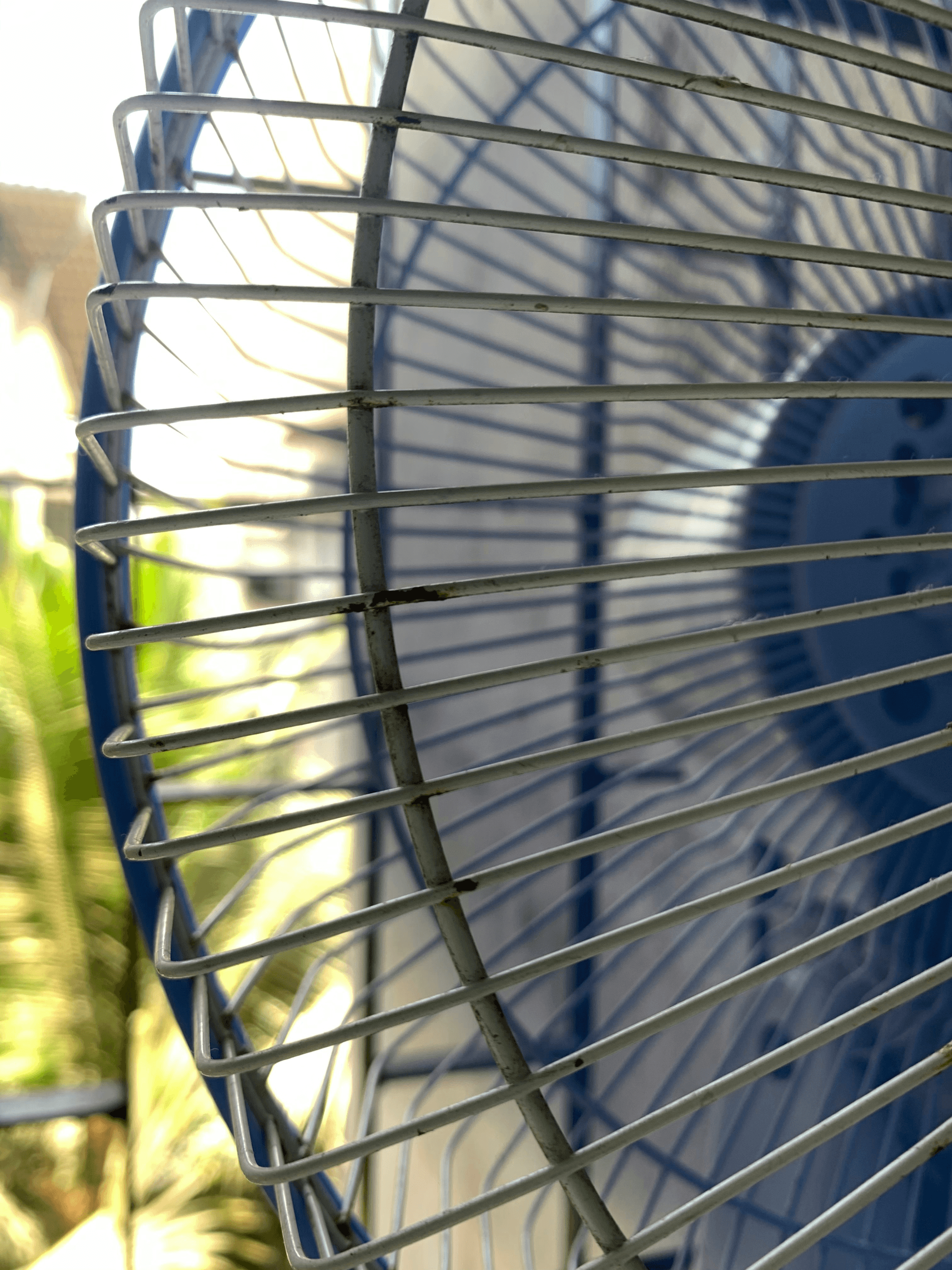
Ensuring the quality of an axial electric fan isn’t just about keeping things cool—it’s a vital step in maintaining safety, efficiency, and longevity. Proper Electric Fan Inspection plays a crucial role in catching potential issues early, preventing costly failures down the line. When it comes to Electric Fan Inspection and Quality Control Standards, adhering to industry benchmarks like ASTM D4167 - 97 ensures that every fan meets rigorous safety and performance criteria.
In the world of fan manufacturing, safety and efficiency go hand in hand. Regular Electric Fan Inspection helps identify wear and tear signs before they become major problems, safeguarding both users and equipment. By aligning with standards such as RoHS compliance and CE Marking, manufacturers demonstrate their commitment to producing environmentally friendly and compliant products that meet global expectations.
Understanding industry standards like ASTM D4167 - 97 is essential for maintaining high-quality production processes. These standards guide manufacturers through best practices for Electrical Safety checks, durability testing, and overall quality assurance during Electric Fan Inspection. Incorporating these guidelines not only enhances product reliability but also builds consumer trust in your brand’s commitment to excellence.
Understanding Electric Fan Components
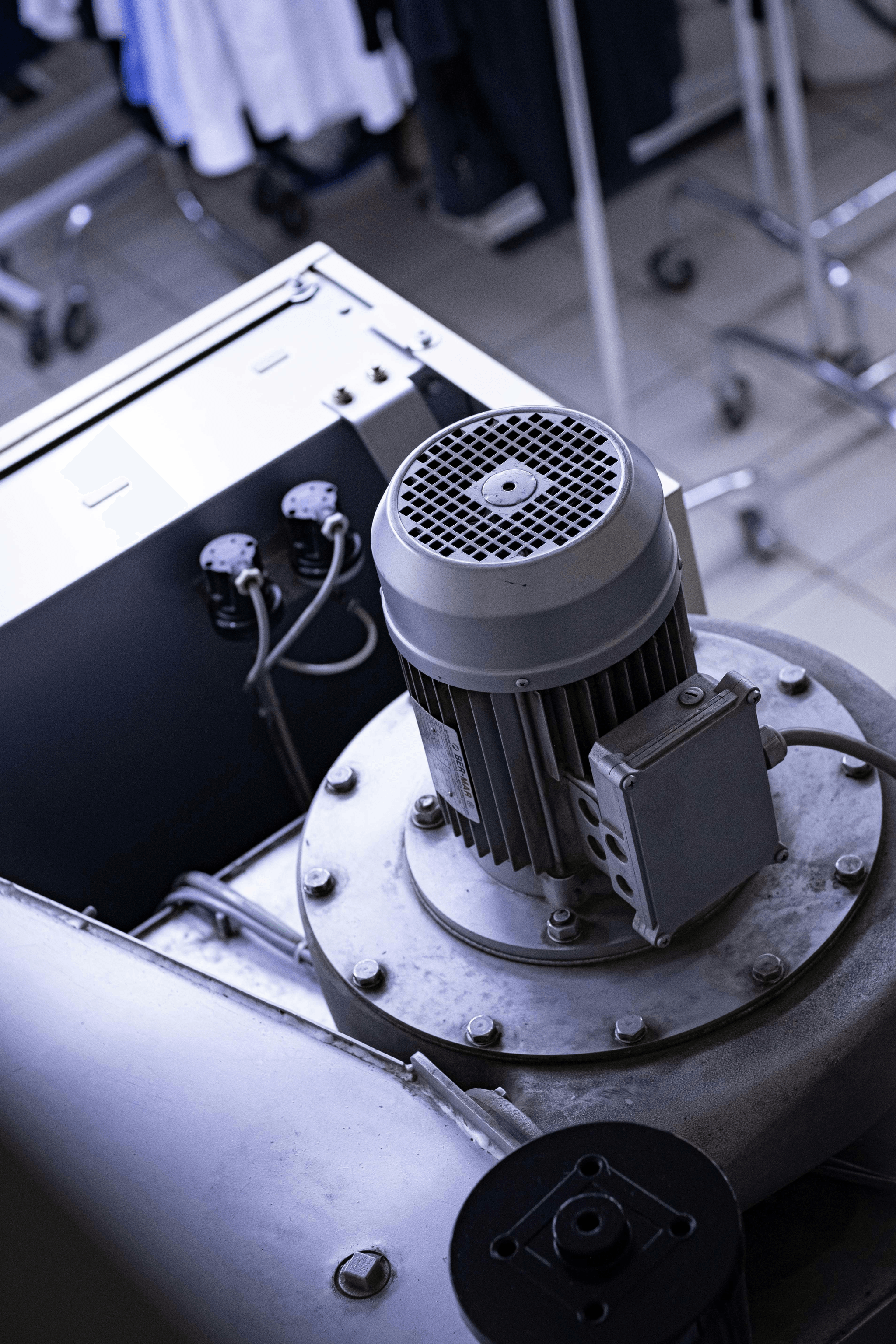
Getting a grip on the core components of an axial electric fan is essential for effective Electric Fan Inspection. These parts work together to ensure optimal airflow, safety, and durability. Recognizing each element’s role helps in identifying potential issues early and maintaining high standards in manufacturing quality control.
An axial electric fan typically comprises blades, a motor, a shaft, a protective grille, wiring, and mounting hardware. During an Electric Fan Inspection, paying close attention to these key parts allows inspectors to spot physical damage or signs of wear that could compromise performance or safety. Properly understanding these components also facilitates compliance with industry standards like ASTM D4167 - 97 and ensuring the product meets RoHS and CE marking requirements.
In the realm of Electric Fan Inspection and Quality Control Standards, knowing how each part should look and function is non-negotiable. For example, blades must be free from cracks or deformations; wiring should be insulated properly without frays; and the motor must operate smoothly without excessive heat or noise. Regular checks against these standards help manufacturers uphold their reputation while preventing costly recalls or safety issues down the line.
Preparing for an Electric Fan Inspection
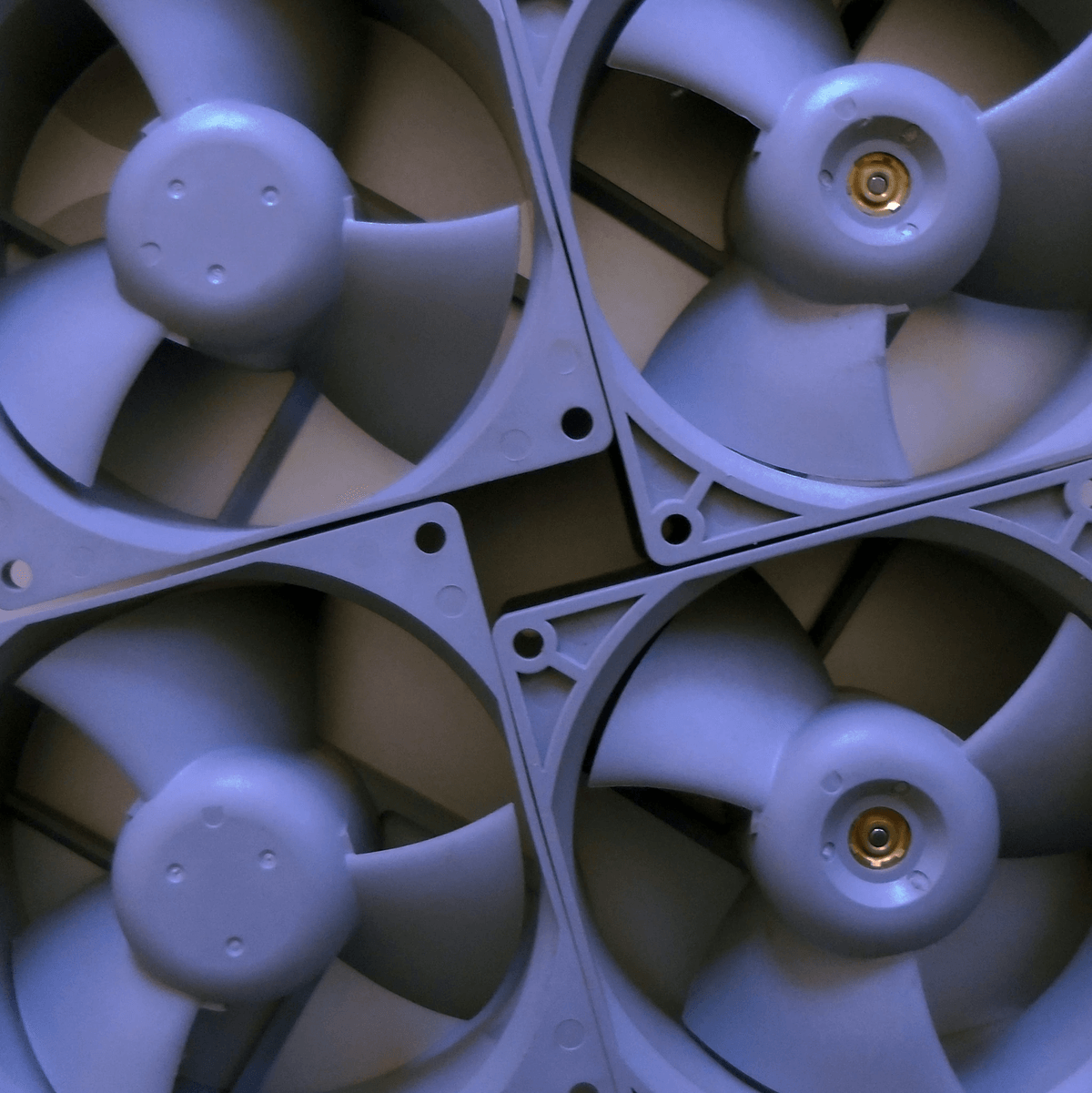
Getting ready for an Electric Fan Inspection is the first step toward ensuring your axial electric fan meets all quality control standards and safety requirements. Proper preparation helps identify potential issues early, saving time and avoiding costly rework down the line. Whether you’re inspecting a new model or conducting routine checks, a well-organized setup sets the stage for a thorough and efficient evaluation.
Before diving into the inspection, gather all necessary tools—think multimeters, torque wrenches, flashlights, and vibration meters—that are essential for a comprehensive Electric Fan Inspection. Having these tools on hand ensures you can accurately assess electrical connections, blade balance, and motor performance in accordance with industry standards like ASTM D4167 - 97. Remember, adhering to these standards not only guarantees safety but also aligns with global compliance markers such as RoHS and CE Marking.
Next up is setting up an environment conducive to detailed inspection. Choose a clean, well-lit workspace that minimizes distractions and allows easy access to all fan components. This environment should be free of static or moisture that could interfere with electrical testing or damage sensitive parts—especially when verifying electrical safety features aligned with RoHS regulations. Proper setup not only streamlines the process but also ensures that every aspect of the Axial electric fan is examined thoroughly.
Finally, reviewing manufacturer specifications and guidelines before starting your Electric Fan Inspection is crucial. These documents provide critical information about design tolerances, materials used, and safety features that must be checked during inspection. Cross-referencing these details against industry best practices helps maintain high-quality standards while ensuring compliance with certifications like CE Marking—an essential part of quality control standards in fan manufacturing.
Performing a Visual Inspection
Conducting a thorough visual inspection is a crucial step in Electric Fan Inspection, especially for axial electric fans where even the smallest flaw can compromise safety and performance. During this process, inspectors should meticulously check for any physical damage or deformations that might have occurred during manufacturing or transportation. Noticing cracks, dents, or warping early helps ensure the fan adheres to Electric Fan Inspection and Quality Control Standards, which often reference industry benchmarks like ASTM D4167 - 97 to maintain consistency.
Checking for Physical Damage or Deformations
The first task in your Electric Fan Inspection is to scrutinize every visible part of the axial electric fan for physical damage or deformations. Bent blades, cracked housings, or loose mounting points are red flags that could lead to imbalance issues or safety hazards down the line. Remember, adhering to strict standards such as RoHS and CE Marking during inspection ensures that no harmful materials are present and that your product complies with global safety regulations—keeping your fans both eco-friendly and safe for end-users.
Examining Wiring and Electrical Connections
Next up in your Electric Fan Inspection checklist is a detailed examination of wiring and electrical connections. Loose wires, frayed insulation, or corroded terminals can cause short circuits or electrical faults—problems you definitely want to catch before deployment. Ensuring these connections meet industry standards not only aligns with ASTM D4167 - 97 but also guarantees compliance with RoHS directives and CE marking requirements; this way, your fans will operate safely while meeting all regulatory benchmarks.
Assessing Blade Alignment and Balance
Finally, assessing blade alignment and balance is vital in maintaining optimal performance during Electric Fan Inspection. Misaligned blades can cause excessive vibration or noise levels—issues that compromise both efficiency and longevity of axial electric fans—and violate quality control standards if left unchecked. Properly balanced blades reflect adherence to best practices under industry standards like ASTM D4167 - 97; maintaining this balance affirms your commitment to producing reliable fans that meet customer expectations while complying with RoHS and CE requirements.
Conducting Functional Tests
When it comes to Electric Fan Inspection, verifying that the axial electric fan's motor operates smoothly and at the correct speed is paramount. This step ensures that the fan not only meets industry standards but also performs efficiently in real-world conditions. During this process, technicians should use calibrated tools to measure RPMs and compare them against manufacturer specifications, aligning with Electric Fan Inspection and Quality Control Standards.
Verifying Motor Operation and Speed
A core component of Electric Fan Inspection involves testing the motor's operation. An axial electric fan relies heavily on a well-functioning motor to deliver optimal airflow, so confirming its proper function is crucial for safety and performance. By checking the motor's startup behavior, running temperature, and speed consistency, inspectors can identify potential issues early—saving future headaches and ensuring compliance with RoHS directives that restrict hazardous substances in electrical components. Remember, adhering to industry standards like ASTM D4167 - 97 helps verify that electrical parts meet durability and safety benchmarks.
Testing Fan Noise Levels and Vibration
During Electric Fan Inspection, assessing noise levels and vibration provides insight into the overall health of the axial electric fan. Excessive noise or unusual vibrations often signal imbalance or misalignment—common culprits in reduced efficiency or early failure—so they must be carefully evaluated. Using specialized equipment to measure these parameters ensures your fans meet both customer expectations and industry standards like CE Marking requirements for safety and quality assurance; this also aligns with rigorous Electrical Safety checks mandated by global regulations.
Confirming Safety Features Are Active
Finally, a thorough Electric Fan Inspection isn't complete without verifying that all safety features are active and functioning correctly. These features include thermal cut-offs, protective covers, or grounding mechanisms designed to prevent electrical faults or overheating issues—critical for consumer safety compliance under RoHS standards as well as CE marking regulations. Ensuring these safety measures are operational not only complies with Electrical Safety standards but also demonstrates your commitment to quality control standards like ASTM D4167 - 97—making sure your fans are reliable from factory floor to customer doorstep.
Electrical Safety and Compliance Checks
Ensuring your Axial electric fan meets all electrical safety and compliance standards is a critical step in the Electric Fan Inspection process. This phase not only safeguards end-users but also upholds your reputation for top-notch quality control standards. A thorough review of RoHS compliance, CE marking, and ASTM D4167 - 97 adherence guarantees that your fans are safe, environmentally friendly, and conformant with global industry benchmarks.
Confirming RoHS Compliance and Emissions Standards
RoHS compliance is a non-negotiable in modern Electric Fan Inspection, especially when dealing with Axial electric fans destined for international markets. This directive limits hazardous substances like lead, mercury, and cadmium in electronic components, ensuring your fans are environmentally responsible. During inspection, verifying RoHS adherence involves testing materials and wiring to confirm they meet these strict emissions standards—because nothing kills a sale faster than non-compliance! Incorporating RoHS checks into your quality control standards helps prevent costly recalls and demonstrates your commitment to sustainable manufacturing.
Ensuring CE Marking Conformance
The CE marking is more than just a sticker; it’s a declaration that your Axial electric fan complies with European safety directives. During Electric Fan Inspection, verifying CE conformance involves reviewing product documentation, safety features, and electrical components to ensure they meet EU standards. This process often includes checking for proper insulation, grounding measures, and electrical safety features—because an improperly marked fan can lead to legal trouble or product rejection at customs. Incorporating CE verification into your routine not only streamlines market entry but also signals to customers that you prioritize safety and quality.
Reviewing Adhesion to ASTM D4167 - 97 Standards
ASTM D4167 - 97 sets the benchmark for adhesion testing of coatings on electrical components—crucial in maintaining the durability of parts within an Axial electric fan during Electric Fan Inspection. Proper adhesion ensures that coatings resist peeling or cracking under operational stresses—think heat, vibration, or accidental impacts—thus prolonging product lifespan. Regularly reviewing ASTM D4167 - 97 standards during inspection helps catch potential issues early on; after all, a well-adhered coating is the silent guardian against corrosion and wear! Adhering strictly to these industry best practices guarantees that every fan leaving the line stands tall on quality assurance.
Quality Control Standards and Documentation
In the world of Electric Fan Inspection, meticulous record-keeping is the backbone of maintaining high standards. Accurate documentation of inspection results not only ensures traceability but also helps identify recurring issues that might compromise the Axial electric fan’s performance. When quality control standards are consistently met and documented, manufacturers can confidently demonstrate compliance with industry benchmarks, fostering trust among clients and regulatory bodies alike.
Applying industry best practices for quality assurance in Electric Fan Inspection involves a comprehensive approach that integrates rigorous testing protocols and adherence to established standards like ASTM D4167 - 97. This standard provides guidelines for evaluating the durability and adhesion properties of materials used in electric fans, ensuring they withstand operational stresses over time. Incorporating these best practices into routine inspections guarantees that each Axial electric fan aligns with global safety and performance expectations, including RoHS compliance and CE marking requirements.
Using data from detailed inspections allows manufacturers to fine-tune their processes continuously. By analyzing trends from Electric Fan Inspection results, companies can pinpoint areas needing improvement—be it material selection or assembly techniques—to enhance overall product quality. Leveraging this data not only streamlines production but also ensures that every Axial electric fan leaving the line meets rigorous electrical safety standards, RoHS directives, and CE marking criteria—ultimately delivering reliable products that satisfy customer demands.
Troubleshooting Common Issues
When it comes to Electric Fan Inspection, encountering common issues like unusual noises or overheating can be a real headache. These problems often signal underlying faults that need prompt attention to maintain safety and efficiency. Regularly performing an Electric Fan Inspection allows you to catch these issues early, ensuring your axial electric fan remains in top shape and complies with industry standards such as ASTM D4167 - 97.
Addressing Unusual Noises or Overheating
Unusual noises during operation are a red flag that something’s amiss in your electric fan setup, possibly due to bearing wear or blade misalignments. During Electric Fan Inspection, listen carefully for grinding, rattling, or squeaking sounds; these could indicate the need for component replacement or realignment. Overheating is equally concerning and often results from electrical faults or insufficient ventilation—both critical points in any thorough Electric Fan Inspection process aligned with Quality Control Standards.
To resolve these issues effectively, start by inspecting wiring and electrical connections for signs of wear or damage—an essential part of Electrical Safety and Compliance Checks. Remember that non-compliance with RoHS standards could lead to overheating caused by hazardous materials inside components. Ensuring the axial electric fan adheres to CE Marking requirements also helps prevent safety hazards related to material quality and electrical performance.
Fixing Blade Imbalance or Misalignments
Blade imbalance is a common culprit behind vibrations during operation, which can cause long-term damage if left unchecked during Electric Fan Inspection. To fix this, carefully examine the blades for any deformations or dirt buildup that might throw off balance; cleaning and rebalancing are often simple yet effective solutions. Proper alignment ensures the axial electric fan runs smoothly, reduces noise levels, and prolongs motor life—key aspects covered under industry-standard practices like ASTM D4167 - 97.
Incorporate precise measurements during your inspection process to detect misalignments early on—this aligns with best practices for Quality Control Standards and helps avoid costly downtime later. If imbalance persists despite cleaning efforts, consider replacing damaged blades entirely while verifying material quality and durability checks before installation again. This proactive approach not only maintains compliance but also boosts overall product reliability.
Resolving Electrical Faults Efficiently
Electrical faults such as short circuits or faulty wiring are among the trickiest issues tackled during Electric Fan Inspection but addressing them swiftly is crucial for safety compliance standards like RoHS and CE marking adherence. Use insulated tools and test equipment to identify faulty connections or damaged components; this ensures safe handling while diagnosing electrical problems accurately. Remember that unresolved electrical faults can lead to overheating or even fire hazards—so don’t cut corners!
Once identified, replace defective parts with high-quality components that meet ASTM D4167 - 97 standards for adhesion and durability; this guarantees long-lasting repairs aligned with industry best practices for quality assurance. Document each step meticulously as part of your inspection records—good documentation supports continuous improvement in manufacturing processes while ensuring all fans meet regulatory requirements before reaching customers.
Conclusion
Regular Electric Fan Inspection isn’t just a box to check; it’s the secret sauce to maintaining top-tier quality and safety standards in the industry. By consistently inspecting axial electric fans and adhering to strict Quality Control Standards, manufacturers can catch issues early before they become costly problems. Remember, a well-maintained fan not only performs better but also upholds compliance with crucial standards like RoHS, CE Marking, and ASTM D4167 - 97.
Ensuring your Electric Fan Inspection process aligns with these standards demonstrates your commitment to excellence. When you incorporate thorough inspections into your routine, you reinforce the reliability of your products and build trust with customers. After all, consumers expect high-quality fans that meet industry expectations—your proactive approach in Electric Fan Inspection is what sets you apart.
Finally, integrating rigorous inspection practices helps prevent electrical faults, blade misalignments, or safety feature failures—issues that could otherwise compromise safety or lead to non-compliance with regulations like RoHS or CE Marking. Regularly reviewing your processes ensures continuous improvement and keeps your products aligned with evolving industry standards such as ASTM D4167 - 97. In the end, diligent Electric Fan Inspection isn’t just good practice; it’s essential for long-term success.