
Introduction

In today's competitive market, On-Site Product Testing has become a crucial step in ensuring that products meet the desired quality and performance standards. This process involves evaluating products directly at the manufacturing site, which can lead to more accurate results and quicker adjustments if needed. By understanding your product testing requirements, businesses can streamline their operations and enhance customer satisfaction.
Understanding On-Site Product Testing
On-Site Product Testing refers to the practice of assessing products in their natural environment, allowing for real-world performance evaluation. This approach not only identifies potential issues early on but also provides invaluable insights into how products will perform once they reach consumers. By focusing on this testing method, companies can better align their offerings with market demands.
Importance of a QC Checklist
A Quality Control (QC) checklist is essential for maintaining consistency during product tests and ensuring all critical factors are evaluated thoroughly. It serves as a guide that helps teams stay organized while conducting tests, reducing the risk of overlooking vital aspects of quality assurance. With a well-structured QC checklist in place, businesses can effectively monitor the Equipment needed for product tests and ensure that nothing falls through the cracks.
Key Components of Equipment Needed
When it comes to On-Site Product Testing, having the right equipment is paramount for obtaining reliable results. Essential tools may include measuring devices, testing rigs, and data collection software tailored to specific product types and industry standards. Ensuring that you have these key components not only facilitates accurate testing but also enhances your ability to analyze data effectively and make informed decisions based on findings.
Defining Your Product Testing Requirements
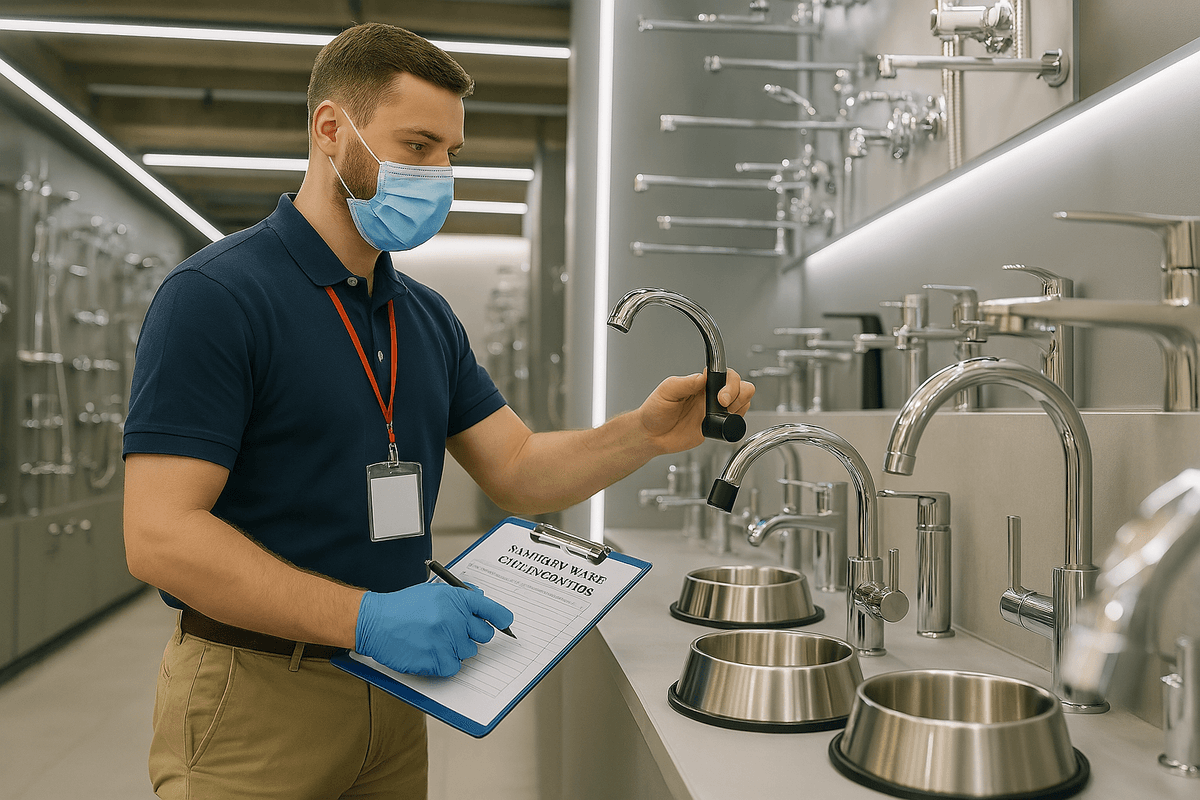
When embarking on the journey of On-Site Product Testing, it's crucial to clearly define your product testing requirements. This step sets the foundation for effective testing and ensures that you achieve meaningful results. By understanding what you want to accomplish, you can better select the equipment needed for product tests and determine the sample size for product testing.
Identifying Testing Objectives
The first step in defining your product testing requirements is identifying your testing objectives. Are you looking to ensure compliance with safety regulations or perhaps validate performance claims? By pinpointing these goals, you can tailor your approach to meet specific needs and streamline your On-Site Product Testing process.
Once you've established your objectives, consider how they align with broader business goals. This alignment not only helps in justifying the investment in equipment needed for product tests but also guides decisions on how best to allocate resources. Remember, clarity in objectives leads to greater efficiency and effectiveness throughout the testing phase.
Establishing Clear Criteria
To successfully navigate On-Site Product Testing, establishing clear criteria is essential. These criteria serve as benchmarks against which products will be evaluated during tests, ensuring consistency and reliability in results. Whether you're assessing durability, functionality, or safety features, having well-defined criteria will make it easier to analyze outcomes later on.
Moreover, clear criteria help in selecting the appropriate equipment needed for product tests tailored to those specifications. This means that every tool or device used will have a purpose directly tied to your defined requirements—no more guessing games! Additionally, transparency in criteria fosters trust among team members and stakeholders who rely on accurate data for decision-making.
Aligning with Industry Standards
Aligning your product testing requirements with industry standards is not just a best practice; it's often a necessity for compliance and market acceptance. Familiarizing yourself with relevant regulations ensures that your On-Site Product Testing meets legal obligations while also enhancing credibility among consumers and partners alike. Adhering to these standards can significantly influence how effectively your products are received in the marketplace.
Incorporating these standards into your framework will also guide decisions regarding sample size for product testing—after all, different industries may have varying recommendations based on statistical significance and reliability factors! Furthermore, this alignment can inform the selection of equipment needed for product tests that comply with specific industry norms or certifications.
By carefully defining your product testing requirements through objective identification, clear criteria establishment, and adherence to industry standards, you'll set a solid groundwork for successful On-Site Product Testing initiatives that drive quality improvements across all stages of development.
Equipment Needed for Product Tests

When diving into the world of On-Site Product Testing, having the right equipment is non-negotiable. The equipment needed for product tests can make or break your quality control (QC) efforts. From basic tools to sophisticated technology, an effective testing setup ensures that your products meet the highest standards and align with your product testing requirements.
Essential Tools for Quality Control
First things first: what are the essential tools for quality control? A sturdy set of calipers, scales, and gauges are foundational in any QC toolkit. These instruments help you measure dimensions and weights accurately, ensuring that every aspect of your product aligns with specifications—crucial for maintaining consistency during On-Site Product Testing.
In addition to measuring tools, consider incorporating visual inspection systems into your arsenal. These systems can detect flaws that might not be visible to the naked eye, enhancing the reliability of your results. Having these essential tools on hand allows you to streamline processes while ensuring thorough checks throughout each stage of product testing.
Finally, don’t underestimate the importance of data logging devices in modern QC practices. These gadgets enable you to record measurements over time and analyze trends more effectively—vital when determining if adjustments are necessary based on sample size for product testing outcomes.
Modern Technology in Product Testing
Modern technology plays a pivotal role in elevating On-Site Product Testing beyond traditional methods. With advancements like automated testing machines and AI-driven analytics software, teams can achieve greater accuracy and efficiency than ever before. This tech-savvy approach not only reduces human error but also helps you meet stringent industry standards effortlessly.
Consider using non-destructive testing (NDT) technologies such as ultrasonic or radiographic inspection methods. These techniques allow you to assess materials without compromising their integrity—a game-changer when evaluating complex products that require meticulous attention to detail according to your product testing requirements. By integrating these modern technologies into your QC process, you're setting yourself up for success.
Moreover, cloud-based platforms enable real-time data sharing among team members during On-Site Product Testing sessions. This instant access promotes collaboration and ensures everyone is on the same page as findings emerge—making it easier than ever to adapt strategies based on immediate feedback from test results.
Best Practices for Equipment Maintenance
Investing in high-quality equipment is just the beginning; best practices for equipment maintenance are crucial too! Regular calibration of measuring instruments ensures accuracy over time—without it, even top-tier tools can yield misleading results during critical tests related to sample size for product testing decisions. Schedule routine checks and keep detailed logs of maintenance activities; this will help identify patterns that could indicate potential issues before they escalate.
Another best practice involves creating an organized storage system where all equipment is easily accessible yet protected from damage or contamination between uses. A clean workspace fosters efficiency during On-Site Product Testing while reducing risks associated with mishandling sensitive instruments necessary for achieving reliable outcomes aligned with established criteria.
Lastly, training staff on proper usage and care techniques cannot be overstated! Empowering team members with knowledge about handling equipment not only extends its lifespan but also enhances overall confidence during product tests—leading ultimately toward better quality assurance outcomes aligned with industry standards.
Determining the Sample Size for Product Testing
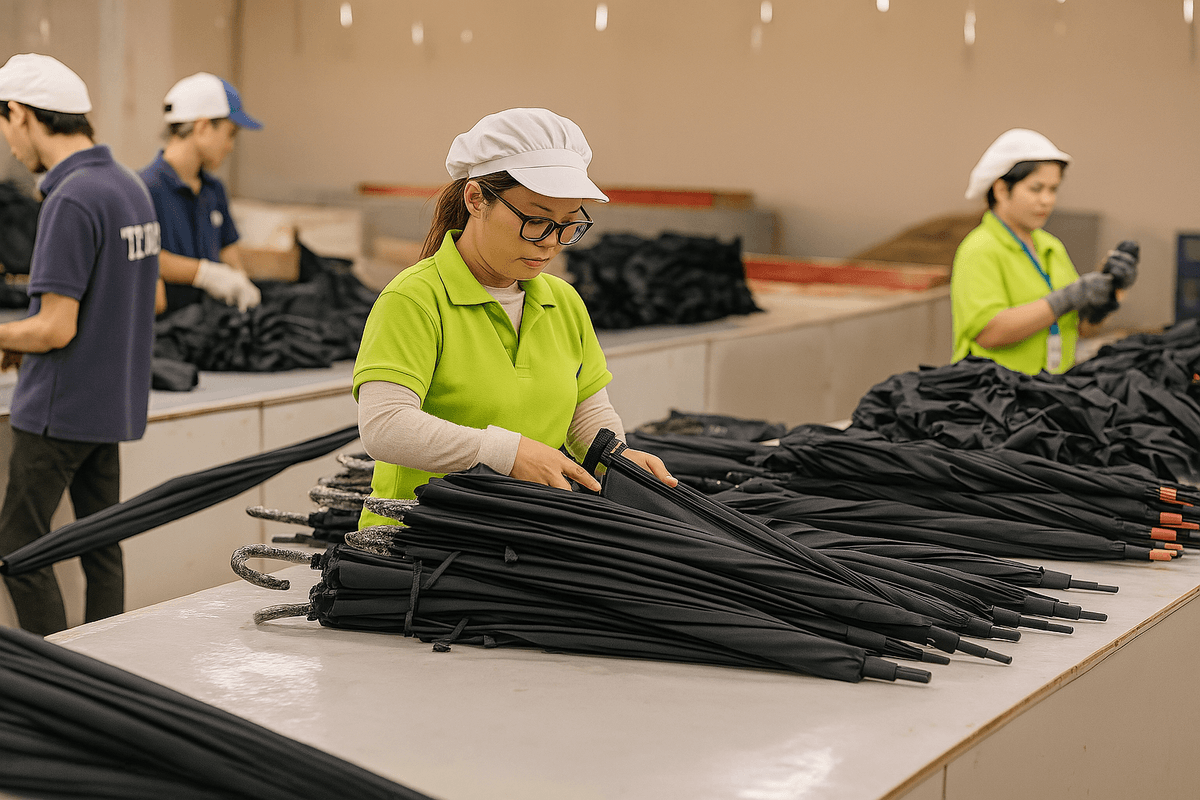
The sample size for product testing directly influences the accuracy of your findings and can significantly affect your overall quality control process. A well-calibrated approach ensures that you meet your product testing requirements while also maintaining efficiency and cost-effectiveness.
Statistical Methods for Sample Selection
To effectively choose the right sample size, employing statistical methods is essential. Techniques such as random sampling, stratified sampling, and systematic sampling help to ensure that your selected samples are representative of the larger population. By utilizing these methods, you can enhance the reliability of your On-Site Product Testing outcomes, making sure they align with established industry standards.
Additionally, using formulas like the Cochran's formula or determining confidence intervals can aid in calculating an appropriate sample size based on desired accuracy levels. These statistical tools provide a structured approach to selecting samples that will yield meaningful insights into your product's performance. Ultimately, a solid understanding of statistical methods will bolster your ability to meet your product testing requirements effectively.
Balancing Cost and Accuracy
While it’s vital to obtain accurate results in On-Site Product Testing, balancing cost against accuracy can be a tricky endeavor. Larger sample sizes typically lead to more accurate results but come at a higher financial cost – something every business must consider carefully. Striking this balance involves evaluating how much risk you’re willing to take regarding potential quality issues versus budget constraints.
By conducting a cost-benefit analysis, you can identify an optimal sample size that provides sufficient data without breaking the bank. This thoughtful approach enables you to maintain high-quality standards while keeping expenses in check during product tests. Remember: investing in proper equipment needed for product tests and ensuring adequate sample sizes pays off in long-term quality assurance.
Case Studies on Sample Size Impact
Examining case studies where varying sample sizes were employed can shed light on their impact on test outcomes during On-Site Product Testing. For instance, one company found that increasing their sample size from 30 to 100 units significantly improved their defect detection rate by over 25%. This not only enhanced their quality control processes but also saved them from costly recalls down the line.
Conversely, another study revealed that using too small a sample led to misleading conclusions about product durability, resulting in unexpected failures once products hit the market. Such examples underscore how critical it is to determine an appropriate sample size for product testing – after all, nobody wants surprises when it comes time for launch! By learning from these case studies and adapting strategies accordingly, businesses can better navigate their specific needs around equipment needed for product tests and overall testing strategy.
Conducting On-Site Product Testing

When it comes to On-Site Product Testing, the process can seem daunting, but breaking it down into manageable steps makes it much more approachable. This section will guide you through the essential procedures, ensuring that your product testing requirements are met with precision and reliability. By following a structured approach, you can optimize the efficiency of your product tests and yield meaningful results.
Step-by-Step Testing Procedures
The first step in conducting effective On-Site Product Testing is to clearly define your testing objectives. Begin by outlining what you aim to achieve; whether it's assessing durability, functionality, or compliance with industry standards. Once your objectives are set, gather all necessary equipment needed for product tests to ensure a smooth execution of each procedure.
Next, prepare a detailed plan that includes timelines and responsibilities for each team member involved in the testing process. This ensures everyone knows their role and helps streamline communication throughout the testing phase. Finally, execute the tests according to established protocols while meticulously recording all observations and data for analysis later on.
Ensuring Consistency in Testing
Consistency is key when conducting On-Site Product Testing; variations in methods can lead to skewed results that compromise your findings. To maintain uniformity across tests, establish standard operating procedures (SOPs) that detail every aspect of the testing process—from equipment calibration to environmental conditions during testing. Regular training sessions for staff can reinforce these practices and ensure everyone is on the same page.
Moreover, using a consistent sample size for product testing allows for more reliable comparisons between different test batches or iterations of a product. Keep an eye on external factors such as temperature or humidity that may influence test outcomes; controlling these variables will enhance data integrity significantly. Remember: consistency isn't just about following steps—it's about fostering an environment where quality assurance is prioritized at every level.
Common Challenges and Solutions
Conducting On-Site Product Testing comes with its fair share of challenges; however, being prepared can mitigate many of these issues before they arise. One common challenge is unexpected equipment failures during testing—this highlights the importance of regular maintenance checks on all equipment needed for product tests prior to starting any project phase. Having backup tools readily available can also save time when things don’t go as planned.
Another hurdle often encountered is managing varying sample sizes during tests which may lead to inconsistent results if not handled properly—strategically planning your sample size for product testing from the outset helps avoid this pitfall altogether. Lastly, communication breakdowns among team members can create confusion; establishing clear lines of communication before commencing will keep everyone informed and aligned throughout the process.
By understanding these common challenges and implementing proactive solutions, you'll enhance not only your On-Site Product Testing efforts but also foster a culture of quality assurance within your organization.
Analyzing Test Results and Making Recommendations

Once the dust settles from your On-Site Product Testing, it's time to dive into the treasure trove of data you've collected. Analyzing test results is not just about crunching numbers; it’s about making sense of what those numbers mean for your product and its future. A well-structured analysis will guide you in making informed recommendations that can enhance quality, streamline processes, and ultimately delight your customers.
Interpreting Data Effectively
Interpreting data effectively is akin to deciphering a secret code; it requires a keen eye and an understanding of your product testing requirements. Start by categorizing the results based on established criteria, which helps in identifying trends or anomalies that could indicate potential issues with your product. By utilizing statistical tools like control charts or regression analysis, you can draw meaningful conclusions that inform both immediate actions and long-term strategies.
Reporting Findings to Your Team
Communicating findings is crucial in ensuring everyone is on the same page regarding the outcomes of the On-Site Product Testing. Craft a comprehensive report that highlights key insights while being mindful of technical jargon—after all, not everyone speaks fluent data! Use visuals such as graphs and tables to illustrate points clearly; this not only makes the information digestible but also engaging for your team members who may be less familiar with equipment needed for product tests.
Leveraging Insights for Product Improvement
Once you’ve analyzed results and reported them back to your team, it's time to leverage those insights for product improvement. Focus on actionable recommendations derived from the data; whether it's tweaking design elements or adjusting manufacturing processes, every little change counts towards enhancing quality. Remember that continuous improvement isn't just a buzzword—it's a commitment to refining products based on real-world feedback gathered during testing phases like determining sample size for product testing.
Conclusion
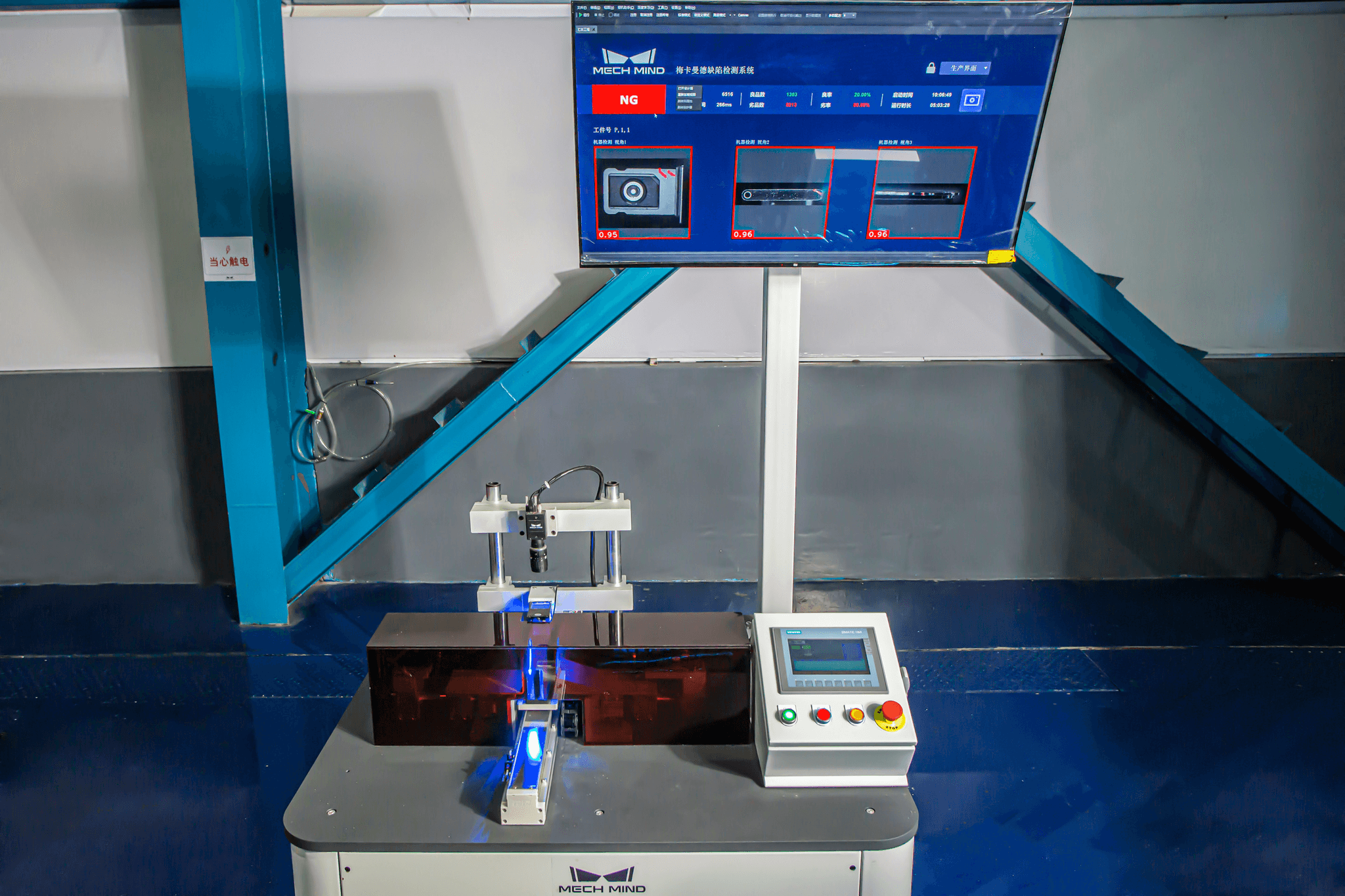
On-Site Product Testing is not just a box to tick off; it’s an essential process that ensures your product meets the highest standards of quality and performance. By actively engaging in this testing, you gain valuable insights into how your product will perform in real-world conditions. This hands-on approach helps identify potential issues before they reach the consumer, ultimately saving time and money.
Final Thoughts on On-Site Product Testing
The journey of On-Site Product Testing begins with understanding your product testing requirements and ends with the satisfaction of delivering a reliable product to your customers. Each step taken during this process—from identifying objectives to analyzing results—plays a crucial role in shaping the final outcome. Remember, thorough testing not only enhances product quality but also builds trust with consumers who rely on your brand.
Importance of Continuous Monitoring
Once you have established effective On-Site Product Testing protocols, continuous monitoring becomes vital for maintaining quality over time. The sample size for product testing should be revisited regularly to ensure it remains representative of production changes or new market demands. By keeping an eye on these elements, you can adapt quickly and maintain high standards without compromising on performance.
Partnering with Experts like China Inspection Pro
When navigating the complexities of equipment needed for product tests and ensuring compliance with industry standards, partnering with experts like China Inspection Pro can make all the difference. Their extensive experience provides invaluable support in defining your product testing requirements and optimizing processes for maximum efficiency. With their assistance, you can focus more on innovation while they handle the nitty-gritty details of quality control.