Introduction
In today’s competitive marketplace, ensuring the highest quality standards can make or break your reputation. That’s where Third Party Inspections come into play, offering an independent lens to verify your products meet industry benchmarks. By leveraging these inspections, you gain an impartial perspective that can boost confidence among clients and partners alike.
Many businesses wonder, “Will my company benefit from third party inspections?” The answer is a resounding yes—especially when you consider instances when a third party inspection is needed most. Whether launching new products or entering new markets, having qualified inspectors evaluate your processes can prevent costly mistakes and safeguard your brand integrity.
Preparing your company for seamless third party inspections involves understanding their purpose and choosing the right partners. When you prioritize independent, impartial assessments conducted by qualified professionals, you set the stage for smoother audits and better compliance. With proper preparation, your team will be ready to showcase their best work while benefiting from expert insights that drive continuous improvement.
Understanding the Purpose of Third Party Inspections
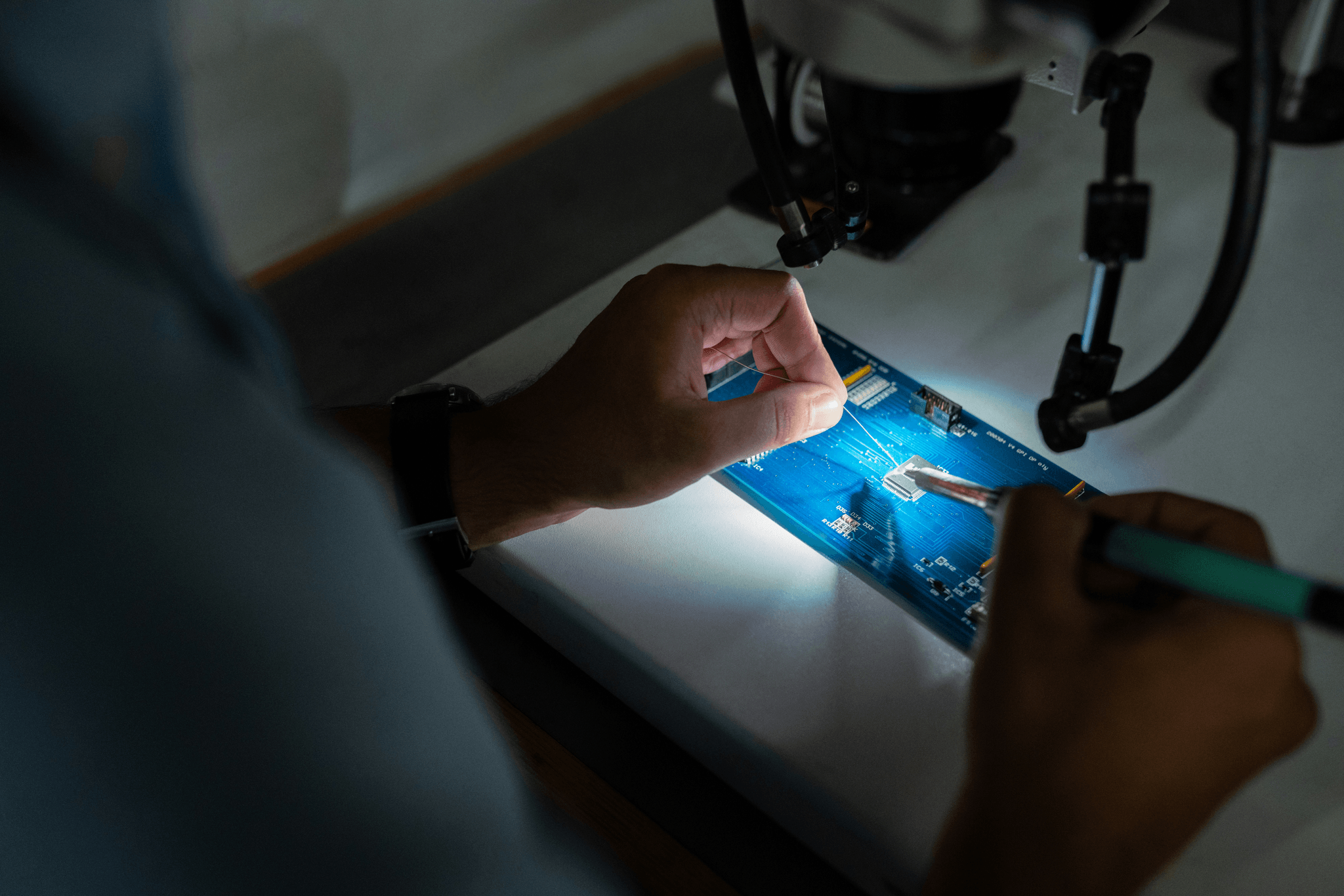
Third party inspections play a crucial role in safeguarding your business’s reputation and ensuring product quality. They provide an independent perspective that minimizes bias, helping you catch issues before they reach your customers. Will my company benefit from third party inspections? Absolutely, especially when you want unbiased insights and a boost in consumer confidence.
When considering instances when a third party inspection is needed most, it’s clear that relying solely on internal checks can leave gaps. External inspectors are qualified to spot flaws that might be overlooked by your team, offering an impartial view that enhances overall quality assurance. These inspections are especially vital during critical production phases or before large shipments to prevent costly recalls or reputation damage.
The core advantage of third party inspections lies in their independence and qualification. They ensure the process remains impartial, free from internal pressures or conflicts of interest, which is essential for maintaining credibility with clients and regulators alike. A qualified inspector brings expertise and objectivity to every evaluation, making sure your products meet industry standards without favoritism or oversight.
Clarifying the Role and Benefits of Third Party Inspections
Third party inspections serve as an unbiased checkpoint within your supply chain or manufacturing process. Their primary role is to verify compliance with quality standards, safety regulations, and contractual specifications—providing peace of mind for both manufacturers and buyers. Will my company benefit from third party inspections? Yes—these inspections help reduce risks, improve product consistency, and foster trust with clients by demonstrating transparency.
One significant benefit is the impartiality these inspectors bring; they’re not influenced by internal company pressures or relationships that could skew results. This objectivity ensures that any issues are identified honestly, allowing you to address them proactively rather than risking surprises at customs or retail outlets. Ultimately, engaging third party inspectors adds a layer of credibility that can differentiate your brand in competitive markets.
How Independent, Impartial, and Qualified Inspectors Ensure Product Quality
The strength of third party inspections hinges on their independence—they operate outside your organization’s influence—which guarantees an unbiased assessment every time. Impartial inspectors focus solely on evaluating products against established standards without favoritism or conflict of interest clouding their judgment. Are you wondering if your business will benefit from third party inspections? The answer is yes—these qualified professionals uphold rigorous standards to ensure every product meets safety and quality benchmarks.
Their qualifications aren’t just credentials; they reflect extensive training and experience across various industries ensuring thorough evaluations. When experts conduct these assessments independently, businesses gain confidence knowing the results are objective—and trustworthy—helping prevent costly mistakes down the line while building customer loyalty through proven quality assurance practices.
Common Myths About Third Party Inspections Debunked
There are plenty of misconceptions about third party inspections floating around—like thinking they’re unnecessary or only used for troublemakers—but nothing could be further from the truth! One myth suggests these services slow down production; however, well-planned external audits actually streamline processes by identifying bottlenecks early on. Another misconception is that only failing companies need external checks—when in reality, even top-tier brands use qualified inspectors regularly to maintain high standards.
Will my company benefit from third party inspections? Absolutely! They’re not just about catching errors but also about reinforcing confidence among stakeholders through transparent evaluation methods conducted by independent professionals who are committed to quality assurance excellence.
Recognizing When a Third Party Inspection Is Needed Most
Understanding the right moments to bring in third party inspections can be a game-changer for your business. These inspections, conducted by independent, impartial, and qualified experts, are essential when your company faces complex quality assurance challenges or regulatory hurdles. Will my company benefit from third party inspections? Absolutely—knowing when to deploy these services can save you time, money, and reputation damage down the line.
Critical Instances to Engage Third Party Inspection Experts
There are certain situations where engaging third party inspections becomes less of an option and more of a necessity. For example, when launching new products or entering new markets, independent inspectors provide an unbiased assessment that internal teams might overlook due to familiarity or bias. These qualified professionals ensure your products meet international standards and help you avoid costly recalls or compliance issues—making it clear that will my company benefit from third party inspections? The answer is a resounding yes during such critical instances.
Industries That Rely Heavily on External Inspections
Some industries naturally lean on external inspections more than others—think electronics giants like Huawei, Apple, and Samsung—where product safety and quality are non-negotiable. In these sectors, third party inspections act as gatekeepers for consumer trust and regulatory approval. Whether it's consumer electronics, automotive parts, or pharmaceuticals, companies frequently depend on independent inspectors to verify quality standards impartially; this reliance underscores how vital third party inspections are in maintaining industry credibility.
Specific Scenarios at Huawei, Apple, and Samsung Requiring Outside Oversight
Leading tech giants like Huawei, Apple, and Samsung often require outside oversight during manufacturing processes to ensure their products meet strict global standards. These companies understand that relying solely on internal checks may introduce bias or overlook subtle flaws—thus they turn to qualified third party inspection services for impartial evaluations. Such scenarios highlight instances when a third party inspection is needed most: safeguarding brand reputation while ensuring compliance with international regulations.
Choosing the Right Inspection Partner

Selecting the perfect third party inspection service is a critical step in safeguarding your product quality and ensuring compliance. You want a partner that offers independent, impartial assessments, so you can trust their findings without bias or influence. Will my company benefit from third party inspections? Absolutely—especially when choosing an inspector who is qualified and experienced to handle your industry’s specific needs.
When evaluating potential inspection partners, look for companies that emphasize transparency, thoroughness, and adherence to international standards. The right partner should have a proven track record of conducting third party inspections with integrity and impartiality, giving you confidence in their reports. Remember, third party inspections are only as good as the independence and qualification of the inspectors—so don’t compromise on these essentials.
Why does China Inspection Pro stand out in quality inspection? Because they prioritize independent and impartial evaluations that meet global standards. Their team of qualified inspectors ensures every detail is scrutinized objectively, providing reliable insights that help your business make informed decisions. Choosing a partner like China Inspection Pro means you’re investing in a trusted ally committed to delivering unbiased results—because your reputation depends on it.
Establishing clear communication and expectations from the outset is vital when partnering for third party inspections. Clarify what areas will be inspected, how reports will be delivered, and what standards are expected—all while emphasizing the importance of independence and impartiality throughout the process. Will my company benefit from third party inspections? Yes—but only if you set clear expectations to ensure transparency, accuracy, and mutual understanding with your chosen inspection partner.
Preparing Your Documents and Processes
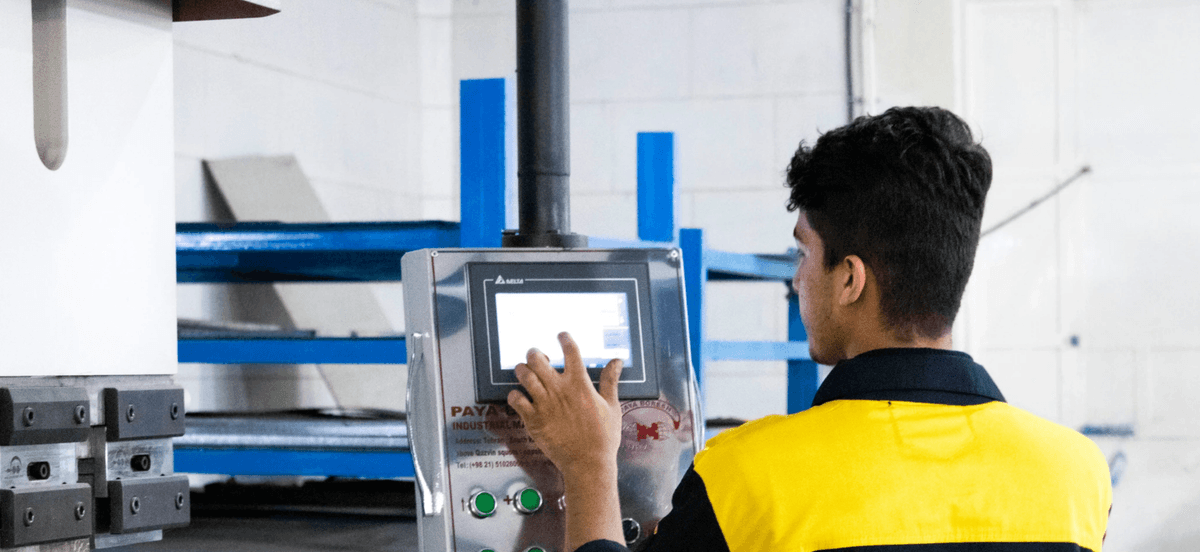
Getting your ducks in a row is crucial when it comes to third party inspections. Properly organized documentation not only streamlines the process but also demonstrates your commitment to quality and compliance. Remember, independent, impartial, and qualified inspectors will appreciate a well-prepared dossier that makes their job easier, which ultimately benefits your company—so yes, will my company benefit from third party inspections? Absolutely.
Organizing Inspection-Related Documentation for Efficiency
Start by gathering all relevant documents—product specifications, previous inspection reports, compliance certificates, and manufacturing records. Clear labeling and categorization help inspectors quickly find what they need without wasting time. When your documentation is organized systematically, it reinforces the message that your business values transparency and quality assurance—key factors in instances when a third party inspection is needed most.
Ensuring Compliance with Industry Standards and Regulations
Third party inspections are all about verifying adherence to industry standards; therefore, ensuring your processes align with these regulations is essential. Keep updated on the latest standards applicable to your products or services because qualified inspectors rely heavily on accurate documentation to assess compliance objectively. Will my company benefit from third party inspections? Definitely—by demonstrating compliance through thorough records, you build trust with clients and regulators alike.
Internal Checks to Support Inspector’s Evaluation
Before inviting an external inspector into your facility, conduct internal audits to identify potential red flags or gaps in quality control systems. These internal checks act as a pre-inspection safeguard—spotting issues early means fewer surprises during the actual inspection process. Remember that independent inspectors value companies that proactively prepare; this approach ensures smoother evaluations and underscores why choosing qualified third-party services is worth it during critical instances when a third party inspection is needed most.
Training Your Team for Inspection Success
Getting your team ready for third party inspections is more than just ticking boxes; it’s about cultivating a culture of quality and transparency. Educating staff on inspection procedures and expectations ensures everyone understands the importance of independent, impartial assessments. When your employees know what to expect, they can actively support the process, making the inspection smoother and more effective.
Educating Staff on Inspection Procedures and Expectations
To maximize the benefits of third party inspections, your team must be well-versed in what inspectors will look for and how they operate as qualified professionals. Training sessions should cover the basics of how independent inspectors assess quality, ensuring staff understand that these evaluations are impartial and designed to improve processes—not catch faults unfairly. Will my company benefit from third party inspections? Absolutely—if your team is prepared to cooperate with qualified inspectors who rely on transparent procedures.
Promoting Transparency and Cooperation During Inspections
An open attitude during third party inspections fosters trust between your company and the inspector—especially when dealing with instances when a third party inspection is needed most. Encourage staff to answer questions honestly and provide thorough documentation without hesitation because impartiality hinges on clear communication. Remember, promoting transparency not only helps in achieving accurate results but also demonstrates that your organization values continuous improvement through external validation.
Learning from Past Inspection Reports to Improve Processes
Past inspection reports are treasure troves of insights—highlighting areas where your processes excel or need refinement. By analyzing these reports regularly, you can identify recurring red flags or gaps that may hinder future evaluations by qualified inspectors during instances when a third party inspection is needed most. This proactive approach ensures ongoing compliance with industry standards while reinforcing a mindset that “Will my company benefit from third party inspections?” becomes an easy answer: Yes, especially when you leverage lessons learned from previous audits.
Conducting a Pre-Inspection Self-Assessment
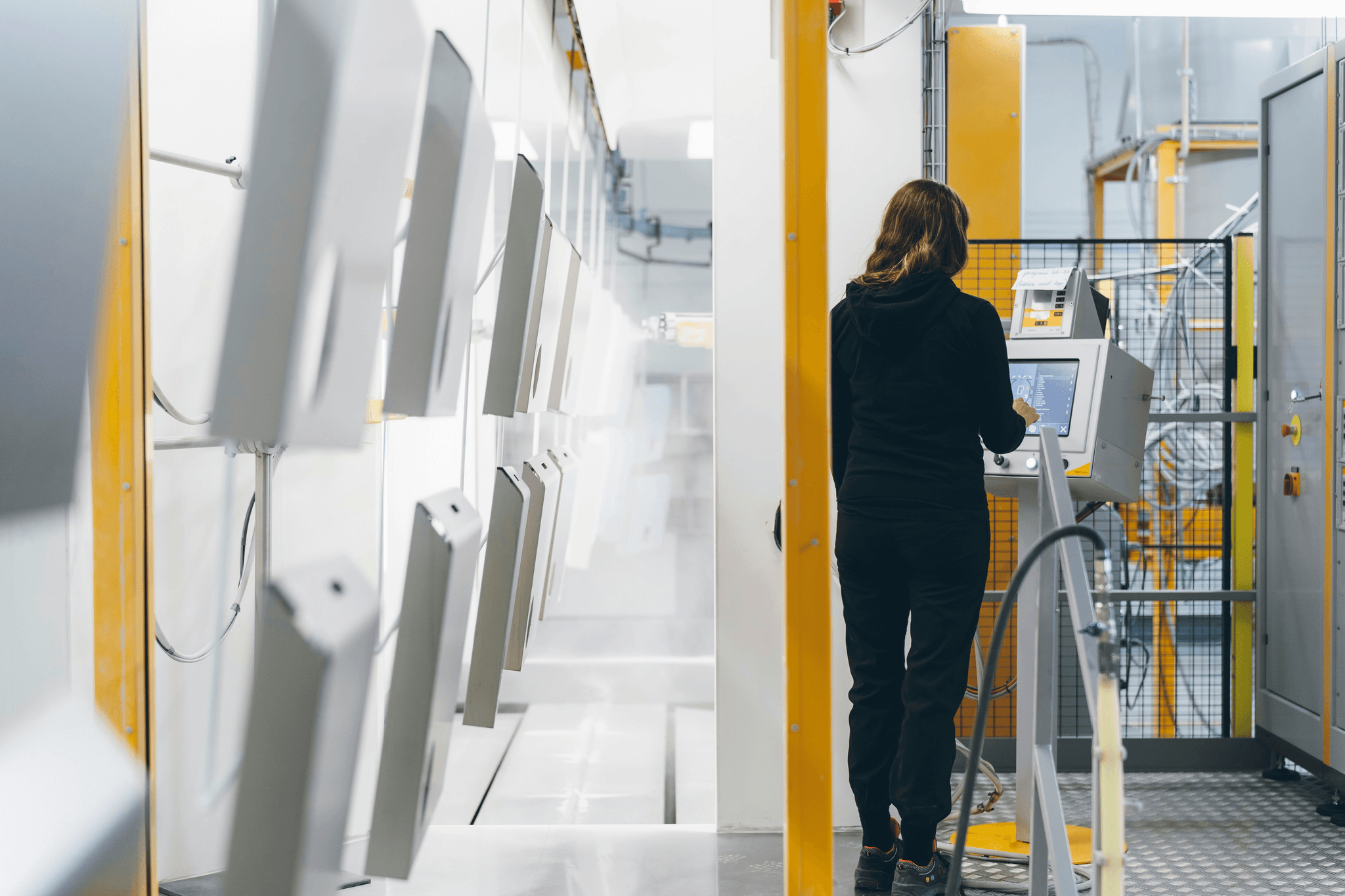
Before the inspectors from a reputable third party inspection service arrive, it’s wise to conduct an internal audit to identify potential issues beforehand. This proactive step helps your team understand whether your processes meet the standards set by independent, impartial, and qualified inspectors. Remember, will my company benefit from third party inspections? Absolutely—if you’re prepared to showcase your best practices and catch red flags early.
A thorough internal audit acts as a mirror reflecting your current compliance levels and operational gaps. It’s an opportunity to verify that all documentation is in order, products are up to standard, and processes are aligned with industry requirements. When you engage in this self-assessment, you're essentially asking yourself: am I ready for those third party inspections? The answer often reveals areas needing improvement before external eyes scrutinize your operations.
Addressing common red flags before inspectors arrive can save time and avoid surprises that might tarnish your reputation during third party inspections. These red flags may include incomplete documentation, inconsistent product quality, or overlooked safety protocols—issues that independent inspectors are trained to detect with precision. By tackling these issues proactively, you demonstrate your commitment to quality assurance and make the process smoother for everyone involved.
Handling the Inspection Day
Handling the inspection day can feel like walking a tightrope, but with proper preparation, it doesn't have to be stressful. Remember, third party inspections are designed to be objective and impartial, so trust in your team's readiness and the process. Staying calm and organized helps ensure that your company benefits from third party inspections without unnecessary hiccups or misunderstandings.
Tips for a Smooth and Stress-Free Inspection
The key to a smooth inspection day is meticulous planning—know what inspectors from China Inspection Pro will focus on and prepare accordingly. Keep all relevant documentation organized; this demonstrates that your company values transparency and quality assurance. During the inspection, maintain an open attitude, answer questions honestly, and avoid rushing through processes—impartiality is crucial for third party inspections to truly benefit your business.
What Inspector from China Inspection Pro Will Focus On
Inspectors from China Inspection Pro are trained to assess critical instances when a third party inspection is needed most, ensuring that every detail aligns with industry standards. They will scrutinize your processes for compliance, verify product quality through their qualified eyes, and look out for red flags that could jeopardize your reputation or certification status. Knowing their focus areas allows you to anticipate questions and showcase your commitment to quality—because will my company benefit from third party inspections? Absolutely when you’re prepared for what they prioritize.
Ensuring Accurate and Honest Communication
Honest communication during the inspection is non-negotiable; it builds trust with independent inspectors who are committed to impartiality. Be transparent about any issues or deviations—they're there to help you improve rather than judge—remember, qualified inspectors aim for constructive feedback. Will my company benefit from third party inspections? Yes, especially when honesty guides every interaction; it ensures accurate assessments that support continuous improvement.
Conclusion

Embracing Third Party Inspections can truly transform your quality assurance process, especially when you leverage the power of independent, impartial, and qualified inspectors. These inspections provide an unbiased eye that catches issues others might overlook, ensuring your products meet industry standards and customer expectations. So, will my company benefit from third party inspections? Absolutely—if you want reliable insights and a competitive edge, they’re a game-changer.
Knowing the instances when a third party inspection is needed most helps prevent costly mistakes and regulatory hiccups down the line. Whether you're dealing with complex supply chains or entering new markets, engaging qualified inspectors ensures your processes are on point. Remember, third party inspections shine brightest in critical scenarios—like product launches or supplier audits—making them indispensable tools for proactive quality management.
To elevate your quality assurance program effectively, it’s crucial to understand key takeaways for inspection preparation. Clear communication about expectations and choosing the right inspection partner—one known for impartiality and expertise—sets the foundation for success. When you plan ahead with well-organized documentation and internal checks, third party inspections become seamless rather than stressful. Investing in training your team also fosters transparency and cooperation during these assessments.
Next steps involve integrating third party inspections into your routine quality checks confidently. Regularly review past inspection reports to identify improvement areas and reinforce compliance practices across departments. Remember, whether you’re a startup or an industry giant like Huawei or Apple, understanding when to call in qualified inspectors can save time, money, and reputation in the long run.