
Introduction

Pre-Shipment Inspection is the unsung hero of international trade, acting as a quality gatekeeper before goods cross borders. It’s a systematic process that ensures products meet specified standards, helping importers and exporters avoid costly surprises down the line. When properly executed, Pre-Shipment Inspection can be the difference between a smooth transaction and a costly headache.
What is Pre-Shipment Inspection and Why it Matters
Pre-Shipment Inspection is a critical step in verifying that goods conform to quality standards, specifications, and contractual requirements before shipment. This process helps catch defects early using established Sampling Plans and adheres to recognized standards like Acceptance Quality Limit (AQL). The advantages of Pre-Shipment Inspections are clear: they reduce risks, prevent delays, and protect your bottom line by ensuring only quality products leave the factory.
Understanding the Core Benefits for Importers and Exporters
The advantages of Pre-Shipment Inspections extend beyond just catching defects; they foster trust between trading partners by promoting transparency and accountability. For importers, this means fewer surprises upon arrival—less time spent on returns or rework—and peace of mind knowing products meet agreed-upon criteria. Exporters benefit from streamlined processes and improved reputation by consistently delivering high-quality goods aligned with industry standards through diligent defect classification practices.
How Proper Inspections Prevent Costly Mistakes
Implementing effective inspection protocols based on well-designed Sampling Plans minimizes the risk of shipping defective products that could lead to costly rejections or customer dissatisfaction. By understanding how Acceptance Quality Limit (AQL) thresholds guide inspection decisions, companies can balance thoroughness with efficiency—saving money while maintaining quality control. Ultimately, proper inspections act as an insurance policy against expensive mistakes caused by overlooked defects or misclassification during the inspection process.
The Fundamentals of Pre-Shipment Inspection

Pre-Shipment Inspection (PSI) is a crucial step in the international trade process that ensures products meet specified quality standards before they leave the manufacturing facility. This process acts as a safeguard for importers and exporters alike, helping to prevent costly mistakes down the line. By understanding the core principles of PSI, businesses can leverage its advantages to streamline their supply chains and boost customer satisfaction.
One of the key components of Pre-Shipment Inspection is implementing a structured process approach, such as the one used by China Inspection Pro. This approach involves detailed planning, thorough checks, and precise documentation at each stage of inspection. Employing effective Sampling Plans—like those based on Acceptance Quality Limit (AQL)—allows inspectors to evaluate product quality efficiently without inspecting every single unit. These plans help determine whether shipments meet acceptable defect levels, which directly influences shipment approval decisions and reduces unnecessary rejections.
The advantages of Pre-Shipment Inspections extend beyond just quality assurance; they also include better defect classification practices that categorize issues into major, minor, or critical defects. Proper defect classification impacts whether a shipment gets approved or sent back for rework, ultimately saving money and protecting brand reputation. Moreover, adhering to key standards and regulations governing inspections ensures consistency across international markets and helps maintain compliance with global trade requirements.
The Advantages of Pre-Shipment Inspections

Pre-Shipment Inspection offers a myriad of benefits that can significantly bolster your supply chain efficiency and product quality. By catching issues early, it helps ensure your goods meet the rigorous standards expected in international markets. Incorporating well-defined Sampling Plans and understanding the Acceptance Quality Limit (AQL) are crucial components that make these inspections both effective and reliable, minimizing costly mistakes down the line.
Ensuring Product Quality Meets International Standards
One of the primary advantages of Pre-Shipment Inspection is guaranteeing that your products align with international quality standards. This process involves rigorous checks based on established Sampling Plans, which dictate how many units should be inspected and at what acceptance level, guided by the Acceptance Quality Limit (AQL). Proper defect classification—distinguishing major from minor flaws—helps inspectors determine whether products pass or need rework, ensuring only top-tier goods leave the factory.
Reducing Return Rates and Customer Complaints
When you implement Pre-Shipment Inspection with clear defect classification criteria, you significantly reduce the chances of defective products reaching customers. This proactive approach minimizes return rates and customer complaints because defects are identified early through systematic sampling plans aligned with AQL standards. Ultimately, this leads to happier clients, fewer logistics headaches, and a stronger reputation for quality assurance.
Saving Money by Catching Defects Early
Detecting defects before shipment is like finding money in your pocket—you avoid costly rework or rejection fees later on. The use of precise sampling plans ensures inspections are efficient without missing critical flaws; this means fewer surprises upon arrival at destination ports. By adhering to accepted AQL thresholds during pre-shipment checks, importers save substantial amounts by preventing defective merchandise from slipping through.
Acceptance Quality Limit and Sampling Plans

Understanding the Acceptance Quality Limit (AQL) is crucial for any successful Pre-Shipment Inspection. The AQL acts as a benchmark, helping importers and exporters determine acceptable defect levels in a batch of products before shipment. By setting this threshold, companies can avoid over-inspecting or under-inspecting, striking the perfect balance between quality assurance and cost efficiency.
The advantages of Pre-Shipment Inspections become even clearer when you utilize appropriate Sampling Plans like ANSI/ASQC Z1.4 and ISO 2859-1. These plans provide standardized methods to select representative samples from large shipments, ensuring that inspections are both reliable and consistent. Incorporating these sampling plans into your process helps reduce the risk of shipping defective products while maintaining compliance with international standards.
Choosing the right sampling plan for your shipment depends on factors such as product type, order size, and defect classification criteria. Properly applying Sampling Plans ensures that defect levels stay within acceptable limits defined by the AQL, preventing costly rejections or recalls later on. When combined with a clear understanding of defect classification—categorizing issues as major, minor, or critical—you can streamline your inspection process for maximum efficiency and quality control.
Defect Classification and Inspection Criteria
Understanding how to classify defects is a cornerstone of effective Pre-Shipment Inspection. Not all imperfections are created equal; some can be brushed off, while others demand immediate attention before shipment approval. The Advantages of Pre-Shipment Inspections hinge on accurately categorizing defects into Major, Minor, and Critical groups, which guides decision-making and ensures quality standards are met efficiently.
Categorizing Defects: Major, Minor, and Critical
In the realm of Pre-Shipment Inspection, defect classification begins with identifying whether issues are Major, Minor, or Critical. Major defects typically affect the product’s functionality or safety and often lead to rejection unless corrected. Minor defects might include cosmetic blemishes that do not impact performance but could influence customer satisfaction; these usually warrant rework or approval with concessions. Critical defects pose serious risks—such as safety hazards—that almost always result in rejection to uphold the integrity of the shipment.
This classification process makes use of standard Sampling Plans like ANSI/ASQC Z1.4 or ISO 2859-1 to determine acceptable defect levels based on the Acceptance Quality Limit (AQL). The AQL acts as a benchmark for how many defective units can be tolerated within a batch during Pre-Shipment Inspection without compromising quality standards. By applying these Sampling Plans diligently, importers can balance inspection costs with product quality and avoid unnecessary rejections or shipments of subpar goods.
How Defect Classification Impacts Shipment Approval
The way defects are classified directly influences whether a shipment gets approved during Pre-Shipment Inspection. If defect levels stay within the Acceptable Quality Limit (AQL) set by industry standards and customer requirements, the inspection team will often recommend shipment approval—even if minor issues exist. Conversely, exceeding the thresholds for Major or Critical defects leads to rejection or demands corrective actions before proceeding.
This approach underscores why understanding defect classification is part of The Advantages of Pre-Shipment Inspections: it minimizes costly rework and delays by catching issues early based on well-defined criteria. Proper application of Sampling Plans ensures that decisions are data-driven rather than subjective judgments—saving time and money while maintaining product excellence.
Case Studies Demonstrating Effective Defect Management
Consider a manufacturer exporting electronic components where critical defects such as faulty wiring could cause safety hazards—these must be classified correctly during Pre-Shipment Inspection to prevent dangerous products from reaching consumers. In one case study, applying strict defect classification criteria helped reduce return rates by 30%, illustrating how precise categorization impacts overall product quality management.
Another example involves apparel shipments where minor cosmetic flaws were identified through meticulous defect classification aligned with AQL standards; this allowed for acceptance with concessions rather than outright rejection—saving both time and costs for importers and exporters alike. These real-world scenarios demonstrate that understanding defect classification not only streamlines inspections but also enhances trust between trading partners by ensuring consistent quality control through well-defined criteria.
Conducting an Effective Pre-Shipment Inspection
Executing a successful Pre-Shipment Inspection requires meticulous preparation and a clear understanding of what to look for. It’s not just about catching defects but ensuring the entire process aligns with your quality standards. Remember, the advantages of pre-shipment inspections extend beyond defect detection—they safeguard your reputation and bottom line.
Preparing Your Product for Inspection with China Inspection Pro
Preparation is key when it comes to Pre-Shipment Inspection, especially if you want to maximize the advantages of these checks. Start by organizing all relevant documentation—product specifications, order details, and previous inspection reports if available. Communicate clearly with China Inspection Pro about your expectations, focusing on Acceptance Quality Limit (AQL) levels and sampling plans that suit your shipment size and risk tolerance.
Knowing the Acceptance Quality Limit (AQL) helps set the acceptable defect rate during inspection, making it easier to determine whether products meet quality standards or need rework. Proper preparation also involves visually inspecting products beforehand to identify obvious issues, reducing surprises during formal checks. When you align your internal quality controls with sampling plans like ANSI/ASQC Z1.4 or ISO 2859-1, you create a robust framework that ensures consistency and fairness in defect classification.
Common Inspection Checks and Tests
During the actual inspection process, focus on key areas that highlight the advantages of pre-shipment inspections—product quality, packaging integrity, and compliance with standards. Typical checks include verifying dimensions, functionality tests for electronics, visual examination for surface defects, and packaging assessments to ensure everything is secure for transit.
Defect classification plays a crucial role here; distinguishing between major defects that affect usability versus minor flaws helps streamline decision-making. Using predefined criteria aligned with sampling plans ensures that you’re not overreacting to small issues while catching critical problems early on—this is where understanding defect classification becomes invaluable in safeguarding shipment approval processes.
Communicating Findings and Ensuring Corrective Actions
Once the inspection concludes, clear communication of findings is essential to leverage the advantages of pre-shipment inspections fully. Provide detailed reports highlighting any deviations from agreed standards based on defect classification categories—major or critical issues require immediate corrective actions before shipment proceeds.
Effective communication also involves discussing corrective measures with suppliers promptly so they can address deficiencies within an acceptable AQL range without delaying delivery schedules. Establishing transparent channels fosters trust between importers and exporters while ensuring future inspections remain smooth; remember, thorough documentation keeps everyone aligned on quality expectations throughout the supply chain.
Navigating Challenges in Pre-Shipment Inspection
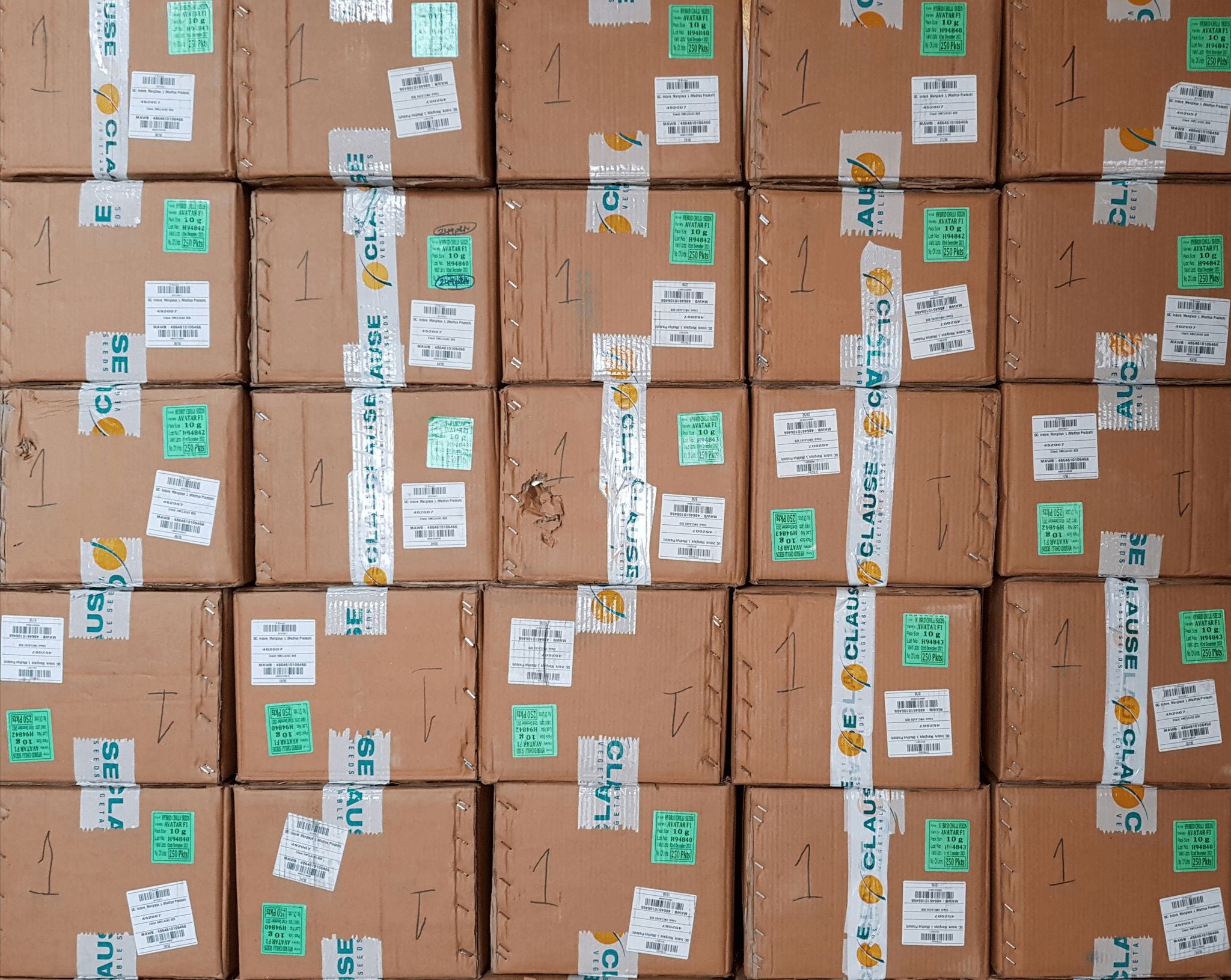
Pre-Shipment Inspection is a critical step in ensuring product quality, but it’s not without its hurdles. From language barriers to handling discrepancies, navigating these challenges requires strategic finesse and clear communication. Recognizing these obstacles early allows importers and exporters to leverage the advantages of pre-shipment inspections effectively, especially when applying Sampling Plans and understanding Defect Classification.
Dealing with Language and Cultural Barriers
Language differences can turn a straightforward Pre-Shipment Inspection into a game of broken telephone, leading to misunderstandings about product specifications or inspection criteria. Cultural nuances may influence how quality issues are perceived or addressed, complicating the process further. To overcome this, partnering with inspection firms familiar with local customs and employing bilingual inspectors can bridge communication gaps and ensure that Acceptance Quality Limit (AQL) standards are correctly interpreted and applied.
Handling Discrepancies and Rejections
Discrepancies during a Pre-Shipment Inspection often stem from differing interpretations of defect severity or sampling plans, which can result in rejections or delays. Proper Defect Classification becomes vital here; clearly defining what constitutes major versus minor defects helps streamline decision-making processes. When rejection occurs, transparent documentation backed by adherence to accepted Sampling Plans ensures that both parties understand the basis for rejection, minimizing disputes and fostering trust.
Maintaining Transparency and Building Trust
Transparency is the cornerstone of successful Pre-Shipment Inspections—especially when navigating complex challenges like language barriers or defect disagreements. Sharing detailed inspection reports that incorporate Defect Classification insights and adherence to agreed-upon Sampling Plans builds credibility between importers and suppliers. Ultimately, maintaining open lines of communication not only resolves immediate issues but also cultivates long-term relationships rooted in mutual trust.
Conclusion
Navigating the complexities of international trade can feel like a high-stakes game, but implementing proper Pre-Shipment Inspection strategies turns the odds in your favor. The Advantages of Pre-Shipment Inspections are clear: they help catch defects early, ensure compliance with Acceptance Quality Limit (AQL) standards, and streamline your supply chain. When you leverage robust Sampling Plans and understand Defect Classification, you're not just inspecting products—you’re safeguarding your brand and boosting customer satisfaction.
By integrating these elements into your process, you reduce costly rejections and returns while maintaining high-quality standards that meet global expectations. Proper inspections serve as a safety net, providing confidence that each shipment aligns with your quality benchmarks dictated by AQL and appropriate Sampling Plans. Remember, the key to success lies in consistent application—embrace these tools to elevate your product quality from good to exceptional.
Choosing the right inspection partner like China Inspection Pro amplifies these benefits, offering expertise in executing detailed Pre-Shipment Inspections tailored to your needs. Their familiarity with Defect Classification ensures issues are properly prioritized, while adherence to accepted Sampling Plans guarantees statistically sound results. Investing in professional pre-shipment checks isn’t just about avoiding mistakes; it’s about maximizing product excellence and building trust with clients worldwide.