
Introduction
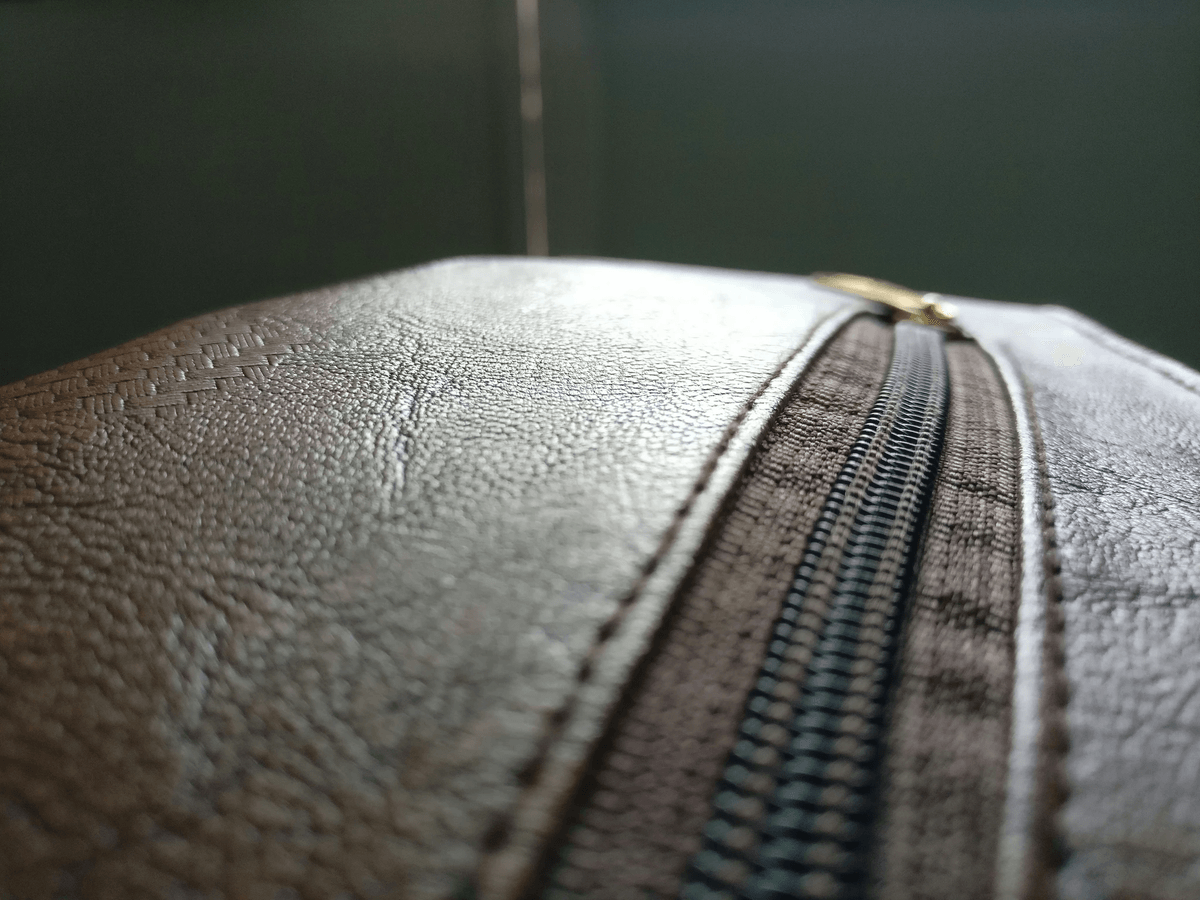
Leather bags are more than just stylish accessories—they’re investments that need to withstand daily wear and tear. To ensure your leather bag passes inspection tests, it’s essential to understand the key quality checks involved, from the Smell Test to load-bearing assessments. Proper inspection not only guarantees durability but also preserves the luxurious feel and appearance of your bags over time.
Ensuring Your Leather Bags Pass Inspection Tests
Getting a leather bag ready for market or personal use requires passing a series of rigorous inspection tests. These include the Smell Test to verify genuine leather, the color fastness check on leather to prevent fading, and function tests that confirm usability and comfort. Conducting these inspections ensures each bag meets high standards for quality and longevity before reaching customers or consumers.
Why Leather Bag Inspection Matters for Quality and Durability
Leather bag inspection is crucial because it reveals potential defects like weak seams or hardware malfunctions early on. Tests such as abuse & fatigue tests evaluate how well a leather bag endures long-term use, while seam strength tests for leather bags prevent tearing issues down the line. Investing in thorough inspections means fewer returns, happier customers, and a stronger reputation for your brand.
How to Choose the Right Inspection Service for Leather Goods
Selecting a reliable inspection service involves looking for expertise in tools like Zipper twisting test and load test—key indicators of hardware reliability and carrying capacity. A good service should incorporate comprehensive techniques such as visual inspection, tactile analysis, and specialized testing devices suited for leather products. Partnering with professionals who prioritize detailed inspections ensures your leather bags pass every test with flying colors—making quality control stress-free.
Key Components of Leather Bag Inspection
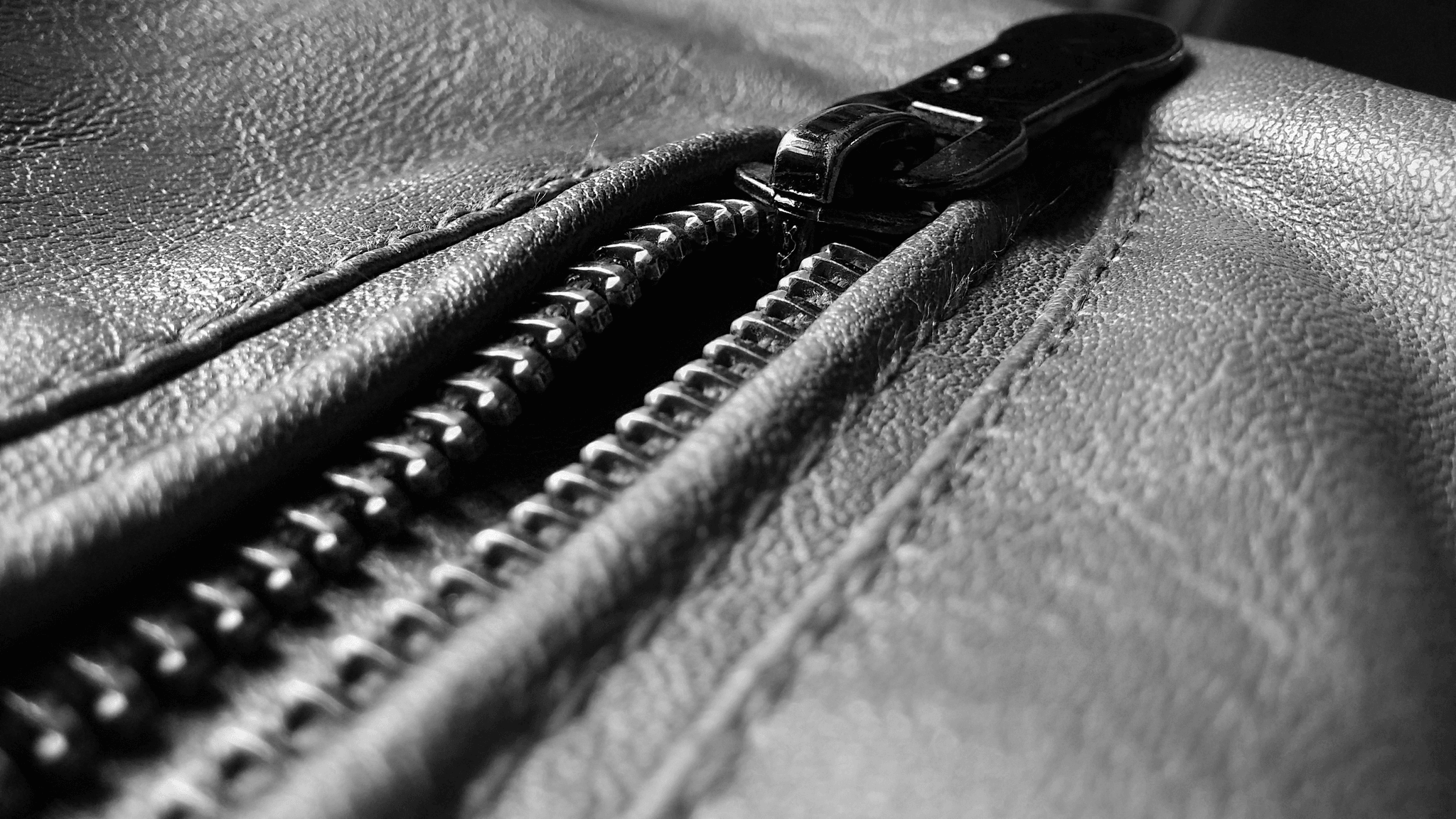
A thorough leather bag inspection begins with evaluating the leather quality and verifying material authenticity. This step ensures that the bag is made from genuine leather rather than synthetic substitutes, which can affect durability and overall appearance. During the process, a Smell Test is often employed to detect any chemical odors or artificial scents that might indicate faux leather, helping inspectors confirm authentic material.
Next, inspecting stitching and seam integrity is critical for long-lasting performance. A well-constructed leather bag should have tight, even stitches that resist unraveling under stress. The seam strength test for leather bags is performed to assess how much load they can withstand without tearing or coming apart, ensuring durability over time.
Finally, hardware and zippers functionality play a vital role in the overall quality check. Hardware such as zippers must pass the zipper twisting test to verify smooth operation and resistance to jamming or breaking. Load tests are also conducted on these components to simulate real-world use, confirming that they can handle daily wear and tear without failure.
Essential Inspection Tests for Leather Bags
When it comes to leather bag inspection, performing a thorough set of tests ensures your product not only looks good but also stands the test of time. These essential inspection tests help identify flaws early and guarantee quality, durability, and customer satisfaction. Let’s dive into each crucial step that every leather bag must pass before hitting the shelves.
Smell Test for Leather Authenticity and Quality
The first step in leather bag inspection is the smell test; it’s a quick way to gauge authenticity and quality. Genuine leather typically has a rich, natural aroma, while synthetic or inferior leathers may smell chemical or plastic-like. A proper smell test helps weed out counterfeit products and ensures your leather bag meets high standards for authenticity.
Color Fastness Check on Leather to Prevent Fading
Color fastness is vital during leather bag inspection because fading can ruin the aesthetic appeal over time. This test involves exposing small sections of the leather to water, rubbing, or light to see if the dye runs or fades unevenly. Conducting a color fastness check on leather during inspection guarantees that your bags maintain their vibrant look even after prolonged use.
Function Test to Ensure Proper Use and Comfort
The function test is all about practicality—making sure zippers open smoothly, handles feel sturdy, and compartments serve their purpose comfortably. During this stage of leather bag inspection, experts simulate real-world usage to confirm that every feature works flawlessly under normal conditions. This step ensures customers enjoy both style and functionality from their purchase.
Abuse & Fatigue Tests for Long-Term Durability
To simulate years of wear in mere moments, abuse & fatigue tests are performed during leather bag inspection. These tests involve applying repeated stress—like bending or stretching—to assess how well the material withstands daily handling without cracking or tearing. Incorporating abuse & fatigue tests guarantees that only durable bags make it through your quality control process.
Seam Strength Test for Leather Bags to Prevent Tearing
Seam strength testing is critical because weak seams can lead to premature failure under load or daily use stress during leather bag inspection. This involves pulling at stitched areas with mechanical devices until they show signs of strain or rupture, revealing potential weak points. Ensuring robust seam strength during inspection helps deliver long-lasting products that won’t fall apart unexpectedly.
Zipper Twisting Test to Assess Hardware Reliability
Hardware reliability is just as important as material quality; hence, zipper twisting tests are part of comprehensive leather bag inspection routines. This test twists zippers repeatedly to check for smooth operation and resistance against breakage or loosening over time. A resilient zipper means fewer complaints about hardware malfunctioning after purchase.
Load Test to Evaluate Carrying Capacity and Resilience
Finally, load testing assesses how well a leather bag handles weight without deforming or failing structurally—crucial information for consumers who rely on their bags daily. During this phase of inspection, heavy objects are placed inside while monitoring any signs of stress on seams or materials through repeated loading cycles. Passing this load test confirms your product’s resilience under typical carrying conditions.
Tools and Techniques Used by Quality Experts
When it comes to leather bag inspection, precision is everything. Quality experts employ a variety of tools and techniques to ensure each bag meets high standards for durability and appearance. From high-tech gadgets to keen human senses, these methods help identify potential flaws before they reach the customer.
Using UV Light and Leather Testing Kits
UV light plays a starring role in leather bag inspection by revealing hidden dye layers or surface treatments that might not be visible to the naked eye. Leather testing kits, which include pH strips and specific chemical reagents, help verify genuine leather authenticity and detect any fake or subpar materials. These tools are vital for conducting smell tests—an essential step in leather bag inspection—to ensure the product's quality matches its price point; a bad smell can indicate poor tanning or synthetic overlays, compromising long-term durability.
Visual Inspection and Tactile Analysis
Nothing beats the human touch when performing leather bag inspection—visual cues combined with tactile analysis uncover surface damage like cracks or uneven dyeing that could affect color fastness check on leather over time. Inspectors scrutinize stitching for seam strength tests for leather bags, ensuring seams won't tear under load or abuse & fatigue tests during daily use. Feeling the material also helps evaluate softness versus stiffness, giving clues about whether the leather will hold up during function tests such as zipping or carrying heavy loads.
Mechanical Testing Devices and Standards
Mechanical testing devices are indispensable in assessing how well a leather bag withstands abuse & fatigue tests—simulating real-world wear-and-tear scenarios like twisting zippers or pulling straps repeatedly. These standards include rigorous seam strength tests for leather bags to prevent tearing at stress points, as well as load tests that mimic actual carrying conditions to validate durability under weight pressure. Zipper twisting test results determine if hardware can endure frequent use without malfunctioning—a crucial factor in overall product reliability.
Why China Inspection Pro Stands Out
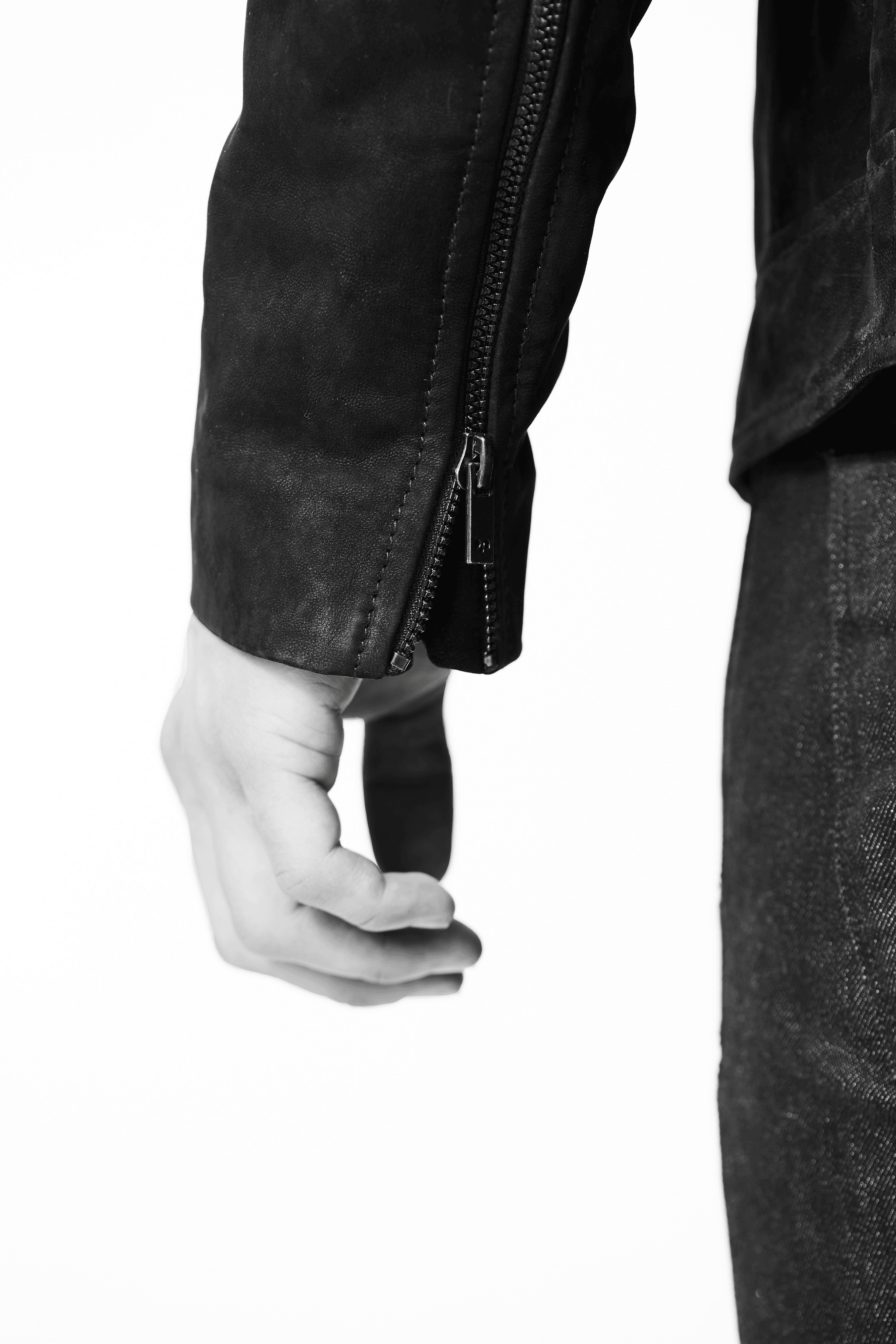
When it comes to leather bag inspection, China Inspection Pro doesn’t just check the boxes—they redefine the standards. Our team employs a comprehensive approach, ensuring every aspect of your leather bag passes the toughest tests like Smell Test, Function test, and Color fastness check on leather. This meticulous process guarantees your products aren’t just visually appealing but also durable enough to withstand everyday wear and tear.
Our expertise in leather bag inspection means we leave no stone unturned. We conduct abuse & fatigue tests to simulate real-world usage, perform seam strength tests for durability, and execute zipper twisting tests to assess hardware reliability. With these rigorous procedures, you can confidently deliver high-quality leather bags that meet international standards and satisfy even the most discerning customers.
At China Inspection Pro, we don’t just point out flaws—we provide clear, actionable quality improvement recommendations. Whether it’s identifying weaknesses in load capacity or highlighting issues from color fading during color fastness check on leather, our detailed reports help manufacturers enhance their products effectively. Our goal is to make sure your leather bag inspection results translate into better craftsmanship and stronger brand reputation.
Professional Leather Bag Inspection Services
Our professional leather bag inspection services are designed to cover every critical aspect of quality assurance. We utilize advanced tools for smell testing and perform thorough function test procedures that evaluate usability and comfort in real-world scenarios. Plus, our team meticulously conducts color fastness check on leather to prevent fading issues that could tarnish your brand’s image.
We understand that hardware integrity matters just as much as the interior craftsmanship; hence, our experts carry out zipper twisting tests and hardware assessments during each leather bag inspection process. These steps ensure zippers won’t jam unexpectedly or hardware won’t loosen over time—both common pitfalls in inferior products. When you partner with us for your leather bag inspection needs, you’re assured of precision and professionalism at every step.
Rigorous Testing Methodologies for Confidence
Confidence in your product starts with rigorous testing methodologies—something we take very seriously at China Inspection Pro during every leather bag inspection project. Our team performs abuse & fatigue tests designed specifically for long-term durability assessment; this simulates years of use within hours or days—think of it as a time machine for quality assurance.
Moreover, our load test evaluates how much weight a leather bag can carry without compromising its structural integrity—crucial information when targeting different market segments or customer expectations. The seam strength test for leather bags is another cornerstone of our methodology; it ensures stitches hold firm under stress rather than giving way prematurely during daily use or accidental pulls.
By combining these proven testing techniques with detailed visual inspections—including checking for surface damage or cracks—we provide an ironclad guarantee that only top-tier products reach your customers’ hands.
Clear, Actionable Quality Improvement Recommendations
After completing comprehensive assessments—including smell test results and color fastness checks on leather—we deliver clear recommendations tailored specifically to address any identified issues during the leather bag inspection process. If a product shows signs of weak seams or poor hardware performance like zipper twisting failures, we advise targeted improvements that resolve these vulnerabilities effectively.
Common Defects Revealed During Inspection
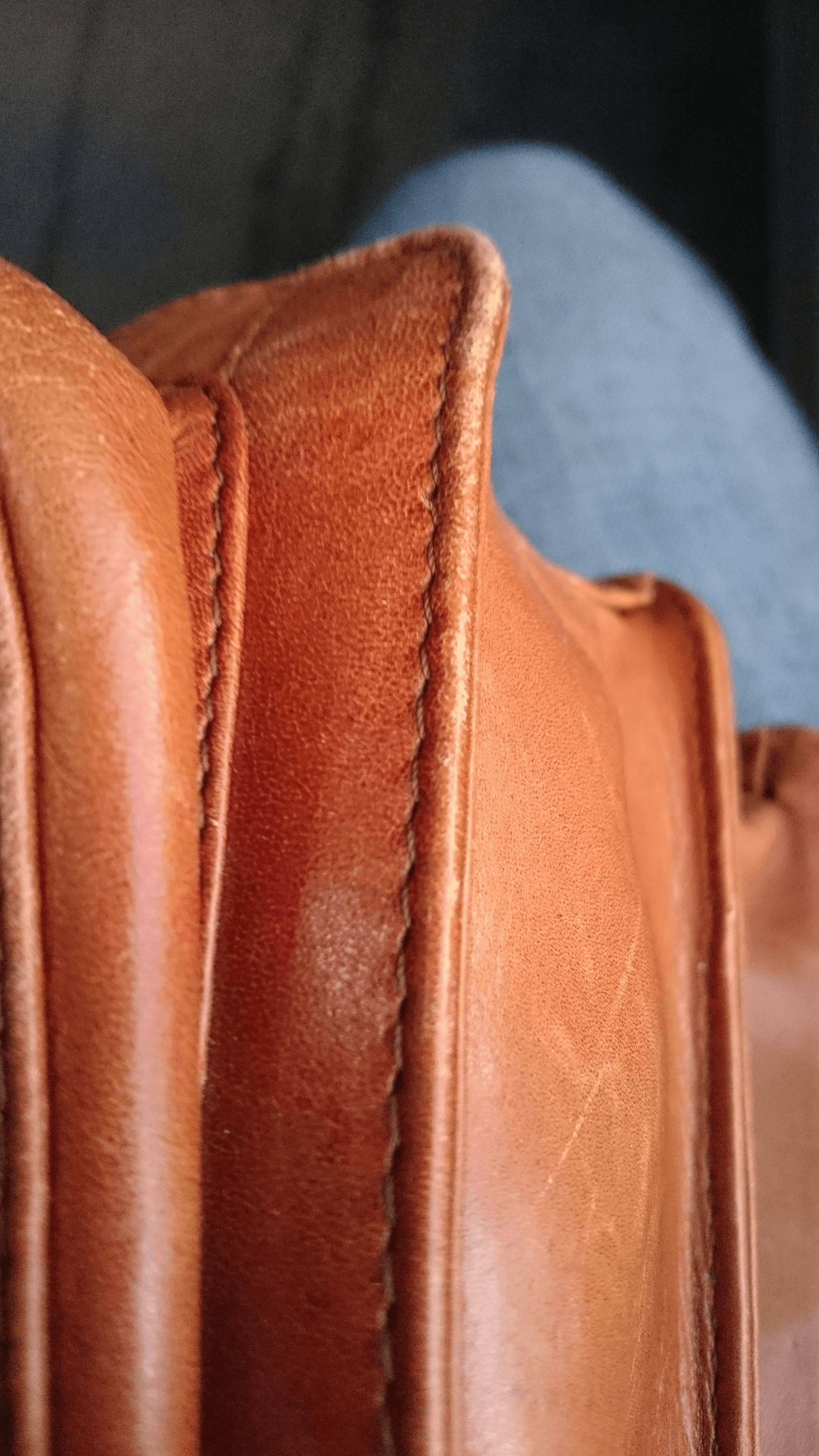
Leather bag inspection is a crucial step in ensuring your product meets quality standards. During the process, defects such as leather cracks and surface damage often come to light, revealing weaknesses that could compromise durability. These issues are usually detected through visual inspection and tactile analysis, emphasizing the importance of comprehensive leather bag inspection to catch problems early.
Weak seams or stitching failures are another common defect uncovered during inspection. A seam strength test for leather bags can reveal whether stitches will hold under stress or if they might fray over time. Ensuring strong seams through rigorous inspection helps prevent tearing and extends the lifespan of the bag, making the function test an essential part of quality control.
Zipper malfunctions or hardware loosening frequently emerge during detailed inspections. The zipper twisting test assesses hardware reliability, ensuring zippers operate smoothly without jamming or breaking. Hardware issues identified during leather bag inspection can lead to costly returns, so thorough testing safeguards both manufacturer reputation and customer satisfaction.
Color fading or uneven dyeing is a telltale sign of poor finishing during leather bag inspection. The color fastness check on leather ensures that dye adheres uniformly and resists fading after exposure to sunlight or moisture. Conducting this test helps maintain aesthetic appeal over time, preserving the bag’s elegant look through continuous use.
Structural weakness under load is often revealed when performing load tests during inspection. These tests simulate real-world carrying conditions to verify if the leather bag can withstand daily wear without deforming or breaking down prematurely. Identifying such flaws early allows for corrective measures before reaching customers, ensuring long-term durability.
By integrating these key inspections—such as smell tests for authenticity, function tests for usability, and abuse & fatigue tests for long-term resilience—manufacturers can confidently deliver high-quality leather bags that stand up to everyday challenges while maintaining their style and strength.
Conclusion
Proper leather bag inspection is the cornerstone of ensuring your products stand the test of time and customer satisfaction. By rigorously applying tests like the Smell Test, color fastness check on leather, and load test, manufacturers can identify potential flaws early on. This proactive approach not only extends the longevity of each leather bag but also builds trust with your clients who rely on quality and durability.
Partnering with seasoned professionals for leather bag inspection takes the stress out of quality control. Experts utilize comprehensive techniques such as seam strength test for leather bags, abuse & fatigue tests, and zipper twisting test to catch defects before they reach consumers. With their guidance, you can confidently navigate complex inspection processes, saving time and avoiding costly returns or reputation damage.
Elevate your brand by investing in certified leather bag inspection services that prioritize precision and consistency. Implementing thorough inspections like the function test ensures every zipper operates smoothly, every seam holds strong under pressure, and each color fastness check on leather confirms vibrant durability over time. Your commitment to quality not only boosts customer loyalty but also sets your products apart in a competitive market.