
Introduction
In the ever-evolving world of pet care, Pet Products Quality Control stands as a cornerstone for ensuring that our furry friends receive only the best. As pet owners become increasingly discerning about what they purchase, understanding the nuances of quality control in pet products is more important than ever. This introduction sets the stage for exploring why you should implement Pet Product Quality Control practices and how they can safeguard both pets and brands alike.
Understanding Pet Products Quality Control
Pet Products Quality Control is not just a buzzword; it encapsulates a systematic approach to ensuring that every item meets stringent safety and quality standards before reaching consumers. This involves a series of checks and balances that scrutinize everything from materials used to manufacturing processes. By grasping the fundamentals of quality control, brands can better navigate the complexities and responsibilities tied to their products.
The Importance of Quality in Pet Products
Poorly made toys or substandard food can lead to serious health issues, making it imperative for brands to prioritize quality control measures. Moreover, implementing rigorous Pet Product Quality Control not only protects pets but also enhances consumer trust—an invaluable asset in today’s competitive market.
Brands and Their Responsibility
Brands have an ethical obligation to ensure that their products are safe for pets and beneficial for owners; this responsibility cannot be taken lightly. By adopting robust quality control practices, companies can mitigate risks associated with faulty or harmful products while demonstrating accountability to their customers. In essence, embracing Pet Products Quality Control is not just about compliance—it's about fostering lasting relationships built on trust and transparency.
What is Pet Products Quality Control?
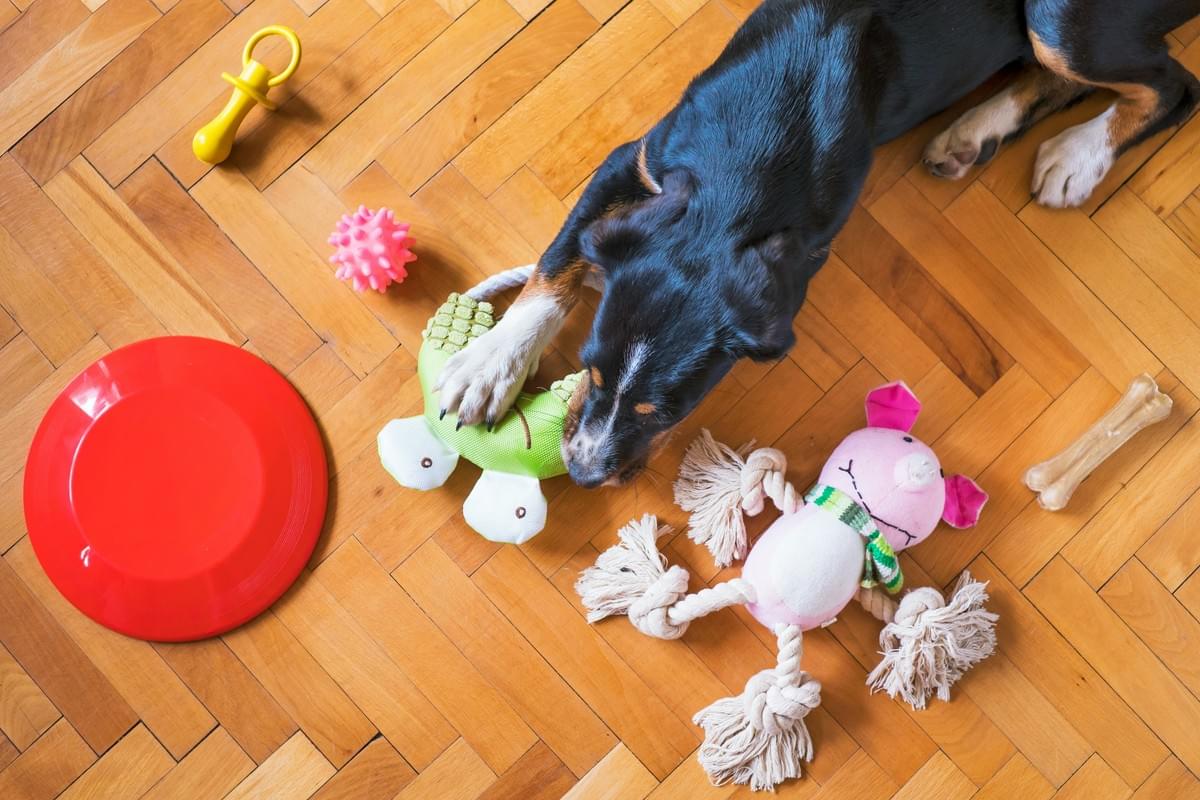
Pet Products Quality Control (PPQC) is an essential process that ensures the safety, reliability, and overall quality of products designed for our furry friends. It encompasses a series of systematic checks and evaluations that manufacturers must conduct to meet industry standards and consumer expectations. By implementing robust PPQC practices, brands can enhance their reputation while ensuring that pets receive the best possible products.
Definition and Overview
At its core, Pet Products Quality Control refers to the procedures and measures taken to evaluate pet-related products before they reach the market. This includes everything from toys and food to grooming supplies and accessories. The goal is simple: to ensure that every item is safe for pets to use, free from harmful materials, and performs as expected.
Quality control in pet products isn't just a nice-to-have; it’s a necessity in today’s competitive market. With increasing scrutiny from consumers regarding product safety, brands must prioritize PPQC or risk losing customer trust. Understanding what constitutes effective quality control can help businesses navigate this crucial aspect of product development.
Key Components of Quality Control
The key components of Pet Products Quality Control include rigorous testing protocols, adherence to safety standards, and continuous monitoring throughout the production process. Manufacturers should assess materials used in their products for toxicity or allergens while also verifying compliance with established regulations like ASTM or ISO standards specific to pet goods. Additionally, regular audits can help ensure ongoing adherence to these quality benchmarks.
Another vital component involves performance testing—how well does a toy hold up against enthusiastic chewing? Or how safe are those ingredients in your pet's food? These aspects are critical not only for compliance but also for enhancing customer satisfaction and loyalty.
Lastly, documentation plays a crucial role in PPQC; maintaining meticulous records helps brands trace issues back through their supply chain if problems arise later on. This transparency fosters accountability within companies striving for excellence in their offerings.
Common Misconceptions
One common misconception about Pet Products Quality Control is that it’s solely about passing inspections at the manufacturing stage—it's much more than just a checkbox on a list! Effective PPQC requires ongoing evaluation throughout the entire lifecycle of a product—from design through distribution—to ensure consistent quality over time.
Another myth is that quality control only pertains to large corporations; however, small businesses can significantly benefit from implementing robust quality control measures too! In fact, establishing strong PPQC practices early on can set smaller brands apart by demonstrating commitment to excellence right from the start.
Lastly, some believe that once they pass initial tests or certifications, they’re done with quality control forever, this couldn’t be further from reality! Continuous improvement should be at the forefront of any brand's strategy when it comes to Implementing Pet Toys and Accessories Quality Control because consumer expectations evolve alongside advancements in technology and research findings regarding pet safety.
What is Pet Products Quality Control?
Pet Products Quality Control (PPQC) is an essential aspect of ensuring that pet products meet safety, durability, and performance standards. In a market flooded with various goods, understanding PPQC helps brands maintain their reputation and foster consumer trust. This section will delve into the definition of PPQC, its key components, and clarify some common misconceptions surrounding it.
Definition and Overview
Pet Products Quality Control refers to the systematic process of monitoring and evaluating the quality of pet products throughout their lifecycle—from design to manufacturing to retail. The primary goal is to ensure that these products are safe for pets while meeting or exceeding industry standards. By implementing effective PPQC measures, brands can significantly reduce risks associated with product recalls and enhance customer satisfaction.
Quality control in pet products involves rigorous testing protocols that assess various attributes such as materials used, safety compliance, and overall performance. This proactive approach not only protects pets but also strengthens brand integrity in a competitive marketplace. Understanding what constitutes effective PPQC is crucial for any brand aiming to thrive in the pet industry.
Key Components of Quality Control
The key components of Pet Products Quality Control include material inspection, safety testing, regulatory compliance checks, and performance evaluations. Each component plays a significant role in determining whether a product can be deemed safe for use by pets and their owners alike. For instance, inspecting materials ensures that no harmful substances are present while safety testing verifies adherence to established standards.
Additionally, regulatory compliance checks help brands navigate legal requirements specific to pet products—ensuring they meet all necessary guidelines set forth by governing bodies. Performance evaluations assess how well a product performs under real-world conditions; this includes everything from chew resistance in toys to the durability of collars or leashes. Together, these components form a robust framework for maintaining high-quality standards across all pet-related offerings.
Common Misconceptions
One common misconception about Pet Products Quality Control is that it only applies to large manufacturers or well-known brands; however, this couldn't be further from the truth! Small businesses also need stringent quality control measures to build trust with customers who prioritize safety for their furry friends. Every brand—regardless of size—has a responsibility to implement effective PPQC practices.
Another myth is that quality control processes are overly complicated or costly; while there may be initial investments involved in setting up robust systems, the long-term savings from avoiding recalls or legal issues far outweigh these costs. Furthermore, many small adjustments can streamline quality control without breaking the bank! Lastly, some believe that once products hit store shelves they no longer require oversight; however, continuous monitoring post-launch ensures ongoing compliance with evolving standards.
Why You Should Implement Pet Product Quality Control
Implementing Pet Products Quality Control can significantly enhance your brand's reputation, ensuring that customers trust your products and return for more. In a market flooded with options, standing out requires a commitment to excellence that only rigorous quality control can provide.
Enhancing Brand Reputation
A strong reputation in the pet product industry hinges on consistent quality and reliability. By prioritizing Pet Products Quality Control, brands signal to consumers that they value safety and performance above all else. This commitment not only attracts new customers but also fosters loyalty among existing ones, turning casual buyers into lifelong advocates.
Furthermore, when pet owners feel confident in the quality of your products, they are more likely to recommend them to friends and family. Word-of-mouth marketing is powerful; satisfied customers are often your best salespeople. Thus, investing in quality control is an investment in your brand's long-term success.
Ensuring Safety for Pets and Owners
Safety should always be paramount when it comes to pet products—after all, our furry friends rely on us for their wellbeing! Implementing Pet Products Quality Control helps ensure that every item meets stringent safety standards before reaching the market. This diligence protects pets from harmful materials or poorly designed products that could lead to injury or illness.
Moreover, ensuring safety isn’t just about protecting pets; it also safeguards owners from potential liabilities associated with defective products. When you can confidently say that your items have undergone thorough testing and meet all necessary regulations, you reduce the risk of legal repercussions significantly. Ultimately, this proactive approach builds trust between brands and consumers.
Legal Compliance and Liability Reduction
In today's regulatory environment, compliance with safety standards is non-negotiable for pet product manufacturers. Failure to adhere to these regulations can result in hefty fines or even lawsuits—something no business wants on its plate! By implementing Pet Products Quality Control protocols early on, companies can ensure they meet all legal requirements while avoiding costly missteps down the line.
Additionally, a robust quality control system acts as a shield against liability claims related to product defects or safety issues. When you have documented evidence of testing and compliance processes in place, it provides protection should any disputes arise regarding product performance or safety concerns. This strategic move not only keeps businesses compliant but also reinforces consumer confidence in their offerings.
In conclusion, understanding why you should implement Pet Product Quality Control goes beyond mere compliance; it's about enhancing reputation and ensuring safety for both pets and their owners while minimizing legal risks associated with negligence or oversight.
Why You Should Implement Pet Product Quality Control
In the competitive world of pet products, establishing a robust quality control system is not just an option; it’s a necessity. Pet Products Quality Control serves as the backbone of brand integrity and customer trust. By prioritizing quality, brands can differentiate themselves in a crowded market, ultimately enhancing their reputation and fostering long-term loyalty among pet owners.
Enhancing Brand Reputation
A strong commitment to Pet Products Quality Control can significantly enhance a brand's reputation. When consumers see that a brand consistently delivers safe and high-quality products, they are more likely to choose that brand over competitors. Positive reviews and word-of-mouth recommendations from satisfied customers build credibility, making it essential for brands to implement rigorous quality checks throughout their product lines.
Moreover, a good reputation is not built overnight; it requires consistent effort in maintaining quality standards across all offerings. By investing in What is Tested/Checked on Pet Products, such as materials and safety certifications, brands can ensure they meet or exceed consumer expectations. This proactive approach not only boosts customer satisfaction but also positions the brand as a leader in responsible pet care.
Ensuring Safety for Pets and Owners
One of the primary reasons Why You Should Implement Pet Product Quality Control is to ensure the safety of pets and their owners. Pets are family members, and their health should never be compromised due to subpar products. Rigorous testing helps identify potential hazards such as harmful chemicals or choking risks associated with toys, ensuring that every product on the shelf meets strict safety standards.
By focusing on safety through effective Implement Pet Toys and Accessories Quality Control measures, brands can prevent accidents that could lead to serious injuries or even fatalities among pets. This commitment not only protects animals but also reassures pet owners that they are making informed choices when purchasing products for their furry friends. Ultimately, this builds trust between consumers and brands.
Legal Compliance and Liability Reduction
Legal compliance is another crucial aspect of Why You Should Implement Pet Product Quality Control practices within your business model. The pet industry is subject to various regulations designed to protect consumers from unsafe products; failing to comply with these regulations can result in severe consequences including lawsuits or hefty fines. By adhering to established safety standards through comprehensive testing protocols, companies can mitigate risks associated with legal liabilities.
Investing time into understanding What is Tested/Checked on Pet Products allows businesses to stay ahead of regulatory changes while ensuring compliance with current laws governing pet product safety. Additionally, demonstrating a commitment to quality control may serve as an important defense if legal issues arise down the line—showing that you took all necessary precautions could prove invaluable in protecting your brand’s interests.
In summary, implementing robust Pet Products Quality Control measures enhances your brand reputation while safeguarding both pets and their owners from potential dangers associated with low-quality items. Furthermore, prioritizing compliance reduces legal risks—making it abundantly clear why quality control isn’t just beneficial; it’s essential for success in today’s marketplace.
What is Tested/Checked on Pet Products
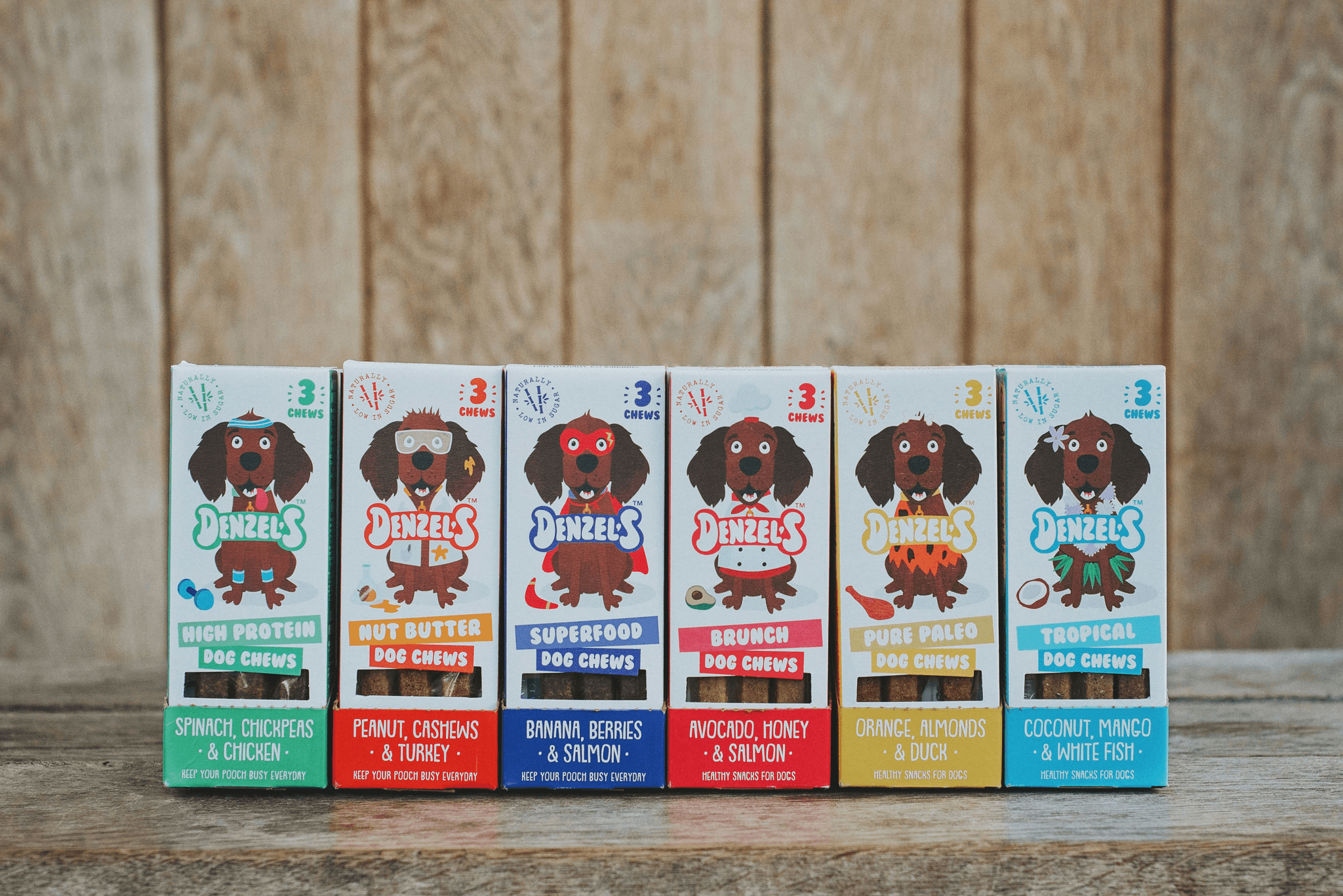
Pet Products Quality Control involves a comprehensive approach that scrutinizes various aspects of pet items, from their materials to their performance. By focusing on these elements, brands can uphold their responsibilities and enhance the trust of pet owners.
Materials and Ingredients
The foundation of any quality pet product lies in its materials and ingredients. Manufacturers must ensure that all components are safe for pets, free from harmful chemicals, and sourced responsibly. Rigorous testing helps verify that these materials meet industry standards, which ultimately supports Why You Should Implement Pet Product Quality Control in your processes.
Moreover, transparency about the ingredients used can significantly bolster a brand's reputation. Consumers are increasingly informed and concerned about what goes into the products they purchase for their furry friends; thus, detailed ingredient lists should be readily available. This not only fosters trust but also aligns with the growing trend towards natural and organic options in pet care.
Safety Standards and Certifications
Various organizations set forth guidelines that manufacturers must adhere to ensure their products are safe for both pets and humans alike. Certifications from recognized bodies can be a powerful endorsement of quality, making them essential in discussions surrounding What is Tested/Checked on Pet Products.
Brands should actively seek out certifications that reflect compliance with safety regulations—this includes everything from toxicology reports to allergen testing results. By doing so, companies not only protect themselves legally but also demonstrate a commitment to consumer safety—a key reason Why You Should Implement Pet Product Quality Control effectively within your business model.
Durability and Performance Testing
Durability and performance testing are critical components of Pet Products Quality Control that often go unnoticed until there’s an issue—like when a chew toy disintegrates after one enthusiastic gnaw! These tests assess how well products hold up under typical use conditions, ensuring they can withstand playful paws or curious claws without breaking apart or posing hazards.
Conducting thorough durability tests allows brands to refine their designs based on real-world usage scenarios rather than theoretical models alone. This proactive approach not only prevents potential recalls but also enhances customer satisfaction—making it another compelling reason why you should implement Pet Product Quality Control measures throughout your production process.
In summary, focusing on materials, safety standards, and durability not only safeguards pets but also elevates brand integrity in a competitive market where consumers demand quality assurance more than ever before.
What is Tested/Checked on Pet Products
In the realm of Pet Products Quality Control, the testing and checking processes are crucial for ensuring that products meet safety and quality standards. This section will delve into the fundamental aspects of what is tested or checked in pet products, highlighting how these elements contribute to a safer environment for pets and their owners. Understanding these components is vital for brands looking to implement Pet Product Quality Control effectively.
Materials and Ingredients
The first step in Pet Products Quality Control involves scrutinizing materials and ingredients used in pet products. Brands must ensure that all components are safe, non-toxic, and suitable for animal consumption or interaction. This includes verifying that any food ingredients meet nutritional standards while also ensuring toys are made from durable materials that won’t pose choking hazards.
Moreover, transparency about sourcing materials can enhance consumer trust, which is essential when discussing Why You Should Implement Pet Product Quality Control. Consumers today are more informed than ever; they want to know what goes into their pet's products. By prioritizing high-quality materials, brands can not only ensure safety but also strengthen their reputation in a competitive market.
Safety Standards and Certifications
Safety standards play a pivotal role in determining the quality of pet products. Each product must comply with established regulations set by various governing bodies to ensure they do not pose risks to pets or their owners. Certification from recognized organizations can serve as a badge of honor for brands committed to upholding stringent safety measures.
Implementing rigorous checks against these standards benefits companies by reducing liability risks associated with product recalls or lawsuits—an essential consideration when contemplating Why You Should Implement Pet Product Quality Control. Furthermore, displaying certifications prominently on packaging can reassure customers about the quality they’re purchasing, thereby influencing buying decisions positively.
Durability and Performance Testing
Durability and performance testing is another critical aspect of what is tested or checked on pet products during the quality control process. This ensures that toys withstand rough play while accessories maintain functionality over time without breaking down easily—a significant concern for pet owners who want longevity in their purchases. Rigorous testing helps identify weak points before they become issues in real-world use.
Incorporating durability checks aligns perfectly with the broader goals of Implementing Pet Toys and Accessories Quality Control practices within a brand’s operational framework. Such proactive measures not only enhance customer satisfaction but also reduce return rates due to product failures—further underscoring why effective quality control matters so much in today’s market landscape.
Implement Pet Toys and Accessories Quality Control
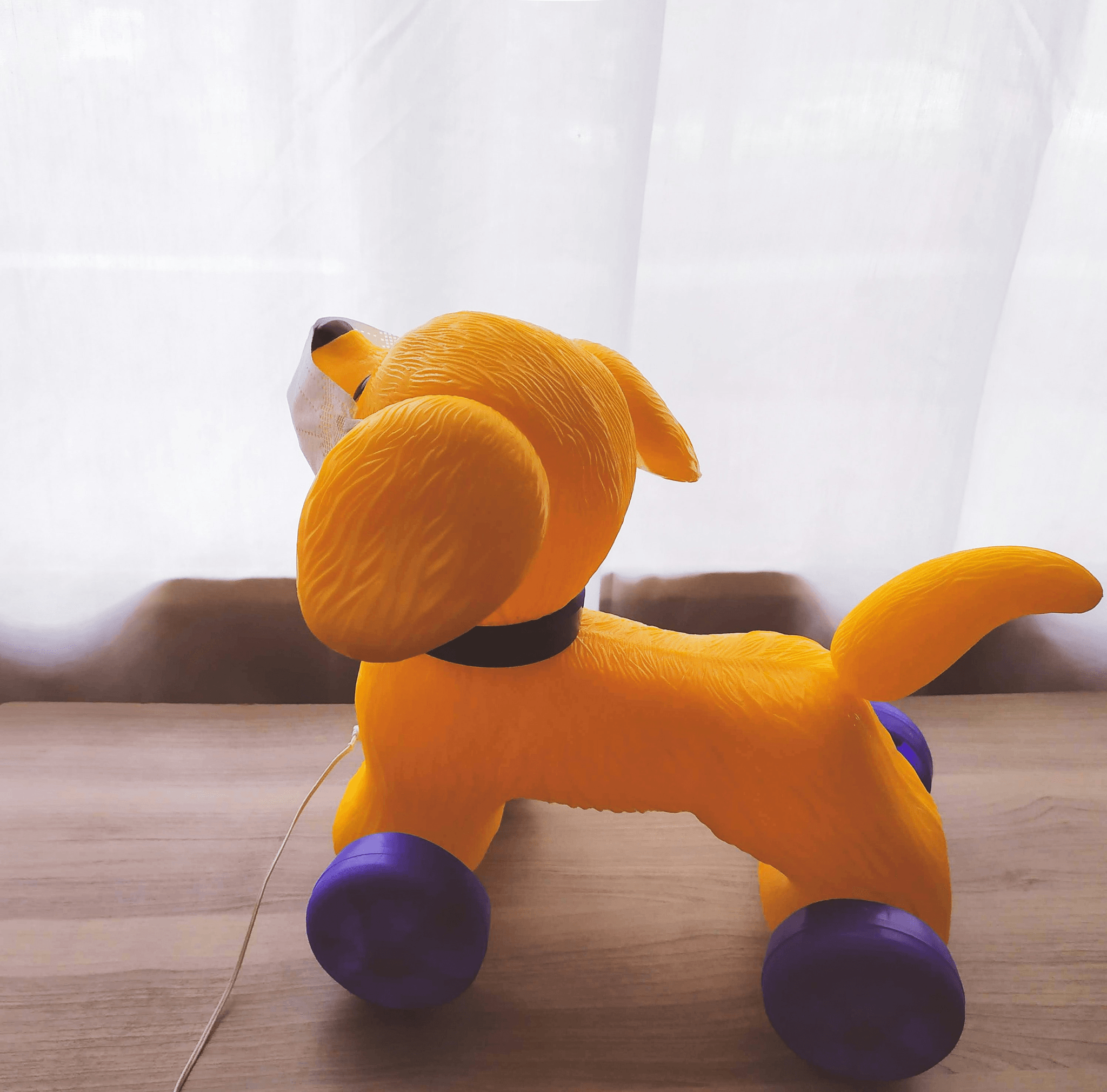
Specific Tests for Toys and Accessories
To truly grasp the essence of Pet Products Quality Control, one must understand the specific tests applied to toys and accessories. These tests often include material analysis to ensure non-toxic substances are used, as well as tensile strength tests to evaluate how much force a toy can withstand before breaking. Additionally, safety assessments look for choking hazards or sharp edges that could harm pets during playtime.
Moreover, performance testing evaluates how well a product holds up under typical use conditions—think of your dog’s enthusiastic tugging or your cat's relentless scratching! By conducting these thorough evaluations, brands can confidently market their products while ensuring they meet the expectations of both pets and their owners.
Case Studies of Successful Implementations
Several companies have successfully integrated rigorous quality control into their pet product lines with remarkable results. For instance, Brand X implemented comprehensive quality checks on their chew toys after discovering that some early models posed choking hazards due to small parts detaching during use. By investing in robust testing protocols—including regular inspections by third-party experts—they not only improved their product safety but also saw an increase in customer trust and brand loyalty.
Another success story comes from Brand Y, which focused on eco-friendly materials for its pet accessories. By employing strict quality control measures throughout production—from sourcing sustainable materials to conducting final inspections—they positioned themselves as leaders in environmentally responsible pet products while ensuring compliance with safety regulations.
These case studies highlight how implementing Pet Products Quality Control can lead to safer products and enhanced reputations within the industry.
Long-term Benefits of Rigorous Testing
The long-term benefits of implementing rigorous testing in pet toys and accessories extend far beyond immediate safety concerns; they foster brand loyalty that can last years. When customers know that a brand prioritizes Pet Products Quality Control through diligent testing practices, they are more likely to return for future purchases—and even recommend those products to fellow pet owners!
Moreover, consistent quality assurance helps mitigate potential legal issues stemming from product failures or recalls—saving companies time, money, and reputation damage down the line. In an age where consumers are increasingly discerning about what they buy for their pets, maintaining high-quality standards through effective quality control is not just beneficial; it’s essential for any brand looking to thrive in this competitive market.
Implement Pet Toys and Accessories Quality Control
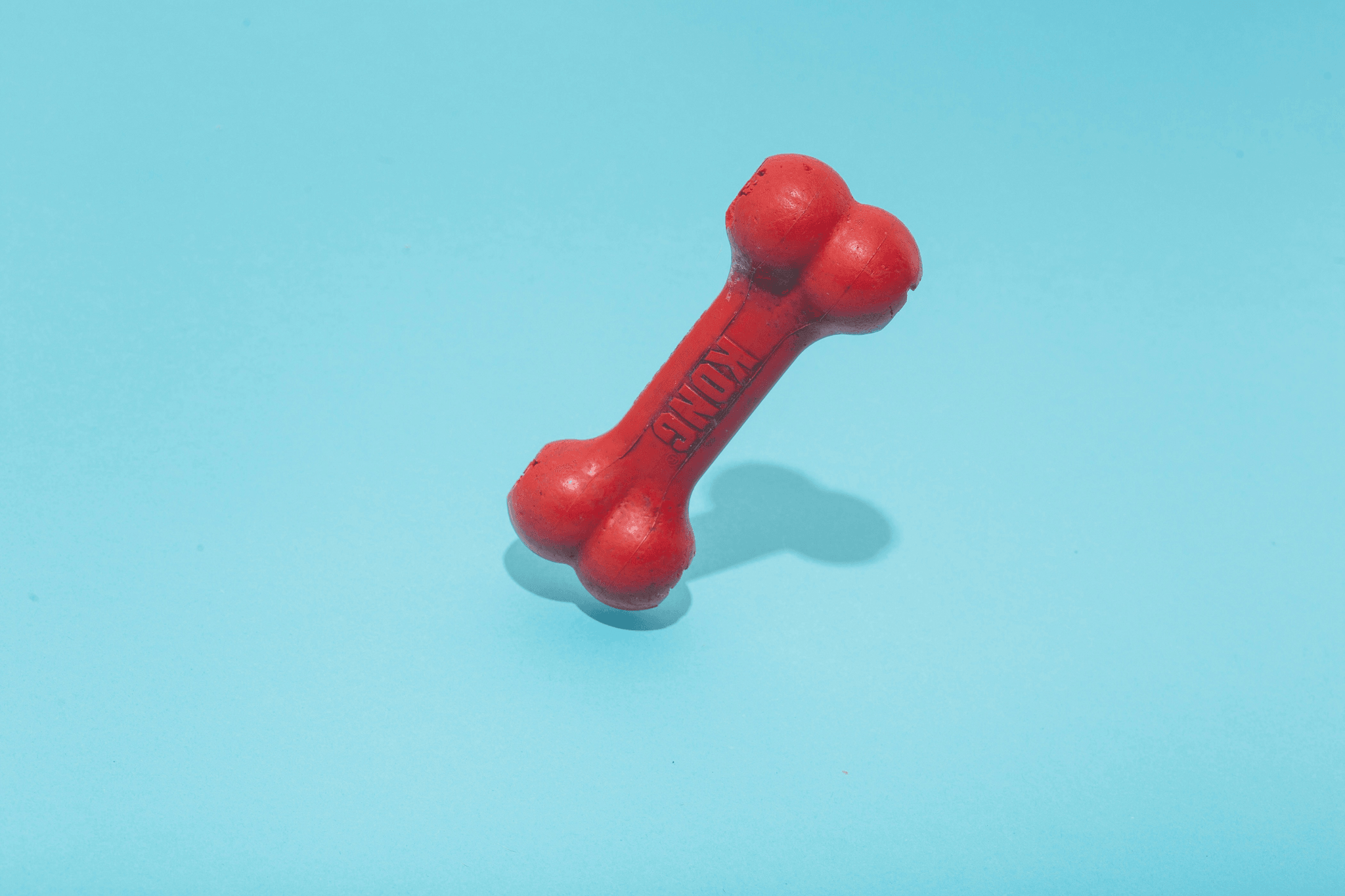
Specific Tests for Toys and Accessories
When discussing Pet Products Quality Control, specific tests for toys and accessories are crucial. These include evaluating materials for harmful substances, conducting choke hazard assessments, and ensuring that components withstand vigorous play without breaking apart. Additionally, testing for durability under various conditions can help predict how well a product will hold up over time, which is essential for both safety and customer satisfaction.
Furthermore, compliance with recognized safety standards is paramount in these tests. For instance, many companies adhere to ASTM (American Society for Testing and Materials) guidelines to guarantee that their products don’t pose any risks to pets or humans alike. By implementing these specific tests consistently, brands can significantly enhance their credibility while ensuring that they meet the expectations of discerning pet owners.
Case Studies of Successful Implementations
The benefits of implementing Pet Products Quality Control are best illustrated through real-world examples. Take Company X, which specialized in dog toys; after adopting rigorous quality control measures including third-party testing for chemical safety and durability, they saw a 40% reduction in product returns due to defects within just one year! This not only boosted their brand reputation but also fostered greater customer loyalty as pet owners felt more secure purchasing from them.
Another notable example is Company Y's line of cat accessories that underwent extensive user-testing before hitting the market. By engaging both pets and their owners during the testing phase, they were able to fine-tune designs based on direct feedback—leading to a highly successful launch with rave reviews across social media platforms! These case studies clearly demonstrate why you should implement pet product quality control: it leads to safer products and happier customers.
Long-term Benefits of Rigorous Testing
The long-term benefits of rigorous testing in pet toys and accessories extend far beyond immediate sales figures; they resonate deeply with brand integrity over time. First off, by committing to high standards in Pet Products Quality Control, brands can reduce liability risks associated with unsafe products—potentially saving millions in legal fees down the line!
Additionally, consistent quality assurance fosters trust among consumers who are increasingly aware of what goes into their pets' products—from ingredients to manufacturing processes. This trust translates into repeat business as satisfied customers become loyal advocates for brands that prioritize safety through effective quality control measures.
Ultimately, implementing robust systems for checking what is tested/checked on pet products enhances not only brand reputation but also contributes positively toward industry-wide standards—a win-win situation!
The Role of Experts like China Inspection Pro
Navigating the intricate world of Pet Products Quality Control can be daunting for brands aiming to ensure the highest standards. This is where professionals like China Inspection Pro come into play, providing essential services that help businesses maintain quality and safety in their pet products. With a keen understanding of industry standards, these experts are invaluable allies in the quest for excellence.
Professional Quality Inspection Services
China Inspection Pro specializes in professional quality inspection services tailored specifically for pet products. Their comprehensive approach includes thorough evaluations of materials, safety standards, and performance metrics—essentially checking off all the boxes on what is tested/checked on pet products. By leveraging their expertise, brands can significantly reduce risks associated with product failures and recalls.
These inspections are not just about ticking boxes; they provide a holistic view of a product’s quality from inception to final delivery. With a focus on Pet Products Quality Control, these experts ensure that every item meets stringent safety regulations and consumer expectations alike. Brands that engage with professional inspectors often find themselves ahead of competitors who may overlook this crucial aspect.
Actionable Recommendations and Insights
One of the standout benefits of working with experts like China Inspection Pro is their ability to offer actionable recommendations based on inspection findings. Rather than simply pointing out flaws, they provide insights that help brands implement pet product quality control measures effectively. This guidance can range from suggesting alternative materials to advising on design modifications that enhance durability.
Moreover, these insights allow companies to proactively address potential issues before they escalate into costly problems or legal liabilities. By understanding why you should implement pet product quality control practices through expert feedback, brands can foster innovation while ensuring compliance with industry standards. The result? A more robust product line that pets—and their owners—can trust.
The Impact of Expert Guidance on Quality
Companies that incorporate feedback from seasoned professionals often experience improved brand reputation and customer loyalty as a direct result of enhanced product reliability. When consumers see consistent quality in pet products, they are more likely to return for future purchases.
Furthermore, expert guidance helps brands stay ahead in an increasingly competitive market by promoting continuous improvement practices within their operations. This proactive stance not only mitigates risks but also fosters an environment where innovation thrives—leading to better products overall! In essence, engaging with professionals ensures that your commitment to Pet Products Quality Control translates into tangible results for both your brand and your customers.
The Role of Experts like China Inspection Pro
Companies like China Inspection Pro specialize in assessing and verifying the quality of pet products, thus providing peace of mind for brands and consumers alike. By engaging with these professionals, brands can focus on what they do best—creating innovative and safe products for pets.
Professional Quality Inspection Services
Professional quality inspection services are essential for any brand serious about maintaining high standards in Pet Products Quality Control. These services encompass a range of evaluations, from material sourcing to final product checks, ensuring that every item meets safety regulations and consumer expectations. With experts conducting thorough inspections at various stages of production, brands can significantly reduce risks associated with product recalls or safety issues.
Actionable Recommendations and Insights
One of the standout benefits of partnering with experts like China Inspection Pro is the actionable recommendations they provide based on their findings. These insights help brands understand not just what is tested or checked on pet products but also how to improve their processes for better outcomes. Implementing these recommendations can lead to enhanced product quality and greater customer satisfaction, ultimately reinforcing why you should implement pet product quality control measures.
The Impact of Expert Guidance on Quality
The impact of expert guidance on quality cannot be overstated; it often translates into tangible benefits for both brands and consumers alike. When companies prioritize Pet Products Quality Control through professional oversight, they not only enhance their reputation but also foster trust among pet owners who rely on their products for safety and performance. In an industry where consumer confidence is paramount, having expert guidance ensures that every toy or accessory meets rigorous standards before reaching furry friends.
Conclusion
In wrapping up our deep dive into Pet Products Quality Control, it's clear that maintaining high standards is not just a luxury—it's a necessity. The implications of quality control extend beyond mere compliance; they touch on brand reputation, customer loyalty, and the safety of our beloved pets. By understanding what is tested or checked on pet products, brands can ensure that they are delivering not only fun but also safe experiences for pets and their owners.
Key Takeaways on Pet Product Quality
Brands must prioritize safety by ensuring that all materials and ingredients are thoroughly vetted to meet established safety standards and certifications. Additionally, implementing robust quality control measures enhances brand reputation and fosters trust among consumers who want the best for their furry companions.
The Future of Quality Control in Pet Products
Looking ahead, the landscape of quality control in pet products is poised for significant evolution. With advancements in technology and increased awareness among consumers about what constitutes safe pet products, companies will need to adapt accordingly. Implementing Pet Toys and Accessories Quality Control practices will become even more critical as brands strive to keep pace with consumer expectations for transparency and accountability.
Final Thoughts on Brand Responsibility
Ultimately, every brand has a responsibility to prioritize quality in its offerings—not just for profit but also for the well-being of pets everywhere. As we continue to advocate for better standards in pet product manufacturing, it's essential that brands recognize their role in this ecosystem. By committing to thorough quality control processes today, companies can pave the way for safer products tomorrow.