
Introduction
In the world of manufacturing and quality assurance, the term Acceptable Quality Limit (AQL) plays a pivotal role in ensuring that products meet specified quality standards. AQL represents the maximum number of defective items considered acceptable in a sample batch, serving as a guideline for manufacturers to maintain consistency and reliability. Understanding AQL is essential for businesses aiming to balance production efficiency with quality control, making it a cornerstone of effective operational management.
Understanding Acceptable Quality Limit
The Acceptable Quality Limit is not just a technical jargon; it's a critical concept that helps industries define their quality thresholds. By establishing an acceptable level of defects, companies can streamline their inspection processes while minimizing costs associated with over-inspection or product recalls. In essence, AQL serves as a benchmark that allows organizations to assess whether their products are fit for market consumption.
Importance of Quality Control in Industries
Quality control is indispensable across various industries, from manufacturing to food production, as it directly influences customer satisfaction and brand reputation. By implementing robust quality control measures anchored in AQL principles, businesses can significantly reduce waste and enhance productivity without compromising on product integrity. This proactive approach not only safeguards consumer trust but also fortifies the company's position in competitive markets.
Overview of AQL Tables and Their Relevance
AQL tables are instrumental tools that help professionals navigate the complexities of quality inspections by providing clear guidelines on sample sizes and acceptance criteria based on predetermined standards. These tables function based on statistical principles that allow companies to make informed decisions regarding product acceptance or rejection during inspections. Familiarity with how do the AQL tables function is crucial for anyone involved in quality assurance processes; they lay the groundwork for understanding how do you read AQL Table 1 (sample size code letters)? or how do you read AQL Table 2 (single-sample plans for normal inspection, Level II)?. Moreover, knowing which inspection levels should you choose and why? ensures that businesses adopt an appropriate strategy tailored to their specific needs.
What is Acceptable Quality Limit?
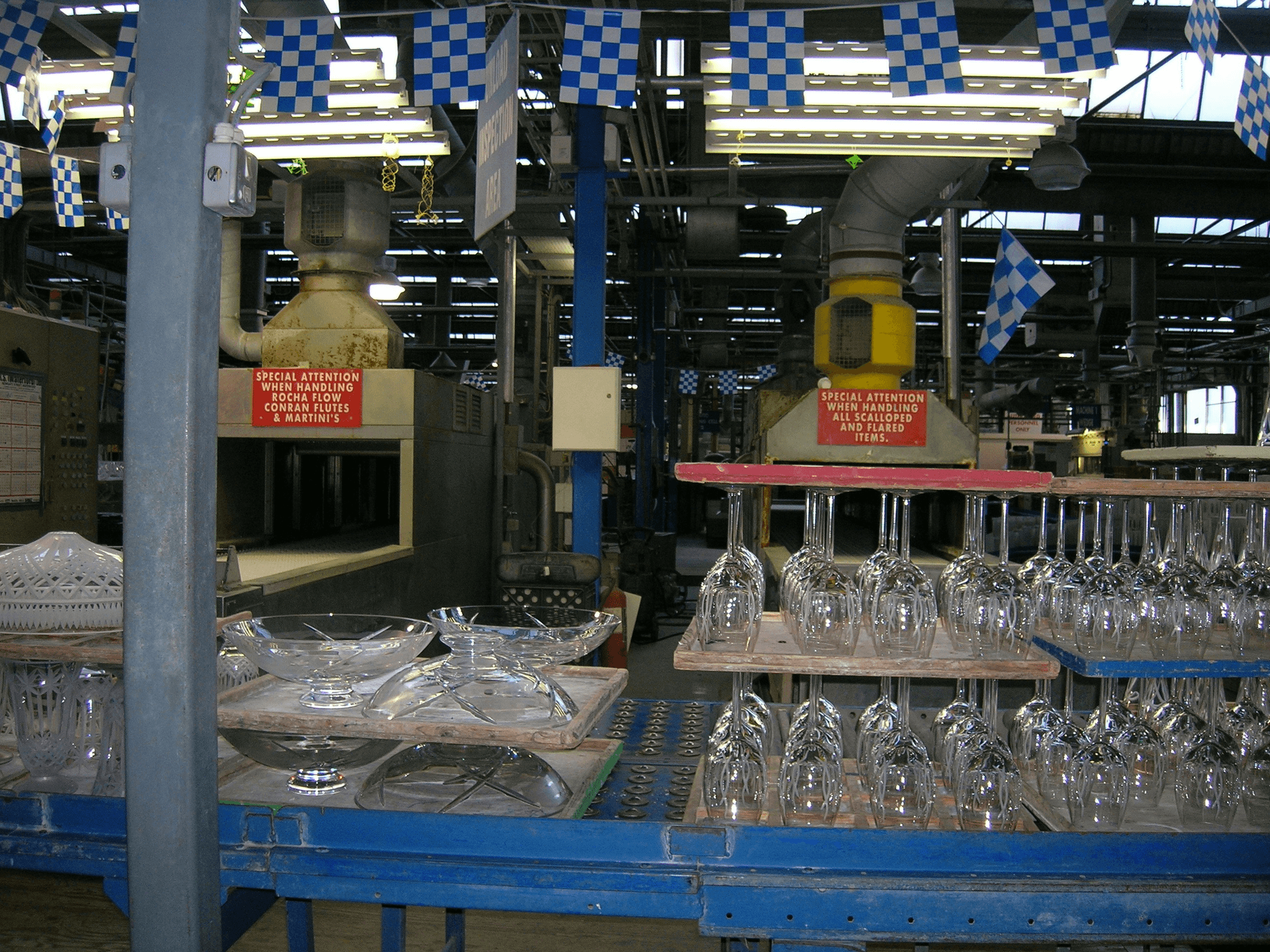
Understanding the Acceptable Quality Limit (AQL) is crucial for any quality control process in manufacturing and production. AQL serves as a guideline to determine the maximum number of defective items considered acceptable in a sample batch. This concept ensures that products meet certain quality standards while balancing cost and efficiency.
Definition and Purpose of AQL
The Acceptable Quality Limit (AQL) is defined as the maximum percentage of defects allowed in a sampled batch of goods. Its primary purpose is to set a benchmark for quality assurance, helping manufacturers maintain consistency without incurring excessive costs from overly stringent inspections. By establishing an AQL, businesses can effectively manage risk while ensuring customer satisfaction through reliable product quality.
Historical Context of AQL Standards
Historically, the development of AQL standards can be traced back to post-World War II when industries sought efficient methods for quality control amid increasing production demands. The introduction of statistical sampling techniques revolutionized how manufacturers approached inspection processes, leading to standardized AQL tables that provided clear guidelines on acceptable defect levels. Over time, these standards have evolved, influenced by advancements in technology and changing market expectations.
Importance in Manufacturing and Quality Control
The importance of Acceptable Quality Limit cannot be overstated in today's competitive manufacturing landscape. It aids companies in making informed decisions regarding product acceptance or rejection based on statistical sampling rather than exhaustive inspections, saving both time and resources. Furthermore, understanding how do the AQL tables function allows organizations to tailor their quality control processes effectively while maintaining compliance with industry regulations.
How do the AQL tables function and what standards are they based on?

Understanding how the AQL tables function is crucial for effective quality control in various industries. These tables serve as a standardized method to determine acceptable levels of defects in sampled products, known as the Acceptable Quality Limit (AQL). By providing a structured approach, they help manufacturers and quality inspectors make informed decisions about product acceptance or rejection.
Overview of AQL Table Structure
The structure of AQL tables is designed to simplify the process of determining sample sizes and acceptance criteria based on predefined quality limits. Typically, these tables include information such as lot size, sample size code letters, and corresponding acceptance numbers that indicate how many defects are permissible within a sample. Familiarizing yourself with this structure is essential for anyone asking, How do you read AQL Table 1 (sample size code letters)?—as it lays the groundwork for interpreting quality inspection results.
Industry Standards Influencing AQL
Several industry standards play a significant role in shaping how AQL tables are constructed and applied across different sectors. Organizations such as ANSI/ASQC Z1.4 and ISO 2859-1 provide guidelines that define acceptable quality levels tailored to specific manufacturing contexts. Understanding these standards allows professionals to answer questions like Which inspection levels should you choose and why? by aligning their practices with recognized benchmarks.
Real-World Applications of AQL Tables
In practice, AQL tables find their way into numerous real-world applications across various industries—from electronics to textiles—where quality assurance is paramount. For example, when conducting inspections using How do you read AQL Table 2 (single-sample plans for normal inspection, Level II)? one can effectively gauge product reliability before mass production begins. Moreover, knowing “How do you calculate and apply AQL using the tables?” ensures that organizations maintain high-quality output while minimizing waste and costs.
How do you read AQL Table 1 (sample size code letters)?
Reading AQL Table 1 is like learning a new language, one that speaks to the heart of quality control. The sample size code letters are essential for determining how many items to inspect based on the total lot size and the Acceptable Quality Limit (AQL). By understanding these codes, you can effectively navigate through the complexities of quality assurance.
Decoding Sample Size Code Letters
Sample size code letters are designated by specific letters that correspond to different sample sizes for various lot sizes. For instance, if you encounter a code letter A, it indicates a certain number of items to inspect when your lot falls within a particular range. Understanding these codes is crucial because they dictate how rigorous your inspection process will be, directly impacting your assessment of whether you meet the Acceptable Quality Limit.
Examples of Code Letters in Different Industries
Different industries may utilize varying sample size code letters depending on their specific needs and standards. For example, in textiles, you might see “D” for larger batches requiring more extensive inspections due to higher risks of defects. Conversely, in electronics manufacturing, where precision is paramount, a letter like “B” may be used for smaller lots but still demands careful scrutiny under the AQL framework.
Tips for Accurate Interpretation
To interpret AQL Table 1 accurately, it's vital to first familiarize yourself with the specific codes relevant to your industry and lot sizes. Always double-check against multiple sources or guidelines since interpretations can vary slightly between sectors. Lastly, don’t hesitate to consult with quality control experts or tools that simplify these tables; after all, mastering how do you read AQL Table 1 (sample size code letters)? is key in ensuring high-quality outputs while maintaining efficiency.
How do you read AQL Table 2 (single-sample plans for normal inspection, Level II)?
Navigating AQL Table 2 can feel like deciphering a secret code, but fear not! This section will illuminate the path to understanding single-sample plans for normal inspection at Level II. By grasping how to read this table, you'll be well-equipped to apply the Acceptable Quality Limit (AQL) in your quality control processes.
Fundamentals of Single-Sample Plans
Single-sample plans are essential tools in quality control that allow manufacturers to assess product quality efficiently. When using these plans, a predetermined number of items is sampled from a larger batch, and the results determine whether the entire batch meets the Acceptable Quality Limit standards. The beauty of single-sample plans lies in their simplicity; they provide a clear pass or fail decision based on the number of defective items found during inspection.
Understanding how do the AQL tables function is crucial here, as they provide structured guidelines for interpreting sample sizes and acceptance criteria. In essence, these tables help bridge the gap between statistical theory and practical application in industries where quality assurance is paramount. Hence, knowing how to read AQL Table 2 becomes a powerful asset in ensuring that products consistently meet quality expectations.
Step-by-Step Guide to Reading AQL Table 2
Reading AQL Table 2 involves several steps that guide you through determining acceptance numbers based on sample size and defect levels. First, identify your lot size—the total quantity of items you wish to inspect—and then locate this figure on the left side of Table 2. Next, find your chosen Acceptable Quality Limit percentage; this could range from low defect rates (like 0.65%) to higher thresholds (like 1% or more).
Once you've pinpointed both your lot size and desired AQL percentage within Table 2, you'll see corresponding sample sizes and acceptance numbers listed across the table's rows and columns. For instance, if you're inspecting a batch of 100 units with an AQL of 1%, you would refer to the table for guidance on how many defects can be tolerated before rejecting the entire lot. Understanding which inspection levels should you choose and why also plays into this process—different levels may require varying sample sizes or acceptance criteria.
Finally, always double-check your findings against common pitfalls when calculating and applying AQL using the tables—this ensures accuracy in decision-making processes related to product quality assessments.
Case Studies Highlighting Effective Usage
To illustrate effective usage of AQL Table 2 in real-world scenarios, let's consider two case studies from different industries: electronics manufacturing and food production. In electronics manufacturing, a company uses an Acceptable Quality Limit of 0.65% while inspecting circuit boards produced in batches of 1,000 units. By applying what they learned about how do you read AQL Table 2 correctly, they determined that their acceptable number of defects was just six boards per batch—a critical threshold that helped them maintain high customer satisfaction rates.
In another example from food production, a company producing packaged snacks utilized an Acceptable Quality Limit set at 1%. They applied single-sample plans effectively by sampling batches containing up to 500 packages at once; according to their calculations derived from reading AQL Table 2 correctly, they could tolerate five defective packages without compromising overall product integrity or risking consumer health.
These case studies underscore not only how important it is to understand how do you read AQL Table 2 but also demonstrate its practical applications across various sectors striving for excellence through rigorous quality control measures.
Which inspection levels should you choose and why?

Choosing the right inspection level is crucial for maintaining the Acceptable Quality Limit (AQL) in your production process. Different industries and products may require varying levels of scrutiny, so understanding these inspection levels can help ensure quality while managing costs effectively. In this section, we will explore what these inspection levels entail, factors that influence your choice, and how to balance risk with quality assurance.
Understanding Different Inspection Levels
Inspection levels are categorized primarily into three main types: Level I (normal), Level II (standard), and Level III (tightened). Each level dictates the sample size and acceptance criteria based on the AQL tables, which function as a guideline for determining acceptable defect rates. For instance, Level II is often used as a default standard because it strikes a balance between thoroughness and efficiency; it’s where many manufacturers find their sweet spot when determining how to read AQL Table 1 or Table 2.
Factors Influencing Your Choice of Inspection Level
Several key factors should guide your decision on which inspection level to adopt. First, the nature of the product plays a significant role; high-risk items such as medical devices may necessitate tighter inspections compared to low-risk consumer goods. Additionally, historical data regarding defect rates can inform whether you need to lean towards stricter standards or if you can afford a more lenient approach while still adhering to your AQL calculations.
Balancing Risk and Quality Assurance
Balancing risk with quality assurance is like walking a tightrope; one misstep could lead to either excess costs or compromised quality. By carefully analyzing your specific circumstances—such as customer expectations, regulatory requirements, and production capabilities—you can make informed decisions about which inspection levels suit your needs best. Ultimately, aligning your choices with the principles outlined in How do you calculate and apply AQL using the tables? will ensure that you maintain an effective quality control system without breaking the bank.
How do you calculate and apply AQL using the tables?
Calculating and applying the Acceptable Quality Limit (AQL) is a critical aspect of maintaining quality control in manufacturing processes. Understanding how do the AQL tables function is essential to effectively utilize them for inspections. This section will guide you through the calculation process, highlight common pitfalls, and demonstrate real-world applications of AQL.
Step-by-Step Calculation Process
To calculate AQL using the tables, start by determining your lot size—the total number of items in your batch. Next, refer to AQL Table 1 (sample size code letters) to identify the appropriate sample size based on your lot size and selected inspection level. Once you've established your sample size, consult AQL Table 2 (single-sample plans for normal inspection, Level II) to find the maximum allowable defects based on your chosen acceptable quality limit percentage.
For instance, if you're working with a lot size of 500 units and an AQL of 1%, first find the code letter corresponding to your lot size in Table 1. Then look up this code letter in Table 2 to determine how many defective items you can have before failing the inspection—this is where understanding which inspection levels should you choose and why becomes crucial as it influences how stringent or lenient your acceptance criteria will be.
By following these steps methodically, you'll ensure accurate calculations that align with industry standards influencing AQL while also minimizing risks associated with product defects.
Common Mistakes to Avoid in AQL Calculation
When calculating Acceptable Quality Limit using AQL tables, several common mistakes can lead to misinterpretations or incorrect conclusions. One frequent error is misreading the sample size code letters in Table 1; this can result in selecting an inappropriate sample size that doesn’t accurately reflect your lot size. Additionally, confusion between different inspection levels often leads manufacturers astray—understanding which inspection levels should you choose and why can significantly impact both quality control efforts and overall product integrity.
Another pitfall is neglecting to consider variations within a batch—if certain items are more prone to defects than others, relying solely on average defect rates may not provide a complete picture of quality assurance needs. Lastly, failing to keep track of historical defect data when applying results from AQL calculations can hinder continuous improvement efforts; data-driven decisions are key for maintaining high standards over time.
Avoiding these mistakes ensures that you leverage how do you read AQL Table 2 effectively while achieving robust quality control measures across production lines.
Applying AQL in Real-World Quality Control
Implementing Acceptable Quality Limit principles within real-world scenarios requires a strategic approach tailored to specific industry needs. For instance, when conducting inspections on consumer electronics or automotive parts—where precision matters greatly—you may need stricter adherence to lower acceptable quality limits compared to less critical goods like textiles or packaging materials. This highlights not only how do you read AQL Table 1 but also emphasizes understanding how do the AQL tables function overall within various contexts.
Furthermore, integrating findings from calculated results into operational practices helps create a culture focused on quality excellence; regular training sessions around interpreting these tables empower staff at all levels with knowledge about what constitutes acceptable versus unacceptable products based on established standards influencing their work processes.
Ultimately, applying these calculations effectively fosters improved product reliability while enhancing customer satisfaction—a win-win scenario for any business striving for success in today's competitive landscape!
Conclusion
In wrapping up our exploration of the Acceptable Quality Limit (AQL), it’s clear that mastering this concept is essential for ensuring quality in manufacturing and other industries. Understanding how do the AQL tables function and what standards are they based on? is crucial for effective quality control. By being well-versed in reading AQL Table 1 (sample size code letters) and AQL Table 2 (single-sample plans for normal inspection, Level II), you can navigate the complexities of quality inspections with confidence.
Mastering the Acceptable Quality Limit
Mastering the Acceptable Quality Limit involves not only knowing its definition but also understanding its application in real-world scenarios. It serves as a benchmark, guiding manufacturers on acceptable defect rates while balancing cost efficiency and product reliability. When you ask yourself how do you calculate and apply AQL using the tables?, remember that it’s about finding that sweet spot between risk management and maintaining high standards.
Key Takeaways for Quality Inspections
Key takeaways from our discussion include recognizing the importance of selecting appropriate inspection levels based on your specific needs—after all, which inspection levels should you choose and why? The ability to read AQL Table 1 accurately ensures you’re sampling effectively, while understanding how do you read AQL Table 2 provides insights into single-sample plans that can streamline your processes. Ultimately, integrating these principles into your quality control practices will enhance product integrity and customer satisfaction.
Leveraging China Inspection Pro for Quality Excellence
To truly leverage quality excellence, consider utilizing services like China Inspection Pro, which specializes in implementing these standards effectively across various industries. Their expertise can guide you through complex questions such as how do the AQL tables function? They offer tailored solutions to help businesses optimize their quality assurance processes while ensuring compliance with relevant standards—making them a valuable partner in achieving your Acceptable Quality Limit goals.