
Introduction
In today's competitive landscape, ensuring product quality and compliance is paramount for businesses across various industries. One effective way to achieve this is through Third-Party Inspection, a process that offers an unbiased assessment of products and services. By understanding the nuances of Third-Party Inspection, companies can significantly enhance their operational efficiency and customer satisfaction.
Understanding Third-Party Inspection
Third-Party Inspection refers to the evaluation conducted by an independent organization that specializes in assessing products or services for compliance with established standards. Unlike internal inspections, which may be influenced by company biases, Third-Party Inspections provide an impartial viewpoint that can identify potential issues before they escalate. This clarity helps companies not only meet industry regulations but also fosters a culture of transparency and accountability.
Why Choose Third-Party Inspection Services?
Choosing Third-Party Inspection Services can be a game-changer for businesses looking to enhance their credibility and product quality. By leveraging these services, organizations can mitigate risks associated with non-compliance while building trust with customers who prioritize quality assurance. Moreover, many wonder: Are Third-Party Inspections only for large businesses? The answer is no; these services are adaptable and beneficial for companies of all sizes seeking to optimize their operations.
Key Players in the Inspection Process
The inspection process involves several key players who contribute to its success: the client requesting the inspection, the third-party inspection agency, and often, regulatory bodies that set standards for compliance. Each player has distinct responsibilities; clients must prepare adequately by understanding what documentation is needed while inspectors must possess the expertise to conduct thorough evaluations without bias. Additionally, addressing common mistakes during inspections can streamline this process and maximize efficiency—ensuring everyone walks away satisfied with the results.
What is Third-Party Inspection?
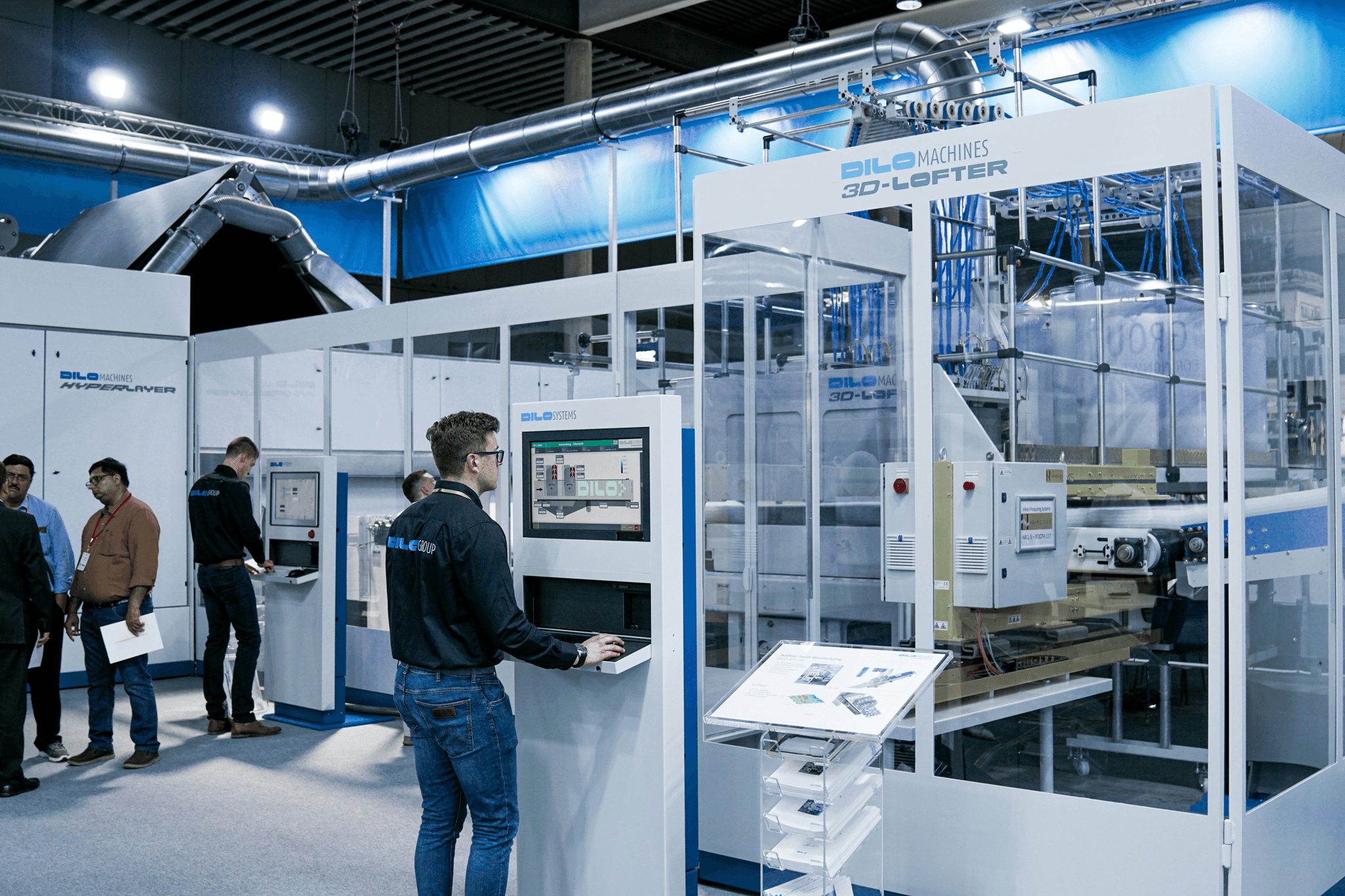
When we talk about Third-Party Inspection, we're diving into a crucial aspect of quality assurance that ensures products and services meet required standards. This process involves an independent entity assessing compliance, safety, and quality, providing an unbiased perspective that internal teams might overlook. By relying on third-party inspectors, businesses can bolster their credibility and enhance product reliability.
Definition and Overview
Third-Party Inspection refers to the evaluation of goods or services by an external organization not involved in the production process. This independent oversight offers a level of objectivity that is often essential in maintaining industry standards. Essentially, it acts as a safeguard against potential pitfalls—ensuring that what you deliver aligns with customer expectations and regulatory requirements.
Role of Third-Party Inspectors
Third-party inspectors serve as the watchdogs of quality assurance, tasked with evaluating compliance with industry standards and specifications. Their expertise allows them to identify issues that may not be apparent to internal teams, thereby enhancing overall product integrity. In many cases, these inspectors also provide valuable feedback on how businesses can maximize the benefits of a Third-Party Inspection by addressing weaknesses or gaps in processes.
Differences from Internal Inspections
While both internal inspections and third-party inspections aim to ensure quality, they differ significantly in approach and perspective. Internal inspections are conducted by employees who may have biases or vested interests in the outcomes; thus they might overlook critical issues due to familiarity with processes or products. On the other hand, third-party inspections offer an impartial viewpoint—crucial for businesses looking to avoid common mistakes such as overlooking compliance details or failing to adapt inspection criteria across industries.
In summary, understanding what Third-Party Inspection entails is vital for any business aiming for excellence in its offerings. Whether you're wondering if these services are only for large enterprises or how they can adapt across various industries, knowing their definition and roles can pave the way for better practices.
The Third-Party Inspection Process
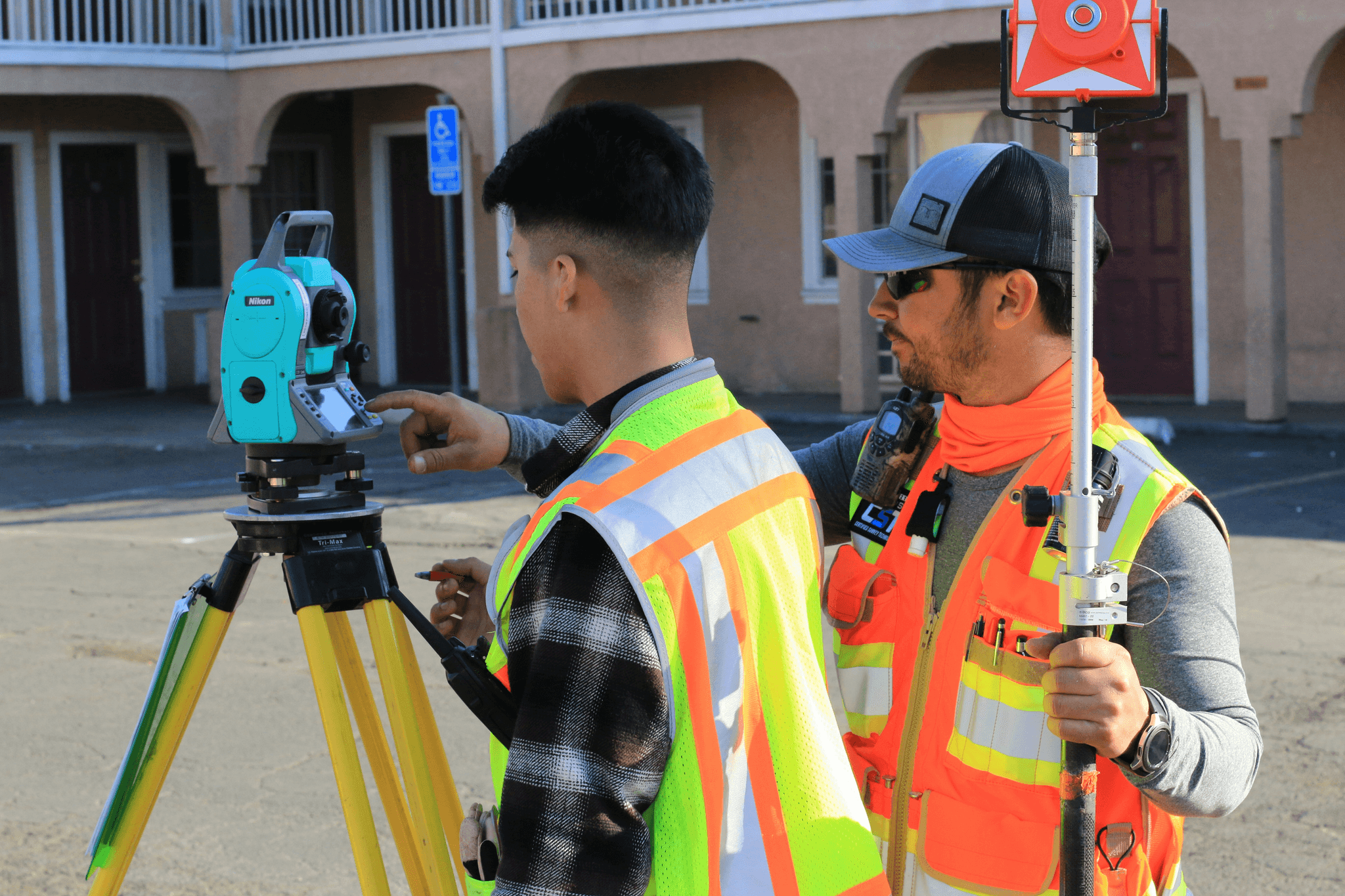
Navigating the labyrinth of third-party inspections can be a daunting task, but understanding the process can make it a breeze. This section breaks down the essential steps involved in third-party inspections, highlights the tools and techniques that streamline these processes, and discusses some common challenges that may arise along the way. Armed with this knowledge, businesses can better prepare for inspections and maximize the benefits they provide.
Steps Involved in the Inspection
The journey of a third-party inspection begins with meticulous planning. Initially, stakeholders must define clear objectives and select a qualified inspection agency that aligns with their industry needs—this is crucial since not all inspectors specialize in every field. Next comes the on-site evaluation where inspectors assess compliance with relevant standards, often using checklists tailored to specific requirements.
After gathering data through observations and measurements, inspectors compile their findings into detailed reports. These reports serve as an invaluable resource for identifying areas of improvement or confirming compliance. Finally, stakeholders review these findings to implement necessary changes or celebrate successful outcomes—because who doesn’t love good news?
Tools and Techniques Used
In today's tech-savvy world, third-party inspections leverage an array of innovative tools and techniques to enhance efficiency and accuracy. Inspectors often use advanced equipment such as drones for aerial assessments or thermal imaging cameras to detect hidden issues without invasive methods. Additionally, software solutions like data management systems streamline documentation processes by allowing real-time updates and easy access to records.
Moreover, visual inspection techniques are complemented by non-destructive testing (NDT) methods that ensure product integrity without causing damage. These tools not only facilitate thorough evaluations but also help mitigate risks associated with potential failures down the line—because nobody wants surprises in their supply chain! The combination of cutting-edge technology with skilled human insight makes for a powerful duo in any third-party inspection.
Common Challenges During Inspections
While third-party inspections are designed to be beneficial, they are not without their hurdles. One common mistake is underestimating preparation; failing to provide necessary documentation or access can lead to delays or incomplete assessments during inspections—definitely not what you want! Additionally, miscommunication between stakeholders and inspectors can create confusion about expectations; clarity is key when navigating this landscape.
Another challenge lies in adapting inspection processes across various industries—after all, one size does not fit all! Are third-party inspections only for large businesses? Not at all; small businesses can also reap significant benefits from these services by ensuring quality control without breaking the bank. Lastly, understanding how different industries utilize third-party inspections allows companies to tailor their approach accordingly—this adaptability is essential for maximizing effectiveness.
Benefits of Third-Party Inspection
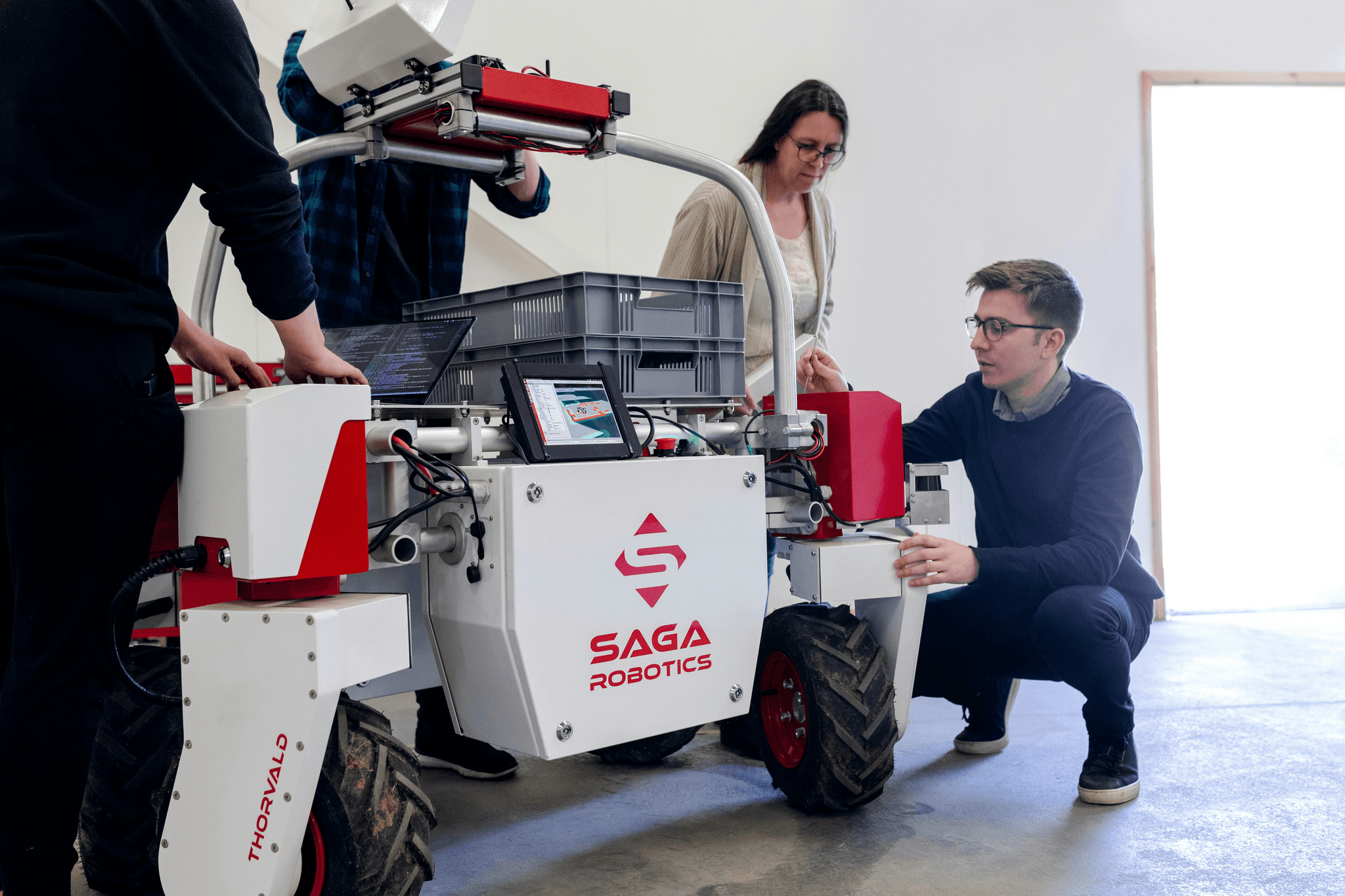
When it comes to ensuring quality and compliance, Third-Party Inspection services are invaluable. These inspections offer a host of benefits that can elevate product standards and enhance overall business operations. In this section, we’ll explore how these services can improve product quality, build customer trust, and ensure regulatory compliance.
Enhancing Product Quality
One of the primary benefits of Third-Party Inspection is the enhancement of product quality. By utilizing independent inspectors who specialize in various industries, businesses can identify defects or inconsistencies that may have gone unnoticed during internal checks. This proactive approach not only helps in rectifying issues before products reach consumers but also ensures that standards are consistently met.
Moreover, Third-Party Inspectors bring a fresh perspective to the inspection process. They often employ advanced tools and techniques tailored to specific industries, making it easier to spot potential problems early on. Businesses that embrace these inspections frequently find themselves producing higher-quality products, which leads to fewer returns and increased customer satisfaction.
Building Customer Trust
In today's market, trust is paramount for maintaining customer loyalty and fostering long-term relationships. When companies invest in Third-Party Inspection services, they signal to their customers that they prioritize quality and transparency. This commitment can significantly enhance brand reputation and lead to greater consumer confidence.
Furthermore, providing evidence of successful Third-Party Inspections can serve as a powerful marketing tool. Customers are more likely to choose products from companies that demonstrate adherence to high standards through independent verification rather than relying solely on internal claims. In essence, effective communication about your use of Third-Party Inspections can distinguish your brand in a crowded marketplace.
Regulatory Compliance and Risk Mitigation
Navigating regulatory requirements can be daunting for businesses across various sectors; however, Third-Party Inspections simplify this process considerably. These inspections help ensure that products meet industry regulations and safety standards before they hit the market—reducing the risk of costly fines or recalls later on. By integrating these services into your operational strategy, you not only comply with legal requirements but also protect your business’s reputation.
Additionally, understanding “What are Common Mistakes to Avoid in Third-Party Inspections?” is crucial for maximizing their benefits. Failing to prepare adequately or neglecting documentation could lead to unfavorable outcomes during inspections—ultimately undermining their effectiveness. Therefore, leveraging expert guidance through these inspections aids in risk mitigation by addressing potential pitfalls before they escalate into significant issues.
Lastly, many wonder if “Are Third-Party Inspections Only for Large Businesses?” The answer is a resounding no! Companies of all sizes can benefit from these inspections as they adapt seamlessly across various industries—ensuring everyone has access to high-quality assurance practices regardless of scale.
Preparing for a Third-Party Inspection

When gearing up for a third-party inspection, preparation is key to ensuring a smooth process and maximizing the benefits of a third-party inspection. Not only does this involve gathering necessary documentation, but it also means setting clear expectations with inspectors and avoiding common pitfalls that can derail your efforts. By taking these steps, you can significantly enhance the effectiveness of the inspection.
Documentation and Records Needed
The foundation of any successful third-party inspection lies in thorough documentation and records. It's essential to compile all relevant materials, including quality control logs, product specifications, compliance certificates, and previous inspection reports. This not only helps inspectors understand your processes better but also demonstrates your commitment to transparency—an important aspect when considering what are common mistakes to avoid in third-party inspections.
Moreover, having well-organized records allows you to quickly address any questions or concerns that may arise during the inspection process. Remember, proper documentation can make or break the outcome of an assessment; it provides proof of adherence to standards and showcases your operational integrity. So take the time to ensure everything is in order before the inspector arrives.
Setting Expectations with Inspectors
Setting expectations with inspectors is crucial for a successful third-party inspection experience. Clear communication about what will be inspected, how long it will take, and what specific criteria will be evaluated can help eliminate surprises on both sides. This collaborative approach not only fosters trust but also ensures that everyone is aligned on goals—maximizing the benefits of a third-party inspection.
When discussing expectations, don't hesitate to share any unique challenges or nuances related to your business or industry practices. This transparency allows inspectors to tailor their approach accordingly and adapt their methods as needed—demonstrating how third-party inspections can adapt to various industries effectively. Ultimately, establishing an open line of communication sets the stage for a productive relationship throughout the entire process.
How to Address Common Mistakes
Avoiding common mistakes during a third-party inspection can save you time, money, and headaches down the line. One prevalent error is underestimating the importance of preparation; many businesses think they can wing it at the last minute! Instead, invest time in understanding what are common mistakes to avoid in third-party inspections by reviewing past experiences or seeking advice from those who have gone through similar evaluations.
Another mistake often made is neglecting staff training prior to an inspection day; ensure that all employees involved understand their roles and responsibilities during this critical period. This not only helps streamline operations but also instills confidence in your team—key components when aiming for regulatory compliance during inspections tailored for both large businesses and smaller enterprises alike. Lastly, don’t forget about post-inspection follow-ups; addressing feedback promptly shows dedication towards continuous improvement.
Industry Applications of Third-Party Inspections
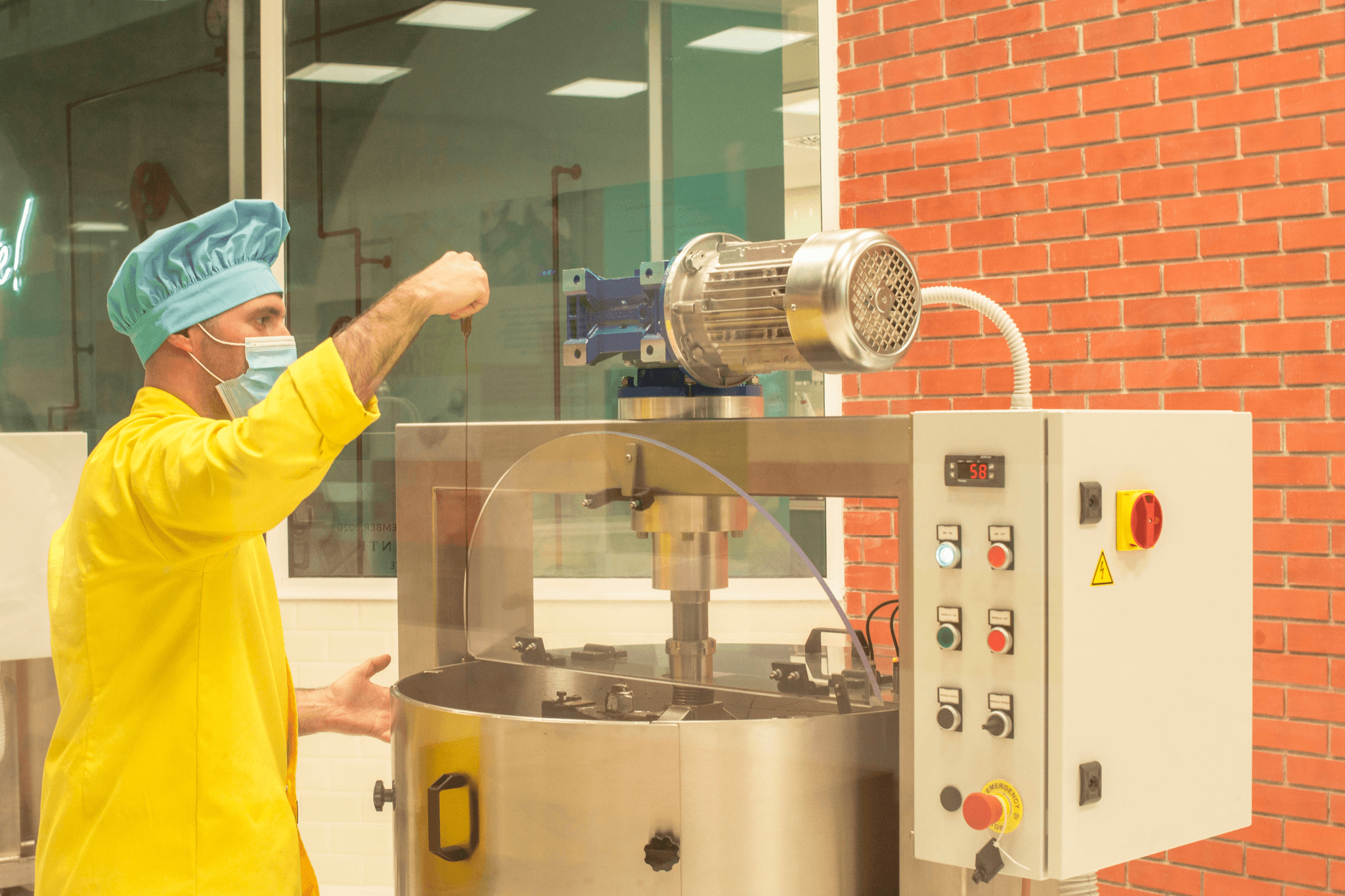
Third-party inspections are not just the realm of large corporations; they are valuable assets for businesses of all sizes. Many small and medium-sized enterprises (SMEs) can greatly benefit from these services, as they help to ensure quality and compliance without the overhead of maintaining an in-house inspection team. By leveraging third-party inspection, smaller companies can compete on a level playing field with larger firms while enhancing their product credibility.
Are Third-Party Inspections Only for Large Businesses?
Contrary to popular belief, third-party inspections are not exclusively for large businesses. In fact, small businesses often find that these inspections provide them with a competitive edge by demonstrating their commitment to quality and compliance. Whether it’s a startup or an established SME, utilizing third-party inspection services can help build trust with customers and suppliers alike.
Additionally, many industries require adherence to strict regulations that apply equally to all businesses, regardless of size. For instance, food safety standards or construction regulations necessitate thorough inspections that can be effectively managed through third-party services. Thus, small businesses should not shy away from seeking out third-party inspection; instead, they should embrace it as a tool for growth and reputation enhancement.
How Can Third-Party Inspections Adapt to Various Industries?
Third-party inspections are incredibly versatile and can be tailored to meet the specific needs of different industries. For example, in manufacturing, inspectors might focus on product specifications and quality control processes, while in construction, the emphasis could be on safety standards and materials compliance. This adaptability allows third-party inspection services to provide relevant insights that drive improvement across various sectors.
Moreover, industries such as healthcare or pharmaceuticals have unique regulatory requirements that demand specialized knowledge during inspections. Third-party inspectors often possess industry-specific expertise that enables them to navigate complex regulations effectively while ensuring compliance is met without compromising quality. By adapting their approaches based on industry demands, third-party inspectors become invaluable partners in maintaining high standards across diverse fields.
Real-World Examples of Successful Inspections
One shining example of successful third-party inspection comes from the electronics manufacturing sector. A mid-sized company faced challenges with product defects leading to costly recalls; after engaging a reputable third-party inspector, they identified critical flaws in their assembly process that were previously overlooked. Post-inspection adjustments led to a significant reduction in defects and improved customer satisfaction—proof positive that effective use of third-party inspection can yield substantial benefits.
In another instance within the food industry, a small organic farm utilized third-party inspections to validate its claims regarding pesticide-free produce. This not only boosted consumer confidence but also opened doors for partnerships with larger retailers who prioritize verified sourcing practices—demonstrating how important it is for any business looking to enhance its market position through credible endorsements from trusted inspectors.
By recognizing what are common mistakes to avoid in third-party inspections—such as inadequate preparation or miscommunication—companies can maximize the benefits derived from these essential services while reinforcing their commitment towards excellence.
Conclusion
In conclusion, understanding and implementing Third-Party Inspection can significantly elevate the quality and reliability of products across various industries. By recognizing what are common mistakes to avoid in third-party inspections, businesses can streamline their processes and enhance overall efficiency. The key takeaway is that maximizing the benefits of a third-party inspection isn't just about following protocols; it’s about fostering a culture of continuous improvement.
Maximizing the Benefits of a Third-Party Inspection
To truly maximize the benefits of a third-party inspection, companies need to engage proactively with inspectors throughout the process. This means not only preparing documentation meticulously but also setting clear expectations with inspectors regarding what they hope to achieve. Additionally, addressing common mistakes to avoid in third-party inspections—such as overlooking critical details or failing to communicate effectively—can lead to more fruitful outcomes.
The Role of China Inspection Pro in Inspections
China Inspection Pro plays a pivotal role in enhancing the effectiveness of Third-Party Inspections by providing expert guidance tailored to specific industry needs. As businesses often wonder if third-party inspections are only for large businesses, this organization demonstrates that services can be customized for companies of all sizes, ensuring that even small operations benefit from rigorous quality checks. Their expertise allows for seamless adaptation; how can third-party inspections adapt to various industries? China Inspection Pro showcases versatility through its comprehensive service offerings.
Future Trends in Third-Party Inspection Services
Looking ahead, future trends in third-party inspection services indicate an increasing reliance on technology and data analytics to optimize inspection processes further. Innovations such as remote inspections and AI-driven assessments will likely become standard practice, making it easier for organizations across all sectors—not just large ones—to maintain high-quality standards without compromising efficiency. As industries evolve, understanding how can third-party inspections adapt will be crucial for staying competitive and ensuring compliance with ever-changing regulations.