
Introduction
In a world where children's safety is paramount, understanding Children's Product Certificates becomes essential for manufacturers and sellers alike. These certificates serve as a guarantee that products meet specific safety standards, ensuring that children can use them without risk. However, the journey to compliance can be complex, requiring knowledge of various certification sources and practices.
Understanding Children's Product Certificates
Children's Product Certificates (CPC) are documents that affirm a product's compliance with safety regulations set forth by governing bodies. They provide crucial information about the materials used and the testing procedures undergone to ensure safety for young users. Knowing where to find children's product certificates is vital for anyone involved in selling or manufacturing children's products.
Importance of Compliance for Safety
Compliance with safety regulations isn't just a legal obligation; it's a moral responsibility to protect our youngest consumers. Non-compliance can lead to serious consequences, including recalls and harm to children, which no company wants on their conscience or balance sheet. This is why understanding concepts like inspection sampling plans and pre-shipment inspection processes is critical in maintaining high safety standards.
Overview of Certification Sources
There are multiple sources from which one can obtain Children's Product Certificates, ranging from manufacturers themselves to consumer product testing companies specializing in material testing reports. These organizations not only provide certificates but also help navigate the complexities of compliance through services like quality inspection services and guidance on garment checking methods. By leveraging these resources effectively, businesses can ensure they meet all necessary requirements while minimizing risks associated with non-conformance reports.
What is a Children's Product Certificate?

A Children's Product Certificate (CPC) is a crucial document that assures consumers that a product meets all necessary safety standards. Understanding what this certificate entails is essential for both sellers and buyers in ensuring that children’s products are safe and compliant.
Definition and Purpose
A Children's Product Certificate is essentially a declaration from manufacturers or importers that their product complies with applicable safety regulations set forth by the Consumer Product Safety Commission (CPSC). The purpose of this certificate is to provide assurance to retailers, parents, and guardians that the product has undergone rigorous testing for safety. This not only enhances consumer trust but also protects children from potential hazards associated with non-compliant products.
Key Regulations and StandardThese regulations are not just bureaucratic red tape; they are designed to ensure that every toy or garment adheres to stringent safety guidelines. Sellers must familiarize themselves with these regulations as they are foundational in determining where to find children's product certificates that verify compliance.
Importance of Certification for Sellers
For sellers, obtaining a Children’s Product Certificate is not just about following rules; it’s about safeguarding their business reputation. Without proper certification, sellers risk facing legal consequences or recalls if their products fail inspections or cause harm. Additionally, having this certification can be a significant selling point—customers want assurance that they’re purchasing safe products for their little ones.
Where to Find Children's Product Certificates

Searching Online Resources
The internet is a treasure trove of information, and searching online resources is one of the most efficient ways to locate children's product certificates. Websites like the Consumer Product Safety Commission (CPSC) offer databases and tools for consumers and businesses alike. Additionally, many manufacturers list their certifications on their websites, making it easier for you to verify compliance without breaking a sweat.
However, don’t stop at just one source; cross-referencing multiple online platforms can enhance your chances of finding accurate information about specific products. You might also stumble upon forums or blogs where experienced sellers share tips on navigating certification processes—definitely worth a read! Just remember that while online searches are handy, they should be complemented by other strategies for a well-rounded approach.
Contacting Manufacturers Directly
Another effective strategy for finding children's product certificates is contacting manufacturers directly. Most reputable companies will be more than happy to provide you with the necessary documentation upon request—after all, they want you to feel confident in their products! When reaching out, be sure to ask about their inspection sampling plan and any relevant material testing reports that confirm compliance with safety standards.
Don’t hesitate to inquire about what steps they take during pre-shipment inspection as well; this information can give you peace of mind regarding product safety. Remember, transparency from manufacturers not only helps in verifying certifications but also builds trust in the brand itself. So pick up that phone or shoot them an email—you might just uncover valuable insights!
Utilizing Consumer Product Testing Companies
If you're feeling overwhelmed by the certification process or need expert assistance, utilizing consumer product testing companies can be a game-changer. These organizations specialize in evaluating products against safety standards and can guide you through obtaining your children’s product certificate efficiently. They often provide comprehensive services including inspections and material testing reports tailored specifically for children’s items.
Moreover, these testing companies often have established relationships with various regulatory bodies, which can expedite your certification process significantly. By leveraging their expertise in quality inspection services—especially when dealing with non-conformance reports—you'll find yourself navigating this complex landscape much more smoothly. So why not consider partnering with them? It's like having a trusty sidekick on your compliance journey!
Role of Inspection Sampling Plans

These plans outline the systematic approach for selecting a subset of items from a larger batch for inspection and testing, which helps identify any potential defects or non-conformance issues before products reach consumers. By implementing an effective inspection sampling plan, businesses can better manage quality control processes and enhance overall product safety.
What is an Inspection Sampling Plan?
An inspection sampling plan is a structured method used to determine how many items from a production lot should be inspected to ensure quality standards are met. It serves as a guideline for manufacturers and quality assurance teams to assess the acceptability of products based on statistical principles. This process helps reduce the risk of defective items being shipped, thereby protecting children and ensuring compliance with safety regulations.
How They Relate to Certification
Inspection sampling plans play a pivotal role in the certification process for children's products by providing evidence that manufacturers adhere to safety standards. When evaluating where to find children's product certificates, it's essential to understand that effective sampling plans demonstrate due diligence in quality assurance practices. By aligning inspection results with certification requirements, businesses can confidently present their compliance status during audits or inspections by regulatory bodies.
Developing Effective Sampling Strategies
To develop effective sampling strategies, businesses must consider several factors including production volume, historical defect rates, and the specific requirements outlined in relevant regulations such as ASTM F963 or CPSIA guidelines. Utilizing insights from consumer product testing companies can also help refine these strategies by incorporating best practices tailored to specific product categories. Additionally, garment checking methods may be employed within these strategies to ensure textiles used in children’s clothing meet safety benchmarks while successfully navigating pre-shipment inspections.
The Process of Pre-shipment Inspection

Navigating the world of product safety can sometimes feel like a maze, especially when it comes to ensuring that children’s products meet strict regulations. One critical step in this journey is pre-shipment inspection, a process designed to catch any potential issues before your products hit the shelves. This proactive approach not only protects young consumers but also helps sellers avoid costly recalls and reputational damage.
What is Pre-shipment Inspection?
Pre-shipment inspection (PSI) refers to the evaluation of goods before they are shipped from the manufacturer to the buyer or retailer. This inspection typically assesses product quality, compliance with specifications, and adherence to safety standards outlined in relevant regulations. Essentially, it acts as a final checkpoint for sellers to confirm that their products meet all necessary requirements—think of it as a dress rehearsal before the big show!
Benefits for Ensuring Compliance
The benefits of conducting pre-shipment inspections are numerous and significant. For starters, PSI helps ensure compliance with regulatory standards such as those required for obtaining a children's product certificate; after all, no one wants to be caught without one! Moreover, engaging with consumer product testing companies during this phase can provide additional assurance that your products are safe and ready for market.
Another key advantage is that PSI can identify non-conformances early on—remember what we mentioned about what is a non-conformance report? Addressing these issues prior to shipment saves time and resources while enhancing overall product quality.
Tips for Successful Pre-shipment Practices
To maximize the effectiveness of your pre-shipment inspections, consider implementing robust inspection sampling plans tailored specifically for your products. These plans should outline how many samples will be inspected and which garment checking methods will be employed to ensure thoroughness without overwhelming resources.
Engaging quality inspection services can also streamline this process; they bring expertise in material testing reports and help you navigate any complexities related to compliance documentation efficiently. Lastly, always communicate clearly with manufacturers about expectations during PSI—after all, teamwork makes the dream work!
Understanding Material Testing Reports
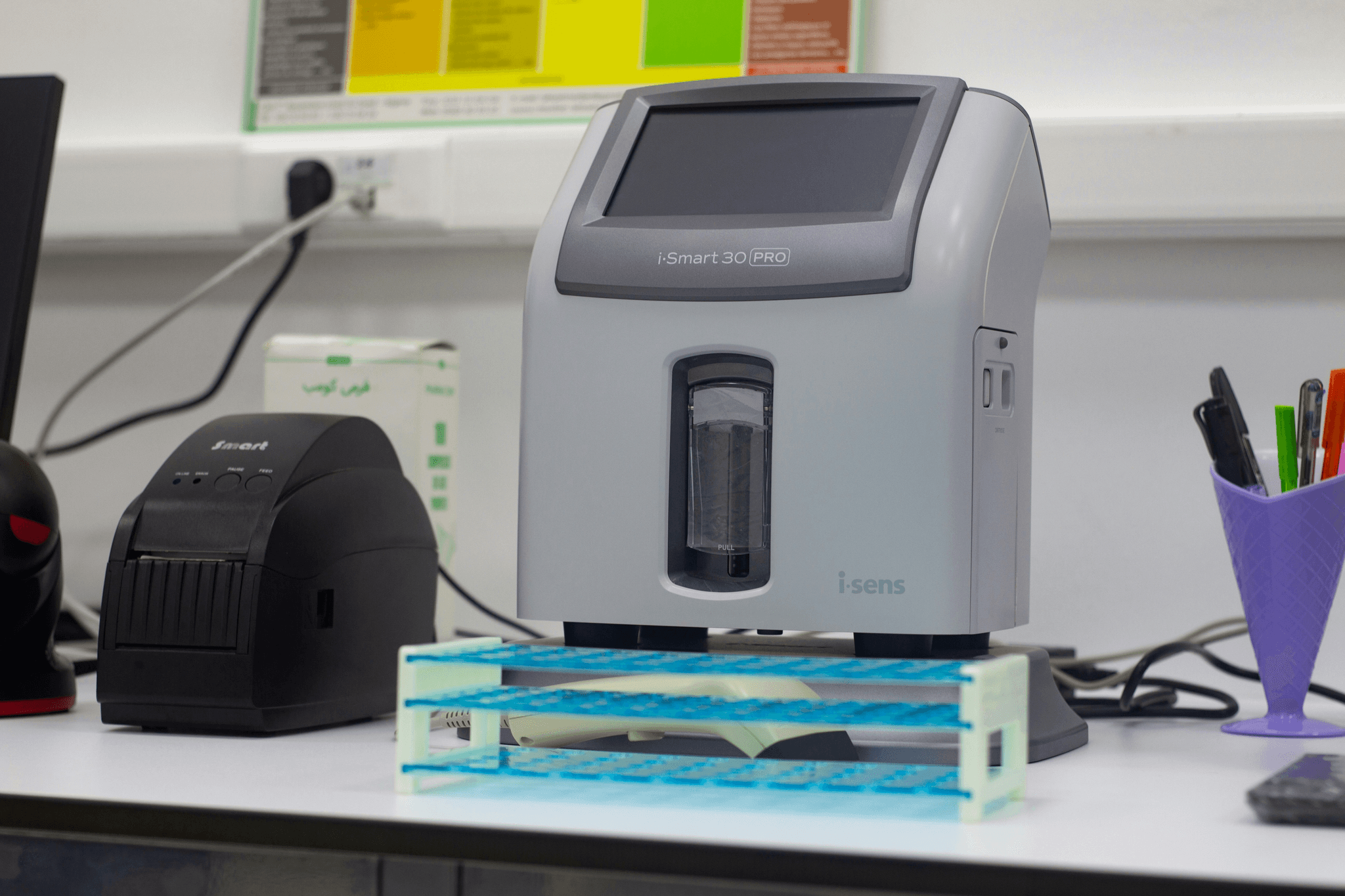
When it comes to ensuring the safety and compliance of children's products, material testing reports play a crucial role. These reports provide essential insights into the composition and safety of materials used in products, ensuring they meet regulatory standards. By understanding material testing, sellers can better navigate the certification process and ultimately ensure their products are safe for children.
Importance of Material Testing
Material testing is vital for verifying that children's products are free from harmful substances and comply with safety regulations. This process helps identify potential hazards that could arise from materials used in toys, clothing, or other items designed for children. Moreover, having a solid material testing report can enhance consumer trust as parents increasingly seek assurance regarding product safety.
Without proper material testing, sellers risk facing non-compliance issues that may lead to costly recalls or legal ramifications. Additionally, understanding what is a non-conformance report becomes essential when issues arise during inspections or testing phases. In essence, investing in thorough material testing not only safeguards children but also protects businesses from potential liabilities.
How to Obtain Material Testing Reports
Obtaining material testing reports requires a systematic approach that often begins with selecting an appropriate consumer product testing company. These companies specialize in evaluating materials against established safety standards and can provide comprehensive reports detailing their findings. Sellers should inquire about the specific tests conducted and request copies of these reports to ensure they align with regulatory requirements.
Another effective strategy for acquiring these reports is through direct communication with manufacturers who should have documentation on their product materials' compliance status. If you're wondering where to find children's product certificates, checking with manufacturers about their material testing results can be an excellent starting point. Additionally, always ensure that you keep records of all obtained reports as part of your quality inspection services documentation.
Choosing the Right Testing Laboratory
Selecting the right laboratory for your material testing needs is crucial for obtaining reliable results. It's essential to look for accredited laboratories that specialize in children's products since they will be familiar with industry-specific regulations and standards required for certification processes like pre-shipment inspection or inspection sampling plans. Researching reviews and asking other businesses within your network about their experiences can guide you toward reputable options.
Furthermore, consider the range of tests offered by different laboratories; some may focus solely on chemical analysis while others might provide comprehensive assessments including mechanical properties or flammability tests as well—both critical factors in garment checking methods related to children's clothing items. Always verify that the laboratory has experience dealing with similar products so you can trust their expertise in generating accurate material testing reports.
Ultimately, choosing the right laboratory ensures you receive credible results essential for maintaining compliance and promoting child safety through well-informed business practices.
Responding to Non-Conformance Reports

Navigating the world of product compliance can be tricky, especially when faced with non-conformance reports. These documents are not just bureaucratic red tape; they serve as crucial indicators that a product does not meet established safety standards or regulations. Understanding how to respond effectively can save you time, money, and potentially protect children from unsafe products.
What is a Non-Conformance Report?
A non-conformance report (NCR) is an official document that outlines deviations from specified requirements during inspections or audits. It highlights issues such as failing to meet safety standards outlined in the children's product certificate or discrepancies in material testing reports. Essentially, an NCR serves as a wake-up call for businesses to rectify problems before they escalate into larger compliance issues.
Steps to Address Non-Conformances
Addressing non-conformances requires a systematic approach that begins with thoroughly reviewing the report itself. First, identify the specific areas of concern and gather all relevant documentation, including inspection sampling plans and material testing reports that may shed light on the issue. Next, develop a corrective action plan detailing how you will resolve these issues—this could involve additional preshipment inspections or adjustments in garment checking methods to ensure compliance moving forward.
Once your corrective actions are implemented, it’s essential to document everything meticulously; this not only helps in resolving current issues but also serves as proof of your commitment to quality when dealing with future inspections or audits. Keep communication lines open with any consumer product testing company involved in your certification process for ongoing guidance and support.
Utilizing Quality Inspection Services
Quality inspection services play an invaluable role when responding to non-conformance reports by providing expert insights and practical solutions tailored to your needs. These services can conduct thorough reviews of inspection sampling plans and offer recommendations based on their findings from preshipment inspections and material testing reports. Engaging these professionals ensures you have access to best practices in garment checking methods while keeping abreast of industry standards.
When selecting quality inspection services, look for companies with experience specifically related to children's products; their expertise will help streamline the process of addressing any NCRs effectively and efficiently. In doing so, you'll not only enhance your compliance efforts but also foster trust among consumers who prioritize safety above all else.
Conclusion
By focusing on key aspects such as certification and testing, you can rest assured that your products meet safety standards.
Ensuring Product Safety for Children
The primary goal of obtaining a Children's Product Certificate is to guarantee that your items are safe for children to use. This involves rigorous testing through reputable consumer product testing companies, which assess everything from material safety to overall design integrity. By prioritizing safety and compliance, you're not only safeguarding children but also building trust with parents and retailers alike.
Key Takeaways for Certification Process
When embarking on the certification journey, remember that knowing where to find children's product certificates is crucial. Utilize resources such as inspection sampling plans and pre-shipment inspections to ensure that your products consistently meet required standards. Additionally, familiarize yourself with what a non-conformance report entails; understanding this will help you swiftly address any issues before they escalate into larger problems.
Next Steps in Your Compliance Journey
As you move forward in your compliance journey, start by identifying reliable sources for material testing reports and establishing partnerships with quality inspection services. Consider implementing garment checking methods as part of your inspection sampling plan to enhance product reliability further. With these steps in place, you'll be well-equipped to navigate the complexities of certification while ensuring that every child’s product you offer is safe and compliant.