
Introduction
In today's competitive market, Product Inspection has become a cornerstone of ensuring quality and reliability in manufactured goods. With consumers becoming increasingly discerning and regulatory standards tightening, the importance of maintaining high product standards cannot be overstated. Effective inspections not only safeguard brand reputation but also enhance customer satisfaction, making them a vital component of any production process.
Overview of Product Inspection Importance
Product Inspection serves as the first line of defense against defects that could tarnish a brand's image or compromise user safety. By meticulously examining products at various stages—from raw materials to final outputs—manufacturers can identify issues before they reach the consumer. This proactive approach not only minimizes returns and recalls but also fosters trust between businesses and their customers.
Key Challenges in Product Quality Control
Despite its significance, product quality control is fraught with challenges that can undermine inspection efforts. Variability in manufacturing processes, human error during inspections, and the complexity of modern products all contribute to potential pitfalls in maintaining quality standards. Additionally, as products become more intricate, the need for specialized tools—like measuring tape for measuring product dimensions or dial calipers for measuring finer dimensions—becomes ever more critical.
Essential Tools for Effective Inspections
To navigate these challenges successfully, inspectors must arm themselves with essential tools designed to facilitate thorough evaluations. A well-chosen arsenal—including a camera for documentation, defect stickers for marking product defects, Pantone swatch for color comparison, and barcode scanners—can significantly streamline inspection processes while enhancing accuracy. Investing in high-quality tools not only improves efficiency but also ensures compliance with industry regulations and standards.
Measuring Tape for Measuring Product Dimensions

Importance of Accurate Measurements
Accurate measurements are vital in product inspection because even a slight deviation can lead to significant issues down the line. Whether you're checking dimensions for packaging, components, or finished goods, precise measurements ensure that everything fits together perfectly and meets industry standards. Moreover, using a reliable measuring tape can help prevent costly returns and dissatisfied customers who receive products that don't meet their expectations.
Recommended Brands for Quality Taping
Not all measuring tapes are created equal; some brands stand out due to their durability and precision in product inspection tasks. Brands like Stanley, Komelon, and Lufkin offer high-quality options that professionals trust for accurate readings. Investing in a reputable brand will not only enhance your measurement accuracy but also provide you with a tool that withstands daily wear and tear.
How to Use a Measuring Tape Effectively
Using a measuring tape effectively requires more than just pulling it out of your toolbox; technique matters! Start by ensuring the tape is flat against the surface you’re measuring to avoid any inaccuracies—this is especially important when conducting inspections on various products. Additionally, always read from the end of the hook rather than from where you start pulling it out; this small detail can save you from potential measurement mishaps during your product inspection process.
Dial Calipers for Measuring Finer Dimensions
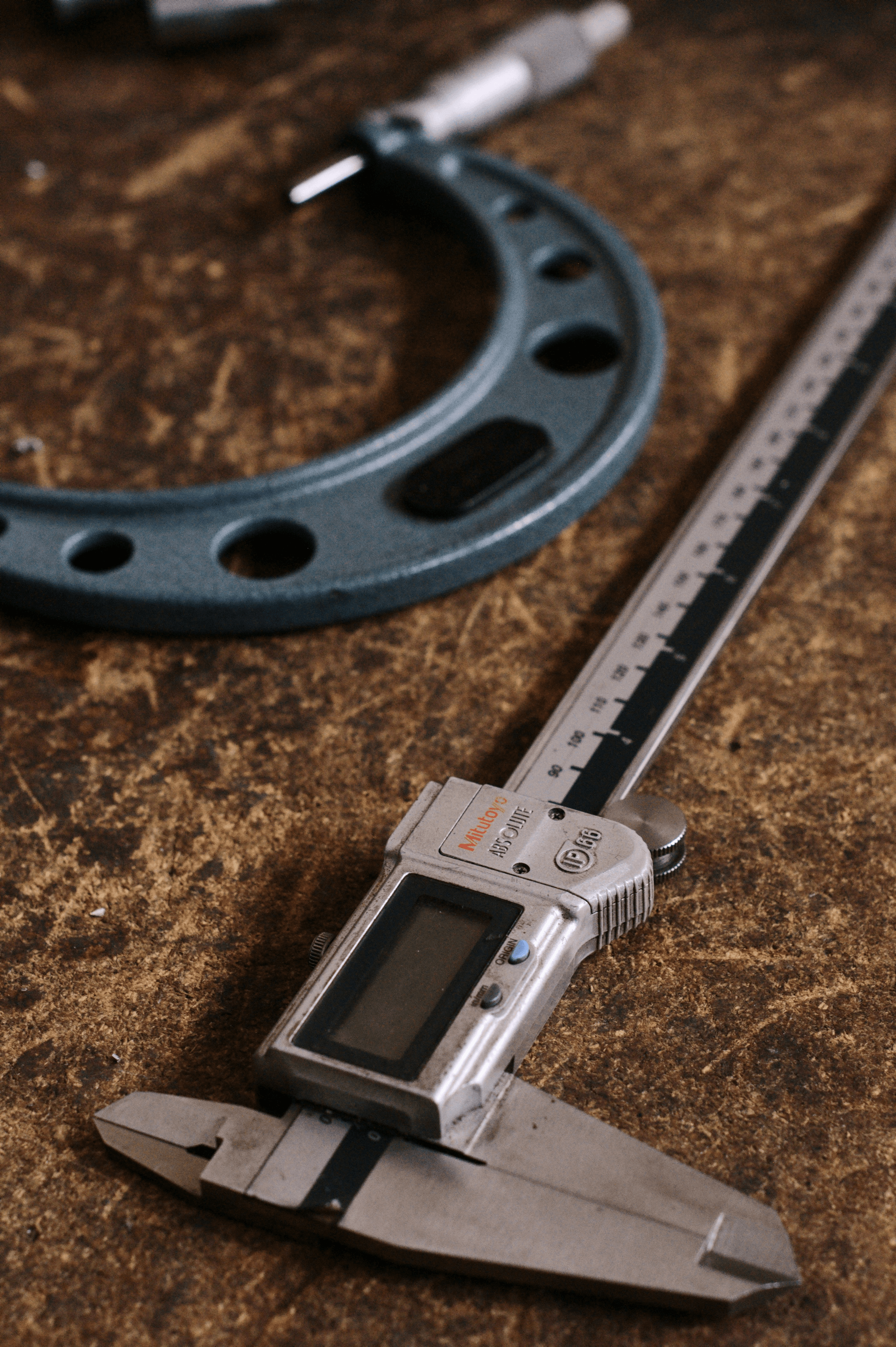
These handy tools allow inspectors to measure internal and external dimensions with remarkable accuracy, making them indispensable for quality control. Whether you're checking the thickness of a material or the diameter of a component, dial calipers ensure that you get the exact measurements needed to uphold product standards.
Benefits of Using Dial Calipers
Dial calipers offer several benefits that make them a go-to choice for measuring finer dimensions in product inspection. First and foremost, they provide a high level of accuracy, often down to one thousandth of an inch (0.001). This precision is crucial when small discrepancies can lead to significant quality issues in products. Additionally, their versatility allows inspectors to measure various dimensions—internal diameters, external diameters, and even depths—making them more useful than standard measuring tape for measuring product dimensions.
Moreover, dial calipers are generally easier to read than some digital models because they feature a large dial with clear markings. This visual feedback allows inspectors to quickly assess measurements without fumbling with buttons or screens while on the job. Overall, using dial calipers enhances both efficiency and accuracy in inspections.
Comparing Digital and Analog Models
When choosing between digital and analog models of dial calipers for product inspection, it's essential to weigh their pros and cons carefully. Digital models often come equipped with features like automatic shut-off and easy-to-read displays that can simplify your workflow during inspections; however, they may require batteries that could die at inconvenient times. On the other hand, analog models are battery-free but may necessitate more skill in reading measurements accurately.
Another point of comparison is durability; analog models tend to be more robust since they have fewer electronic components susceptible to damage from drops or exposure to harsh environments during inspections. Conversely, digital calipers can offer advanced functionalities like data storage or conversion between measurement units at the push of a button—features that could save time when documenting findings alongside your camera for documentation purposes.
Ultimately, your choice should align with your specific needs as an inspector: if you prioritize ease-of-use and advanced features over ruggedness, go digital; if you prefer simplicity and durability for tough working conditions while marking defects with defect stickers for marking product defects or comparing colors using Pantone swatches for color comparison—stick with analog.
Tips for Proper Calibration
Proper calibration is crucial when using dial calipers in any type of product inspection because even minor inaccuracies can lead to significant problems down the line. To ensure precise measurements every time you use your tool, start by zeroing out your dial before each measurement session; this means closing the jaws completely while adjusting until it reads zero on the scale.
Additionally, regularly check calibration against known standards such as gauge blocks or certified measurement tools; this practice will help maintain confidence in your readings over time—especially if you're integrating barcode scanners into your workflow where every detail counts! Lastly, always handle your dial caliper carefully; avoid dropping it or exposing it unnecessarily to moisture since such actions can throw off its calibration significantly.
In summary, whether you're utilizing measuring tape for measuring product dimensions or relying on high-precision tools like dial calipers for finer details during inspections—the right tools combined with proper techniques will elevate your quality control game significantly!
Camera for Documentation
In the realm of product inspection, a camera serves as an indispensable tool for documentation. It allows inspectors to capture visual evidence of quality, ensuring that any defects or discrepancies are well-documented and easily communicated. Whether you're using a smartphone camera or a professional DSLR, having the ability to take clear and detailed images can enhance your inspection reports significantly.
Capturing Visual Evidence of Quality
Visual documentation is crucial in product inspection because it provides tangible proof of quality standards met or missed. High-resolution images can highlight issues that might not be immediately apparent during physical inspections, such as color mismatches indicated by Pantone swatch comparisons or subtle defects marked with defect stickers. By capturing these details, inspectors can create a comprehensive record that supports their findings and recommendations.
Best Practices for Product Photography
To ensure your product photography is effective, consider lighting and background carefully; natural light often works best but may require some adjustments depending on the environment. Use a neutral backdrop to avoid distractions and focus attention on the product itself, especially when documenting measurements with tools like measuring tape for measuring product dimensions or dial calipers for measuring finer dimensions. Additionally, maintaining consistent angles and distances will help create uniformity across your documentation, making comparisons easier down the line.
Recommended Camera Models for Inspectors
When it comes to selecting a camera for product inspection purposes, there are several models worth considering that balance quality with usability. For those who prefer compact options, high-end smartphones often offer excellent cameras capable of capturing sharp images suitable for documentation purposes. On the other hand, dedicated cameras like Canon EOS Rebel series or Nikon D3500 provide advanced features such as interchangeable lenses and manual control settings ideal for more detailed inspections involving barcode scanners or color accuracy checks with Pantone swatches.
Defect Stickers for Marking Product Defects
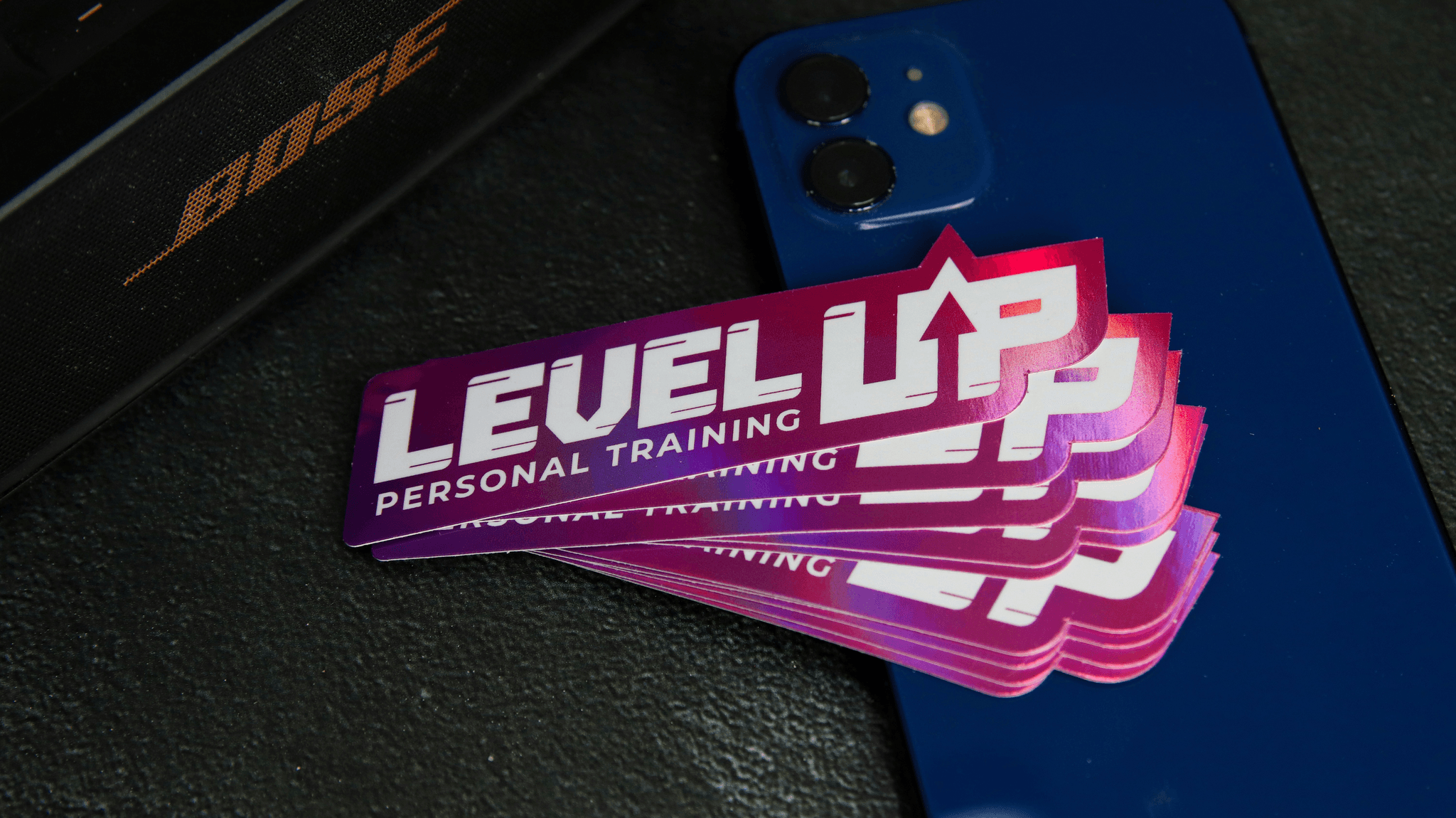
In the world of product inspection, defect stickers play a crucial role in highlighting quality issues that need immediate attention. These visual defect indicators serve as a straightforward communication tool between inspectors and production teams, ensuring that everyone is on the same page regarding product quality. By marking defects visibly, teams can prioritize fixes and maintain high standards in their products.
Significance of Visual Defect Indicators
Visual defect indicators like defect stickers are essential in the product inspection process because they provide clear and immediate feedback on quality issues. When a product fails to meet specifications—whether it’s due to size discrepancies measured with a measuring tape for measuring product dimensions or color inaccuracies checked against a Pantone swatch for color comparison—these stickers help identify problems quickly. Their prominence ensures that defects are not overlooked during subsequent inspections or production runs.
Where to Source Quality Defect Stickers
Finding quality defect stickers is easier than you might think! Many suppliers specialize in inspection tools and materials, providing various options tailored to different industries. Whether you’re looking for durable labels that withstand harsh environments or simple paper stickers for indoor use, online marketplaces, office supply stores, and specialized packaging companies are great places to start your search.
Effective Usage During Inspection
To maximize the effectiveness of defect stickers during inspections, it’s important to establish a clear system for their application. Use distinct colors or symbols on each sticker to denote specific types of defects identified during your inspections with dial calipers for measuring finer dimensions or through documentation via camera for documentation purposes. Additionally, ensure that these stickers are placed prominently so they can be easily seen by anyone involved in the production process; this way, no one can miss what needs fixing!
Pantone Swatch for Color Comparison
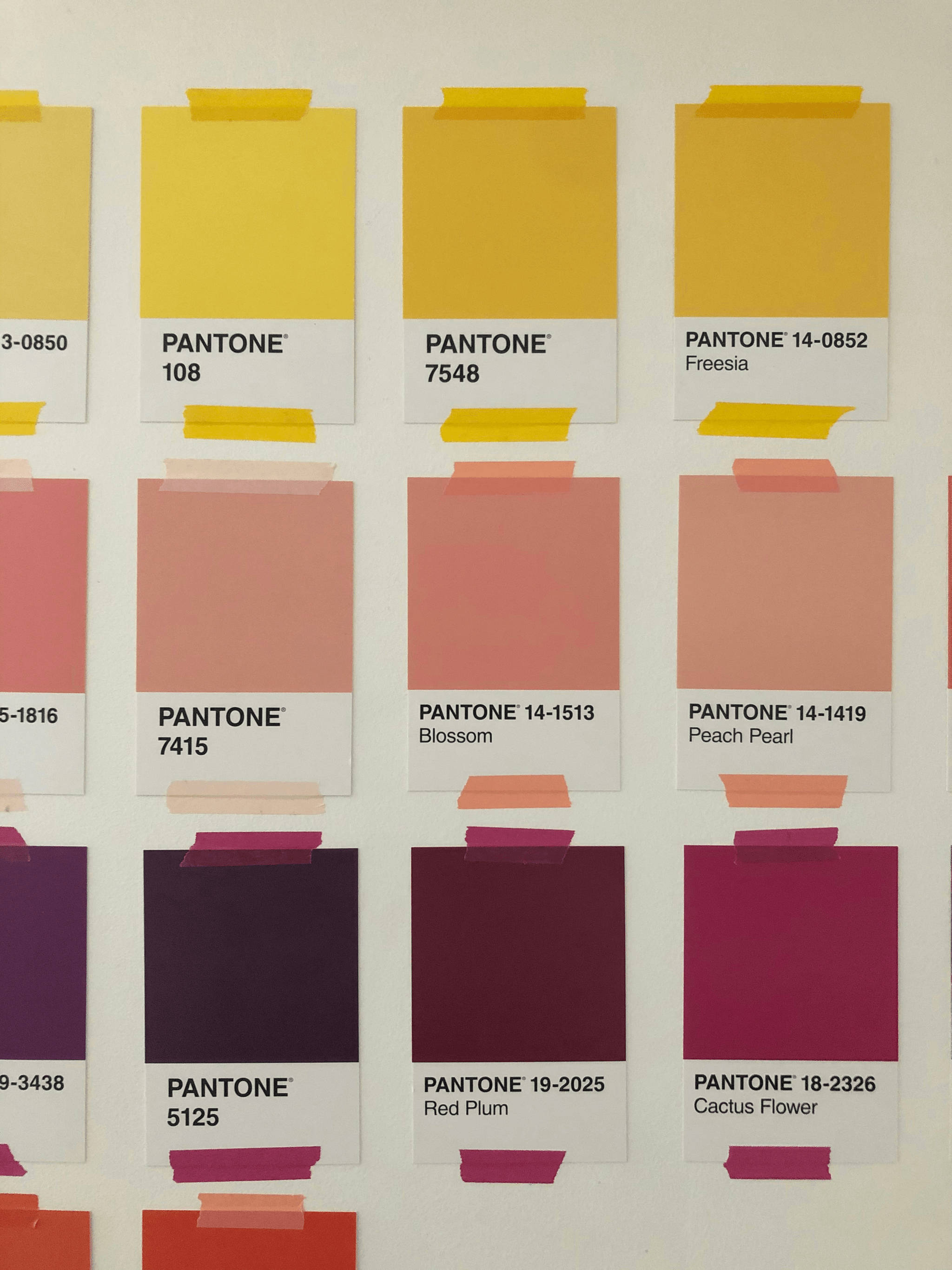
When it comes to product inspection, color accuracy can make or break a product's appeal. Whether you're in fashion, manufacturing, or design, ensuring that the colors meet specified standards is crucial. A Pantone swatch is an invaluable tool in this regard, allowing inspectors to compare actual products against standardized color samples.
Importance of Color Accuracy in Products
Color accuracy plays a significant role in customer satisfaction and brand integrity. Inconsistent colors can lead to returns and negative reviews, which are every business's worst nightmare. By utilizing tools like Pantone swatches during product inspections, you can ensure that your products align with the intended color specifications and maintain a consistent brand image.
How to Use Pantone Swatches Effectively
Using Pantone swatches effectively requires a keen eye and some best practices. First, always view the swatch under natural light to avoid any distortions caused by artificial lighting conditions; this will give you the most accurate representation of how the color appears in reality. When comparing products with your Pantone swatch during inspections, ensure that you hold them side by side for an accurate assessment—this way, you can catch any discrepancies before they become costly issues.
Popular Pantone Swatch Brands
There are several reputable brands known for their high-quality Pantone swatches that cater to various industries involved in product inspection. Some of the most popular options include the original Pantone Matching System (PMS), which provides a comprehensive range of colors used globally across different sectors. Other brands like Color Bridge offer additional formats for digital applications—ideal if you're also integrating barcode scanners into your workflow for streamlined checks.
Barcode Scanner for Streamlined Checks
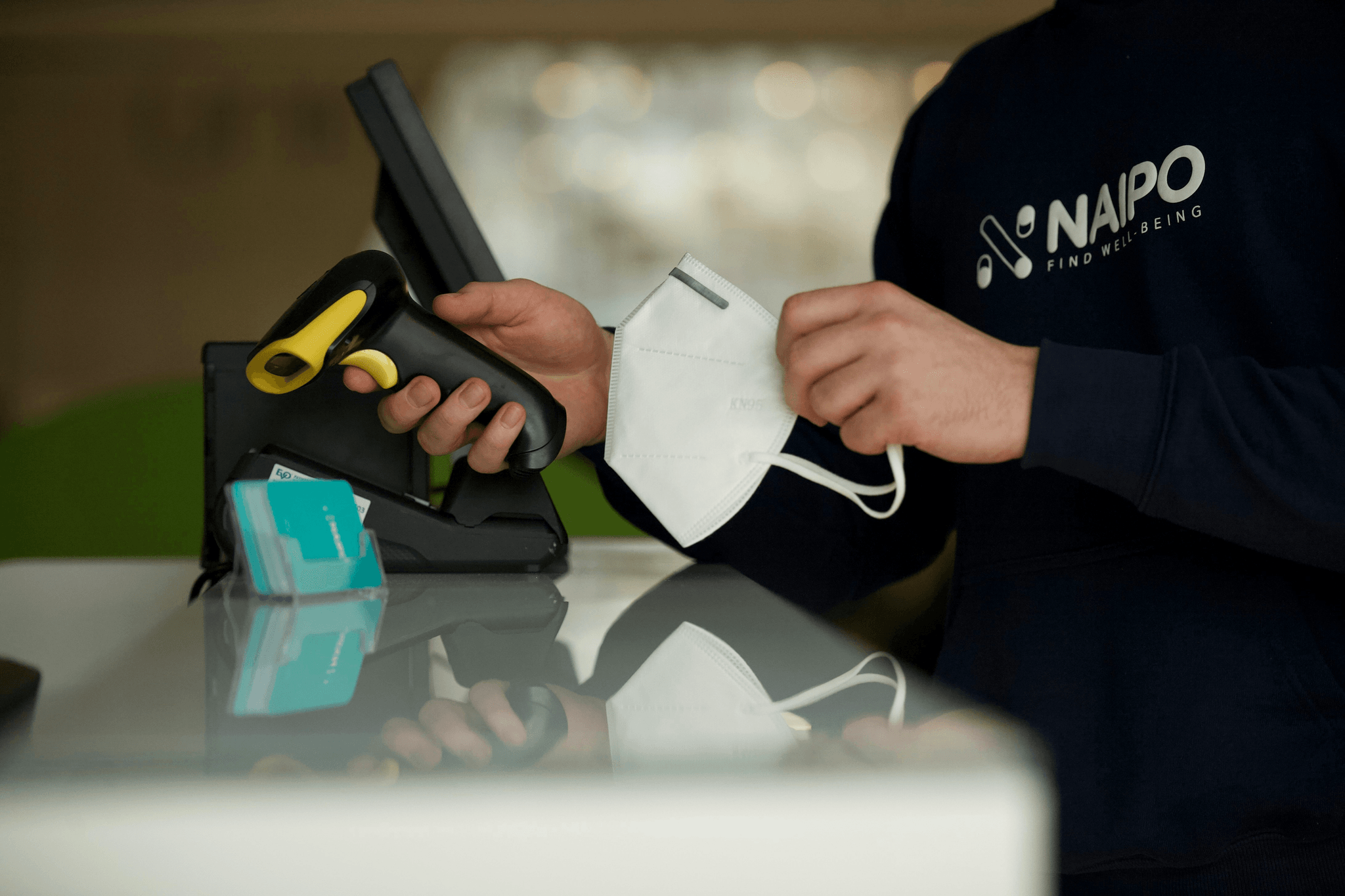
In the realm of Product Inspection, the use of technology can significantly enhance efficiency and accuracy. One such technological marvel is the barcode scanner, which simplifies the process of tracking products and managing inventory. By automating data entry and reducing human error, barcode scanners are indispensable tools for inspectors who need to ensure quality control.
Enhancing Efficiency with Barcode Technology
Barcode technology has revolutionized Product Inspection by allowing quick access to product information with a simple scan. This not only saves time but also minimizes mistakes that can arise from manual data entry, ensuring that every measurement taken—whether it involves a measuring tape for measuring product dimensions or dial calipers for measuring finer dimensions—is accurately recorded. Furthermore, barcode scanners can be integrated with existing inventory management systems, providing real-time updates on stock levels and product status.
Top Barcode Scanners for Inspections
When it comes to selecting the best barcode scanners for inspections, there are several models that stand out in terms of performance and reliability. Brands like Zebra Technologies and Honeywell offer robust options designed specifically for industrial environments, making them ideal companions during Product Inspection processes. Additionally, some handheld models provide wireless connectivity features that allow inspectors to move freely while scanning products without being tethered to a workstation.
Integrating Scanners into Your Workflow
Integrating barcode scanners into your workflow can be as seamless as snapping a picture with your camera for documentation purposes or using defect stickers for marking product defects. Start by training your team on how to effectively use these devices alongside other tools like pantone swatches for color comparison or measuring tapes for measuring product dimensions. With proper implementation, your inspection process will not only become more efficient but also more accurate—ensuring that every aspect of quality control is meticulously maintained.
Conclusion
In the world of product inspection, having the right tools can make all the difference between a pass and a fail. From using a measuring tape for measuring product dimensions to employing dial calipers for measuring finer dimensions, each tool plays a vital role in ensuring quality. Additionally, incorporating a camera for documentation and defect stickers for marking product defects enhances both accuracy and communication during inspections.
Recap of Tools for Effective Product Inspection
To recap, effective product inspection relies on several key tools that streamline the process and enhance accuracy. The measuring tape for measuring product dimensions is fundamental for ensuring products meet specified sizes, while dial calipers for measuring finer dimensions provide precision that can’t be overlooked. Furthermore, utilizing a camera for documentation captures visual evidence of quality, while defect stickers for marking product defects act as immediate indicators of issues that need addressing.
Importance of Choosing Quality Inspection Services
Choosing quality inspection services cannot be overstated; they are your frontline defense against subpar products reaching consumers. A thorough inspection process incorporates essential tools like pantone swatches for color comparison and barcode scanners to facilitate streamlined checks throughout production lines. By investing in reputable services equipped with these tools, businesses not only protect their brand reputation but also ensure customer satisfaction through consistent quality standards.
Final Thoughts on Maintaining Product Standards
Maintaining product standards is an ongoing commitment that demands diligence and the right equipment at every step of the manufacturing process. Regular use of essential tools—such as measuring tapes, dial calipers, cameras, defect stickers, pantone swatches, and barcode scanners—ensures that every aspect of production aligns with established benchmarks. Ultimately, prioritizing effective product inspection is not just about compliance; it’s about fostering trust with customers by delivering excellence consistently.