
Introduction
The landscape of lighting technology has undergone a remarkable transformation, primarily driven by the rise of LED lights. Manufacturing LED lights not only revolutionizes how we illuminate our spaces but also impacts energy consumption and environmental sustainability. As we delve into this topic, it's essential to grasp the significance of key statistics surrounding LED lighting, which will help us understand its current market dynamics and future potential.
Understanding the Impact of Manufacturing LED Lights
Manufacturing LED lights has far-reaching implications for both consumers and industries alike. The shift from traditional incandescent bulbs to LEDs represents a monumental leap in energy efficiency, reducing electricity usage significantly while providing superior brightness and longevity. This transition is not merely a trend; it’s reshaping how we think about lighting, driving innovation in design and functionality.
The Importance of Key LED Lighting Statistics
To fully appreciate the evolution of manufacturing LED lights, one must consider important LED lighting statistics you need to know. For instance, projections indicate that the LED lighting market will reach $160 billion by 2026, underscoring its rapid growth and widespread adoption across various sectors. Additionally, understanding that LED light failure rates can be as high as 20% in some cases highlights the challenges manufacturers face in ensuring quality and reliability.
Insights into the Future of LED Lighting
Looking ahead, insights into the future of LED lighting reveal exciting opportunities for further advancements in technology and design. With emerging trends such as smart lighting systems and human-centric designs on the horizon, manufacturers are poised to meet evolving consumer demands while enhancing energy efficiency even further. Moreover, addressing issues like driver circuitry—responsible for 60% of LED light failures—will be crucial for maintaining product excellence as this vibrant market continues to expand.
The Growing LED Lighting Market
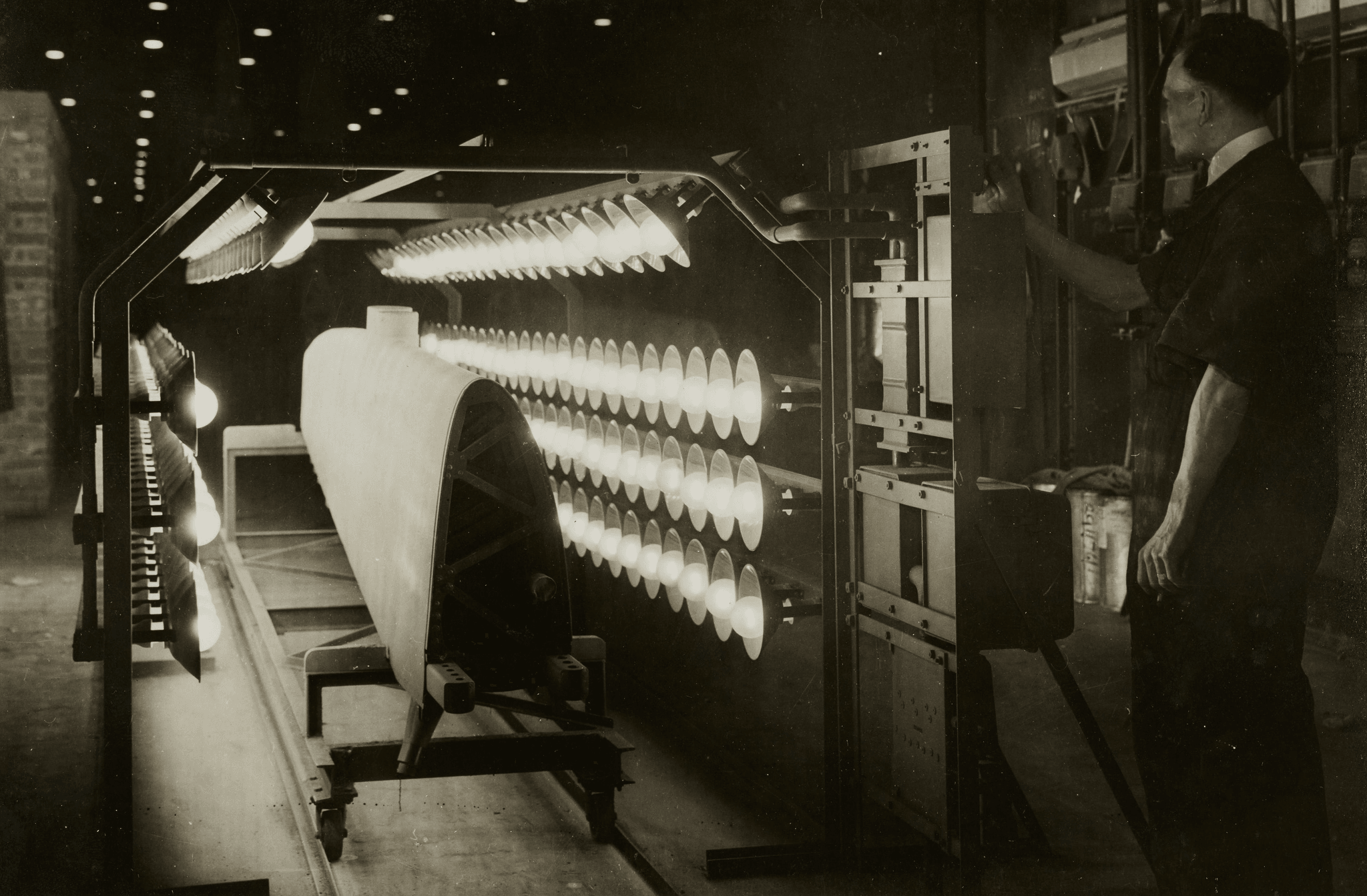
The LED lighting market is experiencing a remarkable transformation, driven by advancements in technology and increasing demand for energy-efficient solutions. As consumers and businesses alike prioritize sustainability, the shift towards LED lights has accelerated significantly. Important LED lighting statistics you need to know reveal that this trend is not just a passing fad; it's a fundamental change in how we illuminate our environments.
Overview of Market Trends and Projections
Recent analyses indicate that the global market for LED lighting is on an upward trajectory, with projections suggesting substantial growth in the coming years. The transition from traditional incandescent bulbs to more efficient options like LEDs is reshaping the industry landscape dramatically. This shift is fueled by rising energy costs and growing awareness of environmental impacts, making manufacturing LED lights a crucial focus for many companies.
The LED Lighting Market Will Reach $160 Billion by 2026
One of the most striking projections in the industry is that the LED lighting market will reach $160 billion by 2026. This staggering figure underscores not only consumer demand but also highlights significant investments being made into manufacturing LED lights across various sectors. With such growth anticipated, businesses are keenly aware of important LED lighting statistics you need to know, as they navigate this booming market.
Key Players Driving Market Growth
Several key players are at the forefront of this burgeoning industry, driving innovation and expansion through strategic initiatives and product development. Companies specializing in manufacturing LED lights are increasingly investing in research and development to enhance performance while minimizing costs associated with common issues like high failure rates—LED light failure rates can be as high as 20% in some cases due to various factors including driver circuitry malfunctions, which account for 60% of failures according to recent studies. As competition intensifies, these leaders are setting higher standards for quality and efficiency within the market.
Common Causes of LED Light Failures
In the world of manufacturing LED lights, understanding the common causes of LED light failures is crucial for both manufacturers and consumers. While LEDs are celebrated for their longevity and energy efficiency, they are not immune to issues that can lead to premature failure. Identifying these failure points can significantly enhance product reliability and customer satisfaction.
Understanding LED Light Failure Rates
LED light failure rates provide valuable insights into the manufacturing process and product quality. Industry studies show that these rates can vary widely depending on several factors, including manufacturing practices and component quality. By grasping the nuances behind these statistics, stakeholders in the LED lighting market can better address potential pitfalls and improve overall performance.
LED Light Failure Rates Can Be as High as 20% in Some Cases
It may come as a surprise, but LED light failure rates can be as high as 20% in some cases, which is a significant concern for manufacturers aiming for excellence in their products. This statistic highlights the importance of rigorous testing throughout the production process to mitigate risks associated with poor-quality components or assembly errors. As the LED lighting market will reach $160 billion by 2026, addressing these failure rates becomes increasingly vital for maintaining consumer trust and market competitiveness.
Driver Circuitry is The Cause of LED Light Failures 60% of the Time
Diving deeper into specific causes reveals that driver circuitry is responsible for LED light failures 60% of the time—an alarming statistic that underscores its critical role in overall performance. These circuits regulate power supply to LEDs, and any malfunction can lead to flickering or complete failure of lights. For manufacturers focusing on producing high-quality lighting solutions, prioritizing advancements in driver circuitry design could drastically reduce failure rates while enhancing customer satisfaction across various applications.
The Role of Quality Control in Manufacturing
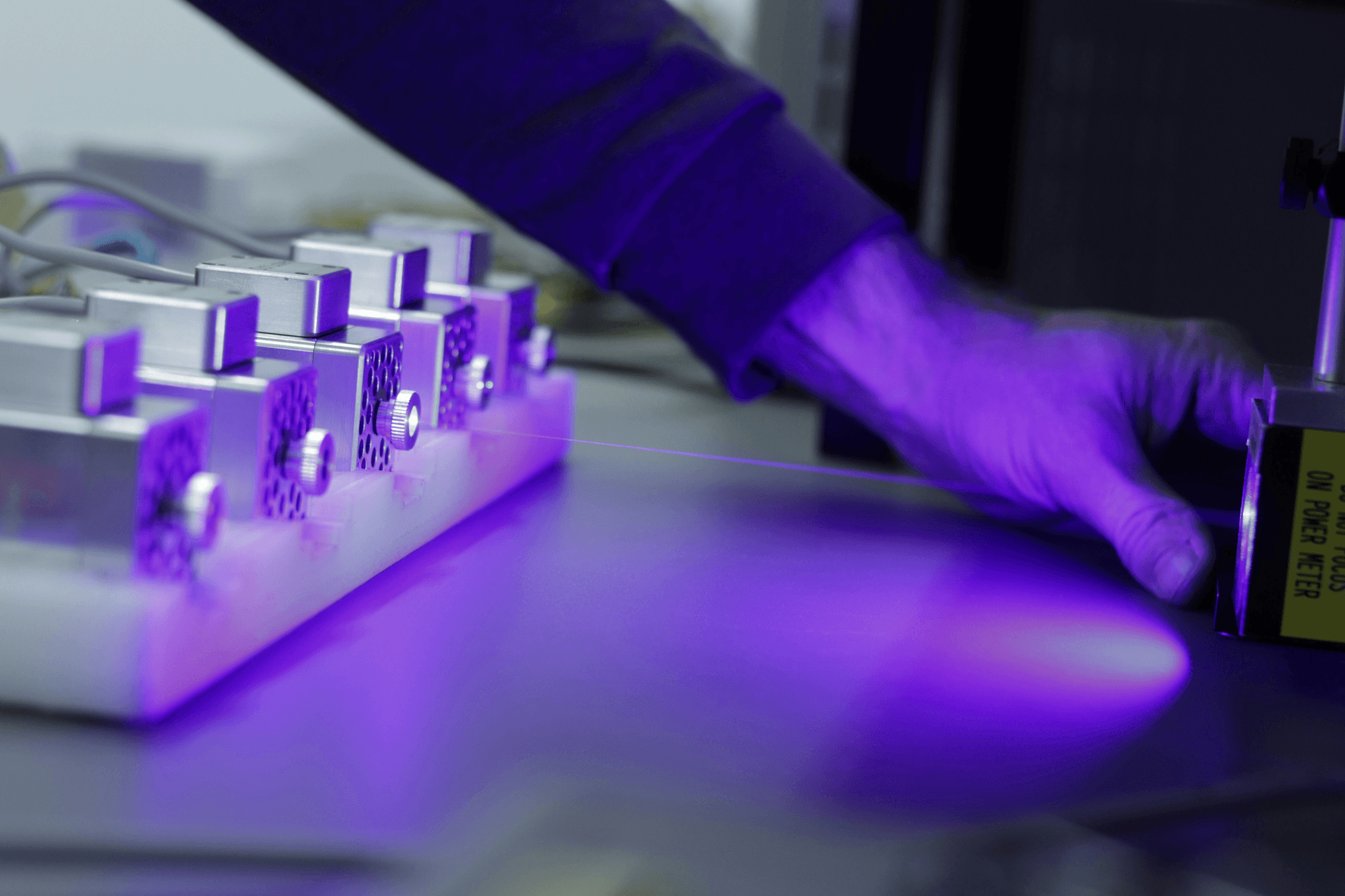
In the world of manufacturing LED lights, quality control is not just a box to tick; it’s the backbone of reliability and performance. With the LED lighting market projected to reach $160 billion by 2026, ensuring that products meet stringent quality standards is imperative for manufacturers aiming to thrive in this competitive landscape. After all, even small lapses in quality can lead to significant issues, including high LED light failure rates that can be as high as 20% in some cases.
Importance of Quality Inspections in LED Production
Quality inspections play a crucial role in maintaining the integrity of LED production processes. By implementing thorough checks at various stages—from raw materials to final products—manufacturers can identify defects early and mitigate potential failures down the line. This proactive approach not only enhances product reliability but also helps reduce costly recalls and boosts customer satisfaction, which is vital given that driver circuitry is the cause of LED light failures 60% of the time.
How China Inspection Pro Ensures Product Excellence
China Inspection Pro stands out as a leader in ensuring product excellence within the manufacturing landscape of LED lights. Their comprehensive inspection services cover every aspect of production, from sourcing materials to evaluating finished products for performance and safety compliance. By focusing on critical areas where failures frequently occur—such as driver circuitry—they help manufacturers minimize risks and improve overall product quality, thus reinforcing trust in their offerings amid important LED lighting statistics you need to know.
The Impact of Quality Standards on LED Performance
The impact of stringent quality standards on LED performance cannot be overstated; they are essential for achieving optimal functionality and longevity. When manufacturers adhere to established guidelines during production, they significantly reduce the likelihood of defects that contribute to high failure rates among LEDs. As more players enter the market with ambitious growth targets—like reaching $160 billion by 2026—it becomes increasingly clear that a commitment to quality control will distinguish leaders from laggards.
Environmental Impact of LED Lighting

The environmental impact of LED lighting is a growing concern as the world shifts towards more sustainable practices. Manufacturing LED lights not only meets the demand for illumination but also addresses energy efficiency and ecological sustainability. This transition is vital in reducing energy consumption, which has far-reaching implications for our planet.
Energy Efficiency and Sustainability Benefits
One of the most important LED lighting statistics you need to know is that LEDs use up to 80% less energy than traditional incandescent bulbs. This remarkable energy efficiency translates into lower electricity bills and less strain on power plants, making it a win-win situation for consumers and the environment alike. Moreover, by incorporating advanced technologies in manufacturing LED lights, manufacturers are able to create products that last longer and require fewer replacements, further enhancing sustainability.
Additionally, the long lifespan of LED lights—often exceeding 25,000 hours—means that fewer resources are consumed over time for production and disposal. The shift towards LEDs also helps reduce hazardous waste associated with traditional lighting options like fluorescent bulbs. With their ability to provide high-quality light while consuming minimal energy, LEDs represent a significant step forward in promoting sustainability within the lighting industry.
Reduction of Carbon Footprint with LED Technology
The reduction of carbon footprint through LED technology cannot be overstated; switching to LEDs can lead to substantial decreases in greenhouse gas emissions. According to various studies, if every American switched just one light bulb to an ENERGY STAR-rated LED bulb, we could save enough energy to light over three million homes for an entire year! This statistic highlights how even small changes in manufacturing LED lights can have monumental benefits for our environment.
Moreover, since driver circuitry is the cause of LED light failures 60% of the time, improving this aspect can further enhance their reliability and longevity. By ensuring that these components are manufactured with high-quality standards, we can minimize waste associated with premature failures and maximize environmental benefits. The cumulative effect of these improvements contributes significantly to lowering overall carbon emissions from lighting.
The Role of Governments in Promoting LED Adoption
Governments worldwide play a crucial role in promoting the adoption of LED technology through policies and incentives aimed at encouraging consumers and businesses alike to make the switch. Initiatives such as tax credits for purchasing energy-efficient products or funding public awareness campaigns about important LED lighting statistics you need to know have proven effective in boosting market growth. As noted earlier, the LED lighting market will reach $160 billion by 2026; government support will be pivotal in achieving this ambitious target.
In addition to financial incentives, governments often set regulations that encourage manufacturers to prioritize sustainable practices when producing new products like LEDs. These regulations help ensure that manufacturing processes minimize environmental impacts while maximizing energy efficiency—a win-win scenario for both industry stakeholders and eco-conscious consumers alike! By fostering an environment conducive to innovation within manufacturing LED lights, governments are laying down a solid foundation for future advancements.
Innovations Shaping the Future of LED Lights
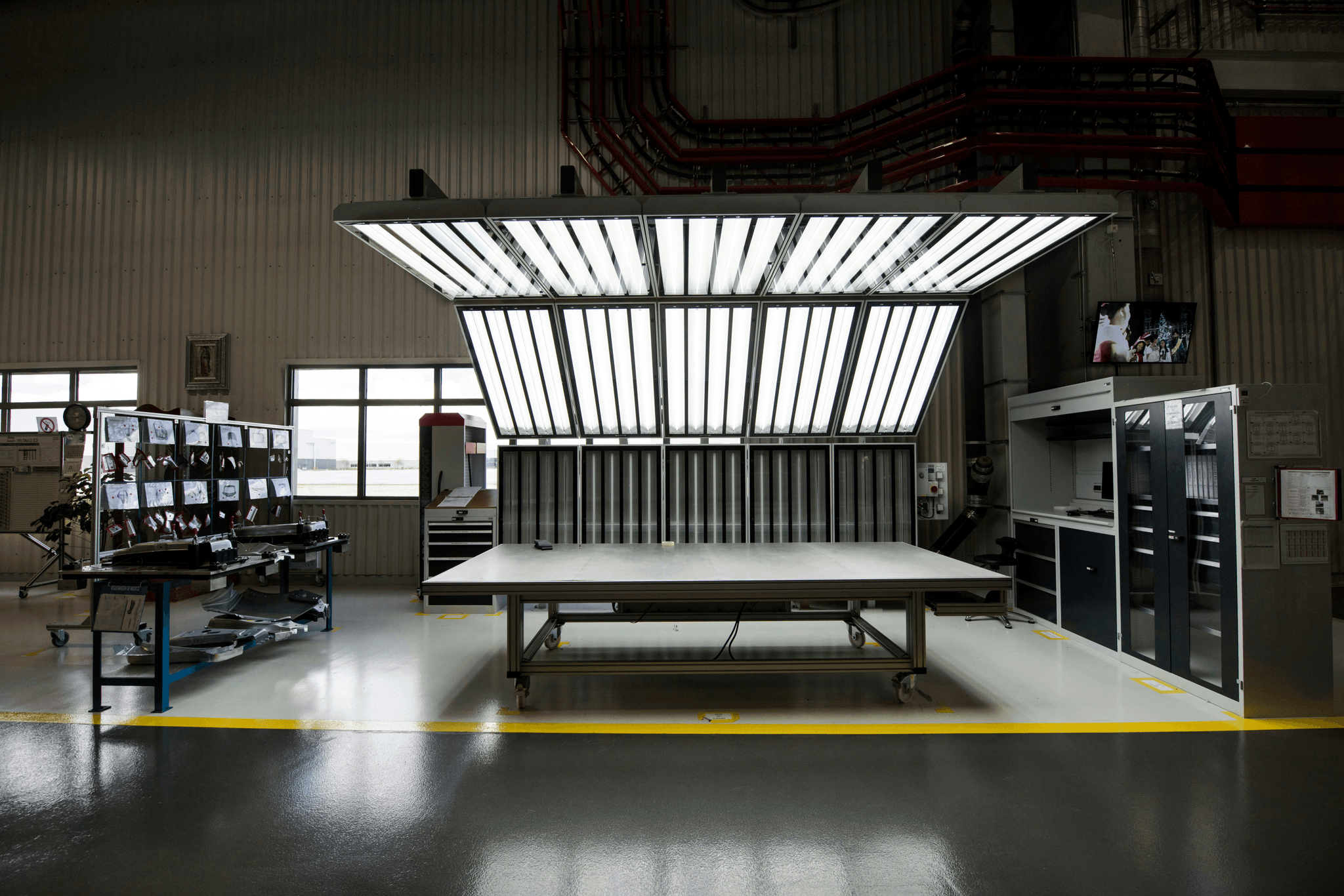
The landscape of LED lighting is undergoing a remarkable transformation, driven by innovative technologies that promise to redefine how we perceive and utilize light. As we delve into the future of **Manufacturing LED Lights**, it's crucial to recognize the emerging trends that are not only enhancing efficiency but also addressing some of the challenges faced in the industry. From advanced production techniques to smart integration, these innovations are paving the way for a brighter tomorrow.
Emerging Technologies in LED Manufacturing
In recent years, advancements in technology have revolutionized **Manufacturing LED Lights**, making processes more efficient and cost-effective. Techniques such as chip-on-board (COB) technology and improved phosphor materials are enhancing light output while reducing energy consumption significantly. With projections indicating that **The LED Lighting Market Will Reach $160 Billion by 2026**, manufacturers are keenly focused on adopting these cutting-edge methods to stay competitive.
Moreover, automation and artificial intelligence are playing pivotal roles in streamlining production lines, ensuring higher quality control standards and minimizing human error. As manufacturers adopt these innovations, they can expect lower **LED Light Failure Rates Can Be as High as 20% in Some Cases**, which can be particularly detrimental to brand reputation and consumer trust. By investing in emerging technologies, companies can not only enhance product reliability but also meet the growing demand for sustainable lighting solutions.
Smart Lighting and IoT Integration
The integration of smart technology into lighting systems has brought about a paradigm shift in how we interact with our environments. Smart lighting solutions allow users to control their lights remotely via smartphones or voice commands, creating an unprecedented level of convenience and personalization. This trend aligns perfectly with the increasing demand for energy-efficient solutions, further emphasizing the importance of **Important LED Lighting Statistics You Need To Know** when considering modern lighting options.
Additionally, as cities embrace smart infrastructure initiatives, IoT-enabled streetlights equipped with sensors can optimize energy usage based on real-time data like pedestrian movement or traffic patterns. This not only enhances public safety but also contributes significantly to sustainability efforts by reducing wasteful energy consumption. As such innovations continue to develop within **Manufacturing LED Lights**, they will play a critical role in shaping urban landscapes while addressing environmental concerns.
The Next Frontier: Human-Centric Lighting
One of the most exciting developments on the horizon is human-centric lighting (HCL), which focuses on creating lighting solutions tailored to our biological needs rather than just aesthetic preferences. HCL aims to mimic natural daylight patterns throughout the day, promoting well-being and productivity while minimizing eye strain—an essential consideration given that many people spend hours under artificial lights daily. This approach reflects a broader understanding of how our environments affect mental health and overall quality of life.
As manufacturers incorporate HCL principles into their designs, they will need to ensure that their products maintain low failure rates; after all, **Driver Circuitry is The Cause of LED Light Failures 60% of the Time**—a statistic that underscores the importance of robust engineering practices during production stages. By prioritizing both functionality and user experience through thoughtful design choices, companies can foster deeper connections between individuals and their spaces while setting new industry standards for performance excellence.
In summary, as we look ahead at innovations shaping **Manufacturing LED Lights**, it’s clear that advancements such as emerging technologies in manufacturing processes, smart integrations with IoT systems, and human-centric approaches will redefine our relationship with light itself—making it more efficient, sustainable, and attuned to our needs than ever before.
Conclusion

As we wrap up our exploration of manufacturing LED lights, it’s clear that this industry is not only booming but also evolving at a rapid pace. The importance of understanding key LED lighting statistics cannot be overstated, especially as the LED lighting market will reach $160 billion by 2026. With innovations and sustainability driving growth, manufacturers must stay ahead of trends to remain competitive.
Key Takeaways on Manufacturing LED Lights
Manufacturing LED lights entails more than just assembling components; it requires a deep understanding of technology, quality control, and market dynamics. Important LED lighting statistics you need to know highlight that while the market is lucrative, challenges such as high failure rates persist. By focusing on quality in manufacturing processes, companies can significantly enhance product reliability and customer satisfaction.
The Importance of Understanding LED Failure Rates
Understanding LED light failure rates is crucial for manufacturers aiming to maintain their reputation and profitability in a crowded marketplace. Studies indicate that LED light failure rates can be as high as 20% in some cases, which can lead to significant losses if not addressed properly. Moreover, driver circuitry is the cause of LED light failures 60% of the time; thus, investing in robust driver technology should be a priority for manufacturers seeking to minimize failures.
Looking Ahead: The Future of LED Lighting
The future of manufacturing LED lights looks bright—literally! As we look ahead, advancements such as smart lighting and human-centric designs are set to redefine how we interact with illumination in our daily lives. With the projected growth indicating that the LED lighting market will reach $160 billion by 2026, businesses must leverage important insights into consumer preferences and technological innovations to thrive.