
Introduction
In a world where safety and quality are paramount, understanding what are the ANSI standards becomes essential for both industries and consumers alike. The American National Standards Institute (ANSI) plays a crucial role in establishing these standards, ensuring that products and services meet rigorous safety and performance criteria. By setting benchmarks for various sectors, ANSI not only enhances workplace safety but also fosters trust among consumers who rely on these standards for their well-being.
Overview of ANSI Standards
ANSI standards encompass a broad range of guidelines designed to improve safety, efficiency, and quality across multiple industries. These standards provide frameworks that help organizations comply with regulations such as those enforced by OSHA, which stands for the Occupational Safety and Health Administration. From safety equipment to management systems, ANSI sets the stage for best practices that organizations strive to achieve.
Importance of ANSI in Industry
The importance of ANSI in industry cannot be overstated; it serves as a backbone for compliance with local and international regulations. With ISO accreditation often linked to ANSI standards, companies can enhance their credibility while ensuring they meet global expectations in terms of quality assurance. Moreover, adherence to these guidelines significantly reduces risks associated with workplace safety, leading to fewer accidents and improved employee morale.
How ANSI Standards Impact Consumers
For consumers, understanding what are the ANSI standards is vital when making informed purchasing decisions about products like safety equipment or home appliances. These standards assure consumers that they are buying items that have been rigorously tested for quality and reliability, thereby enhancing their overall experience. Ultimately, ANSI standards empower consumers by providing transparency regarding product safety features while promoting accountability among manufacturers.
What are the ANSI Standards?

When we talk about what are the ANSI standards, we're diving into a world of guidelines that govern various industries, ensuring safety and quality in products and services. The American National Standards Institute (ANSI) plays a pivotal role in developing these standards, which cover everything from safety equipment to workplace safety protocols. In essence, ANSI standards help create a consistent framework that benefits both manufacturers and consumers alike.
Definition and Scope
ANSI standards are defined as voluntary consensus standards developed through a collaborative process involving various stakeholders, including industry experts, government agencies, and consumer representatives. Their scope is broad; they encompass areas such as safety equipment specifications, performance criteria for products, and operational guidelines for industries ranging from construction to healthcare. By establishing these benchmarks, ANSI ensures that businesses can operate safely while providing consumers with reliable products.
Historical Background
The history of ANSI dates back to 1918 when it was established to coordinate the development of American national standards across different sectors. Over the decades, it has evolved significantly to adapt to changing technological advancements and industry needs. Today, ANSI not only oversees the creation of new standards but also collaborates with organizations like ISO (International Organization for Standardization) to ensure global compatibility—a crucial factor in international trade.
Organizations Involved
Numerous organizations contribute to the development of ANSI standards, reflecting a diverse array of interests in standardization processes. These include trade associations, professional societies, government bodies like OSHA (Occupational Safety and Health Administration), and even academic institutions focused on research and innovation in safety equipment. This collaborative approach ensures that the resulting standards are comprehensive and relevant across various sectors—ultimately enhancing workplace safety while meeting consumer needs.
The Role of ANSI in Standardization

The American National Standards Institute (ANSI) plays a pivotal role in the development and implementation of standards across various industries, ensuring that products, services, and systems are safe and effective. By establishing a cohesive framework for standardization, ANSI helps organizations navigate the complexities of compliance while promoting workplace safety and efficient practices. Ultimately, ANSI's influence extends far beyond its borders, impacting global trade and fostering international cooperation.
ANSI's Mission and Objectives
At its core, ANSI's mission is to enhance the global competitiveness of U.S. businesses while ensuring public safety and welfare through voluntary consensus standards. What are the ANSI standards? They serve as benchmarks that guide industries in producing high-quality products that meet safety regulations and consumer expectations. By promoting uniformity across various sectors, ANSI aims to reduce confusion among consumers and manufacturers alike while advancing innovation.
ANSI also emphasizes collaboration among stakeholders to develop standards that reflect current technological advancements and societal needs. This inclusive approach ensures that diverse perspectives are considered when creating what are the ANSI standards for different sectors such as safety equipment or construction. As a result, companies can confidently implement these guidelines to enhance workplace safety while meeting regulatory requirements like those established by OSHA (Occupational Safety and Health Administration).
Collaboration with Other Standards Organizations
Collaboration is key to achieving effective standardization; hence, ANSI partners with numerous national and international organizations to create comprehensive guidelines tailored for specific industries. For instance, they work closely with ISO (International Organization for Standardization) to align U.S. standards with global benchmarks through ISO accreditation processes. This synergy not only strengthens the quality assurance framework but also enhances trade by making it easier for American products to enter foreign markets.
Moreover, partnerships with organizations like ASTM International or IEEE allow ANSI to leverage specialized expertise in various fields such as electrical engineering or materials science when developing what are the ANSI standards relevant to those areas. By fostering these relationships, ANSI ensures that its standards remain relevant amid rapid technological changes while addressing emerging challenges in workplace safety.
Benefits of ANSI Standardization
The benefits of adhering to what are the ANSI standards extend beyond mere compliance; they encompass improved product quality, increased consumer confidence, and enhanced operational efficiency within organizations. Companies that embrace these guidelines often find themselves better equipped to manage risks associated with workplace safety—ultimately reducing incidents related to equipment failure or unsafe practices.
Furthermore, compliance with ANSI standards can lead businesses toward achieving ISO accreditation—a significant advantage in today's competitive landscape where quality assurance is paramount for success in both domestic and international markets. By prioritizing adherence to these recognized benchmarks from an early stage in product development or service delivery processes, organizations can foster a culture of continuous improvement which positively impacts their bottom line.
Key ANSI Standards Across Industries
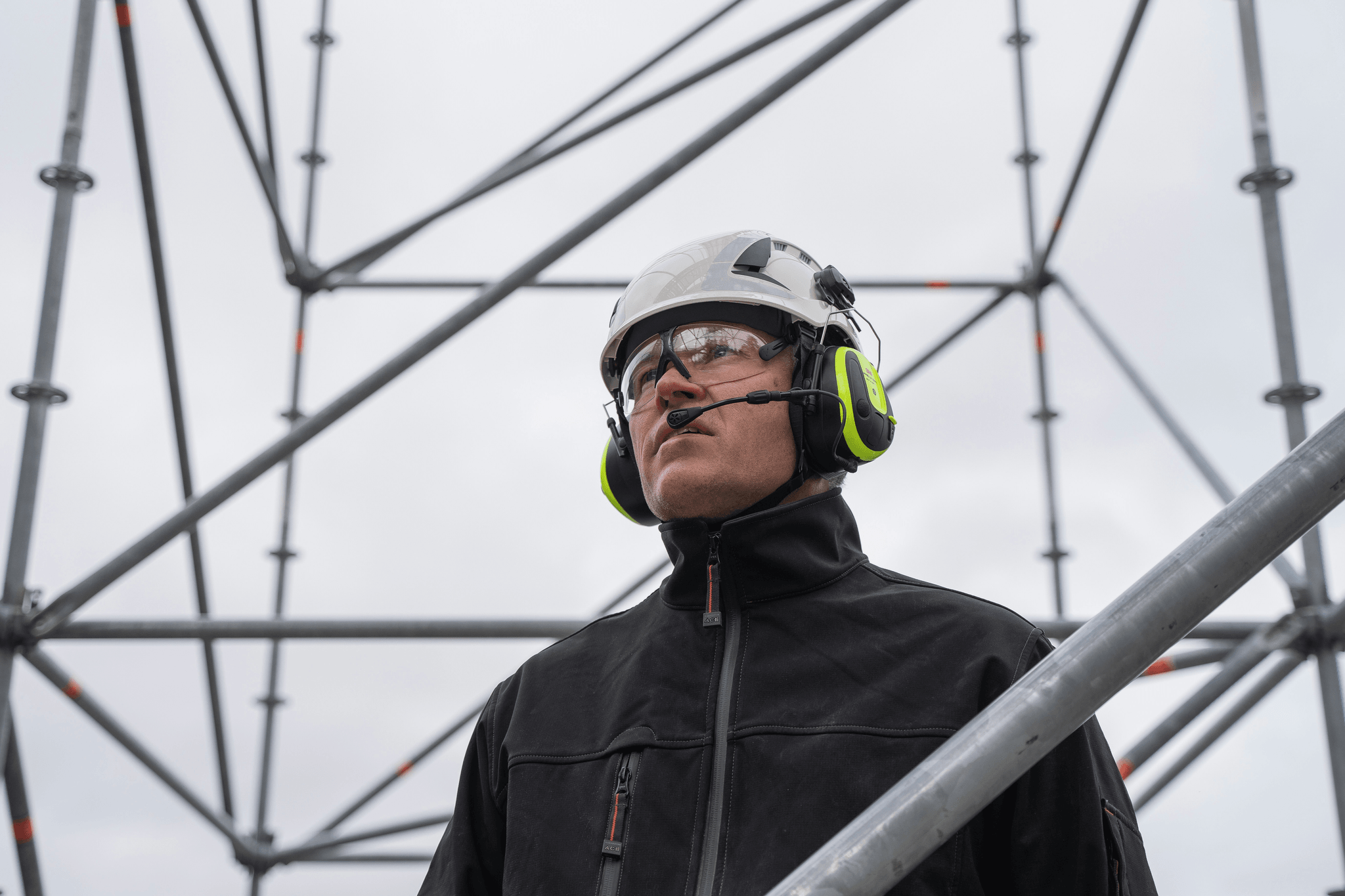
When it comes to ANSI standards, they play a crucial role in ensuring safety and efficiency across various industries. The American National Standards Institute (ANSI) has developed a range of standards that address specific needs, from eye protection to electrical safety and accessible design. Understanding these key ANSI standards is essential for anyone involved in workplace safety or quality assurance.
ANSI Z87.1 for Eye Protection
One of the most recognized ANSI standards is Z87.1, which focuses on eye protection in the workplace. This standard outlines the criteria for safety glasses, goggles, and face shields that protect workers from hazards such as flying debris or chemical splashes. Compliance with ANSI Z87.1 is vital not just for meeting regulatory requirements but also for promoting overall work safety and ensuring that employees have access to reliable safety equipment.
Incorporating ANSI Z87.1 into your workplace safety protocols can significantly reduce the risk of eye injuries, which are common in many industries like construction and manufacturing. Employers should ensure that their workers are equipped with eyewear that meets these stringent guidelines, thereby fostering a culture of care and compliance with what are the ANSI standards. Moreover, regular training on proper use and maintenance of eye protection can further enhance workplace safety.
ANSI C2 for National Electric Safety
Another critical standard is ANSI C2, which governs national electric safety practices across the United States. This set of guidelines is essential for anyone working with or around electrical installations to prevent accidents and ensure safe operations. The importance of adhering to this standard cannot be overstated; it covers everything from equipment installation to maintenance protocols aimed at safeguarding both workers and consumers.
ANSI C2 aligns closely with OSHA regulations—where OSHA stands for Occupational Safety and Health Administration—making it an integral part of compliance efforts in workplaces dealing with electricity. By following these guidelines, organizations can minimize risks associated with electrical hazards while also achieving ISO accreditation if they pursue international recognition for their commitment to quality and safety standards related to electricity usage.
ANSI A117.1 for Accessible Design
Lastly, we have ANSI A117.1, which focuses on accessible design principles aimed at making buildings more user-friendly for individuals with disabilities. This standard addresses various aspects such as door widths, ramp inclines, and restroom accessibility features—all designed to promote inclusivity in public spaces and workplaces alike. By implementing these guidelines, organizations not only comply with legal requirements but also demonstrate their commitment to diversity.
The significance of understanding what are the ANSI standards like A117.1 extends beyond mere compliance; it reflects an organization's values regarding accessibility in its facilities and services offered to all customers or employees regardless of physical ability or limitation.
Embracing this standard enhances overall workplace culture while contributing positively towards community relations.
Compliance with ANSI Standards
Compliance with ANSI standards is not just a box to check; it's a commitment to safety and quality that reverberates through industries. The American National Standards Institute (ANSI) plays a crucial role in establishing these standards, which help ensure the reliability of products and services, particularly in safety equipment. For businesses, adhering to ANSI standards means not only meeting legal requirements but also fostering trust among consumers who prioritize workplace safety.
Importance of Compliance
Understanding what are the ANSI standards is essential for any organization that values safety and efficiency. Compliance with these standards mitigates risks associated with workplace accidents, making it imperative for industries like construction and manufacturing where OSHA stands for Occupational Safety and Health Administration regulations are stringent. Moreover, non-compliance can lead to hefty fines, increased liability, and damage to a company's reputation—none of which are on anyone's wish list.
How to Achieve Compliance
Achieving compliance with ANSI standards requires a systematic approach that often begins with understanding the specific requirements related to your industry. Organizations should conduct thorough assessments of their current practices against what are the ANSI standards relevant to their operations. This might involve investing in training programs for employees, upgrading safety equipment, or even seeking ISO accreditation as an additional layer of assurance that enhances credibility in global markets.
Role of Quality Inspection in Compliance
Quality inspection serves as the backbone of compliance efforts by ensuring that products meet established ANSI standards before they reach consumers. Regular inspections can identify gaps in adherence to safety protocols or product specifications, allowing companies to rectify issues proactively rather than reactively—because no one wants surprises when it comes to workplace safety! Furthermore, integrating quality inspection into compliance strategies not only aligns with what are the ANSI standards but also helps organizations build a culture centered around continuous improvement.
Challenges and Criticisms of ANSI Standards

Despite the widespread adoption of ANSI standards, several challenges and criticisms persist. These issues often stem from misconceptions about what are the ANSI standards and their implications for various industries. Understanding these challenges is crucial, as they can significantly affect workplace safety, compliance, and overall industry practices.
Common Misconceptions
One prevalent misconception is that ANSI standards are mandatory regulations rather than voluntary guidelines. Many people mistakenly believe that compliance with these standards is enforced by law, when in fact, the American National Standards Institute (ANSI) develops them to promote best practices across industries. This misunderstanding can lead to confusion about obligations regarding safety equipment and workplace safety measures.
Another common myth is that all ANSI standards are equal in terms of rigor and applicability. In reality, some standards may be more stringent than others depending on the specific industry or application involved. This variation can create an impression that any ANSI standard guarantees absolute safety or quality without considering its context.
Lastly, there's a belief that once a company complies with ANSI standards, they have achieved complete quality assurance. However, ongoing monitoring and adaptation are essential for maintaining compliance over time—especially as technologies evolve or new hazards emerge in work safety contexts.
Limitations of ANSI Standards
While ANSI standards serve as valuable benchmarks for quality and safety, they do have limitations that can hinder their effectiveness in certain scenarios. For instance, not all industries are equally represented within the scope of these standards; some sectors may lack comprehensive guidelines tailored to their unique challenges. This gap can leave organizations without clear direction on how to navigate specific workplace hazards effectively.
Additionally, the process for developing these standards can be slow-moving due to consensus-building among various stakeholders. As a result, it may take years for new technologies or emerging risks—such as those related to ISO accreditation—to be addressed adequately through updated ANSI guidelines. This delay can put workers at risk if industries rely solely on outdated information regarding what are the ANSI standards.
Moreover, while OSHA stands for Occupational Safety and Health Administration aims to ensure safe working conditions through regulations, it does not always align perfectly with the recommendations put forth by ANSI standards. Consequently, businesses might find themselves caught between adhering to OSHA requirements while also striving for compliance with voluntary ANSI guidelines—a balancing act that could lead to confusion or misinterpretation.
Industry Reactions and Adaptations
In response to these challenges and criticisms surrounding what are the ANSI standards, many industries have begun adapting their approaches toward compliance and safety protocols. Some organizations proactively seek ISO accreditation as a means of enhancing credibility while ensuring adherence to international best practices in conjunction with domestic ones established by ANSI. This dual commitment helps bridge gaps where existing American national guidelines may fall short.
Furthermore, companies increasingly recognize the importance of employee training programs focused on both OSHA regulations and relevant ANSI standards related to safety equipment usage within workplaces—fostering an environment where work safety becomes ingrained in corporate culture rather than merely a checklist item during audits.
Ultimately, industry reactions highlight an evolving landscape where businesses must remain agile enough not only to comply but also innovate based on emerging trends affecting workplace health outcomes—ensuring they stay ahead of potential pitfalls associated with relying solely on existing frameworks like those set forth by the American National Standards Institute (ANSI).
Conclusion
In summary, ANSI standards play a pivotal role in ensuring safety and quality across various industries. The American National Standards Institute establishes these guidelines to promote consistency and reliability in products and services, ultimately benefiting consumers and businesses alike. By adhering to what are the ANSI standards, companies can enhance workplace safety, ensuring that safety equipment meets rigorous criteria.
Recap of ANSI Standards Importance
The importance of ANSI standards cannot be overstated; they serve as a benchmark for quality and safety across numerous sectors. Through the development of these standards, the American National Standards Institute provides a framework that enhances compliance with regulations such as OSHA occupational guidelines. This not only fosters workplace safety but also elevates consumer confidence in products ranging from machinery to safety equipment.
Future of ANSI Standards in Global Trade
Looking ahead, the future of ANSI standards is likely to become even more integral to global trade dynamics. As international markets expand, adherence to what are the ANSI standards will facilitate smoother transactions and better product acceptance worldwide. With ISO accreditation becoming increasingly important for global competitiveness, aligning with ANSI standards will help companies navigate the complexities of work safety regulations across borders.
The Role of China Inspection Pro in Quality Assurance
In this evolving landscape, organizations like China Inspection Pro are crucial for maintaining high-quality assurance levels relative to ANSI standards. Their expertise helps businesses ensure compliance with both domestic and international regulations, enhancing workplace safety measures effectively. By leveraging their services, companies can confidently affirm their commitment to what are the ANSI standards while meeting OSHA stands for operational excellence.