
Introduction
In the construction industry, the quality of building materials is not just a checkbox on a list; it’s the very foundation upon which safety and reliability are built. Building Materials Quality Control encompasses a range of practices designed to ensure that every component used in construction meets stringent standards. By prioritizing quality control, stakeholders can mitigate risks and enhance the overall integrity of their projects.
The Importance of Building Materials Quality Control
Building Materials Quality Control serves as a critical safeguard against defects that could lead to catastrophic failures. With the ever-increasing complexity of modern construction, it is essential that materials undergo rigorous scrutiny through product inspections, supplier audits, and laboratory testing. This proactive approach not only protects investments but also fosters trust among clients and contractors alike.
How Quality Impacts Construction Safety
Quality directly correlates with safety in construction; subpar materials can lead to structural failures, endangering lives and property. By implementing effective Building Materials Quality Control measures, companies can significantly reduce accidents caused by material failure or non-compliance with safety regulations. In this way, ensuring high-quality materials becomes synonymous with creating safer job sites for everyone involved.
Key Components of Quality Assurance
A robust quality assurance framework integrates several key components: thorough product inspections, comprehensive supplier audits, and precise laboratory testing protocols. These elements work together to create a holistic approach to quality management that ensures all building materials meet established standards before they reach the job site. By leveraging these components effectively, companies can build a culture of quality that permeates every level of their operations.
Understanding Building Materials Quality Control

In the realm of construction, Building Materials Quality Control is not just a buzzword; it’s the backbone of any successful project. It encompasses a systematic approach to ensure that all materials meet specified standards and regulations before they’re used on-site. This process involves various methods, including product inspections, supplier audits, and laboratory testing to uphold safety and performance.
What it Entails
Building Materials Quality Control entails a comprehensive framework designed to monitor and verify the quality of materials throughout their lifecycle. This includes assessing raw materials before they are processed, inspecting finished products, and ensuring compliance with industry standards during delivery. The integration of product inspections, supplier audits, and laboratory testing forms a triad that guarantees only top-quality materials make it to your construction site.
Importance in the Construction Industry
The importance of Building Materials Quality Control in the construction industry cannot be overstated; it directly impacts safety, durability, and project timelines. High-quality materials lead to safer structures that can withstand environmental stresses over time while minimizing the risk of costly repairs or failures down the line. Moreover, rigorous quality control measures foster trust among stakeholders by ensuring that suppliers deliver what they promise through consistent product inspections and thorough supplier audits.
Trends Shaping Quality Control
As technology evolves, so do trends shaping Building Materials Quality Control practices within the industry. Innovations such as automated product inspections using AI-driven technologies are making quality assurance faster and more reliable than ever before. Additionally, an increasing focus on sustainability is prompting more rigorous laboratory testing protocols to evaluate eco-friendly building materials' performance against traditional options.
Product Inspections: The First Line of Defense
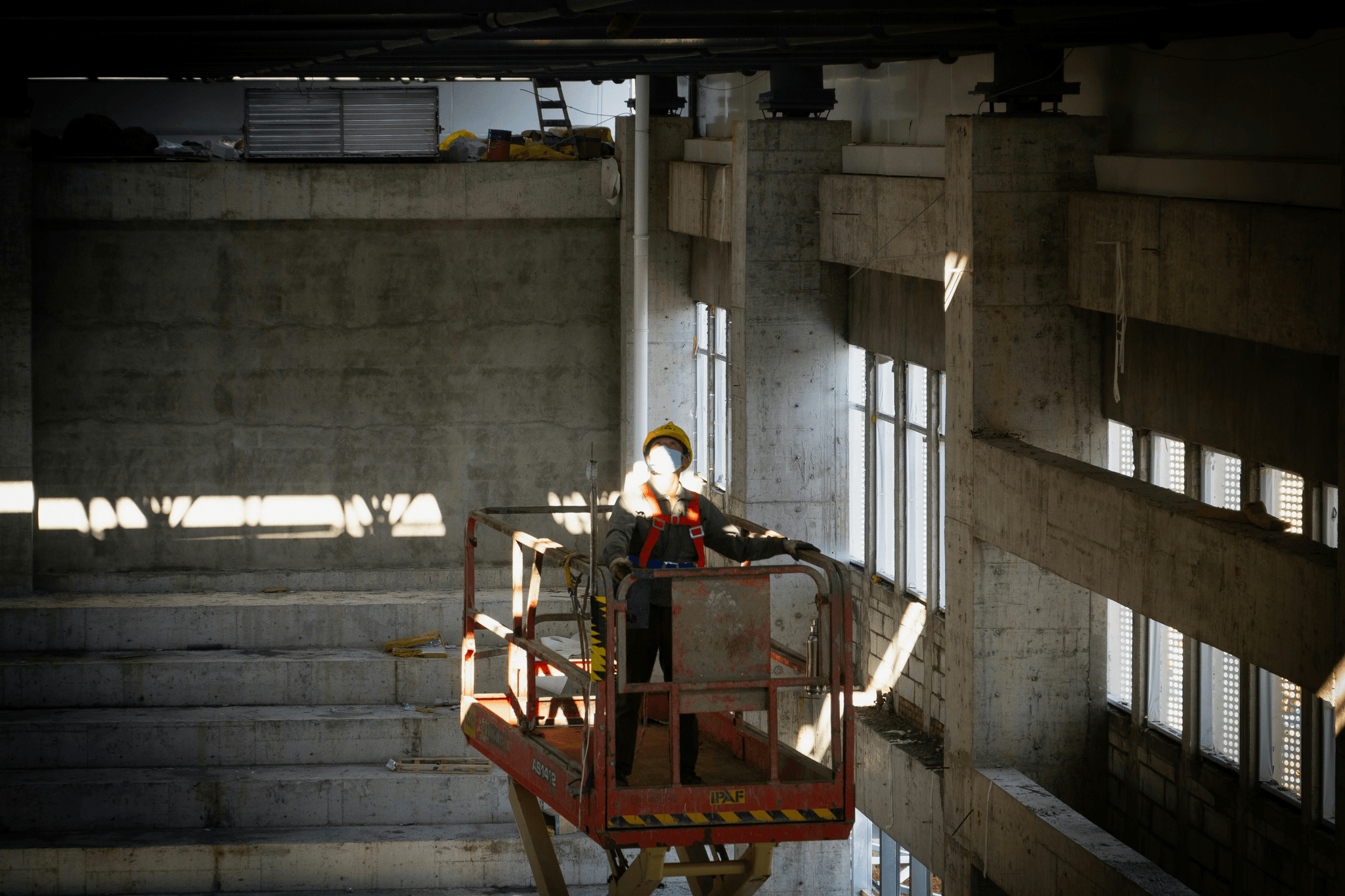
Product inspections are the backbone of Building Materials Quality Control, serving as a crucial checkpoint before materials reach the construction site. They help identify defects and ensure compliance with industry standards, ultimately safeguarding the integrity of the entire project. Without thorough inspections, even the highest-quality materials could lead to catastrophic failures down the line.
Why Inspections Matter
Inspections play a pivotal role in maintaining quality throughout the construction process. By catching potential issues early, they minimize costly delays and rework, which can be detrimental to project timelines and budgets. Furthermore, product inspections bolster safety by ensuring that only materials meeting rigorous standards are used, thereby protecting workers and end-users alike.
Types of Product Inspections
There are several types of product inspections that contribute to effective Building Materials Quality Control. Pre-production inspections focus on evaluating raw materials before manufacturing begins, while in-line inspections monitor quality during production to catch any anomalies early on. Finally, pre-shipment inspections assess finished products before they leave the supplier's facility, ensuring that everything meets specified criteria.
The Role of China Inspection Pro
China Inspection Pro plays an essential role in enhancing product inspections within the global supply chain. This organization specializes in providing comprehensive inspection services tailored to various industries, including construction materials. By leveraging their expertise in Supplier audits and Laboratory testing alongside product inspections, they help companies ensure compliance with international quality standards while mitigating risks associated with sourcing from overseas suppliers.
Supplier Audits: Ensuring Reliability

Supplier audits are an essential component of Building Materials Quality Control, serving as a critical checkpoint in the supply chain. They help ensure that suppliers maintain the standards necessary for producing quality materials that meet construction safety requirements. By evaluating supplier performance, companies can mitigate risks and enhance their overall project outcomes.
Evaluating Supplier Performance
Evaluating supplier performance goes beyond just checking if they deliver on time; it involves assessing their adherence to quality standards as well. Factors such as consistency in product inspections, responsiveness to issues, and compliance with industry regulations play pivotal roles in this evaluation process. By systematically reviewing these aspects, businesses can identify potential weaknesses and areas for improvement within their supply chain.
Moreover, a solid evaluation process establishes a baseline for future audits and helps build trust between parties involved. When suppliers know they are being monitored through rigorous Building Materials Quality Control measures, they are more likely to prioritize quality in their operations. This proactive approach not only safeguards investments but also fosters long-term relationships built on reliability.
Key Elements of a Supplier Audit
A comprehensive supplier audit typically includes several key elements that contribute to its effectiveness in ensuring quality control. These elements encompass document reviews, onsite inspections, and interviews with key personnel to gauge operational practices thoroughly. Additionally, assessing the results of prior product inspections and laboratory testing outcomes provides valuable insights into the supplier's commitment to maintaining high standards.
Another important aspect is evaluating the supplier’s ability to respond to corrective actions when deficiencies are identified during audits. This responsiveness showcases their dedication to continuous improvement—a crucial component of effective Building Materials Quality Control strategies. Moreover, keeping detailed records of audit findings allows businesses to track progress over time and make informed decisions regarding future collaborations.
How Audits Protect Your Investment
Supplier audits serve as a protective shield for your investment by identifying risks before they escalate into costly problems down the line. By ensuring that suppliers comply with established quality benchmarks through regular assessments, companies can prevent material failures that could lead to safety hazards or project delays. This proactive stance not only minimizes financial losses but also enhances reputation by delivering reliable products consistently.
Furthermore, understanding how various suppliers perform against industry standards allows businesses to make strategic choices about partnerships moving forward. Companies can prioritize working with those who demonstrate excellence in product inspections and laboratory testing results—ultimately leading toward better overall project success rates. In today’s competitive construction landscape, investing time and resources into thorough supplier audits is an essential strategy for achieving long-term sustainability.
Laboratory Testing: The Scientific Approach
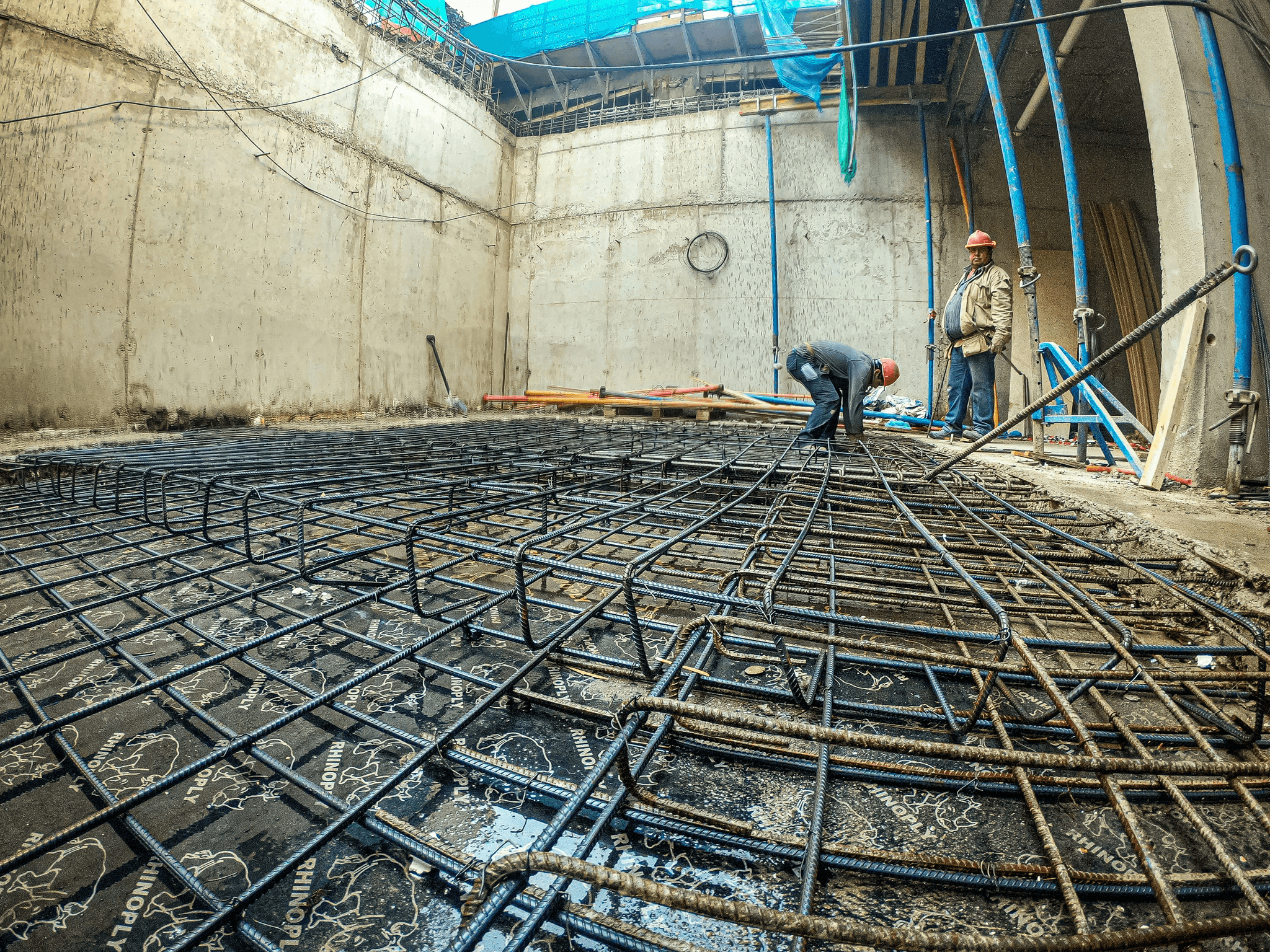
In the realm of Building Materials Quality Control, laboratory testing plays a pivotal role in ensuring that materials meet specific standards and regulations. This scientific approach not only verifies the quality of materials but also enhances overall construction safety. By employing rigorous testing methods, stakeholders can identify potential weaknesses and mitigate risks before they escalate into costly problems on-site.
The Role of Laboratory Testing
Laboratory testing serves as a critical checkpoint in the construction process, bridging the gap between raw material procurement and final product delivery. It allows for an objective assessment of building materials, ensuring they comply with established specifications and performance criteria. When coupled with product inspections and supplier audits, laboratory testing creates a robust framework for maintaining high-quality standards throughout a project.
Moreover, laboratory testing helps in validating the claims made by suppliers regarding their products' performance characteristics. It's not just about checking off boxes; it's about ensuring that every component used in construction is reliable and safe for use. This scientific scrutiny ultimately leads to better outcomes for builders, contractors, and end-users alike.
Common Tests for Building Materials
Various tests are conducted to evaluate different properties of building materials, each tailored to assess specific attributes such as strength, durability, or thermal resistance. For instance, concrete might undergo compressive strength tests while steel could be subjected to tensile tests—each providing valuable insights into material performance under stress. Additionally, moisture content analysis is crucial for wood products to prevent future structural issues related to warping or decay.
Other common tests include fire resistance assessments and chemical composition analyses that ensure materials are not only functional but also safe from hazardous elements. These evaluations are indispensable components of Building Materials Quality Control that help maintain compliance with industry standards and regulations. By understanding these common tests, stakeholders can make informed decisions about which materials best suit their construction needs.
Accreditation and Standards
Accreditation plays a vital role in laboratory testing by establishing credibility and trustworthiness within the industry. Laboratories must adhere to stringent guidelines set forth by organizations such as ISO (International Organization for Standardization) or ASTM (American Society for Testing and Materials). These standards ensure that laboratories utilize validated methods while also maintaining equipment calibration—factors essential for producing reliable results.
When selecting laboratories for testing purposes within your Building Materials Quality Control strategy, it’s crucial to verify their accreditation status. This ensures that the results obtained from their tests will stand up under scrutiny during supplier audits or regulatory inspections down the line. Ultimately, adhering to recognized accreditation standards fosters confidence among all parties involved—from suppliers to contractors—ensuring everyone is aligned towards achieving optimal quality outcomes.
Implementing a Quality Control Strategy

In the realm of construction, implementing a robust quality control strategy is not merely an option; it's a necessity. A well-structured approach ensures that building materials meet safety and performance standards, thus safeguarding both the project and its stakeholders. This section will delve into the essential steps for crafting an effective quality control strategy, emphasizing the roles of product inspections, supplier audits, and laboratory testing.
Steps for a Successful Strategy
To kick off your quality control journey, start by defining clear objectives tailored to your specific construction needs. Establishing benchmarks for building materials quality control will guide your team in measuring success and identifying areas for improvement. Next, integrate systematic product inspections at various stages of the supply chain to catch potential issues before they escalate into costly problems.
Once you've laid down your objectives, it’s crucial to involve all relevant stakeholders in the planning process. This collaboration ensures that everyone is on board with the expectations and responsibilities surrounding quality assurance. Afterward, create a timeline that outlines when inspections and audits should take place—this helps maintain accountability throughout the construction lifecycle.
Finally, don’t forget to document everything! Keeping meticulous records of product inspections, supplier audits, and laboratory testing results will provide invaluable insights over time. This data can help you refine your strategy continually while also serving as evidence of compliance with industry standards.
Training and Development
No quality control strategy can thrive without proper training and development for your team members. Investing in education about building materials quality control not only enhances skills but also fosters a culture of excellence within your organization. Regular training sessions should include best practices for conducting product inspections and understanding supplier audit processes.
Moreover, consider bringing in external experts who specialize in laboratory testing to conduct workshops or seminars tailored to your team's needs. These sessions can provide fresh perspectives on how to evaluate building materials effectively while ensuring everyone understands their role in maintaining high-quality standards. Additionally, encourage employees to pursue certifications related to construction safety or material science; this adds credibility to their expertise.
Lastly, make training an ongoing endeavor rather than a one-time event. Continuous development through refresher courses or new topics keeps everyone informed about evolving industry trends related to building materials quality control—after all, staying ahead is key!
Continuous Improvement Techniques
Continuous improvement is more than just a buzzword; it’s an essential aspect of any successful quality control strategy aimed at enhancing building materials reliability over time. Start by regularly reviewing data from product inspections and supplier audits; this information can highlight patterns that need addressing or opportunities for innovation within processes.
Implement techniques like Plan-Do-Check-Act (PDCA) cycles or Six Sigma methodologies focused on minimizing defects in materials used during construction projects. These frameworks emphasize iterative improvements based on real-world feedback from both internal assessments and external laboratory testing results.
Furthermore, create an open forum where team members feel comfortable sharing insights or suggestions regarding existing practices related to building materials quality control—sometimes the best ideas come from those on the front lines! By fostering this environment of collaboration coupled with structured improvement techniques, you’ll be well-equipped to adapt swiftly as industry demands change.
Conclusion

In the realm of construction, the significance of Building Materials Quality Control cannot be overstated. A robust quality control system fosters a culture that prioritizes safety, reliability, and excellence throughout all stages of construction. By integrating effective practices such as product inspections, supplier audits, and laboratory testing into everyday operations, companies can ensure that their projects not only meet but exceed industry standards.
Building a Culture of Quality
Creating a culture of quality within an organization requires commitment from every level of management and staff alike. This culture thrives on transparency and accountability, where product inspections are routine rather than exceptional. By encouraging open communication about quality issues and emphasizing the importance of supplier audits, companies can cultivate an environment where everyone feels responsible for maintaining high standards.
Leveraging Expertise for Better Outcomes
Harnessing expert knowledge is vital for enhancing Building Materials Quality Control processes. Engaging professionals who specialize in product inspections or laboratory testing can provide invaluable insights that lead to improved material selection and performance evaluation. Additionally, leveraging this expertise enables organizations to conduct thorough supplier audits that not only assess compliance but also encourage continuous improvement among vendors.
Future Trends in Quality Control
Looking ahead, the landscape of Building Materials Quality Control is set to evolve with advancements in technology and data analytics. Innovations such as AI-driven inspection tools will enhance product inspections by providing real-time feedback on material integrity and compliance with regulations. Furthermore, as sustainability becomes increasingly prioritized in construction practices, laboratory testing will play a crucial role in validating eco-friendly materials while ensuring they meet stringent performance criteria.