
Introduction
In the fast-paced world of logistics, understanding quality control in shipping is paramount. Quality assurance shipping ensures that products meet or exceed specified standards before they reach consumers. This process not only safeguards a company’s reputation but also enhances customer satisfaction and loyalty.
Understanding Quality Control in Shipping
Quality control in shipping involves a systematic approach to ensuring that goods are delivered without defects or discrepancies. It encompasses various checks and balances throughout the shipping process, from initial production to final delivery. By grasping what quality assurance in logistics entails, businesses can implement effective strategies to minimize errors and optimize performance.
The Importance of Quality Assurance
Quality assurance plays a critical role in maintaining the integrity of products as they move through the supply chain. What is the meaning of QA in shipping? Simply put, it refers to a proactive approach that focuses on preventing issues rather than merely identifying them post-factum. By prioritizing quality assurance, companies can enhance operational efficiency, reduce costs associated with returns and rework, and ultimately deliver superior products to their customers.
Key Components of Effective QA
Effective quality assurance hinges on several key components that work together to create a robust framework for success. These include clear product specifications, rigorous quality control processes, thorough documentation and records management, continuous improvement initiatives, and active solicitation of customer feedback. Understanding what are the 5 components of quality assurance allows businesses to build a comprehensive strategy that addresses every aspect of product delivery.
What is Quality Assurance in Logistics?
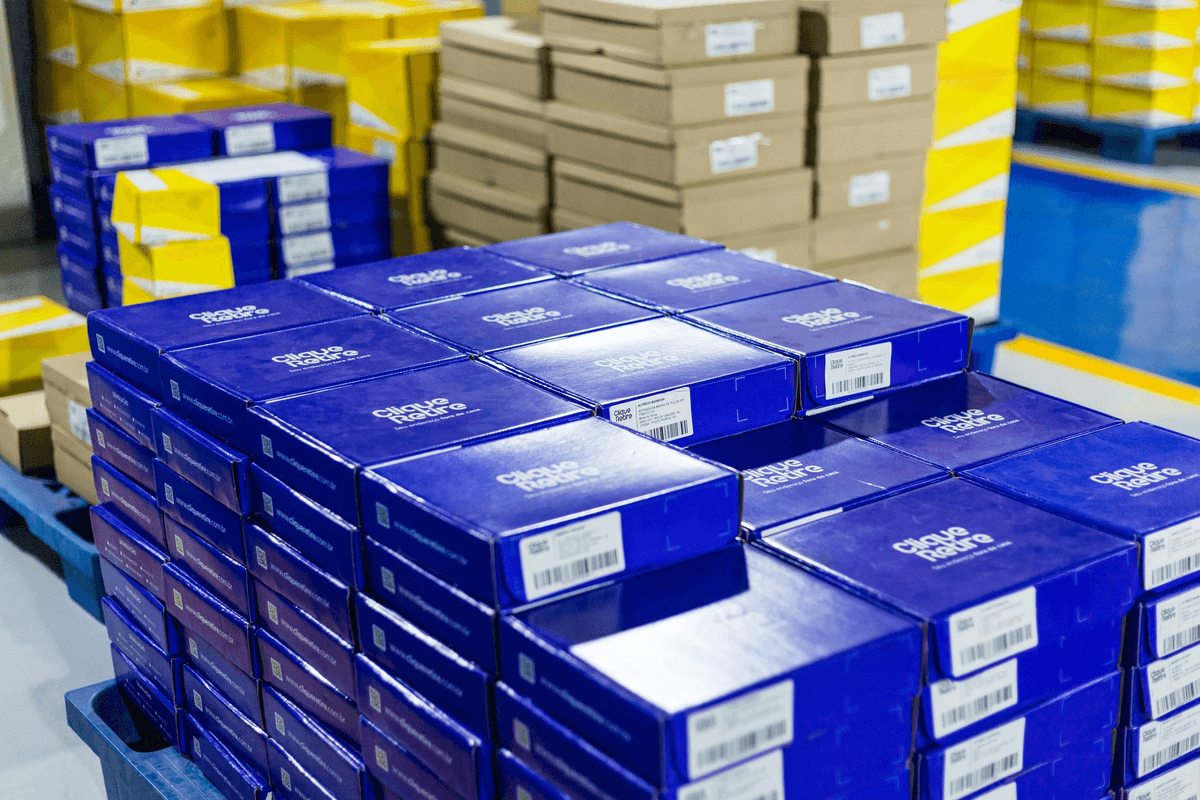
Quality assurance in logistics is a systematic approach aimed at ensuring that products meet specific requirements and standards throughout the shipping process. It encompasses various practices and methodologies designed to prevent defects, enhance efficiency, and ultimately improve customer satisfaction. Understanding what quality assurance in logistics entails is crucial for businesses aiming to deliver reliable products while maintaining a competitive edge.
Definition and Importance
At its core, quality assurance shipping refers to the processes implemented to ensure that products are consistently produced and controlled according to quality standards. This means verifying that every item shipped meets predefined specifications before it reaches the customer’s hands. The importance of QA in shipping cannot be overstated; it not only safeguards a company’s reputation but also minimizes costly returns and enhances overall operational efficiency.
In logistics, understanding what is the meaning of QA in shipping helps streamline operations by establishing clear benchmarks for quality. When businesses prioritize quality assurance, they foster a culture of accountability among their teams, which translates into better service delivery. Ultimately, this commitment to quality results in long-term customer loyalty and trust.
Role in the Shipping Process
Quality assurance plays a pivotal role throughout the entire shipping process—from procurement of materials to final delivery at customers' doorsteps. By integrating QA measures early on, companies can identify potential issues before they escalate into larger problems that could affect product integrity or compliance with regulations. This proactive approach ensures that every step of the logistics chain adheres to established standards.
In practice, this means conducting regular inspections and implementing robust testing protocols as part of routine operations within logistics management. By doing so, businesses can effectively mitigate risks associated with defective or substandard products entering the market. Thus, quality assurance becomes an integral component not just for compliance but also for enhancing operational performance across all levels of shipping.
Benefits to Businesses
The benefits of implementing effective quality assurance in logistics are manifold and extend beyond just reducing defects or errors during shipment processes. First off, companies experience improved customer satisfaction due to fewer complaints related to product quality—happy customers are repeat customers! Additionally, robust QA measures help optimize supply chain efficiency by identifying bottlenecks or inefficiencies early on.
Moreover, understanding what are the 4 types of quality assurance provides businesses with diverse strategies tailored for different aspects of their operations; these include preventive measures that stop issues before they arise or concurrent checks during production phases which ensure ongoing compliance with standards. Furthermore, when organizations focus on what are the 5 components of quality assurance—such as documentation and continuous improvement—they create a sustainable framework that supports growth while minimizing costs associated with poor-quality outputs.
In conclusion, integrating effective QA practices into logistics not only enhances product reliability but also strengthens brand reputation over time—an essential aspect in today’s competitive marketplace where consumers demand excellence at every turn!
What are the 4 Types of Quality Assurance?

Quality assurance in logistics is a multifaceted approach that ensures products meet specific standards before reaching customers. Understanding the four types of quality assurance can significantly enhance quality assurance shipping processes and outcomes. Let’s dive into these categories to uncover their unique roles and benefits.
Preventive Quality Assurance
Preventive quality assurance focuses on identifying potential issues before they become problems. This proactive approach involves implementing measures during the production and shipping phases to mitigate risks associated with quality failures. By anticipating challenges, businesses can save time and resources, ensuring that what is quality assurance in logistics remains a priority throughout the supply chain.
Concurrent Quality Assurance
Concurrent quality assurance occurs simultaneously with production activities, ensuring that any deviations from standards are detected instantly. This type of QA integrates inspections and monitoring into daily operations, allowing for immediate corrective actions when necessary. By embedding this process into regular workflows, companies can maintain high-quality standards while also enhancing efficiency—an essential aspect of effective quality assurance shipping.
Retrospective Quality Assurance
Retrospective quality assurance takes a look back at completed processes to evaluate their effectiveness and identify areas for improvement. This analysis often involves reviewing past shipments and assessing how well they adhered to established standards of quality control processes. While it may not prevent issues upfront, understanding past performance is crucial for refining future strategies in what are the 4 types of quality assurance.
Total Quality Assurance
Total quality assurance encompasses an organization-wide commitment to maintaining high-quality standards across all departments involved in logistics and shipping operations. This holistic approach integrates all aspects of production—from supplier selection to customer feedback—into a unified strategy aimed at achieving excellence in product delivery. When businesses embrace total quality assurance, they not only improve their reputation but also ensure consistent satisfaction among customers who expect nothing less than top-notch products.
The 5 Components of Quality Assurance

Quality assurance in shipping is not just a buzzword; it's a critical framework that ensures products meet the highest standards before they reach customers. Understanding what quality assurance in logistics entails can help businesses streamline their operations and enhance customer satisfaction. Here, we delve into the five essential components of quality assurance that every shipping operation should prioritize.
Product Specifications
Product specifications serve as the foundational blueprint for quality assurance shipping. They outline the exact requirements and standards that products must meet, including dimensions, materials, and performance criteria. By defining these specifications clearly, businesses can ensure consistency across production batches and minimize discrepancies during the shipping process.
Quality Control Processes
Quality control processes are vital to maintaining high standards throughout logistics operations. These processes encompass systematic inspections and tests that verify whether products align with established specifications at various stages of production and distribution. By implementing robust quality control processes, companies can catch potential issues early on—preventing costly errors down the line.
Documentation and Records
In the world of logistics, documentation is key to effective quality assurance shipping practices. Keeping comprehensive records allows businesses to track compliance with product specifications and quality control processes over time. This documentation not only aids in identifying trends but also serves as valuable evidence during audits or inspections—ensuring accountability at every step.
Continuous Improvement
Continuous improvement is a philosophy that drives organizations to constantly evaluate and enhance their quality assurance efforts in shipping. By regularly assessing performance metrics and seeking feedback from stakeholders, companies can identify areas for enhancement within their logistics operations. Embracing continuous improvement helps organizations stay competitive while ensuring they consistently meet customer expectations.
Customer Feedback
Customer feedback is an invaluable resource for refining quality assurance practices in logistics. Engaging with customers allows businesses to gain insights into their experiences with products post-shipping—informing future improvements on both product design and delivery methods. By actively incorporating customer feedback into their QA strategies, companies can foster loyalty while enhancing overall product excellence.
Quality Control Checking Steps Before Shipping
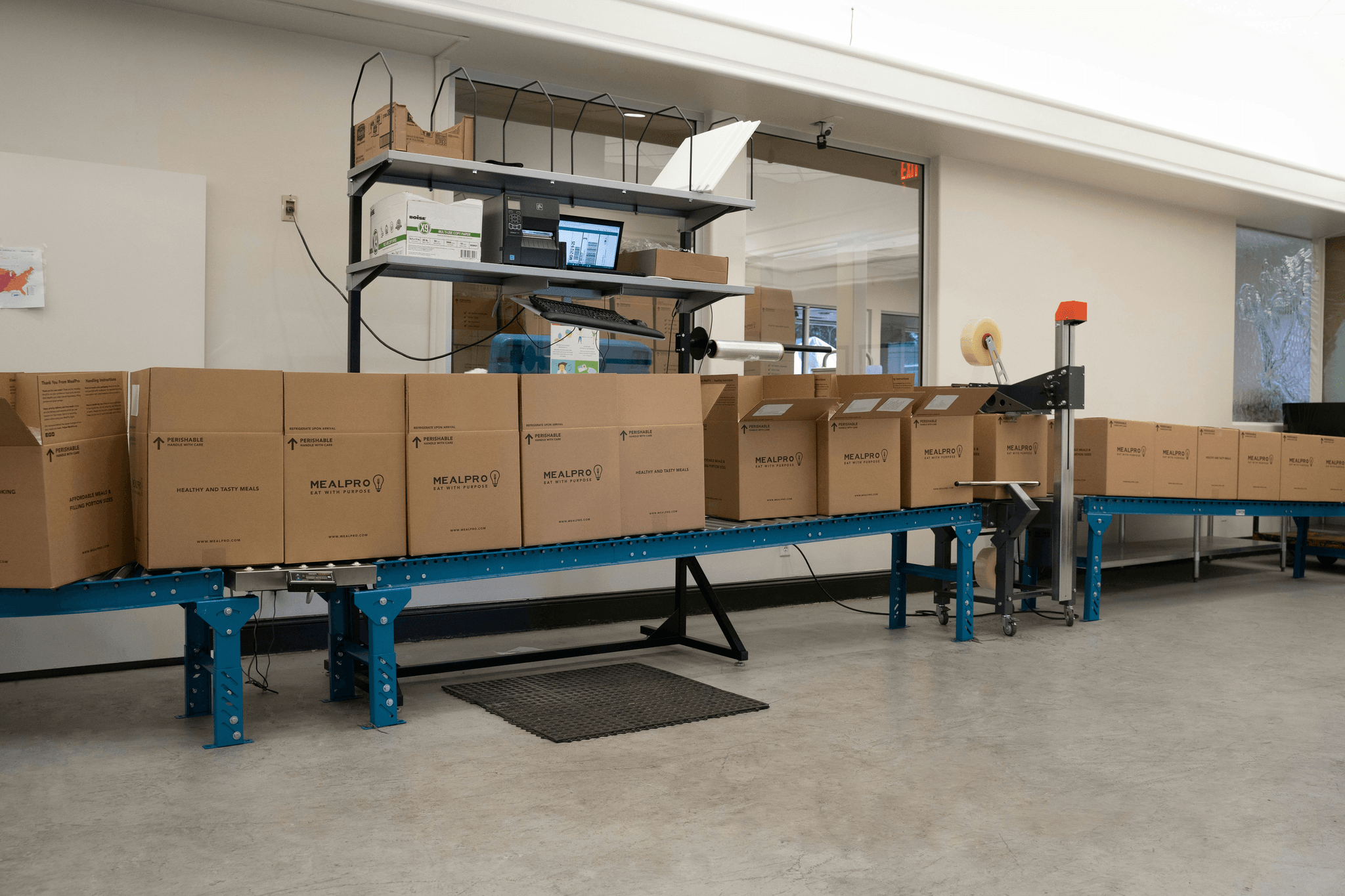
Quality assurance shipping is an essential process that ensures products meet specified standards before they embark on their journey to customers. This section outlines the critical steps involved in quality control checking prior to shipping, emphasizing how each step contributes to overall quality assurance in logistics. By implementing these checks, businesses can significantly reduce the risk of defects and enhance customer satisfaction.
Initial Inspections
The initial inspection serves as the first line of defense in quality assurance shipping, where products are examined upon arrival at the warehouse or manufacturing facility. During this stage, inspectors verify that all items match order specifications and are free from visible defects. If discrepancies are found, immediate corrective actions can be taken, which is crucial for maintaining high standards of quality assurance in logistics.
This step not only helps identify issues early but also sets the tone for subsequent quality control measures. By ensuring that only compliant products move forward in the process, businesses can minimize waste and save time—two valuable resources in any supply chain operation. Remember, what is the meaning of QA in shipping? It starts with thorough initial inspections!
Functional Testing
Once initial inspections are complete, functional testing takes center stage as a pivotal component of quality control checking before shipping. This step involves rigorous testing to ensure that products operate as intended under various conditions and scenarios. For example, electronics may undergo power tests while machinery could be tested for operational efficiency.
Functional testing is a significant part of answering what is quality assurance in logistics because it verifies that products not only look good but also perform well under real-world conditions. By catching any functional flaws early on, companies can avoid costly returns and dissatisfied customers later down the line—truly a win-win situation! After all, who wants to deal with returns when you could have nailed it with effective QA?
Final Quality Review
The final quality review acts as a comprehensive check before products leave the facility—think of it as a last-minute sanity check! This step involves reviewing documentation related to product specifications and previous inspections while also conducting visual checks on packaging and labeling accuracy. Ensuring everything aligns perfectly at this stage is crucial for maintaining compliance with industry standards.
Incorporating this final review into your processes directly answers what are the 5 components of quality assurance: product specifications, quality control processes, documentation and records, continuous improvement, and customer feedback come together here seamlessly! With a successful final review completed, businesses can confidently ship their products knowing they’ve adhered to stringent standards of quality assurance shipping—leading to happier customers and stronger reputations.
How China Inspection Pro Enhances Quality Assurance Shipping

When it comes to quality assurance shipping, partnering with a professional service can make all the difference. China Inspection Pro stands out by providing comprehensive quality inspection services tailored to meet the unique needs of businesses involved in logistics. Their expertise ensures that products not only meet specifications but also exceed customer expectations, reinforcing the significance of quality assurance in logistics.
Professional Quality Inspection Services
China Inspection Pro offers a range of professional quality inspection services designed to enhance the shipping process. These services include pre-shipment inspections, container loading supervision, and factory audits, ensuring that every aspect of production meets established standards. By utilizing their expertise in quality assurance shipping, businesses can identify potential issues early on and address them before they escalate into costly problems.
Moreover, these inspections are not just about ticking boxes; they provide detailed reports that highlight any discrepancies found during the evaluation process. This transparency allows companies to take proactive measures and ensure compliance with industry regulations and customer requirements. Ultimately, these professional services contribute significantly to what is quality assurance in logistics by fostering trust between suppliers and clients.
Actionable Recommendations for Improvement
One of the standout features of China Inspection Pro is its commitment to providing actionable recommendations for improvement following their inspections. After assessing products against stringent criteria—what are the 5 components of quality assurance—they deliver insights that help businesses refine their processes and enhance product quality further. This feedback loop is essential for continuous improvement, allowing companies to adapt and evolve based on real data from their operations.
By implementing these recommendations, businesses can reduce defects and improve overall efficiency in their supply chain management. This not only boosts customer satisfaction but also strengthens brand reputation in a competitive marketplace where consumers demand excellence. In essence, actionable insights from China Inspection Pro elevate the standards of quality assurance shipping.
Meeting Industry Standards
In today's global market, meeting industry standards is non-negotiable for successful logistics operations—what are the 4 types of quality assurance? China Inspection Pro ensures that all products inspected comply with international standards relevant to various industries such as electronics, textiles, and consumer goods. This adherence not only facilitates smoother customs clearance but also minimizes risks associated with non-compliance.
Furthermore, by consistently aligning with industry benchmarks through rigorous evaluations and assessments, companies can build credibility with partners and customers alike. The result? A more reliable supply chain where stakeholders feel confident in both product integrity and delivery timelines—key components that define what is quality assurance in logistics today.
Conclusion
In the world of logistics, quality assurance shipping is not just a buzzword; it's a vital component that can make or break a business. Understanding what quality assurance in logistics means is essential for companies striving to deliver excellence. By integrating effective QA practices, businesses can enhance their reputation and ensure customer satisfaction.
The Critical Role of QA in Logistics
Quality assurance plays a critical role in logistics by ensuring that products meet specified standards before reaching the customer. It involves systematic processes that help identify and rectify potential issues, thus preventing costly errors down the line. Without robust QA measures, businesses risk facing delays, returns, and dissatisfied customers—outcomes that can be detrimental to their bottom line.
Essential Steps for Effective Quality Control
To implement effective quality control, businesses must focus on several essential steps. These include establishing clear product specifications, maintaining rigorous quality control processes, and ensuring thorough documentation and records are kept throughout the shipping process. Additionally, incorporating continuous improvement strategies and actively seeking customer feedback are crucial components that help refine these processes over time.
Ensuring Product Excellence Before Shipping
Ensuring product excellence before shipping is paramount in today’s competitive marketplace. By adhering to the four types of quality assurance—preventive, concurrent, retrospective, and total—companies can create a comprehensive approach to QA that addresses every aspect of their operations. Furthermore, understanding the five components of quality assurance will empower organizations to deliver high-quality products consistently while minimizing risks associated with shipping errors.