
Introduction

In today's fast-paced market, the significance of on-site inspections cannot be overstated. These inspections play a crucial role in ensuring that products meet safety standards before they reach consumers. By prioritizing product safety testing, businesses can protect their reputation and foster consumer trust.
Importance of On-Site Inspections
On-site inspections serve as a frontline defense against defective products making their way into the marketplace. They provide an opportunity for manufacturers to identify potential hazards and rectify issues before certification product processes begin. Moreover, these inspections can significantly reduce the risk of costly recalls and legal liabilities, making them an invaluable part of product testing services.
Understanding Consumer Product Safety
Consumer product safety is paramount in safeguarding not just public health but also brand integrity. With increasing awareness among consumers about the importance of safe products, manufacturers must stay ahead by implementing rigorous standards during production. This understanding shapes how businesses approach product safety testing and compliance with regulations.
Role of Product Testing Services
Product testing services act as essential partners in navigating the complex landscape of consumer product testing regulations. These services provide expert assessments that help ensure compliance with various industry standards, ultimately leading to successful certification inspection outcomes. By leveraging these specialized resources, companies can streamline their processes and enhance their overall quality assurance efforts.
What is On-Site Inspection?

On-site inspection is a critical component of ensuring product safety and compliance in various industries. It involves a thorough examination of products and processes at the manufacturer’s location, allowing for real-time evaluation and immediate feedback. This proactive approach helps businesses identify potential issues before they escalate, ultimately safeguarding consumer interests.
Definition and Purpose
An on-site inspection is defined as an assessment conducted directly at the manufacturing facility or site where products are produced. Its primary purpose is to evaluate adherence to established safety standards and regulations, ensuring that products meet quality benchmarks before reaching consumers. By conducting these inspections, businesses can mitigate risks associated with product failures while enhancing their reputation for safety and reliability.
Key Components of On-Site Inspections
Key components of on-site inspections include visual assessments, documentation review, and product testing services tailored to specific industry standards. Inspectors typically evaluate production processes, equipment conditions, employee training practices, and overall compliance with relevant regulations in consumer product testing. These thorough evaluations ensure that every aspect of the manufacturing environment contributes positively to product safety testing outcomes.
Benefits for Businesses
The benefits of conducting on-site inspections are manifold; they not only enhance product certification but also instill confidence among consumers regarding the quality of goods offered by a business. By identifying potential non-compliance issues early in the production process, companies can avoid costly recalls or legal repercussions associated with defective products. Furthermore, successful certification inspections can lead to improved marketability and a competitive edge in an increasingly regulated marketplace.
The Process of Product Safety Testing

Product safety testing is a crucial phase in ensuring that consumer goods meet established safety standards before they hit the market. This process not only protects consumers but also helps manufacturers avoid costly recalls and legal issues. Understanding the steps involved in product testing services, along with the common methods used, can significantly enhance compliance and overall quality.
Steps Involved in Testing
The journey of product safety testing typically begins with a comprehensive risk assessment to identify potential hazards associated with the product. Following this, samples are taken for laboratory analysis where they undergo various tests tailored to their specific categories, such as electrical safety for electronics or chemical analysis for toys. Once testing is complete, results are compiled into a detailed report that informs manufacturers about compliance status and any necessary adjustments before moving forward with certification.
After receiving test results, manufacturers may need to implement changes based on feedback from certification inspections to ensure their products align with regulatory standards. This iterative process may involve retesting until all criteria are met, culminating in successful product certification. Ultimately, these steps reinforce the importance of thoroughness in product safety testing as it directly impacts consumer trust and brand reputation.
Common Methods Used
Various methods are employed during product safety testing to evaluate different aspects of consumer products effectively. For instance, electrical appliances often undergo performance tests that measure energy efficiency while also checking for risks such as overheating or short circuits—ensuring they’re safe for everyday use. Similarly, toys might be subjected to mechanical tests that assess durability and sharp edges to prevent injuries among children.
Chemical analysis is another vital method used in consumer product testing; it checks for hazardous substances like lead or phthalates that could pose health risks. Additionally, environmental impact assessments can be conducted to evaluate how products will interact with their surroundings post-consumption or disposal—a growing concern among eco-conscious consumers today. By utilizing these varied methods, manufacturers can confidently pursue product certification while safeguarding public health.
Importance of Compliance
Compliance is not just a bureaucratic hurdle; it's fundamental to maintaining market integrity and protecting consumers from unsafe products. When businesses adhere strictly to regulations governing product safety testing and certification products, they mitigate risks associated with legal repercussions and financial losses due to recalls or lawsuits. Moreover, being compliant enhances brand credibility—consumers are more likely to trust brands whose products have undergone rigorous testing and received proper certifications.
Furthermore, compliance opens doors for global trade opportunities; many international markets require specific certifications before allowing products entry into their borders. Thus investing time and resources into understanding compliance requirements pays off by expanding market reach while ensuring consumer safety remains paramount at all times. In conclusion, navigating the landscape of compliance through diligent adherence to standards elevates both business practices and consumer confidence alike.
Certification Product: The Gold Standard

In the realm of consumer product testing, certification stands out as the gold standard for ensuring safety and compliance. It serves as a formal acknowledgment that a product meets specific safety requirements set by regulatory bodies. This not only enhances consumer trust but also safeguards manufacturers from potential liabilities associated with non-compliance.
What is Certification?
Certification is a process that verifies whether a product meets established standards for safety, quality, and performance. In the context of product safety testing, it involves rigorous evaluations conducted by accredited organizations to ensure compliance with relevant regulations. Essentially, certification acts as a badge of honor that signifies a commitment to quality and consumer protection.
Role of Certification Bodies
Certification bodies play a crucial role in the ecosystem of product testing services by providing independent assessments and certifications for various products. These organizations are responsible for establishing standards, conducting tests, and issuing certifications based on their findings. Their impartiality ensures that consumers can trust certified products, while manufacturers benefit from enhanced credibility in the marketplace.
Advantages of Being Certified
Obtaining certification offers numerous advantages for businesses engaged in product safety testing and consumer product testing alike. Firstly, it boosts marketability; certified products often enjoy greater visibility and demand due to their perceived reliability. Additionally, being certified can lead to improved operational efficiencies by streamlining compliance processes and reducing risks associated with regulatory violations.
How China Inspection Pro Ensures Quality
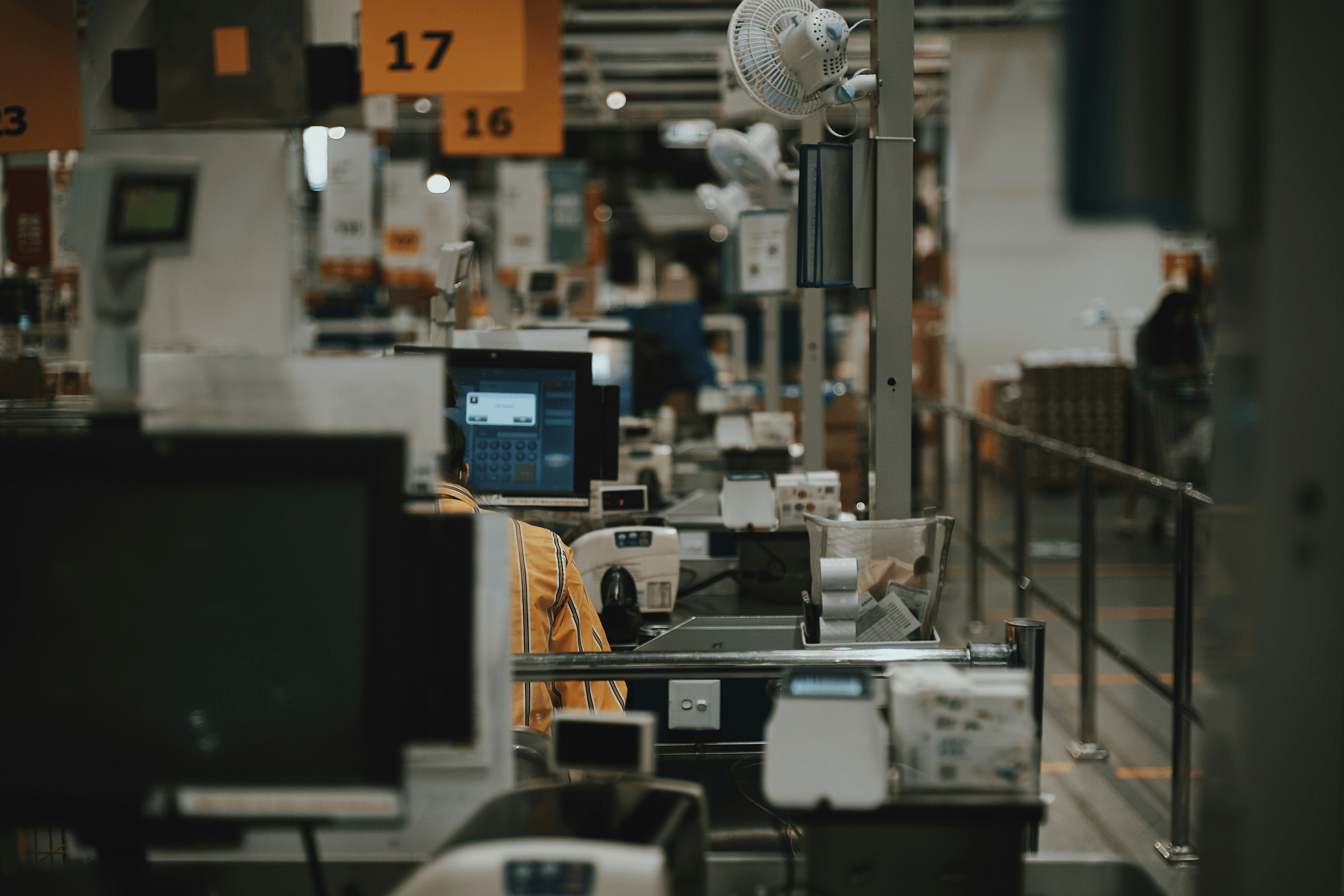
When it comes to ensuring high standards in product safety testing, China Inspection Pro stands out as a key player in the industry. This organization specializes in providing comprehensive product testing services that help manufacturers comply with international regulations. By focusing on quality assurance and consumer safety, they have established themselves as a trusted partner for businesses looking to achieve certification product status.
Overview of China Inspection Pro
China Inspection Pro is a leading provider of inspection and testing services dedicated to enhancing product quality across various industries. With years of experience, they have developed methodologies that ensure rigorous assessments during the certification inspection process. Their expertise spans numerous sectors, allowing them to cater to diverse consumer product testing needs effectively.
By leveraging advanced technology and skilled professionals, China Inspection Pro delivers reliable results that facilitate compliance with global standards. Their commitment to transparency and integrity sets them apart from other service providers in the market. As manufacturers increasingly prioritize safety and quality, partnering with an established entity like China Inspection Pro can significantly enhance their credibility.
Their Approach to Product Certification
China Inspection Pro adopts a multifaceted approach to product certification that emphasizes thoroughness and precision in every step of the process. They begin by conducting detailed risk assessments tailored to each specific product category, ensuring that all potential hazards are identified early on. This proactive stance enables clients to address issues before they escalate, ultimately leading to smoother certification inspections.
Moreover, their team collaborates closely with manufacturers throughout the entire journey—from initial design stages through final production—to ensure compliance with relevant regulations and standards. This partnership fosters an environment where continuous improvement is prioritized, making it easier for businesses to adapt as regulations evolve over time. By providing insightful feedback during the certification process, they empower clients to refine their products while maintaining high safety standards.
Case Studies of Successful Inspections
To illustrate their effectiveness in product safety testing, consider several case studies showcasing how China Inspection Pro has helped various companies achieve successful certifications. One notable example involves a toy manufacturer facing challenges related to compliance with stringent safety regulations in North America and Europe. Through meticulous inspections and targeted recommendations from China Inspection Pro's experts, the manufacturer was able to rectify issues quickly and secure necessary certifications ahead of schedule.
Another case highlights a consumer electronics company struggling with quality control issues that led to frequent recalls due to safety concerns. By implementing rigorous testing protocols recommended by China Inspection Pro during the production phase, this company not only improved its overall quality but also enhanced its reputation among consumers—resulting in increased sales and brand loyalty over time.
These examples demonstrate how effective collaboration between manufacturers and inspection services can lead not only to successful certifications but also foster long-term improvements in product quality across industries.
Navigating Consumer Product Testing Regulations
In the ever-evolving landscape of consumer goods, understanding the maze of regulations surrounding product safety testing is crucial for manufacturers. Compliance with these regulations not only protects consumers but also enhances a brand's reputation in the market. By staying informed about key regulations and best practices, businesses can ensure their products meet safety standards while avoiding costly pitfalls.
Key Regulations to Know
When it comes to consumer product testing, several key regulations stand out as essential knowledge for manufacturers. The Consumer Product Safety Improvement Act (CPSIA) in the United States sets forth stringent requirements for product safety testing and certification, particularly concerning children's products. Additionally, the European Union's General Product Safety Directive (GPSD) emphasizes that all products placed on the market must be safe for consumers, mandating thorough product certification processes.
Understanding these regulations is paramount; they dictate how products should be tested and certified before hitting store shelves. In many cases, failure to comply with these standards can result in recalls or legal action, not to mention harm to customer trust. Therefore, keeping abreast of updates and changes in these laws is vital for any manufacturer engaged in consumer product testing.
How to Stay Compliant
Staying compliant with product safety testing regulations requires a proactive approach from manufacturers. First and foremost, investing in quality product testing services can help ensure that your items meet all necessary standards before certification inspection takes place. Regular audits and reviews of compliance processes can also help identify potential issues early on.
Moreover, establishing strong relationships with reputable certification bodies will enable businesses to navigate complex requirements more effectively. These organizations often provide guidance on best practices and keep manufacturers updated on changes in regulation that may impact their products' certifications. Ultimately, a commitment to transparency and diligence will go a long way toward achieving compliance.
Resources for Manufacturers
Manufacturers looking to navigate the world of consumer product testing should leverage various resources available at their fingertips. Industry associations such as ASTM International or ISO provide valuable guidelines regarding safety standards and best practices for product certification across different sectors. Additionally, government websites often offer comprehensive information about regulatory requirements related to specific products.
Online platforms dedicated to sharing insights about certification products can also be beneficial; they frequently feature articles from experts discussing emerging trends and regulatory updates in the realm of product safety testing. Lastly, attending trade shows or seminars focused on compliance issues provides an opportunity for networking while gaining firsthand knowledge from industry leaders regarding effective strategies for staying compliant with ever-changing regulations.
Conclusion
In the ever-evolving landscape of consumer products, the importance of product safety testing cannot be overstated. As regulations tighten and consumer expectations rise, businesses must prioritize rigorous product certification processes to ensure their offerings meet safety standards. The future of product safety testing will likely see advancements in technology and methodologies that enhance efficiency and reliability.
The Future of Product Safety Testing
The future of product safety testing is poised for transformation, driven by innovations such as artificial intelligence and automation. These technologies can streamline the certification process, making it quicker and more accurate while reducing human error. Additionally, as global markets expand, we can expect a more standardized approach to consumer product testing across borders, ensuring consistent quality and compliance.
Best Practices for Certification Inspections
To navigate the complexities of certification inspections effectively, businesses should adopt best practices that emphasize transparency and thoroughness. First, maintaining open lines of communication with certification bodies can help clarify requirements and expectations during inspections. Second, regular internal audits can identify potential issues before formal inspections occur, allowing companies to address them proactively.
Why Invest in Product Testing Services
Investing in product testing services is not merely a regulatory obligation; it's a strategic move that enhances brand reputation and customer trust. By ensuring compliance through diligent product safety testing, businesses can significantly reduce the risk of recalls or legal issues down the line. Ultimately, this investment pays off by fostering consumer loyalty and establishing a competitive edge in an increasingly crowded marketplace.