
Introduction
In the world of eye care, quality control is not just a buzzword; it's a necessity. Ensuring that contact lenses meet rigorous standards is vital for the health and safety of consumers. Quality control encompasses various aspects, including Contact Lens Inspection, which plays a crucial role in maintaining these standards.
Understanding the Importance of Quality Control
Quality control in contact lens manufacturing serves as the backbone of consumer trust and satisfaction. Without stringent quality checks, defects could slip through the cracks, potentially leading to discomfort or even harm to users. By prioritizing quality assurance through methods like Visual Inspection and Materials Inspection, manufacturers can ensure that every pair of lenses meets high safety standards.
What is Contact Lens Inspection?
Contact Lens Inspection refers to the systematic evaluation of lenses to identify any defects or inconsistencies before they reach consumers' hands. This process involves multiple stages, including visual checks for imperfections and thorough assessments of materials used in production. Effective inspection ensures that both performance and comfort are optimized, allowing users to enjoy their lenses without worry.
The Role of China Inspection Pro
China Inspection Pro specializes in providing comprehensive inspection services tailored specifically for contact lens manufacturers. Their expertise spans various inspection types—including Labeling and Packaging Inspection—ensuring that every aspect meets regulatory requirements and industry standards. By leveraging their services, companies can enhance product quality while reducing risks associated with faulty products entering the market.
The Basics of Contact Lens Inspection

What to Inspect for Quality Assurance
Quality assurance in contact lenses involves a detailed examination of several critical factors. Inspectors focus on visual inspection techniques to identify any defects in the lenses, such as bubbles, scratches, or irregularities that could affect performance. Additionally, materials inspection plays a crucial role; the raw materials used must meet established standards to ensure durability and comfort for users.
A thorough inspection also examines labeling and packaging inspection aspects to guarantee that all necessary information is correctly displayed and compliant with regulations. This includes checking expiration dates, usage instructions, and manufacturer details—elements essential for consumer safety. Ultimately, inspectors look for consistency across batches to ensure every lens meets high-quality benchmarks.
Key Standards in Contact Lens Manufacturing
The world of contact lens manufacturing is governed by a set of stringent standards designed to protect consumers and guarantee product integrity. Organizations like the International Organization for Standardization (ISO) provide guidelines that manufacturers must follow regarding production processes and material specifications. Compliance with these standards ensures that every pair of lenses produced is safe for wearers.
Key standards encompass various aspects such as biocompatibility—how well materials interact with human tissue—and optical clarity requirements that dictate how well light passes through lenses without distortion. Additionally, there are specific regulations concerning labeling and packaging inspection to ensure that all information provided meets industry norms and consumer expectations. Adhering to these standards not only protects users but also enhances brand reputation in a competitive market.
Why Quality Matters
Quality matters immensely in the realm of contact lenses due to their direct impact on user health and comfort. Poorly manufactured lenses can lead not only to discomfort but also serious eye health issues like infections or vision impairment—an outcome no one wants! Therefore, rigorous Contact Lens Inspection processes are essential before any product reaches consumers’ hands.
Moreover, maintaining high-quality standards fosters consumer trust; customers are more likely to choose brands known for their commitment to excellence over those with questionable practices or subpar products. In an industry where repeat business is crucial, ensuring quality through meticulous inspections can make all the difference between customer loyalty and loss of clientele. Ultimately, investing time in thorough inspections—from visual checks through materials assessment—pays off significantly in long-term success.
Visual Inspection Techniques

Visual inspection is a crucial step in the Contact Lens Inspection process, serving as the first line of defense against defects. By employing keen observation skills and systematic checks, inspectors can identify a range of issues that might compromise lens quality. This technique not only ensures that the lenses meet established standards but also enhances consumer safety and satisfaction.
Identifying Defects through Visual Checks
Inspectors look for abnormalities such as scratches, bubbles, or irregular edges that could affect lens performance. A thorough examination can catch these flaws early, preventing defective products from reaching consumers and maintaining high quality standards.
Visual inspection techniques involve examining each lens under adequate lighting to spot imperfections easily. Inspectors often utilize magnifying tools to enhance their ability to detect minute defects that may go unnoticed with the naked eye. This meticulous attention to detail helps ensure that every batch of lenses adheres to stringent quality requirements.
Tools and Technology for Visual Inspection
The landscape of visual inspection has evolved significantly with advancements in technology, making it easier than ever for inspectors to conduct thorough Contact Lens Inspections. Essential tools include high-resolution cameras and specialized software designed for defect detection, which allow for precise analysis of each lens's surface and shape. These technologies not only improve accuracy but also enhance the efficiency of the inspection process.
In addition to traditional methods like magnifying glasses, automated systems equipped with image recognition capabilities are becoming increasingly common in materials inspection processes. These systems can quickly analyze hundreds of lenses at once, flagging any potential issues for further review by human inspectors. The integration of technology into visual inspections represents a significant leap forward in ensuring consistent product quality.
Common Visual Defects in Contact Lenses
Understanding common visual defects is essential for effective Contact Lens Inspection and maintaining overall product integrity. Some frequent issues encountered include surface scratches that can cause discomfort or vision distortion; air bubbles trapped within the material; and color inconsistencies that may indicate improper manufacturing processes.
Other notable defects include warping or irregular shapes that could lead to improper fit on the eye—an issue no one wants when it comes to contact lenses! By recognizing these common faults during visual inspections, manufacturers can take corrective actions before products reach consumers’ hands.
Ultimately, implementing rigorous visual inspection techniques not only safeguards product quality but also reinforces trust between manufacturers and users alike—ensuring everyone enjoys clear vision without compromise.
Materials Inspection in Depth

When it comes to Contact Lens Inspection, the foundation lies in the materials used. The raw materials are not just ingredients; they are the building blocks that determine the quality and safety of contact lenses. A thorough Materials Inspection ensures that every component meets stringent quality standards, ultimately protecting consumers from potential harm.
Importance of Raw Material Assessment
Raw material assessment is crucial in the Contact Lens Inspection process because it directly impacts product performance and safety. If subpar materials are used, even the most sophisticated manufacturing techniques can't compensate for their deficiencies. By rigorously inspecting these materials before production, manufacturers can avoid costly recalls and maintain their reputation for quality.
How Materials Affect Lens Performance
The choice of materials significantly influences lens performance, comfort, and wearability. For instance, different polymers can affect oxygen permeability and moisture retention, which are vital for eye health. Understanding how these materials interact with each other during use is essential; otherwise, you might end up with lenses that irritate rather than enhance vision.
Standards for Material Quality
Standards for material quality in Contact Lens Inspection are set by various regulatory bodies to ensure consumer safety and product efficacy. These standards dictate everything from biocompatibility to light transmission properties of lenses made from specific materials. Adhering to these guidelines not only fulfills legal requirements but also builds trust with customers who rely on your products for their eye care needs.
Labeling and Packaging Inspection

In the world of contact lenses, labeling and packaging inspection is not just a formality—it's essential for ensuring safety and effectiveness. Proper labeling provides vital information to consumers, including usage instructions and expiration dates, while packaging protects the lenses from contamination and damage. A meticulous approach to this aspect of quality control can prevent costly recalls and maintain brand reputation.
Why Proper Labeling is Crucial
Proper labeling in contact lens inspection is crucial because it directly impacts user safety. Misleading or incomplete labels can result in improper usage, leading to discomfort or even serious eye health issues. Moreover, clear labeling enhances customer trust; when consumers see well-labeled products, they are more likely to believe in the quality of what they are purchasing.
Additionally, effective labeling serves as a communication tool between manufacturers and consumers. It provides essential information about the product's specifications—like lens type, material composition, and care instructions—that users need for safe handling. Inadequate or confusing labels not only risk consumer health but also expose manufacturers to legal liabilities.
Ensuring Packaging Integrity
Ensuring packaging integrity is another critical component of contact lens inspection that cannot be overlooked. The primary function of packaging is to protect the lenses from environmental factors such as moisture, dust, and physical damage during transportation and storage. If the packaging fails during transit or display on shelves, it could compromise product integrity before it even reaches the consumer.
Moreover, robust packaging helps maintain sterility—a vital requirement for contact lenses—to prevent infections that could arise from contaminated products. This aspect ties back into visual inspection techniques; inspectors must scrutinize seals and materials used in packaging to ensure they meet industry standards for protection against contamination. Ultimately, high-quality packaging safeguards both the product and its users.
Regulatory Compliance in Packaging
Regulatory compliance in packaging is non-negotiable when it comes to contact lens inspection processes. Different countries have specific guidelines governing how medical devices should be labeled and packaged; failing to adhere can lead to significant fines or bans on selling products altogether. Quality control specialists must stay updated with these regulations to ensure all aspects of labeling align with legal requirements.
Furthermore, compliance doesn't just protect companies legally; it also bolsters consumer confidence in their products' safety standards. When customers see that a product meets regulatory guidelines through its clear labeling and secure packaging, they're more inclined to trust its efficacy over competitors who may not prioritize these aspects as rigorously. Therefore, thorough inspections play a pivotal role in maintaining compliance while enhancing overall quality assurance efforts.
The Role of Quality Control Specialists
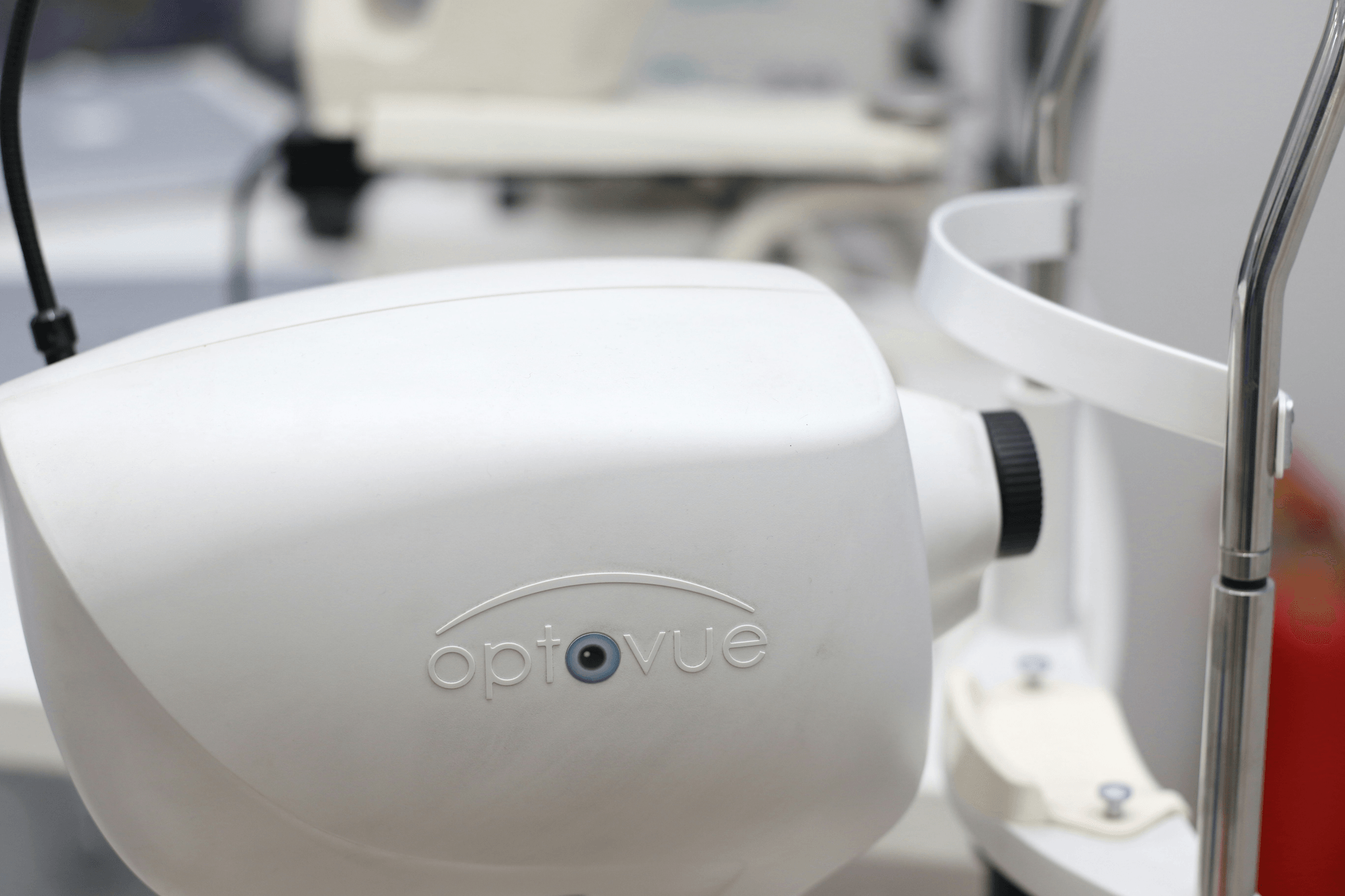
In the world of contact lenses, quality control specialists play a pivotal role in ensuring that every lens meets the highest standards. These professionals are responsible for conducting thorough inspections that encompass visual checks, materials assessments, and even labeling and packaging inspection. Their expertise helps manufacturers maintain compliance with industry regulations while delivering safe and effective products to consumers.
Who Conducts Contact Lens Inspection?
Contact lens inspection is typically conducted by trained quality control inspectors who specialize in ophthalmic products. These specialists are equipped with the knowledge and skills needed to identify defects through various methods, including visual inspection techniques and materials inspection processes. Their attention to detail ensures that any issues—ranging from minor cosmetic flaws to significant functional defects—are caught before lenses reach the market.
Expertise of China Inspection Pro
China Inspection Pro stands out as a leader in quality assurance services for contact lenses, offering unparalleled expertise in this niche field. Their team consists of seasoned professionals who understand the intricacies of contact lens manufacturing, from raw material sourcing to final packaging inspections. With their comprehensive approach—including rigorous visual inspections and detailed materials assessments—they ensure that every aspect of quality control is meticulously addressed.
Benefits of Professional Quality Inspections
Engaging professional quality inspectors like those at China Inspection Pro brings numerous benefits to contact lens manufacturers. First and foremost, these experts help reduce the risk of product recalls by catching potential issues early on through diligent labeling and packaging inspection processes. Additionally, their specialized knowledge enhances product reliability, ultimately leading to increased customer satisfaction—a crucial factor in today’s competitive market for contact lenses.
Conclusion
In the fast-paced world of contact lens manufacturing, ensuring product quality through rigorous inspection processes is paramount. Contact Lens Inspection serves as a critical checkpoint that guarantees lenses meet safety and performance standards before reaching consumers. By implementing thorough visual, materials, and labeling inspections, manufacturers can enhance overall product quality and consumer satisfaction.
Enhancing Product Quality through Inspection
The various facets of Contact Lens Inspection—from visual checks to materials assessment—are designed to catch potential defects before they become costly issues. Effective Labeling and Packaging Inspection ensures that consumers receive products that are not only safe but also accurately represented in terms of usage instructions and expiration dates. By prioritizing these inspections, manufacturers can significantly reduce the risk of recalls or adverse effects while building trust with their customers.
Key Takeaways for Quality Control
Quality control in contact lens manufacturing hinges on a multi-faceted approach that includes Visual Inspection, Materials Inspection, and proper labeling practices. Each step in the inspection process plays a vital role in maintaining high standards; neglecting any aspect could lead to serious repercussions for both manufacturers and users alike. Ultimately, investing in robust quality control measures translates to better products on the shelves—and happier eyes for everyone.
Future of Contact Lens Quality Assurance
Looking ahead, advancements in technology will likely transform how Contact Lens Inspection is conducted, making processes more efficient and effective than ever before. Innovations such as AI-driven inspection tools could enhance Visual Inspections by quickly identifying defects that human eyes might miss. Additionally, as consumer awareness grows regarding the importance of safety and quality in eye care products, companies will be compelled to elevate their standards even further—ensuring that every pair of lenses meets or exceeds expectations.