
Introduction
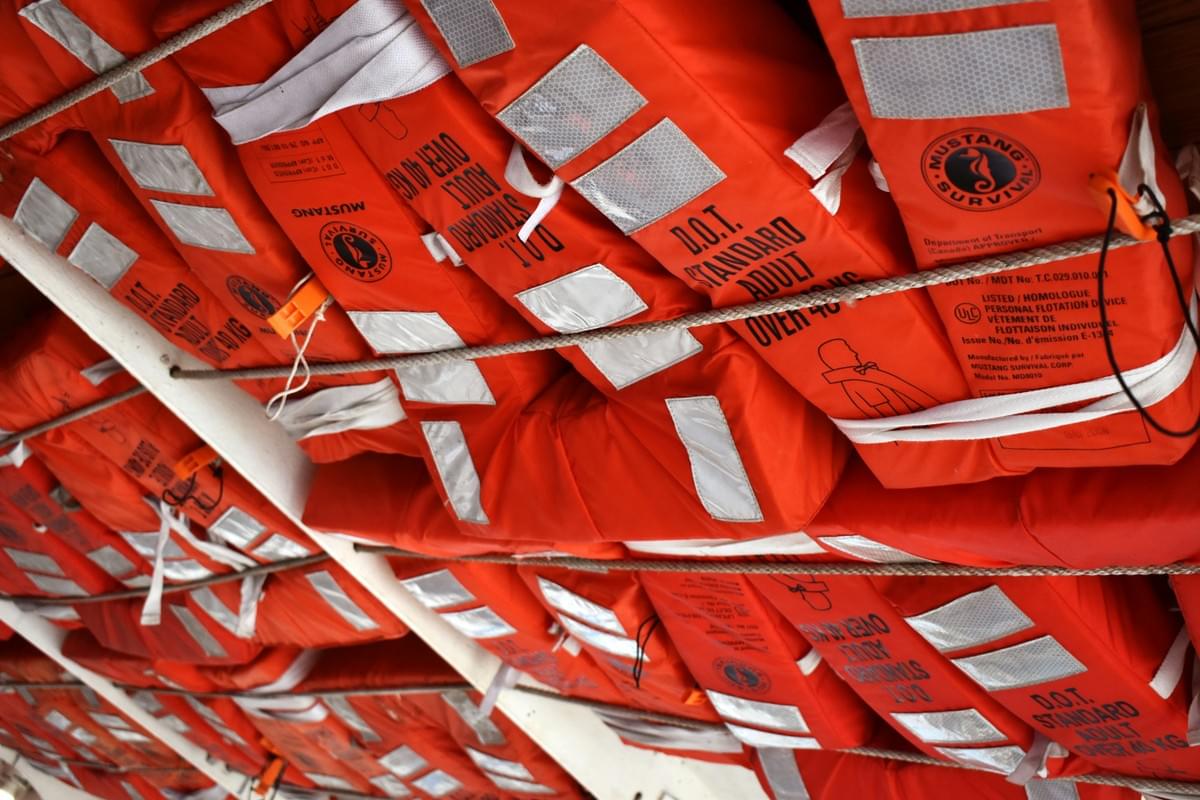
In the world of water safety, life jackets stand as a crucial line of defense against drowning. Ensuring that these essential devices meet safety standards through rigorous Life Jacket Inspection is paramount. This process encompasses various stages, including PRE-PRODUCTION INSPECTION, MATERIALS INSPECTION, ASSEMBLY INSPECTION, VISUAL INSPECTION, and MEASUREMENT AND WEIGHT INSPECTION, each playing a vital role in guaranteeing the quality and reliability of life jackets.
Understanding Life Jacket Importance
Life jackets are not just buoyant devices; they are lifesavers that can mean the difference between life and death in emergency situations. Understanding their importance goes beyond their basic function; it involves recognizing the critical need for thorough inspections to ensure they perform effectively when needed most. This is why every aspect of Life Jacket Inspection is designed to uphold the highest safety standards.
Overview of Inspection Procedures
The journey of a life jacket from concept to consumer involves several meticulous inspection procedures that cannot be overlooked. Each stage—PRE-PRODUCTION INSPECTION, MATERIALS INSPECTION, ASSEMBLY INSPECTION, VISUAL INSPECTION, and MEASUREMENT AND WEIGHT INSPECTION—ensures that potential issues are identified early on and addressed promptly. By adhering to these procedures, manufacturers can produce reliable life jackets that consumers can trust.
The Role of Quality Inspection in China
China has established itself as a global leader in manufacturing; however, this also necessitates stringent quality control measures for products like life jackets. The role of quality inspection in China is critical as it ensures compliance with international safety standards while maintaining high production efficiency. Through comprehensive Life Jacket Inspection processes—including all key stages from PRE-PRODUCTION to MEASUREMENT AND WEIGHT INSPECTION—manufacturers can enhance their reputation and ensure customer safety on waterways.
PRE-PRODUCTION INSPECTION
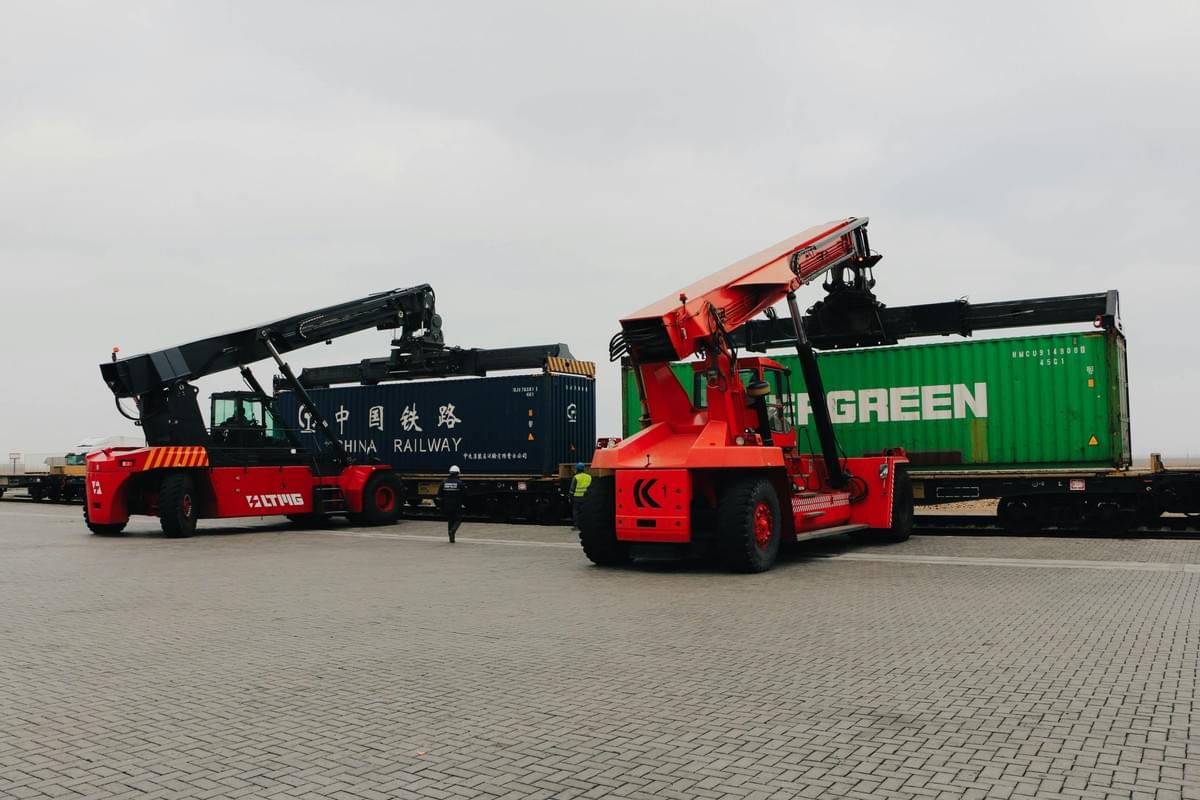
Before a life jacket ever graces the open waters, it undergoes a crucial phase known as pre-production inspection. This stage is all about laying the groundwork for quality and safety, ensuring that every life jacket meets stringent standards before the manufacturing process kicks off. By addressing potential issues early on, manufacturers can save time and resources while ensuring compliance with safety regulations.
Defining Pre-Production Requirements
Pre-production requirements serve as the blueprint for successful life jacket inspection and production. These requirements detail specifications regarding materials, design features, and compliance with safety standards that must be met before any assembly begins. Clearly defining these parameters not only streamlines the production process but also enhances overall product reliability.
Key Factors to Evaluate
When conducting a pre-production inspection, several key factors warrant close attention to ensure life jackets meet expected performance and safety benchmarks. Evaluators should focus on material quality, design integrity, and adherence to regulatory standards during this critical phase of life jacket inspection. Each of these elements plays a vital role in determining whether the final product will withstand rigorous use while keeping wearers safe.
Importance of Early Detection
The significance of early detection in pre-production inspection cannot be overstated; catching flaws at this stage can prevent costly mistakes later in the manufacturing process. By identifying potential issues before production begins, companies can make necessary adjustments to materials or designs that might otherwise lead to defects down the line during assembly or visual inspections. Ultimately, prioritizing early detection fosters a culture of quality assurance that benefits both manufacturers and consumers alike.
MATERIALS INSPECTION
Material Compliance Standards
Material compliance standards are the backbone of any effective Life Jacket Inspection process. These standards ensure that all materials used in production meet safety regulations set by governing bodies such as the U.S. Coast Guard or ISO (International Organization for Standardization). Adhering to these standards not only guarantees safety but also enhances consumer confidence in the product's reliability.
In addition to regulatory compliance, manufacturers must be aware of specific material characteristics such as buoyancy, resistance to water absorption, and UV stability. These factors are essential for maintaining performance over time, especially when life jackets are subjected to harsh marine environments. Regular audits during PRE-PRODUCTION INSPECTION can help identify any discrepancies early on, leading to better overall quality control.
Evaluating Durability and Quality
Evaluating durability and quality during Life Jacket Inspection is paramount for ensuring that products withstand rigorous use without compromising safety. Factors like tensile strength, abrasion resistance, and colorfastness play a significant role in determining how well a life jacket will perform over its lifespan. Testing these attributes through standardized methods can provide valuable insights into how materials will hold up under real-world conditions.
Moreover, understanding the lifecycle of materials helps manufacturers make informed decisions about design choices during ASSEMBLY INSPECTION phases. For example, using reinforced stitching or high-quality zippers can enhance longevity significantly. By prioritizing durability in material selection and evaluation processes, companies can minimize returns due to defects while maximizing customer satisfaction.
Sourcing from Reliable Suppliers
Sourcing from reliable suppliers is a critical step in the Life Jacket Inspection process that cannot be overlooked. Establishing strong relationships with reputable suppliers ensures access to high-quality materials that meet compliance standards consistently over time. Conducting thorough background checks and audits on potential suppliers during PRE-PRODUCTION INSPECTION helps mitigate risks associated with subpar material sourcing.
Additionally, reliable suppliers often have established quality control measures in place that align with industry best practices—making them ideal partners for manufacturers focused on delivering excellence through their products. Collaborating closely with these suppliers enables ongoing dialogue about material innovations or improvements that could further enhance durability or performance during ASSEMBLY INSPECTION stages.
In summary, robust Materials Inspection is fundamental for achieving high-quality life jackets that meet stringent safety requirements while providing peace of mind for users everywhere.
ASSEMBLY INSPECTION
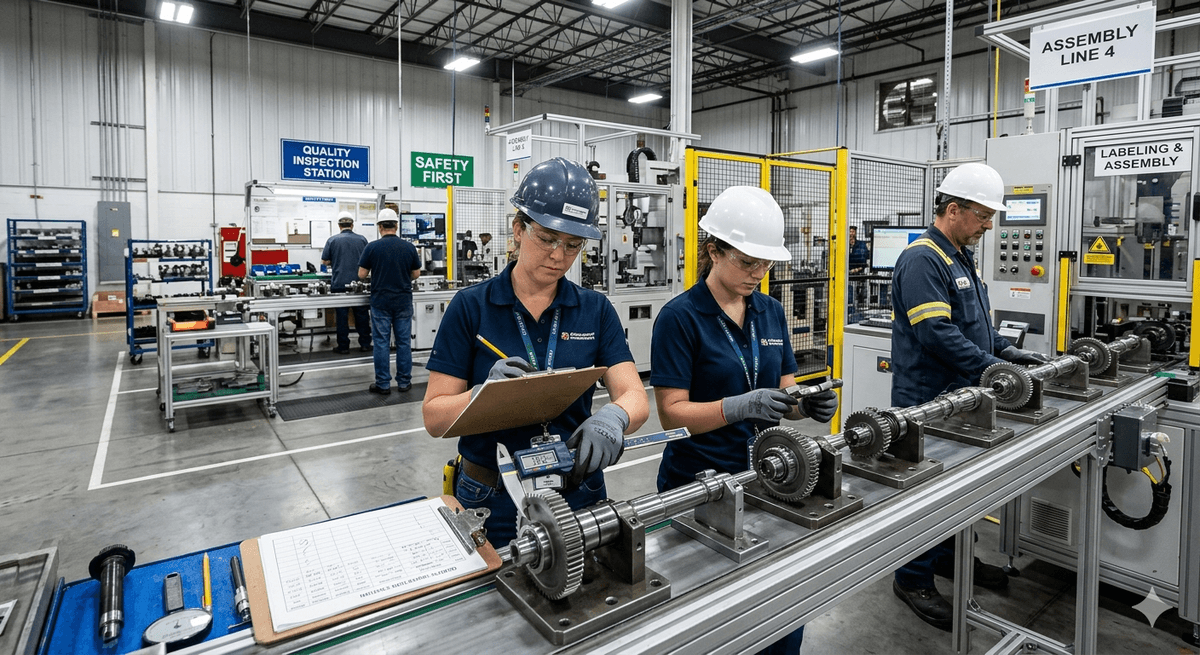
This stage follows the PRE-PRODUCTION INSPECTION and MATERIALS INSPECTION, where specifications and materials have been confirmed. A well-executed assembly process can significantly impact the overall quality and safety of life jackets.
Assembly Process Overview
The assembly process involves bringing together various parts of the life jacket, including flotation devices, straps, and buckles. Each component must be correctly aligned and securely attached to meet safety standards during Life Jacket Inspection. Understanding this process helps inspectors identify any potential weaknesses that could arise from improper assembly.
Ensuring Consistency and Quality
To ensure consistency in production, it's essential to establish clear guidelines for the assembly team during Life Jacket Inspection. Regular checks throughout the ASSEMBLY INSPECTION phase help maintain high-quality standards by identifying discrepancies early on. By focusing on consistency, manufacturers can reduce defects and enhance customer trust in their products.
Role of Skilled Labor in Assembly
Skilled labor plays a pivotal role in the successful assembly of life jackets, directly influencing their quality during Life Jacket Inspection. Workers must be trained not only in technical skills but also in understanding the importance of each component's function as outlined during PRE-PRODUCTION INSPECTION and MATERIALS INSPECTION phases. The expertise of skilled laborers ensures that every life jacket meets rigorous safety standards while maintaining aesthetic appeal.
VISUAL INSPECTION
Checking for Visible Defects
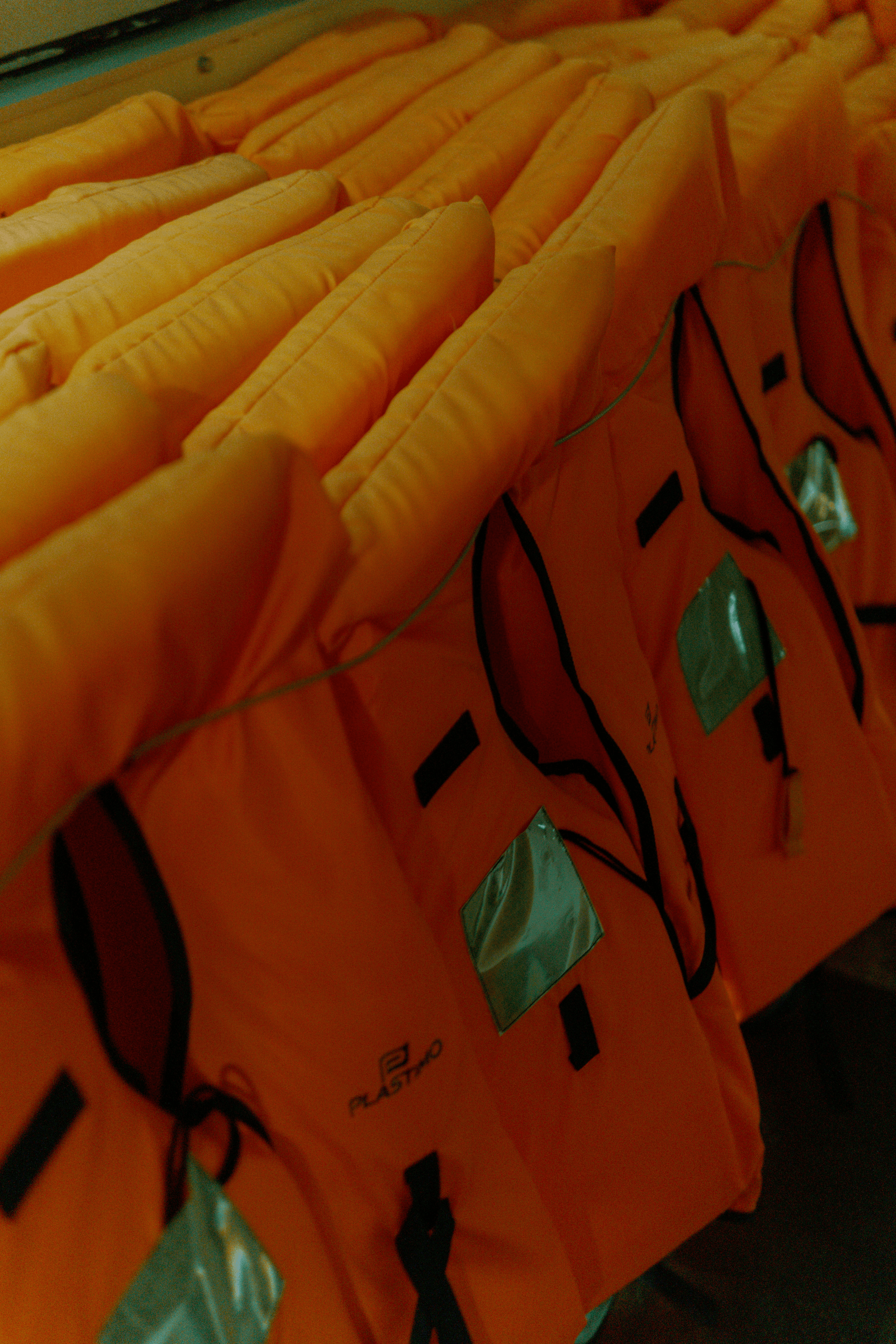
During the visual inspection phase of Life Jacket Inspection, inspectors should look for a variety of visible defects such as tears, fraying seams, or discoloration. These imperfections can indicate poor craftsmanship during the PRE-PRODUCTION INSPECTION or assembly phases and may affect the life jacket's performance in critical situations. Identifying these defects early not only enhances product quality but also protects consumers who rely on these safety devices.
Moreover, it’s crucial to examine components like buckles and straps during this phase to ensure they are intact and functioning properly. Any signs of wear or damage could lead to failure when the life jacket is needed most. A meticulous approach in checking for visible defects helps maintain high standards throughout the MATERIALS INSPECTION and ASSEMBLY INSPECTION processes.
Importance of Aesthetic Quality
While safety is paramount in Life Jacket Inspection, aesthetic quality plays an equally important role in consumer perception and marketability. A well-designed life jacket not only functions effectively but also appeals visually to users who want both style and safety while enjoying water activities. The importance of aesthetic quality cannot be overstated; it reflects the brand’s commitment to excellence from PRE-PRODUCTION INSPECTION through final assembly.
Furthermore, aesthetically pleasing products often lead to higher customer satisfaction and loyalty, which can significantly impact sales figures over time. Visual appeal also extends beyond colors and patterns; it includes how neatly components are assembled together during ASSEMBLY INSPECTION. Therefore, maintaining aesthetic quality alongside functional integrity ensures that customers feel confident in their purchase.
Tips for Effective Visual Inspection
To conduct an effective visual inspection during Life Jacket Inspection, inspectors should adopt a systematic approach that covers all aspects of the product thoroughly. Start by using a checklist based on previous inspections from PRE-PRODUCTION INSPECTION through MEASUREMENT AND WEIGHT INSPECTION stages to ensure no detail is overlooked. This checklist can include items such as stitching quality, color consistency, and component alignment.
Additionally, utilizing good lighting conditions will help reveal subtle defects that might otherwise go unnoticed under poor illumination. Inspectors should also consider employing magnification tools when necessary; small flaws can lead to significant failures later on if ignored now during visual inspections. Lastly, engaging multiple sets of eyes can provide diverse perspectives—what one inspector might miss another could catch—enhancing overall inspection effectiveness significantly.
MEASUREMENT AND WEIGHT INSPECTION
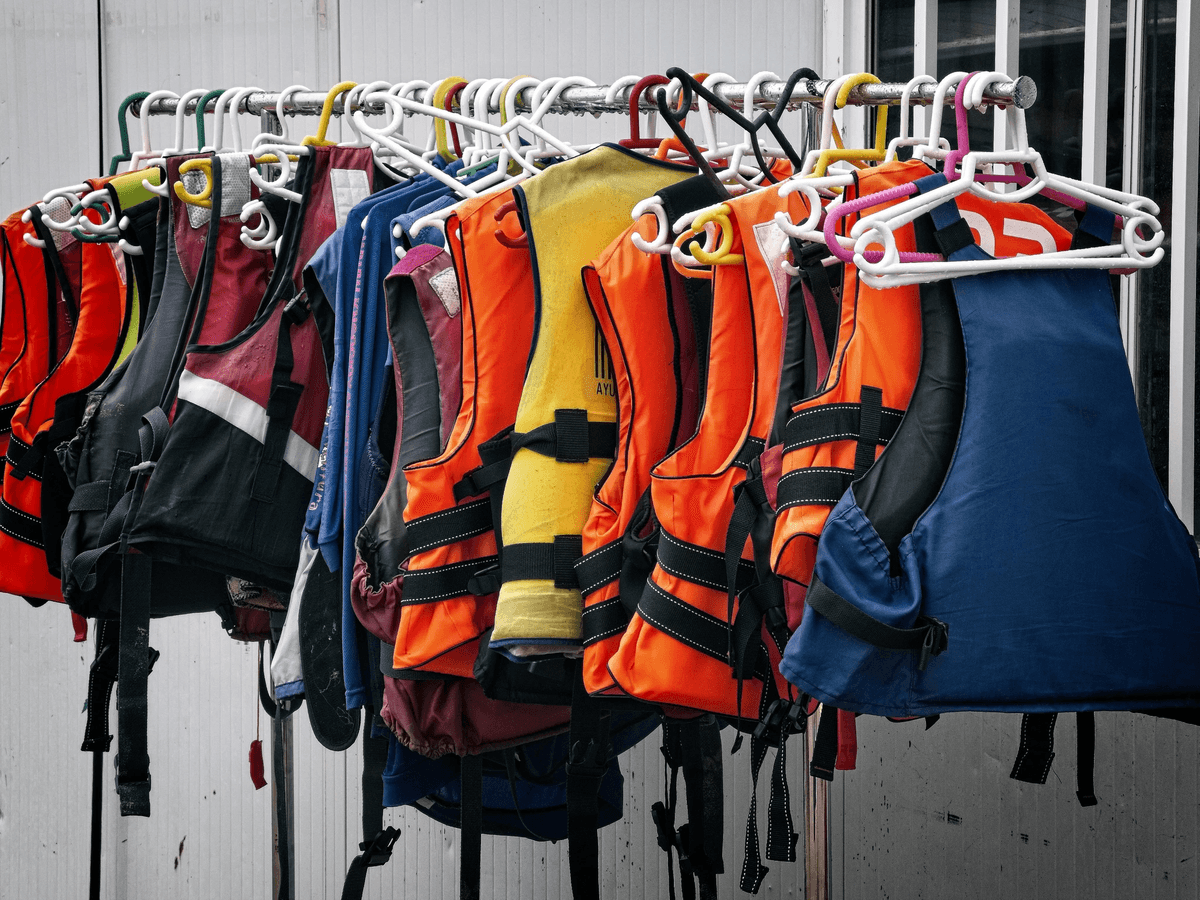
When it comes to Life Jacket Inspection, accurate measurements and weight assessments are non-negotiable. The effectiveness of a life jacket hinges on its ability to provide buoyancy and fit correctly, which means that every inch and ounce counts. In this section, we’ll dive into the significance of precise measurements, safety weight standards, and compliance with regulations.
Importance of Accurate Measurements
Accurate measurements are critical during the Life Jacket Inspection process because even slight discrepancies can affect performance in water. For instance, a life jacket that is too large may not hold a person above water effectively, while one that is too small could be uncomfortable or ineffective in an emergency. Thus, ensuring precision during the PRE-PRODUCTION INSPECTION phase sets the stage for quality assurance throughout the entire production process.
Weight Standards for Safety
Weight standards are another crucial aspect of Life Jacket Inspection that cannot be overlooked. Each life jacket must comply with specific weight limits to ensure it provides adequate flotation for users of varying sizes. These standards are established by regulatory bodies and should be verified during the ASSEMBLY INSPECTION phase to guarantee compliance before products hit the market.
Moreover, understanding the relationship between weight distribution and buoyancy is essential in assessing whether a life jacket meets safety requirements. For instance, if a life jacket is too heavy or poorly designed in terms of weight distribution, it may fail to keep someone afloat effectively when needed most. Therefore, adherence to established weight standards not only safeguards users but also minimizes liability risks for manufacturers.
Ensuring Compliance with Regulations
Compliance with regulations is paramount in Life Jacket Inspection processes; failure to meet these guidelines can lead to dire consequences both legally and ethically. Regulatory bodies outline specific requirements regarding measurements and weights that manufacturers must follow meticulously throughout PRE-PRODUCTION INSPECTION through VISUAL INSPECTION stages as well as beyond assembly lines.
Regular audits should be conducted within MATERIALS INSPECTION protocols to ensure all components used adhere strictly to industry standards before they ever make their way into production lines or assembly facilities. Moreover, training skilled laborers involved in ASSEMBLY INSPECTION about these regulations fosters an environment where compliance becomes second nature rather than an afterthought—ultimately leading toward safer products reaching consumers’ hands.
Conclusion

In conclusion, the importance of thorough Life Jacket Inspection cannot be overstated. Each phase of inspection—from PRE-PRODUCTION INSPECTION to MEASUREMENT AND WEIGHT INSPECTION—plays a crucial role in ensuring that life jackets meet safety and quality standards. By adhering to these inspection procedures, manufacturers can significantly reduce risks and enhance consumer confidence.
Key Takeaways for Effective Inspection
Effective Life Jacket Inspection hinges on a systematic approach that includes PRE-PRODUCTION INSPECTION, MATERIALS INSPECTION, ASSEMBLY INSPECTION, VISUAL INSPECTION, and MEASUREMENT AND WEIGHT INSPECTION. Early detection of potential issues during the PRE-PRODUCTION phase can save time and money down the line. Remember, consistent quality checks throughout the assembly process are vital to maintaining high standards.
Leveraging China Inspection Pro Services
When it comes to Life Jacket Inspection, partnering with China Inspection Pro Services can provide invaluable expertise. Their seasoned professionals specialize in every aspect of inspection—from MATERIALS INSPECTION to ASSEMBLY INSPECTION—ensuring compliance with international safety regulations. Utilizing their services not only enhances product reliability but also streamlines the overall production process.
Ensuring Compliance and Safety Standards
Ensuring compliance with safety standards is paramount in the life jacket industry; this is where comprehensive inspections shine. Through diligent VISUAL INSPECTION and accurate MEASUREMENT AND WEIGHT INSPECTION, manufacturers can guarantee their products are safe for consumers. Ultimately, a commitment to rigorous Life Jacket Inspection fosters trust and protects lives on water.