
Introduction
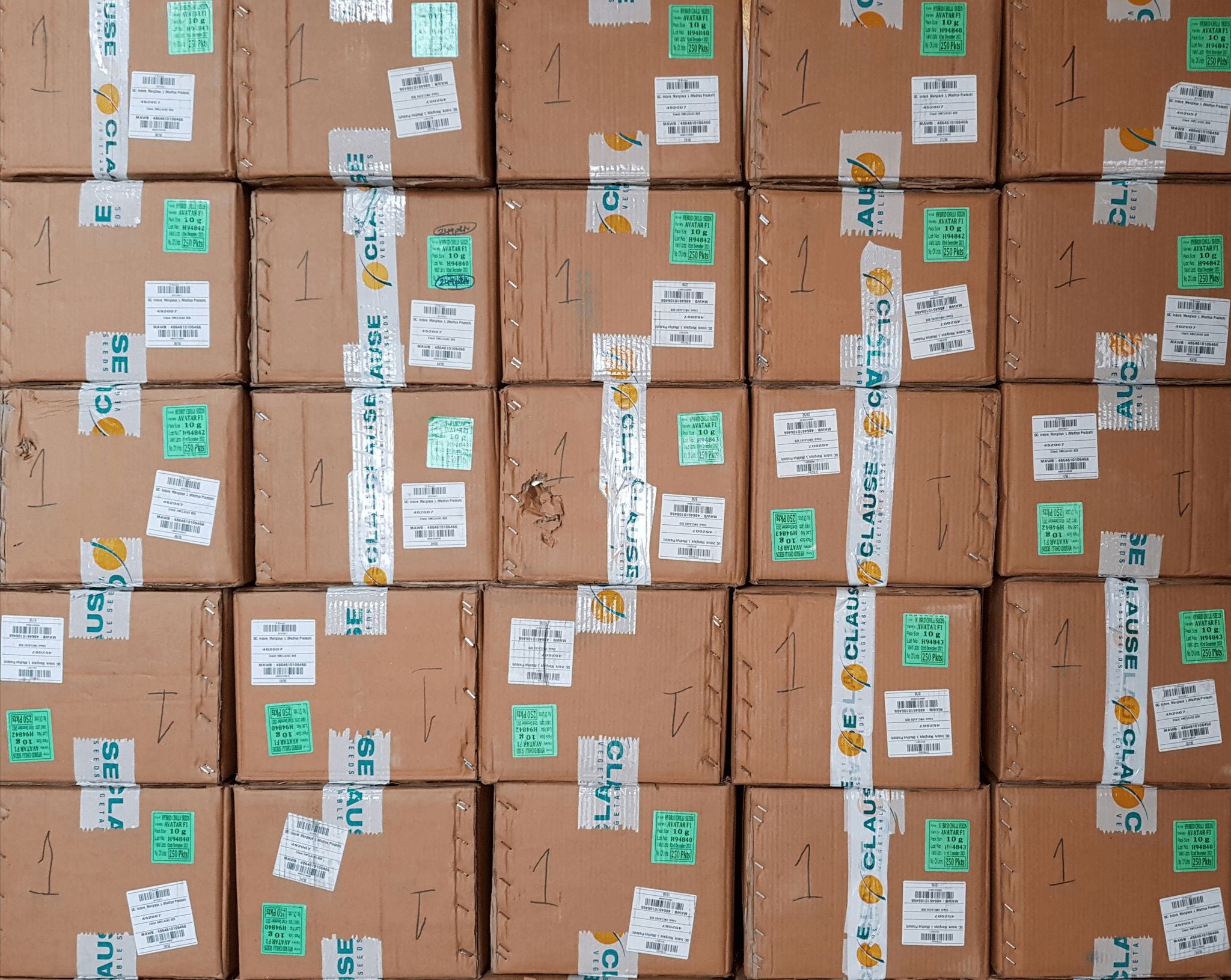
So, what is a certificate of conformity? Essentially, it's a document that verifies that a product meets specific regulatory standards and requirements set by various authorities. This document is crucial for ensuring that products are safe and compliant before they enter new markets.
Understanding the CoC Basics
A Certificate of Conformity serves as an assurance that a product adheres to specified standards, whether they pertain to safety, quality, or environmental impact. When discussing what is a certificate of conformity, it’s important to recognize its role in establishing trust between manufacturers and consumers. In many cases, buyers may wonder when does a buyer ask the supplier for a CoC? Typically, this request arises during procurement processes or when entering new markets where compliance is mandatory.
Importance of Certificates of Conformity
The importance of certificates of conformity cannot be overstated; they serve as essential tools for risk mitigation and buyer assurance in global trade. Without these certificates, importing consumer goods into the USA could become an uphill battle filled with compliance issues and potential penalties. Furthermore, understanding what should a certificate of conformity include is vital for both suppliers and buyers alike to ensure smooth transactions.
Overview of CoC Application Process
The journey towards obtaining a CoC can be straightforward if you understand the steps involved in the application process. First off, it’s crucial to gather all necessary documentation that proves your product meets regulatory standards—this ties back into knowing what should a certificate of conformity include. Additionally, there are scenarios where customs authorities may request this documentation; thus it's helpful to know what about the cases where a CoC is requested by a country's Customs? By being prepared with accurate information and documentation standards from the outset, you can streamline your experience.
What Is a Certificate of Conformity?
Navigating the world of international trade can be complex, and understanding what is a certificate of conformity (CoC) is essential for businesses involved in importing and exporting goods. A CoC serves as a formal declaration that products meet specific standards and regulations, ensuring compliance with applicable laws. This document not only facilitates smoother transactions but also builds trust between buyers and suppliers.
Definition of a Certificate of Conformity
A certificate of conformity, often referred to as a CoC, is an official document that certifies that a product meets certain predetermined standards or specifications. Essentially, it acts as proof that the items comply with relevant regulations set forth by regulatory bodies or industry standards. When asking What is a certificate of conformity? one can think of it as a passport for products, enabling them to enter new markets without hassle.
Key Purposes of a CoC
The key purposes of a CoC are manifold; it assures buyers that the products they are acquiring adhere to safety and quality standards. Additionally, it helps mitigate risks associated with non-compliance, which could lead to costly penalties or product recalls. In many cases, when does a buyer ask the supplier for a CoC? The answer lies in their need for assurance—ensuring they are sourcing compliant goods protects both their reputation and their bottom line.
Importance in International Trade
In the realm of international trade, the importance of having an accurate certificate of conformity cannot be overstated. The CoC plays an instrumental role in easing customs clearance processes; without it, goods may face delays or even rejection at borders. Furthermore, what about the cases where a CoC is requested by a country's Customs? Such requests highlight how crucial this document is for ensuring compliance with local regulations when importing consumer goods into the USA or other countries.
When Does a Buyer Request a CoC?

In the world of international trade, understanding when a buyer requests a Certificate of Conformity (CoC) is crucial. This request often arises in various scenarios that ensure compliance with safety and regulatory standards. Recognizing these situations can help suppliers prepare effectively and streamline their processes.
Typical Scenarios for CoC Requests
Buyers typically ask for a CoC when they are importing consumer goods into the USA or other countries with strict regulations. For instance, if a buyer is sourcing electronic devices, they may inquire about the CoC to confirm that the products meet safety standards mandated by organizations like the FCC. Additionally, buyers may request a CoC during audits or inspections to validate that their suppliers adhere to quality control measures and industry standards.
Buyer Assurance and Risk Mitigation
When does a buyer ask the supplier for a CoC? The answer often lies in risk management and assurance practices. By obtaining this document, buyers can mitigate risks associated with product recalls or compliance violations, ensuring that they only deal with reputable suppliers who provide reliable products. Furthermore, having a valid CoC helps build trust between parties, establishing confidence in product integrity and fostering long-term supplier relationships.
Role in Supplier Relationships
A Certificate of Conformity plays an essential role in shaping supplier relationships as it serves as proof of compliance with various standards. Buyers are more likely to establish partnerships with suppliers who proactively provide what is a certificate of conformity upon request, demonstrating transparency and reliability in their operations. This proactive approach not only strengthens business ties but also enhances overall market competitiveness by showcasing commitment to quality assurance.
Customs and CoC Requirements

Navigating the world of customs regulations can feel like traversing a maze, especially when it comes to understanding what is a certificate of conformity (CoC). Customs authorities across various countries enforce rules to ensure that imported goods meet specific safety and quality standards. A CoC serves as proof that products comply with these regulations, making it an essential document for smooth customs clearance.
Overview of Customs Regulations
Customs regulations vary from country to country, but they generally focus on ensuring that imported goods adhere to local laws regarding safety, health, and environmental protection. In the United States, for instance, the Customs and Border Protection (CBP) agency requires documentation like a CoC to verify compliance before allowing goods into the market. Understanding these regulations is crucial for suppliers and buyers alike; failure to provide a valid CoC can lead to delays or even confiscation of goods.
Common Scenarios for CoC Requests by Customs
There are several scenarios where customs officials may request a certificate of conformity from importers. For instance, when dealing with electronics or consumer goods that must meet FCC Certification vs. SDoC requirements, customs will often ask for proof of compliance before allowing entry into the country. Additionally, if there are any discrepancies in product labeling or documentation during inspection, customs may demand a CoC to validate claims made by the importer regarding product safety and compliance.
Impact on Importing Consumer Goods into the USA
The impact of having a proper CoC cannot be overstated when importing consumer goods into the USA. Without this vital document, shipments can face significant delays at ports or even be denied entry altogether—an expensive headache no one wants to deal with! Moreover, understanding when does a buyer ask the supplier for a CoC can help streamline communication between parties involved in international trade; it ensures everyone is on the same page about compliance requirements and risk mitigation strategies.
What Should a Certificate of Conformity Include?
When it comes to understanding what is a certificate of conformity, it’s essential to know that this document is not just a piece of paper; it’s your golden ticket to compliance and trust in international trade. A well-crafted CoC serves as proof that products meet specific regulatory standards and guidelines set by authorities. Whether you’re importing consumer goods into the USA or navigating through customs regulations, knowing what should a certificate of conformity include can save you from potential headaches.
Essential Components of a CoC
So, what should a certificate of conformity include? First off, the CoC must clearly identify the product being certified, including its name, model number, and any relevant specifications or standards met. Additionally, it should contain details about the manufacturer or supplier issuing the certificate, along with their contact information for verification purposes. Lastly, don’t forget about the signature and date—these are crucial for validating the document.
Documentation Standards
Documentation standards are pivotal when discussing what is a certificate of conformity. The CoC must adhere to specific formats and guidelines set forth by regulatory bodies to ensure its legitimacy. This includes using clear language and structured layouts that make it easy for customs officials or buyers to understand at a glance. In cases where a CoC is requested by a country's Customs, having standardized documentation can expedite clearance processes significantly.
Importance of Accurate Information
Accurate information on your CoC cannot be overstated; it's vital for ensuring compliance with regulations like FCC Certification vs. SDoC in electronic devices. Any discrepancies can lead to delays at customs or even rejection at entry points when importing consumer goods into the USA. Furthermore, maintaining precise records fosters trust between buyers and suppliers—after all, when does a buyer ask the supplier for a CoC? Usually when they need assurance that products meet safety and quality standards!
FCC Certification vs. SDoC

When it comes to navigating the regulatory waters of electronic devices, understanding the differences between FCC Certification and Supplier's Declaration of Conformity (SDoC) is crucial. What is a certificate of conformity in this context? Essentially, both serve the purpose of ensuring that electronic products meet specific safety and performance standards, but they do so in different ways. FCC Certification involves a more rigorous testing process conducted by an accredited laboratory, while SDoC allows manufacturers to self-declare compliance based on their internal assessments.
Differences Between FCC Certification and Supplier's Declaration of Conformity
The primary distinction between FCC Certification and SDoC lies in the level of oversight involved. FCC Certification requires third-party testing, which means an independent lab must verify that a product meets all necessary regulations before it can be marketed in the United States. On the other hand, SDoC permits manufacturers to declare their own compliance based on internal tests—this can be quicker and less expensive but places more responsibility on suppliers to ensure accuracy and reliability.
Another key difference centers around documentation requirements. For a CoC for importing consumer goods into the USA, detailed documentation is essential under FCC Certification; manufacturers must provide comprehensive test reports from accredited labs along with their application. In contrast, with SDoC, while still needing to maintain records demonstrating compliance, the burden is lighter as there's no need for third-party verification upfront.
When to Use Each Certification Type
Deciding when to use either FCC Certification or SDoC largely depends on your product type and market strategy. If you’re dealing with complex devices that emit radiofrequency energy—like Wi-Fi routers or Bluetooth devices—opting for FCC Certification is generally advisable due to its rigorous testing standards that enhance consumer trust. Conversely, if your product falls within categories where self-declaration is acceptable (like certain low-risk electronics), then utilizing an SDoC may streamline your process significantly.
It's also important to consider customer expectations when determining which certification type to pursue. In many cases, buyers may ask suppliers for a CoC as proof of compliance; knowing whether you have an official certification or just an internal declaration can impact buyer confidence significantly. Ultimately, aligning your choice with both regulatory requirements and market demands will guide you toward making the right decision.
Importance of Compliance for Electronic Devices
Compliance with regulations like those enforced by the FCC is not merely bureaucratic red tape; it’s vital for consumer safety and brand integrity in today's marketplace. When discussing what should a certificate of conformity include, it’s essential that these documents accurately reflect compliance status—failure to do so can lead not only to fines but also damage your reputation among consumers who rely on safe products.
Moreover, understanding how compliance impacts international trade cannot be overstated; non-compliance could result in delays at customs or even rejection at borders—what about the cases where a CoC is requested by a country's Customs? Ensuring all necessary certifications are obtained before entering new markets can save time and resources down the line while fostering better supplier relationships through transparency.
In conclusion, whether you're navigating through FCC Certification vs. SDoC or simply trying to understand what is a certificate of conformance overall, staying informed about these distinctions will empower you as both a supplier and buyer in today’s complex global trade environment.
Conclusion

In summary, a Certificate of Conformity (CoC) plays a pivotal role in ensuring products meet specific standards and regulations. Understanding what is a certificate of conformity is essential for both suppliers and buyers, as it signifies compliance with safety and quality requirements. Whether for international trade or local markets, the CoC serves as a vital document that fosters trust between parties.
Key Takeaways on CoC Importance
The importance of a Certificate of Conformity cannot be overstated; it acts as proof that products adhere to regulatory standards. When does a buyer ask the supplier for a CoC? Typically, this request arises when there are concerns about product quality or when specific market regulations must be met. Additionally, the CoC is crucial for facilitating smoother customs clearance processes, particularly when importing consumer goods into the USA.
Steps to Obtain a Certificate of Conformity
Obtaining a Certificate of Conformity involves several steps that can vary depending on the industry and regulatory requirements. First, businesses need to assess what should a certificate of conformity include to ensure all necessary information is provided accurately. After gathering relevant documentation and testing results, companies can apply for certification through accredited organizations or testing labs that specialize in verifying compliance.
How China Inspection Pro Can Help
Navigating the complexities surrounding CoCs can be daunting, but China Inspection Pro offers tailored solutions to simplify this process. They provide guidance on what is a certificate of conformity and assist clients in understanding FCC Certification vs. SDoC distinctions effectively. With their expertise, businesses can confidently manage compliance requirements while focusing on growth and expansion in international markets.