
Introduction
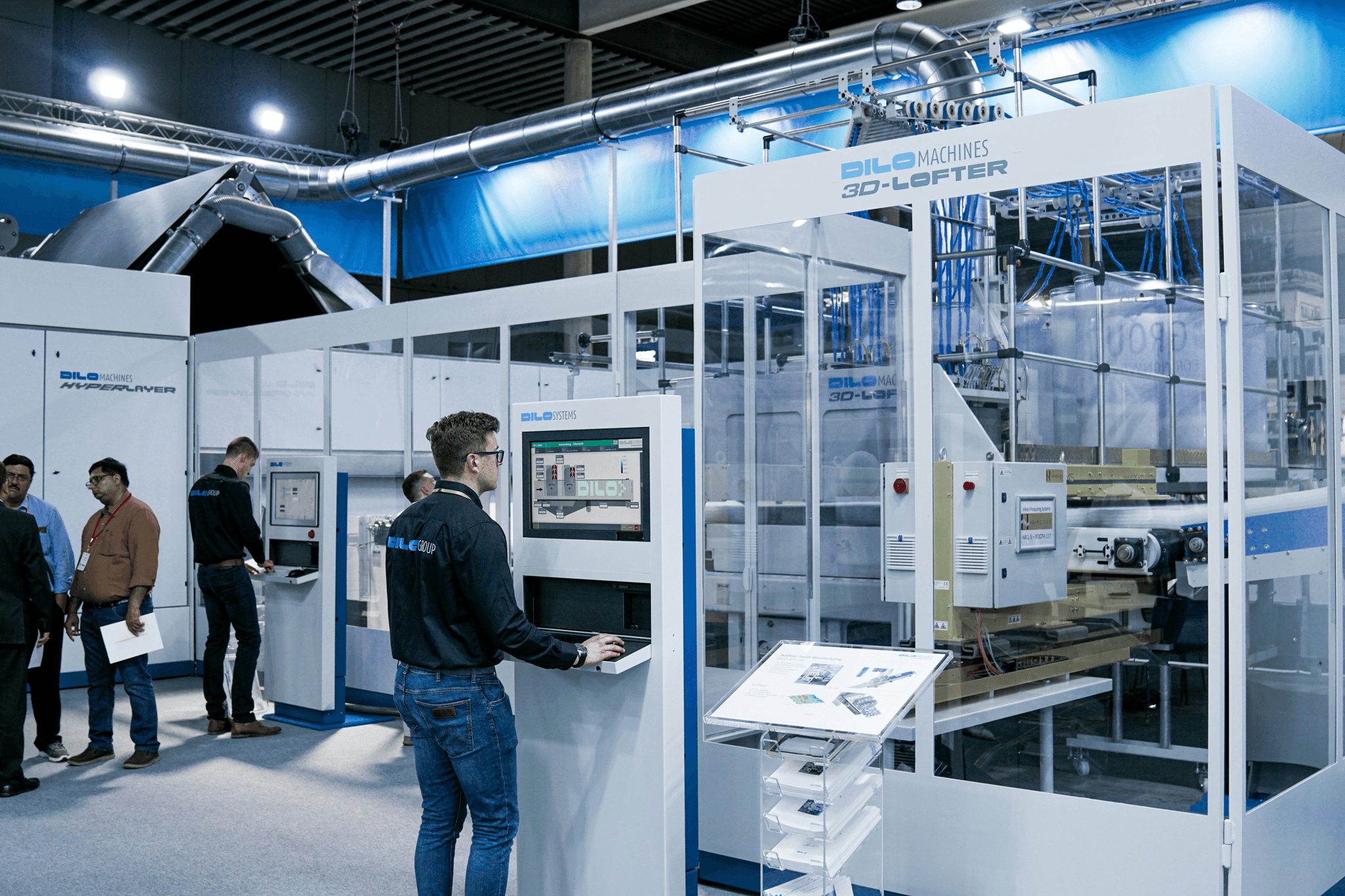
In today's competitive market, the role of inspection in quality control cannot be overstated. It serves as a crucial checkpoint that ensures products meet established standards before they reach consumers. By implementing rigorous inspection processes, businesses can enhance their quality assurance strategies and reduce the risk of defects, ultimately fostering trust among customers.
Understanding Inspection in Quality Control
Inspection in quality control involves a systematic examination of products or processes to ensure they conform to specified requirements. This practice is not merely about finding faults; it’s about understanding how each element contributes to the overall quality and assurance of the final product. By recognizing the significance of inspection, organizations can better manage their quality control initiatives and create a culture of continuous improvement.
The Importance of Quality Assurance
Quality assurance is essential for maintaining high standards throughout production and service delivery. It encompasses all activities aimed at ensuring that products are designed and produced to meet customer expectations consistently. In an era where consumers demand excellence, effective quality assurance practices can distinguish a business from its competitors by guaranteeing reliability and satisfaction.
Key Components of Effective Quality Control
Effective quality control relies on several key components that work together harmoniously. These include well-defined standards, regular inspections, and ongoing training for employees involved in production processes. By integrating these elements into their operations, companies can achieve greater efficiency in their quality control measures while ensuring that both quality and assurance are prioritized throughout every stage of production.
The Role of Inspection in Quality Control
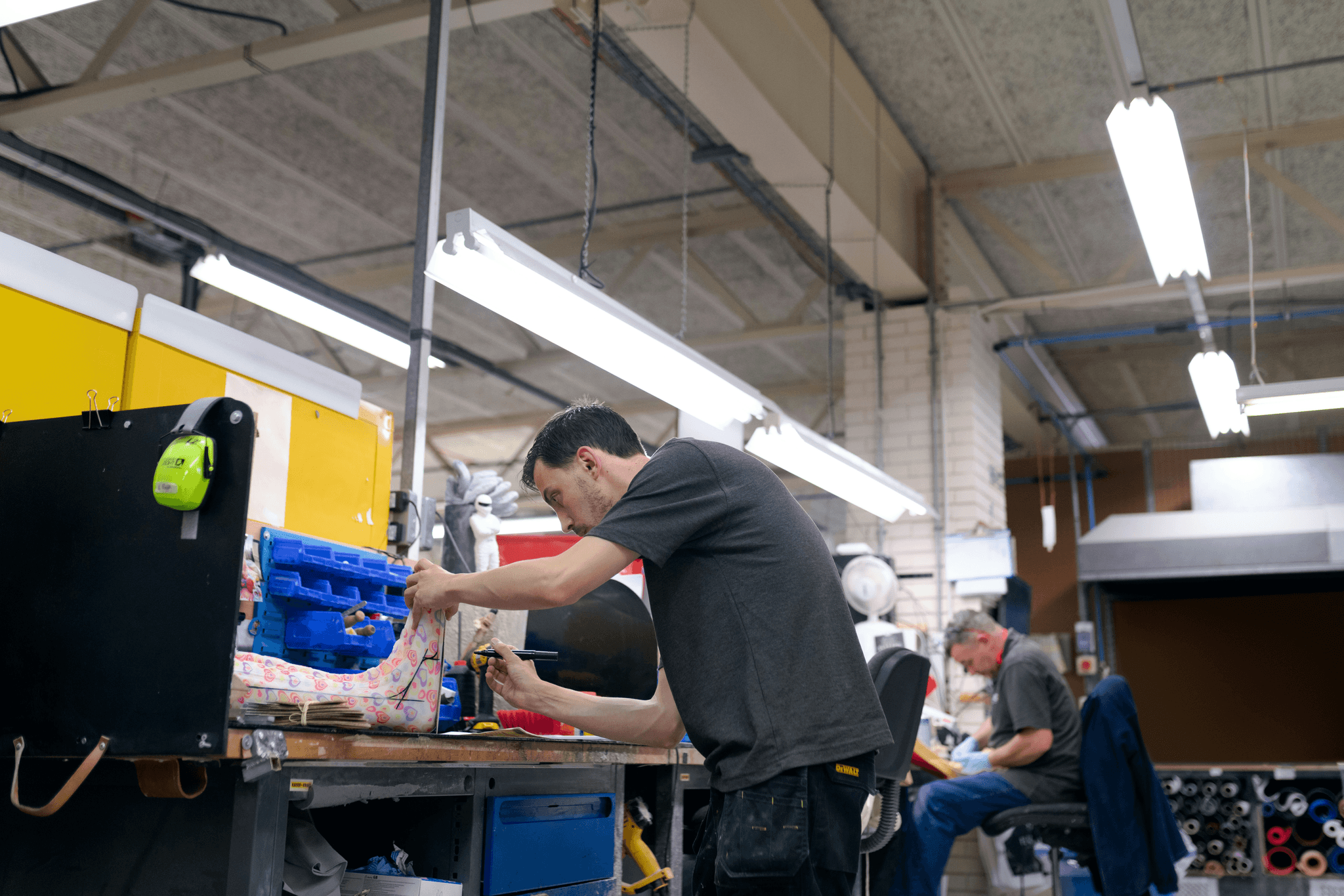
Inspection plays a pivotal role in quality control, acting as the gatekeeper that ensures products meet specified standards before they reach consumers. It involves systematic examination and evaluation of products, processes, and systems to identify any deviations from established quality assurance criteria. By integrating inspection into quality control, businesses can significantly enhance their overall quality and assurance efforts.
Defining Inspection in Quality Control
Inspection in quality control refers to the process of assessing products or services against predetermined specifications and standards. This critical step helps identify defects or non-conformities that could compromise product integrity or customer satisfaction. Effective inspection not only aids in maintaining high-quality standards but also reinforces the principles of quality assurance throughout the production process.
Importance of Timely Inspections
Timely inspections are crucial for maintaining the effectiveness of quality control measures; they allow for immediate identification and rectification of issues before they escalate into larger problems. Conducting inspections at various stages—such as during production, pre-shipment, and post-delivery—ensures that any potential discrepancies are addressed promptly, thereby minimizing waste and enhancing efficiency. Moreover, timely inspections contribute to building trust with customers by ensuring consistent product reliability and adherence to quality assurance standards.
Types of Inspections in Quality Control
There are several types of inspections utilized within the realm of quality control, each tailored to address specific aspects of production processes. Common types include incoming material inspections, in-process inspections during manufacturing, final product inspections before shipment, and periodic audits to assess overall compliance with quality assurance protocols. By employing a diverse range of inspection methods, organizations can bolster their quality control efforts while ensuring comprehensive oversight throughout the entire production lifecycle.
Quality Assurance Techniques

Quality assurance is a crucial component of any robust quality control system, ensuring that products meet established standards before they reach the market. The essence of quality assurance quality lies in its proactive approach, identifying potential issues before they escalate into significant problems. By implementing effective quality assurance techniques, businesses can enhance their reputation and foster customer loyalty.
Overview of Quality Assurance Quality
Understanding the concept of quality assurance quality involves recognizing its role in maintaining high standards throughout the production process. It encompasses all activities designed to ensure that a product or service meets specific requirements, thus bridging the gap between inspection in quality control and overall production excellence. By prioritizing quality assurance, organizations can achieve not only compliance with regulations but also improved operational efficiency.
Tools and Methods for Quality Assurance
There are various tools and methods available for effective quality assurance that help streamline processes and reduce errors. Techniques such as Six Sigma, Total Quality Management (TQM), and Statistical Process Control (SPC) provide frameworks for continuous improvement in both product development and manufacturing practices. Employing these methodologies enables businesses to maintain high levels of quality and control while minimizing waste and enhancing productivity.
Integrating Quality Assurance into Production
Integrating quality assurance into production requires a strategic approach that aligns with overall business objectives. This integration ensures that every stage of the manufacturing process incorporates checks and balances to uphold standards consistently across all operations. By fostering a culture where employees understand the importance of both inspection in quality control and ongoing adherence to established protocols, organizations can significantly improve their output's reliability.
Quality Control Control Processes
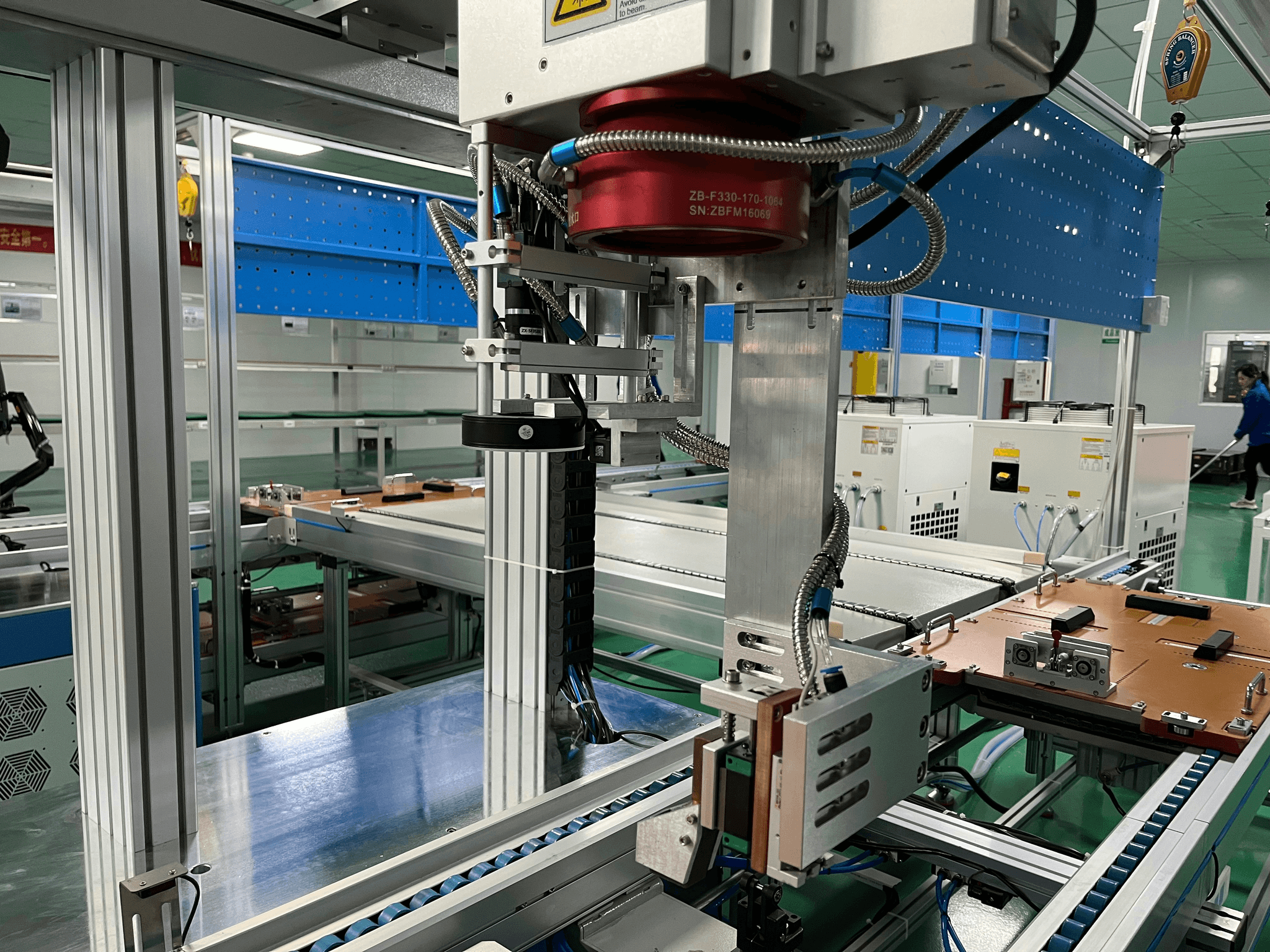
Quality control control processes are the backbone of any robust quality assurance system. They ensure that products meet established standards and that any deviations are promptly addressed. By integrating effective quality control processes, organizations can enhance their reputation and customer satisfaction while minimizing waste and inefficiencies.
Establishing Quality Control Standards
Establishing quality control standards is crucial for maintaining consistency in production and service delivery. These standards serve as benchmarks against which inspection in quality control can be performed, ensuring that every product or service meets the desired specifications of quality assurance. By clearly defining these standards, organizations can facilitate better communication among teams and streamline the overall quality management process.
In creating these standards, it’s essential to consider industry regulations, customer expectations, and best practices in quality assurance quality. This comprehensive approach not only helps in setting realistic goals but also fosters a culture of continuous improvement within the organization. Ultimately, well-defined quality control standards become the foundation upon which effective inspection in quality control is built.
Continuous Monitoring for Quality and Control
Continuous monitoring plays a pivotal role in maintaining high levels of quality and control throughout the production process. By regularly assessing processes against established standards, businesses can identify potential issues before they escalate into significant problems. This proactive approach aligns perfectly with the principles of both inspection in quality control and ongoing quality assurance initiatives.
Utilizing technology such as automated monitoring systems can significantly enhance this process by providing real-time data on performance metrics related to both quality and assurance. Such tools allow teams to make informed decisions quickly, ensuring that any deviations from expected outcomes are swiftly rectified. In this way, continuous monitoring becomes an integral part of an organization's commitment to upholding its reputation for excellence through rigorous adherence to its established quality control protocols.
Addressing Non-Conformities in Quality Control
Addressing non-conformities is a critical aspect of effective quality control processes that cannot be overlooked. When discrepancies arise between actual performance and established standards, prompt action must be taken to investigate the root causes of these issues—this is where effective inspection in quality control shines brightest. By implementing systematic approaches to identify non-conformities early on, businesses can minimize disruptions while maximizing their focus on maintaining high-quality outputs.
Once identified, it’s essential to develop corrective actions tailored specifically to resolve each non-conformity situation effectively while also preventing recurrence in future operations. This iterative loop creates a feedback mechanism that enhances overall product integrity through refined practices aligned with both traditional methods of inspection in quality control as well as contemporary strategies rooted deeply within robust frameworks for continuous improvement—a hallmark trait found within successful organizations committed fully towards achieving excellence through unwavering dedication towards delivering exceptional products or services consistently over time.
The Intersection of Quality and Assurance

Quality and assurance go hand in hand, creating a robust framework that benefits businesses across various sectors. When organizations prioritize quality assurance, they not only enhance their products but also build trust with their customers. This synergy between quality control and quality assurance leads to improved operational efficiency, reduced costs, and ultimately a more favorable bottom line.
How Quality Quality Assurance Benefits Businesses
Quality quality assurance acts as a safety net for businesses by identifying potential issues before they escalate into costly problems. By implementing rigorous inspection in quality control processes, companies can ensure that every product meets established standards, resulting in fewer returns and complaints from customers. Moreover, effective quality assurance fosters a culture of continuous improvement, encouraging employees to take ownership of their work and strive for excellence.
The integration of quality assurance into daily operations yields measurable benefits such as enhanced customer satisfaction and loyalty. Businesses that actively engage in quality control practices are often seen as leaders in their industry, attracting new clients through positive word-of-mouth referrals. Additionally, the cost savings derived from reduced waste and rework can be reinvested into innovation or employee development initiatives.
Case Studies of Quality Assurance Success
One notable example of successful implementation of quality assurance is Toyota's renowned production system (TPS). Through meticulous inspection in quality control at every stage of manufacturing, Toyota has achieved remarkable results in efficiency and product reliability. Their commitment to continuous improvement ensures that any defects are swiftly addressed while maintaining high standards—a hallmark of effective quality control.
Another compelling case is found within the pharmaceutical industry, where rigorous adherence to quality assurance protocols is non-negotiable. Companies like Pfizer have demonstrated how investing in comprehensive inspection processes translates into safer products for consumers while adhering to strict regulatory standards. These success stories highlight the critical role that both inspection and ongoing evaluation play in achieving excellence within various sectors.
Strategies for Enhancing Quality and Assurance
To enhance the intersection between quality and assurance effectively, businesses should adopt a proactive approach towards training employees on best practices related to inspection in quality control. Regular workshops can empower teams with the knowledge necessary to identify potential pitfalls early on—preventing costly mistakes down the line. Additionally, leveraging technology such as automated monitoring systems can provide real-time data analytics that support informed decision-making regarding product integrity.
Establishing clear communication channels across departments also fosters collaboration around shared goals related to both quality control and assurance initiatives. When teams work together seamlessly towards common objectives—such as reducing defect rates or improving customer feedback—the results speak volumes about an organization’s commitment to excellence. Finally, regularly reviewing performance metrics against industry benchmarks will help organizations stay ahead of trends while continuously refining their strategies for optimal outcomes.
Real-World Application: China Inspection Pro
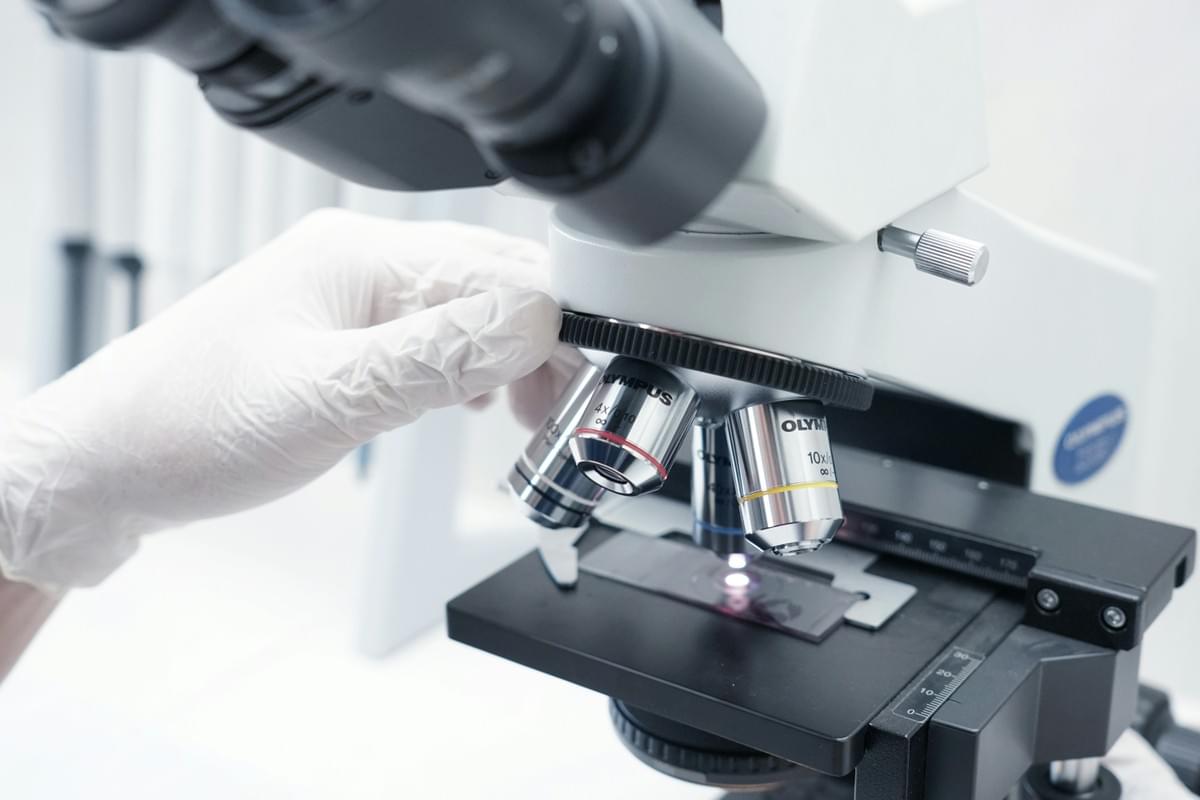
When it comes to implementing effective inspection in quality control, China Inspection Pro stands out as a leading service provider. Their comprehensive suite of offerings encompasses pre-production inspections, during production checks, and final random inspections, ensuring that quality assurance is woven seamlessly into every step of the manufacturing process. With a focus on enhancing quality and control, their services are designed to meet the specific needs of businesses looking to maintain high standards.
Overview of China Inspection Pro Services
China Inspection Pro specializes in various inspection services tailored for diverse industries, from textiles to electronics. Their team employs stringent quality assurance techniques to ensure that products adhere to both international standards and client specifications. By utilizing advanced tools and methods for quality assurance, they help businesses mitigate risks associated with subpar goods entering the market.
Case Studies Demonstrating Effective Quality Control
Several case studies illustrate how China Inspection Pro has successfully implemented quality control processes across different sectors. For instance, one notable case involved a textile manufacturer that faced challenges with inconsistent fabric quality. Through timely inspections and rigorous adherence to established quality control standards, the company was able to significantly reduce defects and enhance customer satisfaction—a clear testament to the power of effective inspection in quality control.
Another example highlights an electronics firm that struggled with high return rates due to faulty components. By integrating regular inspections into their production line and addressing non-conformities promptly, they achieved a remarkable decrease in returns while boosting overall product reliability. These cases underscore the critical role that both inspection in quality control and proactive measures play in achieving business success.
Recommendations for Maximizing Quality Control
To maximize the benefits of their services, businesses should prioritize establishing robust communication with China Inspection Pro regarding their specific needs and expectations for quality assurance. Regular training sessions on best practices can also enhance staff awareness about maintaining high-quality standards throughout production cycles—after all, knowledge is power when it comes to ensuring consistent quality and assurance.
Additionally, companies should embrace continuous monitoring within their operations as part of their overall strategy for quality control control. This involves not only conducting regular audits but also fostering a culture where feedback is valued and acted upon promptly—ensuring that any issues related to non-conformities are addressed swiftly can save significant time and resources down the line.
Conclusion

In wrapping up our exploration of inspection in quality control, it's essential to recognize the pivotal role that quality assurance plays in maintaining high standards across various industries. Quality control is not merely a checkbox activity; it is an ongoing commitment to excellence that ensures products meet customer expectations and regulatory requirements. By integrating effective quality assurance techniques and processes, organizations can enhance their reputation while minimizing risks associated with non-conformities.
Key Takeaways on Quality Control
One of the key takeaways from our discussion is that inspection in quality control is crucial for identifying defects before they reach consumers. The relationship between quality assurance and quality control cannot be overstated; they are two sides of the same coin working towards a common goal—ensuring product reliability and safety. Moreover, establishing robust quality control standards helps organizations maintain consistency, which is vital for customer trust and satisfaction.
Future Trends in Quality Assurance
Looking ahead, we can expect several exciting trends to shape the landscape of quality assurance. The integration of advanced technologies such as artificial intelligence and machine learning will revolutionize how businesses approach both quality and assurance processes, making them more efficient than ever before. Additionally, there will be a growing emphasis on sustainability within quality assurance practices, as companies strive to meet consumer demands for environmentally friendly products while maintaining high-quality standards.
Emphasizing the Importance of Inspection in Quality Control
Ultimately, emphasizing the importance of inspection in quality control cannot be overlooked if organizations wish to thrive in competitive markets. Regular inspections not only identify potential issues but also foster a culture of continuous improvement within teams dedicated to maintaining high-quality standards. As we've seen through various case studies, businesses that prioritize both inspection and proactive measures related to quality assurance are better positioned for success—leading to enhanced customer loyalty and improved bottom lines.