
Introduction
In the fast-paced world of textiles, quality control is not just a box to check; it's the lifeblood of the industry. Textile quality control ensures that every thread and fiber meets stringent standards, safeguarding not only the product but also the reputation of manufacturers. As consumers become increasingly discerning, the importance of maintaining high-quality textiles cannot be overstated.
The Importance of Textile Quality Control
Textile quality control plays a pivotal role in ensuring that finished products are safe, durable, and aesthetically pleasing. With global competition and rising consumer expectations, manufacturers must prioritize quality to stand out in a crowded market. Effective textile quality control systems lead to reduced waste, lower costs, and ultimately higher customer satisfaction.
Key Challenges in Quality Control
Despite its significance, textile quality control faces numerous challenges that can hinder effective implementation. Variability in raw materials, evolving fashion trends, and complex supply chains create obstacles for manufacturers striving for consistency. Moreover, balancing cost-effectiveness with rigorous quality standards often leads to tough decisions that can impact overall production efficiency.
How Quality Affects Consumer Trust
Quality is directly linked to consumer trust—a crucial factor for brand loyalty in today's marketplace. When consumers know they can rely on high-quality textiles consistently, they are more likely to make repeat purchases and recommend products to others. Thus, investing in robust textile quality control is not merely an operational necessity but also a strategic advantage that fosters long-term relationships with customers.
What is Textile Quality Control
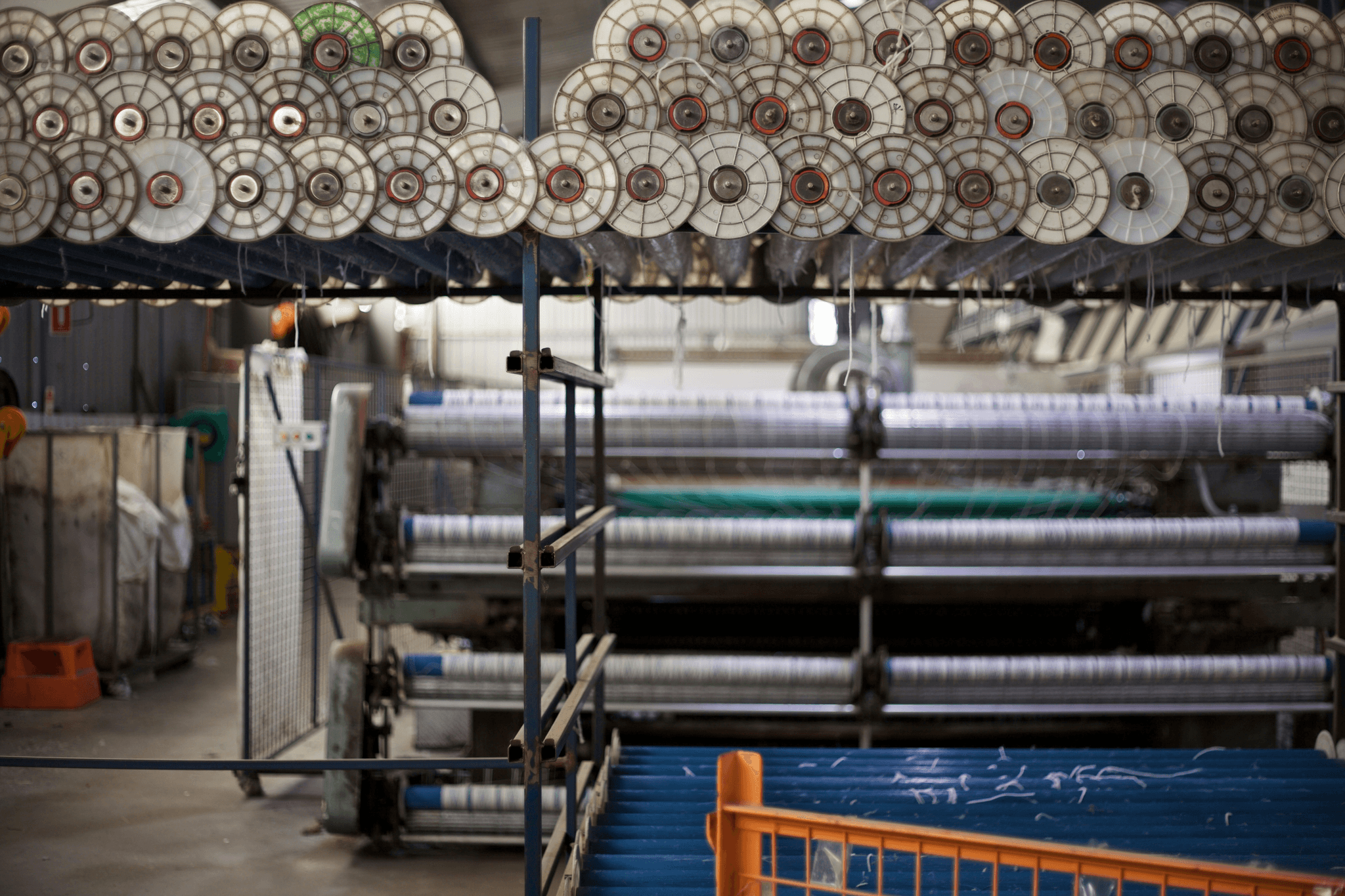
When we talk about textile quality control, we're diving into a crucial aspect of the textile industry that ensures products meet specific standards and consumer expectations. This process encompasses a range of activities aimed at monitoring and improving the quality of textiles from raw materials to finished products. Understanding what textile quality control entails is essential for manufacturers, retailers, and consumers alike, as it directly influences product durability, safety, and overall satisfaction.
Definition and Scope of Textile Quality Control
Textile quality control refers to the systematic process of ensuring that textiles meet defined quality standards throughout production. This scope includes everything from inspecting raw materials to evaluating finished goods for defects or inconsistencies. By implementing robust textile quality control measures, companies can minimize waste, reduce costs associated with returns or rework, and ultimately deliver superior products that delight consumers.
The Role of Quality Control in Production
Quality control plays an integral role in the production process by establishing guidelines that help maintain consistency across all stages of manufacturing. It involves regular inspections and testing at various points in the production line to catch potential issues before they escalate into larger problems. By prioritizing textile quality control during production, companies can enhance efficiency while fostering a culture of excellence that resonates with both employees and customers.
The Benefits of Effective Quality Control
The benefits of effective textile quality control extend far beyond just meeting compliance standards; they significantly impact brand reputation and customer loyalty as well. Companies that invest in thorough quality control processes often enjoy reduced returns due to defects, leading to increased profitability over time. Moreover, by consistently delivering high-quality textiles, businesses can build trust with consumers who value reliability—a key factor in maintaining a competitive edge in today’s market.
Standard Practices in Quality Control
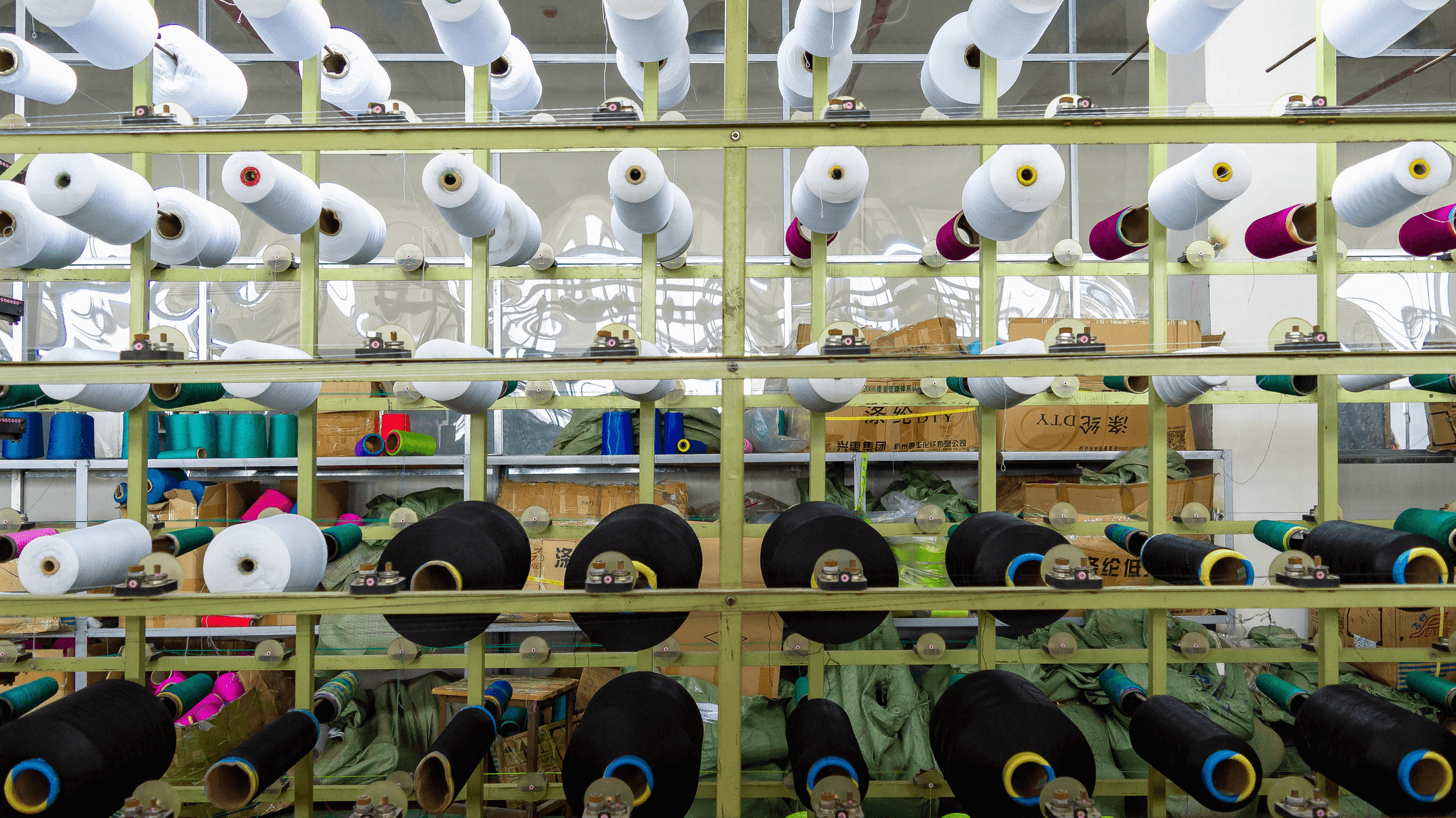
In the textile industry, standard practices in quality control are essential for ensuring that products meet both consumer expectations and regulatory requirements. These practices not only help maintain high levels of quality but also foster trust between manufacturers and consumers. By adhering to established standards, companies can significantly reduce defects and enhance their reputation in the market.
Quality Standards in the Textile Industry
Quality standards in the textile industry serve as benchmarks for assessing product performance, safety, and environmental impact. Organizations such as ISO (International Organization for Standardization) and ASTM (American Society for Testing and Materials) provide guidelines that manufacturers must follow to ensure compliance with global expectations. Adhering to these standards is crucial; it helps businesses not only meet legal requirements but also gain a competitive edge by demonstrating their commitment to textile quality control.
Common Testing Methods for Textiles
When it comes to textile quality control, various testing methods are employed to evaluate fabric properties like strength, durability, colorfastness, and shrinkage. Common techniques include tensile strength tests, abrasion resistance tests, and color matching assessments—each designed to identify potential weaknesses before products reach consumers. By implementing these testing methods rigorously throughout the production process, manufacturers can catch defects early on and maintain a consistent level of quality.
The Role of Certifications in Quality Assurance
Certifications play a pivotal role in assuring consumers that textiles have undergone rigorous testing and adhere to established quality standards. Certifications such as OEKO-TEX® or GOTS (Global Organic Textile Standard) signal that products are safe for use and produced sustainably—key factors increasingly influencing consumer purchasing decisions today. In essence, certifications bolster textile quality control efforts by providing third-party validation of product integrity.
Tools and Technologies for Quality Control

In the ever-evolving world of textile quality control, technology plays a pivotal role in ensuring that products meet stringent standards. With the advent of new tools and methodologies, manufacturers can now detect defects earlier in the production process, thus reducing waste and enhancing overall quality. These innovations not only streamline operations but also bolster consumer confidence in textile products.
Emerging Technologies in Textile Quality Control
Emerging technologies are transforming the landscape of textile quality control by introducing advanced solutions such as artificial intelligence (AI), machine learning, and smart sensors. AI algorithms can analyze vast amounts of data to predict potential quality issues before they arise, while machine learning continuously improves inspection processes based on historical data. Additionally, smart sensors embedded in manufacturing equipment can monitor fabric properties in real time, ensuring compliance with established quality standards.
Another exciting development is the use of blockchain technology to enhance traceability within the supply chain. By providing a transparent record of each step a textile product takes from raw material to finished good, companies can ensure that their items adhere to quality control protocols at every stage. This level of transparency not only helps identify where issues may occur but also builds trust with consumers who prioritize ethically produced textiles.
Importance of Software and Automation
The integration of software solutions and automation into textile quality control processes is crucial for maximizing efficiency and accuracy. Automated inspection systems equipped with high-definition cameras can quickly identify defects that human inspectors might miss, significantly reducing error rates in quality assessment. Moreover, these systems can operate around the clock without fatigue, allowing for continuous monitoring throughout production runs.
Software platforms designed specifically for managing quality control processes enable seamless communication between different departments involved in production. These platforms help track defects, manage testing schedules, and ensure compliance with industry standards—all vital components for maintaining high-quality textiles. The result is a more cohesive workflow that ultimately leads to superior product outcomes.
Case Studies on Successful Implementations
Several companies have successfully implemented innovative tools and technologies to enhance their textile quality control efforts—each yielding impressive results worth noting. For instance, a leading apparel manufacturer adopted an AI-driven inspection system that reduced defect rates by over 30% within its first year of use; this not only cut costs associated with returns but also improved customer satisfaction ratings significantly.
Another example involves a well-known fabric supplier utilizing blockchain technology to track its materials from source to delivery accurately. By doing so, they were able to increase transparency across their supply chain while simultaneously boosting consumer trust through verified claims about sustainability and ethical sourcing practices—key components valued by today’s conscientious shoppers.
These case studies illustrate how embracing modern tools can lead to substantial improvements in textile quality control processes while fostering greater trust among consumers seeking reliable products.
The Role of Inspectors and Specialists
In the world of textile quality control, inspectors and specialists play a pivotal role in ensuring that products meet the highest standards. Their expertise not only helps in identifying defects but also contributes to maintaining the overall integrity of textile production. A great inspector can be the difference between a satisfied customer and a return pile filled with unsatisfactory goods.
What Makes a Great Quality Control Inspector
A great quality control inspector possesses a keen eye for detail and an unwavering commitment to excellence in textile quality control. They should have extensive knowledge of fabric types, manufacturing processes, and common defects that can arise during production. Moreover, strong communication skills are essential; inspectors must effectively convey their findings to manufacturers while also understanding their needs.
Additionally, adaptability is crucial for inspectors as they navigate various environments and challenges within the textile industry. They should be proficient in using modern testing methods and technologies, making them versatile problem solvers who can tackle unexpected issues on the fly. Ultimately, it’s this blend of technical skill, industry knowledge, and interpersonal acumen that sets exceptional inspectors apart from the rest.
The Contribution of China Inspection Pro
China Inspection Pro is making waves in textile quality control by providing comprehensive inspection services tailored to manufacturers' needs. Their trained professionals conduct thorough assessments at every stage of production—from raw material sourcing to final product evaluation—ensuring that every item meets strict quality standards. By leveraging advanced technology and methodologies, China Inspection Pro enhances transparency throughout the supply chain.
Their contribution goes beyond mere inspections; they offer valuable insights into best practices for improving quality control processes within organizations. With a focus on training and development, China Inspection Pro empowers manufacturers with knowledge about potential pitfalls in textile production—leading to fewer mistakes down the line. This collaborative approach fosters trust between manufacturers and consumers by emphasizing accountability in production practices.
Collaboration Between Inspectors and Manufacturers
The relationship between inspectors and manufacturers is vital for effective textile quality control; it’s a partnership built on mutual respect and shared goals. When both parties work together seamlessly, they create an environment where high-quality textiles can flourish while minimizing defects during production runs. Open lines of communication allow inspectors to provide immediate feedback on issues as they arise rather than waiting until final inspections are completed.
Moreover, collaboration encourages proactive measures toward continuous improvement within manufacturing processes. By sharing insights regarding common defects or inefficiencies observed during inspections, both parties can implement strategies that lead to enhanced product quality over time. Ultimately, this teamwork not only boosts consumer satisfaction but also strengthens brand loyalty—an essential component for success in today’s competitive market.
Addressing Common Quality Issues
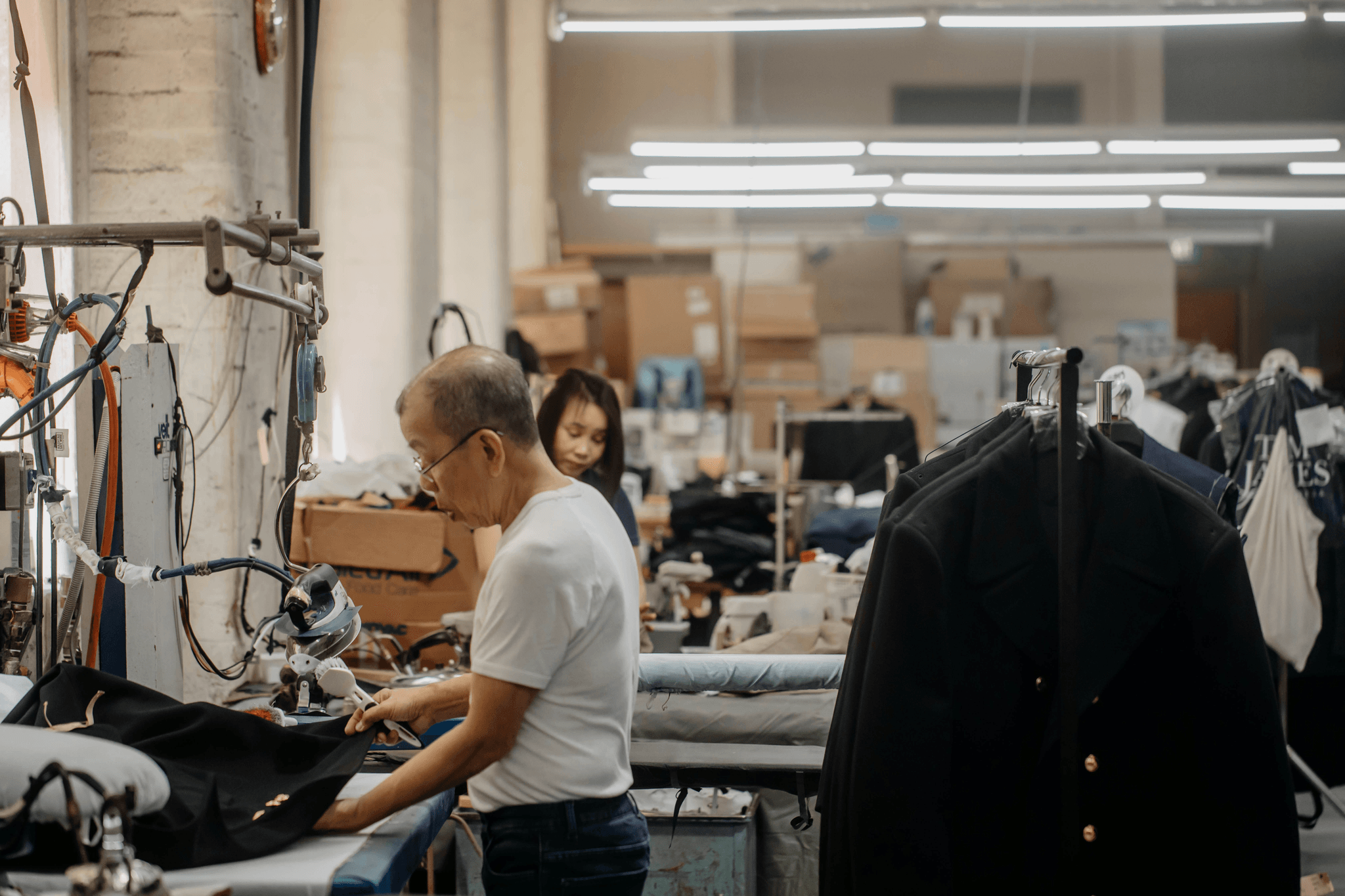
In the textile industry, addressing common quality issues is paramount for maintaining high standards and ensuring customer satisfaction. With the ever-evolving landscape of textile quality control, manufacturers must be proactive in identifying and resolving defects before they reach consumers. By implementing effective strategies and fostering a culture of continuous improvement, businesses can enhance their reputation and build lasting consumer trust.
Identifying Defects in Textiles
Identifying defects in textiles is the first step toward effective textile quality control. Common issues include uneven dyeing, fabric pilling, and stitching irregularities that can compromise the overall quality of a product. Employing both visual inspections and advanced testing methods helps inspectors pinpoint these defects early in the production process, reducing waste and ensuring that only high-quality products make it to market.
Strategies for Mitigating Quality Problems
To mitigate quality problems in textiles, manufacturers should adopt a multi-faceted approach that includes regular training for staff on quality standards and best practices. Utilizing technology such as automated inspection systems can enhance defect detection capabilities significantly, allowing for quicker response times to potential issues. Additionally, establishing clear communication channels between production teams and quality control personnel fosters collaboration that is essential for swiftly addressing any arising problems.
Importance of Continuous Improvement
Continuous improvement is crucial to maintaining high standards in textile quality control over time. By regularly reviewing processes and outcomes, companies can identify areas for enhancement that lead to better product consistency and reduced defects. Creating a feedback loop where employees are encouraged to share insights on quality challenges contributes not only to individual growth but also strengthens the organization’s commitment to excellence.
Conclusion
In wrapping up our exploration of textile quality control, it's clear that the future holds exciting advancements and challenges. As technology evolves, the methods and standards for ensuring textile quality will also transform, paving the way for more efficient processes and higher consumer satisfaction. Companies that prioritize textile quality control will not only thrive but also gain a competitive edge in an ever-demanding market.
The Future of Textile Quality Control
Looking ahead, we can expect innovations in textile quality control driven by artificial intelligence and automation. These technologies will enable quicker defect detection and more precise quality assessments, ultimately reducing waste and enhancing production efficiency. Moreover, as sustainability becomes increasingly important to consumers, companies will need to adapt their quality control practices to reflect eco-friendly materials and processes.
Building a Culture of Quality in Organizations
Creating a culture of quality within organizations is essential for successful textile quality control. This involves training employees at all levels to understand the significance of their role in maintaining high standards while fostering open communication about quality issues. When every team member takes ownership of their contribution to textile quality control, organizations can achieve remarkable results in product consistency and customer trust.
Final Thoughts on Quality and Consumer Satisfaction
In conclusion, the relationship between textile quality control and consumer satisfaction cannot be overstated. High-quality textiles lead to happier customers who are likely to return for repeat purchases, thereby boosting brand loyalty. By investing in effective textile quality control measures today, companies can ensure they meet consumer expectations tomorrow—because nothing says trust quite like a well-made garment!