
Introduction

In the ever-evolving landscape of business, understanding quality checks is paramount for success. Quality assurance practices are not just buzzwords; they form the backbone of a reliable production process and customer satisfaction. By implementing various types of quality checks, organizations can ensure that their products and services meet or exceed expectations.
Understanding Quality Checks in Business
Quality checks serve as the essential gatekeepers in any business operation, helping to define quality at every stage of production. These checks encompass a range of processes, from initial inspections to final assessments, ensuring that each product adheres to established standards. By integrating effective quality control strategies, businesses can significantly reduce errors and enhance overall performance.
Importance of Quality Assurance Practices
Quality assurance is crucial for maintaining a competitive edge in today’s market. It not only ensures compliance with industry standards but also fosters trust among consumers who rely on consistent quality. Emphasizing quality assurance quality translates into fewer defects, reduced costs, and greater customer loyalty—an undeniable win-win for any organization.
Overview of Different Types of Quality Checks
There are numerous types of quality checks that businesses can implement to safeguard their processes and products. From routine inspections to sophisticated testing methods like performance testing, each type plays a vital role in maintaining high standards. Understanding these various approaches allows organizations to tailor their quality inspection strategies effectively and ensure optimal results.
Quality Control Overview
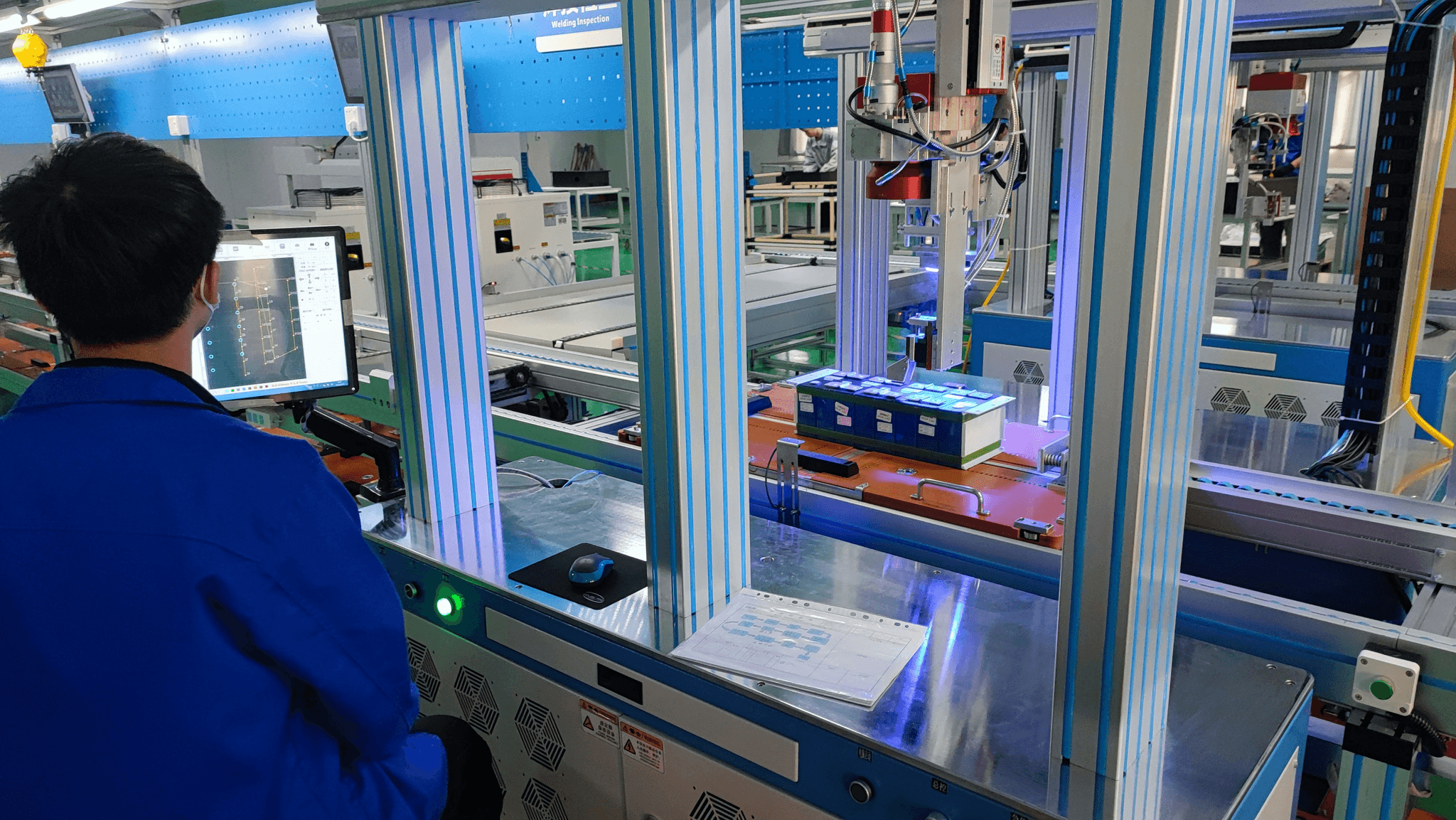
Quality control is a fundamental aspect of any successful production process, ensuring that products meet specified standards and customer expectations. It acts as a safety net, catching defects before they reach the consumer and maintaining the integrity of the brand. By implementing robust quality control measures, businesses can enhance their reputation and foster customer loyalty.
Definition of Quality Control
To define quality, we must understand that quality control is a systematic approach to evaluating products during various stages of production. This involves identifying any defects or deviations from desired specifications, thereby ensuring that only products meeting these criteria are delivered to customers. Essentially, quality control serves as a filter in the production line, separating the wheat from the chaff in terms of product excellence.
Key Processes in Quality Control
The key processes in quality control encompass several critical steps: inspection, testing, and feedback loops for continuous improvement. Initially, quality inspection involves examining raw materials and components before they enter the production phase to ensure they meet predefined standards. Following this initial check, ongoing assessments throughout manufacturing help identify any issues early on—before they escalate into major problems.
Another vital process includes performance testing, where products are subjected to various stressors to gauge their durability and functionality under real-world conditions. This type of quality check not only helps in detecting flaws but also provides valuable data for future product enhancements. Ultimately, these processes work together to create a culture of quality assurance within an organization.
Importance of Quality Control in Production
The importance of quality control in production cannot be overstated; it directly impacts both operational efficiency and customer satisfaction. Implementing effective quality control measures minimizes waste by reducing rework costs associated with defective products—saving time and resources for manufacturers. Furthermore, consistent adherence to quality standards fosters trust among consumers who expect reliable performance from every product they purchase.
In today's competitive market landscape, businesses that prioritize quality assurance not only stand out but also gain a significant edge over competitors who may overlook this crucial element. By establishing robust systems for monitoring and controlling product quality through rigorous inspections and testing protocols, companies can ensure long-term success and sustainability. Ultimately, effective quality control translates into higher profits through repeat business driven by satisfied customers.
Quality Assurance Explained

Quality assurance is a systematic process designed to determine if a product or service meets specified requirements and standards. It encompasses the entire production process, ensuring that quality is built into every stage rather than just inspected at the end. In essence, quality assurance focuses on preventing defects and ensuring that quality quality assurance practices are in place throughout.
What Is Quality Assurance?
To define quality assurance, we can think of it as a proactive approach to guarantee that the processes involved in creating a product are effective and efficient. It involves planned and systematic activities implemented within the quality system to provide confidence that a product will meet its intended purpose. By focusing on continuous improvement, organizations can enhance their overall operational efficiency while minimizing risks associated with poor quality.
Quality assurance operates through defined procedures and standards that guide teams in maintaining consistent output. This type of quality check not only addresses potential issues before they arise but also fosters a culture of accountability among team members. Ultimately, a robust quality assurance framework leads to higher customer satisfaction and loyalty.
Difference Between Quality Assurance and Quality Control
While both terms sound similar, understanding the difference between quality assurance and quality control is crucial for any business aiming for excellence. Quality control refers specifically to the operational techniques and activities used to fulfill requirements for quality; it’s more about identifying defects in finished products or services after production has occurred. In contrast, quality assurance focuses on improving processes during production to prevent defects from occurring in the first place.
Think of it this way: if you were building a house, quality control would involve inspecting the completed structure for flaws, while quality assurance would mean implementing best practices during construction to ensure everything is done right from the start. Both are essential types of quality checks but serve different purposes within an organization’s overall strategy for maintaining high standards. Emphasizing both elements creates an environment where continuous improvement thrives.
Role of Quality Assurance in Product Development
In product development, the role of quality assurance cannot be overstated; it acts as a safety net that catches potential issues before they escalate into costly problems down the line. By integrating QA practices early in development cycles—such as requirement analysis or design reviews—teams can identify risks ahead of time and make necessary adjustments proactively. This foresight not only saves time but also ensures that resources are utilized efficiently throughout the project lifecycle.
Moreover, effective implementation of QA contributes significantly to reducing time-to-market by streamlining processes and minimizing rework due to errors or defects later discovered during production stages or post-launch evaluations. The synergy between various departments—such as development, testing, and operations—further enhances collaboration while adhering to established standards for performance metrics across different phases of product creation.
Ultimately, investing in robust QA practices translates into tangible benefits: enhanced customer satisfaction due to high-quality products delivered consistently over time; increased brand reputation; reduced costs associated with returns or repairs linked back directly attributable failures stemming from inadequate oversight during initial stages—all vital components driving business success today.
Quality Inspection Best Practices
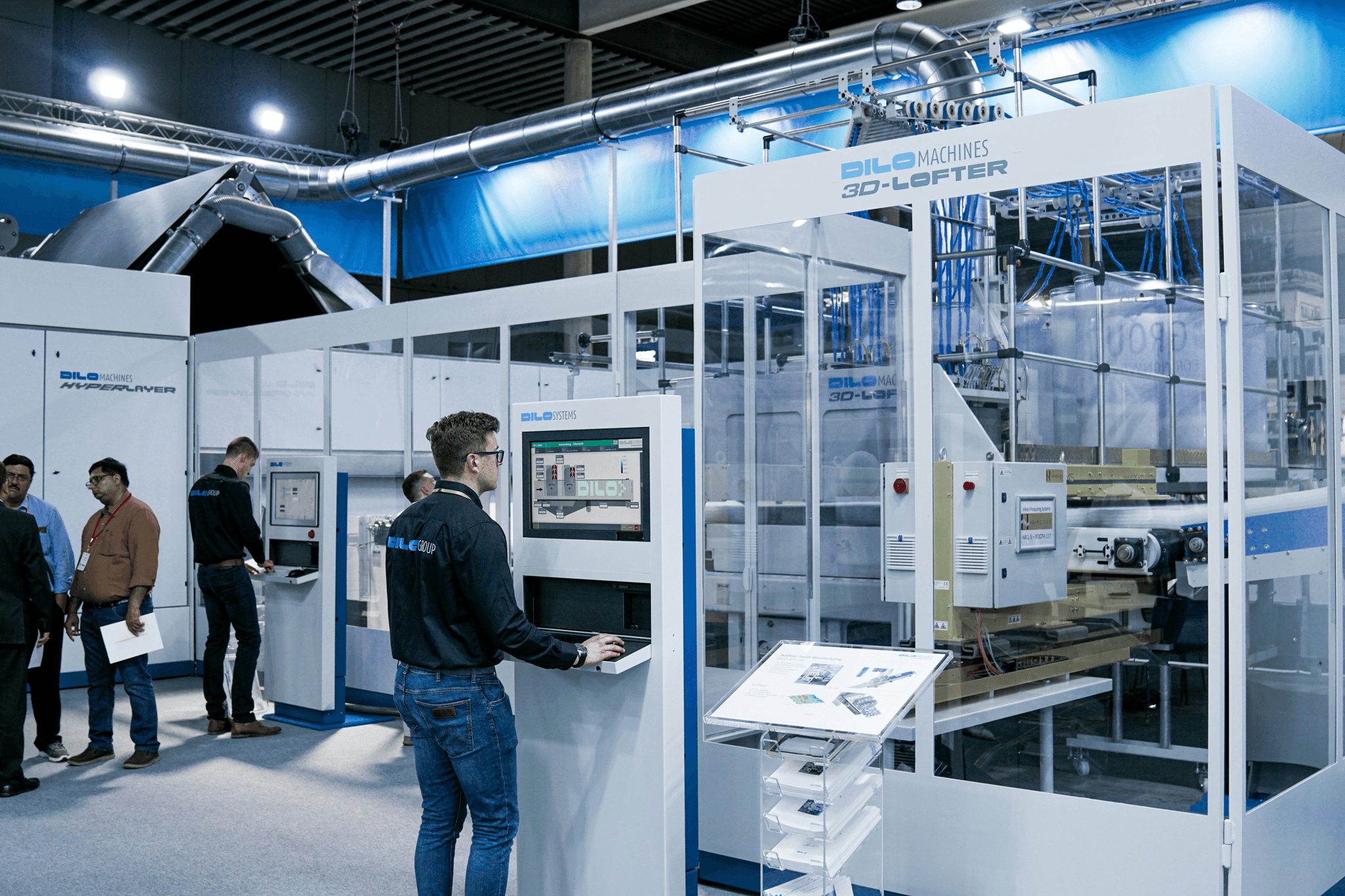
Quality inspections are a cornerstone of maintaining high standards in any production environment. They serve as a proactive approach to identifying defects and ensuring that products meet specified requirements before reaching the market. By establishing robust quality inspection practices, businesses can significantly reduce the risk of costly recalls and enhance customer satisfaction.
How to Conduct a Quality Inspection
Conducting a quality inspection begins with defining quality benchmarks that align with both customer expectations and regulatory standards. The next step involves selecting appropriate methods for assessing these benchmarks, which can include visual inspections, measurements, and functional tests. It’s crucial to document findings meticulously, as this data not only aids in understanding current performance but also informs future improvements in quality assurance practices.
When you define quality through precise criteria, you create a solid foundation for effective inspections. This ensures that your team is aligned on what constitutes acceptable quality levels while also providing clear guidance on how to address any discrepancies found during the inspection process. Ultimately, conducting thorough inspections reinforces your commitment to quality control and enhances overall product reliability.
Tools Used for Quality Inspection
Several tools are essential for effective quality inspections, each designed to streamline processes and enhance accuracy. Common tools include calipers for precise measurements, gauges for assessing dimensions, and software solutions that facilitate data collection and analysis related to quality assurance efforts. Additionally, utilizing checklists can ensure consistency across multiple inspections by standardizing evaluation criteria.
Incorporating technology into your inspection processes not only improves efficiency but also helps eliminate human error—a common pitfall in manual checks. For instance, automated inspection systems can quickly analyze large volumes of products against defined standards without fatigue or bias. By leveraging these tools effectively, organizations can elevate their type of quality check practices significantly.
Benefits of Regular Quality Inspection
Regular quality inspections yield numerous benefits that extend far beyond immediate defect detection; they play a vital role in enhancing overall operational efficiency as well. First off, consistent inspections help identify trends over time which inform better decision-making regarding production processes—this is where the synergy between quality assurance and continuous improvement comes into play!
Moreover, regular checks foster a culture of accountability among employees who understand their role in maintaining product integrity through effective quality control measures. This culture ultimately translates into higher employee morale as teams take pride in delivering high-quality products consistently—after all, who doesn't want to be part of something great?
Lastly, investing time in routine inspections leads to increased customer trust and loyalty; when customers know they can rely on your products due to rigorous adherence to defined standards of excellence (quality assurance), they’re more likely to return again and again—a win-win situation!
Performance Testing Insight

Performance testing is a crucial component of the quality assurance process in software development. It involves evaluating a system's responsiveness, stability, scalability, and speed under various conditions. By defining performance testing in this manner, we can understand its role as a type of quality check that ensures applications meet user expectations and business requirements.
Defining Performance Testing
To define quality in the context of performance testing, we must consider how well an application performs under expected workloads. This includes measuring response times, throughput rates, and resource utilization during peak and normal operations. A robust performance testing strategy is essential for any organization aiming to maintain high standards of quality assurance and ensure that their products deliver optimal user experiences.
Types of Performance Testing
There are several types of performance testing that organizations can utilize to achieve effective quality control over their applications. Load testing assesses how the system behaves under expected user loads; stress testing determines its limits by pushing it beyond normal capacity; and endurance testing evaluates how it performs over extended periods. Each type serves as a critical aspect of quality inspection, helping teams identify potential bottlenecks or weaknesses before they impact users.
Importance of Performance Testing in Software Development
The importance of performance testing in software development cannot be overstated; it directly influences the overall quality assurance process by identifying issues early on. Effective performance tests help ensure that applications are not only functional but also efficient and reliable when deployed in real-world scenarios. Ultimately, investing time and resources into thorough performance testing is an investment in long-term business success through enhanced customer satisfaction and reduced operational costs.
Conclusion

In summary, quality checks are essential components of any successful business strategy. By understanding the various types of quality checks—such as quality control, quality assurance, and quality inspection—companies can ensure that their products meet the highest standards. Embracing these practices not only enhances product reliability but also fosters customer trust and loyalty.
Key Takeaways on Quality Checks
Quality checks are multifaceted and include different methodologies like quality control and quality assurance. Each type of quality check plays a crucial role in maintaining high standards throughout production processes. Remember, effective quality assurance is not just about detecting defects; it’s about preventing them through systematic approaches to define quality from the outset.
The Impact of Quality Assurance on Business Success
Quality assurance significantly impacts business success by enhancing product consistency and customer satisfaction. When organizations prioritize quality assurance, they create a culture focused on continuous improvement, which ultimately leads to better market positioning. Moreover, effective implementation of quality controls can reduce costs associated with rework or returns, making it a financially sound strategy.
How to Implement Effective Quality Control
To implement effective quality control, businesses should begin by defining clear standards for what constitutes acceptable performance and product integrity. Regular training sessions can help employees understand the importance of both types of quality checks—quality assurance and inspection—in their daily tasks. Additionally, leveraging modern tools for data collection can streamline the process of monitoring compliance with established standards.