
Introduction
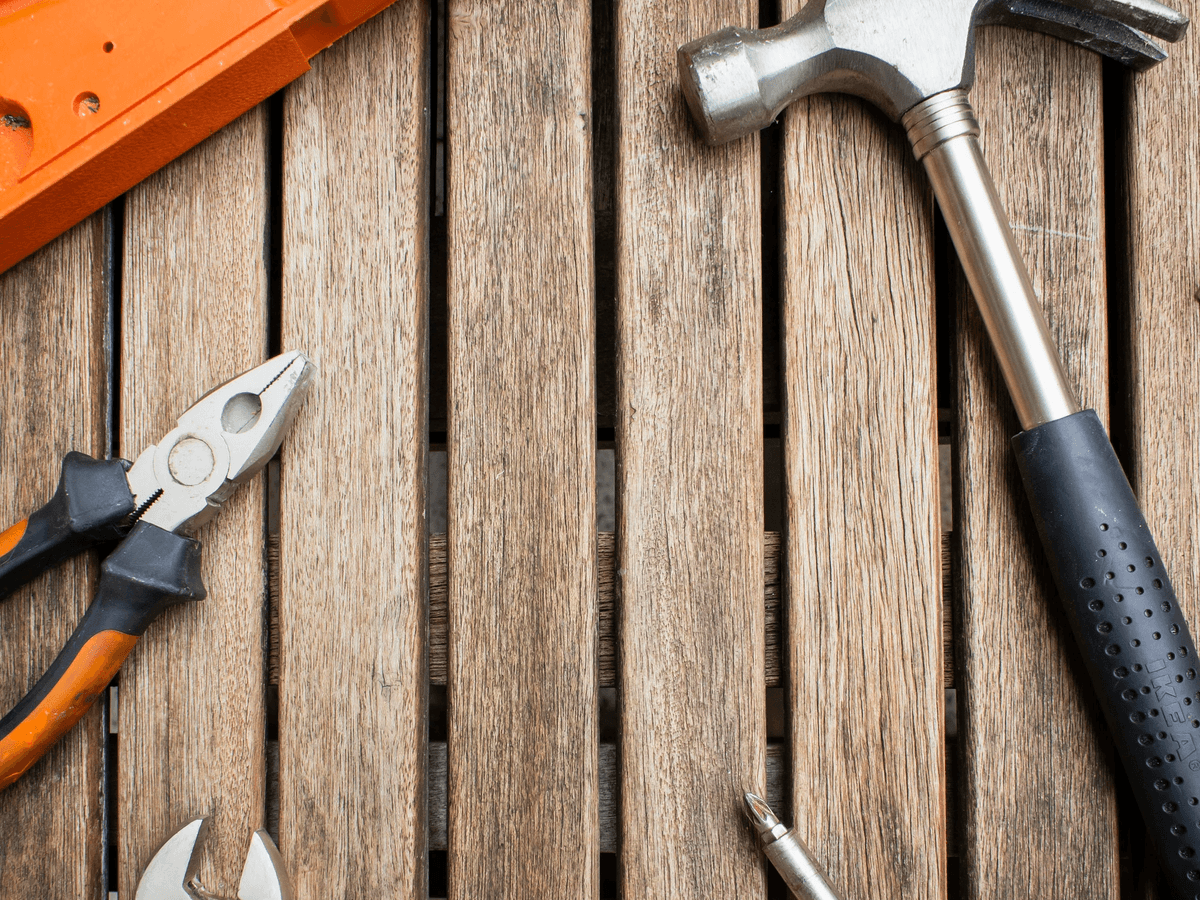
Getting your hands on the best hand tools is only half the battle; ensuring they meet quality standards through proper inspection is what truly counts. Mastering the essentials of hand tools inspection helps prevent costly mistakes and guarantees safety and durability in every tool you produce or use. By implementing a solid checklist, you can streamline your process, saving both time and money while maintaining top-notch quality.
Understanding the different types of hand tools—ranging from wrenches to screwdrivers—is crucial for effective RAW MATERIALS INSPECTION and subsequent steps. A thorough pre-production inspection ensures that each component aligns with design specifications before moving forward, reducing potential flaws during assembly. Hands-on quality control inspection techniques, including coating checks and functional testing, are vital for catching issues early and delivering reliable tools to the market.
Elevate your quality control with proven inspection techniques that cover every stage—from raw materials to final assembly. Incorporating detailed inspection processes such as coating inspections or assembly checks not only enhances product longevity but also helps meet industry standards effortlessly. With a comprehensive approach to hand tools inspection, you’ll build a reputation for durability, safety, and excellence that stands out in any competitive landscape.
Understanding Hand Tools Inspection
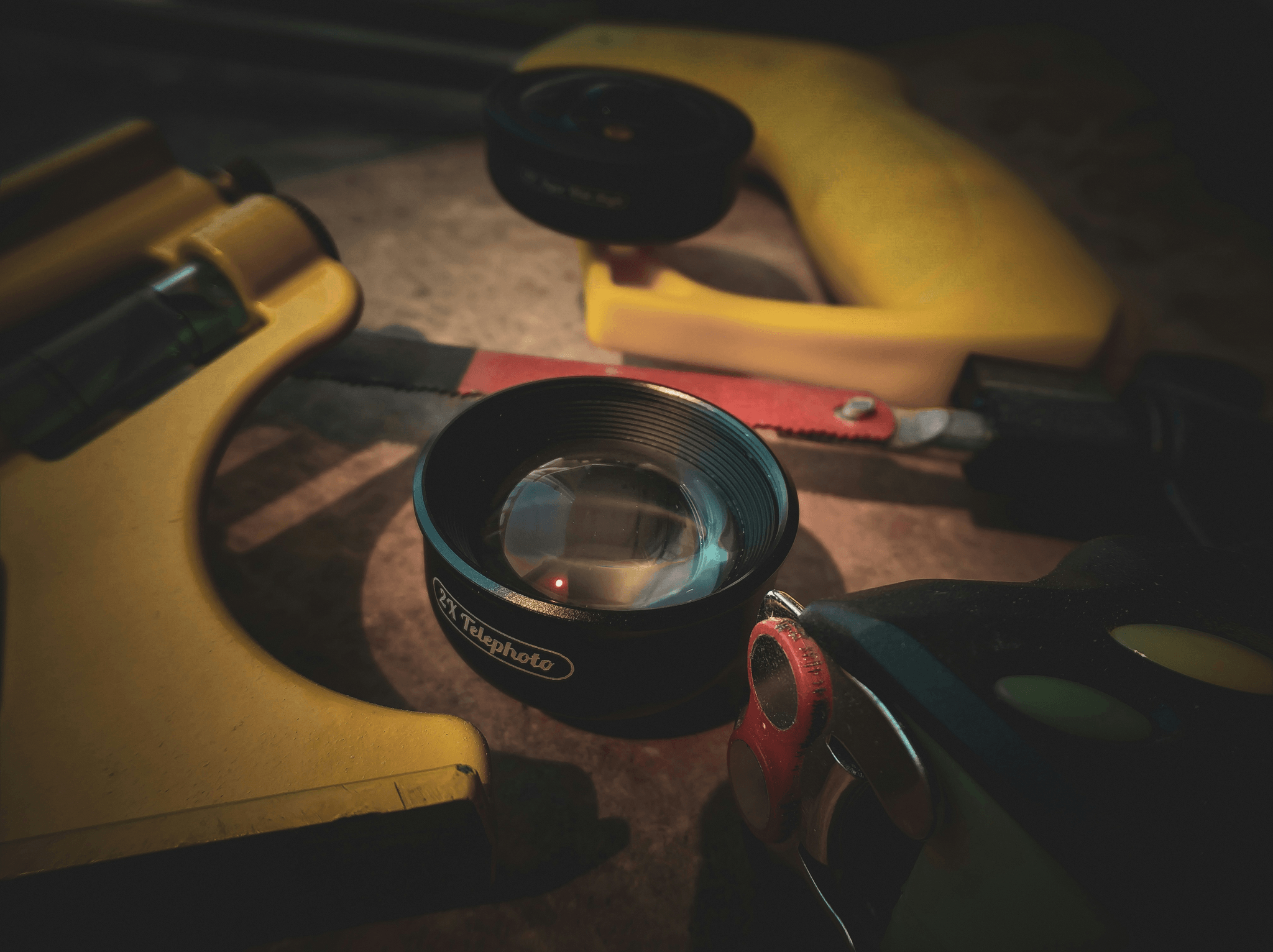
Hand tools are the backbone of countless industries, from construction to manufacturing, making Hand Tools Inspection an essential part of quality assurance. Proper inspection ensures that each tool meets safety standards and performs reliably, saving time and reducing costly rework. Without a thorough understanding of the inspection process, even the best-designed tools can fall short in real-world applications.
Raw Materials Inspection plays a crucial role in the overall quality of hand tools. Before any assembly begins, inspecting RAW MATERIALS INSPECTION helps verify material certifications and detect potential flaws that could compromise durability or safety. This step is fundamental because subpar raw materials often lead to defective tools later down the line, emphasizing why raw material checks are non-negotiable in Hand Tools Inspection.
When it comes to Types of Hand Tools—such as hammers, screwdrivers, pliers, and wrenches—regular inspection is vital for maintaining their integrity over time. Different types require specific inspection techniques during PRE-PRODUCTION INSPECTION to confirm design specifications and tolerances are met before mass production. Consistent inspection ensures that each type performs its intended function without fail, especially during assembly or coating phases.
In addition to initial checks, ASSEMBLY INSPECTION guarantees that all parts come together correctly without loose components or misalignments that could cause safety hazards or reduce lifespan. This step involves hands-on/quality control inspection methods where inspectors perform practical functionality tests and measure critical dimensions with precision tools. Such meticulous attention during assembly prevents costly recalls and guarantees reliable performance for end-users.
Finally, COATING INSPECTION verifies protective finishes against surface defects like scratches or imperfections while ensuring corrosion resistance. A thorough coating inspection enhances durability and prolongs tool life—key factors for customer satisfaction—and ties back into comprehensive Hands-On Quality Control Inspection procedures that cover every aspect from raw materials to final finishing touches.
Preparing for a Hand Tools Inspection
Getting ready for a thorough Hand Tools Inspection isn’t just about showing up with a clipboard. It involves gathering all the necessary documentation and standards to ensure every aspect of your tools meets industry benchmarks. Knowing the types of hand tools involved—whether wrenches, screwdrivers, or pliers—helps tailor your inspection process and focus on critical areas like RAW MATERIALS INSPECTION, PRE-PRODUCTION INSPECTION, and assembly quality.
Gathering Necessary Documentation and Standards
Before diving into the actual inspection, compile all relevant documentation related to the types of hand tools you’re evaluating. This includes design specifications, material certifications, safety standards, and previous inspection reports. Having these documents on hand ensures your team can perform accurate RAW MATERIALS INSPECTION and identify potential issues early in the process.
Tools and Equipment Needed for Effective Inspection
Equipping yourself with the right measurement tools is essential for a successful HANDS-ON/QUALITY CONTROL INSPECTION. Calipers, gauges, surface testers, and coating thickness meters are vital to accurately assess coatings, finishes, and dimensions of each hand tool. Remember, proper equipment makes all the difference when conducting PRE-PRODUCTION INSPECTION or Coating Inspection—precision is key!
Training Your Inspection Team for Consistency
Consistency in Hand Tools Inspection hinges on well-trained inspectors who understand every step—from verifying raw materials to performing assembly checks. Regular training sessions should emphasize identifying common defects during RAW MATERIALS INSPECTION or spotting flaws during COATING INSPECTION. A knowledgeable team will excel at Hands-On Quality Control inspections by catching issues before they reach customers.
Raw Materials Inspection for Hand Tools

Before any hand tools hit the production line, RAW MATERIALS INSPECTION is a crucial step to ensure quality from the ground up. Verifying material certifications and quality helps prevent defective tools from reaching customers, saving time and money in the long run. A thorough check of raw materials sets the foundation for reliable hand tools inspection throughout every stage of manufacturing.
Verifying Material Certifications and Quality
The first step in effective hand tools inspection involves verifying that raw materials come with proper certifications, such as ISO or industry-specific standards. These documents confirm that the materials meet specified quality requirements and are suitable for manufacturing durable hand tools. Ensuring compliance with certification standards minimizes risks associated with subpar raw materials, ultimately supporting consistent types of hand tools produced.
Checking for Material Defects and Contaminations
Even certified raw materials can harbor hidden flaws or contaminants that compromise the integrity of finished hand tools. During RAW MATERIALS INSPECTION, visual and non-destructive testing methods help identify surface defects like cracks, porosity, or contamination from dirt or oil. Detecting these issues early allows for corrective actions before they affect subsequent stages such as PRE-PRODUCTION INSPECTION or ASSEMBLY INSPECTION.
Ensuring Compliance with Industry Standards
Raw materials must align with industry standards relevant to specific types of hand tools—be it pliers, screwdrivers, or hammers—to guarantee safety and performance. Raw Materials Inspection plays a vital role in confirming compliance with these standards before moving forward to PRE-PRODUCTION INSPECTION phases. When raw materials pass muster, it paves the way for smoother assembly processes and more reliable coating inspections down the line.
Pre-Production Inspection of Hand Tools
Before a single screw is tightened or blade sharpened, the pre-production phase of hand tools inspection sets the tone for quality. This crucial step ensures that what’s coming off the line aligns perfectly with design specifications and tolerances, reducing costly rework later. Properly conducting RAW MATERIALS INSPECTION at this stage guarantees that only high-quality raw materials move forward into manufacturing, which is essential for maintaining consistent hand tools standards.
Confirming Design Specifications and Tolerances
The first step in pre-production inspection involves verifying that each hand tool meets its design specifications and tolerances. This process requires a thorough review of technical drawings and engineering standards to ensure every dimension adheres strictly to industry norms. When performing hand tools inspection, paying close attention to these details helps catch deviations early, preventing defective products from reaching assembly lines or customers.
Conducting Material and Dimensional Checks
Next up is rigorous material and dimensional checks—cornerstones of effective hand tools inspection. These checks involve measuring critical features with precision tools like calipers or micrometers to confirm they fall within allowable limits. Conducting these inspections diligently not only verifies compliance but also minimizes the risk of manufacturing flaws slipping through, which could compromise the durability or safety of the final product.
Identifying Potential Manufacturing Flaws Early
Early detection of manufacturing flaws can save a lot of headaches down the road—think rework, delays, or worse, safety recalls. During pre-production inspection, scrutinizing raw materials and initial components helps identify issues such as cracks, contamination, or improper machining before assembly begins. By catching these problems early through hands-on quality control inspection techniques, manufacturers can maintain high standards for their hand tools and uphold their reputation for reliability.
Assembly Inspection Process
The assembly inspection process is a critical stage in ensuring the overall quality of hand tools. During this phase, inspectors focus on verifying that each component has been assembled correctly according to design specifications, which is a cornerstone of thorough Hand Tools Inspection. Proper assembly techniques not only guarantee functionality but also play a vital role in safety and durability, making this step indispensable for maintaining high standards across Types of Hand Tools.
Ensuring Proper Assembly Techniques
To master Hand Tools Inspection at this stage, inspectors must confirm that proper assembly procedures are followed meticulously. This involves checking whether parts are fitted tightly and aligned correctly, avoiding any gaps or misplacements that could compromise the tool's integrity. A rigorous review of assembly techniques helps prevent future failures and reduces costs associated with rework or recalls, especially when considering the importance of RAW MATERIALS INSPECTION early in the process.
Checking for Loose Parts or Misalignments
Loose parts or misalignments are common culprits behind tool failure and safety hazards, making their detection during ASSEMBLY INSPECTION crucial. Inspectors should manually test for looseness by applying gentle pressure or torque to joints and fasteners—if anything wiggles more than it should, it’s a red flag. Regularly conducting hands-on/quality control inspections at this stage ensures that all components stay securely in place and meet industry standards before moving forward to Coating Inspection or functional testing.
Validating Functional and Safety Features
The final checkpoint involves validating all functional and safety features embedded within hand tools—think locking mechanisms, ergonomic grips, or safety guards—are operating flawlessly. This step is vital because even minor defects can lead to serious accidents down the line; hence, comprehensive hands-on/quality control inspection is essential here. Confirming these features work as intended ensures compliance with safety regulations while enhancing user confidence in your products’ reliability.
Coating Inspection for Hand Tools
When it comes to Hand Tools Inspection, the coating process plays a crucial role in ensuring the longevity and performance of your tools. Properly assessing protective coatings and finishes helps prevent premature wear and corrosion, which can compromise safety and efficiency. During coating inspection, inspectors scrutinize every inch of the surface to verify that the applied finishes meet industry standards for durability.
Detecting surface defects and imperfections is a key part of coating inspection for hand tools. Common issues like blisters, peeling, or uneven coverage can slip past casual checks but are glaring red flags during a thorough hands-on/quality control inspection. Identifying these flaws early ensures only top-quality tools reach your workspace, ultimately saving time and money by avoiding rework or replacements.
Ensuring durability and corrosion resistance through coating inspection is essential for maintaining long-term tool reliability. The right protective layer shields hand tools from rust and environmental damage, especially in harsh working conditions. Regularly verifying that coatings are intact and effective guarantees your hand tools remain strong, safe, and ready for action over their lifespan.
Hands-On Quality Control Inspection
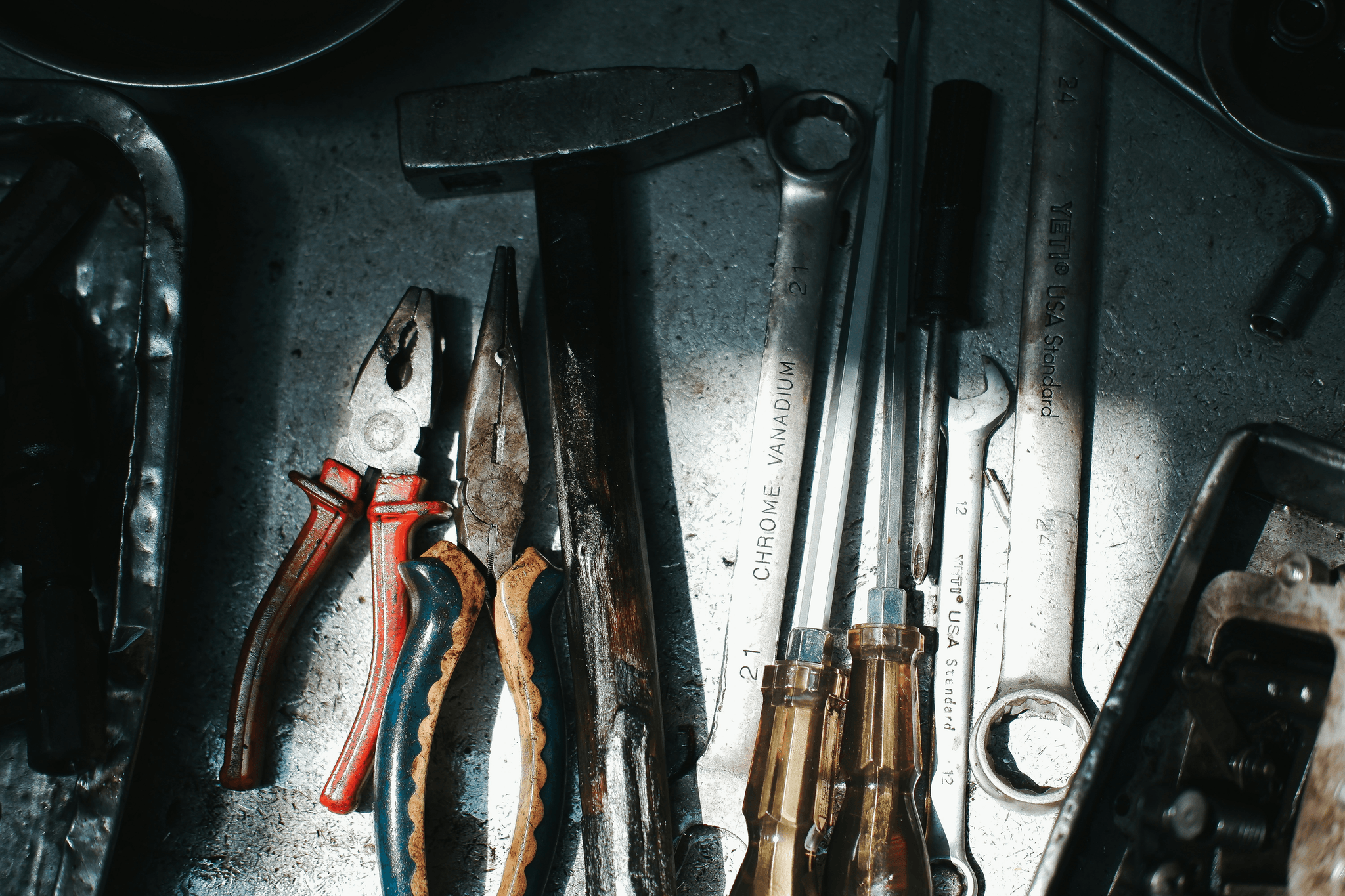
Getting your hands dirty—figuratively, of course—is a critical step in ensuring top-notch hand tools inspection. This phase involves practical tests that reveal how well the tools perform under real-world conditions. By actively engaging in hands-on quality control inspection, inspectors can identify potential issues early, saving time and money while maintaining high standards across all types of hand tools.
Performing Practical Functionality Tests
The first step in hands-on quality control inspection is to test the functionality of various types of hand tools. Whether it’s pliers, screwdrivers, or hammers, each tool must perform its intended task smoothly without hiccups. These tests help verify if the tools meet design specifications and functional requirements outlined during RAW MATERIALS INSPECTION and PRE-PRODUCTION INSPECTION stages.
Using Measurement Tools for Precision Checks
Precision is king when it comes to hand tools inspection, so using measurement tools like calipers, micrometers, and gauges is essential. These instruments assist inspectors in verifying dimensions against specified tolerances established during the pre-production phase. Accurate measurements ensure that assembly inspection processes will not be compromised by subpar components or manufacturing flaws.
Documenting Inspection Results Accurately
Once functionality tests are complete and measurements taken, documenting results becomes paramount for traceability and continuous improvement efforts. Clear records of each check—highlighting any deviations or defects—are vital for effective communication with stakeholders and for implementing corrective actions based on inspection findings. Proper documentation ensures consistency across all inspections and supports ongoing quality control initiatives.
Documentation and Reporting
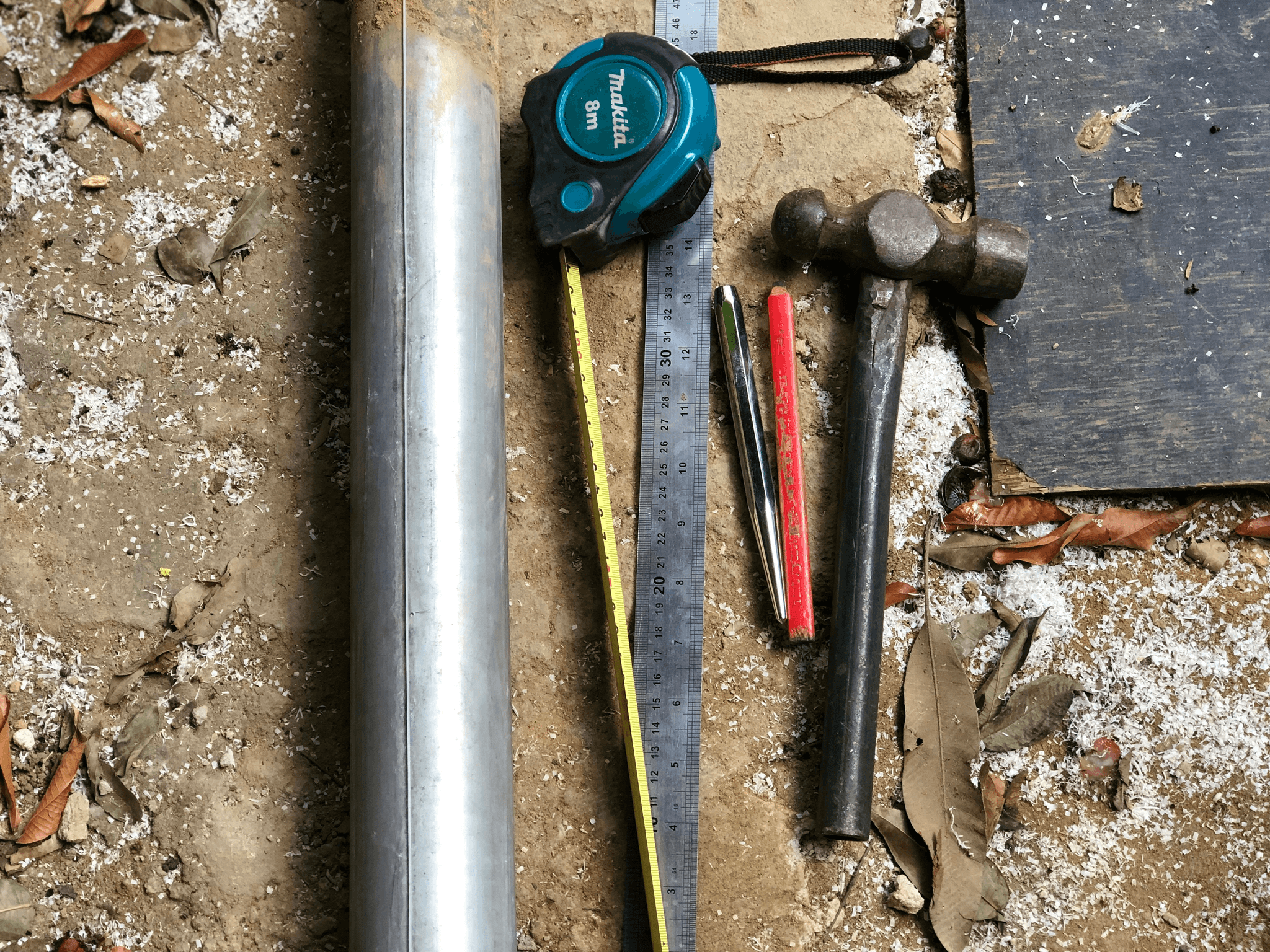
Keeping detailed records of your Hand Tools Inspection process is the backbone of quality assurance. Proper documentation ensures that every step, from RAW MATERIALS INSPECTION to Coating Inspection, is tracked and verifiable. This not only helps in maintaining consistency but also provides a clear trail for audits or future improvements.
Clear communication of inspection findings to stakeholders is essential for swift decision-making and continuous improvement. Whether it’s highlighting issues found during PRE-PRODUCTION INSPECTION or assembly flaws uncovered during ASSEMBLY INSPECTION, sharing accurate reports keeps everyone on the same page. Well-documented reports ensure that corrective actions are based on factual data, reducing guesswork and enhancing overall product quality.
Implementing corrective actions based on inspection results is where the real magic happens in Hand Tools Inspection. When issues are identified through Hands-On/Quality Control Inspection, prompt action can prevent defective tools from reaching customers. By systematically addressing problems highlighted during Coating Inspection or other phases, companies can uphold high standards and avoid costly rework or recalls.
Maintaining Complete Inspection Records
Maintaining comprehensive records of all phases—RAW MATERIALS INSPECTION, PRE-PRODUCTION INSPECTION, ASSEMBLY INSPECTION, and Coating Inspection—is vital for consistent quality control in hand tools manufacturing. These records should include detailed notes on materials tested, measurement results, defects found, and corrective measures taken. Keeping organized files allows teams to track trends over time and identify recurring issues that may need strategic adjustments.
Moreover, digital record-keeping systems streamline access to inspection data across departments while reducing paperwork clutter. It’s also beneficial to include photographs from Hands-On/Quality Control Inspections as visual proof of inspections performed or defects detected—these serve as invaluable references during audits or process reviews.
Communicating Findings to Stakeholders
Effective communication about inspection outcomes ensures that everyone involved—from raw material suppliers to production managers—understands current quality levels and areas needing attention. Sharing insights from RAW MATERIALS INSPECTION helps suppliers improve their processes while informing internal teams about potential risks early on in the process.
During each phase like PRE-PRODUCTION or Assembly Inspection, concise reports highlight critical findings such as misalignments or safety feature failures that could impact end-user safety or product durability. Regular updates foster transparency and facilitate collaborative problem-solving—making sure no defect slips through unnoticed.
Implementing Corrective Actions Based on Inspection
Once issues are identified through Hands-On/Quality Control Inspection or other phases like Coating Inspection, implementing corrective actions swiftly becomes paramount for maintaining high standards in hand tools manufacturing. This might involve reworking defective parts after Assembly Inspection or adjusting coating processes when surface imperfections are detected.
Following up with documented corrective measures ensures continuous improvement within your Hand Tools Inspection protocol while preventing recurrence of similar problems down the line. Remember: proactive responses based on thorough inspection reports turn potential setbacks into opportunities for refining your entire production system.
Collaborating with China Inspection Pro
Partnering with China Inspection Pro takes your Hand Tools Inspection process to the next level by combining local expertise with global standards. Our team understands the complexities of inspecting various Types of Hand Tools, ensuring each piece meets strict quality benchmarks. From RAW MATERIALS INSPECTION to final Hands-On/Quality Control Inspection, we cover every step to guarantee top-notch products.
How Quality Inspection Experts Elevate Hand Tools Quality
Our seasoned inspectors excel in identifying potential issues during each phase of Hand Tools Inspection, whether it's RAW MATERIALS INSPECTION or PRE-PRODUCTION INSPECTION. We focus on catching defects early, which minimizes costly rework and delays, ultimately saving you time and money. By meticulously checking the integrity of materials and assembly processes, we help manufacturers produce durable, reliable tools that stand out in the market.
Leveraging Our Professional Services for Complex Challenges
When it comes to complex challenges like ensuring compliance with international standards or troubleshooting manufacturing flaws during ASSEMBLY INSPECTION, our experts are your best bet. We offer tailored solutions that address specific needs—be it surface imperfections spotted during COATING INSPECTION or functional issues revealed through Hands-On/Quality Control Inspection. Our comprehensive approach ensures that even the most intricate problems are resolved efficiently while maintaining high standards for all Types of Hand Tools.
Achieving Industry Standards and Regulatory Compliance
Navigating industry standards can be tricky without proper guidance; that's where China Inspection Pro shines brightest. We assist clients in aligning their HAND TOOLS INSPECTION processes with regulatory requirements across different regions by conducting thorough RAW MATERIALS INSPECTION and rigorous PRE-PRODUCTION INSPECTION checks. Our expertise guarantees that your hand tools not only meet but exceed industry benchmarks for safety, durability, and performance—making compliance a breeze.
Conclusion
Ensuring the long-term reliability of hand tools hinges on diligent Hand Tools Inspection at every stage of production. From RAW MATERIALS INSPECTION to final COATING INSPECTION, each step plays a crucial role in preventing failures and extending tool lifespan. Regularly performing these inspections guarantees that your hand tools remain safe, functional, and durable over time.
Continuous improvement is only possible when you embrace a thorough approach to HANDS-ON/QUALITY CONTROL INSPECTION. By integrating PRE-PRODUCTION INSPECTION and ASSEMBLY INSPECTION into your routine, you catch potential flaws early before they escalate into costly problems. Staying vigilant through consistent inspections fosters innovation and keeps your products aligned with industry standards.
Partnering with seasoned professionals who specialize in Hand Tools Inspection elevates your quality assurance process to new heights. These experts bring valuable insights into TYPES OF HAND TOOLS and ensure compliance with regulatory requirements through meticulous inspection practices. Collaborating with such specialists helps maintain top-notch quality while reducing waste and rework, ultimately saving time and money.