
Introduction
In the dynamic world of construction, understanding quality is paramount. Quality in construction not only ensures the longevity and safety of structures but also affects overall project success and client satisfaction. The intricate balance between aesthetics, functionality, and durability makes it essential for industry professionals to prioritize quality at every stage of the building process.
Understanding Quality in Construction
Quality in construction encompasses a range of factors including materials, workmanship, and adherence to established standards. It is crucial for stakeholders to recognize that high-quality construction leads to reduced maintenance costs and enhanced safety for occupants. By focusing on quality, builders can mitigate risks associated with structural failures and ensure compliance with regulations.
The Role of Certification in Quality Assurance
Certification plays a vital role in maintaining quality assurance within the construction sector. It serves as a benchmark that verifies compliance with industry standards, ensuring that materials and processes meet rigorous quality expectations. For instance, knowing how to check material test certificates can provide peace of mind about the integrity of resources used in projects.
Key Players in Construction Quality Control
Effective construction quality control involves collaboration among various key players including contractors, inspectors, and certification bodies. These stakeholders work together to enforce standards such as PCB quality control measures and food packaging testing protocols when applicable. Their collective efforts help maintain high levels of safety and performance throughout the project lifecycle.
Defining Quality in Construction

Defining quality in construction is not just about meeting specifications; it’s about ensuring that every aspect of a project meets or exceeds expectations. Quality in construction encompasses various elements, including materials, processes, and outcomes, all of which contribute to the overall integrity of a building. By establishing clear standards and metrics for evaluation, stakeholders can ensure that projects are completed successfully and sustainably.
Importance of Quality Standards
Quality standards serve as the backbone of successful construction projects. They provide guidelines that help maintain consistency and reliability throughout every stage of development. Without these standards, the risk of defects increases significantly, leading to costly rework and potential safety hazards, emphasizing the importance of food quality and other related certifications in the broader context.
In addition to enhancing safety and durability, quality standards also play a crucial role in regulatory compliance. For instance, understanding where to find children's product certificates ensures that products meet specific safety requirements before they reach consumers. Ultimately, adhering to established quality standards fosters trust among clients and stakeholders while promoting a culture of excellence within the construction industry.
Key Metrics for Quality Evaluation
When it comes to evaluating quality in construction, several key metrics come into play. These include adherence to project timelines, budget compliance, material performance testing results (such as how to check material test certificates), and customer satisfaction ratings post-completion. Each metric provides valuable insights into different aspects of a project’s success or areas needing improvement.
Moreover, incorporating PCB quality control measures can enhance overall project outcomes by ensuring electronic components meet strict performance criteria before installation. By regularly assessing these metrics throughout the project lifecycle, teams can identify trends that may indicate underlying issues with quality control methodologies or material selection processes.
Quality in Construction Case Studies
Examining real-world examples can illuminate how effective quality management leads to successful projects. One notable case study highlights a commercial building where rigorous food packaging testing protocols were implemented on-site for materials used in kitchens and dining areas—showcasing an emphasis on food quality checking within construction practices.
Another compelling example involves a residential development where meticulous inspection certificate processes were followed during each phase—ensuring compliance with local regulations while maintaining high-quality finishes throughout homes built using sustainable materials. These case studies underline the critical relationship between established practices and tangible outcomes in fostering lasting impacts on both clients' satisfaction levels and overall market success within the industry.
The Significance of Quality Control

Quality control is the backbone of any successful construction project, ensuring that all components meet the required standards. In the realm of construction, quality in construction encompasses not just the materials used but also the processes involved. A robust quality control system mitigates risks, enhances safety, and ultimately leads to greater customer satisfaction.
PCB Quality Control Fundamentals
When it comes to PCB (Printed Circuit Board) quality control, understanding the fundamentals is crucial for ensuring reliability in electronic components. Quality in construction isn't limited to buildings; it extends into technology and manufacturing processes as well. PCB quality control involves rigorous testing protocols that assess functionality, durability, and compliance with industry standards.
The process begins with material selection and continues through manufacturing and assembly stages. Each step requires careful monitoring to prevent defects that could compromise performance or safety. By emphasizing PCB quality control fundamentals, manufacturers can ensure that their products contribute positively to overall project quality in construction.
How to Check Material Test Certificate
Knowing how to check a material test certificate is essential for verifying compliance with industry standards before using materials in any construction project. This certificate serves as proof that materials have undergone rigorous testing and meet specified requirements for strength, durability, and safety—critical aspects of maintaining high-quality standards in construction.
To check a material test certificate effectively, start by examining its authenticity; look for official stamps or signatures from accredited laboratories. Next, confirm that the tests conducted align with your project's specifications—this includes checking parameters like tensile strength or chemical composition relevant to your needs. Ensuring all materials are certified will significantly enhance your project's overall quality while reducing potential risks associated with subpar materials.
Quality Control Methodologies
Quality control methodologies play a pivotal role in establishing consistent practices within any project framework aimed at achieving high-quality outcomes. Various methodologies exist tailored specifically for different sectors—construction included—each designed to foster continuous improvement and adherence to established standards such as ISO 9001 or Six Sigma principles regarding efficiency and effectiveness.
Incorporating these methodologies into daily operations allows teams to identify areas needing improvement while reinforcing practices that yield positive results consistently over time. For instance, employing statistical process control can help track variations during production phases while implementing regular audits ensures ongoing compliance with food packaging testing requirements or inspection certificates needed for various products used on-site.
Ultimately, utilizing effective quality control methodologies will not only streamline operations but also enhance product reliability across all facets of your projects—from food packaging testing essentials to ensuring all components meet stringent inspection certificate criteria necessary for successful completion.
Choosing Reliable Certification Sources

In the realm of construction and manufacturing, selecting trustworthy certification sources is paramount for ensuring quality in construction and product safety. Certifications act as a stamp of approval, confirming that products meet established standards. This section will explore where to find essential certifications, emphasizing the importance of food quality certifications and their impact on market success.
Where to Find Children’s Product Certificate
Finding a reliable Children’s Product Certificate is crucial for manufacturers aiming to ensure safety and compliance with regulations. Organizations such as the Consumer Product Safety Commission (CPSC) provide guidelines on how to obtain this certification, often requiring rigorous testing and adherence to safety standards. Additionally, third-party testing labs can facilitate this process by conducting necessary evaluations and issuing certificates that verify compliance.
When searching for a Children’s Product Certificate, look for accredited laboratories that specialize in toy safety evaluations. These labs not only test products but also guide manufacturers through the certification process, ensuring all safety guidelines are met. By leveraging these resources effectively, companies can confidently market their products while prioritizing child safety.
Importance of Food Quality Certifications
Food quality certifications are vital in today’s marketplace where consumers demand transparency and assurance regarding what they eat. These certifications ensure that food products meet specific health standards, which helps prevent contamination and guarantees quality in food production processes. Moreover, they serve as a trust signal to consumers who increasingly prioritize safe and high-quality food options.
The importance of food quality cannot be overstated; it directly influences public health outcomes and consumer confidence in brands. Companies with recognized food quality certifications often enjoy enhanced brand loyalty and competitive advantages over those without such credentials. As consumers become more informed about their choices, having valid certifications becomes integral to maintaining market relevance.
Impact of Certification on Market Success
The impact of certification on market success is profound; it can make or break a product's reception in the marketplace. Certifications like those related to PCB quality control or inspection certificates not only validate product integrity but also enhance brand reputation significantly. In industries ranging from construction to food production, having robust certification processes can lead directly to increased sales and customer satisfaction.
Moreover, certified products tend to attract more investment opportunities because they demonstrate reliability and adherence to industry standards—essential factors for stakeholders assessing risk versus reward in business ventures. As competition intensifies across various sectors, companies that prioritize obtaining relevant certifications will likely see sustained growth due to heightened consumer trust and operational credibility.
Quality Testing Procedures
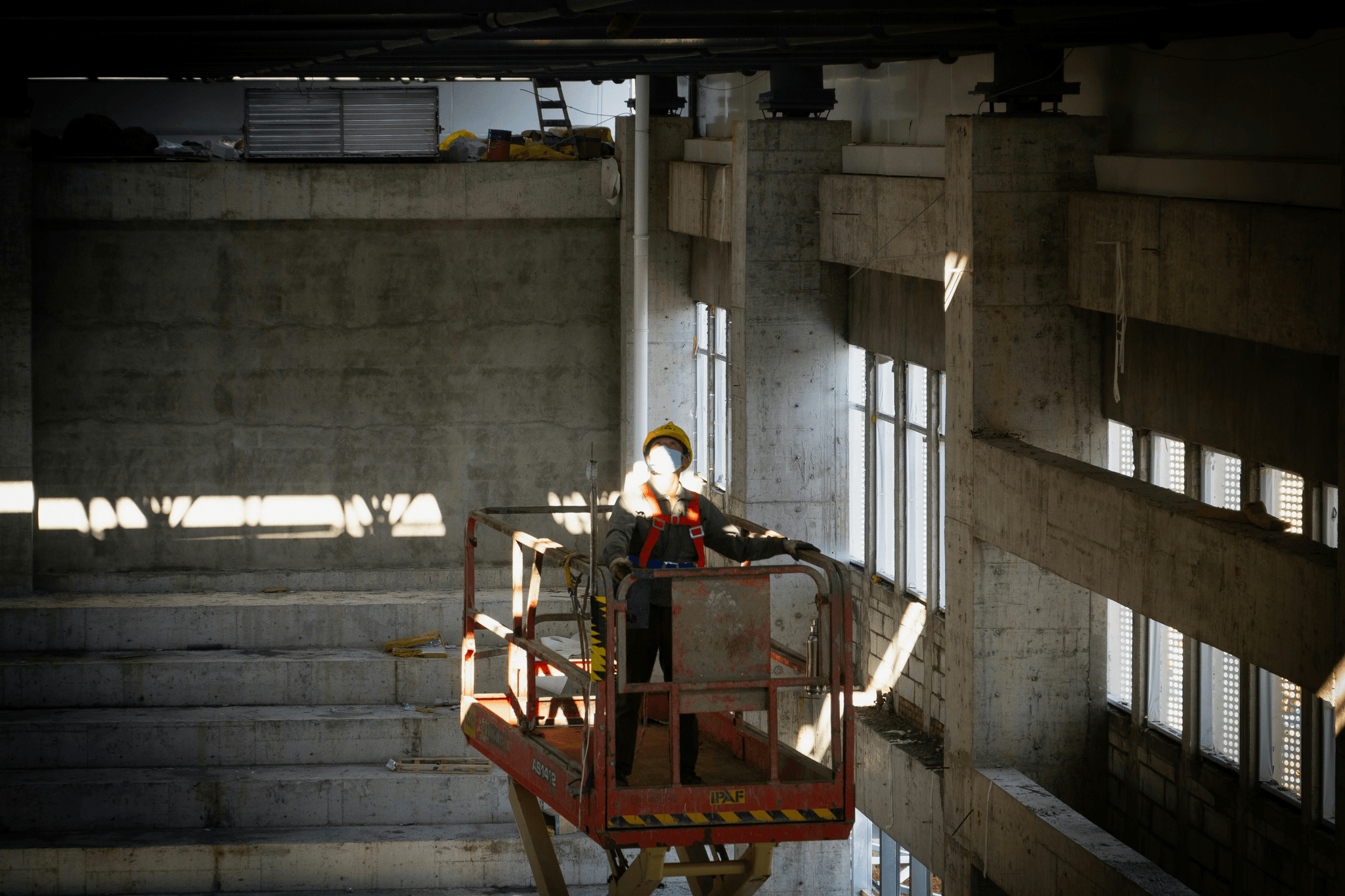
Quality testing is a critical aspect of ensuring that products meet the necessary standards and regulations, particularly in sectors like food packaging and construction. In the realm of quality in construction, rigorous testing procedures help to maintain safety and performance levels. This section delves into essential practices for food packaging testing, effective food quality checking techniques, and the importance of inspection certificates in construction.
Food Packaging Testing Essentials
Food packaging testing is crucial to ensure that materials used do not compromise food safety or quality. This involves evaluating the packaging's ability to protect contents from contamination, spoilage, and damage during transport and storage. Understanding where to find children's product certificates can also be vital for manufacturers aiming to comply with safety regulations while ensuring their products are safe for young consumers.
To conduct effective food packaging testing, several methods can be employed, such as migration tests which assess if harmful substances leach into food from the packaging material. Additionally, physical tests evaluate attributes like puncture resistance and seal integrity. By implementing these practices consistently, businesses can uphold the importance of food quality while reinforcing consumer trust in their products.
Food Quality Checking Techniques
Food quality checking techniques encompass a variety of methods designed to assess freshness, safety, and nutritional value throughout the supply chain. These techniques often include sensory evaluations—like taste tests—and laboratory analyses that check for contaminants or spoilage indicators. Implementing robust food quality checking processes is essential not only for compliance but also for maintaining brand reputation in a competitive market.
One effective technique involves using rapid test kits that allow quick assessments of microbial contamination levels; this ensures timely interventions when necessary. Moreover, keeping abreast of regulatory changes regarding how to check material test certificates can help businesses stay compliant with evolving standards in food safety. Overall, adopting comprehensive food quality checking techniques contributes significantly to enhancing consumer confidence and satisfaction.
Inspection Certificate Importance in Construction
In construction projects, inspection certificates serve as formal documentation confirming that materials or processes meet established standards before use on-site. The significance of these certificates cannot be overstated; they act as proof that all components comply with regulatory requirements related to safety and performance—essential elements when discussing quality in construction. Without proper inspection certificates, stakeholders may face increased risks associated with structural integrity or project delays due to non-compliance issues.
Moreover, having clear protocols on how to check material test certificates ensures transparency throughout the construction process; this builds trust among contractors and clients alike. Companies should prioritize obtaining necessary inspection certifications from reliable sources as part of their overall quality control strategy—especially when it comes to critical components like PCB (Printed Circuit Board) manufacturing used in various electronic applications within buildings or infrastructure projects. Ultimately, investing time in understanding inspection certificate importance translates into long-term success by minimizing risks associated with poor-quality materials.
Collaborating with Quality Experts

Collaboration with quality experts is essential for maintaining high standards in construction and ensuring robust quality control processes. By leveraging the expertise of specialized firms, such as China Inspection Pro, construction companies can enhance their quality assurance programs and ensure compliance with various certifications. This partnership not only boosts the overall quality in construction but also helps navigate complex regulations and standards.
Working with China Inspection Pro
China Inspection Pro is a leading provider of inspection services that focus on enhancing PCB quality control and other critical areas of construction. Their team offers comprehensive inspections, ensuring that all materials meet required standards before they are used on-site. By collaborating with them, companies can streamline their processes, making it easier to check material test certificates and verify compliance with local and international regulations.
Engaging with a firm like China Inspection Pro also provides access to valuable resources, including insights into where to find children's product certificates or food quality certifications relevant to construction projects involving these products. This knowledge can be instrumental in avoiding costly mistakes and ensuring that all aspects of the project adhere to safety standards. Ultimately, this collaboration fosters a culture of excellence that permeates through every layer of the organization.
Building a Strong Quality Control Team
Creating a strong quality control team is pivotal for effective management of construction projects. A well-rounded team should incorporate diverse skill sets, including professionals skilled in food packaging testing or those familiar with how to check material test certificates effectively. This diversity allows for thorough evaluations across various sectors within the industry, from food safety to structural integrity.
Training is crucial when building this team; ongoing education about the importance of food quality certifications or PCB quality control methodologies will ensure that your staff remains informed about best practices and emerging trends. Furthermore, fostering an environment where team members feel empowered to share insights promotes continuous improvement in construction quality across all operations. When everyone is on board, it creates a unified front against potential shortcomings.
Continuous Improvement in Construction Quality
Continuous improvement should be at the forefront of any construction company's strategy for maintaining high-quality standards. Regularly assessing your methods—such as food quality checking techniques or inspection certificate protocols—can reveal areas needing enhancement or adjustment over time. The goal is not only to rectify issues but also to anticipate future challenges before they arise.
Implementing feedback loops within your organization can also drive this continuous improvement process forward by encouraging open communication among teams about what works well and what doesn’t regarding PCB quality control or other certification requirements like children's product certificates or food safety measures. Emphasizing this proactive approach helps maintain high-quality benchmarks while adapting swiftly to changing industry demands and regulations.
In conclusion, collaborating with experts like China Inspection Pro while building a competent internal team enables organizations to uphold exceptional standards in construction projects effectively while fostering an environment focused on ongoing growth and adaptation.
Conclusion
In the ever-evolving landscape of construction, ensuring quality is not just an option; it's a necessity. The integration of robust quality control measures, such as PCB quality control and rigorous inspection protocols, can significantly enhance project outcomes. By embracing best practices and staying informed about trends, stakeholders can ensure that quality in construction remains at the forefront of their efforts.
Best Practices for Ensuring Quality
To maintain high standards in construction, it's essential to implement best practices that focus on thorough documentation and adherence to established protocols. Regularly checking material test certificates is crucial; they serve as the backbone for verifying compliance with safety and performance standards. Additionally, conducting food packaging testing and food quality checking ensures that all materials used meet health regulations while contributing to overall project integrity.
Future Trends in Construction Quality Control
The future of construction quality control is poised for innovation, driven by technology and increasing regulatory demands. Automation tools will likely streamline processes like where to find children's product certificates or how to check material test certificates efficiently. Moreover, the importance of food quality certifications will become more pronounced as consumer awareness grows, pushing companies toward higher standards for safety and sustainability.
The Lasting Impact of Quality in Construction
Quality in construction has a ripple effect that extends far beyond individual projects; it influences market reputation and client trust over time. When organizations prioritize quality—through methods like consistent inspection certificate verification—they build a foundation of reliability that attracts repeat business and referrals. Ultimately, this commitment fosters a culture where excellence becomes the norm, ensuring that future generations benefit from safe and durable structures.