
Introduction
In the realm of quality control, the term AQL, or Acceptable Quality Level, serves as a cornerstone for maintaining product standards. It is a statistical measurement that determines the maximum number of defective items considered acceptable in a batch during quality inspection. Understanding AQL is crucial for businesses aiming to deliver products that meet customer expectations while minimizing waste and costs.
Understanding AQL in Quality Control
AQL stands for Acceptable Quality Level, and it plays a vital role in quality control by setting benchmarks for acceptable defect rates. This concept originated from military procurement practices and has evolved into an essential part of various industries today. By defining AQL, companies can implement effective quality testing services that ensure products are consistently meeting established standards.
Importance of Acceptable Quality Level
The importance of the Acceptable Quality Level cannot be overstated; it helps businesses strike a balance between quality assurance and cost-effectiveness. By establishing an AQL, organizations can focus their resources on inspecting products that matter most while allowing some tolerance for minor defects. This approach not only enhances customer satisfaction but also fosters trust in the brand's commitment to delivering high-quality products.
How AQL Influences Quality Inspection
AQL significantly influences how quality inspection is conducted across various industries by providing clear guidelines on what constitutes acceptable versus unacceptable defects. Quality control inspectors rely on these standards to evaluate batches effectively, ensuring that their findings align with company goals and customer expectations. Furthermore, adherence to AQL allows businesses to streamline their inspection services and improve overall efficiency in their production processes.
AQL: The Basics

When it comes to quality control, understanding the Acceptable Quality Level (AQL) is crucial. AQL serves as a benchmark for determining the maximum number of defective items considered acceptable during random sampling inspections. This concept not only streamlines quality inspection processes but also enhances overall product reliability, making it an essential element in various industries.
Definition of AQL Acceptable Quality Level
The term Acceptable Quality Level refers to the maximum percentage of defective products that can be tolerated in a batch while still considering it acceptable for delivery. For instance, if a company sets an AQL of 1%, it means that out of 1000 items, up to 10 defects are permissible before the entire batch is rejected. This definition helps businesses balance quality control with production efficiency, ensuring that their products meet specific standards without incurring excessive costs.
Historical Context of AQL in Quality Control
AQL has its roots in post-World War II manufacturing practices when industries faced increasing pressure to produce high-quality goods efficiently. The introduction of statistical quality control methods led to the establishment of AQL as a standard for evaluating product quality through sampling inspections. Over time, this approach has evolved into a widely accepted practice across various sectors, including manufacturing and service industries, where quality testing services play a pivotal role.
Common AQL Standards and Their Usage
Several common AQL standards exist today, each tailored for different industries and types of products. For example, ISO 2859-1 provides guidelines for sampling procedures based on lot sizes and desired levels of risk regarding defects during quality inspection. Understanding these standards is vital for companies aiming to implement effective inspection services; they help ensure that products meet customer expectations while maintaining compliance with industry regulations.
The Role of Quality Control Inspectors
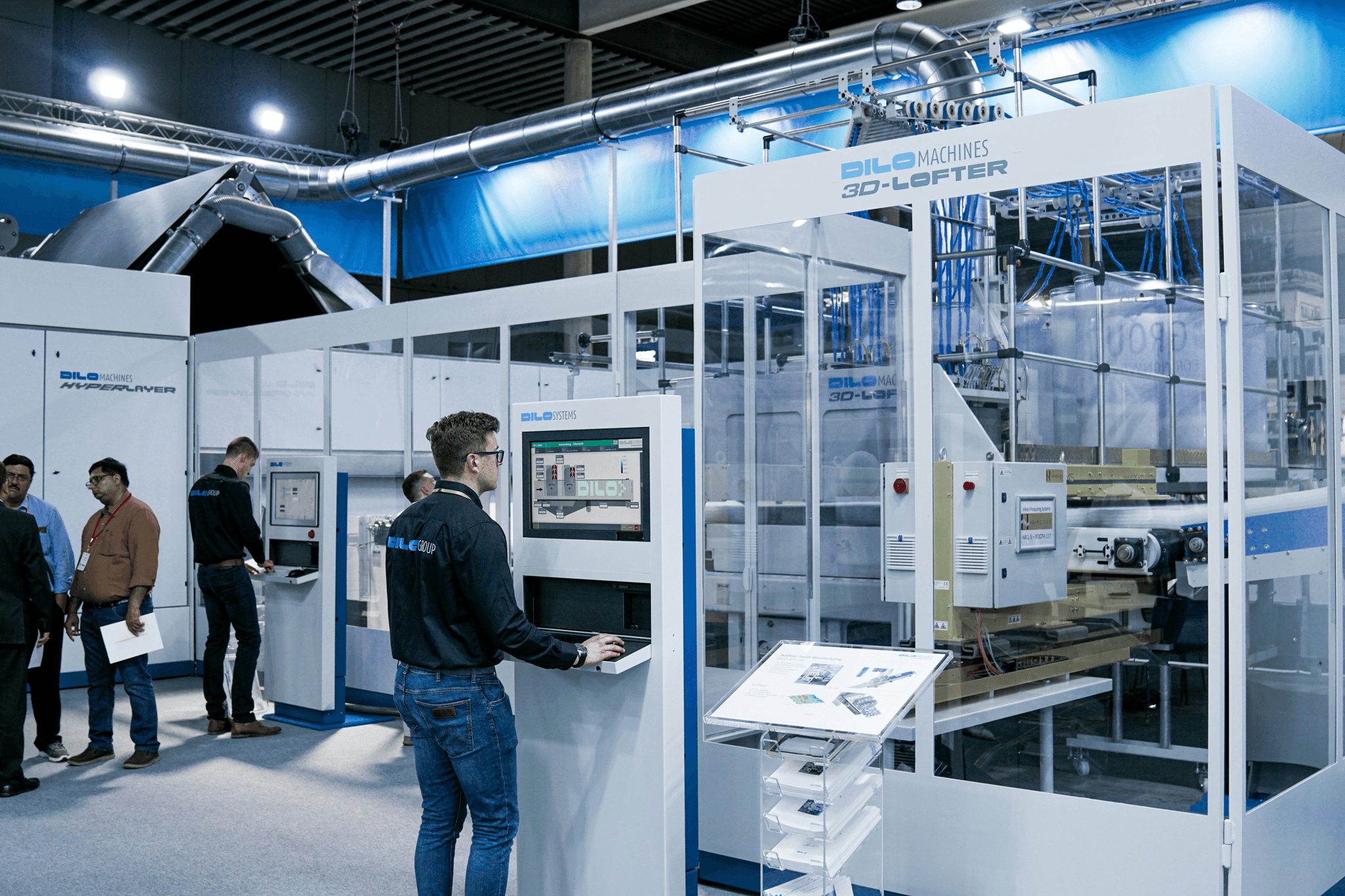
Quality control inspectors are the unsung heroes of product quality, ensuring that what reaches consumers meets the established standards. Their keen eye for detail and adherence to AQL (acceptable quality level) guidelines play a vital role in maintaining product integrity. Without their diligent efforts, businesses risk delivering subpar products that could tarnish their reputation.
Responsibilities of a Quality Control Inspector
The responsibilities of a quality control inspector extend beyond mere oversight; they are integral to the entire quality assurance process. Inspectors conduct thorough inspections, perform tests, and evaluate products against predefined AQL standards to ensure compliance with quality specifications. Additionally, they document findings meticulously, providing invaluable insights that inform future production processes and help streamline quality auditing.
In the dynamic landscape of manufacturing, inspectors also act as educators within their organizations. They train staff on best practices for quality checks and emphasize the importance of adhering to inspection services protocols. By fostering a culture of quality awareness, these inspectors help minimize errors and enhance overall product reliability.
How Inspectors Apply AQL Standards
Applying AQL standards is both an art and a science for quality control inspectors. They utilize statistical sampling methods to determine how many items can be accepted or rejected based on predetermined criteria—essentially balancing risk with cost-effectiveness in quality testing services. This approach allows businesses to maintain high-quality outputs while minimizing waste and resource expenditure.
Moreover, inspectors must stay updated on industry-specific AQL benchmarks as they can vary widely across sectors—from electronics to textiles—ensuring that their assessments are relevant and effective. By applying these standards consistently during inspections, they provide an objective measure of product reliability that stakeholders can trust. This rigorous application not only enhances consumer confidence but also fortifies brand loyalty over time.
The Impact of Quality Inspection on Product Quality
The impact of rigorous quality inspection cannot be overstated; it directly correlates with enhanced product quality and customer satisfaction levels. When inspections are performed diligently using established AQL criteria, defects are identified early in the production process—saving time and resources while preventing costly recalls later on. This proactive approach fosters continuous improvement within manufacturing operations by highlighting areas needing attention.
Furthermore, effective inspection services help build a solid reputation for businesses by showcasing their commitment to delivering high-quality products consistently. Customers today are more discerning than ever; thus, knowing that a robust system is in place gives them confidence in their purchases—and ultimately leads to repeat business and referrals. As such, investing in skilled quality control inspectors who apply AQL standards effectively is not just wise; it's essential for long-term success.
Quality Testing Services Explained
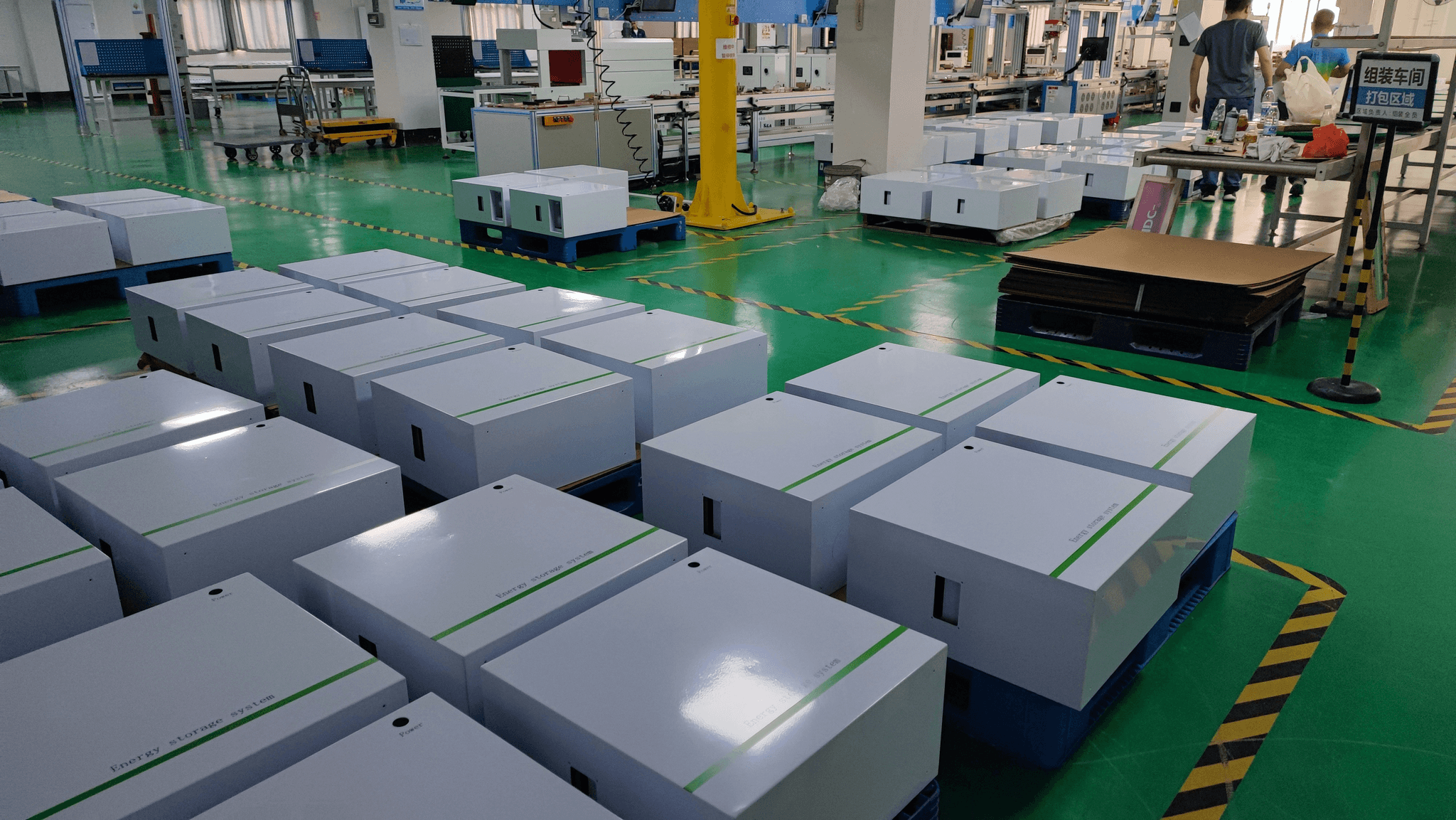
Quality testing services are essential for ensuring that products meet the required standards before they reach consumers. These services encompass a variety of inspections and tests aimed at evaluating the quality and safety of products across different industries. By utilizing these services, businesses can effectively implement AQL (Acceptable Quality Level) standards, ensuring that their quality control processes are both efficient and reliable.
Types of Quality Testing Services Available
There’s a smorgasbord of quality testing services available to businesses looking to maintain high standards. From material testing and product inspections to performance evaluations, each type serves a unique purpose in the quality control landscape. For instance, pre-production inspections help catch potential flaws early on, while final random inspections ensure that products meet the established AQL acceptable quality level before shipment.
Another popular service is factory audits, which assess manufacturing processes and compliance with industry regulations. These audits not only evaluate production capabilities but also identify areas for improvement in quality inspection practices. By leveraging various types of quality testing services, companies can create a robust framework for maintaining product integrity throughout their supply chain.
Lastly, specialized testing services such as environmental impact assessments or safety certifications add an extra layer of assurance for consumers. Whether it’s textiles subjected to flammability tests or electronics undergoing electrical safety checks, these tailored inspections ensure that all aspects of product quality are scrutinized under rigorous standards. Ultimately, having access to diverse quality testing services empowers businesses to uphold their reputation in the market.
The Importance of Quality Auditing
Quality auditing plays a pivotal role in maintaining consistent product excellence within any organization. This process involves systematically reviewing procedures and practices against established AQL standards to identify discrepancies or areas needing enhancement in the quality control process. Regular audits not only highlight compliance with regulations but also foster a culture of continuous improvement among teams focused on achieving optimal results.
Moreover, effective auditing can significantly reduce risks associated with poor-quality products reaching consumers—risks that could lead to costly recalls or damage to brand reputation. By identifying weaknesses within production workflows or supply chains ahead of time, companies can take corrective actions before issues escalate into larger problems during final inspections or after-market release. Thus, investing time and resources into thorough auditing processes is crucial for any business committed to delivering high-quality products consistently.
Additionally, well-executed audits provide valuable insights into how well current practices align with customer expectations regarding product performance and reliability. This feedback loop enables organizations not only to meet industry benchmarks but also adapt quickly based on evolving market demands—ultimately enhancing customer satisfaction while adhering strictly to AQL acceptable quality levels.
Choosing the Right Quality Testing Service
Selecting the right quality testing service is akin to finding the perfect pair of shoes—it needs to fit your specific needs without pinching your budget! When evaluating potential inspection services providers, consider factors such as industry experience, accreditation status, and client testimonials that speak volumes about their efficacy in delivering results aligned with your desired AQL standards.
It's essential also to assess whether they offer comprehensive solutions tailored specifically for your sector—be it electronics manufacturing or food safety compliance—to ensure you receive targeted expertise during inspections or audits conducted by certified professionals like qualified quality control inspectors who understand nuances unique within each industry context thoroughly.
Lastly—and perhaps most importantly—don't forget about communication! Establishing clear lines between your team and chosen inspection service fosters collaboration throughout every phase from initial planning through execution stages leading up toward successful implementation resulting ultimately at achieving desired outcomes related back towards maintaining stringent adherence toward predefined acceptable levels set forth by stakeholders involved along this journey together!
Implementing AQL in Your Business
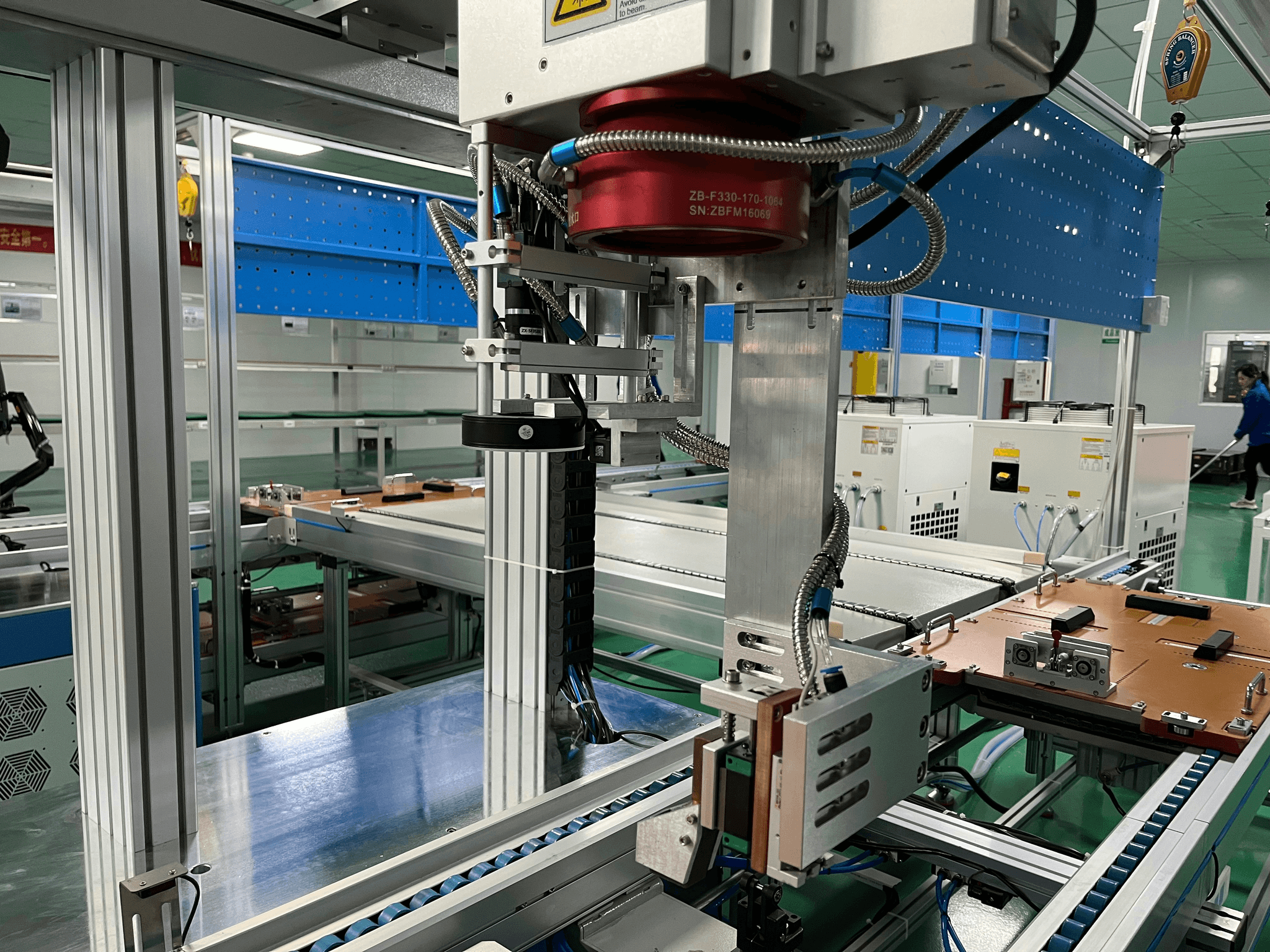
Implementing AQL, or Acceptable Quality Level, into your business processes can significantly enhance the effectiveness of your quality control measures. By establishing clear standards and protocols for quality inspection, you can ensure that products meet customer expectations while minimizing waste and inefficiencies. This section will guide you through the essential steps to effectively integrate AQL into your quality checks.
Steps to Establish AQL in Quality Checks
The first step in establishing AQL in your quality checks is to define what constitutes an acceptable level of defects for your specific products or services. This involves analyzing historical data on product performance and customer feedback to determine a realistic threshold that balances quality with cost-effectiveness. Once you've set this benchmark, it's crucial to communicate these standards clearly across all teams involved in the production process, including quality control inspectors.
Next, you should implement a systematic approach for conducting regular inspections based on the established AQL criteria. This may involve training your quality control inspectors on how to apply these standards consistently during their assessments. Additionally, integrating automated tools and software can streamline this process and provide real-time insights into product quality.
Finally, regularly review and adjust your AQL parameters as necessary based on new data or changes in market demands. Continuous improvement is key; staying flexible allows you to adapt quickly while maintaining high-quality standards across all products and services offered by your business.
Best Practices for Quality Inspection
To maximize the effectiveness of your quality inspection processes, adopting best practices is essential when implementing AQL standards. First off, ensure that all quality control inspectors are well-trained not just in identifying defects but also in understanding the significance of the aql acceptable quality level within their inspections. Regular training sessions can keep them updated on industry trends and new testing techniques.
Another best practice is utilizing a combination of inspection methods—both destructive and non-destructive—to achieve comprehensive results during quality checks. This multi-faceted approach helps uncover potential issues that might go unnoticed with a single method alone, ensuring that every aspect of product integrity is assessed thoroughly.
Lastly, encourage open communication between production teams and inspectors regarding any identified issues or anomalies during inspections. Creating an environment where feedback flows freely will help foster a culture focused on continuous improvement while reinforcing the importance of adhering to established AQL standards throughout all levels of production.
Mistakes to Avoid When Setting AQL
When setting an acceptable quality level (AQL), several common pitfalls can undermine its effectiveness within your organization’s quality control efforts. One major mistake is setting unrealistic expectations for defect rates without considering historical data or industry benchmarks; doing so could lead to excessive rejection rates or unnecessary costs associated with rework or returns from customers dissatisfied with perceived low-quality products.
Another frequent error involves neglecting proper training for staff responsible for conducting inspections based on established AQL criteria; without adequate knowledge about these standards among inspectors themselves, inconsistencies may arise during evaluations leading ultimately back toward poor outcomes overall!
Lastly—and perhaps most critically—failing to review and update your AQL parameters regularly can result in stagnation as market demands evolve over time! Businesses must remain agile enough both internally (through ongoing training) & externally (by tracking competitor movements) so they don’t fall behind competitors who prioritize continuous improvement throughout their operations!
Real-World Applications of AQL

In the realm of quality control, the application of AQL (Acceptable Quality Level) has proven to be invaluable across various industries. By establishing a clear standard for acceptable defects, businesses can significantly enhance their quality inspection processes. This not only ensures customer satisfaction but also fosters a culture of continuous improvement and accountability.
Case Studies in Quality Control
Numerous case studies illustrate the successful implementation of AQL in quality control across different sectors. For instance, a leading electronics manufacturer adopted an AQL approach to streamline its quality checks during production. By defining specific acceptable defect rates for components, they improved their overall product reliability and reduced returns by 30%, showcasing how effective quality testing services can lead to tangible results.
Another compelling case involves a textile company that faced significant challenges with fabric defects affecting its final products. By integrating AQL standards into their quality inspection processes, they were able to identify and rectify issues early in production. This proactive approach not only minimized waste but also enhanced customer trust through consistent product quality.
Success Stories from China Inspection Pro
China Inspection Pro stands as a beacon of success in implementing AQL within their inspection services portfolio. They have helped countless businesses achieve higher standards through tailored solutions that align with specific industry requirements. One notable success story involved a consumer goods company that utilized China Inspection Pro’s expertise; by applying rigorous AQL methodologies, they successfully reduced defect rates from 5% to below 1%, ultimately boosting sales and customer loyalty.
Additionally, China Inspection Pro's comprehensive training programs for quality control inspectors have empowered teams worldwide to effectively apply AQL principles in real-time scenarios. This hands-on approach not only enhances the skills of inspectors but also ensures consistent adherence to established standards during quality audits. The resulting improvements demonstrate how investing in skilled personnel can lead to substantial gains in product integrity.
Lessons Learned from AQL Implementations
The journey towards effective AQL implementation is often riddled with valuable lessons that can shape future practices in quality control. One key takeaway is the importance of setting realistic and achievable acceptable quality levels; overly stringent standards can lead to unnecessary rejections and increased costs, while lenient ones may compromise product integrity. Striking the right balance is crucial for maintaining operational efficiency while ensuring high-quality outcomes.
Another lesson learned is the necessity for ongoing training and development for quality control inspectors engaging with these standards regularly. Continuous education on evolving industry practices ensures that inspectors remain adept at applying current methodologies effectively during inspections and audits alike. Furthermore, fostering open communication between production teams and inspection services promotes a collaborative environment focused on achieving common goals—namely, delivering superior products consistently.
In conclusion, real-world applications of AQL reveal its profound impact on enhancing product reliability and customer satisfaction through structured approaches to quality control and inspection services.
Conclusion
In wrapping up our exploration of AQL and its role in quality control, it’s clear that understanding the AQL acceptable quality level is crucial for any business aiming to maintain high standards. Quality inspection is not merely a checkbox on a list; it’s an ongoing commitment to excellence that can significantly impact customer satisfaction and brand reputation. The interplay between effective quality testing services and robust quality control practices forms the backbone of successful product delivery.
Key Takeaways on AQL and Quality Control
One of the most important takeaways regarding the AQL acceptable quality level is its ability to balance risk and cost in manufacturing processes. By setting clear quality thresholds, businesses can minimize waste while ensuring that products meet customer expectations. Moreover, a well-trained quality control inspector plays a vital role in applying these standards effectively during inspections, ultimately enhancing overall product integrity.
Additionally, understanding common AQL standards helps companies align their quality check processes with industry benchmarks. This alignment not only streamlines operations but also fosters trust among stakeholders who rely on consistent product performance. In essence, embracing AQL principles leads to better decision-making and improved operational efficiency.
Future Trends in Quality Inspection Services
Looking ahead, we can expect significant advancements in quality inspection services driven by technology and evolving market demands. Automation and artificial intelligence are set to revolutionize how inspections are conducted, making them faster and more accurate than ever before. As businesses increasingly adopt data-driven approaches, the integration of real-time analytics will allow for proactive adjustments in the quality control process.
Moreover, sustainability will play an increasingly pivotal role in shaping future quality testing services. Companies are beginning to recognize that eco-friendly practices not only enhance their brand image but also contribute positively to global environmental efforts. Therefore, aligning AQL standards with sustainable practices will be essential for future compliance and competitive advantage.
Importance of Continuous Quality Improvement
Continuous improvement should be at the heart of any organization’s approach to maintaining high-quality standards through effective inspection services. The journey doesn’t end once products meet the established AQL; rather, it’s about consistently evaluating processes for potential enhancements over time. Regularly revisiting your quality auditing procedures ensures they remain relevant as industry standards evolve.
Furthermore, fostering a culture of feedback among teams can lead to innovative solutions that further refine your approach to quality checks. Encouraging input from all levels within an organization enhances accountability while empowering employees to take ownership of product integrity initiatives. Ultimately, prioritizing continuous improvement strengthens overall business resilience against market fluctuations.