
Introduction
In the realm of quality control, understanding what is a NCR report is crucial for organizations striving to maintain high standards and compliance. A Non-Conformance Report (NCR) serves as a formal document that identifies and addresses deviations from established processes or specifications, making it an essential part of any QMS quality management system. By documenting these discrepancies, organizations can not only rectify issues but also enhance their overall quality management software frameworks.
The NCR process involves several key steps that ensure systematic identification, documentation, and resolution of non-conformances. It begins with the detection of an issue, followed by the creation of a detailed report that outlines the nature of the non-conformance and its potential impacts on quality management. This structured approach allows teams to engage in meaningful discussions about improvements while ensuring that all stakeholders are aware and involved in the resolution process.
Key benefits of NCR reporting extend beyond mere compliance; they contribute significantly to continuous improvement within an organization. By utilizing a QMS system effectively, businesses can analyze data from NCRs to identify patterns and root causes, facilitating proactive measures rather than reactive fixes. Ultimately, embracing a robust NCR process not only strengthens quality management but also empowers organizations to make informed decisions based on actionable insights derived from their QMS quality management efforts.
What is a NCR Report

Understanding what is a NCR report is crucial for organizations striving for excellence in quality control. An NCR, or Non-Conformance Report, documents instances where products or processes deviate from established standards. This report serves as a critical tool for identifying issues, facilitating corrective actions, and ultimately enhancing product quality.
Definition and Significance
A Non-Conformance Report (NCR) is a formal document that outlines any failure to meet specified requirements within a quality management system. Its significance lies in its ability to pinpoint problems that could affect product integrity or service delivery. By addressing these non-conformances promptly, organizations can mitigate risks and improve overall performance in their QMS quality management efforts.
Role in Quality Management Systems
In the realm of quality management systems (QMS), the NCR plays an indispensable role by ensuring systematic identification and resolution of issues. The QMS quality management framework utilizes NCRs to maintain compliance with industry standards and regulations, fostering continuous improvement. Additionally, the integration of an IT quality management system allows for streamlined reporting and tracking of non-conformances across various departments.
Differences in Quality Control Methods
When exploring what is a NCR report, it's essential to recognize how it differs from other quality control methods like inspections or audits. Unlike routine checks that may overlook subtle discrepancies, an NCR specifically targets significant deviations that warrant immediate attention within the QMS system. This focused approach not only enhances efficiency but also aligns with proactive strategies in managing overall product quality through effective documentation practices.
The NCR Process Explained

The Non-Conformance Report (NCR) process is a crucial aspect of maintaining quality control within an organization. Understanding how to effectively create and manage NCRs can significantly enhance the overall efficiency of a quality management system (QMS). By following a structured approach, organizations can ensure that non-conformances are addressed promptly and effectively, leading to continuous improvement.
Steps to Create an NCR Report
Creating an NCR report involves several key steps that ensure clarity and effectiveness. First, the issue must be identified and documented clearly—this includes detailing what is a NCR report, specifying the nature of the non-conformance, and providing supporting evidence such as photographs or test results. Next, it’s essential to analyze the root cause of the issue through methods like the 5 Whys or Fishbone Diagram before developing corrective actions that align with quality management software capabilities.
Once corrective actions are proposed, they need to be assigned to responsible stakeholders who will implement them. This step is vital in ensuring accountability within the QMS system. Finally, it's important to verify that corrective actions have been effective by monitoring outcomes and making adjustments as necessary; this ensures that similar non-conformances do not recur.
Involvement of Stakeholders
Stakeholder involvement is critical throughout the NCR process as it fosters collaboration and accountability in addressing quality issues. Various roles—from quality assurance teams to department heads—must engage in discussions about what is a NCR report's findings and implications for their respective areas. Each stakeholder brings unique insights into potential causes of non-conformance, which enriches problem-solving efforts within the QMS quality management framework.
Moreover, involving stakeholders encourages ownership of both problems and solutions; when team members feel invested in resolving issues, they are more likely to embrace changes that improve processes. Regular meetings should be held during which stakeholders review progress on action items derived from NCRs, ensuring everyone remains aligned with organizational goals related to quality control. This collective effort not only enhances compliance but also strengthens relationships among departments.
Importance of Timely Reporting
Timeliness in reporting non-conformances is paramount for effective resolution within any QMS quality management system. Delays in reporting can lead to compounding issues where minor problems escalate into significant defects or failures—this can cost organizations time and money while damaging their reputation for maintaining high standards of quality control. Therefore, establishing clear timelines for when reports should be submitted helps keep everyone accountable.
Additionally, timely reporting allows organizations to respond quickly with corrective actions before customers are affected negatively by product defects or service failures. Utilizing modern technology through IT quality management systems can streamline this process further by automating notifications for due reports or updates on ongoing investigations related to what is a NCR report findings. Thus, embracing efficiency not only mitigates risks but also cultivates a culture focused on continuous improvement across all levels.
Integration with Quality Management Software
In today's fast-paced business environment, integrating a QMS quality management system with non-conformance reporting (NCR) is essential for maintaining high standards of quality control. Quality management software enhances the NCR process by automating workflows, ensuring that reports are generated and addressed promptly. This synergy not only streamlines operations but also fosters a culture of continuous improvement within organizations.
How QMS Quality Management Supports NCRs
A robust QMS quality management system plays a pivotal role in supporting NCRs by providing a structured framework for identifying, documenting, and resolving non-conformances. By utilizing quality management software, businesses can ensure that every NCR is tracked throughout its lifecycle—from detection to resolution—thus minimizing the risk of recurring issues. This systematic approach not only enhances accountability but also empowers teams to analyze trends and implement preventive measures effectively.
Benefits of Using Quality Management Systems
Implementing a QMS quality management system offers numerous benefits that extend beyond mere compliance with industry standards. One significant advantage is improved visibility into the entire NCR process, allowing stakeholders to monitor progress and identify bottlenecks in real-time. Additionally, leveraging quality management software facilitates data-driven decision-making by providing insights into performance metrics and enabling organizations to prioritize corrective actions based on their impact on overall quality control.
Role of IT Quality Management Systems
IT quality management systems are integral to modern businesses as they provide the technological backbone necessary for effective NCR reporting and resolution processes. These systems enable seamless integration with other operational tools, ensuring that data flows smoothly between departments while maintaining accuracy and consistency in reporting. Furthermore, IT solutions enhance collaboration among teams by offering centralized access to information about what is a NCR report, fostering an environment where everyone can contribute to upholding quality standards.
Real-World Applications of NCR Reports
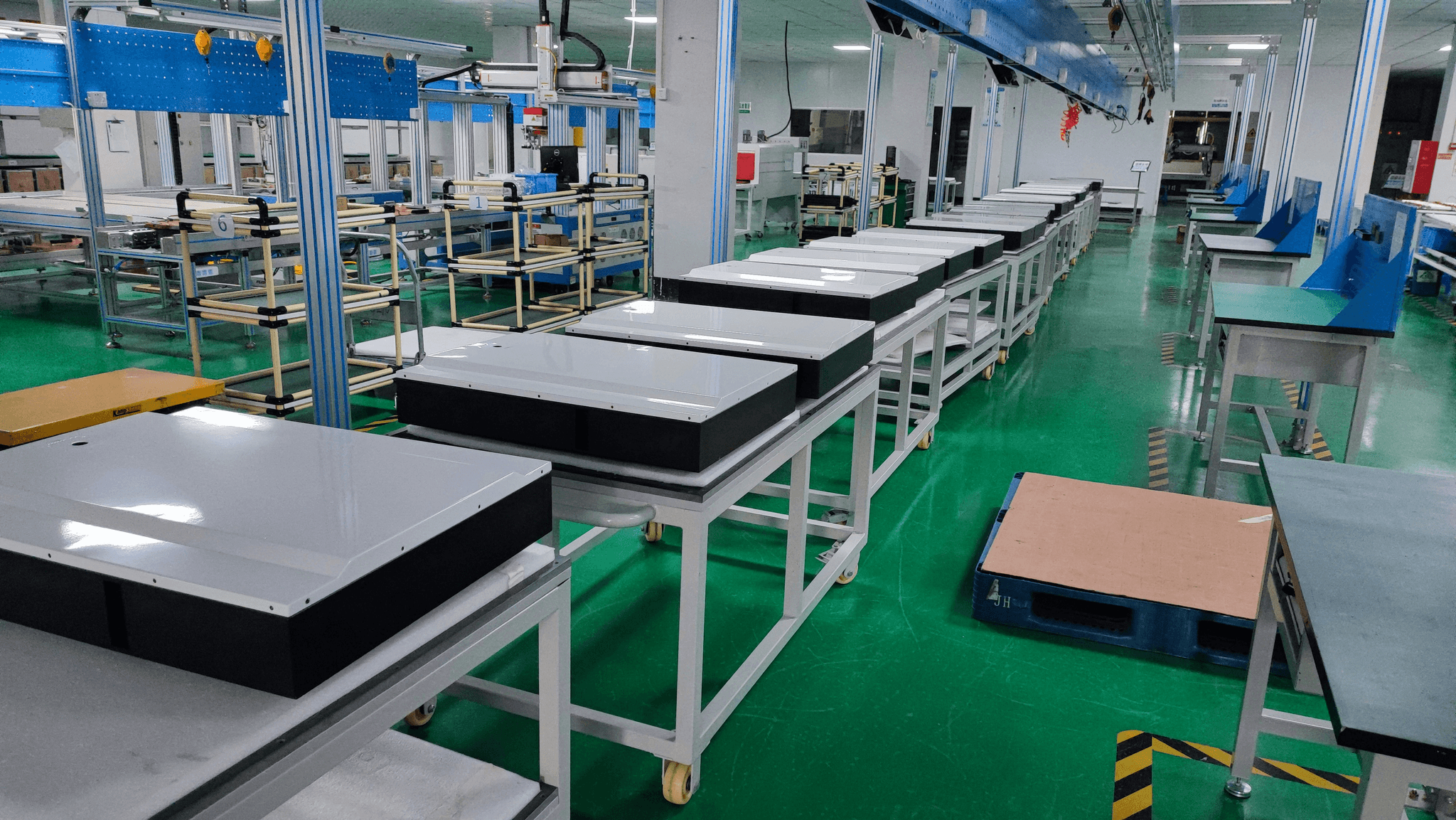
NCR reports have proven invaluable in various sectors, particularly in manufacturing and service industries. By identifying non-conformances early, organizations can implement corrective actions that not only enhance quality control but also improve overall operational efficiency. The insights gained from these reports enable companies to refine their QMS quality management systems, leading to more robust processes and better outcomes.
Case Studies in Manufacturing
In the manufacturing sector, NCR reports play a pivotal role in maintaining high standards of quality control. For example, a well-known automotive manufacturer faced significant delays due to defective components sourced from suppliers. By utilizing a rigorous QMS system and implementing NCR reporting mechanisms, the company identified specific non-conformance patterns and collaborated with suppliers to rectify issues promptly, resulting in a 30% reduction in defects over six months.
Another case involved an electronics manufacturer that discovered recurring issues with assembly line processes through their quality management software. The NCR report highlighted inefficiencies that led to product recalls and customer dissatisfaction. By addressing these non-conformances through targeted training and process adjustments within their QMS quality management framework, they successfully improved product reliability and customer trust.
These case studies illustrate how effective NCR reporting not only identifies problems but also drives continuous improvement within manufacturing environments. Ultimately, they underscore the importance of integrating a solid IT quality management system that supports real-time data analysis for swift decision-making.
Impact on Service Industries
While much attention is given to manufacturing, service industries also greatly benefit from the implementation of NCR reports. For instance, a healthcare provider utilized an advanced QMS quality management system to monitor patient care standards closely. When discrepancies arose—such as medication errors—the organization relied on NCR reporting to investigate incidents thoroughly and implement corrective measures swiftly.
Similarly, a hospitality chain leveraged its quality management software to track guest feedback systematically through NCRs related to service delivery failures. By analyzing these reports across various locations, they identified trends indicating staff training gaps which were subsequently addressed through enhanced training programs tailored for frontline employees. This proactive approach not only improved guest satisfaction ratings but also reinforced the brand's commitment to excellence.
The impact of effective NCR reporting in service industries showcases its versatility beyond traditional manufacturing settings; it highlights how organizations can optimize operations while ensuring compliance with industry standards.
Lessons Learned from Non-Conformance
The lessons learned from non-conformance are critical for fostering an environment of continuous improvement across all sectors utilizing NCR reports effectively. One key takeaway is the importance of transparent communication among stakeholders involved in the QMS quality management process; when everyone understands their roles concerning what is a ncr report, it enhances accountability and responsiveness.
Additionally, organizations must recognize that non-conformances are opportunities for growth rather than mere failures; this mindset shift encourages teams to engage proactively with their QMS system rather than reactively addressing issues as they arise. Furthermore, integrating findings from NCRs into regular strategic reviews ensures that lessons learned translate into actionable recommendations for future projects or processes.
Ultimately, embracing the insights provided by NCR reporting can lead businesses toward greater innovation while reducing risks associated with poor-quality outputs—truly embodying the essence of effective quality control practices across diverse industries.
How China Inspection Pro Streamlines NCRs

In today's competitive landscape, ensuring quality control is paramount for organizations striving for excellence. China Inspection Pro stands out as a leader in streamlining the Non-Conformance Report (NCR) process, offering tailored solutions that enhance the effectiveness of quality management systems (QMS). By leveraging their expertise, businesses can not only identify non-conformances but also implement strategies to mitigate risks and improve overall quality.
Expertise in Quality Control
China Inspection Pro's extensive experience in quality control equips them with the knowledge to tackle various challenges associated with NCRs. Their team understands what is a NCR report and its critical role in maintaining high standards within organizations. With their guidance, companies can effectively navigate the complexities of quality management software and ensure that every non-conformance is addressed promptly and efficiently.
The depth of expertise offered by China Inspection Pro means they can provide insights into industry best practices related to QMS quality management. This includes understanding the nuances of different sectors and how specific requirements impact the NCR process. By collaborating with this expert team, organizations gain a partner that not only understands what is a NCR report but also knows how to optimize its use within their unique context.
Comprehensive Quality Management Solutions
China Inspection Pro offers comprehensive solutions that integrate seamlessly with existing IT quality management systems. These QMS systems are designed to support all aspects of quality control, from initial reporting to final resolution of non-conformances. By utilizing advanced quality management software, businesses can streamline their processes and ensure that each step in the NCR workflow is well-documented and traceable.
One significant advantage of working with China Inspection Pro is their ability to customize QMS features according to specific organizational needs. This adaptability ensures that whether it’s manufacturing or service industries, every business can benefit from tailored solutions that align with their operational goals. Ultimately, comprehensive QMS quality management leads to enhanced productivity and better compliance with industry standards.
Turning Findings into Actionable Recommendations
Identifying issues through an NCR report is just the beginning; taking action on those findings is where real progress occurs. China Inspection Pro excels at transforming insights gained from non-conformance reports into actionable recommendations that drive improvement across organizations. Their systematic approach ensures that each recommendation aligns with established best practices in QMS quality management.
By focusing on actionable outcomes, businesses are empowered to make informed decisions based on data collected through effective reporting processes. This proactive stance not only addresses immediate concerns but also fosters a culture of continuous improvement within teams—an essential element for long-term success in any industry focused on maintaining high-quality standards. With China Inspection Pro's support, companies can confidently navigate the complexities of what is a NCR report while advancing toward operational excellence.
Conclusion

In wrapping up our discussion on NCR reports, it's clear that these documents play a pivotal role in enhancing quality across various sectors. By systematically identifying and addressing non-conformances, organizations can significantly improve their quality control processes. The integration of NCR reporting within a QMS quality management system not only streamlines operations but also fosters a culture of continuous improvement.
Enhancing Quality Through NCR Reporting
NCR reporting is essential for maintaining high standards in any quality management software environment. What is a NCR report if not a tool that highlights deviations from expected performance? By leveraging insights from these reports, businesses can refine their processes, ensuring that they meet or exceed industry standards while minimizing waste and inefficiencies.
The significance of an effective QMS system cannot be overstated; it serves as the backbone for managing non-conformances efficiently. When organizations embrace NCRs as part of their quality control framework, they create an opportunity to learn from mistakes and implement corrective measures promptly. This proactive approach not only enhances product quality but also boosts customer satisfaction.
Ultimately, the enhancement of quality through NCR reporting leads to improved operational effectiveness and profitability. Companies that prioritize this process are better equipped to navigate challenges and maintain compliance with regulatory requirements. In an ever-evolving market landscape, the ability to adapt through informed decision-making becomes invaluable.
The Future of NCRs in Quality Management
Looking ahead, the role of NCRs in quality management is poised to evolve alongside advancements in technology and methodologies. As industries increasingly turn towards automation and digital solutions within their QMS quality management systems, the integration of real-time data analysis will redefine how non-conformance issues are reported and addressed. This shift promises greater accuracy in identifying trends and potential risks before they escalate into significant problems.
Moreover, IT quality management systems will play a crucial role in enhancing communication among stakeholders involved in the NCR process. With seamless collaboration tools at their disposal, teams can respond more swiftly to identified issues, ensuring timely resolution while fostering accountability throughout the organization. The future will likely see enhanced predictive analytics capabilities that allow companies to anticipate non-conformance scenarios proactively rather than reactively.
As we embrace these innovations in QMS systems and practices, organizations must remain committed to leveraging insights gained from NCR reports effectively. Continuous training on best practices for creating and utilizing these reports will be essential for maintaining high-quality standards moving forward.
Making Informed Decisions with NCR Insights
When it comes down to making informed decisions based on NCR insights, knowledge truly is power! Organizations equipped with comprehensive data about past non-conformances can craft strategic plans that mitigate risks associated with similar issues reoccurring in the future. What is a ncr report if not an invaluable resource for guiding decision-makers towards smarter operational choices?
Utilizing advanced features found within modern quality management software empowers businesses to analyze trends over time effectively—turning raw data into actionable strategies aimed at boosting overall performance metrics within their QMS system framework! These insights enable companies not only to rectify existing problems but also proactively enhance processes before new challenges arise.
In conclusion, embracing NCR reporting as part of your organization's commitment towards excellence paves the way for sustainable growth by fostering an environment where continuous improvement thrives! With robust QMS quality management principles guiding every step taken along this journey—organizations position themselves favorably amidst competitive landscapes while delighting customers consistently!