
Introduction
In the ever-evolving landscape of construction, technology is not just a tool; it's a game-changer that transforms quality assurance (QA) practices. The integration of advanced technologies is revolutionizing how we approach QA compliance, particularly in sectors like the pharmaceutical industry and healthcare. As we delve into this transformation, it becomes evident that innovations are driving quality control forward in ways we could only imagine a decade ago.
How Technology Transforms QA in Construction
The construction industry has traditionally relied on manual processes for quality assurance, but technology is ushering in a new era of efficiency and precision. With tools such as drones and AI-powered software, the approach to QA compliance is becoming more streamlined and effective. This shift not only enhances accuracy but also reduces the time spent on inspections and documentation, making it easier to meet regulatory standards.
The Role of Data Analytics in QA Compliance
Data analytics is at the forefront of ensuring robust QA compliance across various industries, including construction and pharmaceuticals. By harnessing real-time data, stakeholders can gain insights into potential risks and areas needing improvement before they escalate into costly issues. In the context of QA compliance in the pharmaceutical industry, these analytics become crucial for maintaining stringent safety protocols and adhering to regulations.
Innovations Driving Quality Control Forward
Innovations such as virtual reality training modules are reshaping how professionals engage with quality control processes. These technologies not only enhance understanding but also prepare teams for real-world challenges they may face on-site or within healthcare projects. The distinction between quality assurance vs compliance in healthcare becomes clearer when organizations leverage these innovations to foster a culture of accountability and excellence among all stakeholders involved.
Emerging Technologies in QA/QC

In the ever-evolving landscape of construction, emerging technologies are revolutionizing quality assurance (QA) and quality control (QC). These innovations not only streamline processes but also enhance compliance, particularly in industries such as pharmaceuticals and healthcare. By leveraging tools like drones, AI, and virtual reality, companies can ensure that they meet stringent QA compliance standards while improving overall project outcomes.
Drones in Site Inspections
Drones have taken site inspections to new heights—literally! By providing aerial views of construction sites, these flying marvels allow for comprehensive assessments that human inspectors might miss. Their ability to capture high-resolution images and videos helps teams identify potential issues before they escalate, ensuring that QA compliance is maintained throughout the project lifecycle.
Moreover, drones can expedite the inspection process significantly. Instead of spending hours or even days on-site, teams can gather crucial data within minutes. This efficiency is particularly beneficial in sectors like the pharmaceutical industry where adherence to strict QA compliance is paramount for regulatory approval and patient safety.
AI and Machine Learning Applications
Artificial intelligence (AI) and machine learning are game-changers in the realm of quality assurance. These technologies analyze vast amounts of data collected from various sources to identify patterns that may indicate potential risks or compliance issues. For instance, predictive analytics powered by AI can foresee problems before they occur, allowing teams to take proactive measures—essentially a crystal ball for ensuring QA compliance.
In healthcare projects specifically, understanding the nuances between quality assurance vs compliance becomes critical. AI tools help differentiate between maintaining high standards of care (quality assurance) and adhering strictly to regulations (compliance), enabling stakeholders to navigate this complex landscape effectively.
Virtual Reality for Training and Simulation
Virtual reality (VR) is not just for gaming; it's making waves in training environments as well! In construction and healthcare settings alike, VR provides immersive experiences that prepare workers for real-world scenarios without any risk involved. This innovative approach enhances understanding of QA processes while reinforcing the importance of maintaining strict QA compliance.
Additionally, VR training modules can simulate various situations related to both quality assurance vs compliance challenges faced on-site or in healthcare facilities. By engaging employees through interactive simulations, organizations foster a culture focused on excellence—ensuring everyone understands their role in upholding both quality assurance standards and regulatory requirements.
The Impact of Data Analytics
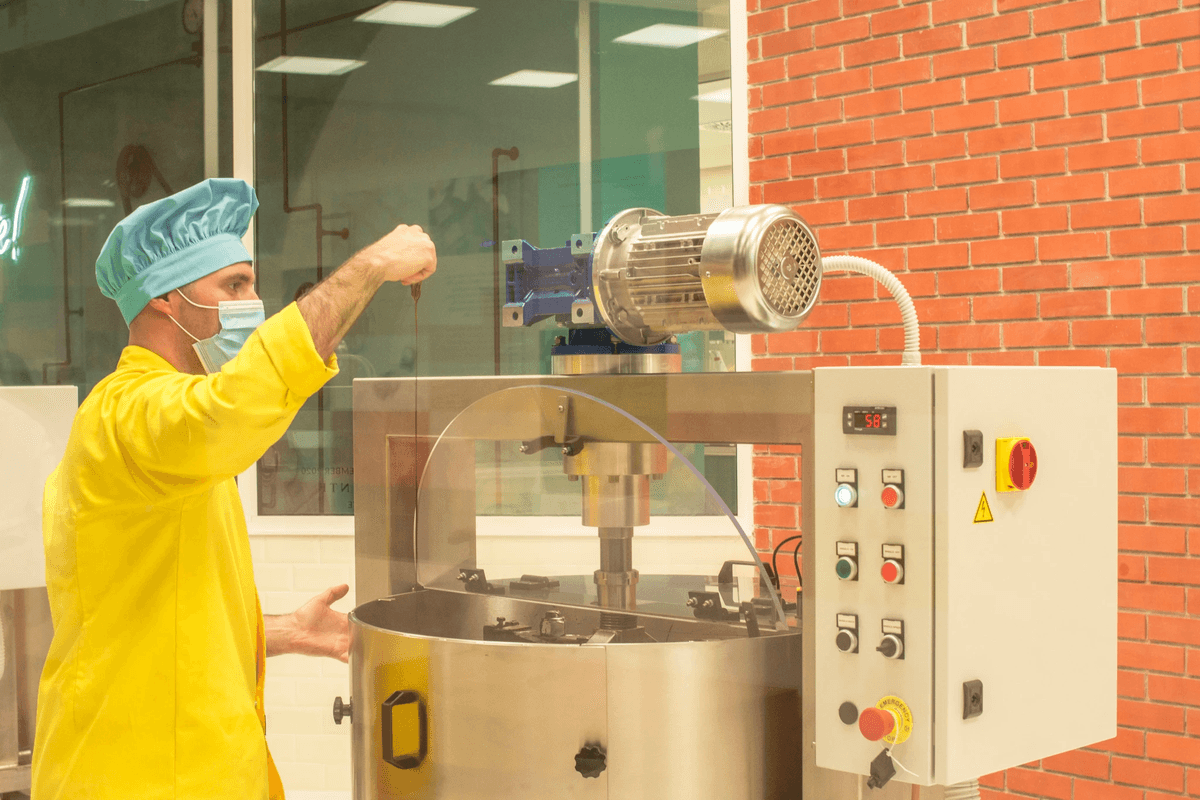
In today’s construction landscape, data analytics is reshaping how we approach quality assurance (QA) compliance. By leveraging data, companies can enhance their QA processes, ensuring that every aspect of construction meets predefined standards. This shift not only improves the overall quality but also helps organizations navigate the complexities of QA compliance in the pharmaceutical industry and beyond.
Real-Time Monitoring and Feedback
Real-time monitoring has revolutionized QA compliance by enabling instant feedback on construction activities. Utilizing sensors and IoT devices, teams can track progress and identify potential issues as they arise, significantly reducing the risk of non-compliance. This immediacy is crucial for industries like pharmaceuticals where QA compliance is paramount; any deviation can lead to costly delays or regulatory penalties.
Moreover, real-time feedback fosters a culture of continuous improvement within teams. By immediately addressing discrepancies or inefficiencies, organizations can refine their processes on-the-fly—an essential practice in maintaining high standards of quality assurance versus compliance in healthcare projects as well. Ultimately, this proactive approach ensures that all stakeholders are aligned with the project’s quality goals.
Predictive Analytics for Risk Management
Predictive analytics plays a pivotal role in identifying potential risks before they escalate into significant issues affecting QA compliance. By analyzing historical data and current trends, organizations can forecast challenges related to materials, labor shortages, or safety incidents that could compromise project integrity. In sectors such as pharmaceuticals where stringent regulations apply, preemptively managing these risks is vital to maintaining uninterrupted operations.
Additionally, predictive analytics enhances decision-making processes by providing actionable insights tailored to specific project needs. Construction managers equipped with these insights are better positioned to allocate resources effectively and implement strategies that align with both quality assurance and regulatory requirements. This foresight not only mitigates risks but also reinforces a commitment to upholding QA compliance throughout the project's lifecycle.
Enhancing Decision-Making with Data
The integration of data analytics into decision-making transforms how construction firms operate regarding quality control measures. With access to comprehensive datasets reflecting various aspects of a project—from resource allocation to safety protocols—leaders can make informed choices that directly impact QA compliance outcomes. This capability is particularly critical when navigating complex environments like healthcare projects where understanding the nuances between quality assurance versus compliance is essential for success.
Furthermore, enhanced decision-making driven by data fosters collaboration among stakeholders involved in construction projects. When everyone has access to relevant information about performance metrics and potential pitfalls related to QA compliance in pharmaceutical industry settings, it creates an environment conducive to collective problem-solving and innovation. Ultimately, embracing data-driven decision-making leads to improved efficiency while safeguarding adherence to regulatory standards.
QA Compliance in the Pharmaceutical Industry

In the pharmaceutical industry, ensuring QA compliance is not just a regulatory obligation; it’s a critical component of patient safety and product efficacy. The construction of facilities that meet stringent pharmaceutical standards involves a unique blend of engineering precision and regulatory knowledge. As such, adapting construction standards specifically for pharma is essential to align with the industry's rigorous quality assurance requirements.
Adapting Construction Standards for Pharma
When constructing pharmaceutical facilities, adapting construction standards becomes paramount to achieving QA compliance. These adaptations often involve incorporating materials and designs that minimize contamination risks while ensuring robust operational efficiency. Moreover, adhering to Good Manufacturing Practices (GMP) requires that all construction elements—from HVAC systems to clean room designs—are meticulously planned and executed to uphold strict quality assurance protocols.
Additionally, organizations must keep abreast of evolving regulations and industry best practices, which can vary significantly across regions. This constant evolution demands a proactive approach where construction teams are trained in both traditional building techniques and modern compliance requirements specific to the pharmaceutical sector. Ultimately, this adaptability fosters an environment where quality assurance thrives alongside innovation.
Integrating Compliance Tools in Construction
Integrating compliance tools into the construction process enhances QA compliance in the pharmaceutical industry significantly. Digital platforms that facilitate real-time tracking of materials and processes can help ensure that every step meets regulatory standards before moving forward. By employing advanced project management software tailored for pharma projects, teams can streamline documentation and maintain transparency throughout the build phase.
Moreover, these tools enable collaborative efforts among various stakeholders—including architects, engineers, and regulatory experts—to ensure that all aspects of quality assurance are addressed from inception to completion. This integration not only promotes adherence to compliance but also mitigates risks associated with delays or costly reworks due to non-compliance issues down the line. In essence, technology serves as both a guide and a safeguard in navigating complex regulatory landscapes.
The Importance of Traceability and Documentation
In any discussion about QA compliance in the pharmaceutical industry, traceability and documentation emerge as non-negotiable pillars supporting effective quality control measures. Every material used during construction must be documented meticulously—from sourcing through installation—to establish accountability at every stage of development. This level of diligence ensures that if issues arise post-construction, they can be traced back swiftly to identify causes without compromising patient safety or product integrity.
Furthermore, comprehensive documentation supports audits by regulatory bodies who demand evidence of adherence to established guidelines throughout a facility's lifecycle. It also plays a crucial role when comparing quality assurance vs compliance in healthcare projects; effective traceability helps distinguish between routine practices intended for operational excellence versus those mandated strictly by law or regulation. Thus, fostering an environment rooted in strong documentation practices not only fortifies QA compliance but also enhances overall organizational credibility within the highly scrutinized pharmaceutical landscape.
Quality Assurance vs Compliance in Healthcare
Quality assurance (QA) and compliance are two critical components in healthcare projects, often intertwined yet distinct. While QA focuses on ensuring that processes and outcomes meet established standards, compliance ensures adherence to regulations and laws governing the industry. Understanding the nuances of QA compliance in the pharmaceutical industry is essential for successfully navigating this complex landscape.
Understanding QA in Healthcare Projects
In healthcare projects, quality assurance serves as a proactive measure to enhance patient safety and service delivery. It encompasses systematic activities aimed at ensuring that healthcare products and services consistently meet both internal standards and external regulatory requirements. By prioritizing QA, organizations can significantly reduce risks associated with non-compliance and improve overall patient care outcomes.
Moreover, the distinction between quality assurance vs compliance in healthcare becomes evident when considering their respective goals. While QA aims to optimize processes for better results, compliance focuses on meeting specific legal requirements set by governing bodies like the FDA or EMA. This dual focus is crucial for any organization looking to thrive in an increasingly regulated environment.
Implementing Effective Compliance Strategies
Implementing effective compliance strategies requires a comprehensive understanding of applicable regulations and standards within the healthcare sector. Organizations must establish robust frameworks that not only adhere to these regulations but also integrate them seamlessly into their operational processes. This includes regular training sessions for staff on QA compliance practices tailored specifically for the pharmaceutical industry.
Furthermore, technology plays a pivotal role in facilitating these strategies by automating documentation processes and streamlining reporting mechanisms. By employing data analytics tools, organizations can monitor compliance metrics in real-time, allowing them to address potential issues before they escalate into serious violations. Ultimately, fostering a culture of accountability ensures that employees understand their roles in maintaining both quality assurance and regulatory compliance.
The Role of Stakeholders in Quality Control
Stakeholders play an integral role in ensuring effective quality control within healthcare projects by bringing diverse perspectives and expertise to the table. From regulatory bodies to internal teams such as clinical staff and management, each stakeholder contributes valuable insights that shape QA initiatives aligned with compliance objectives. Their collaboration fosters a transparent environment where continuous improvement can thrive.
Moreover, engaging stakeholders early on helps identify potential roadblocks related to QA compliance before they become significant challenges down the line. This proactive approach not only enhances project outcomes but also strengthens relationships among all parties involved—ultimately leading to better patient care services across the board. In summary, recognizing the importance of stakeholder involvement is key when navigating quality assurance vs compliance discussions within healthcare settings.
Partnering with Experts for Quality Assurance
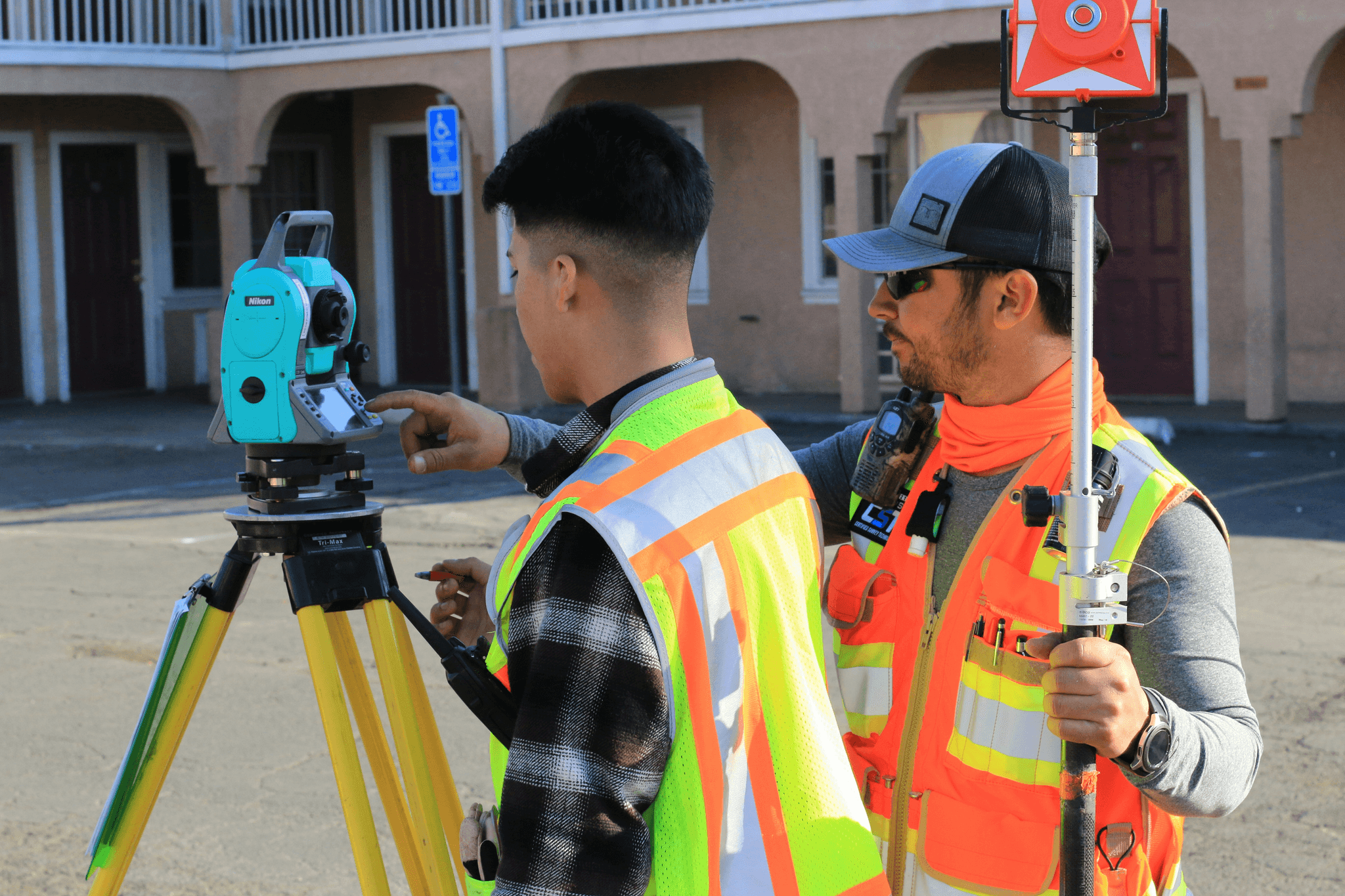
In the ever-evolving landscape of construction, partnering with experts for quality assurance can be a game-changer. Collaborating with organizations like China Inspection Pro not only enhances QA compliance but also fosters a culture of excellence within projects. By leveraging their expertise, construction firms can navigate the complexities of QA compliance in the pharmaceutical industry and beyond.
Benefits of Collaborating with China Inspection Pro
When it comes to ensuring robust QA compliance, collaborating with China Inspection Pro brings a wealth of benefits to the table. Their specialized knowledge in various industries, particularly in sectors like pharmaceuticals and healthcare, allows them to identify potential pitfalls before they become costly mistakes. With their help, companies can streamline processes and improve overall quality control measures while staying compliant with rigorous standards.
Moreover, working alongside such professionals provides access to cutting-edge tools and methodologies that enhance efficiency and accuracy in inspections. This partnership not only helps in maintaining QA compliance but also elevates the quality assurance vs compliance in healthcare projects by aligning construction practices with industry-specific regulations. Ultimately, this collaboration leads to improved project outcomes and increased client satisfaction.
Professional Services for Product Excellence
The realm of product excellence is vast, and professional services play a pivotal role in achieving it through focused QA compliance strategies. Companies that engage experts like China Inspection Pro benefit from tailored solutions designed to meet unique project challenges while adhering to stringent standards across various industries. These services include comprehensive inspections, audits, and training programs that ensure teams are well-equipped to uphold quality benchmarks.
Furthermore, these professional services facilitate seamless integration of best practices into existing workflows—essential for maintaining high levels of QA compliance in pharmaceutical settings where precision is paramount. The emphasis on continuous improvement through expert guidance helps organizations stay ahead of regulatory changes while fostering a proactive approach towards quality assurance vs compliance in healthcare initiatives.
Turning Insights into Actionable Recommendations
Turning insights gleaned from expert collaborations into actionable recommendations is crucial for driving meaningful change within an organization’s quality management framework. By analyzing data collected during inspections or audits conducted by professionals like China Inspection Pro, companies can identify trends or areas needing improvement related to QA compliance issues quickly. This data-driven approach empowers teams to make informed decisions that enhance both quality assurance processes and overall project integrity.
Additionally, actionable recommendations derived from these insights serve as a roadmap for implementing effective strategies tailored specifically for each project's needs—whether it's addressing gaps in documentation or enhancing training programs related to QA compliance within the pharmaceutical industry context or healthcare settings alike. Ultimately, this cycle of insight generation followed by action not only strengthens an organization’s commitment to quality but also ensures ongoing adherence to regulatory requirements across all facets of construction projects.
Conclusion
In the rapidly evolving landscape of construction, the future of QA/QC is poised to be shaped by technological advancements and innovative practices. With a focus on integrating data analytics and emerging technologies, construction firms can enhance their QA compliance significantly. As industries like pharmaceuticals and healthcare demand stricter adherence to quality standards, the importance of robust QA compliance frameworks becomes even more pronounced.
The Future of QA/QC in Construction
The future of QA/QC in construction is bright, with technology paving the way for improved efficiency and accuracy in quality assurance processes. Innovations such as drones for site inspections and AI-driven predictive analytics are transforming how we approach QA compliance, particularly in complex sectors like the pharmaceutical industry. This shift not only enhances operational efficiency but also ensures that projects meet stringent regulatory requirements.
Key Takeaways for Quality Management
Quality management is evolving, and understanding the nuances between quality assurance vs compliance in healthcare projects is essential for success. Companies must prioritize real-time monitoring systems to provide immediate feedback on quality metrics and ensure consistent adherence to standards. By fostering a culture that embraces continuous improvement and collaboration with experts, organizations can better navigate the complexities of QA compliance across various industries.
Embracing Innovation for Improved Compliance
Embracing innovation is crucial for organizations aiming to enhance their QA compliance strategies effectively. By leveraging cutting-edge tools and methodologies tailored for specific sectors—like adapting construction standards to meet pharmaceutical needs—companies can stay ahead of regulatory demands while maintaining high-quality outputs. Ultimately, turning insights into actionable recommendations will empower construction firms to not only comply but thrive in an increasingly competitive marketplace.