
Introduction
In the world of electric toys, maintaining high quality standards is not just a wish; it's a necessity. A Pre-Shipment Inspection Report serves as a crucial checkpoint that ensures products meet safety and quality benchmarks before they reach consumers. Understanding these reports and their implications can significantly impact the success of manufacturers in this competitive market.
Understanding Pre-Shipment Inspection Reports
A Pre-Shipment Inspection Report is essentially a document that verifies whether goods conform to specified requirements before shipment. This report includes various assessments, from product specifications to compliance with safety standards, ensuring that manufacturers are accountable for their products' quality. By grasping the nuances of these reports, companies can better navigate potential pitfalls in production and distribution.
Importance of Quality in Electric Toys
The importance of quality in electric toys cannot be overstated; it directly affects consumer trust and brand reputation. High-quality toys not only ensure safety but also enhance user experience, fostering loyalty among customers who prioritize reliability. Manufacturers must define AQL early to set realistic expectations for their production processes and ensure consistent quality throughout.
Navigating Compliance and Safety Standards
Navigating compliance and safety standards is critical for any manufacturer looking to thrive in the electric toy industry. These regulations are designed to protect consumers, especially children, from potential hazards associated with faulty products. To achieve compliance, companies must require internal access during inspections to ensure transparency in production practices while also matching item codes everywhere for accuracy in documentation.
What is a Pre-Shipment Inspection Report

A Pre-Shipment Inspection Report (PSIR) is an essential document that verifies the quality and compliance of products before they leave the manufacturer’s facility. This report serves as a safeguard for buyers, ensuring that the items meet specified standards and are free from defects. By implementing a thorough PSIR process, manufacturers can significantly reduce the risk of returns and enhance customer satisfaction.
Definition and Purpose
At its core, a Pre-Shipment Inspection Report is designed to assess products before they are shipped to retailers or consumers. The purpose of this report is to confirm that items conform to agreed-upon specifications, including safety regulations and quality benchmarks. For electric toys, where safety is paramount, having a reliable PSIR can mean the difference between a successful launch and potential recalls.
Key Components of the Report
A comprehensive Pre-Shipment Inspection Report typically includes several key components: product specifications, inspection results, photographs of inspected items, and any noted discrepancies or defects. Additionally, it may outline whether the Acceptable Quality Level (AQL) was met during inspections—something manufacturers should define early for optimal outcomes. By requiring internal access during inspections and matching item codes everywhere in documentation, manufacturers can ensure that all necessary details are captured accurately.
Importance for Electric Toy Manufacturers
For electric toy manufacturers, a well-structured Pre-Shipment Inspection Report is not just beneficial; it’s crucial for maintaining compliance with safety regulations and industry standards. It helps in building trust with retailers by demonstrating a commitment to quality assurance practices like testing spare parts thoroughly before shipment. Moreover, utilizing third-party QC services enhances credibility by providing an unbiased evaluation of product quality—an invaluable asset in today’s competitive market.
Define AQL Early for Quality Assurance
In the realm of electric toys, defining Acceptable Quality Level (AQL) early in the manufacturing process is crucial. A Pre-Shipment Inspection Report will often reflect the standards set at this stage, making it essential for manufacturers to understand what AQL entails. By establishing clear quality benchmarks from the outset, companies can streamline their inspection processes and enhance overall product reliability.
Understanding Acceptable Quality Level
Acceptable Quality Level (AQL) is a statistical measure used to determine the maximum number of defective items considered acceptable in a sample batch. For electric toy manufacturers, understanding AQL means recognizing how many defects are permissible without compromising consumer safety or brand reputation. This understanding directly influences the Pre-Shipment Inspection Report, as inspectors will assess compliance against these predefined quality thresholds.
Setting an appropriate AQL isn't just about avoiding product recalls; it’s about ensuring that every toy meets safety standards consistently. When manufacturers define AQL early, they create a framework that guides not only production but also subsequent factory inspections and quality checks. The benefits of this clarity extend beyond compliance; they foster trust with consumers who expect safe and reliable products.
Setting Realistic Standards
Setting realistic standards for AQL requires a blend of market insight and practical experience in manufacturing processes. Manufacturers must consider factors such as production capabilities, historical defect rates, and customer expectations when determining their acceptable levels of quality. By aligning these standards with industry norms while also reflecting internal capabilities, companies can ensure that their Pre-Shipment Inspection Reports accurately represent their commitment to quality.
Moreover, realistic standards help prevent unnecessary strain on production lines—if manufacturers set unachievable goals for quality control, they risk overloading their teams or compromising on safety measures during inspections. This is where requiring internal access becomes vital; transparency in operations allows teams to adjust expectations based on real-time data from factory inspections rather than relying solely on theoretical models.
Benefits of Early Definition
Defining AQL early offers several benefits that ripple throughout the entire manufacturing process for electric toys. Firstly, it leads to more efficient inspections since everyone involved understands what constitutes acceptable quality right from the start—this makes preparing for a Pre-Shipment Inspection Report smoother and less stressful overall. Secondly, early definition fosters accountability within production teams as they have clear targets aligned with company goals.
Additionally, when manufacturers test spare parts against established AQL metrics before full-scale production begins, they can identify potential issues sooner rather than later—saving time and money down the line by preventing shipment errors related to faulty components or non-compliance with safety standards. Finally, involving third-party QC services in this early stage ensures an unbiased evaluation of whether defined standards are met across all aspects of production—from raw materials to finished products—ultimately enhancing consumer trust in electric toys.
Require Internal Access for Thorough Review
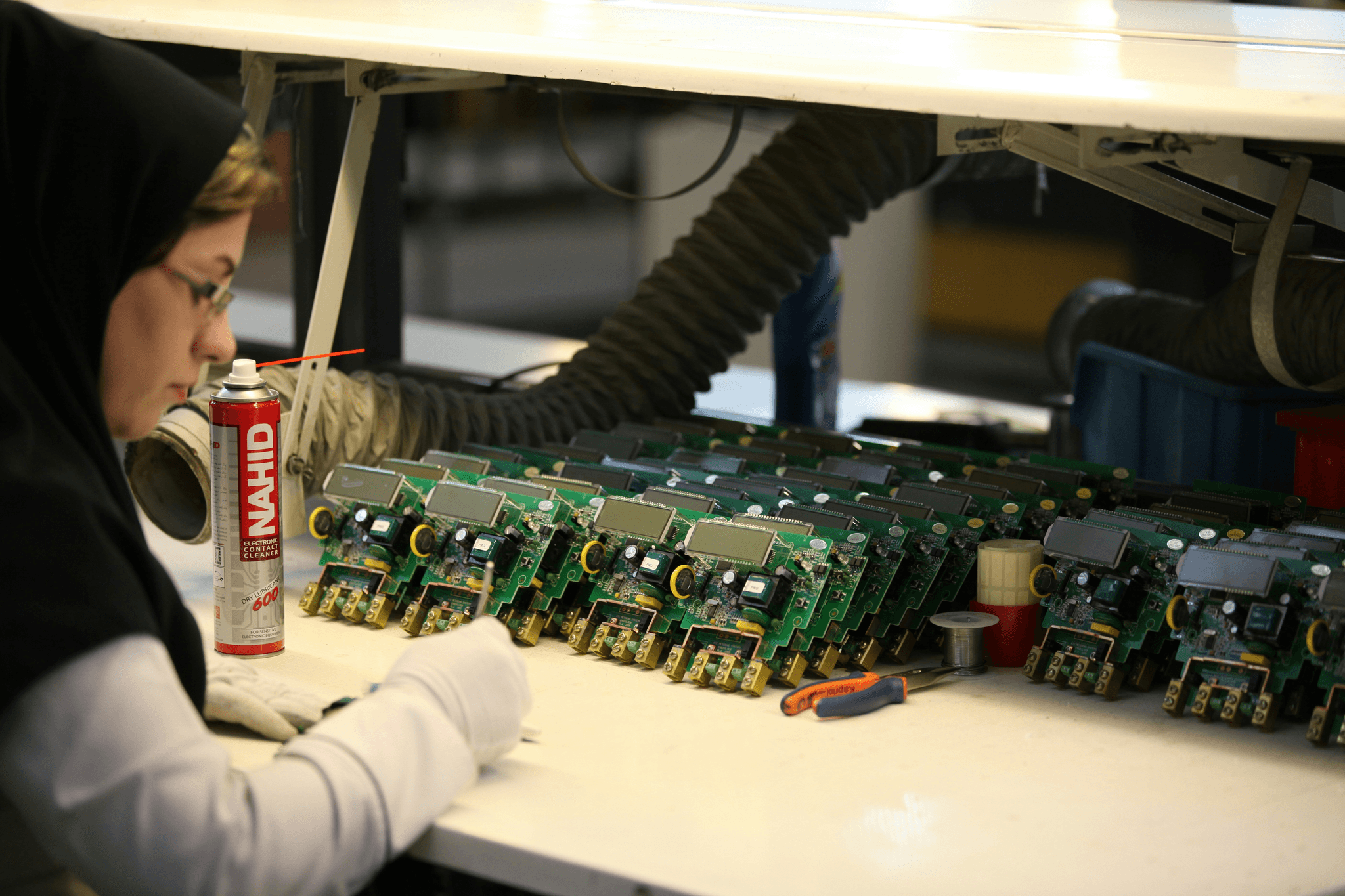
When it comes to ensuring the highest quality in electric toys, requiring internal access for thorough review is a game-changer. Factory inspections play a crucial role in this process, allowing manufacturers to identify potential issues before they escalate into costly mistakes. By implementing regular internal reviews, companies can better manage their production lines and maintain the integrity of their Pre-Shipment Inspection Reports.
Importance of Factory Inspections
Factory inspections are not just a box to tick; they are essential for maintaining product quality and safety. These inspections provide an opportunity to evaluate whether the manufacturing processes align with the defined Acceptable Quality Level (AQL) early on. Moreover, having internal access during these inspections ensures that any discrepancies can be addressed promptly, reducing the risk of defective products making their way into consumers' hands.
Ensuring Transparency in Production
Transparency is key in any production environment, especially when it comes to electric toys that children will use daily. Requiring internal access allows stakeholders to observe manufacturing practices firsthand and verify that all protocols are being followed correctly. This level of oversight not only fosters trust among team members but also reinforces compliance with safety standards outlined in Pre-Shipment Inspection Reports.
How Internal Access Affects Quality
The impact of requiring internal access on overall quality cannot be overstated; it directly correlates with improved product reliability and consistency. When teams have unrestricted access to production areas, they can ensure that item codes match everywhere—eliminating confusion over specifications and preventing shipment errors down the line. Furthermore, this proactive approach facilitates rigorous testing of spare parts before they are incorporated into final products, ensuring longevity and safety for consumers.
Match Item Codes Everywhere for Accuracy
In the world of electric toys, matching item codes accurately is crucial for maintaining quality and ensuring compliance with safety standards. A Pre-Shipment Inspection Report heavily relies on consistent documentation to reflect the true nature of products being shipped. Without proper alignment in item codes, manufacturers risk creating discrepancies that can lead to costly errors and delays.
Importance of Consistency in Documentation
Consistency in documentation is not just a bureaucratic nicety; it's a fundamental principle that underpins the entire supply chain process. When item codes are aligned across all documentation—from purchase orders to shipping labels—everyone involved has a clear understanding of what is being produced and shipped. This consistency is particularly vital when manufacturers are required to define AQL early, as it ensures that quality standards can be accurately assessed and met throughout production.
Preventing Shipment Errors
One of the main benefits of matching item codes everywhere is the significant reduction in shipment errors. Imagine receiving a shipment with toys that have different specifications than what was ordered—chaos ensues! By ensuring that every document reflects the same item code, manufacturers can prevent mix-ups that could compromise product integrity or even lead to safety issues highlighted in a Pre-Shipment Inspection Report.
Best Practices for Code Matching
To achieve accurate code matching, companies should implement best practices such as regular audits and cross-checks among teams involved in production and logistics. Utilizing software tools designed for inventory management can streamline this process by providing real-time updates on item codes across platforms. Additionally, fostering open communication between departments helps ensure everyone remains aligned on product specifications, further enhancing quality assurance efforts like testing spare parts before they reach consumers.
Test Spare Parts for Reliability
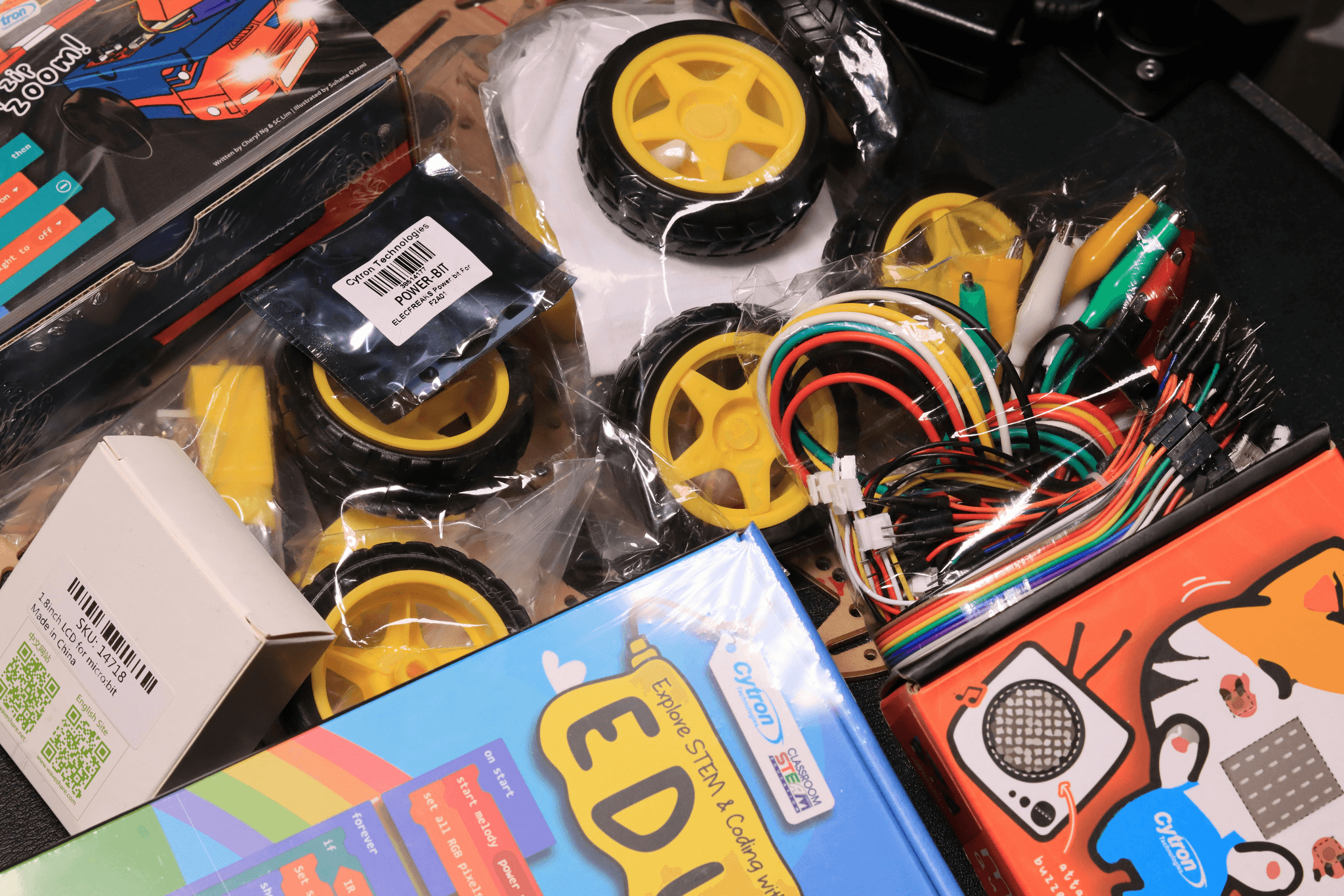
In the world of electric toys, spare parts play a crucial role in ensuring that these products function as intended. A well-designed toy not only captivates children but also requires reliable components to maintain safety and performance over time. Therefore, testing spare parts is essential to guarantee that they meet the standards outlined in the Pre-Shipment Inspection Report and uphold quality assurance.
Why Spare Parts Matter in Electric Toys
Spare parts are often the unsung heroes of electric toys; they ensure that devices can be repaired or maintained without needing full replacements. This is particularly important for parents who want their children's toys to last through countless play sessions and adventures. By prioritizing the testing of spare parts, manufacturers can define AQL early and ensure that every component meets safety standards while minimizing waste and enhancing customer satisfaction.
Common Tests for Performance
These include stress tests, where components are subjected to extreme conditions, as well as functionality tests that evaluate whether each part operates correctly within the toy's design parameters. Incorporating these tests into your production process not only supports compliance with safety regulations but also aligns with the need to require internal access for thorough reviews.
Ensuring Longevity and Safety
To ensure longevity and safety in electric toys, it’s vital to conduct rigorous assessments on all spare parts before they reach consumers. Regularly testing these components helps identify potential failures early on, allowing manufacturers to rectify issues before shipment—ultimately reflected in a more favorable Pre-Shipment Inspection Report. Furthermore, when companies match item codes everywhere throughout their documentation process, they enhance traceability and accountability for each part used in production.
Use Third-Party QC for Unbiased Evaluation
This is where third-party quality control (QC) steps in, providing an objective perspective on the manufacturing process. By engaging independent inspectors, manufacturers can gain valuable insights that contribute to a comprehensive Pre-Shipment Inspection Report.
The Role of Third-Party Inspectors
Third-party inspectors play a crucial role in the quality assurance process by offering an unbiased evaluation of products before they hit the market. These professionals are trained to identify issues that might be overlooked during internal reviews, ensuring that manufacturers meet compliance and safety standards effectively. Their findings contribute significantly to defining AQL early, helping manufacturers set realistic expectations for product quality.
Moreover, third-party inspectors often have access to advanced testing equipment and methodologies that may not be available in-house. This allows them to conduct thorough examinations and tests on electric toys, including checking spare parts for reliability and performance. Ultimately, their expertise enhances the overall integrity of the Pre-Shipment Inspection Report.
Benefits of Independent Quality Control
The benefits of independent quality control extend far beyond just spotting defects; they foster trust between manufacturers and consumers alike. When companies implement third-party QC procedures, they demonstrate a commitment to transparency in production processes—an essential factor when requiring internal access for thorough reviews. This transparency not only builds consumer confidence but also helps prevent shipment errors by ensuring all documentation matches item codes everywhere.
Additionally, using third-party QC can lead to cost savings over time by identifying potential issues before products reach consumers or retailers. By catching problems early—especially with critical components like spare parts—manufacturers can avoid costly recalls or damages associated with poor-quality products. In essence, independent inspections serve as a safeguard against reputational risk while enhancing overall product reliability.
How China Inspection Pro Enhances Quality
China Inspection Pro stands out as a leading provider of third-party QC services tailored specifically for electric toy manufacturers looking to enhance their quality assurance processes. With a focus on delivering detailed Pre-Shipment Inspection Reports, they ensure every aspect—from compliance with safety standards to matching item codes everywhere—is thoroughly evaluated before products leave factories. Their experienced inspectors are adept at testing spare parts rigorously, guaranteeing that each component meets performance expectations.
Moreover, China Inspection Pro emphasizes collaboration with clients throughout the inspection process, allowing for effective communication regarding findings and recommendations for improvement. This collaborative approach not only aids in defining AQL early but also ensures that manufacturers are well-informed about their production practices’ strengths and weaknesses. Ultimately, partnering with China Inspection Pro empowers businesses to uphold high-quality standards while navigating complex compliance landscapes confidently.
Conclusion

In the world of electric toys, ensuring safety and quality is paramount, and this is where the Pre-Shipment Inspection Report plays a crucial role. With rigorous inspections, manufacturers can identify potential hazards before products reach consumers, thereby safeguarding children from unsafe toys. By implementing robust quality assurance measures, including defining AQL early and requiring internal access for thorough review, companies can significantly enhance consumer safety.
The Impact of Inspections on Consumer Safety
The impact of inspections on consumer safety cannot be overstated; they serve as a frontline defense against defective products. A well-executed Pre-Shipment Inspection Report not only highlights compliance with safety standards but also reassures parents that the toys their children play with are safe. By leveraging practices like matching item codes everywhere and testing spare parts for reliability, manufacturers can further bolster trust in their products.
Crafting a Comprehensive Quality Strategy
Crafting a comprehensive quality strategy involves integrating multiple elements that work harmoniously to ensure product excellence. Companies should prioritize defining AQL early in the production process to set realistic standards that align with consumer expectations. Furthermore, requiring internal access for thorough reviews allows for transparency and accountability within factories, ultimately leading to higher-quality electric toys that meet or exceed industry benchmarks.
Future of Quality Assurance in Electric Toys
The future of quality assurance in electric toys looks promising as manufacturers increasingly recognize the importance of third-party QC for unbiased evaluation. Utilizing independent inspectors not only enhances the credibility of Pre-Shipment Inspection Reports but also fosters continuous improvement across production lines. As technology advances and consumer awareness grows, we can expect an even greater emphasis on stringent testing protocols—especially regarding spare parts—to ensure longevity and safety in electric toys.