
Introduction
In today's fast-paced industrial landscape, understanding the difference between QA and QC is crucial for businesses aiming to deliver top-notch products and services. Quality Assurance (QA) focuses on preventing defects through process-oriented methods, while Quality Control (QC) emphasizes identifying and correcting defects in finished products. This distinction not only shapes how organizations approach quality management but also influences their overall success in competitive markets.
Understanding QA and QC Concepts
Quality Assurance and Quality Control are two sides of the same coin, yet they serve distinct purposes within an organization. QA testing is proactive; it involves establishing processes that ensure quality throughout the product lifecycle, from design to delivery. In contrast, QC revolves around reactive measures that assess finished products to ensure they meet predefined standards, making both essential for effective quality management.
The Importance of Quality in Industries
Quality plays a pivotal role across various industries, impacting customer satisfaction, brand reputation, and profitability. Companies that prioritize quality assurance services often see reduced costs associated with rework and recalls while enhancing customer trust in their offerings. Moreover, a robust QA process not only improves product reliability but also fosters innovation by encouraging teams to focus on continuous improvement.
Overview of QA and QC Roles
The roles of QA and QC professionals are integral to maintaining high standards within organizations. While QA specialists develop frameworks for quality assurance testing, ensuring processes are followed meticulously, QC personnel conduct rigorous tests on final products to catch any issues before reaching consumers. The collaboration between these roles creates a comprehensive approach to quality management that benefits everyone involved—from manufacturers to end-users.
The Core Definitions of QA and QC

Quality Assurance (QA) and Quality Control (QC) are two critical components in ensuring a product meets the desired standards. While they both aim to enhance quality, they operate in distinct ways and serve different purposes within the production process. Understanding these core definitions helps clarify the difference between QA and QC, ultimately leading to better practices in quality assurance testing.
Defining Quality Assurance
Quality Assurance refers to the systematic processes designed to ensure that products meet specified requirements before they reach consumers. This proactive approach focuses on improving development and test processes, preventing defects rather than merely identifying them after production. In essence, quality assurance services encompass everything from planning and documentation to execution, ensuring that QA testing is thorough and effective.
The QA process involves defining standards, procedures, and best practices that guide teams through each stage of development. By implementing these protocols, organizations can minimize risks associated with product failures while enhancing overall customer satisfaction. Thus, quality assurance becomes an essential framework for achieving consistent results across various industries.
Defining Quality Control
On the other hand, Quality Control is all about verifying that products meet specific quality standards through inspections and testing after production has taken place. This reactive approach focuses on identifying defects or issues in finished products before they reach customers or end-users. In this context, QC practices may involve sampling techniques or detailed inspections to ensure compliance with established criteria.
Quality control serves as a safety net for organizations by catching errors that might have slipped through during the QA process. While it plays a crucial role in maintaining product integrity, it does not address underlying issues within the production system itself—hence why it's often said that QC cannot replace comprehensive quality assurance testing.
How They Differ
The primary difference between QA and QC lies in their focus: QA emphasizes prevention while QC concentrates on detection. Essentially, while quality assurance seeks to improve processes to avoid defects from occurring initially, quality control is concerned with identifying any flaws after they manifest in finished products. This distinction highlights how both elements are interdependent yet serve unique functions within an organization’s commitment to high-quality outcomes.
Moreover, incorporating both QA and testing into a cohesive strategy leads to more robust product development cycles where potential problems are addressed at every stage—from conception through delivery. Understanding this dynamic helps teams leverage their strengths effectively while navigating challenges inherent in balancing these two vital aspects of quality management systems (QMS). Ultimately, recognizing the difference between QA and QC allows organizations to adopt tailored approaches suited for their specific needs without sacrificing overall effectiveness.
The QA Testing Process Explained

Quality Assurance (QA) testing is a systematic process that ensures products meet specified requirements and standards before they reach the market. It encompasses various stages, tools, and services that work together to deliver high-quality outcomes. Understanding the QA process is essential for any organization looking to improve its product quality and maintain customer satisfaction.
Key Stages in QA Testing
The QA testing process typically involves several key stages, each playing a crucial role in ensuring quality assurance and testing effectiveness. First, requirements gathering helps define what needs to be tested, setting the foundation for subsequent stages. This is followed by test planning, where strategies are developed to outline how testing will be conducted.
Next comes test case design, where specific scenarios are created to evaluate the product against its requirements. After this phase, actual execution of tests takes place, which includes both manual and automated testing techniques. Finally, results are analyzed during the reporting stage to identify defects or areas for improvement—this is where understanding the difference between QA and QC becomes particularly relevant as it highlights how these processes complement each other.
Tools Used in Quality Assurance
In today's tech-savvy world, numerous tools facilitate effective quality assurance services throughout the QA process. These tools range from test management software like Jira or TestRail to automated testing frameworks such as Selenium or JUnit that streamline qa testing efforts. Additionally, performance monitoring tools like LoadRunner can help gauge how well a product performs under various conditions.
Collaboration platforms also play a significant role in ensuring seamless communication among team members involved in quality assurance and testing activities. By leveraging these tools effectively, organizations can enhance their overall efficiency while also ensuring that their products meet high-quality standards consistently.
Importance of QA Services
Quality assurance services are vital for businesses aiming to deliver exceptional products while minimizing risks associated with defects or failures post-launch. Implementing a robust QA process not only helps identify issues early but also saves time and resources by preventing costly rework later on in development cycles. Furthermore, investing in quality assurance not only boosts customer satisfaction but also enhances brand reputation—after all, nobody wants a faulty product tarnishing their image!
In summary, understanding the nuances of qa testing within the broader context of quality assurance services enables organizations to make informed decisions about their processes and ultimately leads them towards greater success in delivering top-notch products.
The Role of QC in Product Development
Quality Control (QC) plays a pivotal role in ensuring that products meet the required standards before they reach consumers. By implementing robust QC practices, industries can identify defects early in the production process, minimizing costs and enhancing customer satisfaction. This section will delve into various QC practices across different sectors, emphasizing their significance and impact on final products.
QC Practices in Various Industries
Different industries adopt unique QC practices tailored to their specific needs and regulatory requirements. In manufacturing, for example, companies often employ statistical process control (SPC) to monitor production processes and detect variations that could lead to defects. Meanwhile, in software development, the QA testing phase integrates automated testing tools to ensure that applications perform reliably before launch—highlighting the difference between QA and QC in practice.
In the pharmaceutical industry, quality assurance services are crucial for compliance with stringent regulations governing drug safety and efficacy. Rigorous testing protocols ensure that each product batch meets safety standards before it reaches pharmacies or hospitals. These diverse approaches underscore how quality assurance and testing methodologies are adapted to fit industry-specific challenges while maintaining a commitment to high-quality outcomes.
Importance of QC Testing
QC testing is not merely a procedural formality; it serves as a critical checkpoint that can save companies from costly recalls or reputational damage due to subpar products. By identifying issues during the production phase rather than post-launch, businesses can significantly reduce waste and improve overall efficiency within the QA process. Moreover, consistent application of quality control measures fosters trust with consumers who expect reliable performance from every product they purchase.
Effective QC testing also enhances collaboration across teams by establishing clear benchmarks for quality throughout product development cycles. When everyone understands what constitutes acceptable quality levels through well-defined metrics, teams can work more cohesively toward shared objectives—ultimately improving both productivity and morale within organizations focused on excellence in their offerings.
The Impact of QC on Final Products
The impact of effective Quality Control on final products cannot be overstated; it directly influences customer satisfaction and brand loyalty. When consumers receive products that meet or exceed their expectations due to rigorous QC processes, they are more likely to become repeat customers who advocate for the brand's reliability—transforming one-time buyers into lifelong supporters. Conversely, poor QC practices can lead to defective products hitting shelves, resulting in negative reviews that tarnish reputations irreparably.
Furthermore, integrating comprehensive quality assurance services throughout product development ensures continuous improvement cycles where feedback is actively sought out and implemented for future iterations of a product line. This proactive approach not only enhances current offerings but also sets higher standards for future projects—demonstrating how intertwined QA testing is with ongoing success in any competitive market landscape.
Real-World Examples of QA and QC

In the realm of quality assurance and testing, real-world applications provide invaluable insights into how QA and QC can significantly impact various industries. By examining specific case studies, we can better understand the difference between QA and QC, as well as the importance of quality assurance services in different contexts. Let's dive into a few examples that highlight these concepts in action.
Lessons from Leading Tech Companies
Leading tech companies like Google and Apple provide excellent lessons on how integrating QA and testing practices can drive innovation while maintaining high-quality standards. These organizations have established comprehensive quality assurance processes that encompass everything from software development to hardware manufacturing. Their focus on continuous improvement ensures that any differences between QA and QC are effectively managed throughout the product lifecycle.
For instance, Google employs automated testing tools to streamline their QA process, allowing developers to identify bugs early on before they reach end-users. This not only saves time but also reduces costs associated with fixing issues post-launch. The emphasis on quality assurance in these tech giants demonstrates how vital it is for businesses to prioritize both QA testing and QC measures simultaneously for optimal results.
Insights from Pharmaceutical Industries
The pharmaceutical industry serves as another compelling example where the difference between QA and QC plays a critical role in product safety and efficacy. Companies like Pfizer implement stringent quality assurance services throughout their drug development processes to ensure compliance with regulatory standards set by organizations such as the FDA. This involves thorough documentation, risk assessments, and validation procedures aimed at guaranteeing product integrity.
Quality control practices are equally essential; they involve rigorous testing of raw materials, intermediate products, and final formulations before they hit the market. By understanding both aspects—QA testing for proactive measures and QC for reactive evaluations—pharmaceutical companies can safeguard public health while maintaining their reputations as trusted providers of safe medications.
The Interplay Between QA and QC
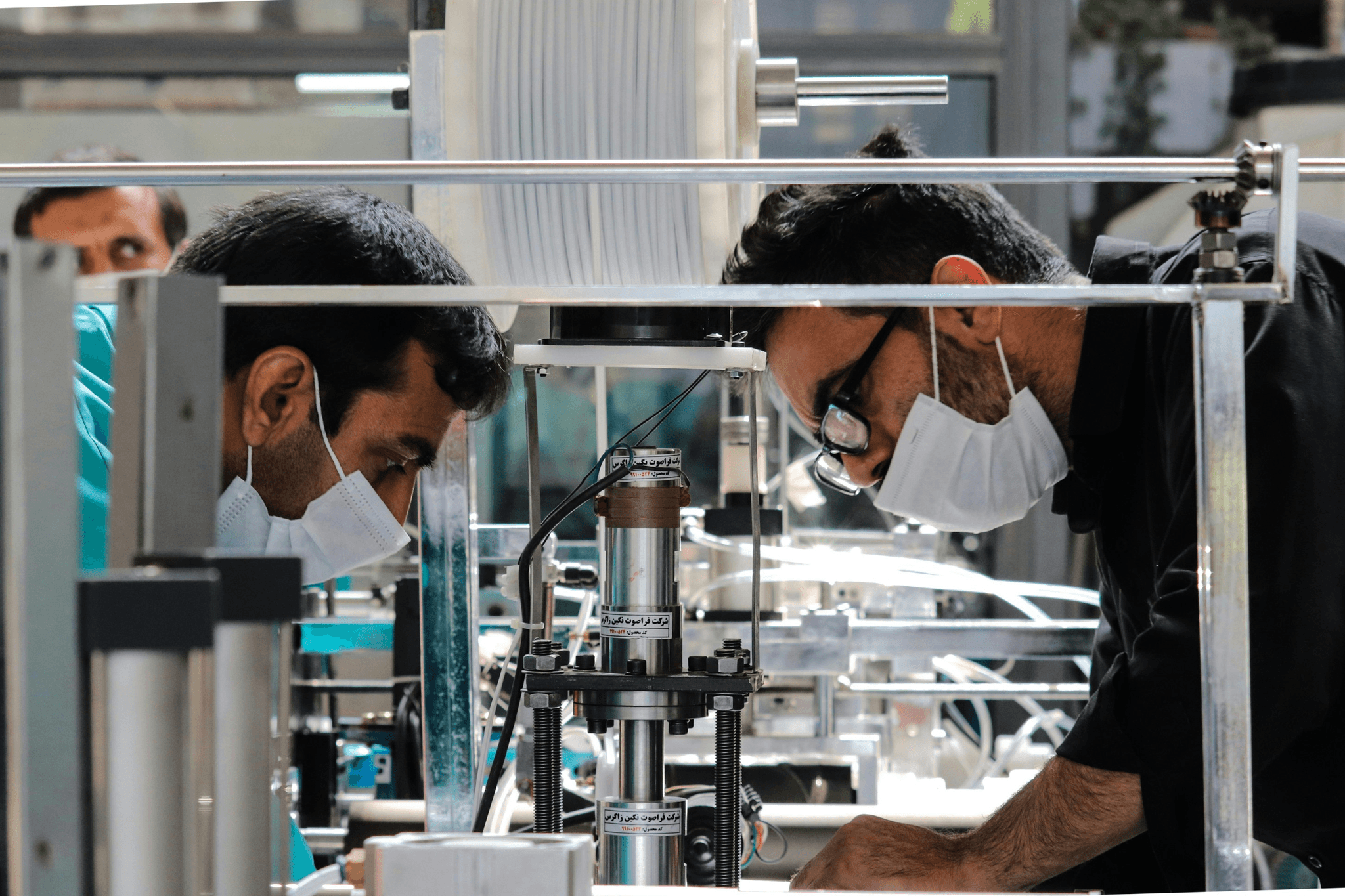
Quality Assurance (QA) and Quality Control (QC) are often seen as two sides of the same coin, each playing a crucial role in ensuring that products meet the desired standards. While QA focuses on preventing defects through systematic processes, QC is all about identifying and correcting defects in finished products. Understanding the difference between QA and QC is vital for organizations aiming to deliver top-notch quality through effective qa testing methodologies.
How QA and QC Work Together
QA and QC work together like a well-oiled machine, each complementing the other to enhance overall product quality. While QA sets up the framework for quality assurance testing, establishing processes, guidelines, and standards, QC implements these frameworks by conducting tests on actual products to ensure they meet those established criteria. This harmonious relationship ensures that issues are caught early in the qa process before they escalate into costly problems down the line.
Furthermore, continuous feedback loops between QA and QC can lead to significant improvements in both processes. For instance, insights gained from quality control testing can inform adjustments in quality assurance services, leading to more robust procedures that prevent defects from occurring in the first place. By fostering collaboration between these two functions, organizations can create a culture of quality that permeates every aspect of their operations.
Benefits of Integrating Both Processes
Integrating QA and QC offers numerous benefits that extend beyond mere compliance with industry standards; it can significantly enhance customer satisfaction as well. By aligning qa testing with robust quality control practices, companies can reduce errors while boosting efficiency—saving time and resources while maintaining high-quality outputs. This integration not only streamlines workflows but also fosters a proactive approach to problem-solving where potential issues are addressed before they impact customers.
Moreover, when organizations embrace both quality assurance and testing alongside rigorous quality control measures, they cultivate a reputation for reliability in their respective markets. This reputation translates into competitive advantages such as increased customer loyalty and market share as consumers gravitate towards brands known for their commitment to excellence. Ultimately, integrating these processes creates an ecosystem where continuous improvement thrives.
Challenges in Balancing QA and QC
Despite the clear benefits of harmonizing QA with QC practices, challenges abound when trying to strike this balance effectively. One major hurdle lies in resource allocation; teams may struggle with limited budgets or personnel dedicated solely to either qa process or qc activities—leading to conflicts over priorities or insufficient attention paid to one area over another. Additionally, communication gaps between teams responsible for each function can create silos that hinder collaboration.
Another challenge is keeping pace with rapid technological advancements that influence both quality assurance services and qc methods—especially as industries evolve at breakneck speeds due to digital transformation initiatives or shifts toward automation techniques like AI-driven analytics tools used during qa testing phases. Organizations must remain agile enough not only to adapt existing frameworks but also innovate new strategies that encompass emerging trends without compromising on core principles of maintaining high-quality outputs.
Lastly, there’s often resistance from team members who may be accustomed solely focusing on either QA or QC without recognizing how interdependent these functions truly are within product development cycles—a mindset shift is necessary for successful integration efforts moving forward!
The Interplay Between QA and QC
In the world of quality management, understanding the interplay between Quality Assurance (QA) and Quality Control (QC) is crucial for delivering top-notch products. While they serve distinct purposes, the difference between QA and QC lies in their approach to maintaining quality standards. By recognizing how QA testing and QC work together, organizations can enhance their overall quality assurance services.
How QA and QC Work Together
QA and QC are like two sides of the same coin; they complement each other in achieving product excellence. While QA focuses on preventing defects through structured processes, QC emphasizes identifying defects in finished products. This symbiotic relationship ensures that not only are potential issues addressed before they arise through the QA process, but any lingering problems are also caught during testing phases.
When implementing quality assurance and testing strategies, teams often find that integrating both approaches leads to a more robust framework for product development. For instance, during the QA testing phase, insights gained can inform QC practices, leading to improvements in both processes. Ultimately, a well-coordinated effort between these two functions fosters a culture of continuous improvement within an organization.
Benefits of Integrating Both Processes
Integrating QA and QC offers a multitude of benefits that can significantly boost an organization's efficiency and product quality. One of the primary advantages is enhanced communication; by working together, teams can share valuable feedback that informs both quality assurance testing and control measures. This collaboration not only streamlines workflows but also reduces redundancies in processes.
Moreover, when organizations embrace both QA testing and QC practices as part of their standard operating procedures, they create a more resilient framework for managing risks associated with product development. With comprehensive oversight from both perspectives, businesses can better anticipate market demands while ensuring compliance with industry standards. Ultimately, this integration leads to higher customer satisfaction as products consistently meet or exceed expectations.
Challenges in Balancing QA and QC
Despite the numerous benefits of integrating QA and QC processes, challenges do exist when trying to strike a balance between them. One common hurdle is resource allocation; organizations may struggle to dedicate sufficient time or budget for both quality assurance services and rigorous control measures simultaneously. This imbalance could lead to either overemphasizing preventive measures at the expense of effective testing or vice versa.
Another challenge lies in aligning team objectives; different departments may prioritize varying aspects of quality management based on their specific roles within an organization. This lack of alignment could result in conflicting goals that hinder collaboration between teams focused on quality assurance and those engaged in quality control activities. Overcoming these challenges requires strong leadership commitment to foster a unified vision where both processes are valued equally.
Conclusion
In the realm of product development and service delivery, understanding the difference between QA and QC is paramount. Quality Assurance (QA) focuses on preventing defects through systematic processes, while Quality Control (QC) emphasizes identifying defects in finished products. This distinction not only enhances operational efficiency but also elevates customer satisfaction by ensuring high-quality outputs.
Why Understanding QA and QC Matters
Grasping the intricacies of quality assurance and testing can significantly impact an organization's success. By recognizing the difference between QA and QC, businesses can tailor their approaches to meet specific needs, leading to better resource allocation and improved product quality. Ultimately, a clear understanding fosters a culture of continuous improvement that benefits both employees and customers alike.
Finding the Right QA and QC Approach
Selecting the right QA process is crucial for any organization aiming for excellence in its products or services. Companies must evaluate their unique requirements, industry standards, and customer expectations when integrating quality assurance services into their operations. A balanced approach that harmonizes QA testing with effective QC practices will not only streamline processes but also enhance overall product integrity.
Future Trends in Quality Assurance and Testing
As technology evolves, so do methodologies in quality assurance testing. The future will likely see increased automation in both QA and QC processes, allowing for faster feedback loops and more accurate results. Embracing these advancements will empower organizations to stay competitive while ensuring they consistently deliver high-quality products that meet market demands.
Conclusion

In the realm of product development and service delivery, understanding the difference between QA and QC is crucial. Quality assurance (QA) focuses on preventing defects through systematic processes, while quality control (QC) emphasizes identifying defects in finished products. Recognizing these distinctions helps organizations implement effective strategies that enhance overall quality.
Why Understanding QA and QC Matters
Grasping the nuances of QA and QC is essential for any business aiming for excellence. Quality assurance testing ensures that processes are efficient and effective, reducing the likelihood of errors before they occur. In contrast, quality control services verify that products meet established standards, safeguarding customer satisfaction and brand reputation.
Finding the Right QA and QC Approach
Choosing the right approach to quality assurance and testing can make or break a project. Organizations must assess their specific needs, industry standards, and customer expectations to find a balance between QA testing and QC practices. By integrating both into their workflows, businesses can streamline processes while ensuring top-notch product delivery.
Future Trends in Quality Assurance and Testing
The landscape of quality assurance services is continuously evolving with advancements in technology. Automation in QA processes is becoming increasingly prevalent, enhancing efficiency while reducing human error in quality assurance testing. Additionally, data analytics will play a pivotal role in refining both QA and QC methodologies to ensure superior outcomes.