
Introduction

In today’s competitive marketplace, understanding the importance of quality control is paramount for any business aiming for success. Quality assurance is not just a buzzword; it’s the backbone of customer satisfaction and brand loyalty. By prioritizing regular quality control measures, companies can ensure they meet and exceed consumer expectations consistently.
Understanding the Importance of Quality Control
Quality control serves as a safeguard against defects and inconsistencies in products or services. Implementing effective quality assurance practices helps businesses maintain their reputation while minimizing costly errors that could arise from poor quality management. When organizations embrace a culture of quality control, they not only enhance their operational efficiency but also build trust with their customers.
The Impact of Peak Seasons on Quality Assurance
Peak seasons can present unique challenges for maintaining quality assurance standards due to increased demand and pressure on production lines. During these busy times, the risk of overlooking crucial quality control steps rises significantly, potentially leading to subpar products reaching consumers. Businesses must be proactive in addressing these challenges to ensure that their commitment to regular quality control remains unwavering during high-demand periods.
Why Regular Quality Control is Essential
Regular quality control is essential for identifying issues before they escalate into larger problems that could jeopardize customer satisfaction and brand integrity. By continuously monitoring and evaluating processes, businesses can adapt quickly to changing market conditions while ensuring that product standards remain high. Ultimately, investing in consistent quality assurance practices leads to long-term success and sustainability in any industry.
The Peak Season Challenge

Navigating the peak season can feel like trying to steer a ship through a storm—exciting yet fraught with challenges. Increased demand during these periods can put immense pressure on quality assurance processes, making it essential to implement regular quality control measures. Understanding these challenges is crucial for maintaining product integrity and customer satisfaction.
Anticipating Increased Demand
As businesses prepare for peak seasons, anticipating increased demand becomes a paramount task. This surge often leads to higher production rates, which can strain existing quality control systems if not managed properly. By forecasting demand accurately, companies can allocate resources effectively and ensure that their quality assurance protocols remain robust.
Planning ahead allows teams to ramp up production without sacrificing the standards of quality control that customers have come to expect. Regular quality control checks during this time become vital in identifying potential pitfalls before they escalate into larger issues. Ultimately, being proactive in anticipating demand helps maintain a seamless flow of operations while safeguarding product quality.
Common Quality Control Issues
With the excitement of peak seasons comes an array of common quality control issues that can derail even the best-laid plans. From manufacturing defects to inconsistencies in product specifications, these problems often arise when speed takes precedence over thoroughness in quality assurance practices. As teams rush to meet deadlines, lapses in regular quality control can lead to significant repercussions down the line.
Another frequent issue is insufficient training among staff members who are tasked with maintaining QC standards amidst heightened workloads. When employees are overwhelmed or unprepared, it becomes increasingly difficult to uphold the level of meticulousness required for effective quality assurance and control the quality of products consistently. Recognizing these potential pitfalls is essential for devising strategies that mitigate risks effectively.
Strategies to Mitigate Risks
To navigate the complexities posed by peak seasons successfully, implementing strategic measures is key in maintaining high-quality standards throughout production cycles. One effective strategy is enhancing communication across teams involved in both production and quality assurance; this ensures everyone is aligned on expectations and timelines related to regular quality control initiatives.
Additionally, investing in training programs focused on QC best practices empowers staff members with the knowledge they need to uphold rigorous standards even under pressure from increased demand. Leveraging technology also plays a pivotal role; utilizing automated systems for monitoring product consistency can significantly reduce human error and enhance overall efficiency within your quality assurance framework.
In conclusion, understanding and addressing the unique challenges presented during peak seasons will enable businesses to maintain their commitment to excellence through effective regular quality control measures.
Implementing Regular Quality Control Measures

In the fast-paced world of business, implementing regular quality control measures is essential for maintaining a high standard of quality assurance. A robust framework not only ensures consistency but also helps in identifying potential issues before they escalate. By prioritizing quality control, organizations can better navigate challenges and deliver superior products or services.
Establishing a Quality Control Framework
To establish an effective quality control framework, organizations must first define clear standards and procedures that align with their operational goals. This framework should encompass every aspect of the production process, from raw materials to final output, ensuring that all team members understand their roles in maintaining quality assurance. Regular audits and reviews of the framework will help identify any gaps, allowing for continuous improvement in the quality control processes.
A well-structured quality control framework also promotes accountability among team members. When everyone knows what is expected regarding quality assurance, it fosters a culture of responsibility and diligence in controlling the quality throughout the production cycle. This proactive approach not only enhances product reliability but also builds customer trust over time.
Training Your Team for Success
Training your team on regular quality control practices is crucial for fostering a culture of excellence within your organization. Employees should receive comprehensive training on both the importance of quality assurance and specific techniques to monitor and improve it effectively. By equipping your workforce with knowledge about best practices in qc quality control, you empower them to take ownership of their contributions to overall product integrity.
Moreover, ongoing training sessions can keep your team updated on new technologies or methodologies that enhance quality assurance efforts. This investment in personnel not only boosts morale but also leads to higher productivity levels as employees become more confident in their abilities to maintain high standards in controlling the quality of products or services offered by your company.
Encouraging open communication about challenges faced during implementation allows teams to collaboratively find solutions that can refine existing processes further.
Leveraging Technology for Quality Assurance
In today's digital landscape, leveraging technology for regular quality control measures can significantly enhance efficiency and accuracy in monitoring standards. Advanced tools such as automated inspection systems and data analytics software provide real-time insights into production processes, enabling businesses to identify deviations from established benchmarks swiftly. By integrating these technologies into your qc quality control strategy, you can streamline operations while ensuring adherence to rigorous standards.
Additionally, technology facilitates better documentation practices essential for effective data analysis related to quality assurance metrics. With cloud-based platforms and mobile applications at hand, teams can easily track performance indicators and share findings across departments seamlessly—promoting a unified approach toward maintaining high-quality outputs consistently.
Investing in technological solutions not only simplifies routine tasks but also empowers teams with actionable insights that drive continuous improvement initiatives aimed at elevating overall product excellence.
Quality Control Best Practices from Industry Leaders
In the realm of quality assurance, it’s essential to learn from the giants who have paved the way with their innovative practices. Companies like Apple, Toyota, and Starbucks have set benchmarks in quality control that resonate across industries. By examining their strategies, businesses can glean insights into effective regular quality control measures that enhance overall performance.
Lessons from Apple’s Quality Management
Apple is renowned for its meticulous approach to quality management, which has become a cornerstone of its brand identity. The company's commitment to quality assurance begins at the design phase and continues through production and post-sale support. Regular quality control checks ensure that every product meets Apple's high standards, leading to customer satisfaction and loyalty.
Moreover, Apple employs a rigorous testing process that includes both automated systems and human oversight to control the quality of each device produced. This dual approach not only helps identify defects early but also fosters a culture where every employee understands their role in maintaining excellence. By integrating regular quality control into its workflow, Apple effectively minimizes risks associated with product failures.
Toyota’s Approach to Continuous Improvement
When it comes to continuous improvement in quality assurance, Toyota stands out with its famed Toyota Production System (TPS). This model emphasizes Kaizen, or continuous improvement, which encourages employees at all levels to suggest enhancements in processes related to qc quality control. As a result, Toyota consistently achieves high levels of efficiency while maintaining stringent standards for product integrity.
The company also places significant emphasis on training employees in both technical skills and problem-solving abilities related to controlling the quality of outputs. This empowerment leads to quicker identification of issues and fosters an environment where everyone contributes towards enhancing overall product reliability. Through regular audits and feedback loops within their production lines, Toyota ensures that any deviations from expected outcomes are addressed promptly.
How Starbucks Maintains Consistency
Starbucks has mastered the art of consistency across its global locations through robust quality assurance practices tailored for each market's unique demands. The coffee giant implements strict guidelines on ingredient sourcing and preparation techniques as part of its regular quality control measures, ensuring customers receive the same experience no matter where they are sipping their lattes. This focus on uniformity is crucial for building brand trust among consumers.
Additionally, Starbucks invests heavily in employee training programs designed around maintaining high-quality standards throughout service delivery—an essential component of effective qc quality control strategies. Baristas undergo extensive training not just on beverage preparation but also on customer interaction skills that uphold the brand's reputation for excellence. By leveraging technology alongside human expertise in these areas, Starbucks successfully controls the quality while enriching customer engagement.
Working with Quality Control Experts
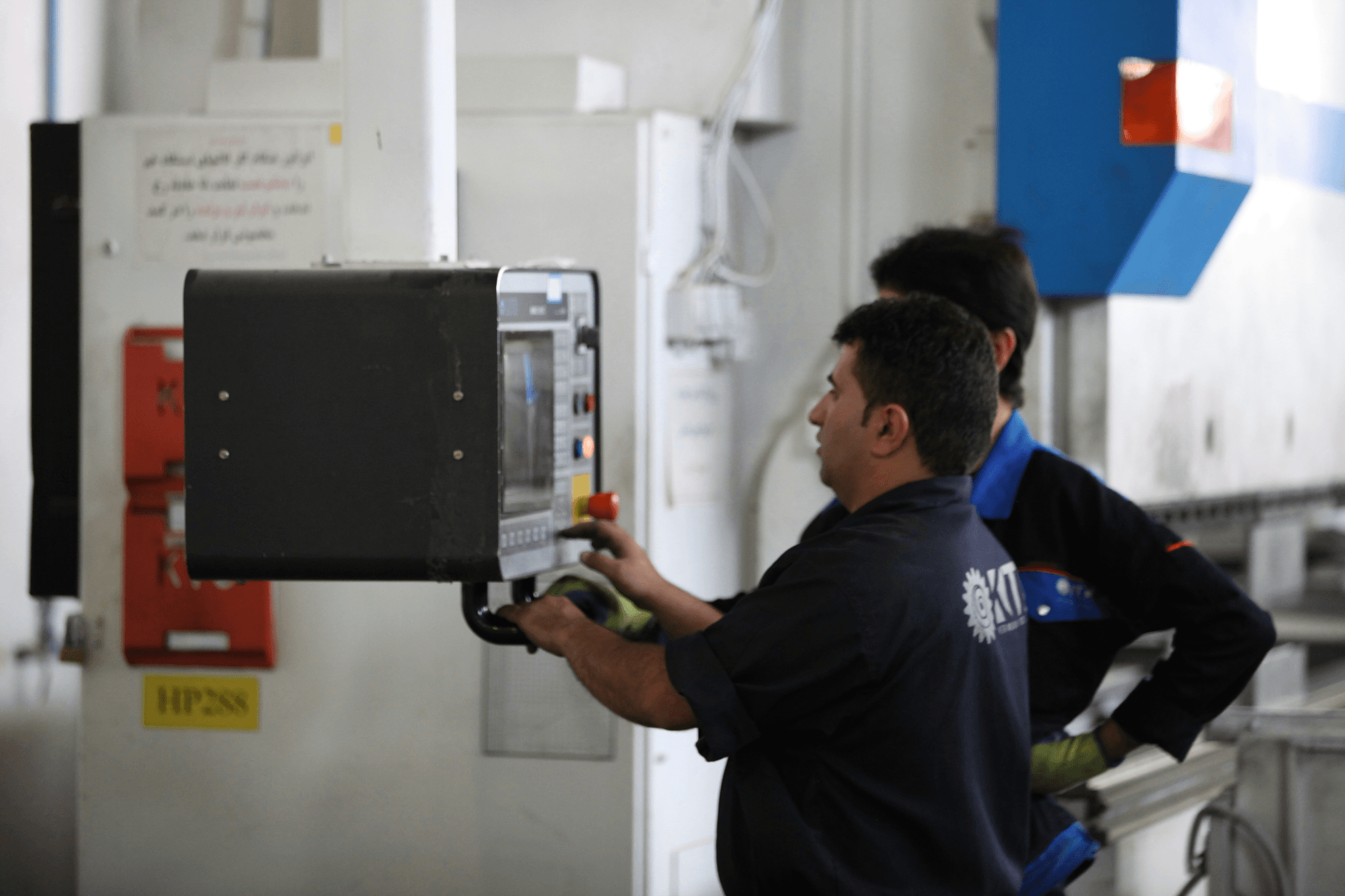
In the ever-evolving landscape of quality assurance, partnering with experts can elevate your regular quality control efforts to new heights. Professionals in the field bring a wealth of knowledge and experience that can help you navigate the complexities of maintaining high standards, especially during peak seasons. By leveraging their expertise, you can ensure that your products not only meet but exceed customer expectations.
The Role of China Inspection Pro in Quality Assurance
China Inspection Pro plays a pivotal role in enhancing quality assurance through its comprehensive inspection services. With a focus on regular quality control processes, they help businesses identify potential issues before they escalate into costly problems. Their team employs rigorous methodologies to assess product quality, ensuring compliance with international standards and safeguarding brand reputation.
Benefits of Professional Quality Inspections
Engaging in professional quality inspections offers numerous benefits that can significantly impact your overall operations. First and foremost, these inspections provide an objective evaluation of product quality, allowing businesses to control the quality effectively throughout the production cycle. Additionally, by identifying defects early on, companies can reduce waste and improve efficiency—ultimately leading to cost savings and enhanced customer satisfaction.
Choosing the Right Quality Control Partner
Selecting the right quality control partner is crucial for successful implementation of your regular quality control measures. Look for a provider with proven experience in your industry and a track record of delivering reliable results in quality assurance practices. Establishing clear communication channels and aligning goals will further ensure that both parties work towards maintaining high-quality standards consistently.
Analyzing Quality Control Data
In the realm of quality assurance, data analysis is the compass that guides organizations toward improvement. Regular quality control measures rely heavily on metrics to identify trends, spot anomalies, and ensure that standards are met consistently. By harnessing the power of data, businesses can not only maintain their quality control but also elevate it to new heights.
Importance of Metrics in Quality Assurance
Metrics serve as the backbone of any robust quality assurance strategy. They provide tangible evidence of performance, helping teams understand where they excel and where they need improvement. Without regular quality control metrics, organizations risk operating in a vacuum, making decisions based on gut feelings rather than solid data.
Moreover, tracking these metrics allows companies to benchmark their performance against industry standards or historical data. This comparative analysis is crucial for identifying gaps and implementing corrective actions promptly. Ultimately, a strong focus on metrics fosters a culture of continuous improvement within an organization’s quality assurance framework.
Tools for Effective Data Analysis
To effectively analyze quality control data, organizations must leverage various tools designed for this purpose. Software solutions like statistical process control (SPC) systems can help visualize trends and variations over time, making it easier to pinpoint issues before they escalate into larger problems. Additionally, business intelligence tools can aggregate data from multiple sources to provide comprehensive insights into overall quality performance.
Regular quality control also benefits from automation tools that streamline data collection processes and reduce human error in reporting. These technologies not only save time but also enhance accuracy in tracking key performance indicators (KPIs). By investing in the right tools for effective data analysis, businesses can ensure their quality assurance efforts are both efficient and impactful.
Making Data-Driven Decisions
Data-driven decision-making is essential for maintaining high standards in quality control and assurance practices. Organizations that embrace this approach can respond swiftly to emerging trends or issues identified through their metrics analysis. By relying on concrete evidence rather than assumptions or anecdotal experiences, companies can implement strategies that truly enhance their product or service quality.
Furthermore, making informed decisions based on analyzed data encourages accountability within teams as they see the direct impact of their actions on overall performance metrics. It empowers employees at all levels to contribute meaningfully towards achieving organizational goals related to regular quality control initiatives. In essence, embracing a culture of data-driven decision-making solidifies an organization’s commitment to excellence in its quality assurance efforts.
Conclusion
In the world of business, quality control is not just a checkbox on a to-do list; it’s the lifeblood that keeps operations running smoothly. Regular quality control measures ensure that products meet customer expectations and comply with industry standards. By implementing robust quality assurance practices, companies can navigate peak seasons with confidence, minimizing risks and maximizing customer satisfaction.
Key Takeaways for Quality Control Success
To achieve success in quality control, organizations must recognize the importance of regular quality control checks throughout their processes. The lessons learned from industry leaders teach us that consistency in quality assurance leads to improved brand reputation and customer loyalty. Ultimately, investing in a comprehensive quality control strategy is not merely an operational necessity; it’s a pathway to sustained growth and competitiveness.
Preparing for Future Peak Seasons
As businesses gear up for future peak seasons, proactive planning becomes essential in maintaining effective quality assurance protocols. Anticipating increased demand allows teams to allocate resources efficiently and implement additional quality control measures when necessary. By establishing a flexible framework that can adapt to changing circumstances, organizations can better manage the challenges posed by peak periods while ensuring their products remain top-notch.
Embracing a Culture of Quality Assurance
Creating a culture of quality assurance within an organization fosters accountability and encourages employees to take ownership of their roles in maintaining high standards. Regular training on best practices in quality control empowers teams to identify issues before they escalate into larger problems. When every team member is committed to controlling the quality at every stage of production, businesses not only enhance their output but also build trust with customers who rely on consistent excellence.