
Introduction
In the world of oil extraction, ensuring the integrity and safety of operations is paramount, making Oil Rig QC Inspection a critical component of industry standards. This rigorous process not only safeguards personnel and equipment but also enhances operational efficiency, ultimately impacting the bottom line. With various inspection types available, from Visual Inspections to Mechanical Inspections and Packaging Inspections, each plays a vital role in maintaining quality and safety on oil rigs.
Importance of Oil Rig QC Inspection
Oil Rig QC Inspection is essential for identifying potential hazards before they escalate into costly failures or accidents. By implementing a robust quality control framework that includes regular inspections, companies can mitigate risks associated with equipment malfunction or structural weaknesses. The importance of these inspections cannot be overstated; they are the backbone of safe and efficient oil production operations.
Overview of Inspection Types
There are several key types of inspections that form the foundation of Oil Rig QC Inspection practices: Visual Inspections, Mechanical Inspections, and Packaging Inspections. Each type serves its unique purpose—Visual Inspections help identify surface-level issues quickly, while Mechanical Inspections delve deeper into functionality and performance metrics. Meanwhile, Packaging Inspections ensure that all equipment is securely transported to prevent damage during transit.
Role of China Inspection Pro
China Inspection Pro plays a pivotal role in the landscape of Oil Rig QC Inspection by offering specialized services tailored to meet industry needs. With expertise in various inspection types—including Visual Inspections, Mechanical Inspections, and Packaging Inspections—this organization ensures that clients receive thorough assessments that adhere to stringent quality standards. Their commitment to excellence has led to numerous success stories where clients have significantly improved their operational safety and efficiency through effective collaboration.
Understanding Oil Rig QC Inspection

In the complex world of oil drilling, ensuring that every component functions flawlessly is crucial for safety and efficiency. Oil Rig QC Inspection serves as a safeguard against potential failures that could lead to catastrophic incidents. By implementing rigorous inspection processes, companies can maintain operational integrity and protect both personnel and the environment.
Definition and Purpose
Oil Rig QC Inspection refers to a systematic evaluation of equipment and processes on oil rigs to ensure compliance with safety standards and operational efficiency. The primary purpose of these inspections is to identify defects or deviations from established quality benchmarks before they escalate into larger issues. By conducting thorough inspections, organizations can prevent costly downtime, enhance productivity, and ensure the safety of their workforce.
Key Standards in the Industry
The oil industry adheres to several key standards that govern Oil Rig QC Inspection practices, including ISO 9001 for quality management systems and API (American Petroleum Institute) specifications for various components. These standards provide a framework for ensuring that inspections are consistent, reliable, and effective in identifying potential risks. Compliance with such standards not only enhances the credibility of inspection processes but also fosters trust among stakeholders involved in oil exploration.
Benefits of Effective QC Processes
Implementing effective QC processes within Oil Rig QC Inspection yields numerous benefits that extend beyond mere compliance with regulations. First, it significantly reduces the likelihood of mechanical failures by catching issues during Visual Inspections or Mechanical Inspections before they compromise operations. Additionally, effective packaging inspections help ensure that equipment arrives at its destination intact, thus avoiding delays caused by damaged goods—ultimately leading to smoother project execution and increased profitability.
Visual Inspections: The First Line of Defense

In the realm of Oil Rig QC Inspection, visual inspections serve as the crucial first line of defense against potential failures and hazards. These inspections are not just about looking; they require trained eyes to spot even the slightest irregularities that could lead to significant issues down the line. By identifying problems early through visual checks, companies can save time and money while ensuring safety on oil rigs.
Techniques for Effective Visual Inspections
Effective visual inspections hinge on a combination of technique, training, and thoroughness. Inspectors often utilize methods such as systematic walkthroughs, focused observations, and checklist-driven approaches to ensure no detail is overlooked during Oil Rig QC Inspection processes. Additionally, employing tools like magnifying glasses or borescopes can enhance visibility in hard-to-reach areas, making it easier to detect wear or damage.
Another vital technique is the use of photography and video documentation during inspections. Capturing images allows inspectors to compare conditions over time and provide concrete evidence for any reported issues. This not only aids in immediate assessments but also serves as a valuable resource for future Mechanical Inspections and maintenance planning.
Common Issues Identified through Visual Checks
Visual inspections are adept at uncovering a variety of common issues that could jeopardize equipment integrity or operational safety on oil rigs. Inspectors frequently identify signs of corrosion, leaks in piping systems, loose connections, or structural weaknesses that might otherwise go unnoticed until they escalate into more serious problems. Recognizing these issues early through diligent visual checks can prevent costly downtimes and ensure compliance with industry standards.
Furthermore, inspectors may also find improper storage conditions for equipment or materials during their visual assessments—issues that could lead to packaging failures later on if not addressed promptly. This highlights how interconnected various aspects of Oil Rig QC Inspection are; one overlooked area can have cascading effects throughout mechanical operations and packaging protocols.
Importance of Documentation in Visual Inspections
Documentation plays an indispensable role in the effectiveness of visual inspections within Oil Rig QC Inspection protocols. By meticulously recording findings from each inspection—whether they pertain to identified defects or general observations—companies create a comprehensive history that informs future maintenance decisions and inspection schedules. This documentation serves not only as a record but also as a basis for continuous improvement in both mechanical quality control processes and packaging practices.
Moreover, well-documented visuals provide accountability within teams; they help ensure that all inspectors adhere to standardized procedures while allowing management to track overall inspection efficiency over time. In an industry where safety is paramount, having clear records can be invaluable when addressing compliance concerns or investigating incidents related to mechanical failures or poor packaging outcomes.
Mechanical Inspections: Ensuring Functionality
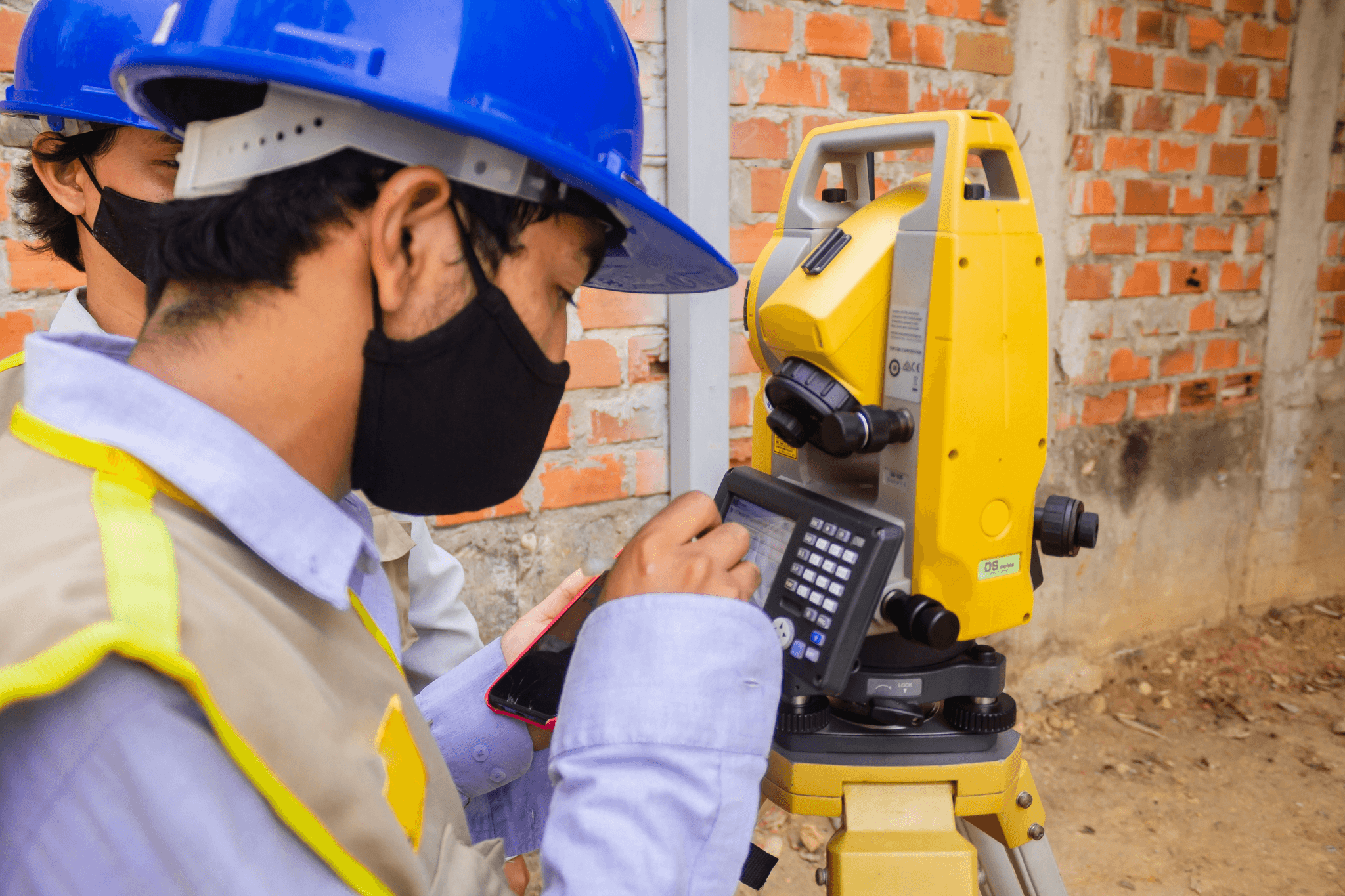
Mechanical inspections are a crucial aspect of Oil Rig QC Inspection, ensuring that all components function reliably under demanding conditions. These inspections focus on the integrity and performance of machinery, which is vital for safe and efficient oil extraction operations. By identifying potential mechanical failures before they occur, companies can prevent costly downtime and enhance overall operational safety.
Scope of Mechanical Inspections in Oil Rigs
The scope of mechanical inspections in oil rigs encompasses a wide range of equipment, from drilling rigs to pumps and valves. This thorough examination ensures that all mechanical systems are operating within specified tolerances, which is essential for maintaining productivity and safety standards in the oil industry. Regular mechanical inspections also help to comply with industry regulations and standards, reinforcing the importance of quality control throughout the operation.
Tools and Equipment Used
To conduct effective mechanical inspections, various tools and equipment are employed by inspectors specializing in Oil Rig QC Inspection. Commonly used tools include ultrasonic thickness gauges, pressure testing devices, and vibration analysis equipment to assess machinery performance accurately. These instruments enable inspectors to detect anomalies that could indicate wear or failure long before they become critical issues.
Case Studies of Mechanical Failures
Examining case studies of mechanical failures highlights the importance of rigorous mechanical inspections within oil rigs. For instance, a notable incident occurred when a malfunctioning valve led to a significant spill due to inadequate inspection protocols; this incident underscored how neglecting proper checks can have dire consequences for both safety and the environment. Another case involved a pump failure caused by improper maintenance practices; had regular mechanical inspections been conducted diligently, this issue could have been identified early on.
Packaging Inspections: Safeguarding Transport
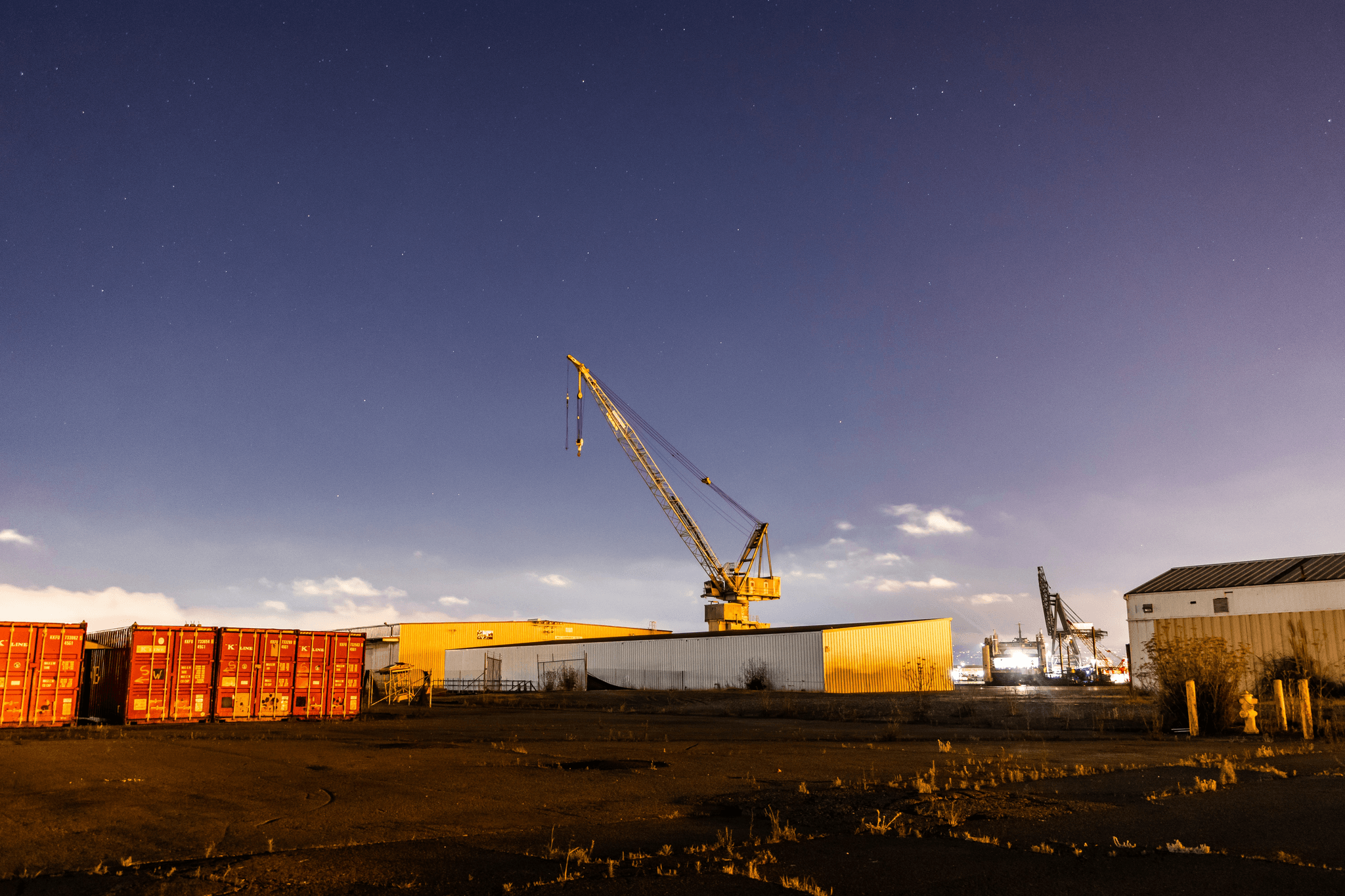
When it comes to transporting oil rig equipment, packaging inspections are not just a formality; they are a critical step in ensuring that everything arrives safely and intact. Poorly packaged equipment can lead to damage during transit, resulting in costly delays and potential safety hazards once on-site. Therefore, the significance of meticulous packaging inspections cannot be overstated in the realm of Oil Rig QC Inspection.
Importance of Packaging Inspections for Oil Equipment
Packaging inspections serve as the first line of defense against transport-related damage for oil equipment. Properly packaged items minimize the risk of wear and tear that can occur during transit, especially when dealing with heavy machinery and sensitive components often found in oil rigs. Additionally, these inspections help ensure compliance with industry standards, which is essential for maintaining credibility and trust within the supply chain.
Moreover, effective packaging not only protects the equipment but also facilitates easier handling and storage upon arrival at its destination. When oil rig components are well-packaged, it streamlines both visual inspections upon delivery and mechanical inspections before installation or use. In essence, robust packaging practices contribute significantly to overall operational efficiency in oil rig operations.
Checklist for Packaging Quality Control
To guarantee that packaging meets high standards for oil rig equipment, a comprehensive checklist should be employed during quality control assessments. This checklist typically includes verifying that all items are securely packed using appropriate materials designed to withstand transportation stresses while being mindful of weight constraints. Additionally, checking labels for clarity ensures that handling instructions are easily understood by all personnel involved.
Other key elements on this checklist involve examining seals and closures to prevent contamination or exposure to environmental factors during transport—especially crucial given the sensitive nature of many components involved in Oil Rig QC Inspection processes. Finally, a thorough review should confirm that all necessary documentation accompanies shipments to facilitate smooth customs clearance where applicable.
Real-world Impacts of Poor Packaging
The repercussions of inadequate packaging can be severe and far-reaching within the oil industry ecosystem. For instance, if machinery arrives damaged due to poor packaging practices, companies may face significant delays while waiting for replacements or repairs—resulting not only in financial losses but also disruptions in project timelines. Such setbacks can lead to strained relationships with clients who expect timely delivery and functionality from their service providers.
Furthermore, incidents stemming from poor packaging can also pose safety risks on-site; damaged equipment may malfunction or fail when put into operation after arriving at an oil rig location without proper inspection following transport. This underscores why rigorous attention must be paid throughout every stage of Oil Rig QC Inspection—including those often-overlooked aspects like packaging inspections—to safeguard both assets and personnel alike.
The Role of China Inspection Pro in QC
In the ever-demanding landscape of oil rig operations, ensuring quality control (QC) is paramount. This is where China Inspection Pro steps in, offering a suite of specialized services tailored to meet the unique needs of the oil and gas industry. From visual inspections to mechanical inspections and packaging inspections, their expertise ensures that every component meets stringent standards before it reaches the rig.
Services Offered by China Inspection Pro
China Inspection Pro provides a comprehensive range of services designed for effective Oil Rig QC Inspection. Their offerings include detailed visual inspections that identify surface defects and potential safety hazards, mechanical inspections that assess equipment functionality, and thorough packaging inspections to ensure safe transport of critical components. By utilizing advanced technology and skilled inspectors, they guarantee that every aspect of an oil rig's operation adheres to international quality standards.
Moreover, their services extend beyond mere inspection; they also provide consultation on best practices for maintaining quality throughout the supply chain. This proactive approach not only mitigates risks but also enhances overall operational efficiency on oil rigs. By partnering with China Inspection Pro, companies can rest assured knowing their assets are in capable hands.
Success Stories and Client Experiences
Numerous clients have shared success stories highlighting the impact of China Inspection Pro’s services on their operations. For instance, one major oil company faced recurring issues with mechanical failures due to overlooked defects during initial assessments; after engaging China Inspection Pro for rigorous mechanical inspections, they reported a significant reduction in downtime and repair costs. Such experiences underscore how effective Oil Rig QC Inspection can transform operational outcomes.
Additionally, many clients praise the thoroughness of visual inspections conducted by China Inspection Pro as instrumental in catching potential problems before they escalate into costly disasters. One client noted that their investment in comprehensive packaging inspections led to zero damage incidents during transport over a year—a remarkable feat considering the challenging logistics involved in moving heavy machinery across vast distances. These testimonials reflect not only satisfaction but also tangible improvements resulting from collaboration with this inspection powerhouse.
How to Collaborate for Optimal Results
To achieve optimal results through collaboration with China Inspection Pro, it's essential for companies to communicate their specific needs clearly from the outset. Establishing a detailed understanding of what constitutes effective Oil Rig QC Inspection will streamline processes and ensure all parties are aligned on expectations—whether it involves visual inspections or intricate mechanical evaluations.
Regular feedback loops between your team and inspectors can facilitate continuous improvement throughout engagements—allowing adjustments based on real-time findings during each inspection phase. Moreover, leveraging technology such as digital reporting tools provided by China Inspection Pro can enhance transparency and foster better decision-making based on accurate data.
In conclusion, collaborating effectively with experts like China Inspection Pro not only enhances your quality control processes but also contributes significantly to safer and more efficient operations within your oil rig projects.
Conclusion
In wrapping up our exploration of Oil Rig QC Inspection, it's clear that each type of inspection plays a crucial role in maintaining the integrity and safety of oil rigs. From Visual Inspections that catch surface-level issues to Mechanical Inspections ensuring the functionality of equipment, and Packaging Inspections safeguarding transport, every step is vital. Collectively, these inspections form a comprehensive approach to quality control that can’t be overlooked.
Summary of Key Inspection Types
Oil Rig QC Inspection encompasses several key types: Visual Inspections, Mechanical Inspections, and Packaging Inspections. Visual Inspections serve as the initial checkpoint for identifying visible flaws or irregularities in equipment and structures. Meanwhile, Mechanical Inspections delve deeper into the operational aspects, ensuring all machinery is functioning correctly; lastly, Packaging Inspections ensure that all equipment is adequately protected during transport to prevent damage before reaching its destination.
Impact of Quality Control on Oil Rig Operations
The impact of Quality Control on oil rig operations cannot be overstated; it directly influences safety, efficiency, and cost-effectiveness. Regular Oil Rig QC Inspection minimizes downtime caused by mechanical failures while enhancing overall productivity through consistent performance checks. Furthermore, effective inspections help mitigate risks associated with poor-quality equipment or packaging failures—ultimately safeguarding both personnel and investments.
Future of QC Inspection in the Oil Industry
Looking ahead, the future of QC Inspection in the oil industry is poised for innovation with advancements in technology such as drones for Visual Inspections and AI-driven analytics for Mechanical Inspections. These innovations promise to streamline processes while increasing accuracy and reliability across all inspection types. As we embrace these technologies alongside traditional methods like Packaging Inspections, we can expect a safer and more efficient operational landscape in oil rig management.