
Introduction
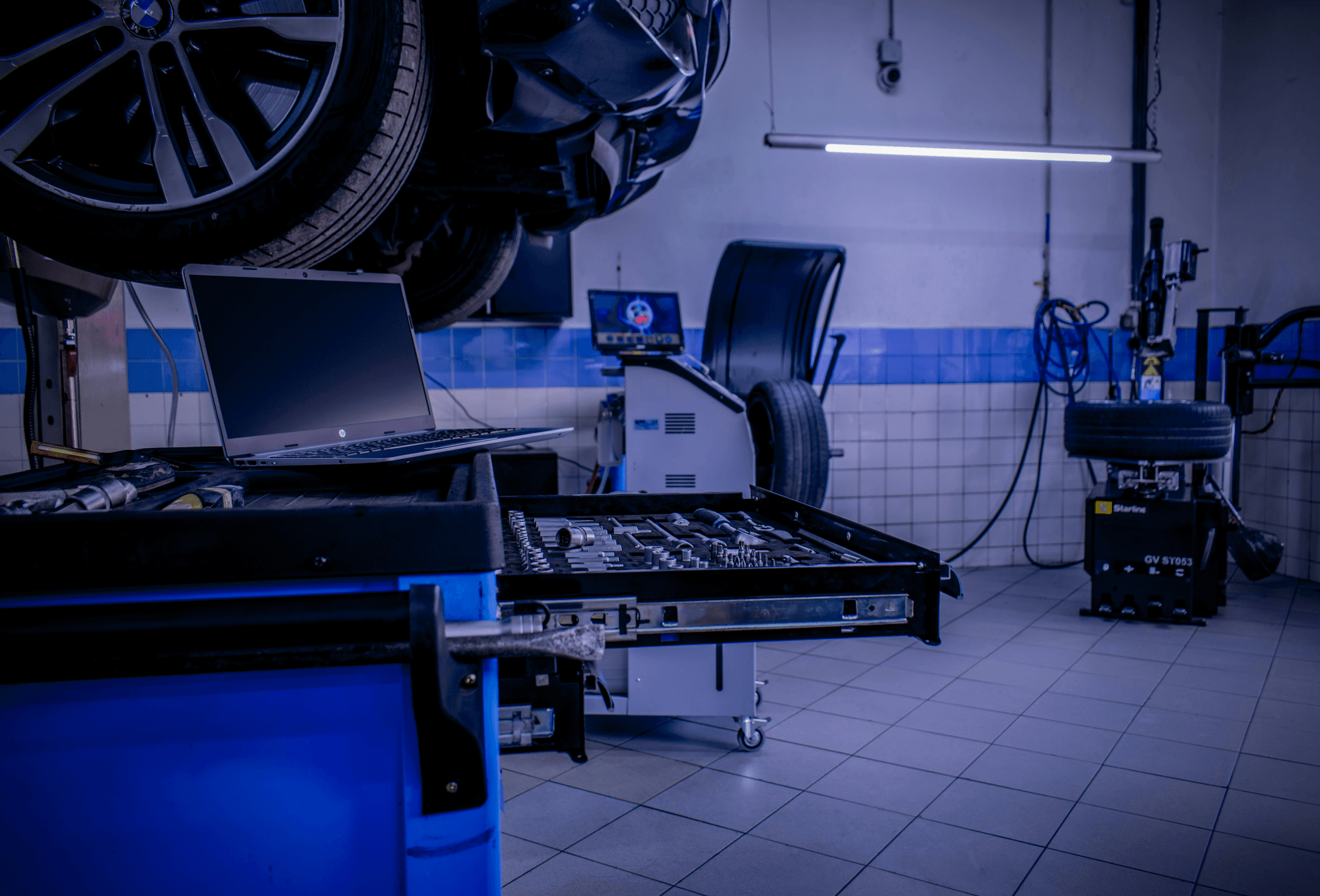
In the fast-paced world of automotive manufacturing, parts inspection is not just a quality assurance step—it's a crucial practice that can make or break a vehicle's performance and safety. The importance of automotive parts inspection cannot be overstated; it ensures that every component meets stringent standards and functions as intended. With the right inspection processes in place, manufacturers can significantly reduce the risk of defects, enhance customer satisfaction, and maintain their reputation in a competitive market.
Importance of Auto Part Inspection
Auto part inspection plays a vital role in safeguarding not only the integrity of vehicles but also the well-being of those who drive them. By meticulously examining each component, manufacturers can identify potential issues before they escalate into costly recalls or accidents. This proactive approach to quality control helps foster trust between consumers and manufacturers while promoting overall industry reliability.
What to Expect in This Guide
In this guide, you will uncover everything you need to know about effective parts inspection methods tailored specifically for the automotive industry. From understanding essential quality control techniques to exploring advanced technologies that streamline inspections, we've got you covered! Expect practical tips and insightful information that will empower you to elevate your parts inspection game.
Why Quality Control Matters
Quality control is more than just checking off boxes; it's about creating a culture where excellence thrives at every level of production. In automotive parts inspection, meticulous attention to detail can lead to improved product longevity and customer loyalty—two critical elements for success in today’s market. Ultimately, prioritizing quality control translates into safer vehicles on the road and peace of mind for drivers everywhere.
Understanding Automotive Parts Inspection

When diving into the world of automotive parts inspection, it's essential to grasp the intricacies involved in ensuring that every component meets industry standards. The process not only guarantees safety but also enhances vehicle performance and longevity. By understanding the parts inspection process, you can make informed decisions about quality control in your automotive endeavors.
Overview of Parts Inspection Process
The parts inspection process typically begins with a thorough examination of incoming components, checking for compliance with specified standards and tolerances. This involves visual inspections, functional tests, and measurements to verify that each part performs as intended. By systematically evaluating these elements, manufacturers can identify defects early and prevent costly issues down the road.
Once the initial inspections are completed, documentation plays a crucial role in maintaining records for future reference and accountability. This data helps track performance trends over time and serves as evidence during audits or regulatory checks. Ultimately, a well-structured parts inspection process lays the foundation for ongoing quality assurance throughout production cycles.
Key Terms in Quality Control
Understanding key terms associated with automotive parts inspection is vital for effective communication within the industry. For instance, defect refers to any non-conformance to specifications that could impact functionality or safety—essentially anything that might cause your car to misbehave on the road! Another important term is tolerance, which describes acceptable limits within which a part must operate; think of it as giving your components just enough wiggle room without compromising performance.
Additionally, first article inspection (FAI) is a critical step where an initial sample from a production run is evaluated against design specifications before mass production begins. Familiarizing yourself with these terms will enhance your understanding of quality control processes and improve collaboration among team members involved in parts inspection.
Benefits of Regular Inspections
Regular automotive parts inspections yield numerous benefits that go far beyond mere compliance checks—they're like routine check-ups for your vehicle's health! Firstly, consistent inspections help identify potential problems before they escalate into serious issues or failures on the road; nobody wants their car breaking down unexpectedly! Secondly, investing time in regular inspections promotes overall safety by ensuring all components function correctly and adhere to industry regulations.
Moreover, implementing a robust schedule for parts inspection can lead to improved efficiency in manufacturing processes by minimizing waste associated with defective products. It also fosters customer trust; when clients know you're committed to quality control through diligent inspections, they're more likely to return for future business or recommend you to others. In essence, regular inspections are not just good practice—they're essential for maintaining high standards in automotive manufacturing.
Essential Quality Control Methods

When it comes to automotive parts inspection, employing the right quality control methods is crucial for ensuring that every component meets safety and performance standards. A combination of visual inspection techniques, functional testing procedures, and precise measurement tools can significantly enhance the reliability of your inspections. Let's dive into each method to understand how they contribute to effective parts inspection.
Visual Inspection Techniques
Visual inspection techniques are the first line of defense in automotive parts inspection, allowing inspectors to quickly identify any obvious defects or irregularities. This method involves examining components with the naked eye or using magnifying tools to spot cracks, corrosion, or surface imperfections that could compromise functionality. While it may seem straightforward, a keen eye and systematic approach are essential; after all, you wouldn't want a tiny flaw in a critical part ruining your entire vehicle's performance!
In practice, inspectors often use checklists during visual inspections to ensure no detail is overlooked. This includes assessing welds for quality, checking for proper alignment of components, and verifying that any finishes meet aesthetic standards as well as functional requirements. Remember: even minor cosmetic issues can signal deeper problems that could affect long-term durability.
Functional Testing Procedures
Once visual inspections are complete, it's time to put those parts through their paces with functional testing procedures—a vital step in automotive parts inspection that evaluates how well each component performs under real-world conditions. This might involve running engines at various speeds or applying loads to suspension systems to ensure they can handle expected stressors without failure.
Functional testing not only helps confirm that parts meet specifications but also identifies potential weaknesses before they become problematic on the road. By simulating actual operating conditions, you can catch issues early on and avoid costly repairs down the line—after all, nobody wants their car breaking down because a part wasn’t up to snuff!
Measurement Tools and Equipment
Precision is key in automotive parts inspection; that's where measurement tools and equipment come into play! From calipers and micrometers for measuring dimensions accurately to gauges for checking tolerances, these instruments help ensure every aspect of a part aligns with strict industry standards.
Using advanced measuring equipment like coordinate measuring machines (CMM) allows inspectors to obtain detailed readings with high accuracy—making them invaluable in quality control processes. The right measurement tools not only improve confidence in your inspections but also enhance overall productivity by minimizing human error during assessments.
Comprehensive Checklist for Inspection

When it comes to automotive parts inspection, having a comprehensive checklist can be your best friend. This section will guide you through the essential components to inspect, highlight common defects and issues that may arise, and emphasize the importance of proper documentation and reporting. By following this checklist, you can ensure that your inspection process is thorough and effective.
Key Components to Inspect
In automotive parts inspection, there are several key components that demand your attention. Start with the engine components—these include the pistons, valves, and crankshafts—which are critical for performance and safety. Next on the list are suspension systems; inspecting shock absorbers and struts can prevent handling issues down the road.
Don’t overlook brake systems; check pads, rotors, and calipers for wear or damage to ensure optimal stopping power. Electrical systems also require careful scrutiny; look at wiring harnesses, connectors, and battery terminals for signs of corrosion or fraying. Finally, keep an eye on exhaust systems; leaks or rust can lead to serious emissions problems.
Common Defects and Issues
While performing parts inspection in the automotive realm, it's crucial to know what defects you might encounter along the way. One common issue is wear and tear on brake pads; if they’re too thin or unevenly worn, they need replacing immediately. Similarly, engine components like belts can crack or fray over time—this could lead to catastrophic failure if not caught early.
Suspension issues often manifest as unusual noises or poor handling characteristics; inspect bushings for cracks or excessive play in joints. Electrical problems may arise from corroded connections which can cause intermittent failures—always check those wiring harnesses! Lastly, don’t forget about fluid leaks; oil spots under a vehicle could indicate serious internal problems that require immediate attention.
Documentation and Reporting
Effective documentation is a cornerstone of any successful automotive parts inspection process. Keeping detailed records helps track inspections over time—this way you know when each part was last checked and what issues were found during previous inspections. Use standardized forms to ensure consistency in reporting findings across different vehicles or parts.
When documenting defects found during inspections, be specific about their nature and location—photos can also be invaluable here! Additionally, consider creating a summary report highlighting major concerns along with recommendations for repairs or replacements needed based on your findings during parts inspection sessions. This structured approach not only aids in compliance but also fosters continuous improvement within your quality control processes.
Role of Technology in Inspections
In today's fast-paced automotive industry, technology plays a pivotal role in enhancing the efficiency and accuracy of parts inspection. The integration of advanced tools and software not only streamlines the inspection process but also elevates the standards of quality control. As automotive parts inspection evolves, embracing these technological advancements is essential for ensuring safety and reliability.
Automated Testing Solutions
Automated testing solutions are revolutionizing the landscape of automotive parts inspection by minimizing human error and maximizing precision. These systems utilize robotics and artificial intelligence to conduct thorough inspections at unprecedented speeds. With automated testing, inspectors can focus on more complex issues while machines handle repetitive tasks, resulting in a more efficient quality control process.
One significant advantage of automated solutions is their ability to provide consistent results across multiple inspections. This consistency is crucial for maintaining high standards in automotive parts inspection, as variations can lead to costly defects or safety issues down the line. Furthermore, these technologies often come equipped with real-time data analytics, allowing teams to identify trends and make informed decisions swiftly.
Software for Quality Control Management
Quality control management software has become an indispensable tool for organizations engaged in automotive parts inspection. These platforms enable seamless tracking of inspections, documentation management, and compliance reporting—all from one centralized location. With features like customizable checklists and automated alerts for upcoming inspections, this software simplifies the entire quality assurance process.
Moreover, such software enhances collaboration among team members by providing access to shared data and insights on inspection results. This transparency fosters a culture of accountability where everyone involved understands their role in maintaining quality standards during parts inspection. Additionally, many programs offer integration with existing manufacturing systems, creating a holistic approach to quality management that aligns with overall business objectives.
Future Trends in Automotive Inspection
The future of automotive parts inspection is poised for exciting developments driven by emerging technologies such as machine learning and IoT (Internet of Things). As these innovations become more prevalent, we can expect even greater levels of automation and predictive analysis within the inspection process. For instance, IoT-enabled devices will allow real-time monitoring of components throughout their lifecycle—providing valuable data that helps prevent defects before they occur.
Another trend on the horizon is the increasing reliance on virtual reality (VR) training programs for inspectors. By simulating various scenarios related to parts inspection, VR training can enhance skills without risking actual components or production delays. As technology continues to advance at breakneck speed, staying ahead means adapting quickly—ensuring that your approach to automotive parts inspection remains cutting-edge.
Choosing the Right Inspection Service
When it comes to automotive parts inspection, selecting the right inspection service can make all the difference between a smooth operation and potential disaster. With numerous providers claiming to offer top-notch services, it's crucial to evaluate them based on their expertise, reputation, and methodologies. A well-chosen inspection service not only ensures quality but also enhances your peace of mind.
Evaluating Quality Inspection Providers
To effectively evaluate quality inspection providers, you should start by checking their credentials and experience in automotive parts inspection. Look for certifications that validate their expertise in quality control processes, as well as testimonials from previous clients that speak to their reliability and thoroughness. Additionally, consider the range of services they offer; a provider that specializes in various aspects of parts inspection may be better equipped to meet your specific needs.
Another essential factor is the technology they use for inspections. Advanced tools and techniques can significantly improve accuracy and efficiency in detecting defects or issues in automotive parts. Finally, don’t overlook customer support; a responsive team can help you navigate any challenges during the inspection process.
Role of China Inspection Pro
China Inspection Pro plays a pivotal role in enhancing automotive parts inspection standards through its comprehensive suite of services tailored for manufacturers and suppliers alike. With an emphasis on rigorous quality control protocols, they help ensure that every inspected part meets international standards before reaching the market. Their experienced inspectors utilize state-of-the-art technologies to conduct thorough assessments, making them a trusted partner for businesses aiming for excellence.
Moreover, China Inspection Pro offers flexibility by providing both pre-shipment inspections and random checks during production phases—ensuring consistent quality throughout the manufacturing process. This adaptability allows companies to maintain high levels of compliance while minimizing risks associated with defective parts entering circulation.
Questions to Ask Before Hiring
Before committing to an inspection service for your automotive parts inspection needs, it’s wise to ask some key questions that will reveal their capabilities and compatibility with your business goals. Start by inquiring about their experience specifically related to automotive components; understanding their track record will give you insight into how they handle similar projects.
Next, discuss their methodologies—what techniques do they employ during inspections? Knowing whether they use visual assessments or advanced testing equipment can help you gauge how thoroughly they will examine your products. Lastly, clarify what kind of reporting you can expect after inspections are completed; detailed documentation is crucial for tracking quality over time.
Conclusion
In the fast-paced world of automotive manufacturing, effective parts inspection is not just a luxury; it’s a necessity. By implementing robust strategies for automotive parts inspection, companies can enhance product reliability and customer satisfaction. Remember, a well-executed inspection process can save time and money while ensuring that only the best components make it to the assembly line.
Effective Strategies for Parts Inspection
To optimize your parts inspection process, start by establishing clear criteria for what constitutes an acceptable part. Regular training sessions for inspectors will ensure they are up-to-date with the latest techniques and technologies used in automotive parts inspection. Additionally, integrating advanced measurement tools into your workflow can significantly improve accuracy and efficiency during inspections.
Ensuring Compliance and Safety
Safety should always be at the forefront of any automotive parts inspection strategy. By adhering to established industry standards and regulations, companies can mitigate risks associated with defective components reaching consumers. Regular audits of the inspection process not only ensure compliance but also reinforce a culture of safety within the organization.
Continuous Improvement in Quality Control
The journey toward excellence in quality control is ongoing; there’s always room for improvement in parts inspection processes. Implementing feedback loops where inspectors share insights about recurring defects can foster innovation in quality assurance practices. Embracing new technologies and methodologies will keep your automotive parts inspection processes ahead of the curve, ensuring that you remain competitive in an ever-evolving market.