
Introduction
In the intricate world of manufacturing and production, understanding the **acceptance quality limit** (AQL) is crucial for maintaining high standards. AQL serves as a benchmark that defines quality expectations, ensuring products meet specific criteria before they reach consumers. As we delve into the significance of quality control, it becomes evident that effective quality checks are vital in upholding these standards.
Understanding Acceptance Quality Limit
The **acceptance quality limit** is a statistical measure used to determine the maximum number of defective items allowed in a sample batch during quality inspection. By setting this threshold, businesses can objectively assess whether a production lot meets their defined quality standards or requires further scrutiny. Essentially, AQL acts as a safety net, allowing manufacturers to balance product acceptance with the risk of defects.
Importance of Quality Control
Quality control is not just a buzzword; it's an essential practice that safeguards both brand reputation and customer satisfaction. Implementing robust quality checks ensures that products align with established quality standards and adhere to regulatory requirements. When companies prioritize effective quality control measures, they reduce waste, enhance efficiency, and ultimately foster trust among consumers.
A Glimpse into AQL Sampling
AQL sampling provides a systematic approach to evaluating product batches without needing to inspect every single item—saving time and resources while still ensuring reliability in results. By utilizing various sampling methods tailored to specific needs, businesses can effectively gauge overall product integrity within their defined limits for acceptance quality limit. This strategic approach not only streamlines the inspection process but also reinforces commitment to maintaining high-quality standards.
What is Acceptance Quality Limit?

Acceptance Quality Limit (AQL) is a foundational concept in quality control that helps organizations determine the maximum number of defective items allowed in a batch. It serves as a benchmark for quality inspection, ensuring that products meet predefined quality standards before reaching consumers. Understanding AQL is crucial for manufacturers, as it directly impacts customer satisfaction and operational efficiency.
Defining Acceptance Quality Limit
To define quality effectively, one must first grasp what the acceptance quality limit entails. Essentially, AQL represents the worst tolerable process average when a specific sample size is inspected; it indicates the maximum percentage of defective items allowed in a shipment. By establishing this threshold, companies can perform systematic quality checks and determine whether to accept or reject batches based on their inspection results.
The Role of Quality Standards
Quality standards play an integral role in shaping the framework within which acceptance quality limits operate. These standards set forth criteria that products must meet to be deemed acceptable, guiding organizations in defining quality across various industries. When implemented correctly, these standards ensure consistency and reliability during quality inspections, fostering trust among consumers and partners alike.
Key Components of AQL
The key components of AQL include sample size, acceptance number, and rejection number—each critical to effective AQL sampling methods. Sample size refers to how many units are inspected from a larger batch; this influences the accuracy of quality checks significantly. The acceptance number indicates how many defects are permissible within that sample size before rejecting the entire lot; conversely, the rejection number denotes when an entire batch fails to meet established criteria.
The History of Quality Control

Quality control has a rich history that reflects society's evolving understanding of what it means to define quality. From the early days of craftsmanship to today's high-tech manufacturing processes, the concept of quality inspection has undergone significant transformations. This evolution highlights the increasing importance of setting quality standards and implementing effective AQL sampling methods to ensure products meet those standards.
Evolution of Quality Inspection
The journey of quality inspection began with artisans who took pride in their craft, ensuring each item met their personal standards before it reached customers. As industries grew, particularly during the Industrial Revolution, the need for systematic approaches to quality control emerged. This led to the establishment of formalized processes and acceptance quality limits (AQL), allowing manufacturers to maintain consistency while managing production efficiency.
With advancements in technology and methodologies, today's quality check processes are more sophisticated than ever. Various AQL sampling plans have been developed to cater to different industries and product types, ensuring that manufacturers can effectively assess product quality without excessive costs or delays. This evolution signifies a shift from subjective assessments to objective measurements in defining quality, ultimately enhancing customer satisfaction.
Influential Figures in Quality Assurance
Throughout history, several influential figures have shaped our understanding of quality assurance and its practices. Pioneers like W. Edwards Deming and Joseph Juran emphasized statistical methods for improving production processes and instilling a culture of continuous improvement within organizations. Their contributions laid the groundwork for modern concepts such as Total Quality Management (TQM) and Six Sigma, which prioritize adherence to established quality standards.
Another notable figure is Philip Crosby, who introduced the idea that quality is free—suggesting that investing in prevention leads to lower costs over time due to fewer defects and rework needed during inspections. These thought leaders have not only influenced how we approach quality control but also how we define what constitutes acceptable levels within an acceptance quality limit framework.
Their teachings continue to resonate today as companies strive for excellence through rigorous training programs focused on instilling a deep-rooted commitment to maintaining high-quality standards across all operations.
Milestones in Defining Quality
The definition of quality has evolved significantly over time, marked by key milestones that reflect changes in societal expectations and technological advancements. One major milestone was the introduction of ISO 9001 standards in 1987, which provided a universal framework for organizations aiming for consistent product excellence through standardized processes and effective documentation practices.
Another important development came with the rise of lean manufacturing principles in the late 20th century; these principles emphasized waste reduction while enhancing value delivery through rigorous AQL sampling techniques during production runs. Such milestones not only transformed how businesses approach their operations but also reinforced the necessity for clear definitions regarding what constitutes acceptable levels within an acceptance quality limit system.
As we look toward future trends in this field, it's clear that ongoing advancements will continue shaping our understanding—and expectations—of both quality control practices and associated standards worldwide.
AQL Sampling Methods Explained
Understanding AQL sampling methods is crucial for effective quality control in manufacturing. These methods help businesses establish a systematic approach to quality inspection, ensuring that products meet defined quality standards before they reach consumers. By implementing the right AQL sampling plan, companies can maintain consistency and reliability in their quality checks.
Types of AQL Sampling Plans
A variety of AQL sampling plans exist, each tailored to different production environments and product types. The most common types include single sampling plans, double sampling plans, and multiple sampling plans. Each plan defines specific criteria for acceptance or rejection based on the acceptance quality limit (AQL), allowing manufacturers to control the level of defects while minimizing costs associated with over-inspection.
Single sampling plans are straightforward; they involve inspecting a single sample from a batch and making an acceptance decision based on that sample alone. Double sampling plans provide an additional chance to inspect a second sample if the first does not meet the predefined quality standards. Meanwhile, multiple sampling plans allow for several rounds of inspections, offering flexibility in assessing product quality while taking into account variations in production processes.
Advantages of Different Sampling Methods
Different AQL sampling methods come with their own set of advantages tailored to specific needs within quality control frameworks. For instance, single sampling is quick and cost-effective for high-volume productions where speed is essential but may miss defects if not carefully executed. On the other hand, double or multiple sampling methods enhance detection rates by allowing further checks without significant increases in inspection costs.
By choosing an appropriate AQL sampling method, businesses can effectively balance between thoroughness and efficiency in their quality checks. This strategic selection helps define quality more accurately while adhering to industry standards without compromising on productivity or profitability. Ultimately, employing these varied approaches enables organizations to adapt their inspection processes based on real-time data and insights from previous inspections.
Real-World Applications in Quality Check
In practice, companies across various industries utilize AQL sampling methods as part of their overall quality assurance strategies. For example, electronics manufacturers often implement strict AQL standards due to the critical nature of components where even minor defects could lead to significant failures down the line. Similarly, food production facilities rely heavily on robust quality checks through precise AQL methodologies to ensure consumer safety and compliance with health regulations.
Real-world applications also extend into textiles where brands incorporate different AQL levels depending on fabric type and intended use—higher-quality garments may require stricter limits compared to basic apparel lines. Additionally, automotive manufacturers apply rigorous testing protocols using advanced statistical techniques combined with traditional AQL approaches to guarantee safety features are functioning as intended before vehicles hit the road.
Overall, these practical examples illustrate how adopting suitable AQL sampling techniques enables organizations not only to meet but exceed defined quality standards while fostering trust among consumers regarding product reliability.
Setting Quality Standards in Manufacturing
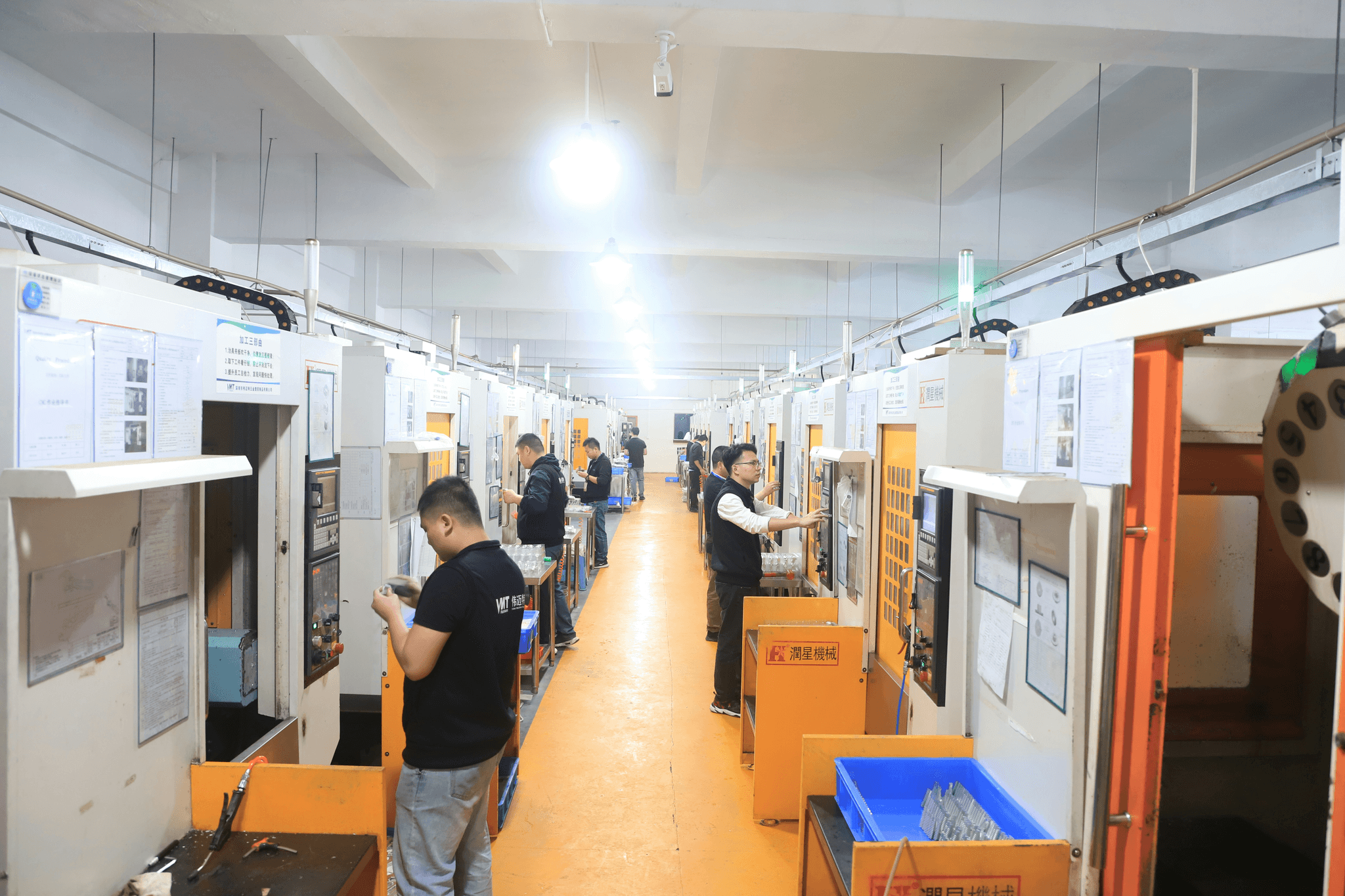
Establishing quality standards in manufacturing is crucial for ensuring that products meet customer expectations and regulatory requirements. Quality control processes hinge on these standards, as they provide a clear framework for evaluating product performance and consistency. By defining quality effectively, manufacturers can implement more reliable quality inspection techniques, ultimately leading to improved customer satisfaction.
How to Define Quality for Your Products
To define quality for your products, start by understanding the specific needs and expectations of your target market. This involves conducting thorough research into customer preferences, industry benchmarks, and regulatory requirements that dictate acceptable levels of performance. Once you have a clear understanding of what constitutes quality within your context, you can establish measurable criteria that align with acceptance quality limits (AQL) to ensure consistent product delivery.
Defining quality also requires collaboration across departments—marketing must communicate customer desires while production teams need to understand technical specifications. Additionally, engaging with stakeholders during this process can provide valuable insights that help refine your definition of quality further. Ultimately, this comprehensive approach ensures that everyone involved understands the importance of adhering to established quality standards.
Steps to Establish Quality Standards
Establishing robust quality standards involves several key steps that ensure alignment throughout the organization. First, identify the critical attributes of your products based on customer needs and industry norms; these attributes will serve as the foundation for your standards. Next, develop measurable criteria around these attributes using AQL sampling methods to determine acceptable levels of defects or variations.
Once you've defined these criteria, it's essential to document them clearly and communicate them across all relevant teams—this fosters accountability in maintaining quality control practices throughout production processes. Regularly reviewing and updating these standards is also vital; markets evolve quickly, and so should your approach to defining what constitutes acceptable levels of quality in manufacturing.
Lastly, training employees on new standards is imperative; they must understand how their roles contribute to maintaining overall product integrity through effective quality checks and inspections.
The Impact of Standards on Quality Control
The impact of well-defined standards on overall quality control cannot be overstated—they serve as a benchmark against which all products are measured during inspections. When organizations adhere strictly to established guidelines regarding acceptance quality limits (AQL), they significantly reduce variability in product output while enhancing reliability in production processes. This consistency not only boosts consumer trust but also minimizes costly errors associated with non-compliance or subpar products.
Moreover, having clear-quality standards streamlines the entire manufacturing process by providing a structured approach for conducting regular audits and evaluations through systematic sampling methods like AQL sampling plans. This proactive stance enables manufacturers to identify potential issues early on before they escalate into larger problems affecting both efficiency and reputation.
In summary, setting robust quality standards fosters an environment where continuous improvement thrives—leading companies towards operational excellence while cultivating strong relationships with customers who value high-quality products.
Common Misconceptions About AQL

When it comes to acceptance quality limit (AQL), misunderstandings can run rampant. Many people think AQL is a rigid rule rather than a flexible guideline for quality control. This section aims to debunk some prevalent myths, clarify the true purpose of AQL, and emphasize the importance of accurate quality checks.
Debunking Myths Surrounding AQL
One common myth about acceptance quality limit is that it guarantees zero defects in production. In reality, AQL is not about achieving perfection; rather, it establishes acceptable levels of defects within a batch while maintaining efficiency in quality inspection processes. Another misconception is that using AQL sampling means you can skip thorough quality checks altogether; however, this approach only works effectively when combined with consistent monitoring and adherence to defined quality standards.
Additionally, some believe that adopting an AQL sampling plan is only necessary for large-scale manufacturers. In truth, even small businesses can benefit from implementing these standards to ensure product reliability and customer satisfaction. By addressing these misconceptions head-on, companies can better understand how to utilize acceptance quality limits effectively without falling prey to unrealistic expectations.
Clarifying the Purpose of Acceptance Quality Limit
The primary purpose of acceptance quality limit is not just about measuring defects but also about managing risks associated with product variability. It helps organizations define quality parameters that align with their customer expectations while keeping production costs in check. Essentially, AQL serves as a bridge between maintaining high-quality standards and ensuring operational efficiency.
Moreover, acceptance quality limits provide manufacturers with a clear framework for decision-making during the inspection process. When products fall within acceptable thresholds, companies can confidently proceed with distribution without compromising on their commitment to delivering reliable goods. This clarity fosters trust between businesses and consumers by ensuring that products consistently meet defined criteria for excellence.
The Importance of Accurate Quality Checks
Accurate quality checks are crucial in any manufacturing process because they directly impact product performance and customer satisfaction levels. Skimping on these inspections can lead to costly recalls or damage to brand reputation—an outcome no business wants to face! Implementing robust practices around acceptance quality limits allows companies to maintain oversight over their production processes while fostering continuous improvement through data-driven decisions.
Furthermore, accurate assessments during the AQL sampling phase help identify trends in defects or inconsistencies early on before they escalate into larger issues down the line. This proactive approach not only saves time but also resources by allowing teams to address potential problems efficiently as they arise instead of waiting until after products reach consumers’ hands. Ultimately, prioritizing precise quality checks ensures that organizations uphold their commitment toward excellence throughout every stage of production.
The Role of China Inspection Pro in AQL

When it comes to implementing an effective acceptance quality limit (AQL) in your production processes, partnering with a professional inspection service like China Inspection Pro can significantly enhance your quality control efforts. These services are designed to provide thorough quality inspections that ensure your products meet established quality standards before they reach the market. By utilizing expert knowledge and advanced methodologies, they help businesses define quality in a way that aligns with both customer expectations and regulatory requirements.
Professional Quality Inspection Services
China Inspection Pro offers a range of professional quality inspection services tailored to various industries, ensuring that every aspect of the product meets the required standards. Their team utilizes AQL sampling methods to systematically evaluate products during different stages of production, ensuring that any defects are caught early on. This proactive approach not only streamlines the quality check process but also saves time and resources by minimizing potential rework or returns.
Ensuring Compliance with Quality Standards
One of the primary roles of China Inspection Pro is to ensure compliance with established quality standards throughout the manufacturing process. By conducting rigorous quality inspections, they help businesses adhere to both international and local regulations while maintaining their reputation for high-quality products. With their expertise in defining quality parameters and implementing effective AQL sampling plans, you can rest assured that your products will meet customer expectations without compromising safety or performance.
Benefits of Partnering with Quality Specialists
Partnering with specialists like China Inspection Pro brings numerous benefits to your organization’s approach to quality control and assurance. First off, their deep understanding of acceptance quality limits allows them to tailor inspection protocols specifically for your product line, enhancing overall efficiency in meeting those standards. Additionally, leveraging their extensive experience means you gain insights into best practices for continuous improvement in your own processes—leading not just to better products but also stronger customer trust.
Improving Your Quality Control Process

Quality control is more than just a checkbox on a to-do list; it’s an ongoing commitment to excellence. To truly define quality in your products, you need to implement effective quality assurance practices that resonate throughout your organization. Here are some tips that can help elevate your quality inspection game and ensure that your acceptance quality limit is consistently met.
Tips for Effective Quality Assurance
First and foremost, establishing clear quality standards is essential for any successful quality control process. It’s crucial to communicate these standards across all levels of production, ensuring everyone understands what quality means in the context of their work. Regular training sessions can reinforce these concepts and keep everyone aligned with the company’s goals regarding quality checks.
Another tip is to adopt a proactive approach toward AQL sampling methods. Instead of waiting for defects to arise, focus on preventing them through rigorous inspections at each stage of production. This not only helps maintain your acceptance quality limit but also fosters a culture where every team member feels responsible for upholding the highest standards.
Lastly, consider integrating technology into your quality assurance processes. Utilizing software tools designed for tracking and analyzing data related to production and inspection can streamline operations and provide real-time insights into areas needing improvement. This tech-savvy approach can help you refine how you define quality while continuously enhancing the effectiveness of your overall strategy.
Continuous Improvement in Quality Checks
Continuous improvement should be at the heart of any robust quality control strategy. The concept revolves around regularly evaluating processes, identifying inefficiencies, and implementing changes that enhance product integrity without compromising on speed or cost-effectiveness. By fostering an environment where feedback is welcomed and acted upon, organizations can ensure they remain agile in their quest for excellence.
Incorporating regular audits into your routine can also boost the effectiveness of your quality checks significantly. These audits serve as checkpoints that allow teams to assess whether they are meeting established quality standards or if adjustments are necessary to stay within acceptable limits. Moreover, sharing audit results with all stakeholders promotes transparency and collective responsibility towards achieving those elusive acceptance quality limits.
Finally, remember that continuous improvement thrives on collaboration across departments—production should work hand-in-hand with sales, customer service, and management teams to create a cohesive understanding of what defines top-notch products in today’s competitive landscape. By breaking down silos within an organization, you’ll cultivate a unified front committed to maintaining high-quality output at all times.
Leveraging Data to Enhance Quality
Data-driven decision-making has become indispensable in modern manufacturing environments focused on maintaining high-quality standards through effective AQL sampling techniques. By collecting data from various stages of production—such as defect rates or inspection results—you gain valuable insights into trends that may require immediate attention or long-term strategic shifts in how you manage quality control processes.
Utilizing advanced analytics tools allows businesses not only to track compliance with established acceptance quality limits but also predict potential issues before they escalate into costly problems down the line. Predictive analytics can identify patterns indicating when certain defects might occur based on historical data trends—empowering teams with foresight rather than hindsight when it comes time for inspections or corrections.
Moreover, leveraging customer feedback alongside internal data creates a holistic view of product performance both pre- and post-delivery—a critical aspect when defining what constitutes quality from multiple perspectives (internal vs external). Ultimately, making informed decisions based on comprehensive datasets will enhance not only individual products but also overall organizational efficacy regarding adherence to stringent industry-wide acceptance quality limits.
Conclusion

In summary, understanding the acceptance quality limit (AQL) is crucial for maintaining effective quality control in any manufacturing process. AQL not only helps define quality but also establishes a framework for quality inspection and quality checks that ensure products meet specific standards. As businesses strive to enhance their product offerings, embracing AQL sampling becomes essential to uphold quality standards and customer satisfaction.
Key Takeaways on Acceptance Quality Limit
The acceptance quality limit serves as a vital benchmark in the realm of quality control, providing a clear definition of what constitutes acceptable product quality. By implementing AQL sampling methods, organizations can systematically evaluate their production processes and identify areas needing improvement. Ultimately, understanding and applying the principles of acceptance quality limit can lead to enhanced product reliability and consumer trust.
Future Trends in Quality Control
As industries evolve, so too do the methodologies surrounding quality control and the acceptance quality limit. The integration of advanced technologies like artificial intelligence and machine learning is set to transform how we define quality and conduct inspections. These innovations will not only streamline processes but also enable more precise data analysis, ensuring that companies consistently meet or exceed established quality standards.
Enhancing Your Approach to Quality Standards
To truly enhance your approach to defining quality within your organization, it’s essential to incorporate continuous feedback loops into your existing processes. Regularly revisiting your AQL sampling strategies can illuminate areas for improvement while reinforcing the importance of rigorous quality checks throughout production cycles. By fostering a culture centered on maintaining high-quality standards, businesses can better position themselves in an increasingly competitive market.