
Introduction
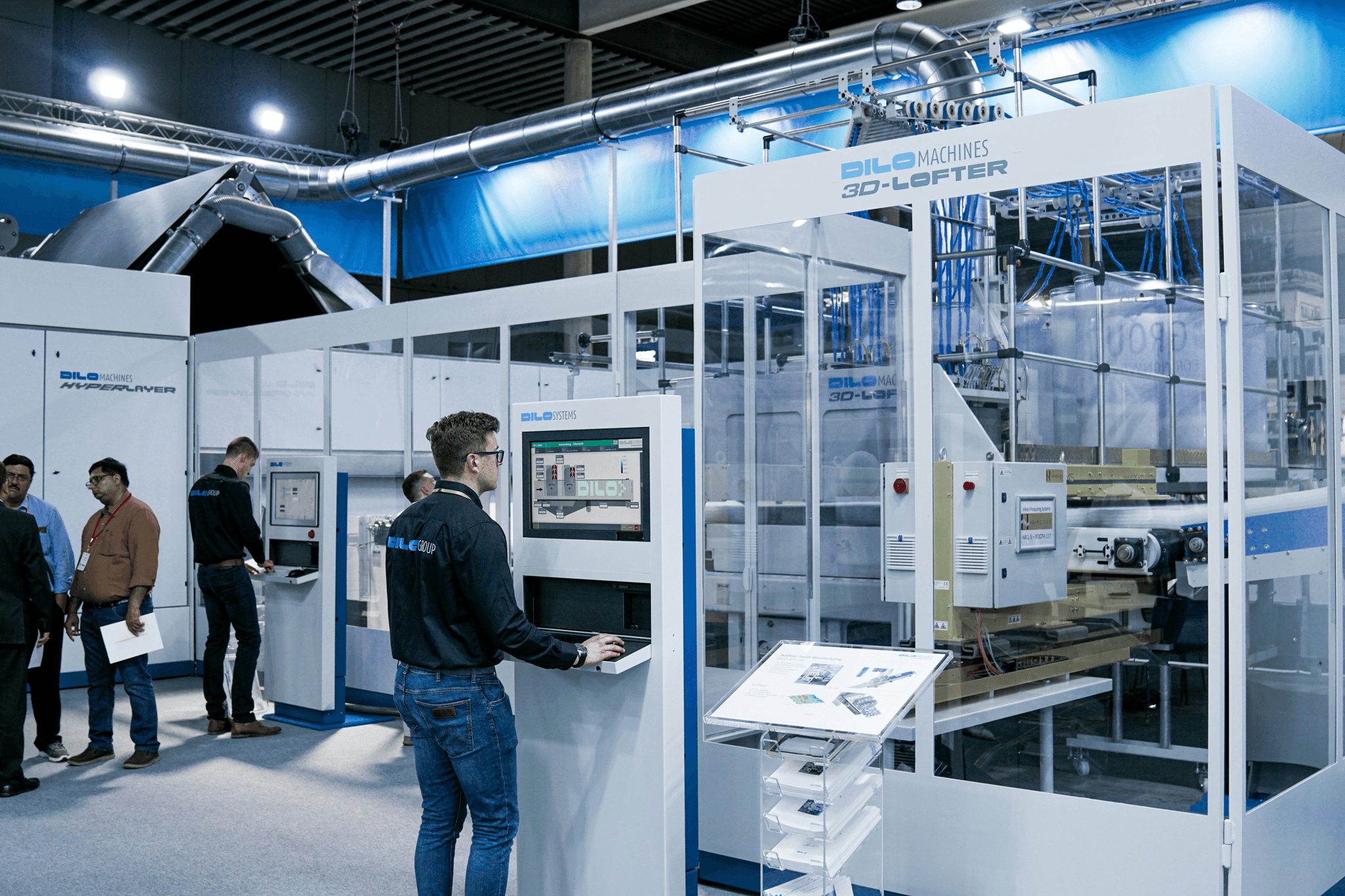
In the fast-paced world of manufacturing, quality inspections play a pivotal role in ensuring products meet stringent standards and customer expectations. As businesses strive for excellence, understanding various inspection types becomes essential to uphold quality assurance throughout the manufacturing process. By navigating the complexities of these inspection methods, manufacturers can effectively enhance their practices and deliver superior products.
Understanding Quality Inspections in Manufacturing
Quality inspections are systematic evaluations that assess the integrity and functionality of products during various stages of production. These inspections help identify defects and ensure compliance with industry standards, ultimately safeguarding both brand reputation and consumer safety. In the realm of manufacturing practices, quality inspections serve as a critical checkpoint that can prevent costly errors down the line.
The Importance of Inspection Types
Different inspection types cater to specific needs within the manufacturing landscape, each offering unique advantages that contribute to overall product quality. From visual assessments to rigorous testing methods, selecting appropriate inspection types is crucial for identifying potential issues early in production. This proactive approach not only minimizes waste but also enhances efficiency, making it a cornerstone of effective quality assurance.
Navigating Quality Assurance Standards
Navigating quality assurance standards can be a daunting task for manufacturers aiming to comply with regulations while maintaining high-quality outputs. Familiarity with relevant industry certifications and guidelines is vital for establishing robust quality assurance protocols that align with best practices in manufacturing. By prioritizing these standards, companies can foster trust among consumers and stakeholders alike while ensuring their products consistently meet or exceed expectations.
Overview of Quality Inspections

Quality inspections are the backbone of any successful manufacturing operation. They ensure that products meet specified standards and customer expectations before they hit the market. By understanding what quality inspections entail, manufacturers can better navigate the complex landscape of quality assurance.
What are Quality Inspections?
Quality inspections refer to the systematic examination of products at various stages of production to verify their conformance to established specifications and standards. These inspection types can range from simple visual checks to more complex processes involving advanced technology and testing methods. Ultimately, quality inspections serve as a safeguard against defects, ensuring that only top-notch products reach consumers.
The Role of Quality Assurance in Manufacturing Practices
Quality assurance plays a pivotal role in manufacturing practices by establishing a framework for maintaining high standards throughout production processes. It ensures that every aspect—from raw materials to finished goods—meets regulatory requirements and industry benchmarks. By integrating robust quality assurance measures, manufacturers can minimize errors and enhance product reliability, which is essential for building trust with customers.
Benefits of Conducting Regular Inspections
Conducting regular quality inspections offers a multitude of benefits that can significantly impact a company's bottom line. First and foremost, these inspections help identify issues early in the production process, reducing waste and costly rework down the line. Additionally, consistent inspection practices foster a culture of continuous improvement within organizations, encouraging teams to uphold high standards while also embracing innovation in their manufacturing practices.
Different Inspection Types Explained

When it comes to maintaining quality assurance in manufacturing practices, understanding the various inspection types is essential. Each type serves a unique purpose and can significantly impact the overall quality of the final product. Let's dive into some of the most common inspection techniques used in the industry today.
Visual Inspection Techniques
Visual inspection techniques are among the most straightforward yet effective methods for ensuring product quality. This involves a careful examination of items to identify defects, inconsistencies, or any deviations from established standards. Trained inspectors can often spot issues like surface flaws, color mismatches, or incorrect assembly simply by looking—no fancy gadgets required!
However, while visual inspections are valuable, they do have their limitations; human error can creep in, especially when dealing with intricate components or large batches. Thus, incorporating visual inspections as part of a broader quality assurance strategy is advisable to ensure comprehensive coverage across all inspection types. Ultimately, these techniques provide an excellent first line of defense in identifying potential problems early in manufacturing practices.
Destructive vs. Non-destructive Testing
When discussing inspection types, it's crucial to differentiate between destructive and non-destructive testing (NDT). Destructive testing involves subjecting materials to stress until failure occurs; this method provides valuable data about material properties but sacrifices the item being tested—think of it as a one-and-done scenario! On the other hand, non-destructive testing allows for thorough evaluation without damaging the product; techniques include ultrasonic testing and magnetic particle inspection.
Both methods play significant roles in quality assurance within manufacturing practices but serve different purposes depending on project requirements and budget constraints. While destructive tests might be ideal for research and development phases where understanding material limits is paramount, NDT is often favored for routine checks due to its ability to maintain product integrity while still delivering reliable results. Striking a balance between these two approaches can enhance overall efficiency and effectiveness in ensuring high-quality output.
The Importance of Third Party Inspection
Third party inspection services have gained traction as an integral component of robust quality assurance frameworks across various industries. Engaging independent inspectors adds an extra layer of credibility since they offer unbiased assessments that internal teams might overlook due to familiarity with products or processes. This impartiality helps manufacturers identify potential issues earlier on and fosters trust among stakeholders.
Moreover, third party inspections help ensure compliance with industry standards and regulations—something that’s increasingly important as global markets become more interconnected and competitive. By leveraging these services effectively within your manufacturing practices, you not only enhance product reliability but also position your brand favorably against competitors who may not prioritize such thorough evaluations. In short, third party inspections are not just beneficial; they’re essential for maintaining high-quality standards across all inspection types.
Quality Assurance in Manufacturing Practices
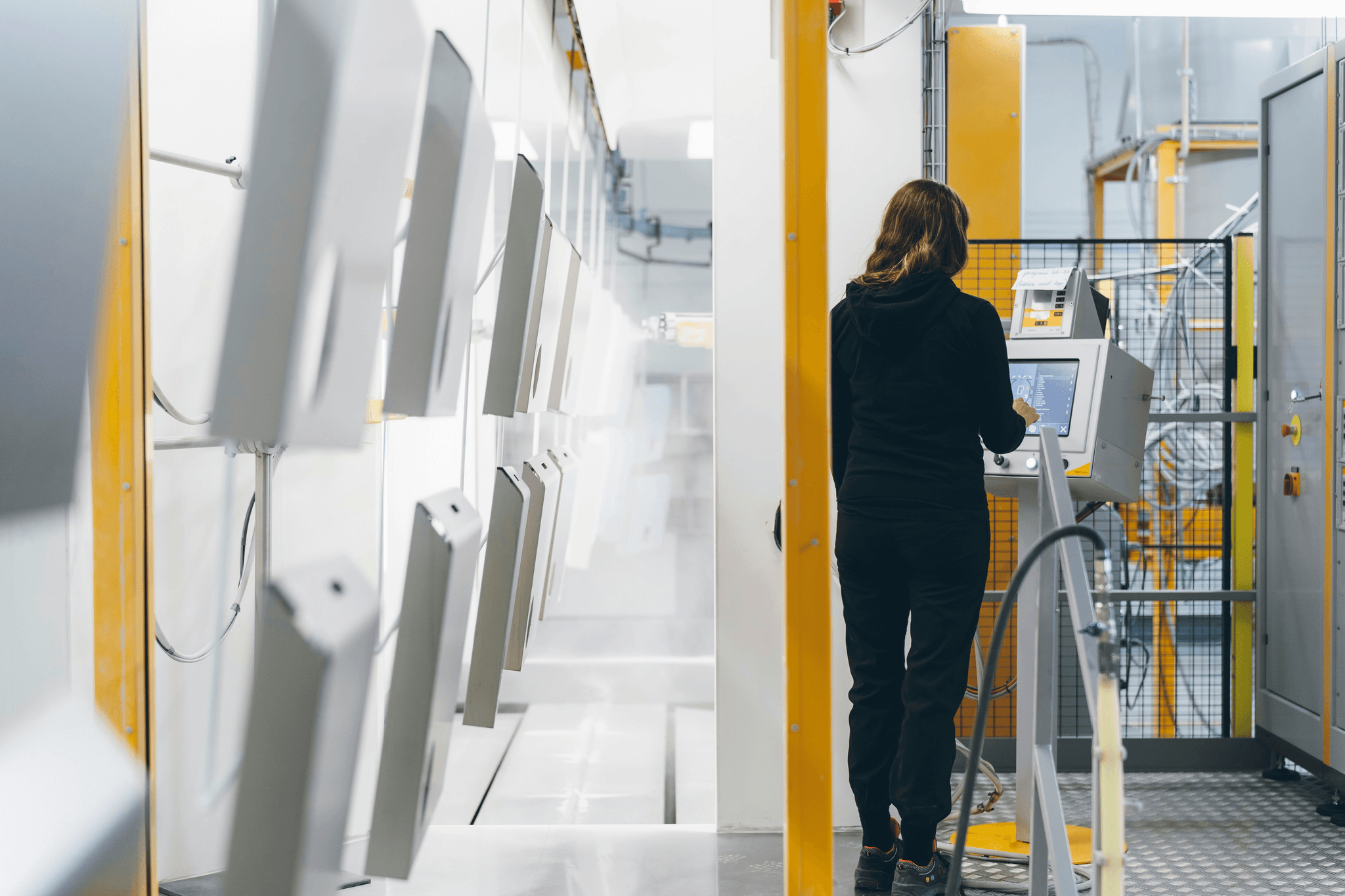
Quality assurance (QA) is the backbone of efficient manufacturing practices, ensuring that products meet specified requirements and standards. By incorporating various inspection types throughout the production process, manufacturers can identify defects early and avoid costly recalls or rework. A robust QA system not only enhances product quality but also boosts customer satisfaction and trust.
Key Elements of Quality Assurance
The key elements of quality assurance in manufacturing practices include planning, control, and improvement. Effective QA requires a well-defined strategy that outlines inspection types and methodologies tailored to specific production processes. Additionally, involving all team members in quality initiatives fosters a culture of accountability and continuous improvement.
Another crucial element is documentation; maintaining detailed records of inspections helps track performance over time and provides valuable insights for future enhancements. Regular training on inspection techniques ensures that everyone involved understands their roles in maintaining quality standards. Ultimately, these components work together to create a comprehensive QA framework that supports consistent product excellence.
Industry Standards and Certifications
In the realm of manufacturing practices, adherence to industry standards is paramount for achieving quality assurance goals. Various organizations set forth guidelines—such as ISO 9001—that outline best practices for quality management systems across different sectors. Certifications like these not only validate a company's commitment to quality but also enhance its credibility with clients and stakeholders.
Moreover, understanding the specific requirements related to different inspection types can help manufacturers align their processes with industry expectations. For instance, certain industries may necessitate third-party inspections to verify compliance with safety regulations or environmental standards. By obtaining relevant certifications, companies can distinguish themselves from competitors while ensuring their products consistently meet or exceed customer expectations.
Common Challenges in Implementing Quality Assurance
Implementing effective quality assurance practices often comes with its fair share of challenges that manufacturers must navigate carefully. One common hurdle is resistance to change; team members may be hesitant to adopt new inspection types or technologies due to fear of disruption or increased workload. Overcoming this resistance requires clear communication about the benefits of QA initiatives and involving employees in decision-making processes.
Another significant challenge lies in resource allocation; many companies struggle to dedicate sufficient time and funds toward establishing comprehensive QA systems amid tight production schedules. This often leads to inadequate training on inspection techniques or insufficient oversight during manufacturing processes, ultimately compromising product quality. To combat these issues, leveraging third-party inspection services can provide an external perspective while alleviating some internal resource constraints.
Lastly, maintaining consistency across various manufacturing locations can pose difficulties when trying to implement uniform quality assurance protocols globally. Differences in local regulations or cultural attitudes towards inspections may hinder standardization efforts within multinational operations. Addressing these challenges requires ongoing collaboration among teams worldwide while ensuring alignment with overarching company goals regarding product excellence.
The Role of Third Party Inspection Services
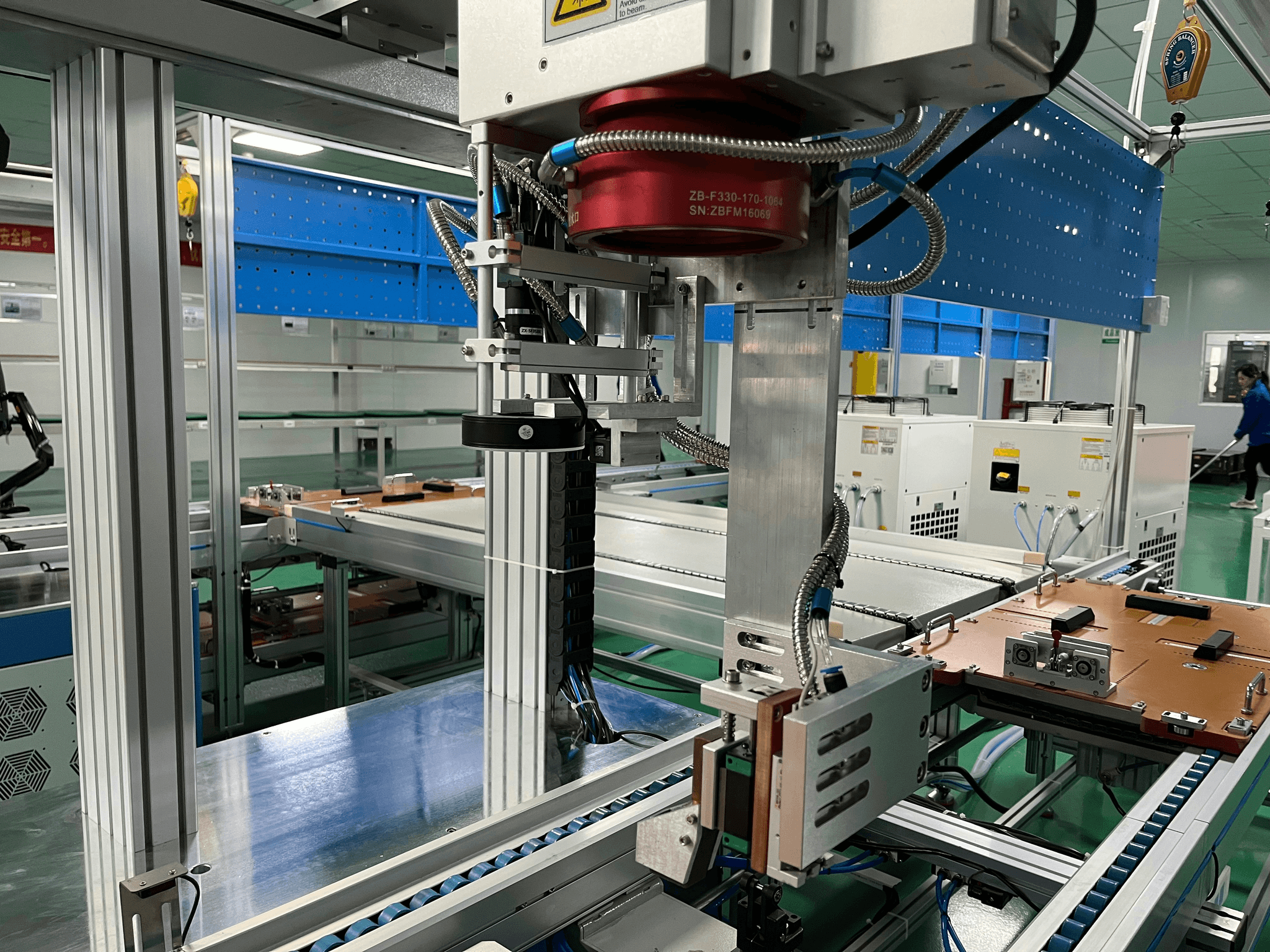
In the realm of quality assurance, third party inspection services play a pivotal role in ensuring that manufacturing practices meet industry standards. These independent entities provide an objective assessment of products and processes, helping businesses identify areas for improvement. By integrating third party inspections into their quality assurance strategy, manufacturers can enhance their credibility and build trust with clients.
Why Choose China Inspection Pro?
When it comes to selecting a third party inspection service, China Inspection Pro stands out for several reasons. Their extensive experience in diverse inspection types allows them to tailor their services to specific manufacturing practices across various industries. Moreover, China Inspection Pro employs highly trained inspectors who are well-versed in both local and international quality standards, ensuring comprehensive evaluations that align with your business needs.
Advantages of Third Party Inspections
One of the primary advantages of utilizing third party inspections is the unbiased perspective they offer on your products and processes. This impartiality helps manufacturers identify potential issues that might be overlooked in internal assessments, ultimately leading to improved quality assurance outcomes. Furthermore, third party inspections can enhance customer confidence by demonstrating a commitment to maintaining high manufacturing standards through rigorous evaluation methods.
Best Practices for Working with Third Party Inspectors
To maximize the benefits of working with third party inspectors, it’s essential to establish clear communication from the outset. Define your expectations regarding inspection types and quality assurance goals so that everyone is on the same page throughout the process. Additionally, fostering a collaborative relationship with inspectors can lead to more effective evaluations and actionable insights that improve overall manufacturing practices.
Actionable Steps for Effective Quality Inspections
Quality inspections are the backbone of successful manufacturing practices, ensuring products meet standards and customer expectations. To achieve optimal results, companies must adopt actionable strategies that encompass various inspection types and quality assurance measures. Here’s how to create a robust framework for effective quality inspections.
Creating a Quality Inspection Checklist
A well-structured quality inspection checklist is essential for streamlining the inspection process and ensuring consistency across different inspection types. This checklist should encompass critical parameters such as dimensions, material specifications, and surface finishes to ensure adherence to quality assurance standards. By having a clear outline of what needs to be inspected, manufacturers can minimize errors and enhance overall product reliability.
Moreover, it’s vital to involve team members in the creation of this checklist; their insights can highlight potential oversight areas based on past experiences with manufacturing practices. Regularly updating the checklist also ensures it remains relevant as new technologies or changes in industry standards emerge. Ultimately, a comprehensive checklist not only aids inspectors but also fosters accountability within teams.
Training Your Team on Inspection Techniques
Training is crucial when it comes to mastering various inspection techniques that contribute to effective quality assurance in manufacturing practices. Providing thorough training sessions equips your team with the knowledge needed to identify flaws early in the production cycle, thereby reducing waste and rework costs associated with poor-quality products. Additionally, fostering a culture of continuous learning keeps your team abreast of advancements in inspection types and methodologies.
Incorporating hands-on training alongside theoretical knowledge enhances retention and application of skills learned during sessions. Consider using real-life scenarios or case studies from third party inspections as teaching tools; this not only makes training engaging but also highlights practical implications of their work. Well-trained teams are empowered to uphold high standards, ultimately leading to improved product outcomes.
Leveraging Technology in Quality Inspections
The integration of technology into quality inspections is revolutionizing how manufacturers approach quality assurance processes today. Utilizing advanced tools such as automated visual inspection systems or software for data analysis can significantly enhance accuracy across various inspection types while minimizing human error. These technological advancements streamline workflows by allowing inspectors more time for critical assessments rather than mundane tasks.
Furthermore, leveraging technology facilitates better documentation and tracking capabilities during third party inspections; this transparency helps build trust among stakeholders by providing verifiable proof of compliance with industry standards. Embracing digital solutions not only improves efficiency but also positions companies favorably against competitors who may still rely on outdated practices. Ultimately, technology empowers organizations to maintain high-quality benchmarks consistently while adapting swiftly to evolving market demands.
Conclusion
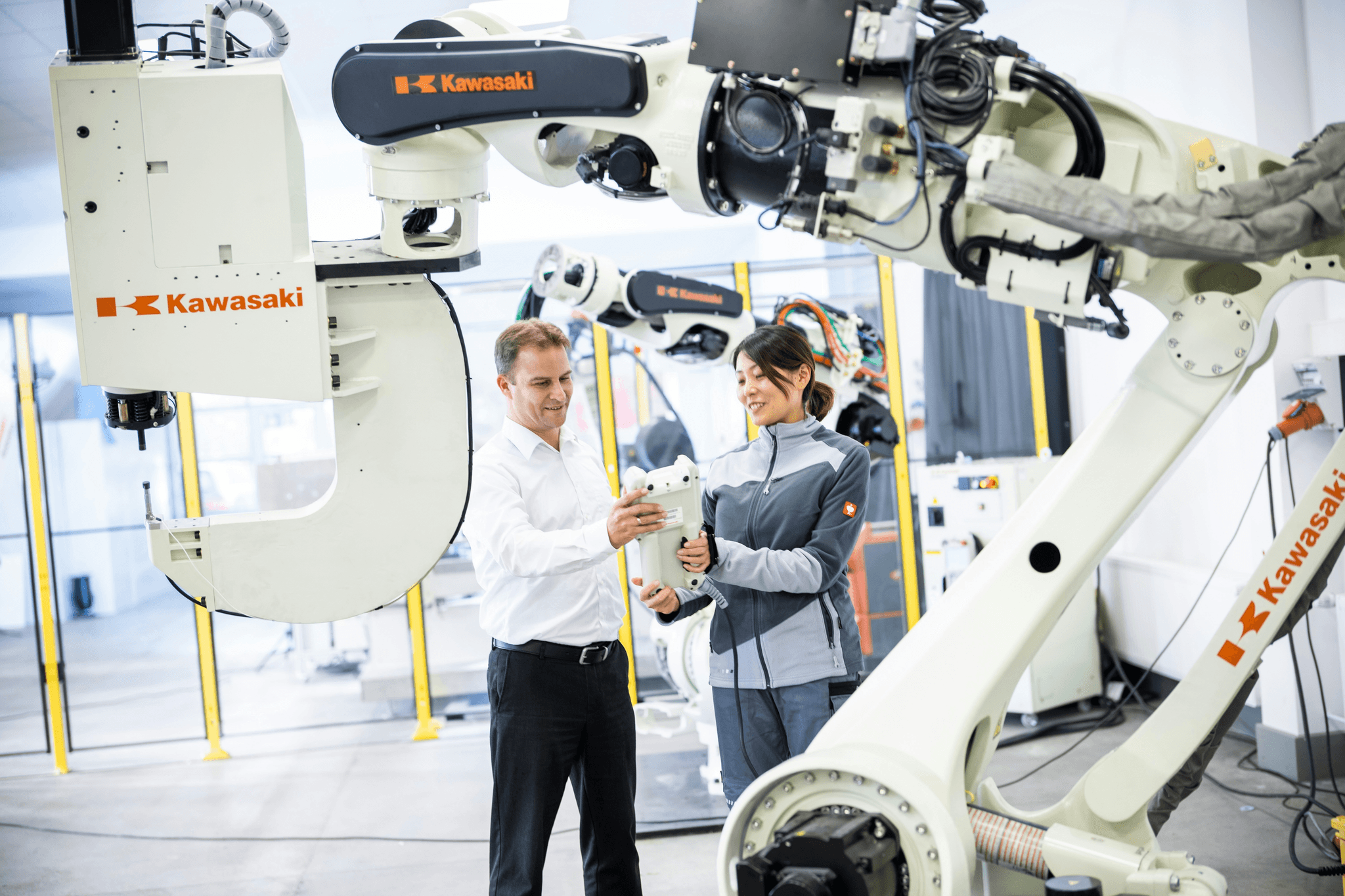
Quality inspections are the backbone of efficient manufacturing practices, ensuring that products meet stringent quality assurance standards. By employing various inspection types, manufacturers can identify defects early in the production process, saving time and resources while enhancing customer satisfaction. The importance of regular inspections cannot be overstated; they not only reinforce trust in the manufacturing process but also contribute significantly to a company's reputation and bottom line.
Recap of Quality Inspections Benefits
The benefits of quality inspections are manifold, starting with the prevention of costly errors that can arise from undetected defects. Implementing diverse inspection types helps maintain consistent quality assurance throughout production, fostering a culture of excellence within manufacturing practices. Additionally, utilizing third party inspection services introduces an unbiased perspective that further enhances product reliability and compliance with industry standards.
The Future of Quality Assurance in Manufacturing
As technology continues to evolve, so too will the landscape of quality assurance in manufacturing. We can expect to see advances in automated inspection types that leverage artificial intelligence and machine learning, making processes more efficient and accurate than ever before. Moreover, as global supply chains become increasingly complex, third party inspections will play a critical role in ensuring compliance across different regions and standards.
How to Get Started with Effective Inspections
Getting started with effective inspections requires a strategic approach that includes developing a comprehensive quality inspection checklist tailored to your specific needs. Training your team on various inspection types is essential for fostering an environment where quality assurance is prioritized at every level of production. Lastly, leveraging technology—such as digital reporting tools and real-time monitoring systems—can significantly enhance your inspection processes and outcomes.