
Introduction

Quality control is the backbone of any successful manufacturing process, ensuring that products meet specific standards and customer expectations. In a world where consumer demands are higher than ever, understanding the essentials of quality control becomes paramount for manufacturers. This introduction will explore what quality control truly means, its significance in production, and the key processes involved in effective quality management.
Exploring Quality Control Essentials
The most common form of quality control includes various techniques aimed at monitoring and maintaining product standards throughout the manufacturing process. From initial material testing reports to final preshipment inspections, each step plays a crucial role in ensuring that products are safe and reliable for consumers. By implementing robust inspection sampling plans, manufacturers can identify defects early and mitigate risks associated with poor-quality outputs.
What Quality Control Truly Means
At its core, quality control means consistently delivering products that meet or exceed established specifications and customer expectations. This encompasses not only manufacturing quality inspection but also adherence to industry standards and regulations that govern product safety and efficacy. Understanding concepts like what does NPI mean in manufacturing is essential as new product introductions often require tailored strategies to maintain quality during transitions from development to market.
Key Processes in Quality Management
Quality management involves a variety of processes designed to enhance product excellence through systematic inspection and evaluation methods. Effective practices include regular assessments by consumer product testing companies, which provide valuable feedback on product performance and safety features. Additionally, integrating thorough preshipment inspections into the workflow ensures that only compliant products reach consumers, thereby reinforcing trust in the brand.
The Fundamentals of Quality Control

Quality control is the backbone of any manufacturing operation, ensuring that products meet established standards and specifications. It encompasses various processes and methodologies aimed at preventing defects, ensuring reliability, and maintaining customer satisfaction. The most common form of quality control includes regular inspections and testing throughout the production process to identify issues before they escalate.
Defining Quality Control in Manufacturing
In the context of manufacturing, quality control refers to the systematic processes that ensure products are produced to meet specific quality criteria. This involves a series of checks and balances designed to monitor production stages, from raw materials to final output. By implementing a robust inspection sampling plan, manufacturers can effectively detect deviations from desired quality levels early in the process.
Importance of Quality Control in Production
The importance of quality control in production cannot be overstated; it directly impacts product reliability and customer satisfaction. Effective quality control reduces waste by identifying defects before products reach consumers, ultimately saving time and resources for manufacturers. Moreover, consistent adherence to quality standards fosters brand loyalty as customers come to expect excellence from their favorite products.
The Role of Quality Control Standards
Quality control standards serve as benchmarks against which manufacturing processes are measured and evaluated. These standards help establish uniformity across production lines while providing guidelines for best practices within various industries. Understanding what does NPI mean in manufacturing is crucial here; new product introduction processes must align with these standards to ensure that new offerings meet or exceed existing product qualities.
Manufacturing Quality Inspection

Manufacturing quality inspection is a critical component in ensuring that products meet established standards before they reach consumers. The most common form of quality control includes systematic evaluations at various stages of production, which helps identify defects early on. By implementing effective inspection techniques, manufacturers can streamline processes and enhance overall product quality.
Techniques for Effective Inspection
To achieve the best results in manufacturing quality inspection, several techniques can be employed. Visual inspections are often the most straightforward approach, allowing inspectors to quickly assess product appearance and functionality. Additionally, automated inspection systems using cameras and sensors can detect issues that may go unnoticed by the human eye, making them invaluable in high-volume production settings.
Another effective technique involves sampling plans where inspectors evaluate a small portion of a batch rather than every item produced. This method not only saves time but also aligns with what does NPI mean in manufacturing—an efficient introduction of new products without compromising quality. Implementing these techniques ensures that companies maintain high standards while keeping production costs manageable.
Benefits of Quality Inspections
The benefits of conducting thorough quality inspections are manifold and cannot be overstated. First and foremost, they help prevent defective products from reaching consumers, thereby protecting brand reputation and customer satisfaction. Moreover, regular inspections can lead to significant cost savings by identifying potential issues before they escalate into more expensive problems down the line.
Quality inspections also foster continuous improvement within organizations by providing valuable feedback that informs future production practices. This ties back to consumer product testing companies that rely on data from inspections to refine their processes continually. Ultimately, investing in robust manufacturing quality inspection practices contributes directly to enhanced product reliability and safety.
Common Challenges in Quality Inspection
Despite its many benefits, manufacturing quality inspection is not without challenges that organizations must navigate carefully. One common issue is the pressure to produce goods quickly while maintaining accuracy during inspections; this can lead to oversight or rushed evaluations if not managed properly. Additionally, variability in materials used or changes in production methods may complicate consistent inspection outcomes.
Another challenge arises from the need for skilled personnel who understand both the technical aspects of inspection and the nuances of specific industries—this is where partnerships with consumer product testing companies become crucial for training and support. Furthermore, developing an effective inspection sampling plan requires careful consideration of statistical methods to ensure representativeness without overextending resources or time constraints.
Understanding NPI: What Does It Mean?
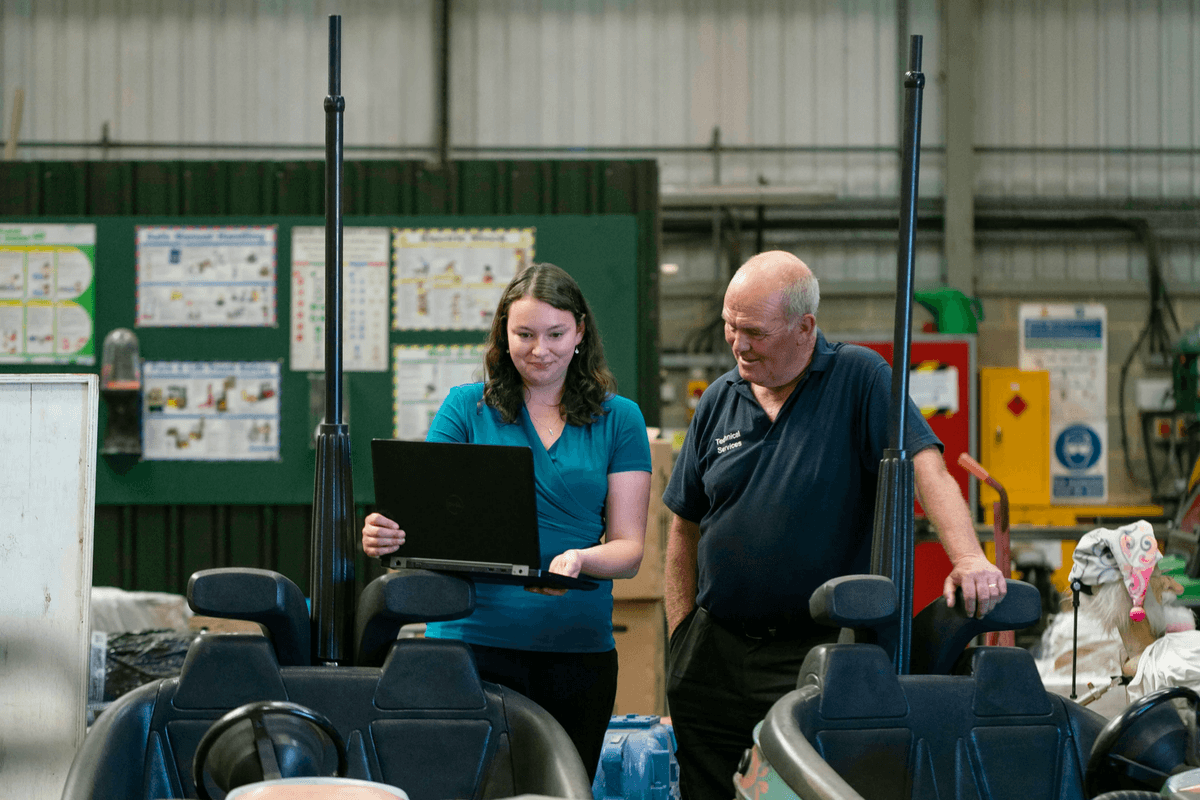
New Product Introduction (NPI) is a crucial process in manufacturing that lays the groundwork for bringing new products to market effectively and efficiently. By understanding what NPI means in manufacturing, companies can streamline their operations and ensure that quality control measures are integrated from the very beginning. The most common form of quality control includes rigorous testing and inspections throughout the NPI process, which ultimately leads to better products and satisfied consumers.
The Significance of NPI in Manufacturing
The significance of NPI in manufacturing cannot be overstated; it serves as a roadmap for transforming concepts into tangible products. This process helps identify potential challenges early on, allowing manufacturers to implement solutions before production begins. Furthermore, effective NPI strategies often involve collaboration with consumer product testing companies to verify that quality standards are met, ensuring that the final product aligns with market expectations.
Steps in the New Product Introduction Process
The steps in the New Product Introduction process typically include idea generation, feasibility analysis, design and development, testing, and launch. Each phase plays a vital role in ensuring that quality is not an afterthought but a foundational element of product development. For instance, during the testing phase, manufacturers may utilize an inspection sampling plan to evaluate product performance against established benchmarks.
How NPI Affects Quality Control
How NPI affects quality control is significant because it creates an environment where continuous improvement becomes part of the culture rather than a reactive measure. By integrating quality checks such as preshipment inspection into each stage of the NPI process, manufacturers can catch defects or issues early on—saving time and resources down the line. Moreover, material testing reports generated during these stages provide invaluable insights that inform necessary adjustments before mass production begins.
Consumer Product Testing Companies

In the realm of quality assurance, consumer product testing companies play a pivotal role in ensuring that products meet safety and quality standards before they reach the market. These organizations specialize in evaluating various products, ranging from electronics to food items, using rigorous testing methods. By employing techniques such as manufacturing quality inspection and preshipment inspection, they help manufacturers identify defects early in the production process.
Leading Companies in Product Testing
When it comes to leading consumer product testing companies, a few names stand out: UL (Underwriters Laboratories), SGS, and Intertek. These giants have established themselves as trusted entities for conducting comprehensive tests on consumer goods. They employ advanced methodologies to generate material testing reports that provide valuable insights into product quality and safety.
How Testing Ensures Quality and Safety
The most common form of quality control includes thorough testing procedures that verify a product's compliance with industry standards. This ensures not only the safety of consumers but also enhances brand reputation by minimizing recalls and potential liabilities. By incorporating an inspection sampling plan during the manufacturing process, companies can catch defects before they escalate into larger issues.
The Role of Feedback in Quality Improvement
Feedback is crucial for continuous improvement in any business model, especially when discussing what does NPI mean in manufacturing—New Product Introduction relies heavily on customer insights to refine products post-launch. Consumer product testing companies gather feedback from their evaluations and share it with manufacturers, allowing them to make informed decisions based on real-world performance data. This iterative process ensures that products are not only compliant but also meet customer expectations for quality.
Crafting an Inspection Sampling Plan

When it comes to ensuring product quality, crafting an inspection sampling plan is essential. This plan serves as a blueprint that guides manufacturers in determining how many items to inspect and which methods to use during manufacturing quality inspections. The most common form of quality control includes statistical sampling techniques that help identify defects without examining every single item.
Essentials of an Effective Sampling Plan
An effective sampling plan begins with clear objectives tailored to the specific products being manufactured. It should outline the criteria for acceptance or rejection, ensuring that everyone involved understands what constitutes a pass or fail. Additionally, the plan must consider factors such as lot size and variability, as these elements can significantly impact the reliability of inspection results.
The role of a well-structured inspection sampling plan cannot be overstated; it not only saves time but also resources by focusing efforts on representative samples rather than exhaustive checks. By implementing this approach, businesses can streamline their processes while maintaining high standards of quality control. Ultimately, this contributes to better decision-making regarding production adjustments and helps in understanding what does NPI mean in manufacturing contexts.
Best Practices for Sampling in Quality Control
To maximize the effectiveness of your inspection sampling plan, there are several best practices worth following. First and foremost, it's crucial to employ random sampling methods whenever possible; this reduces bias and ensures that every item has an equal chance of being selected for inspection. Regularly reviewing and updating your sampling procedures based on past performance data also enhances their effectiveness over time.
Another key practice is incorporating various types of inspections—such as preshipment inspections—into your overall strategy. This multi-faceted approach allows for comprehensive evaluation at different stages of production, thereby catching potential issues early on before they escalate into larger problems. Furthermore, collaborating with reputable consumer product testing companies can provide additional insights into industry standards and benchmarking practices.
Tools to Enhance Your Sampling Strategy
In today's digital age, leveraging technology can significantly enhance your inspection sampling strategy. Utilizing software tools designed for statistical analysis can simplify data collection and interpretation processes while improving accuracy in decision-making related to material testing reports. These tools often come equipped with features that allow real-time tracking of defects and trends over time.
Additionally, adopting automated systems for inspection can reduce human error and increase efficiency during manufacturing quality inspections. Such advancements not only ensure consistency but also free up valuable resources for more strategic tasks within the organization. Remember that continuous improvement is vital; regularly evaluate your tools against emerging trends in quality control practices for optimal results.
Preshipment Inspection: A Necessity
In the world of manufacturing, preshipment inspection is not just a good idea; it's essential. This quality control process ensures that products meet specified standards before they reach customers, effectively preventing costly returns and maintaining brand reputation. The most common form of quality control includes this crucial step, where thorough checks are made to ascertain product readiness.
The Process of Preshipment Inspection
The preshipment inspection process begins with a detailed assessment of products once they are completed but before they leave the factory. Inspectors evaluate items against predefined criteria, which may include visual inspections, functional tests, and compliance checks with industry standards. This stage is vital as it also allows for the verification of documentation such as material testing reports that confirm product safety and quality.
During this phase, manufacturing quality inspection techniques come into play to identify any defects or inconsistencies that could affect performance or customer satisfaction. Inspectors often utilize an inspection sampling plan to determine the quantity and frequency of items to be checked based on statistical methods. This systematic approach helps ensure a representative sample is evaluated without overwhelming resources.
Benefits of Conducting a Preshipment Check
Conducting a preshipment check yields numerous benefits for manufacturers aiming for excellence in their products. Firstly, it significantly reduces the risk of defective goods reaching consumers, which can lead to costly recalls and damage to brand reputation—something no company wants on their hands! Secondly, by identifying issues early in the process, businesses can address problems before they escalate into larger production challenges.
Moreover, preshipment inspections enhance customer confidence by ensuring that products meet quality expectations consistently. When consumers know that rigorous checks are performed by reputable consumer product testing companies before delivery, their trust in the brand increases dramatically. Ultimately, this practice contributes positively to customer loyalty and repeat business.
Key Elements to Review During Inspection
When conducting a preshipment inspection, there are several key elements that inspectors must focus on to ensure comprehensive evaluation. First and foremost is checking conformity with specifications outlined during the New Product Introduction (NPI) phase—what does NPI mean in manufacturing? It refers to ensuring new products align with predetermined quality metrics established at development stages.
Next on the checklist are physical attributes such as dimensions, weight, color consistency, and packaging integrity—all crucial factors influencing consumer perception and usability. Finally, inspectors should review any relevant material testing reports that provide insight into safety standards met by components used in production; these documents serve as proof of compliance with regulations governing product standards.
The Importance of Material Testing Reports

Material testing reports play a crucial role in the realm of quality control, particularly in manufacturing environments. These reports provide detailed insights into the physical and chemical properties of materials used in production, ensuring they meet specified standards. Understanding what these reports include is essential for manufacturers aiming to maintain high-quality outputs.
What a Material Testing Report Includes
A material testing report typically includes various sections that detail the testing methods used, results obtained, and compliance with industry standards. It presents quantitative data on characteristics such as tensile strength, hardness, and chemical composition, which are vital for assessing material suitability. Additionally, it may offer recommendations based on the findings to guide manufacturers in their quality control processes.
How Reports Influence Quality Control Decisions
These reports significantly influence quality control decisions by providing empirical evidence that can either validate or challenge existing practices. When manufacturers review material testing reports, they can identify potential weaknesses or areas for improvement within their production processes. Ultimately, this data-driven approach helps companies make informed choices about materials and techniques that align with quality standards.
Utilizing Reports for Quality Improvement
Utilizing material testing reports effectively can lead to substantial improvements in product quality over time. By regularly analyzing these documents, manufacturers can refine their inspection sampling plans and adjust their manufacturing quality inspection protocols accordingly. Moreover, integrating feedback from consumer product testing companies into these analyses ensures that products not only meet regulatory requirements but also exceed customer expectations.
Conclusion

Quality control is an ever-evolving field, and its future will likely be shaped by advancements in technology and methodologies. The most common form of quality control includes comprehensive inspection processes that leverage data analytics and automation to enhance efficiency. As industries strive for greater precision, the integration of artificial intelligence into quality control practices will redefine standards and expectations.
The Future of Quality Control Practices
In the coming years, we can expect a shift towards more proactive approaches in quality management, moving beyond traditional methods like manufacturing quality inspection. Emphasizing real-time monitoring and predictive analytics will allow companies to identify potential issues before they escalate into costly problems. Understanding what does NPI mean in manufacturing will become crucial as businesses innovate products faster while maintaining high-quality standards.
Ensuring Product Excellence Through Inspections
To ensure product excellence, inspections must be thorough and systematic; preshipment inspection plays a vital role in this process. By conducting rigorous checks before goods leave the production facility, companies can catch defects that would otherwise tarnish their reputation upon reaching consumers. This proactive approach not only safeguards quality but also reinforces customer trust, ensuring that the most common form of quality control includes effective preemptive measures.
Continuous Quality Improvement Strategies
Continuous improvement is at the heart of successful quality management strategies; it involves regularly revisiting processes such as crafting an effective inspection sampling plan to enhance outcomes over time. Utilizing insights from material testing reports allows organizations to make informed decisions about product adjustments and improvements continually. Furthermore, partnering with a reputable consumer product testing company ensures that products meet safety standards while fostering innovation through feedback loops.