
Introduction
In the fast-paced world of business, understanding the difference between quality assurance and quality control is crucial for success. Quality assurance (QA) focuses on preventing defects through systematic processes and standards, while quality control (QC) inspects products to ensure they meet specific requirements. Together, these two practices form the backbone of effective quality management across various industries.
Understanding Quality Assurance and Quality Control
Quality assurance is all about building a robust system that ensures products or services are consistently produced at a high standard. It involves proactive measures such as implementing a QA system that defines procedures and guidelines to minimize errors before they occur. On the other hand, quality control evaluates completed products through rigorous testing and inspections, often requiring certifications like QC certification to validate their effectiveness.
The Importance of Quality in Every Industry
Quality isn't just a buzzword; it's a necessity that drives customer satisfaction and loyalty across all sectors—be it manufacturing, healthcare, or technology. Companies that prioritize quality assurance services often see significant long-term cost savings due to reduced waste and improved efficiency. In contrast, those who neglect these practices may face detrimental consequences such as customer complaints and reputational damage.
Key Players in Quality Management
The landscape of quality management features various key players who ensure that both QA and QC are effectively integrated into organizational processes. From QA managers who oversee the implementation of quality assurance certification programs to QC inspectors who carry out product evaluations, each role is essential for maintaining high standards. Additionally, external bodies providing certifications play a critical part in validating compliance with industry standards, further emphasizing the importance of both QA and QC in achieving excellence.
Defining Quality Assurance
Quality assurance (QA) is a systematic process designed to ensure that products and services meet specific quality standards before they reach the consumer. Unlike its counterpart, quality control (QC), which focuses on identifying defects in finished products, QA emphasizes preventing defects through planned and systematic activities. Understanding the purpose and scope of quality assurance is crucial for organizations aiming to enhance their operational efficiency while maintaining customer satisfaction.
Purpose and Scope of Quality Assurance
The primary purpose of quality assurance is to build confidence in the processes that lead to product development and service delivery. By implementing a robust QA system, organizations can identify potential issues early in the production cycle, thus minimizing risks associated with poor quality outputs. The scope of quality assurance extends beyond mere compliance; it encompasses continuous improvement efforts that align with customer expectations and industry standards.
In essence, QA serves as a proactive measure that helps businesses avoid costly recalls or damage to their reputation by ensuring that every aspect of production meets predetermined standards. This proactive approach differentiates quality assurance from quality control, which typically addresses problems after they occur. Ultimately, a well-defined QA process contributes significantly to an organization’s long-term success by fostering trust among stakeholders.
Quality Assurance Certification Explained
Quality assurance certification acts as an official recognition that an organization adheres to established standards in its processes and practices. Obtaining a QA certification often involves rigorous assessments by accredited bodies, which evaluate whether an organization meets specific criteria related to its operations and management systems. This certification not only validates the effectiveness of a company's QA system but also enhances its credibility in the marketplace.
Organizations pursuing qa certification must demonstrate consistent adherence to defined processes and continual improvement initiatives over time. The benefits are manifold: certified companies often experience enhanced customer loyalty, reduced operational costs, and improved market competitiveness due to their commitment to maintaining high-quality standards. In this way, quality assurance certification becomes more than just a badge; it signifies an organization's dedication to excellence.
Examples of Quality Assurance Services
Quality assurance services encompass various activities aimed at ensuring products meet required specifications throughout their lifecycle. These services can include audits, process evaluations, training programs for staff on best practices, and implementation of standardized procedures tailored for specific industries such as manufacturing or healthcare. By leveraging these services effectively, organizations can streamline operations while upholding high-quality benchmarks.
One notable example is software testing services that ensure applications function correctly before deployment—this falls under the umbrella of IT-related quality assurance services where user satisfaction is paramount. Another example includes inspection services provided during manufacturing processes where materials or components are evaluated against predefined criteria before moving forward in production lines. These diverse examples illustrate how integral quality assurance services are across various sectors in maintaining product integrity.
Unpacking Quality Control

Quality control (QC) is a critical aspect of quality management that focuses on ensuring products meet specific standards and requirements. Unlike quality assurance, which is more about processes and systems, QC zeroes in on the end product. Understanding the elements of quality control can help organizations enhance their overall performance and customer satisfaction.
Elements of Quality Control
The primary elements of quality control include inspection, testing, and feedback mechanisms. Inspection involves examining products to ensure they meet predefined specifications, while testing assesses their performance under various conditions. Feedback mechanisms are vital for continuous improvement; they allow companies to identify issues early on and implement corrective actions swiftly.
In addition to these core elements, effective documentation plays a significant role in quality control processes. This includes maintaining records of inspections, tests performed, and any deviations from standards. By meticulously documenting these aspects, organizations can trace back any issues that arise and understand the difference between quality assurance and quality control more clearly.
Another essential element is the involvement of trained personnel who understand both QA systems and QC methodologies. These professionals ensure that all activities align with established standards while also adhering to regulatory requirements. Their expertise helps create a robust framework for maintaining product integrity throughout its lifecycle.
Quality Control Certification Process
Achieving a quality control certification involves several steps aimed at validating an organization's commitment to product excellence. First, companies must establish a comprehensive QC system that aligns with industry standards such as ISO 9001 or specific sector guidelines relevant to their operations. This often requires investing in training programs for staff members to ensure they are well-versed in both QA certification processes and QC practices.
Once the system is in place, an external audit typically follows where assessors evaluate compliance with established protocols and procedures. This assessment not only verifies adherence but also highlights areas needing improvement—a crucial step for any organization aiming for long-term success through effective QC measures. Upon successful completion of this audit process, organizations receive their QC certification as proof of their commitment to maintaining high-quality products.
It's important to note that obtaining a QC certification isn't just about ticking boxes; it signals to customers that your organization values excellence in every aspect of production or service delivery. This assurance can significantly differentiate your brand in competitive markets where consumers are increasingly discerning about product reliability.
Real-World Applications of Quality Control
Quality control finds applications across numerous industries—from manufacturing to healthcare—demonstrating its versatility as an essential component of operational success. In manufacturing settings, for example, rigorous testing protocols ensure that every batch meets safety regulations before reaching consumers’ hands; this practice minimizes defects while enhancing overall product reliability significantly.
In the healthcare sector, implementing stringent QC measures can be life-saving—think about how pharmaceuticals undergo extensive testing before being approved for public use! Here too lies the importance of understanding how QA services complement these efforts by establishing sound processes behind drug development and distribution channels—further illustrating the difference between quality assurance and quality control.
Moreover, even service-oriented industries benefit from robust QC frameworks: think airlines conducting regular maintenance checks on aircrafts or restaurants adhering strictly to food safety standards during food preparation phases! These real-world examples underscore how integral effective quality control is not just for compliance but also for fostering trust among customers—a key driver for repeat business.
The Core Differences
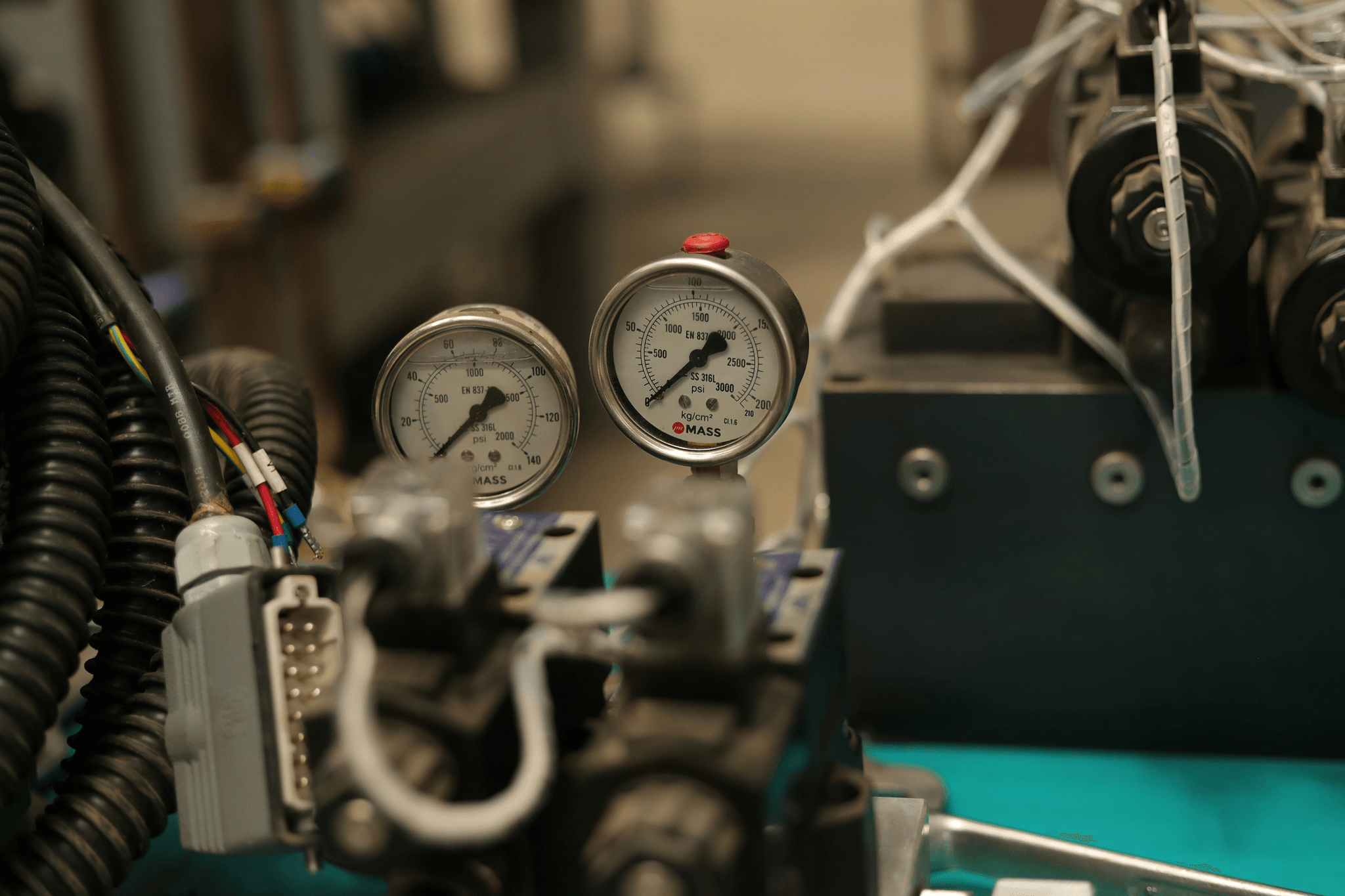
Understanding the core differences between quality assurance (QA) and quality control (QC) is essential for any organization striving for excellence. While both QA and QC are integral to maintaining high standards, they serve distinct purposes within the quality management framework. Recognizing these distinctions can help businesses implement more effective strategies, ultimately leading to enhanced product quality and customer satisfaction.
Distinguishing Features of QA and QC
At their essence, the difference between quality assurance and quality control lies in their focus: QA is process-oriented, while QC is product-oriented. Quality assurance ensures that processes are in place to prevent defects from occurring, emphasizing proactive measures such as training, documentation, and compliance with standards like a QA certification. On the other hand, quality control involves inspecting products after they've been produced to identify defects or deviations from specifications, often requiring a QC certification to validate these practices.
Moreover, QA services aim at building a robust framework that fosters continuous improvement throughout an organization’s operations. This means that while QA focuses on preventing mistakes before they happen, QC reacts to issues once they arise—making both essential but different pieces of the puzzle in achieving overall quality management.
Methods and Techniques in QA vs. QC
In terms of methods and techniques employed in both areas, there are notable differences that organizations should be aware of when developing their qa system or implementing certifications. Quality assurance techniques include process mapping, risk management assessments, and regular audits—all aimed at ensuring compliance with established standards before production begins. Conversely, techniques associated with quality control typically involve statistical sampling methods like Six Sigma or Acceptance Sampling Plans that assess finished products against set criteria.
Additionally, organizations may utilize various tools tailored specifically for either QA or QC purposes; for instance, software solutions designed for tracking compliance may be more beneficial for those pursuing a quality assurance certification than those focusing solely on inspection-related tasks typical of a qc certification program.
How Quality Assurance and Quality Control Work Together
While distinct in nature and approach, it’s crucial to understand how quality assurance and quality control work together synergistically within an organization’s broader strategy for maintaining high-quality standards. Effective integration of both practices ensures not only that products meet customer expectations but also that processes remain efficient over time—creating a cycle of continuous improvement driven by feedback from both QA initiatives and QC inspections.
Furthermore, when companies invest in both qa certification programs alongside qc certification efforts, they create a comprehensive framework where each complements the other effectively. By marrying proactive prevention strategies with reactive inspection methodologies through this dual approach—organizations can significantly reduce errors while enhancing overall product reliability.
Benefits of Quality Assurance

Quality assurance (QA) is not just a buzzword; it's a game-changer in the business landscape. By focusing on processes and standards, QA ensures that products and services meet customer expectations consistently. The benefits of implementing a robust QA system extend far beyond mere compliance; they can significantly enhance overall business performance.
Enhanced Customer Satisfaction
One of the most immediate benefits of quality assurance is enhanced customer satisfaction. When businesses invest in quality assurance services, they create products that meet or exceed customer expectations, leading to positive experiences and brand loyalty. Satisfied customers are more likely to become repeat buyers and advocates for your brand, ultimately driving sales and growth.
Moreover, with quality assurance certification, companies can assure their clients that they adhere to industry standards, which builds trust. This trust is crucial in competitive markets where customers have numerous options available to them. The difference between quality assurance and quality control becomes evident here: while QC focuses on identifying defects post-production, QA aims at preventing them from occurring in the first place.
Long-Term Cost Savings
Implementing an effective QA system can lead to significant long-term cost savings for businesses. By reducing defects through proactive measures rather than reactive fixes—common in traditional QC methods—companies can minimize waste and lower production costs over time. This efficiency not only streamlines operations but also allows resources to be allocated more strategically.
Investing in quality assurance certification may seem like an upfront expense, but the return on investment is often substantial when considering reduced rework costs and improved operational efficiency. Companies that prioritize QA often find themselves ahead of competitors who rely solely on reactive QC strategies—saving money while boosting their reputation simultaneously. Understanding the difference between quality assurance and quality control helps organizations appreciate why a solid QA framework is essential for sustainable growth.
Benefits of Quality Control
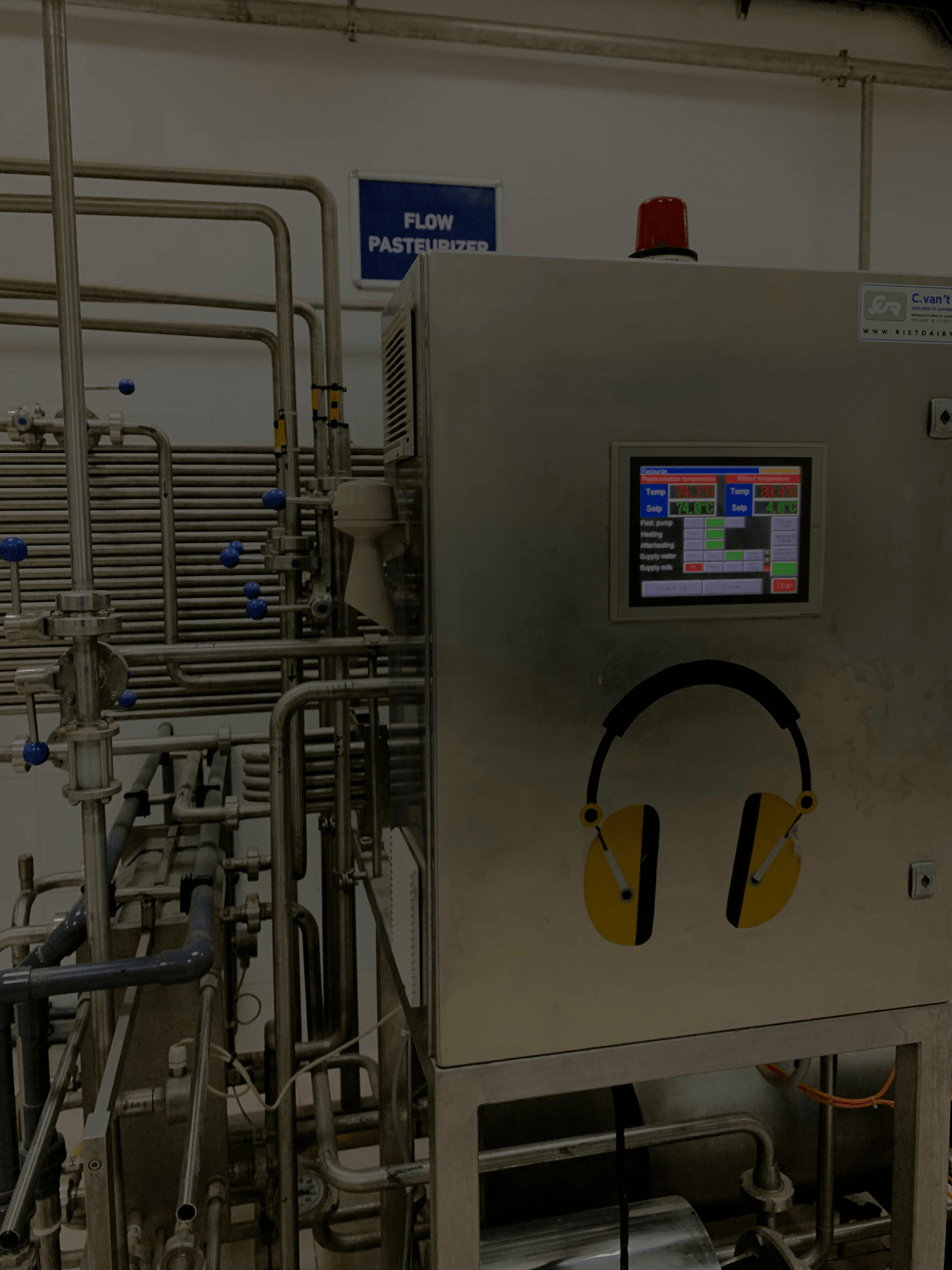
Quality control (QC) is a critical component in ensuring that products meet established standards and specifications. By implementing effective QC measures, organizations can enhance their overall performance and maintain a competitive edge in the marketplace. Understanding the benefits of quality control can help businesses appreciate its role in achieving high-quality outcomes.
Boosting Product Reliability
One of the primary benefits of quality control is its ability to boost product reliability. When businesses adopt robust QC practices, they create systems that consistently produce high-quality products, reducing the likelihood of failures or malfunctions. This increased reliability not only builds customer trust but also strengthens brand reputation, ultimately leading to higher sales and customer loyalty.
Moreover, investing in quality control certification can further solidify this reliability by demonstrating a commitment to maintaining industry standards. Companies that achieve QC certification often enjoy enhanced credibility among consumers who are increasingly discerning about product quality. Therefore, understanding the difference between quality assurance and quality control becomes essential for organizations aiming to implement effective strategies for boosting product reliability.
Minimizing Defects and Wastage
Minimizing defects and wastage is another significant advantage of implementing strong quality control processes. By identifying issues early in the production process, businesses can prevent defective products from reaching consumers, thus saving time and resources associated with returns or recalls. This proactive approach not only reduces costs but also contributes to more sustainable operations by minimizing material waste.
Furthermore, companies that embrace QC principles often find themselves improving their overall efficiency as they streamline processes to eliminate redundancies and focus on producing high-quality outputs consistently. The role of quality assurance services becomes vital here as they support organizations in establishing effective QC protocols tailored to their unique needs. Ultimately, a comprehensive understanding of both QA systems and QC processes allows businesses to minimize defects effectively while maximizing productivity.
The Role of QC Certification in Industry
Quality control certification plays a pivotal role in various industries by establishing benchmarks for excellence and accountability within organizations. Achieving a qc certification signals to customers that a company adheres to rigorous standards for product quality and operational efficiency—an essential factor when distinguishing oneself from competitors who may not prioritize such measures.
Moreover, obtaining this certification often necessitates ongoing monitoring and evaluation through established QA systems; thus fostering continuous improvement within an organization’s operations over time. As companies navigate the landscape shaped by consumer demands for higher quality products, understanding the difference between quality assurance and quality control becomes increasingly important—especially when considering how these two elements work together harmoniously through certifications like qa certification or qc certification.
Conclusion

In the rapidly evolving landscape of business, understanding quality is not just a luxury; it's a necessity. The difference between quality assurance and quality control plays a pivotal role in how organizations maintain standards and meet customer expectations. By grasping these concepts, companies can elevate their processes, ensuring products and services stand out in the marketplace.
Why Understanding Quality Matters
Quality assurance (QA) and quality control (QC) are fundamental to any successful business strategy. Knowing the difference between quality assurance and quality control allows organizations to implement effective practices that enhance overall performance. In today's competitive environment, businesses that prioritize quality assurance services tend to experience higher customer satisfaction and loyalty.
Choosing the Right QA and QC Strategies
Selecting appropriate QA and QC strategies is crucial for any organization aiming for excellence. A robust QA system ensures processes are followed correctly, while effective QC certification helps identify defects before they reach consumers. Companies should invest in both quality assurance certification and QC certification to build a comprehensive approach that maximizes efficiency.
The Future of Quality Management in Business
As industries continue to evolve with technology, the future of quality management will likely intertwine with advancements in automation and data analytics. Organizations will increasingly rely on real-time monitoring systems that enhance both QA and QC efforts, ensuring higher standards are met consistently. Embracing innovative approaches will be vital for businesses seeking to maintain their competitive edge while navigating the complexities of modern markets.