
Introduction
When you think of products made in China, what comes to mind? For many, it might be a journey from the past when China-made was synonymous with cheap and subpar quality. However, the evolution of China-made products has been nothing short of remarkable, transforming the global perception of manufacturing excellence.
The Evolution of China-Made Products
Historically, Chinese manufacturing was primarily associated with low-cost goods that often compromised on quality. Yet, in recent years, a paradigm shift has occurred; manufacturers have embraced innovation and quality control to produce items that rival those from established Western brands. This evolution is fueled by an increasing demand for excellent quality products and a commitment to meeting international standards.
From Cheap and Crappy to Excellent Quality
The transformation from cheap and crappy to excellent quality has not happened overnight; it’s been a concerted effort involving improved technology, skilled labor, and rigorous quality inspections in China. Today’s consumers are more discerning than ever, pushing manufacturers to adopt higher standards that ensure their products stand out in a crowded marketplace. This shift highlights how businesses can no longer rely solely on low pricing; they must also deliver exceptional value through superior craftsmanship.
Understanding Quality Inspections in China
Quality inspections play a crucial role in maintaining high standards throughout the manufacturing process. But what are the 4 types of quality inspection? They include pre-production inspections, during production inspections, pre-shipment inspections, and container loading inspections—each serving as vital checkpoints along the supply chain. By understanding these processes and how they contribute to ensuring product authenticity and excellence, buyers can navigate the complexities of sourcing high-quality Chinese products with confidence.
The Historical Context of Chinese Manufacturing
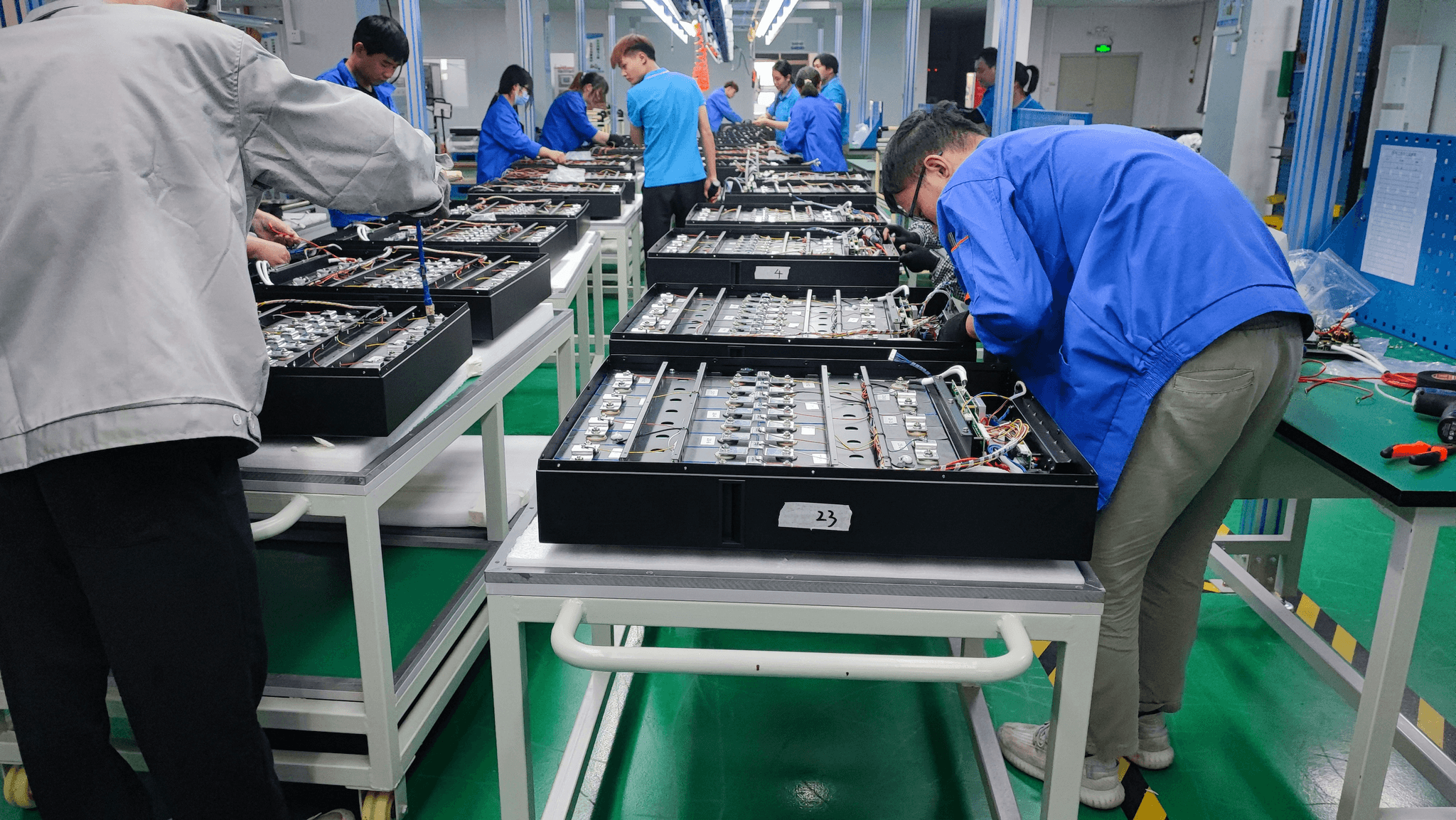
The story of Chinese manufacturing is a fascinating tale of transformation, marked by significant shifts in quality and perception. Over the past few decades, China has risen to become the world's largest manufacturing hub, producing everything from electronics to textiles. This evolution has been fueled by globalization, technological advancements, and an increasing demand for affordable products worldwide.
The Rise of China as a Manufacturing Hub
China's ascent as a manufacturing powerhouse began in the late 20th century when economic reforms opened its doors to foreign investment and trade. Factories sprang up across the country, driven by low labor costs and a vast workforce eager to embrace new opportunities. As China's infrastructure improved and production capabilities expanded, it quickly became the go-to destination for businesses seeking efficient and cost-effective manufacturing solutions.
The Early Reputation: Cheap and Crappy
However, not all was smooth sailing during this rise; early on, many Chinese products earned a reputation for being cheap and poorly made. This perception was largely due to inconsistent quality control practices and a focus on mass production over craftsmanship. Consumers around the globe often associated Made in China with inferior goods that lacked durability or reliability—a far cry from today’s standards of excellent quality.
Changing Perceptions Over the Years
Over time, perceptions began to shift as Chinese manufacturers recognized the need for improvement in their product offerings. Companies started investing in better materials, skilled labor, and advanced technologies while embracing rigorous China Product Inspections to ensure higher standards were met. Today’s consumers are increasingly aware that they can find high-quality Chinese products—if they know how to verify authenticity through certifications or reputable suppliers—and that even complex items can be manufactured with precision under strict quality controls.
What are the 4 Types of Quality Inspection?
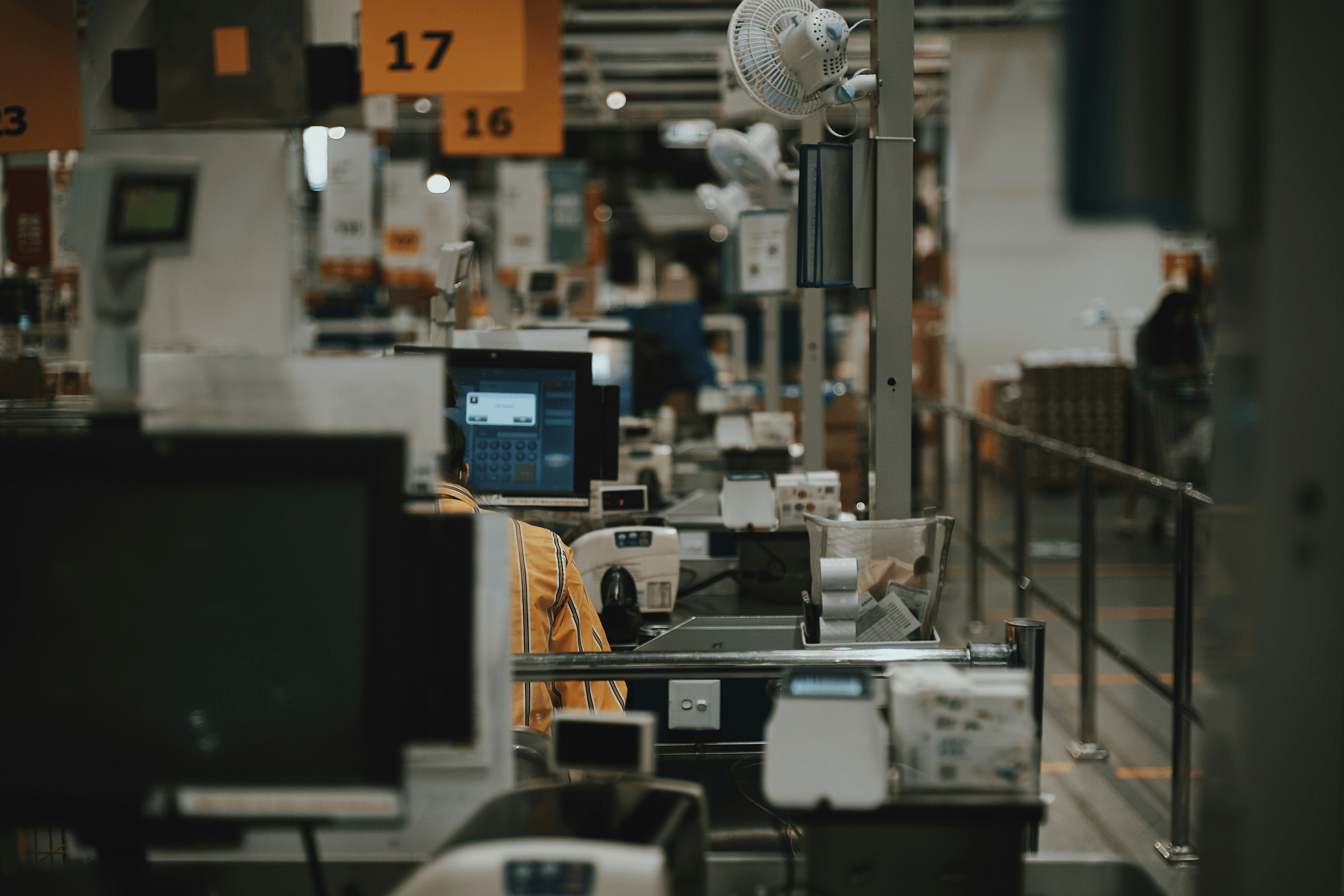
Pre-Production Inspections: The First Line of Defense
Pre-production inspections are your first line of defense when it comes to ensuring excellent quality in manufacturing. This type of inspection occurs before production begins and focuses on assessing materials, components, and production processes that will be used in creating the final product. By conducting a thorough pre-production inspection, buyers can identify any discrepancies early on and ensure that suppliers adhere to specifications, thus laying the groundwork for a successful manufacturing run.
During Production Inspections: Quality in the Process
Once production kicks off, during production inspections become essential for maintaining excellent quality throughout the manufacturing process. These inspections typically occur at various stages during production and focus on checking workmanship, assembly processes, and compliance with established standards. By implementing these checks while goods are being manufactured, you can catch defects or inconsistencies early—saving time and money down the line.
Pre-Shipment Inspections: Final Checks Before Shipping
Pre-shipment inspections act as a final checkpoint before products leave the factory floor for their journey to you or your customers. These inspections assess everything from product functionality to packaging integrity, ensuring that what’s shipped meets your expectations for excellent quality. This is where you confirm that all agreed-upon specifications have been met; think of it as giving your products a last-minute health check before they hit the road—or sea!
Container Loading Inspections: Ensuring Safe Transport
Last but not least are container loading inspections, which ensure that your high-quality Chinese products are loaded safely into shipping containers without risk of damage during transit. This step involves checking how items are packed and secured within containers to minimize movement and potential breakage while en route to their destination. After all those efforts in maintaining product excellence through previous inspections, this final measure helps ensure that everything arrives intact—because nobody wants surprises when opening those shipping boxes!
How to Find High Quality Chinese Products?
Finding high quality Chinese products can feel like searching for a needle in a haystack, but fear not! With the right strategies, you can navigate the vast landscape of manufacturers and suppliers to uncover hidden gems that embody excellent quality. Here’s how to streamline your search and ensure you’re investing in top-notch goods.
Researching Reputable Suppliers
The first step in your quest for excellent quality products is to research reputable suppliers. Start by leveraging platforms like Alibaba, Global Sources, or Made-in-China; these sites often feature verified suppliers with ratings and reviews that can guide your choices. Don't shy away from asking potential suppliers about their manufacturing processes and quality control measures—after all, understanding what are the 4 types of quality inspection they use can provide valuable insight into their commitment to excellence.
Once you've identified a few candidates, dig deeper: check their business licenses, certifications, and previous customer feedback. This due diligence will help you gauge whether they adhere to industry standards and practices that align with excellent quality expectations. Remember, a supplier’s reputation is often built on years of consistency; therefore, choosing wisely now will save you headaches later.
Utilizing China Inspection Pro Services
Engaging China Product Inspections services is another smart move when looking for high-quality Chinese products. These professionals specialize in various types of inspections—including pre-production and pre-shipment inspections—to ensure that what you're getting meets your standards before it ever reaches your doorstep. By utilizing these services, you not only gain peace of mind but also enhance your ability to verify the authenticity of Chinese products.
A thorough inspection service can assess everything from material quality to workmanship during production stages—making sure that all aspects are up to par with what you've ordered. A
Importance of Reviews and Ratings
In today’s digital age, reviews and ratings are more than just numbers—they're invaluable insights into product reliability and supplier credibility. When searching for high-quality Chinese products, always take time to read through customer experiences shared on platforms where products are sold or discussed; this will give you a clearer picture of what others have encountered regarding both product performance and supplier integrity.
High ratings often correlate with consistent delivery of excellent quality goods; however, don't just focus on the stars—read the comments as well! This will provide context around any issues faced by previous buyers or highlight features that may not be immediately apparent from product descriptions alone. Ultimately, prioritizing reviews helps ensure you're making informed decisions while navigating the sometimes murky waters of international procurement.
How can you verify the authenticity of Chinese products?
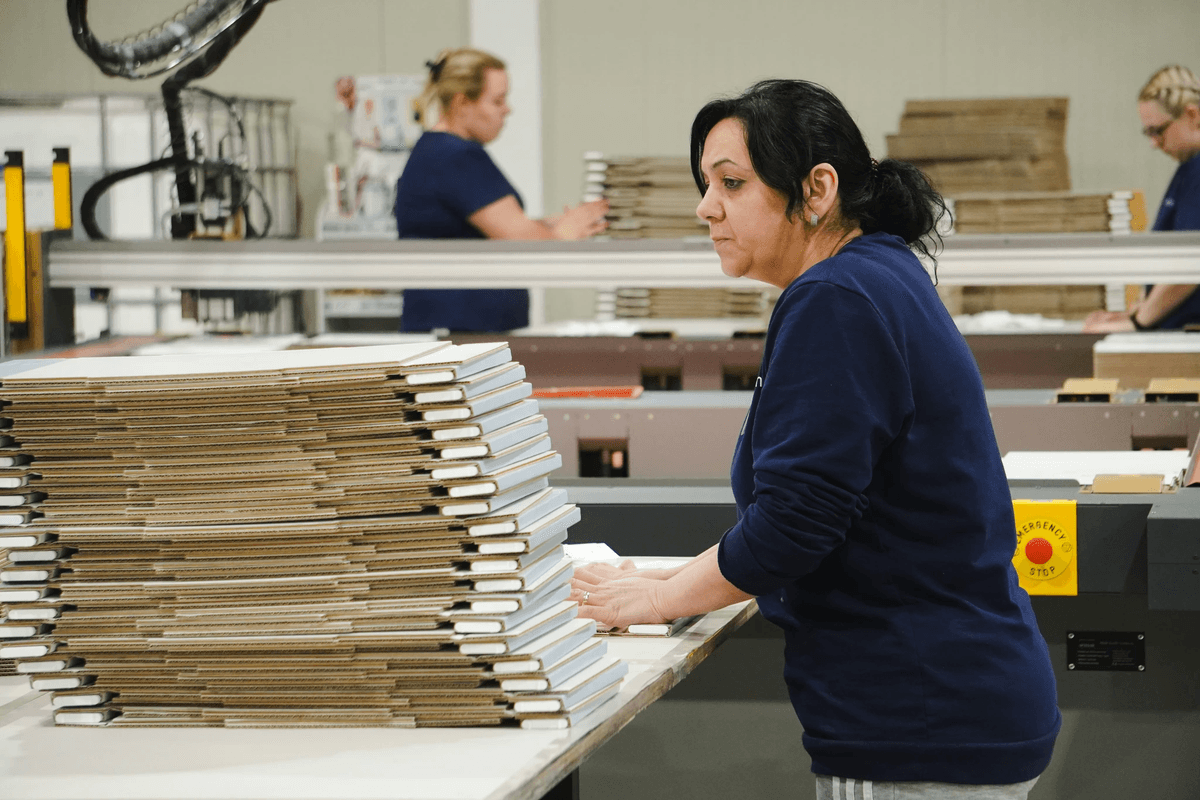
In a world where online shopping reigns supreme, ensuring that you receive authentic Chinese products is crucial. With the rise of excellent quality goods from China, consumers must navigate through a maze of options while being wary of counterfeit items. This section will explore how to verify the authenticity of these products, focusing on certifications, online resources, and the importance of third-party inspections.
Understanding the Importance of Certifications
When searching for high-quality Chinese products, one cannot overlook the significance of certifications. These credentials act as a badge of honor for manufacturers who adhere to strict quality control standards and regulations. Certifications such as ISO 9001 or CE mark not only indicate compliance but also assure buyers that the product has undergone rigorous testing—essentially giving you peace of mind about its excellent quality.
Moreover, different industries have specific certifications tailored to their needs, making it vital for buyers to familiarize themselves with what’s relevant in their sector. By prioritizing suppliers with recognized certifications, you significantly reduce your risk when asking yourself: How can you verify the authenticity of Chinese products? This approach sets a solid foundation for ensuring that your purchases meet both safety and quality benchmarks.
Using Online Resources for Verification
The internet is an invaluable tool when it comes to verifying product authenticity and supplier credibility in China. Websites like Alibaba provide detailed profiles and ratings for suppliers, allowing consumers to gauge their reliability based on previous customer experiences. Additionally, platforms like Trustpilot or Google Reviews offer insights into how well suppliers deliver on their promises regarding excellent quality.
Don’t forget about government databases that list certified manufacturers; these resources can help identify which companies have passed necessary inspections and hold valid licenses. By leveraging these online tools effectively, you'll be better equipped to answer questions like “What are the 4 types of quality inspection?” while also finding high-quality Chinese products that meet your expectations.
Engaging in Third-Party Inspections
While research is essential for verifying product authenticity, nothing beats the assurance provided by third-party inspections—especially when dealing with overseas suppliers in China. Companies specializing in China Product Inspections can conduct thorough evaluations at various stages of production—from pre-production assessments to final checks before shipping—ensuring that you're receiving what you paid for.
These inspections not only confirm adherence to international standards but also provide valuable insights into whether manufacturers are following practices aligned with the 0.1% rule in China—a guideline emphasizing minimal defects during production runs. By engaging third-party inspectors, you're not just safeguarding your investment; you're actively participating in maintaining high standards within global supply chains focused on excellent quality.
What is the 0.1% Rule in China?
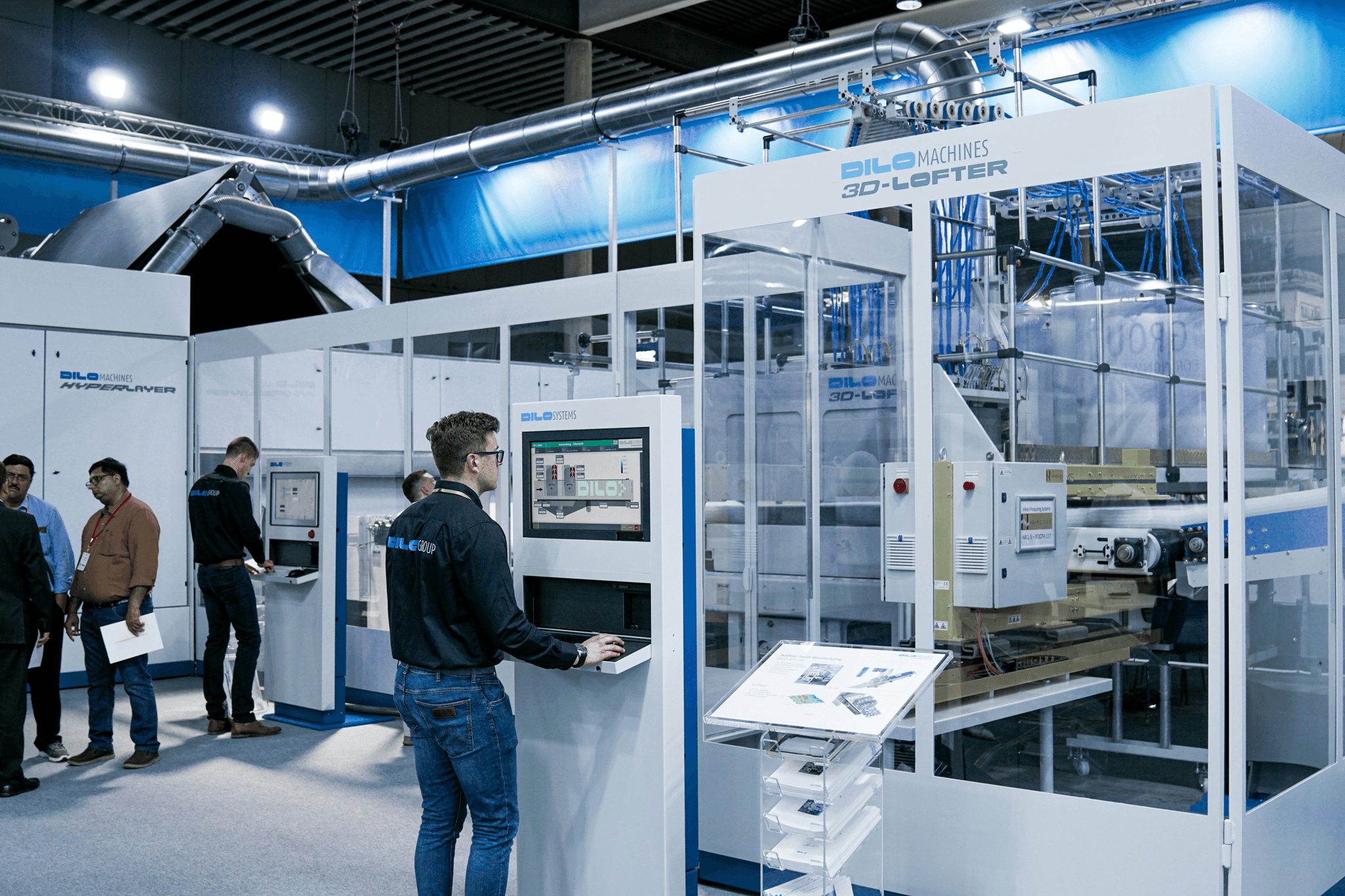
The 0.1% Rule in China is a fascinating concept that plays a significant role in quality control within the manufacturing sector. Essentially, it suggests that for every batch of products produced, only 0.1% can be deemed acceptable as defective or below standard. This rule has become a benchmark for ensuring excellent quality and consistency across various industries, particularly when it comes to Chinese manufacturing.
Defining the 0.1% Rule
At its core, the 0.1% Rule emphasizes strict adherence to quality standards by allowing only a minuscule fraction of defects in production runs. This means that if you’re sourcing high-quality Chinese products, you can expect exceptional attention to detail and rigorous checks throughout the manufacturing process. The rule serves as a guiding principle for manufacturers aiming to enhance their reputation and meet international quality expectations.
How it Affects Quality Control Practices
The application of the 0.1% Rule significantly influences how companies approach their quality control practices in China Product Inspections. Manufacturers are compelled to implement robust inspection protocols at various stages—be it pre-production or during production inspections—to ensure they stay within this narrow margin of error. Consequently, this leads to more reliable products and helps businesses answer critical questions like “How can you verify the authenticity of Chinese products?” with confidence.
Examples of Its Application in Manufacturing
One notable example of the 0.1% Rule in action can be seen in electronics manufacturing, where even minor defects can lead to catastrophic failures down the line; hence, manufacturers go above and beyond to adhere strictly to this guideline for excellent quality assurance. Similarly, textile producers often utilize this rule during pre-shipment inspections to guarantee that only top-notch fabrics reach consumers—eliminating any subpar items before they leave the factory floor or shipping container! By implementing such rigorous standards based on the 0.1% Rule, businesses not only improve product reliability but also build trust with customers looking for high-quality Chinese products.
Conclusion
In summary, the journey to excellent quality products from China has been nothing short of remarkable. Over the years, Chinese manufacturers have transformed their reputation from being synonymous with low-cost and low-quality goods to producing items that meet international standards. This evolution is largely attributed to rigorous quality inspections and a commitment to continuous improvement in manufacturing processes.
The Journey to Excellent Quality Products
The path toward achieving excellent quality in Chinese products has been paved by a mix of innovation, investment, and dedication to customer satisfaction. Manufacturers have learned that meeting global standards is not just about cutting costs; it's about building trust and credibility in a competitive market. As consumers become more discerning, the demand for high-quality Chinese products continues to rise, pushing manufacturers to adapt and excel.
Embracing Rigorous Quality Inspections
To ensure that only the best products make it into consumers' hands, embracing rigorous China product inspections has become essential for manufacturers and buyers alike. Understanding what are the 4 types of quality inspection—pre-production, during production, pre-shipment, and container loading—provides a comprehensive framework for maintaining high standards throughout the production cycle. By prioritizing these inspections, businesses can significantly reduce risks associated with subpar goods while enhancing their overall brand reputation.
Future Trends in Chinese Manufacturing Quality
Looking ahead, future trends in Chinese manufacturing quality are likely to focus on sustainability and technological integration alongside traditional quality control measures like the 0.1% rule in China. This rule emphasizes that only a tiny fraction of defects is acceptable during production—a principle that underscores the commitment to excellence across all sectors of manufacturing. As companies continue to leverage advanced technologies such as AI and IoT for real-time monitoring and verification processes, we can expect even higher levels of product authenticity and superior craftsmanship from China's factories.