
Introduction
In the world of manufacturing, inspections play a pivotal role in ensuring that products meet quality standards before they reach consumers. Understanding inspections in production is crucial for businesses aiming to maintain high-quality output and customer satisfaction. This process encompasses various types of evaluations, including pre-production, in-process, and post-production inspections, each serving distinct purposes.
Understanding Inspections in Production
Inspections are systematic evaluations conducted at different stages of the production process to identify defects and ensure compliance with quality standards. These assessments can significantly influence the final product's quality, especially in industries like footwear inspection where precision is paramount. By understanding which type of inspection occurs before and after production, businesses can implement effective strategies to enhance their quality control processes.
Importance of Quality Control Processes
Quality control processes are essential for maintaining product integrity and consumer trust. They involve rigorous checks throughout the production cycle, from equipment inspection to final quality assurance inspection and testing. Implementing robust quality control measures not only reduces the risk of defects but also enhances brand reputation by ensuring consistent product excellence.
The Role of China Inspection Pro
China Inspection Pro plays a significant role in facilitating effective quality control through comprehensive inspection services tailored to various industries. Their expertise spans pre-shipment inspections, equipment inspection, and ongoing monitoring during production phases to ensure compliance with international standards. By partnering with professionals like China Inspection Pro, companies can confidently navigate the complexities of quality assurance inspection while focusing on their core business activities.
What is Pre-Production Inspection?
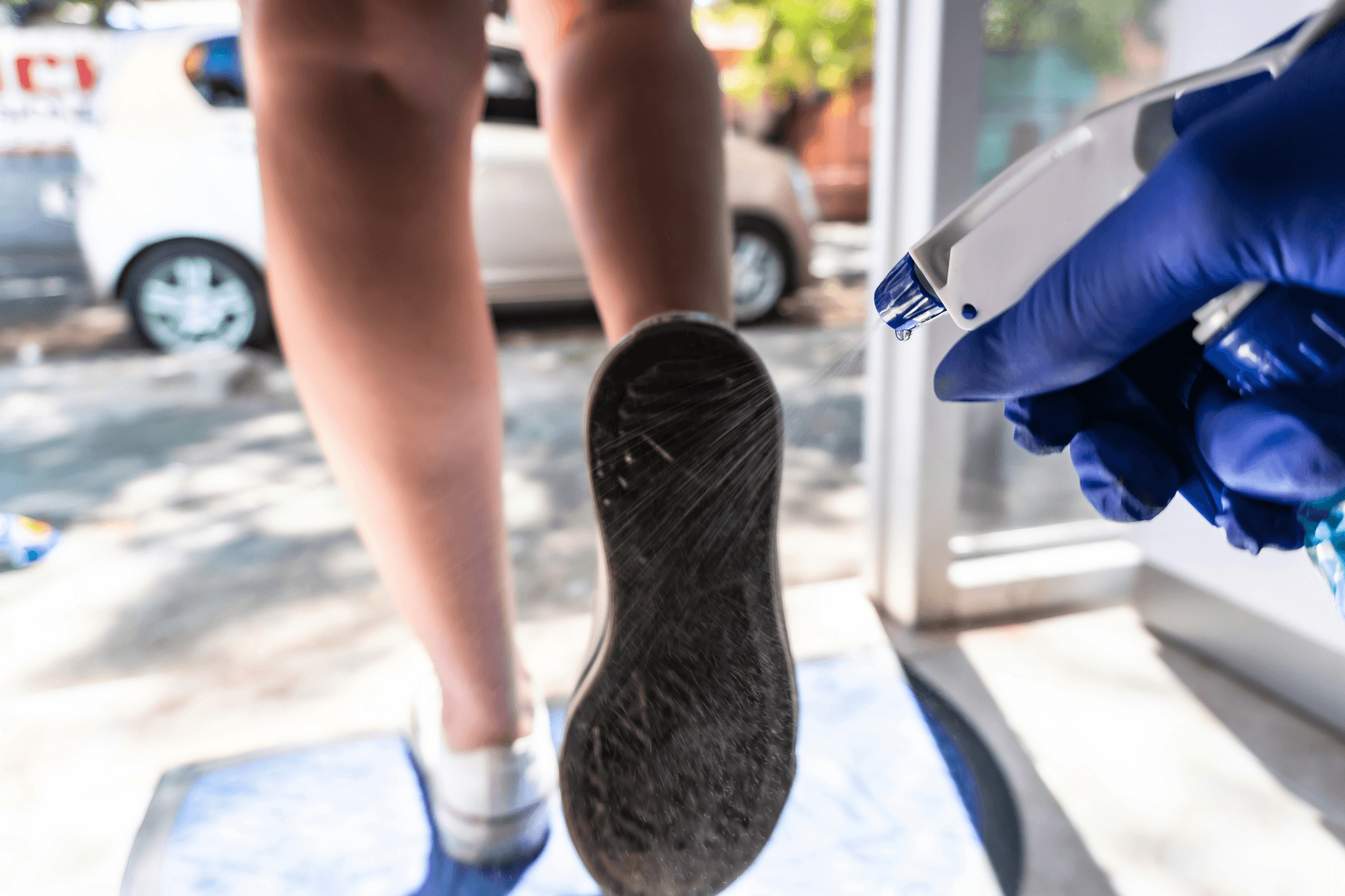
Pre-production inspection is a critical quality control process that occurs before the actual manufacturing begins. It serves as a proactive measure to identify potential issues that could affect the final product's quality. By addressing these concerns early, businesses can save time, reduce costs, and ensure that their products meet established standards.
Purpose and Benefits
The primary purpose of pre-production inspection is to verify that all materials and components meet specified requirements before production starts. This type of inspection ensures that manufacturers are using the right materials, which ultimately contributes to higher quality products. Additionally, conducting pre-production inspections can help avoid costly rework or delays later in the production cycle.
One of the significant benefits of pre-production inspection is enhanced communication between buyers and suppliers. When both parties understand expectations upfront, it fosters a collaborative environment where quality control becomes a shared goal. Furthermore, this proactive approach helps build consumer trust by ensuring consistent product quality from the outset.
Key Steps in the Process
The pre-production inspection process typically involves several key steps designed to ensure thorough evaluation. Initially, inspectors review product samples and specifications provided by the manufacturer to confirm compliance with design requirements. Following this review, they assess raw materials for quality assurance inspection before production begins.
Another crucial step includes verifying equipment used in production to ensure it meets industry standards—this falls under equipment inspection protocols as well. Inspectors may also conduct on-site visits to observe factory conditions and processes firsthand, ensuring everything aligns with best practices for quality control and pre-shipment inspection. By following these steps diligently, companies can mitigate risks associated with poor-quality products.
Common Practices in Footwear Inspection
In footwear inspection specifically, there are common practices tailored to address unique challenges within this industry segment. Inspectors often focus on evaluating material integrity—checking for defects like tears or discoloration that could compromise durability or aesthetics. They also scrutinize stitching techniques since improper stitching can lead to premature wear or failure during use.
Another essential practice involves assessing sizing accuracy; ensuring that footwear meets specified dimensions is vital for consumer satisfaction and brand reputation alike. Additionally, inspectors may conduct functionality tests—such as checking sole flexibility or grip—to ensure performance standards are met prior to mass production runs. These common practices collectively contribute to a robust framework for maintaining high-quality footwear products throughout their lifecycle.
The Ins and Outs of In-Process Inspection
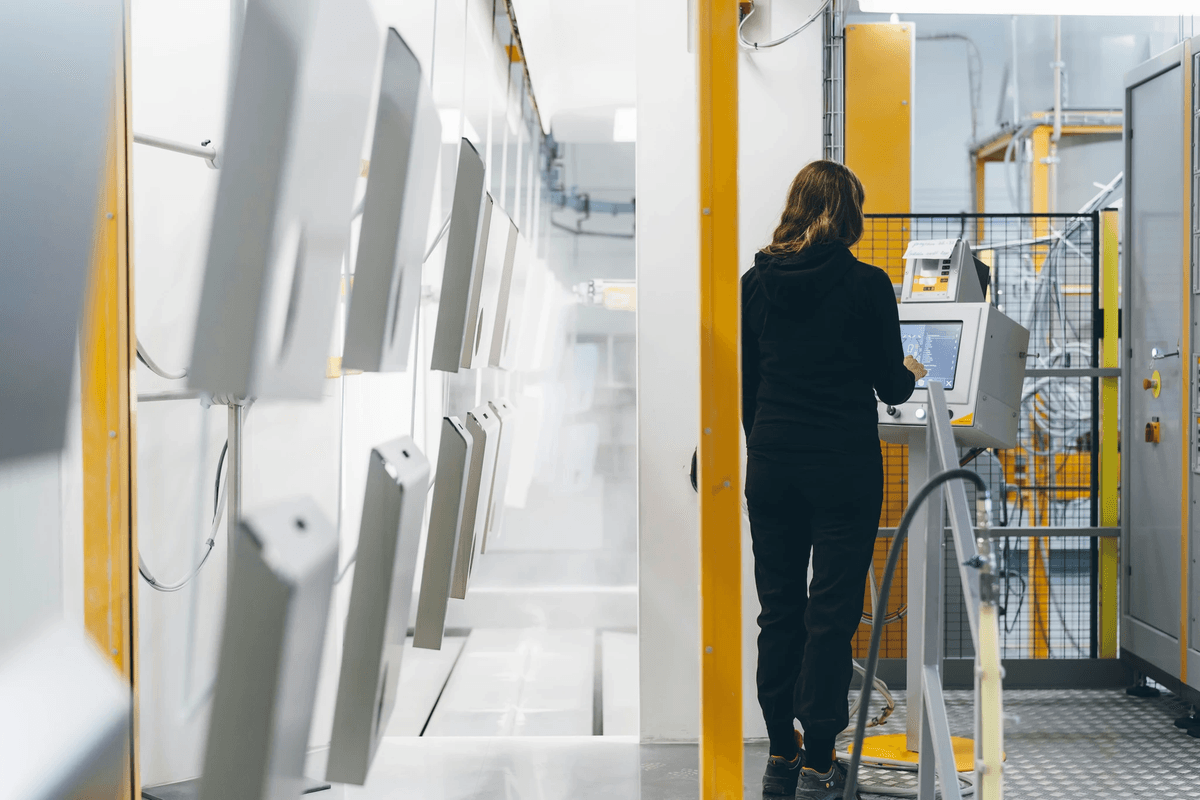
In-process inspection is a crucial phase in the production cycle, ensuring that quality standards are upheld while products are being manufactured. This type of inspection occurs during the production process, allowing for immediate feedback and adjustments if necessary. By closely monitoring quality during production, manufacturers can significantly reduce defects and enhance overall product integrity.
Monitoring Quality During Production
Monitoring quality during production involves regular checks at various stages of the manufacturing process. This proactive approach helps identify potential issues before they escalate into larger problems, ultimately saving time and resources. Footwear inspection, for instance, may include assessing materials and craftsmanship to ensure compliance with design specifications right on the assembly line.
Techniques for Equipment Inspection
Equipment inspection is an essential part of maintaining quality control throughout the production process. Regular assessments help ensure that machinery operates efficiently and safely, which directly impacts product quality. Techniques such as preventive maintenance checks and performance evaluations allow manufacturers to catch equipment-related issues before they affect output or lead to costly downtime.
Ensuring Consistency with Quality Control and Pre Shipment Inspection
To maintain high standards in product excellence, it's vital to ensure consistency through robust quality control measures alongside pre-shipment inspections. These processes work hand-in-hand; while in-process inspections catch flaws early on, pre-shipment inspections serve as a final checkpoint before products reach consumers. By implementing thorough quality assurance inspections throughout production, businesses can foster consumer trust and satisfaction.
Post-Production Quality Inspection and Testing
In the world of production, post-production quality inspection and testing are crucial steps that ensure products meet the required standards before reaching consumers. This phase is where final checks are conducted to catch any potential defects or issues that may have slipped through earlier inspections. By focusing on quality inspection and testing, businesses can significantly enhance their reputation and customer satisfaction.
Importance of Final Checks
Final checks in post-production are essential for identifying any discrepancies that may have occurred during manufacturing. These last-minute inspections serve as a safety net, ensuring that only products that meet quality control standards make it to the market. Without these critical final checks, companies risk delivering subpar items, which can lead to increased returns and a tarnished brand image.
Methods Used in Quality Assurance Inspection
Various methods are employed during quality assurance inspection to guarantee product integrity. Common practices include visual inspections for defects, equipment inspection for functionality, and even performance testing under simulated conditions. Each method plays a vital role in ensuring that every item adheres to established guidelines and meets consumer expectations.
How Inspections Impact Consumer Trust
Quality inspections directly impact consumer trust by assuring buyers they receive reliable products. When customers know rigorous quality control measures—including pre-shipment inspection—are in place, they feel more confident in their purchases. This trust not only fosters customer loyalty but also enhances brand reputation, making it clear why investing in thorough inspections is essential for any business aiming for long-term success.
Relevant Guidelines and Standards
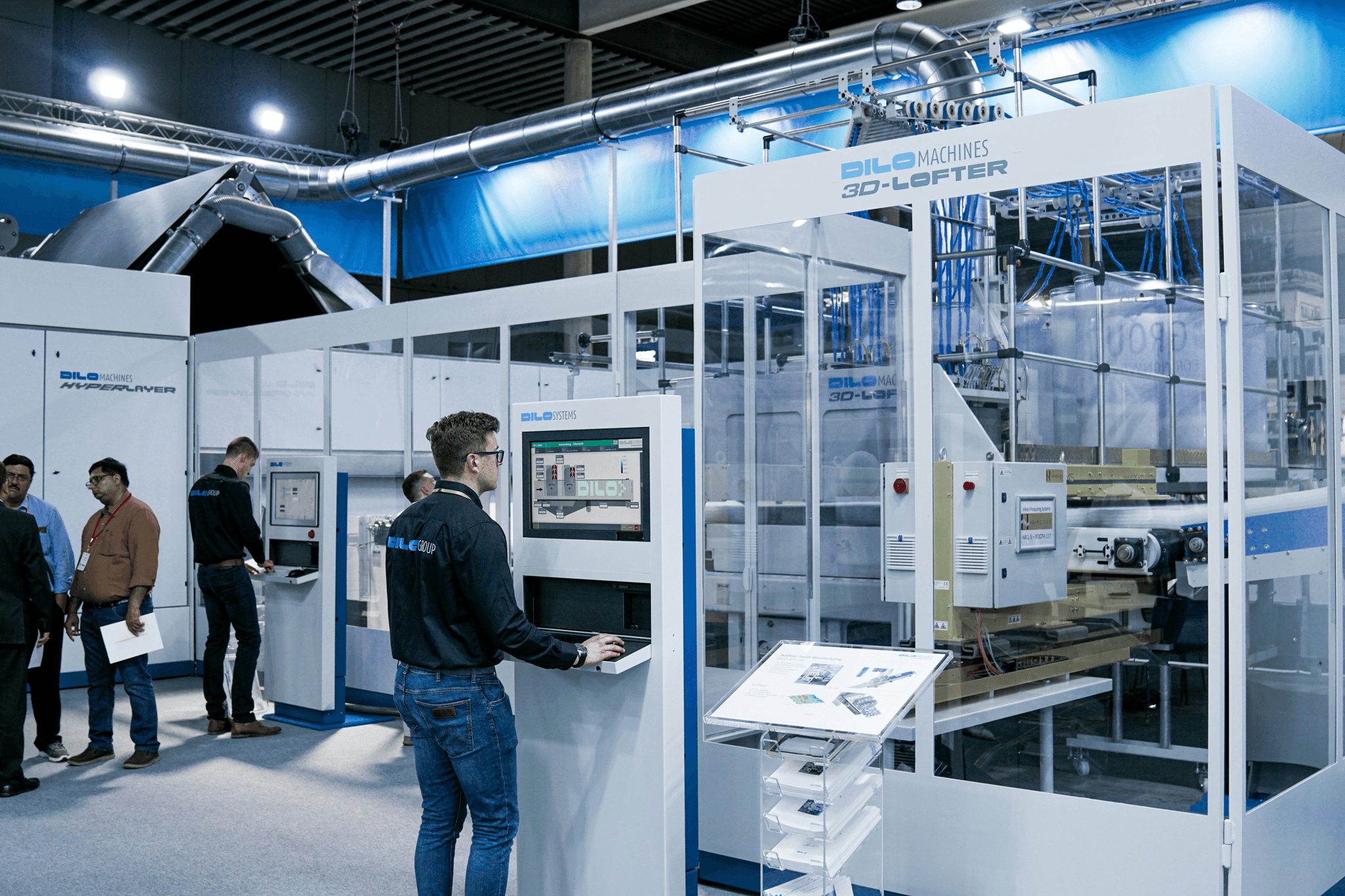
Quality inspections are not just a box to tick; they are essential for maintaining the integrity of products and consumer trust. The footwear industry, in particular, has specific industry standards that dictate how inspections should be conducted throughout the production process. Understanding these guidelines helps manufacturers ensure they meet both quality expectations and regulatory requirements.
Industry Standards for Quality Inspections
When it comes to footwear inspection, adhering to industry standards is crucial for ensuring product safety and performance. Organizations like ISO (International Organization for Standardization) set forth guidelines that help define what constitutes a quality inspection and testing process. These standards provide a framework that manufacturers can follow to ensure their products not only meet market demands but also comply with safety regulations.
In addition to ISO, there are other industry-specific standards that manufacturers should be aware of, such as ASTM (American Society for Testing and Materials) specifications tailored specifically for footwear materials and construction techniques. By aligning with these standards, companies can better manage risks associated with equipment inspection during production phases. Ultimately, following established guidelines enhances the overall quality assurance inspection process.
Regulatory Compliance Checks
Regulatory compliance checks serve as a safeguard against potential hazards in production processes, especially in industries like footwear where consumer safety is paramount. These checks ensure that all aspects of production—from raw materials to finished products—comply with local and international regulations governing quality control and pre-shipment inspection procedures. Regular audits can help identify gaps in compliance before they turn into costly mistakes.
Incorporating regulatory compliance into your quality inspection strategy means staying updated on changing laws and guidelines relevant to your market segment. This proactive approach not only protects consumers but also builds brand credibility in a competitive marketplace where trust is invaluable. After all, who wants to take chances when it comes to what’s on their feet?
Best Practices for Quality Assurance
Implementing best practices for quality assurance involves developing systematic approaches tailored to specific types of inspections—whether that's pre-production or post-production checks. For instance, during footwear inspection, it's vital to establish clear criteria based on both customer expectations and regulatory requirements so inspectors know exactly what they're looking for during assessments.
Moreover, employing advanced technology can streamline the equipment inspection process by automating data collection and analysis—making it easier than ever to maintain high-quality standards throughout production cycles. Regular training sessions ensure that staff members are well-versed in these best practices while fostering an environment where continuous improvement is encouraged.
Ultimately, integrating effective strategies into your quality assurance framework leads not just to compliant products but also enhances overall consumer satisfaction—a win-win scenario!
Choosing the Right Inspection Service
In the world of production, selecting the right inspection service can make or break your quality control efforts. With a plethora of options available, it’s crucial to understand which type of inspection occurs before and after production to ensure you’re making an informed choice. Companies must evaluate potential partners based on their expertise in footwear inspection, equipment inspection, and overall quality assurance inspection processes.
Evaluating Inspection Companies
When evaluating inspection companies, it’s essential to consider their experience and reputation in the industry. Look for firms that specialize in quality control and pre-shipment inspection, as they will have a deeper understanding of the nuances involved in various types of inspections. Additionally, check for certifications that demonstrate adherence to industry standards; these credentials can provide peace of mind regarding their capability to conduct thorough quality inspection and testing.
Another critical factor is customer feedback; testimonials from previous clients can offer insights into the effectiveness and reliability of an inspector's services. Companies should also assess whether an inspector has specific expertise relevant to their product line—such as footwear inspection or equipment inspection—to guarantee they are well-versed in the unique challenges those products may present. Ultimately, selecting a company with proven results will help ensure your products meet consumer expectations consistently.
What Makes China Inspection Pro Stand Out
China Inspection Pro has carved out a niche for itself by combining extensive experience with specialized knowledge tailored to various industries, including footwear manufacturing. Their focus on quality control and pre-shipment inspection ensures that every product undergoes rigorous checks at multiple stages—pre-production, during production, and post-production—to catch any potential issues early on. This comprehensive approach not only enhances product integrity but also builds trust with consumers who demand high-quality goods.
Moreover, China Inspection Pro employs cutting-edge technology alongside traditional methods to conduct thorough quality assurance inspections efficiently. Their team consists of trained professionals adept at identifying defects or inconsistencies in both materials and workmanship during equipment inspections or final checks on finished products. By leveraging such expertise, they set themselves apart from competitors who may lack this level of detail-oriented service.
The Benefits of Partnering with Professionals
Partnering with professional inspectors brings numerous advantages beyond mere compliance; it fosters a culture of excellence within your organization that resonates through every level of production. When you collaborate with experts specializing in footwear inspection or other specific niches like equipment inspections, you gain access to best practices that can enhance your overall manufacturing process significantly. This collaboration leads not only to improved product quality but also mitigates risks associated with faulty goods reaching consumers.
Additionally, engaging professionals for quality inspection and testing allows companies to focus on their core competencies while leaving the intricacies of inspections to those who know them best. With seasoned inspectors handling aspects such as regulatory compliance checks or final product evaluations, businesses can streamline operations without sacrificing attention to detail—a win-win situation! Ultimately, investing in professional services pays off by ensuring consistent delivery of high-quality products that meet market demands.
Conclusion

In summary, understanding the different types of inspections is crucial for maintaining high-quality standards in production. From pre-production inspection to post-production quality inspection and testing, each stage plays a vital role in ensuring the final product meets consumer expectations. By recognizing which type of inspection occurs before and after production, businesses can implement effective quality control and pre-shipment inspection strategies that enhance overall product excellence.
Key Takeaways on Inspection Types
One key takeaway is the significance of pre-production inspection, which sets the stage for quality throughout the manufacturing process. Footwear inspection and equipment inspection are essential steps that occur during production to monitor consistency and adherence to standards. Finally, post-production quality inspections ensure that any potential issues are addressed before products reach consumers, safeguarding brand reputation.
The Importance of Quality Inspections
Quality inspections are not just a box-ticking exercise; they are fundamental to building consumer trust in a brand's products. Regular quality assurance inspections can prevent costly recalls and maintain customer loyalty by ensuring that every item meets industry standards. Ultimately, investing in thorough quality control processes translates into better products and satisfied customers.
Enhancing Product Excellence Through Inspections
By incorporating rigorous footwear inspection and equipment inspection protocols throughout the production cycle, companies can significantly enhance product excellence. Quality inspection and testing methods help identify defects early on, allowing for timely corrections before reaching consumers. In essence, prioritizing inspections at every stage cultivates a culture of excellence that benefits both manufacturers and their customers alike.