
Introduction

In today's fast-paced office environments, the quality of office supplies plays a crucial role in overall productivity and efficiency. Understanding Quality Inspection Standards is essential for ensuring that these supplies meet both functional and aesthetic requirements, ultimately leading to a more organized and effective workspace. This introduction sets the stage for exploring various inspection types that guarantee the reliability of office products.
Understanding Quality Inspection Standards
Quality Inspection Standards serve as benchmarks for evaluating the materials and performance of office supplies. These standards encompass a range of assessments, including Appearance Inspection, Performance Inspection, Safety Inspection, and Packaging Inspection, each focusing on different aspects of quality assurance. By adhering to these standards, manufacturers can ensure their products not only look good but also function effectively while maintaining safety.
The Importance of Office Supplies Quality
High-quality office supplies are vital for creating an efficient work environment where employees can thrive without distractions caused by faulty or subpar products. When businesses prioritize quality through rigorous inspections such as Appearance Inspection and Performance Inspection, they foster trust among their teams and enhance overall productivity. Furthermore, investing in quality ensures compliance with industry regulations while minimizing risks associated with safety hazards.
Overview of Inspection Types
A comprehensive approach to quality assurance involves multiple inspection types that address various elements of office supplies. Appearance Inspections focus on visual attributes like color consistency and packaging integrity; Performance Inspections evaluate functionality under real-world conditions; Safety Inspections identify potential hazards; while Packaging Inspections ensure that products are shipped securely without damage. Together, these inspections create a robust framework for maintaining high Quality Inspection Standards throughout the supply chain.
What are Quality Inspection Standards?
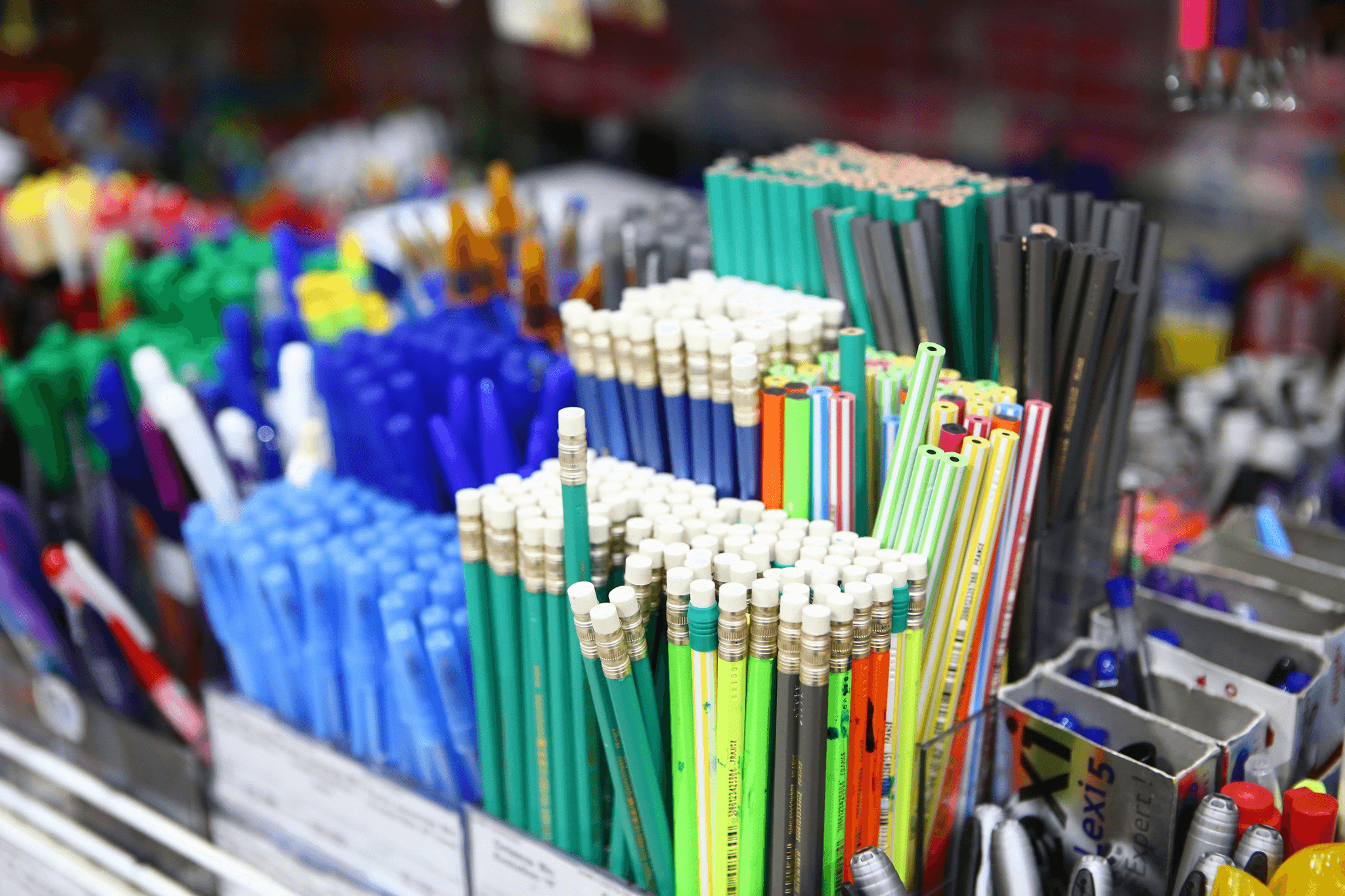
Quality Inspection Standards serve as the backbone of quality assurance across various industries, including office supplies. These standards provide a framework for evaluating products based on predetermined criteria, ensuring they meet specific quality benchmarks. By adhering to these standards, manufacturers can enhance their credibility and deliver consistent products that satisfy consumer expectations.
Definition and Scope
At its core, Quality Inspection Standards refer to established guidelines that dictate how products should be evaluated for quality. This encompasses everything from Appearance Inspection—where visual aesthetics are scrutinized—to Performance Inspection, which assesses how well an item functions under normal conditions. The scope of these standards also extends to Safety Inspection and Packaging Inspection, ensuring that every aspect of a product is up to par before it reaches the consumer.
Key Objectives in Quality Control
The primary objectives of Quality Control revolve around minimizing defects and maximizing customer satisfaction through rigorous inspections. By implementing robust Quality Inspection Standards, companies aim to identify flaws during the production process rather than after products have shipped out. This proactive approach not only saves time and resources but also fosters trust among consumers who rely on the quality of office supplies for their daily tasks.
Role of Quality Standards in Office Supplies
In the realm of office supplies, Quality Inspection Standards play a crucial role in maintaining product integrity and user safety. From ensuring that paper reams are free from defects during Appearance Inspections to validating that staplers perform consistently through Performance Inspections, these standards safeguard both functionality and reliability. Moreover, Safety Inspections are vital for identifying potential hazards associated with office equipment—such as sharp edges or toxic materials—while Packaging Inspections ensure that products arrive intact and presentable.
Appearance Inspection: First Impressions Matter
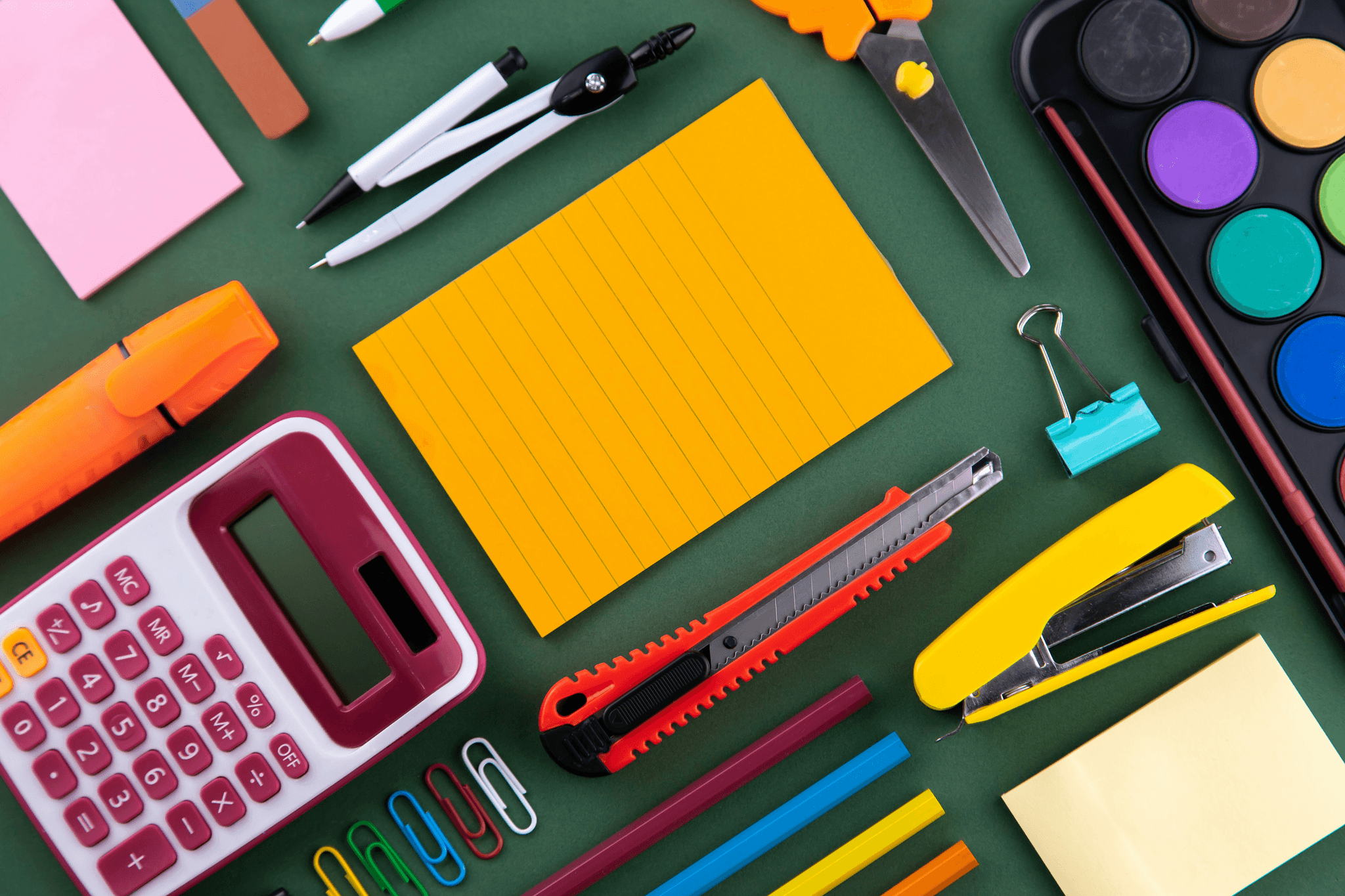
In the world of office supplies, the first impression can often be the last, making appearance inspection a critical component of quality inspection standards. A product that looks appealing not only attracts customers but also reflects the brand's commitment to quality. Thus, ensuring that every item meets visual quality checks is essential for maintaining a competitive edge.
Visual Quality Checks
Visual quality checks are the cornerstone of appearance inspection, focusing on assessing how products look before they reach consumers. This involves examining colors, finishes, and overall aesthetics to ensure that they align with established quality inspection standards. A thorough visual check can identify issues such as color inconsistencies or surface blemishes that could detract from a product's appeal.
Common Appearance Flaws
Despite the best efforts in design and production, common appearance flaws can still sneak through the cracks during manufacturing processes. Some frequent offenders include scratches on surfaces, misaligned labels, and uneven finishing—all of which can signal poor quality control practices. Addressing these flaws through rigorous appearance inspections is vital to uphold customer satisfaction and trust in your office supplies.
Tools for Effective Appearance Inspection
To conduct effective appearance inspections, various tools and techniques are available to streamline the process and enhance accuracy. Visual aids like color matching systems help ensure consistency across batches while magnifying glasses or microscopes can reveal minute imperfections that may otherwise go unnoticed. Additionally, employing standardized checklists based on quality inspection standards ensures that no detail is overlooked during assessments.
Performance Inspection: Functionality at its Finest

Criteria for Performance Evaluation
Evaluating performance requires clear and specific criteria that align with Quality Inspection Standards. Factors such as durability, usability, and efficiency are paramount when assessing office supplies like pens, staplers, or printers. Each product should meet predefined benchmarks that reflect its intended use; after all, a stapler that jams frequently is more of a headache than a help!
Testing Methods for Office Supplies
Performance testing methods can vary widely depending on the type of office supply being evaluated. Common techniques include stress tests, usability assessments, and functionality trials to ensure compliance with Quality Inspection Standards. For instance, while testing paper quality might involve measuring thickness and opacity, evaluating a printer could require running multiple print jobs to check for speed and clarity.
Importance of Consistency in Performance
Consistency is key when it comes to performance inspection; if an office supply doesn’t perform reliably every time it's used, it can lead to frustration and inefficiency in the workplace. Regular inspections based on established Quality Inspection Standards help ensure that products maintain their quality over time. Ultimately, consistent performance not only enhances user satisfaction but also strengthens brand loyalty—because who doesn’t love a reliable pen?
Safety Inspection: Protecting Users First
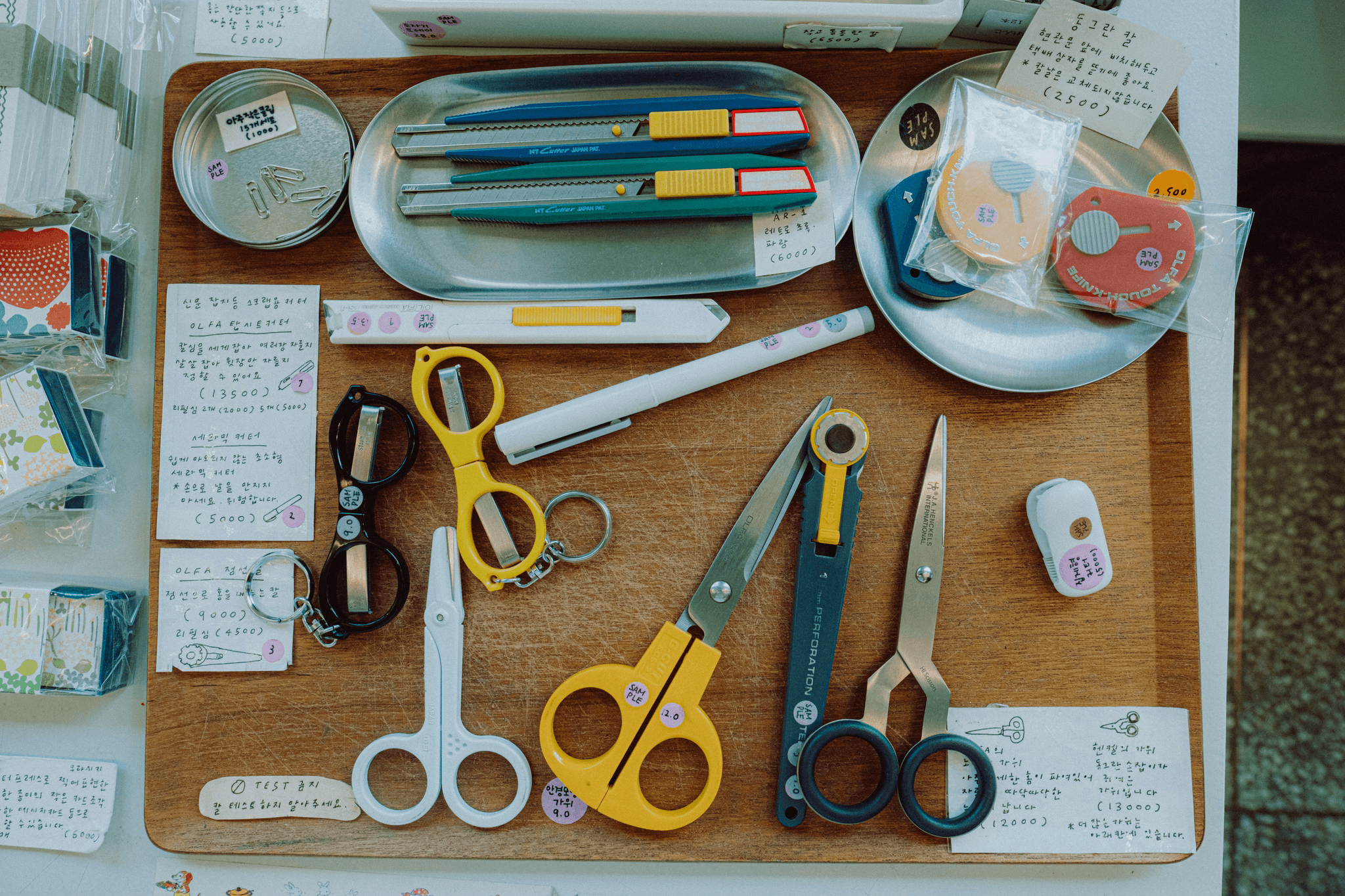
When it comes to office supplies, safety inspection is non-negotiable. The stakes are high; compromised safety can lead to accidents or injuries, making it imperative to adhere to stringent Quality Inspection Standards. By focusing on safety, businesses not only protect their users but also enhance their reputation and trustworthiness in the market.
Identifying Safety Hazards
Identifying safety hazards is the first step in ensuring that office supplies meet Quality Inspection Standards. This process involves scrutinizing products for potential risks that could harm users during regular use or even in unexpected scenarios. Common hazards may include sharp edges, toxic materials, or inadequate stability in products like chairs and desks.
A well-structured appearance inspection can often reveal visual clues about potential dangers—cracks or frayed wires can be telltale signs of underlying issues. Performance inspections also play a role here; if a product doesn’t function as intended, it may pose additional risks to users. Ultimately, thorough identification of these hazards helps create safer work environments.
Compliance with Safety Regulations
Compliance with safety regulations is crucial for any company looking to produce office supplies that prioritize user welfare. Various regulatory bodies set forth standards that must be met for products to be deemed safe for consumer use—think of these as the ultimate checklist for quality assurance! Meeting these requirements not only ensures adherence to legal standards but also enhances customer confidence in your brand.
Quality Inspection Standards often incorporate these regulations into their frameworks, guiding manufacturers on what they need to focus on during inspections. Non-compliance can lead to serious repercussions including recalls and lawsuits, which no business wants on its hands! Thus, adhering strictly to safety regulations is both a legal obligation and a smart business strategy.
The Role of Third-Party Inspections
Third-party inspections serve as an impartial layer of scrutiny within the quality control process of office supplies. These independent evaluations ensure that products meet established Quality Inspection Standards without bias from manufacturers who might overlook flaws due to vested interests. Engaging third-party inspectors brings an extra level of credibility and thoroughness that internal checks may lack.
In addition, third-party inspections can help identify any discrepancies between appearance inspection results and actual product performance metrics—ensuring nothing slips through the cracks! This added layer not only fosters consumer trust but also pushes companies toward higher standards in both safety inspection and overall quality assurance practices. With third-party insights at hand, businesses can fine-tune their processes and deliver top-notch office supplies every time.
Packaging Inspection: The Face of Your Product
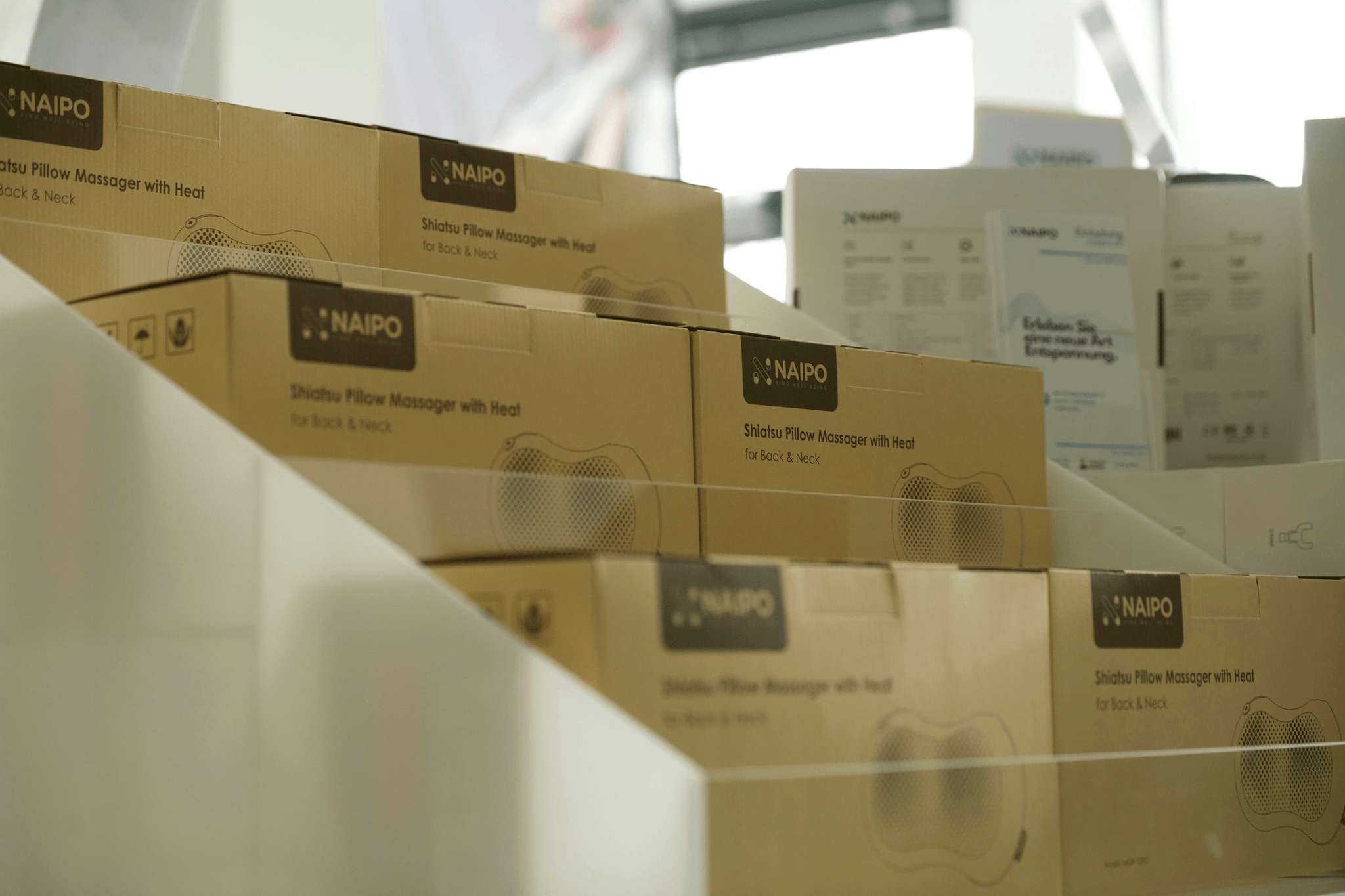
In the realm of office supplies, packaging is not just a protective layer; it's the first impression your product makes on customers. Quality Inspection Standards emphasize that packaging should reflect the quality of what's inside, setting expectations before the product is even used. A well-designed package can enhance perceived value and ensure customer satisfaction, making packaging inspection an essential part of quality control.
Importance of Packaging in Quality Assurance
Packaging plays a crucial role in maintaining the integrity and functionality of office supplies during transit and storage. If packaging fails, it can lead to damaged products, resulting in poor performance or even safety hazards for users—issues that could have been caught through effective Appearance Inspection and Performance Inspection. Additionally, attractive and sturdy packaging can also act as a marketing tool, reinforcing brand identity while ensuring compliance with Quality Inspection Standards.
Inspecting Packaging Integrity
When it comes to inspecting packaging integrity, several factors come into play: durability, design accuracy, and compliance with safety regulations. Inspectors examine whether packages are sealed properly to prevent contamination or damage during shipping—a critical aspect linked to both Safety Inspection and Performance Inspection. Moreover, any flaws in labeling or design can mislead consumers about the product's purpose or usage, which is why thorough checks are vital.
China Inspection Pro’s Role in Packaging Inspection
China Inspection Pro specializes in providing comprehensive packaging inspection services tailored for businesses aiming to meet rigorous Quality Inspection Standards. Their expertise ensures that every aspect of your product's packaging—from materials used to design specifications—is scrutinized for potential issues before reaching consumers’ hands. By leveraging their services, companies can rest assured that their office supplies not only look good but also function effectively and safely.
Conclusion

In conclusion, understanding and implementing Quality Inspection Standards is essential for ensuring that office supplies meet both consumer expectations and regulatory requirements. The various types of inspections—Appearance Inspection, Performance Inspection, Safety Inspection, and Packaging Inspection—each play a crucial role in maintaining high-quality products. By adhering to these standards, businesses can enhance their reputation and foster customer loyalty.
Key Takeaways on Quality Inspection Standards
Quality Inspection Standards serve as the backbone of quality assurance in the office supplies industry. They encompass various inspection types such as Appearance Inspection, which focuses on visual appeal; Performance Inspection, which evaluates functionality; Safety Inspection to ensure user protection; and Packaging Inspection that safeguards product integrity during transit. Understanding these standards empowers businesses to identify flaws early in the production process, ultimately saving time and resources while boosting overall product quality.
Enhancing Office Supplies Through Inspections
Implementing rigorous inspections like Appearance Inspection and Performance Inspection can significantly enhance the quality of office supplies. Visual checks help catch aesthetic flaws that could deter customers, while performance evaluations ensure that products work as intended under real-world conditions. Additionally, Safety Inspections protect users from potential hazards, reinforcing a brand's commitment to consumer safety—an invaluable asset in today’s market.
Future Trends in Quality Control for Office Supplies
Looking ahead, the future of quality control for office supplies will likely be shaped by advancements in technology and automation. Innovations such as AI-driven analytics may streamline Appearance Inspections and enhance accuracy in Performance Inspections by predicting potential failures before they occur. Furthermore, increased emphasis on sustainability will drive more stringent Packaging Inspections to ensure eco-friendly practices are followed throughout the supply chain.