
Introduction
In today’s global marketplace, container inspection services play a pivotal role in ensuring the safety and quality of cargo transported across borders. These services are essential for maintaining the integrity of shipments, especially given the complexities of international trade. Understanding how these inspections work is crucial for businesses aiming to uphold their reputation and comply with regulations.
Understanding Container Inspection Services
Container inspection services encompass a range of evaluations performed on shipping containers to ensure they meet safety and quality standards. This process involves examining both the physical condition of containers and their compliance with industry regulations. From structural integrity to cleanliness, thorough inspections help prevent costly mishaps during transit.
The Importance of Quality Assurance Certification
Quality assurance certification serves as a benchmark for businesses to demonstrate their commitment to maintaining high standards in their operations, including container inspection services. Obtaining this certification not only boosts credibility but also reassures clients that products are handled safely and effectively throughout the supply chain. In an era where consumer trust is paramount, having quality assurance certification can set a company apart from its competitors.
What to Expect from Container Inspection
When engaging in container inspection, businesses should anticipate a detailed assessment that covers various aspects of cargo safety and compliance. Inspections typically include checks for damage, contamination, and adherence to food safety audit services when applicable. By understanding what to expect from shipping container inspections, companies can better prepare for potential issues that could arise during transit or delivery.
Overview of Container Inspection Services
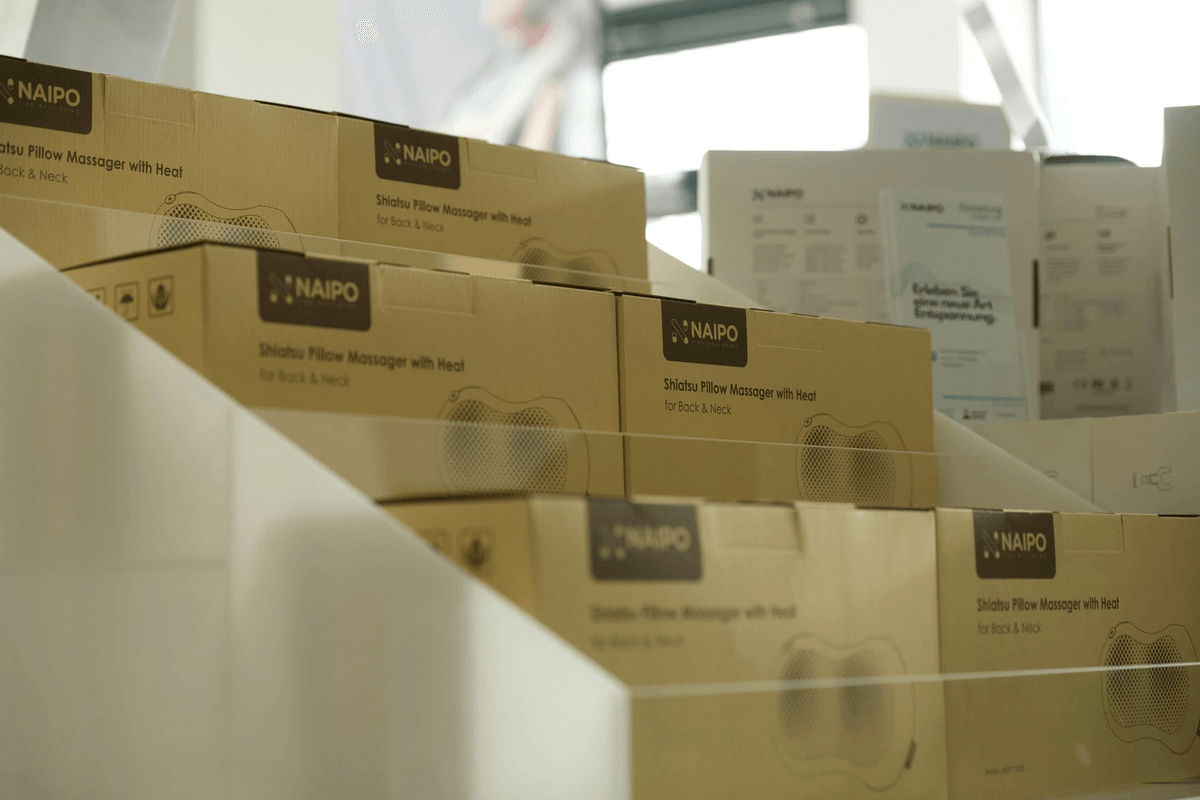
These services involve thorough examinations of shipping containers, checking for structural integrity, compliance with regulations, and overall condition. By utilizing professional inspection services, businesses can mitigate risks and enhance their operational efficiency.
What Are Container Inspection Services
Container inspection services are specialized assessments conducted on shipping containers to ensure they meet safety and quality standards. This includes evaluating both the interior and exterior of containers for any signs of damage, contamination, or non-compliance with international shipping regulations. With a focus on quality assurance certification, these inspections help maintain the integrity of cargo during transit.
Types of Inspections in the Industry
In the realm of container inspection services, several types are commonly utilized to address different needs. Visual inspections are often performed first to identify any obvious issues such as rust or dents. More detailed assessments may include cargo container inspections that utilize advanced technology like ultrasonic testing or thermal imaging to detect hidden defects—ensuring that every nook and cranny is scrutinized.
Benefits of Professional Inspections
Engaging professional inspection services provides numerous advantages for businesses involved in shipping and logistics. Firstly, it significantly reduces the risk of costly delays caused by damaged goods or regulatory non-compliance—saving time and money in the long run. Additionally, obtaining quality assurance certification through these inspections enhances your reputation in the market; clients are more likely to trust companies that prioritize safety and quality through rigorous inspection certification processes.
Quality Assurance Certification Explained
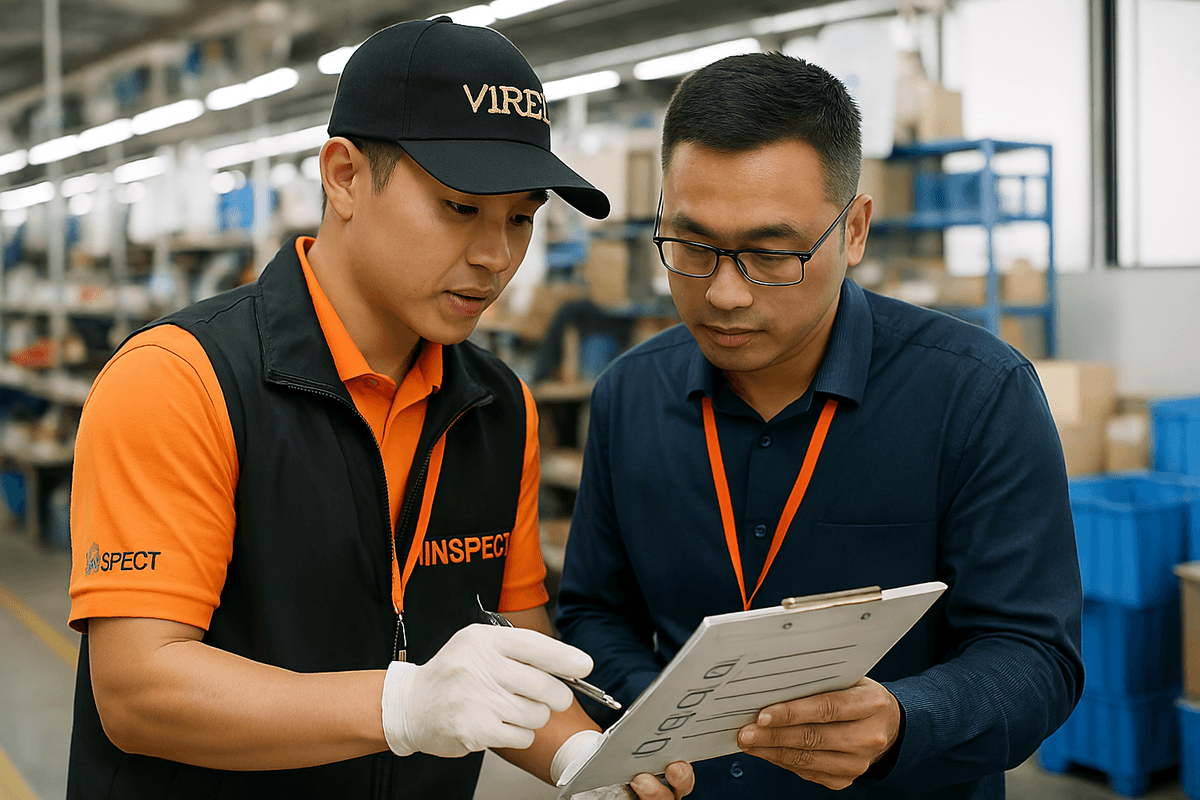
Quality assurance certification is a pivotal aspect of container inspection services, ensuring that products meet specific standards and regulations. This certification not only enhances the credibility of businesses but also builds trust with clients and stakeholders. In an industry where safety and quality are paramount, understanding the nuances of quality assurance certification can significantly impact operational success.
Why Quality Assurance Matters
Quality assurance is essential because it establishes a benchmark for consistency in services like shipping container inspection and cargo container inspection. It ensures that every process adheres to predetermined standards, reducing the risk of errors and enhancing product reliability. Furthermore, in a world where consumer safety is increasingly scrutinized, having robust quality assurance measures can differentiate your business from competitors.
Getting Your Quality Assurance Certification
Obtaining your quality assurance certification involves several key steps, starting with a comprehensive evaluation of your current processes related to container inspection services. You'll need to demonstrate compliance with industry standards through rigorous documentation and audits, often conducted by third-party organizations specializing in inspection certification. Once you successfully navigate this process, you’ll not only gain certification but also improve your operational efficiency across food safety audit services and beyond.
Key Players in Quality Assurance
The landscape of quality assurance includes various key players such as regulatory bodies, independent auditors, and specialized organizations that provide training for effective container inspection services. These entities play a crucial role in defining standards that govern shipping container inspections and cargo container inspections alike. By collaborating with these players, businesses can ensure they are up-to-date on best practices while enhancing their reputation through recognized quality assurance certifications.
Navigating Inspection Certification
Navigating the world of inspection certification can feel like traversing a maze, but understanding its significance is crucial for businesses involved in container inspection services. Inspection certification serves as a formal acknowledgment that a service or product meets specific standards, ensuring quality and safety. This certification is particularly vital in industries where compliance with regulations is non-negotiable, such as food safety audit services and shipping container inspection.
What Is Inspection Certification?
Inspection certification is essentially a stamp of approval that indicates an organization or individual has met established guidelines for quality assurance. In the realm of container inspection services, this means that the inspections conducted on cargo containers adhere to rigorous standards set by regulatory bodies. Quality assurance certification not only enhances credibility but also instills confidence in clients regarding the integrity of their supply chains.
The Process of Obtaining Certification
Obtaining inspection certification typically involves several steps, beginning with an application process where documentation is submitted to relevant certifying bodies. Following this, an evaluation phase occurs wherein an auditor reviews processes and conducts thorough inspections to ensure compliance with established criteria related to cargo container inspection or food safety audits. Once approved, organizations receive their quality assurance certification, which can then be leveraged to boost market reputation and customer trust.
Importance in Supply Chain Management
Incorporating inspection certification into supply chain management is paramount for ensuring product integrity and minimizing risks associated with substandard goods. By adhering to established standards through quality assurance certifications, companies can streamline operations while enhancing overall efficiency within their logistics networks. Furthermore, having robust inspection protocols—especially in shipping container inspections—can significantly reduce liability and foster long-term partnerships based on trust and reliability.
The Role of Food Safety Audit Services
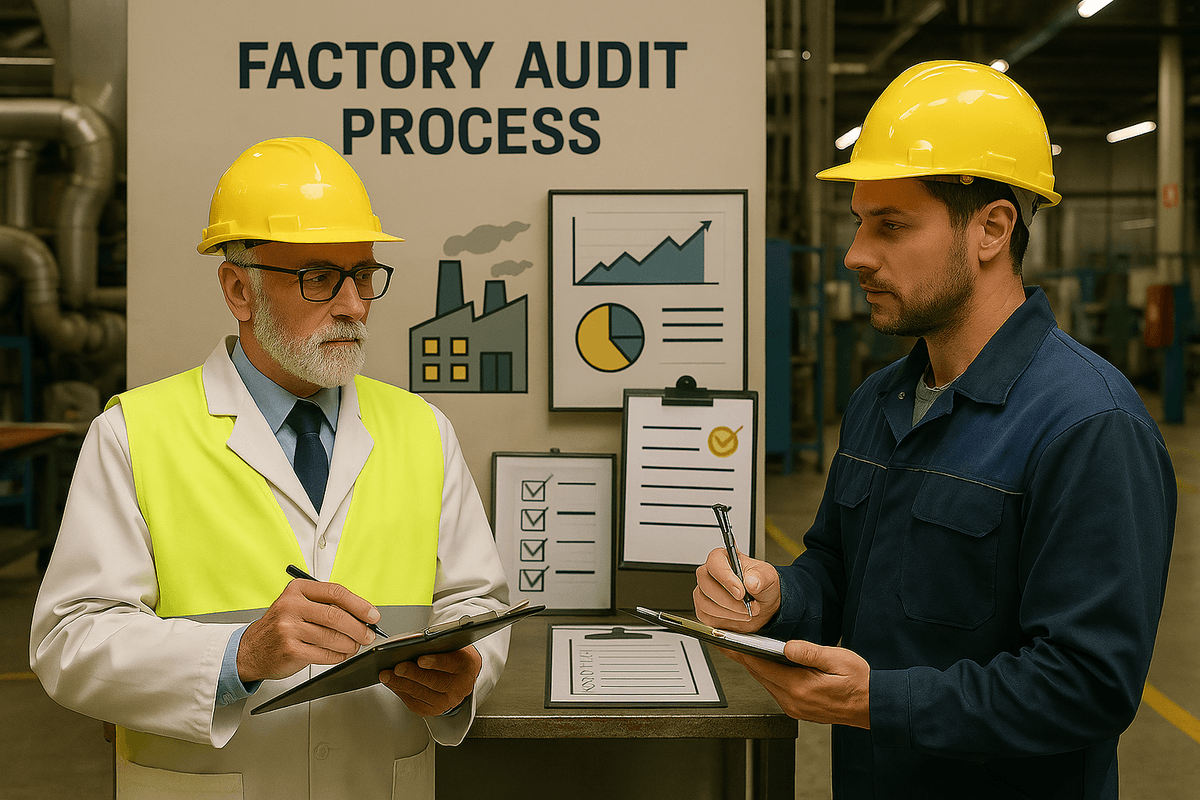
In the world of shipping and logistics, food safety audit services play a pivotal role in ensuring that products meet the highest standards before they reach consumers. With the increasing global focus on health and safety, these audits are not just optional; they are essential for maintaining compliance with regulations and protecting public health. By integrating food safety audits into container inspection services, businesses can enhance their operational integrity and build trust with customers.
Why Food Safety Audits Are Crucial
Food safety audits are crucial because they help identify potential hazards that could compromise product quality and consumer safety during transport. Inadequate inspections can lead to contamination or spoilage, resulting in costly recalls and damage to brand reputation. By employing rigorous food safety audit services, companies can mitigate risks associated with cargo container inspection and ensure that their products meet industry standards.
Moreover, these audits not only safeguard consumer health but also reinforce the importance of quality assurance certification within supply chains. Companies that prioritize food safety through thorough inspections demonstrate their commitment to excellence, which can set them apart from competitors in a crowded marketplace. Ultimately, investing in food safety audits is an investment in long-term success.
Common Standards for Food Safety Inspections
The Hazard Analysis Critical Control Point (HACCP) system is widely recognized as a cornerstone for identifying risks at various stages of production and transportation. Other important standards include ISO 22000 and FSSC 22000, both of which emphasize systematic management of food safety throughout the supply chain.
These frameworks provide a structured approach to conducting effective shipping container inspections by outlining specific procedures for monitoring critical points where hazards may arise. Compliance with such standards not only helps businesses avoid legal repercussions but also enhances their credibility among consumers who increasingly demand transparency regarding product sourcing and handling practices. Therefore, understanding these standards is vital for any organization involved in cargo container inspection.
How to Choose the Right Audit Service
Selecting the right food safety audit service can make all the difference when it comes to ensuring your products meet quality assurance certification requirements. Start by evaluating potential providers based on their experience within your industry; familiarity with specific challenges related to shipping container inspection is invaluable. Additionally, look for auditors who hold relevant certifications themselves—this indicates a commitment to upholding high standards.
Another key factor is technology; modern tools used during inspections can significantly improve accuracy and efficiency in identifying issues before they become major problems during cargo container inspection processes. Finally, consider customer reviews or case studies showcasing past successes; positive feedback from other businesses speaks volumes about an audit service's effectiveness. Choosing wisely will ultimately contribute not only to compliance but also enhance your overall business reputation.
Shipping Container Inspection Best Practices
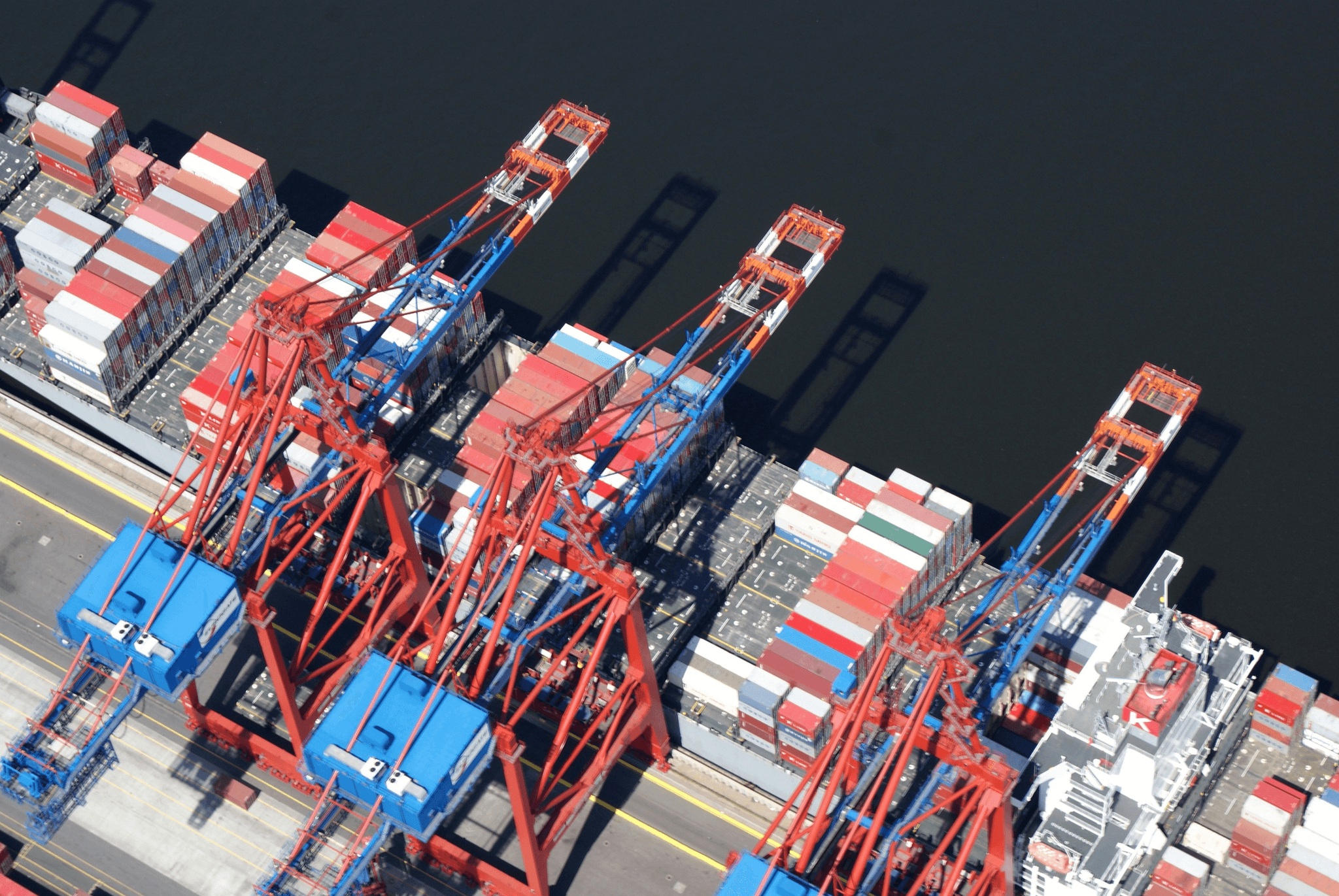
Having a well-structured plan not only streamlines the process but also ensures that your cargo is compliant with industry standards. By understanding the requirements and potential pitfalls, you can significantly enhance the effectiveness of your container inspection services.
Preparing for a Shipping Container Inspection
Preparation for a shipping container inspection involves several critical steps. First, ensure that all necessary documentation is in order, including manifests and quality assurance certification records. Additionally, conducting a pre-inspection check can help identify any obvious issues before the official inspection occurs, which can save time and resources during the actual process.
Another vital aspect of preparation is training staff on what to expect during inspections and how to address common concerns raised by inspectors. Properly educating your team about cargo container inspection protocols can lead to smoother interactions with inspectors and minimize disruptions in operations. Lastly, consider scheduling inspections during off-peak hours to avoid delays and ensure that your containers are given thorough attention.
Common Issues Found During Inspections
During shipping container inspections, several common issues tend to arise that could jeopardize compliance or safety standards. One frequent problem is improper sealing or damage to containers, which may indicate tampering or exposure to environmental elements that could compromise cargo integrity. Additionally, inadequate labeling or missing documentation often surfaces as a significant concern for inspectors assessing compliance with regulations.
Another issue frequently encountered relates to pest infestations or contamination within food-related shipments—this is where food safety audit services become particularly crucial. Any signs of pests or unsanitary conditions can lead not only to failed inspections but also potential health risks down the line. Addressing these common issues proactively through regular maintenance and thorough checks will greatly improve your chances of passing inspections without complications.
How China Inspection Pro Can Help
When navigating the complex world of shipping container inspection services, partnering with professionals like China Inspection Pro can make all the difference. They offer comprehensive solutions tailored specifically for businesses looking to maintain high-quality standards while ensuring compliance with international regulations regarding cargo container inspection practices. Their expertise in quality assurance certification processes means you’ll be equipped with knowledge on how best to prepare for inspections.
China Inspection Pro provides valuable insights into common pitfalls during inspections and offers guidance on how best to mitigate those risks effectively through targeted training programs for staff members involved in logistics operations. With their assistance, you can streamline your processes while enhancing overall operational efficiency—leading ultimately towards stronger supply chain management practices across various sectors including food safety audit services.
By leveraging their extensive experience in this field, you position yourself favorably against competitors who may overlook these essential aspects of shipping container inspections—a savvy move in today’s fast-paced global market!
Cargo Container Inspection: A Detailed Look
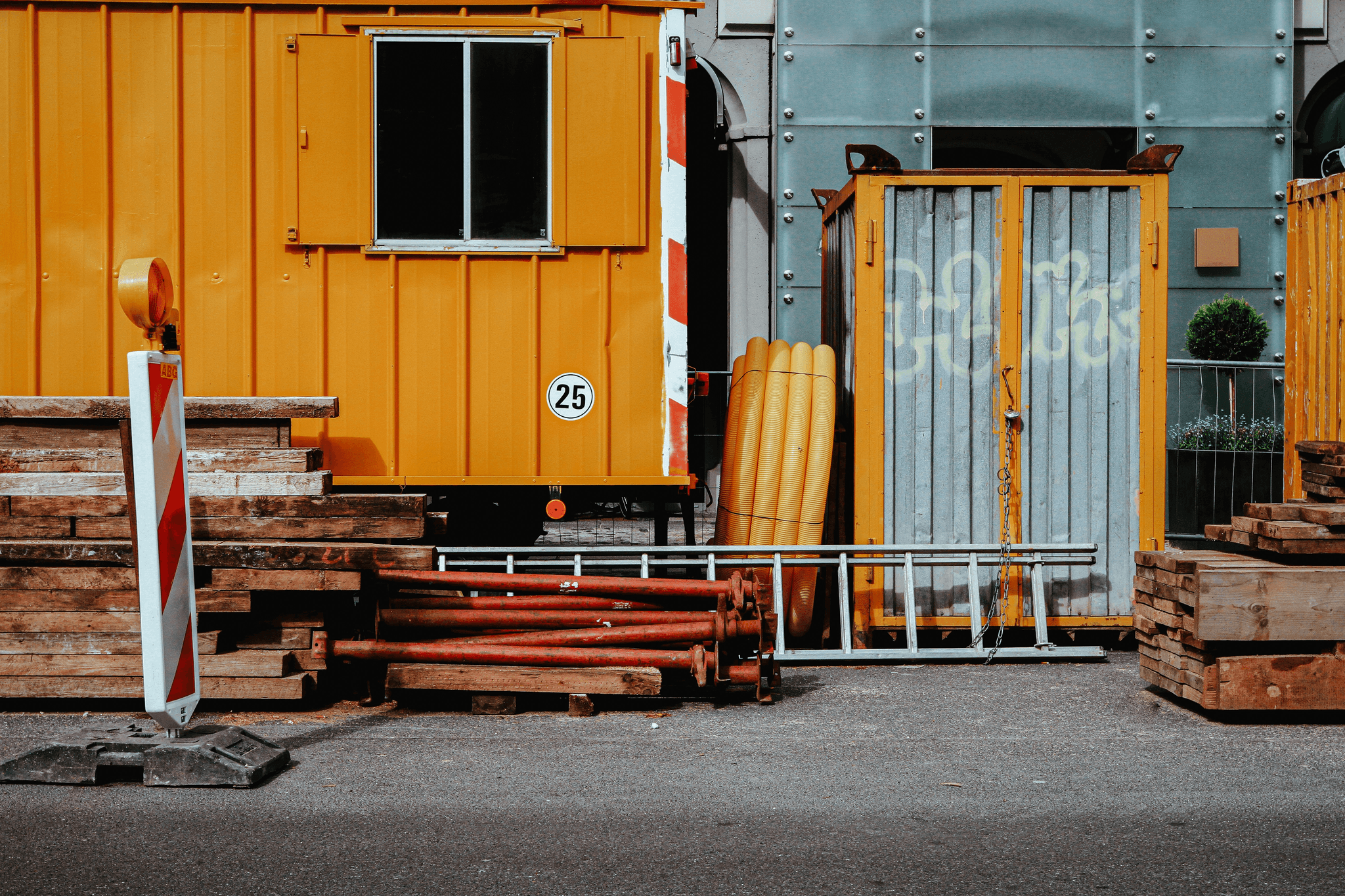
Each inspection involves a series of steps designed to thoroughly examine the container's condition, contents, and adherence to regulations. By following these established procedures, businesses can significantly reduce risks associated with shipping and handling.
Steps Involved in Cargo Container Inspections
The first step in cargo container inspections typically involves a visual examination of the exterior for any signs of damage or wear. Inspectors will check for rust, dents, and structural integrity before moving on to the interior inspection. Inside the container, they assess the condition of the cargo itself, verifying that it matches shipping documents while also checking for any potential contamination or spoilage.
Next up is verifying seals and locks to ensure that containers have not been tampered with during transit. This step is crucial not only for security but also for maintaining quality assurance certification standards that many businesses strive to meet. Finally, inspectors document their findings meticulously; this record-keeping is vital for future reference and can be essential during audits or disputes.
Tools and Technology Used in Inspections
Modern cargo container inspections have evolved significantly thanks to advancements in technology. Inspectors now utilize tools such as digital cameras and drones to capture detailed images of hard-to-reach areas without compromising safety or efficiency. Additionally, specialized software helps streamline reporting processes by allowing inspectors to input data directly into digital formats.
Thermal imaging cameras are another innovative tool employed during inspections; they can detect temperature variations that may indicate issues like overheating containers or spoiled food products within them—crucial when considering food safety audit services. Furthermore, RFID tags are increasingly being used to track containers throughout their journey, enhancing transparency in logistics operations while ensuring compliance with inspection certification requirements.
The Impact of Effective Inspections on Business
Effective cargo container inspections are more than just a regulatory box-ticking exercise; they provide tangible benefits that can enhance a company's reputation and bottom line. By investing in thorough container inspection services, businesses minimize the risk of costly delays due to non-compliance or damaged goods arriving at their destinations. This proactive approach fosters trust among clients who rely on timely deliveries without compromising quality.
Moreover, obtaining quality assurance certification through consistent inspections encourages continuous improvement within organizations—leading them toward higher operational standards overall. Companies that prioritize effective shipping container inspection practices often find themselves ahead of competitors who neglect this critical aspect of supply chain management.
In conclusion, understanding the intricacies involved in cargo container inspections allows businesses to make informed decisions about their logistics practices while adhering strictly to industry regulations.
Conclusion
As we navigate the ever-evolving landscape of global trade, container inspection services are becoming increasingly vital. The future of these services looks bright, with advancements in technology and a growing emphasis on quality assurance. Companies that prioritize thorough inspections will not only enhance their operational efficiency but also ensure compliance with international standards.
The Future of Container Inspection Services
The future of container inspection services is poised for transformation, driven by innovations in technology such as AI and IoT. Automated systems will streamline processes, making shipping container inspections faster and more accurate than ever before. As businesses increasingly recognize the importance of inspection certification, we can expect a surge in demand for high-quality, reliable inspection services.
Enhancing Reputation Through Quality Certification
Quality assurance certification is more than just a badge; it’s a testament to a company’s commitment to excellence and safety. Businesses that invest in quality certifications not only enhance their reputation but also gain a competitive edge in the marketplace. This credibility can lead to increased customer trust and loyalty, ultimately boosting profitability.
Partnering with Experts Like China Inspection Pro
When it comes to ensuring top-notch container inspection services, partnering with experts like China Inspection Pro can make all the difference. Their extensive experience in cargo container inspection ensures that your shipments meet all necessary safety and quality standards. By leveraging their expertise, businesses can navigate complex regulations while maintaining high operational standards.