
Introduction
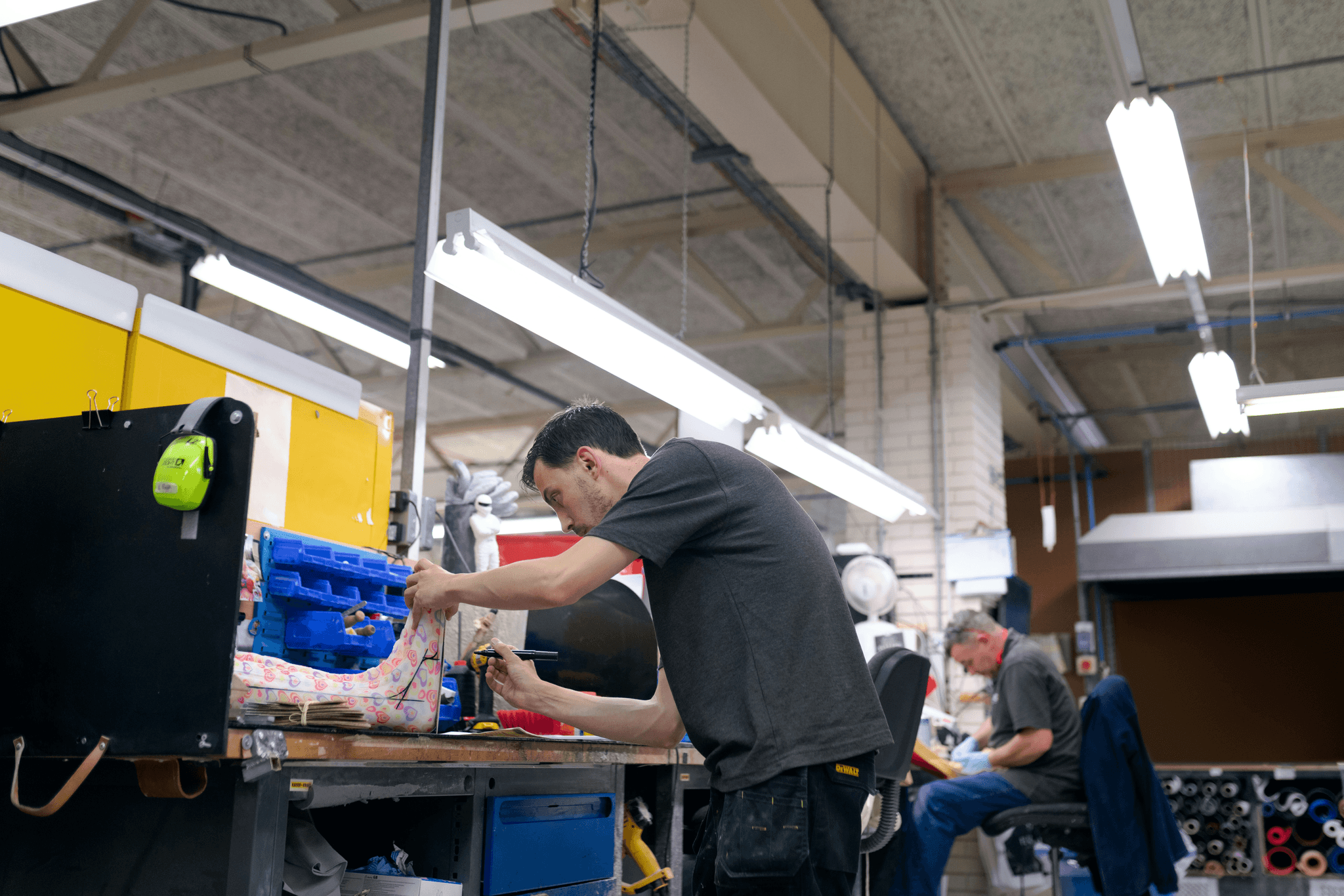
In today's fast-paced and competitive marketplace, the significance of 3rd party inspection cannot be overstated. Businesses are increasingly recognizing that quality assurance is not just a checkbox on a compliance list; it’s a vital component in maximizing value and maintaining customer satisfaction. By engaging in thorough 3rd party inspections, companies can significantly reduce risks associated with product failures, safety hazards, and regulatory non-compliance.
The Importance of 3rd Party Inspection
3rd party inspection serves as an independent verification of products and processes, ensuring they meet specified standards and regulations. This impartial oversight is crucial for building trust with customers and stakeholders alike, as it demonstrates a commitment to quality. Moreover, understanding the 3rd party inspection requirements helps businesses streamline their operations while avoiding costly mistakes that could arise from subpar products.
Maximizing Value Through Quality Assurance
Investing in 3rd party inspection can lead to significant cost savings in the long run by preventing product recalls and reducing liability issues. When companies prioritize quality assurance through rigorous inspections, they not only enhance their reputation but also foster customer loyalty—key ingredients for long-term success. As businesses look for ways to maximize value, understanding how to become a third party inspector could present new opportunities within this growing field.
How 3rd Party Inspection Reduces Risk
By implementing regular 3rd party inspections, organizations can identify potential problems before they escalate into major issues that could jeopardize safety or profitability. This proactive approach minimizes risks associated with equipment failures or non-compliance with industry standards—especially critical for sectors like construction where MOM lifting equipment inspection plays an essential role in workplace safety. Ultimately, leveraging the expertise of third-party inspectors allows businesses to navigate complex regulatory landscapes while safeguarding their bottom line.
Understanding 3rd Party Inspection
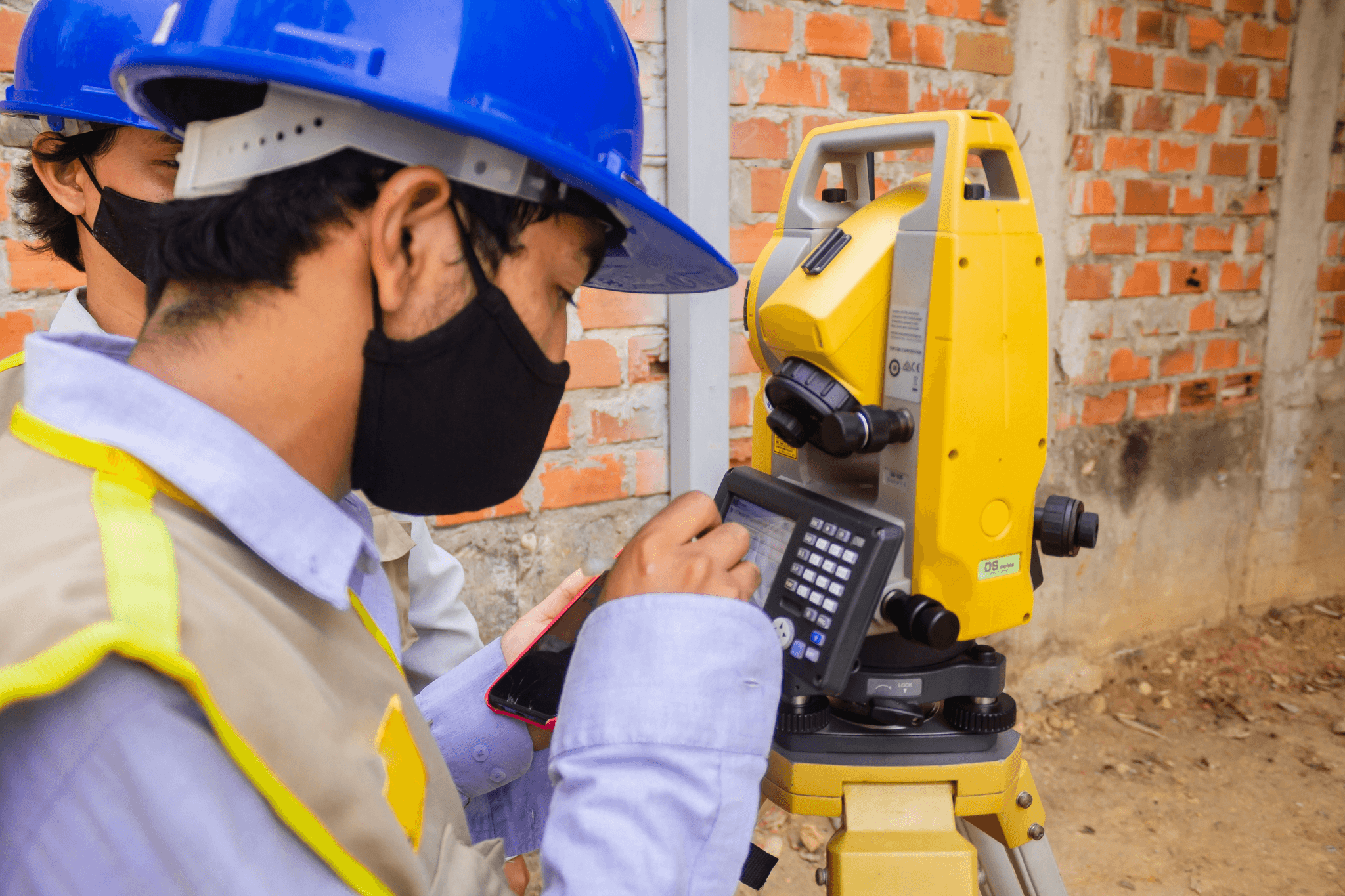
3rd party inspection is a crucial aspect of quality assurance that involves an independent entity evaluating products or services to ensure they meet specified standards. This process benefits businesses by providing an unbiased assessment, which can enhance credibility and trust with customers. Additionally, 3rd party inspection helps identify potential issues before they escalate, ultimately saving money and time.
Definition and Benefits
At its core, 3rd party inspection refers to the evaluation of goods or services by an independent organization that is not directly involved in the production process. The benefits are manifold: it establishes compliance with industry standards, reduces the risk of defects, and ensures safety for both consumers and businesses alike. By adhering to 3rd party inspection requirements, companies can bolster their reputation while minimizing liabilities associated with poor-quality products.
The financial implications of 3rd party inspection cost are often offset by the savings achieved through early detection of issues. For instance, addressing a problem during production is significantly cheaper than after a product has reached the market. Moreover, a solid track record in inspections can lead to increased customer loyalty and repeat business—after all, who doesn't prefer reliable products?
Key Players in the Industry
The landscape of 3rd party inspection includes various stakeholders who play pivotal roles in ensuring quality assurance across sectors. Key players typically include independent inspection agencies, certification bodies, manufacturers seeking validation of their products, and end-users looking for assurance on quality standards. These entities work collaboratively to uphold rigorous industry standards while also navigating complex regulatory environments.
To become a successful player in this field—whether as an inspector or an agency—understanding how to become a third party inspector is essential. Inspectors often require specialized training and certifications that align with specific industries or types of inspections conducted. This knowledge not only enhances their credibility but also ensures they are well-versed in current regulations and best practices.
Common Industries Utilizing Inspections
A variety of industries rely heavily on 3rd party inspections to maintain quality control throughout their supply chains. Sectors such as manufacturing, construction, oil & gas, automotive, and food safety frequently engage these services to mitigate risks associated with product failures or non-compliance issues. For example, MOM lifting equipment inspection plays a critical role in ensuring that lifting devices operate safely under prescribed conditions.
In addition to these industries, pharmaceuticals and electronics also benefit from rigorous inspections due to their complex production processes where precision is paramount. By employing third-party inspectors who specialize in these fields, companies can assure stakeholders that their products meet stringent safety standards while enhancing overall operational efficiency. Ultimately, the integration of 3rd party inspections across diverse sectors underscores its universal value in promoting quality assurance.
The Process of 3rd Party Inspection
Steps Involved in Inspections
The journey of a 3rd party inspection begins with a thorough planning phase where the scope and objectives are defined. This includes identifying specific 3rd party inspection requirements tailored to the industry and product in question. Following this, inspectors conduct pre-inspection meetings to align expectations before moving on to actual site assessments.
Next comes the on-site evaluation, where trained professionals meticulously examine products or processes against established standards. This stage is critical for identifying discrepancies that could lead to costly failures down the line. Finally, a detailed report is generated summarizing findings, which serves as an essential tool for continuous improvement and compliance.
Role of Inspectors and Certification Bodies
Inspectors play a crucial role in the realm of 3rd party inspections by acting as impartial evaluators who ensure adherence to industry standards. Their expertise often extends across various sectors, including MOM lifting equipment inspection, where specialized knowledge is vital for safety compliance. Certification bodies back these inspectors by providing credentials that validate their qualifications and enhance their credibility.
Moreover, these organizations set benchmarks that guide inspectors during evaluations, ensuring consistency across inspections globally. They also facilitate ongoing training programs that help inspectors stay updated with evolving regulations and technologies in their respective fields. This symbiotic relationship between inspectors and certification bodies fosters an environment where quality assurance thrives.
Importance of Documentation
Documentation is arguably one of the most critical components in any 3rd party inspection process; it serves as both proof of compliance and a roadmap for future improvements. Comprehensive records detail every aspect of inspections—from methodologies employed to results obtained—ensuring transparency throughout the process. Businesses must recognize that well-maintained documentation can significantly influence perceptions regarding their commitment to quality.
Furthermore, proper documentation aids in addressing any disputes or claims that may arise post-inspection; having clear records can save companies from unnecessary headaches later on. It also plays a pivotal role when assessing 3rd party inspection costs; detailed reports allow businesses to analyze spending versus value gained effectively over time. Thus, investing time into documenting every step not only enhances accountability but also reinforces trust among stakeholders.
Choosing the Right 3rd Party Inspection Partner
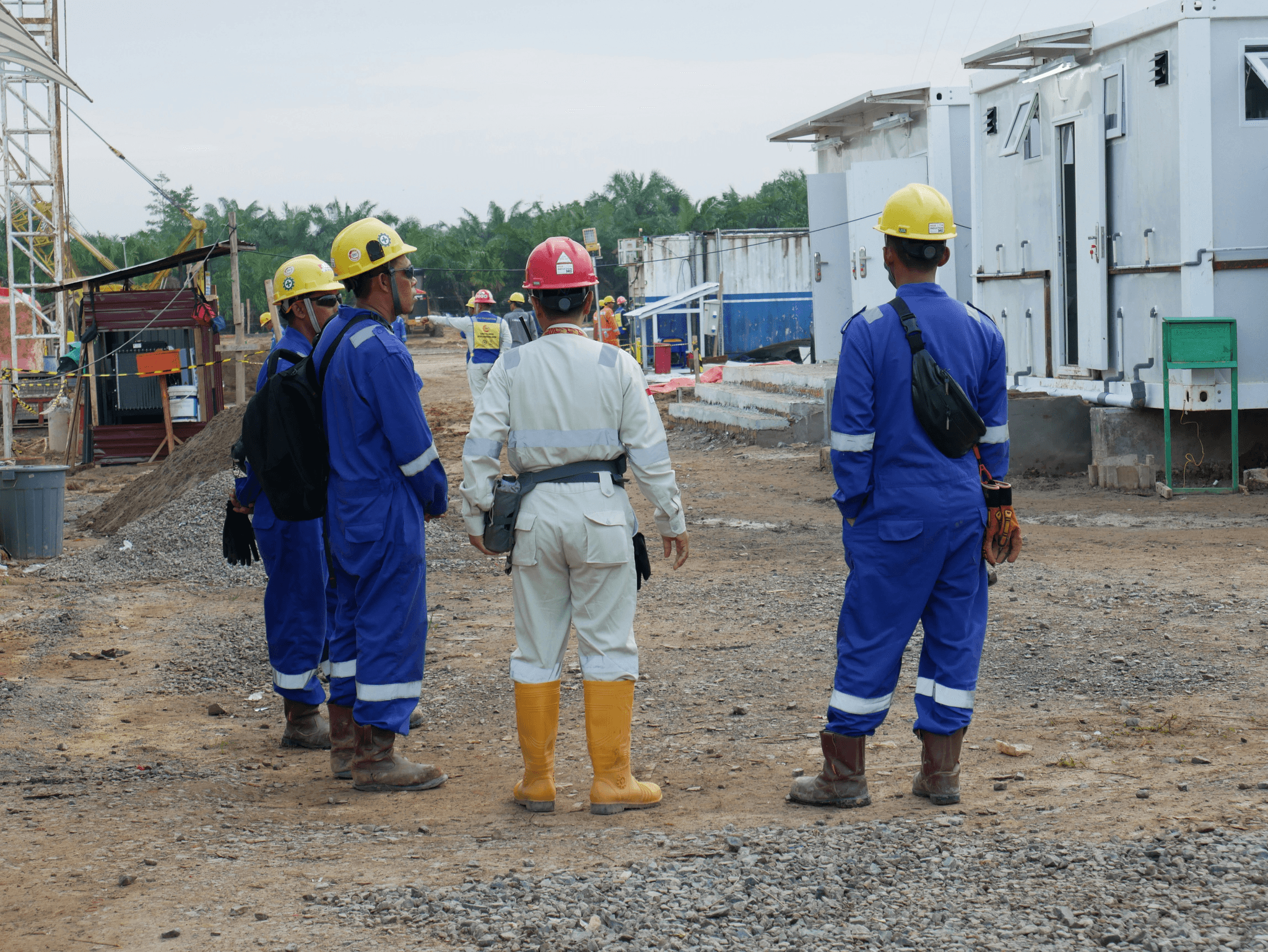
When it comes to 3rd party inspection, selecting the right partner can make all the difference between success and failure. A reliable inspection partner ensures that your products meet industry standards, thus safeguarding your reputation and bottom line. With a plethora of options available, it’s essential to have a clear strategy for evaluating potential partners.
Evaluating Credentials and Experience
The first step in choosing a 3rd party inspection partner is to evaluate their credentials and experience in the field. Look for certifications that validate their expertise, such as ISO accreditation or other relevant industry certifications that demonstrate compliance with 3rd party inspection requirements. Additionally, consider their track record—how long have they been in business? A company with years of experience often has a wealth of knowledge that can be invaluable during inspections.
Experience also translates into familiarity with specific industries; for example, if you require MOM lifting equipment inspection, ensure your chosen partner has specialized knowledge in this area. Ask for case studies or references from previous clients to gauge their effectiveness and reliability in conducting inspections similar to your needs. Remember, an experienced partner will not only identify issues but also provide actionable insights on how to improve quality assurance processes.
Criteria for Selecting an Inspection Company
Selecting the right inspection company involves more than just checking off boxes on a list; it's about finding a partner who aligns with your business goals and values. Start by assessing their service offerings—do they cover all aspects of 3rd party inspection cost effectively? Make sure they provide comprehensive services tailored to your specific needs, including any niche areas like MOM lifting equipment inspection.
Next, consider their customer service approach; communication should be clear and responsive throughout the entire process. You want an inspector who is not only thorough but also easy to work with when questions arise or adjustments are needed during inspections. Lastly, inquire about their technology use—modern tools can enhance accuracy and efficiency during inspections.
Spotlight on China Inspection Pro
When it comes to navigating the landscape of 3rd party inspections in China, China Inspection Pro stands out as a leading choice for many businesses worldwide. They specialize in various sectors and understand the intricacies involved in meeting stringent 3rd party inspection requirements across different industries. Their team comprises seasoned professionals who are well-versed in local regulations while maintaining international standards.
China Inspection Pro offers competitive pricing structures that help businesses manage 3rd party inspection costs without sacrificing quality or reliability—an important factor when budgeting for these services! Moreover, they provide extensive documentation support which is crucial not just during inspections but also for future audits or compliance checks. If you're wondering how to become a third-party inspector yourself one day, partnering with established firms like China Inspection Pro could offer valuable insights into industry best practices.
Cost Implications of 3rd Party Inspection

When it comes to 3rd party inspection, the financial landscape can be a bit tricky to navigate. However, investing in these services often leads to significant savings in the long run. By catching potential issues early through thorough inspections, businesses can avoid costly reworks, penalties, and even legal troubles associated with non-compliance.
How Inspections Save Money in the Long Run
3rd party inspections serve as a proactive measure rather than a reactive one. By identifying defects or compliance issues before products reach the market, companies can save on expensive recalls and customer dissatisfaction down the line. Moreover, knowing that your products meet industry standards reduces liability risks and enhances brand reputation—both of which translate into financial benefits over time.
Investing in 3rd party inspection also helps streamline operations by ensuring that processes are efficient and compliant with regulations. For instance, if you're dealing with MOM lifting equipment inspection, having an external expert validate safety measures means fewer disruptions during audits or operational checks. Ultimately, this translates into smoother business operations and reduced downtime costs.
Budgeting for 3rd Party Inspection Services
When setting aside funds for 3rd party inspection services, it’s crucial to factor in not just the immediate costs but also potential savings from long-term benefits. It’s wise to research various providers to understand the typical range of 3rd party inspection costs within your industry. This way, you can allocate a realistic budget that accommodates both routine inspections and any unexpected needs that may arise.
Additionally, consider creating a contingency fund specifically for unexpected inspection requirements that may pop up throughout the year. This foresight ensures you won’t be caught off-guard by urgent inspections or additional certifications needed for compliance—especially if you're looking into how to become a third-party inspector yourself! Remember that budgeting effectively now can prevent financial headaches later on.
Hidden Costs to Watch For
While planning your budget for 3rd party inspections is essential, it's equally important to be aware of hidden costs that might sneak up on you. These could include fees related to re-inspections due to previous failures or additional testing required when initial results are unsatisfactory. Understanding these potential pitfalls will help you better prepare financially and avoid unpleasant surprises down the road.
Another hidden cost could stem from delays caused by inadequate preparation before an inspection occurs; this might lead you back into costly cycles of rework or lost time due to non-compliance issues flagged during MOM lifting equipment inspections or other assessments. Ensuring thorough internal checks before engaging third-party services can mitigate these risks significantly.
In conclusion, while there are upfront costs associated with hiring third-party inspectors and understanding their requirements is vital for budgeting purposes; it’s clear that these investments pave the way for long-term savings and improved operational efficiency.
Real-World Case Studies
In the world of quality assurance, real-world case studies provide invaluable insights into the effectiveness of 3rd party inspection. These stories not only highlight successes but also shed light on pitfalls to avoid, ultimately guiding businesses in their quality control strategies. By examining these cases, organizations can better understand the importance of adhering to 3rd party inspection requirements and how they contribute to long-term success.
Success Stories in Various Industries
Across various sectors, companies have reaped significant benefits from implementing 3rd party inspection processes. For instance, a leading automotive manufacturer faced challenges with component defects that were affecting vehicle safety and performance. By engaging a reputable 3rd party inspection company, they were able to identify critical flaws early on, resulting in enhanced product quality and a reduction in warranty claims.
Another success story comes from the construction industry, where a major contractor utilized 3rd party inspections for MOM lifting equipment. This proactive approach ensured compliance with safety standards and regulations while minimizing downtime due to equipment failures. The result was not only improved safety records but also increased client trust and satisfaction—an essential factor for repeat business.
These examples underscore how strategic investments in 3rd party inspection can elevate operational standards across industries while effectively managing 3rd party inspection costs.
Lessons Learned from Failed Inspections
While success stories are inspiring, it's equally important to learn from failures in the realm of 3rd party inspections. One notable case involved a food processing plant that neglected thorough inspections during its production line upgrades. As a result, contamination issues arose that led to product recalls and significant financial losses—a stark reminder that cutting corners on 3rd party inspection requirements can have dire consequences.
Similarly, an electronics manufacturer faced severe backlash when faulty components made it into consumer products due to inadequate oversight during assembly processes. The failure to engage an experienced third-party inspector meant that crucial defects went unnoticed until customers began reporting issues en masse. These cautionary tales illustrate the critical need for rigorous adherence to established inspection protocols—after all, prevention is always better than cure.
By analyzing these failures, businesses can develop more robust strategies for selecting qualified inspectors and ensuring thorough evaluations are conducted throughout their operations.
The Impact of Quality on Market Position
Quality plays a pivotal role in shaping market position; companies that prioritize it through effective 3rd party inspections often gain competitive advantages over their peers. For example, brands known for their commitment to high standards frequently enjoy stronger customer loyalty and positive word-of-mouth referrals—both key drivers of market growth. When consumers trust a brand's quality assurance measures backed by credible third-party inspectors, they are more likely to choose it over competitors offering similar products without such guarantees.
Moreover, businesses that consistently meet or exceed industry standards through diligent use of inspections tend to attract partnerships with other reputable firms looking for reliable suppliers or collaborators. This interconnectedness enhances overall market positioning as companies build reputations based on excellence stemming from proper adherence to 3rd party inspection protocols.
In conclusion, embracing quality as a core value through effective use of third-party inspections can significantly bolster an organization's standing within its industry while safeguarding against costly mistakes down the line.
Conclusion
In the ever-evolving landscape of global commerce, 3rd party inspection is set to become an essential pillar for businesses seeking quality assurance and risk mitigation. With advancements in technology and a growing emphasis on compliance, the future of 3rd party inspection looks promising. Companies that embrace these services will not only enhance their operational efficiency but also position themselves as leaders in their respective industries.
The Future of 3rd Party Inspection
As industries continue to expand globally, the demand for 3rd party inspection services will rise accordingly. This growth will be driven by stricter regulations and an increasing need for transparency in supply chains. Additionally, innovations such as digital inspections and AI-driven analytics are poised to revolutionize how inspections are conducted, making them more efficient and reliable than ever before.
Building Trust Through Quality Assurance
Trust is the cornerstone of any successful business relationship, and 3rd party inspection plays a pivotal role in establishing that trust. By adhering to rigorous 3rd party inspection requirements, companies can demonstrate their commitment to quality and safety standards. This not only builds consumer confidence but also enhances brand reputation—essential elements for long-term success.
Key Takeaways for Businesses
When considering 3rd party inspection services, businesses should remember a few critical points: First, investing in quality assurance can save money by preventing costly errors down the line; second, understanding the various aspects of 3rd party inspection costs is vital for budgeting effectively; finally, knowing how to become a third-party inspector can open new avenues for career development within this growing field. Remember that even specialized areas like MOM lifting equipment inspection require rigorous oversight—ensuring safety standards are met is non-negotiable.