
Introduction
In today's fast-paced world, the importance of food quality cannot be overstated. Consumers are increasingly aware that what they eat directly affects their health, well-being, and overall quality of life. Thus, understanding food quality checking and the processes involved in ensuring it is vital for both consumers and producers alike.
The Crucial Role of Food Quality
Food quality is not merely a buzzword; it encompasses various aspects such as taste, nutritional value, safety, and freshness. High-quality food can enhance our health by providing essential nutrients while also supporting local economies through ethical sourcing practices. Conversely, poor food quality can lead to significant health risks and undermine consumer trust in the food industry.
Consequences of Ignoring Food Quality
Neglecting food quality can have dire consequences that extend beyond individual health concerns to broader public health implications. Outbreaks of foodborne illnesses often stem from inadequate quality control in the food industry, leading to serious repercussions for consumers and businesses alike. Ultimately, ignoring these issues not only jeopardizes public safety but can also result in financial losses for companies due to recalls and damaged reputations.
Understanding Food Quality Control
Quality control in the food industry serves as a safeguard against these potential pitfalls by ensuring that products meet established standards throughout their production and distribution processes. This involves rigorous food quality checking protocols designed to identify any deviations from expected norms before they reach consumers' plates. By prioritizing effective quality control measures, businesses can maintain high standards that benefit everyone involved—from producers to consumers—while reinforcing the importance of food quality across the board.
What is Food Quality?

Understanding food quality is crucial for consumers, producers, and regulators alike. It encompasses a variety of standards and criteria that determine the safety, nutritional value, and overall acceptability of food products. The importance of food quality cannot be overstated; it directly influences health outcomes, customer satisfaction, and business success in the competitive food industry.
Defining Food Quality Standards
Food quality standards serve as benchmarks for evaluating the safety and acceptability of food products. These standards are typically established by regulatory bodies such as the FDA or international organizations like the WHO to ensure that consumers receive safe and nutritious foods. By adhering to these standards, businesses not only comply with regulations but also demonstrate their commitment to maintaining high levels of quality control in the food industry.
Factors Influencing Food Quality
Several factors can influence food quality, ranging from production methods to storage conditions. Environmental factors like temperature, humidity, and exposure to contaminants can significantly affect how a product retains its taste and nutritional value over time. Additionally, consumer preferences play a role; trends toward organic or locally sourced foods highlight the evolving landscape where the importance of food quality is increasingly recognized.
The Science Behind Food Quality
The science behind food quality involves understanding various chemical, physical, and biological processes that impact food products from farm to table. This includes everything from how ingredients are sourced to how they are processed and packaged for distribution. Advanced techniques in food quality checking—like microbiological testing or sensory analysis—are employed to ensure that each product meets established safety guidelines while maximizing flavor and nutrition.
The Importance of Food Quality in Health

Food quality is not just a buzzword; it plays a crucial role in our overall health and well-being. When we talk about the importance of food quality, we refer to how the characteristics and safety of food directly influence nutritional value and health outcomes. High-quality food leads to better nutrition, while poor quality can have detrimental effects on our bodies, making food quality checking an essential practice for consumers and producers alike.
Connection Between Food Quality and Nutrition
The connection between food quality and nutrition is undeniable. Nutrient-rich foods that meet high-quality standards are essential for maintaining a balanced diet, enabling our bodies to function optimally. On the flip side, low-quality foods often lack essential nutrients, leading to deficiencies that can affect everything from energy levels to immune function—highlighting the importance of food quality in our daily choices.
Moreover, when we engage in food quality checking, we ensure that what ends up on our plates is not only safe but also nutritious. This proactive approach helps individuals make informed dietary decisions that promote long-term health benefits. Ultimately, understanding this connection empowers consumers to prioritize high-quality foods over processed options laden with additives.
Impact on Public Health
The impact of food quality on public health cannot be overstated; it serves as a cornerstone for preventing disease outbreaks and promoting wellness within communities. Poor food quality can lead to widespread health issues such as obesity, diabetes, and cardiovascular diseases—all of which stem from inadequate nutrition or harmful substances present in low-quality foods. Thus, ensuring robust quality control in the food industry is vital for safeguarding public health.
Furthermore, when governments invest in stringent regulations around food safety and encourage regular food quality checking practices among businesses, they create an environment where healthier options are readily available to everyone. This proactive stance not only reduces healthcare costs associated with diet-related illnesses but also fosters healthier lifestyles across populations. In essence, prioritizing high standards of food quality translates into better public health outcomes for all.
Case Studies Highlighting Food Quality Issues
Examining case studies highlighting significant food quality issues reveals just how critical this topic truly is. For instance, consider the infamous spinach outbreak linked to E.coli contamination; it shook consumer confidence and underscored the dire consequences of inadequate quality control in the industry. Such incidents serve as stark reminders that neglecting proper protocols not only affects individual businesses but can also have far-reaching effects on public perception regarding overall safety.
Another compelling example involves trans fats found in processed foods—once deemed acceptable due to lax regulations but now recognized as harmful due to their negative impact on heart health. These instances illustrate how lapses in maintaining high standards can lead directly to widespread health crises—reinforcing the importance of rigorous monitoring through effective food quality checking processes across all sectors of the industry.
In conclusion, these case studies highlight why prioritizing high standards within our systems is paramount—not just for individual well-being but for society at large as well.
Quality Control in the Food Industry

In the realm of food production, quality control is not just a box to tick; it's a critical component that ensures safety, consistency, and satisfaction. The importance of food quality cannot be overstated, as it directly affects consumer trust and public health. A robust quality control system in the food industry can prevent costly recalls and protect brand reputation.
Overview of Quality Control Processes
Quality control processes in the food industry encompass a series of systematic steps designed to monitor and maintain high standards throughout production. These processes typically include inspections at various stages—raw material procurement, processing, packaging, and distribution—to ensure that every product meets established food quality standards. By implementing stringent protocols for food quality checking, companies can identify potential issues before they escalate into larger problems.
Effective quality control also involves regular training for staff members on best practices in hygiene and safety regulations. This proactive approach fosters a culture of accountability where everyone is invested in maintaining the importance of food quality at all times. Ultimately, these processes not only safeguard consumers but also enhance operational efficiency within organizations.
Tools Used for Food Quality Checking
The tools employed for food quality checking are as diverse as they are essential to maintaining high standards in food production. From simple sensory evaluations—like taste tests and visual inspections—to advanced laboratory analyses measuring chemical composition or microbial presence, each tool plays a unique role in assessing quality. Common instruments include pH meters, moisture analyzers, and spectrophotometers that provide detailed insights into product integrity.
Additionally, checklists and standardized testing procedures help streamline the inspection process while ensuring consistency across batches. The importance of using reliable tools cannot be overlooked; they form the backbone of effective quality assurance practices essential for compliance with regulatory standards. When businesses invest in proper equipment for thorough food quality checking, they protect both their customers' health and their brand's reputation.
The Role of Technology in Quality Assurance
In today's fast-paced world, technology has revolutionized how we approach quality control in the food industry. Automated systems equipped with sensors can monitor conditions like temperature and humidity throughout storage and transportation phases—ensuring optimal preservation for perishable goods while minimizing human error during checks on food quality checking processes. This integration not only enhances efficiency but also provides real-time data that can inform decision-making when issues arise.
Moreover, technologies like blockchain enable traceability from farm to fork; this transparency reinforces consumer confidence by allowing them to verify claims about product sourcing or safety measures taken during production. As businesses increasingly recognize the importance of food quality through technological advancements, they can respond swiftly to emerging threats or trends within the industry landscape.
Ultimately, embracing technology not only streamlines operations but also aligns with growing consumer expectations around safety and sustainability—further emphasizing why rigorous attention must be paid to every aspect involved in ensuring top-notch food products.
Regulatory Standards and Food Quality

In the ever-evolving landscape of the food industry, regulatory standards play a pivotal role in ensuring the safety and quality of food products. Organizations such as the FDA (Food and Drug Administration) set benchmarks that guide manufacturers in maintaining high food quality. By adhering to these regulations, businesses not only protect consumers but also enhance their credibility and marketability.
The Role of Organizations like FDA
The FDA is a cornerstone in the realm of food safety, establishing guidelines that dictate everything from ingredient sourcing to packaging practices. Their stringent regulations emphasize the importance of food quality by requiring regular inspections and comprehensive labeling, which help consumers make informed choices. By enforcing these standards, the FDA ensures that food quality checking becomes an integral part of every stage in the production process.
Global Standards for Food Safety
While organizations like the FDA set national standards, global entities such as Codex Alimentarius provide frameworks that promote international food safety practices. These global standards are essential for facilitating trade while ensuring that consumers have access to safe and high-quality foods regardless of origin. The importance of food quality is further underscored by these guidelines, which encourage uniformity in quality control across borders.
Importance of Compliance in Quality Control
Compliance with regulatory standards is not just a legal obligation; it’s a commitment to uphold the highest levels of food quality within the industry. When companies prioritize compliance, they engage in effective food quality checking processes that minimize risks associated with contamination or substandard products. Ultimately, adherence to these regulations fosters consumer trust and supports long-term business success by highlighting a brand's dedication to maintaining exceptional quality control in the food industry.
How China Inspection Pro Ensures Food Quality
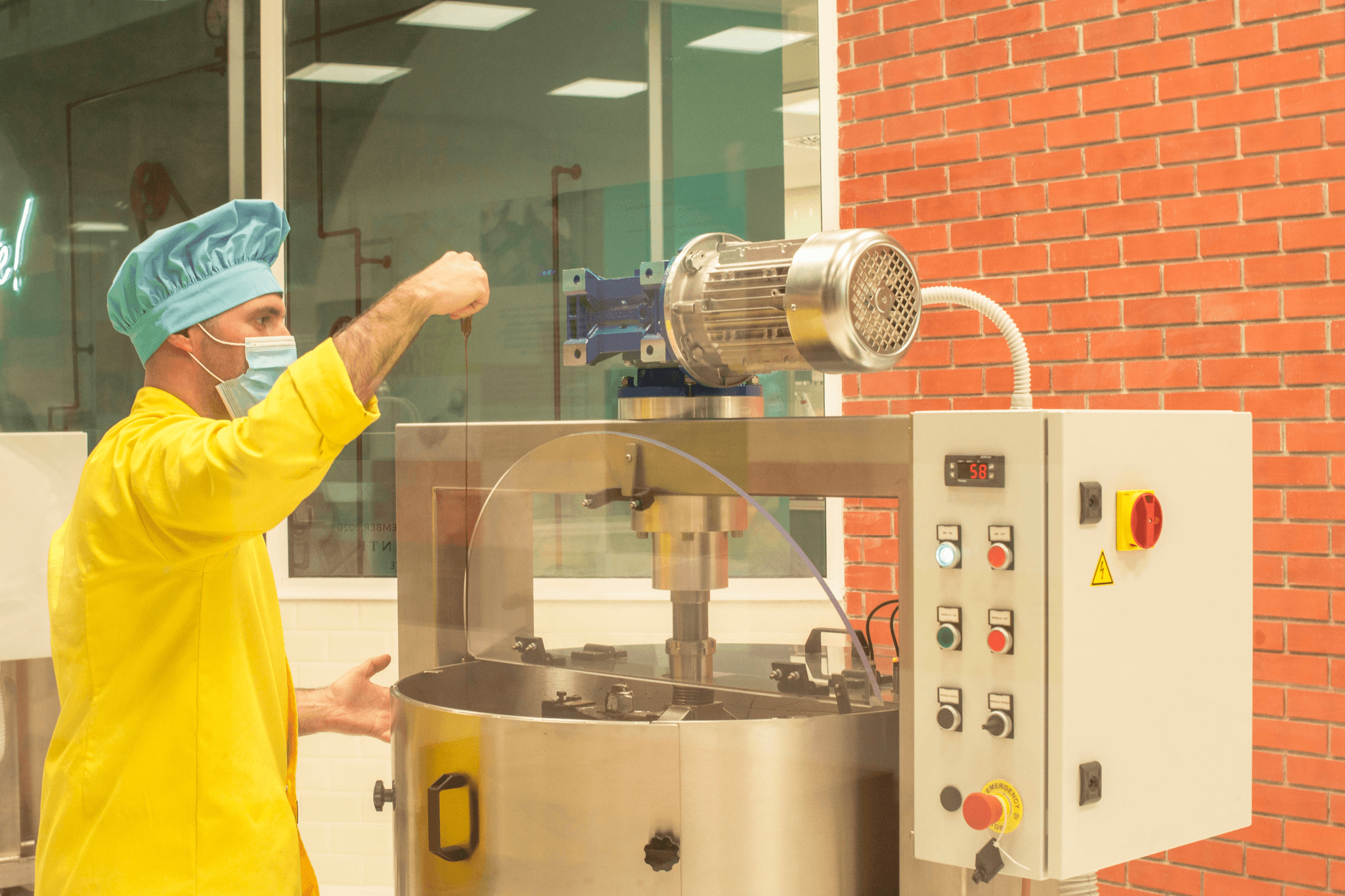
In the ever-evolving food industry, ensuring food quality is not just a luxury but a necessity. China Inspection Pro has emerged as a key player in maintaining high standards of food quality through comprehensive inspection services. By focusing on meticulous quality control in the food industry, they help businesses navigate the complex landscape of food safety and compliance.
Overview of China Inspection Pro's Services
China Inspection Pro offers an array of services designed to uphold the importance of food quality throughout the supply chain. Their offerings include pre-shipment inspections, factory audits, and product testing, all aimed at ensuring that products meet stringent safety and quality standards. With their expertise in food quality checking, businesses can confidently source products that adhere to international regulations.
The company's team utilizes state-of-the-art technology and methodologies to conduct thorough evaluations. This attention to detail not only helps identify potential issues before they escalate but also fosters trust between suppliers and consumers. By prioritizing effective food quality checking processes, China Inspection Pro plays a vital role in enhancing overall product integrity.
Impact of Their Quality Control on Businesses
The impact of robust quality control in the food industry cannot be overstated; it directly influences brand reputation and consumer trust. With China Inspection Pro’s diligent oversight, businesses are empowered to consistently deliver high-quality products that align with customer expectations. This proactive approach ensures that companies remain competitive while minimizing risks associated with poor-quality goods.
Moreover, by implementing rigorous food quality checking protocols, organizations can significantly reduce instances of recalls or safety violations—events that can tarnish reputations overnight. The financial implications are substantial; investing in proper inspections often leads to substantial savings by mitigating potential losses from non-compliance or product failures. Thus, embracing effective quality control measures is essential for long-term success.
Real-world Examples of Success with China Inspection Pro
Numerous businesses have reaped significant benefits from partnering with China Inspection Pro for their inspection needs. For instance, a leading snack manufacturer faced challenges with inconsistent product quality from overseas suppliers; after engaging with China Inspection Pro for regular inspections and audits, they saw a marked improvement in both product consistency and customer satisfaction levels.
Another example involves a beverage company that struggled with compliance issues due to varying standards among its suppliers. By utilizing China Inspection Pro's services for comprehensive audits and ongoing monitoring, they were able to streamline their supply chain processes while ensuring adherence to global safety regulations—showcasing how essential proper food quality checking is in today’s market landscape.
These success stories highlight not only the importance of food quality but also how strategic partnerships can lead to sustainable growth within the industry. As more companies recognize the value added by thorough inspections and adherence to high standards, it becomes clear that investing in such services pays dividends far beyond immediate compliance needs.
Conclusion
In wrapping up our exploration of food quality, it’s clear that the importance of food quality cannot be overstated. As consumers become more discerning and regulatory bodies tighten their standards, businesses must prioritize food quality in decision-making processes. By doing so, they not only ensure compliance but also foster trust with their customers, ultimately leading to long-term success.
Emphasizing Food Quality in Decision Making
When making decisions about sourcing, production, and distribution, the importance of food quality should always be at the forefront. Companies that integrate rigorous food quality checking into their operational protocols are better positioned to mitigate risks associated with health crises and product recalls. This proactive approach not only safeguards public health but also enhances brand reputation and customer loyalty.
Strategies for Enhancing Food Quality
To boost food quality effectively, organizations can implement several strategies within their quality control in the food industry framework. Regular training for staff on best practices in food handling and safety is crucial; knowledgeable employees are key to maintaining high standards. Additionally, investing in advanced technology for real-time food quality checking can drastically improve monitoring processes and reduce human error.
The Future of Food Quality Evaluation
Looking ahead, the future of food quality evaluation will likely see even more sophisticated methods emerging due to technological advancements. Artificial intelligence and machine learning could revolutionize how we conduct food quality checking by predicting potential issues before they arise. As consumers continue to advocate for transparency and accountability in the supply chain, companies will need to adapt quickly or risk falling behind.