
Introduction
In the fast-paced world of footwear production, Quality Control Shoes are not just a luxury—they are a necessity. As consumers become increasingly discerning, the importance of quality control cannot be overstated; it directly affects brand reputation and customer satisfaction. A well-implemented quality control system ensures that every shoe meets defined standards, providing assurance to both manufacturers and consumers alike.
Importance of Quality Control in Footwear
Quality Control Shoes serve as the backbone of successful footwear brands, ensuring that products not only meet aesthetic expectations but also perform reliably over time. Effective quality control processes can significantly reduce waste and rework costs while enhancing overall production efficiency. By prioritizing quality at every stage—from incoming material inspection to pre-shipment checks—brands can build trust with their consumers and maintain a competitive edge in the market.
The Role of Standards in Shoe Production
Defining quality standards is crucial for any footwear manufacturer aiming to achieve excellence. Industry standards provide a framework for evaluating everything from material selection to performance testing, ensuring consistency across products. By adhering to these benchmarks, companies can streamline their supplier evaluation processes and foster better relationships with manufacturers who share similar commitments to quality.
How Defects Impact Consumers
When defects occur in shoes—whether due to inadequate incoming material inspection or failures during production—it’s often the consumer who bears the brunt of these oversights. Defective shoes can lead to discomfort, injuries, or even safety hazards, tarnishing a brand's reputation overnight. This is why rigorous performance and safety testing for shoes is essential; it safeguards consumers while reinforcing the importance of documentation and traceability within quality control systems.
Defining Quality Standards
In the world of footwear, defining quality standards is not just a formality; it’s a necessity that shapes the entire production process. Quality Control Shoes must meet specific criteria to ensure they are durable, comfortable, and safe for consumers. Establishing clear standards helps manufacturers maintain consistency and build trust with consumers who expect nothing less than excellence.
What Constitutes Quality Control Shoes
To define quality standards for shoes, one must consider several key attributes. First and foremost, Quality Control Shoes should exhibit superior craftsmanship, using high-grade materials that contribute to durability and comfort. Additionally, aspects such as design integrity and functionality play crucial roles in ensuring that shoes not only look good but also perform well under various conditions.
Moreover, effective Supplier Evaluation is essential in this context; partnering with manufacturers who prioritize quality can significantly influence the overall outcome. This means looking beyond price tags to assess how suppliers adhere to quality benchmarks during production processes like Incoming Material Inspection and In-Process Quality Control for Shoes. Ultimately, the goal is to create a product that meets or exceeds consumer expectations while minimizing defects.
Industry Standards and Certifications
Navigating the landscape of industry standards and certifications can be daunting but is crucial for establishing credibility in shoe production. Various organizations set benchmarks that dictate what qualifies as high-quality footwear—think ISO certifications or ASTM standards which focus on performance and safety testing for shoes. These certifications not only validate your products but also reassure consumers about their safety and reliability.
Incorporating these industry standards into your manufacturing process enhances your brand's reputation while facilitating easier Supplier Evaluation by providing clear guidelines to follow. It’s important to keep abreast of evolving regulations since compliance can significantly impact marketability—especially in regions with stringent safety requirements. Thus, aligning your quality control measures with recognized standards ensures your shoes are both competitive and compliant.
Establishing Your Own Quality Benchmarks
While adhering to industry standards is key, establishing your own quality benchmarks allows you to tailor quality control specifically to your brand’s vision and goals. Begin by analyzing customer feedback—what do they love about your shoes? What common complaints arise? This insight will help you set realistic yet ambitious targets for performance metrics such as durability or comfort levels.
Once you've defined these benchmarks, integrate them into every phase of production—from Incoming Material Inspection through In-Process Quality Control for Shoes all the way to Pre-shipment Inspection for shoes. Documenting these processes creates a traceable record that supports ongoing improvements while fostering accountability among team members involved in each stage of production.
By maintaining thorough Documentation and Traceability throughout this journey, you ensure that any issues can be tracked back effectively—a vital component when striving for high-quality outcomes in footwear manufacturing.
Supplier Evaluation
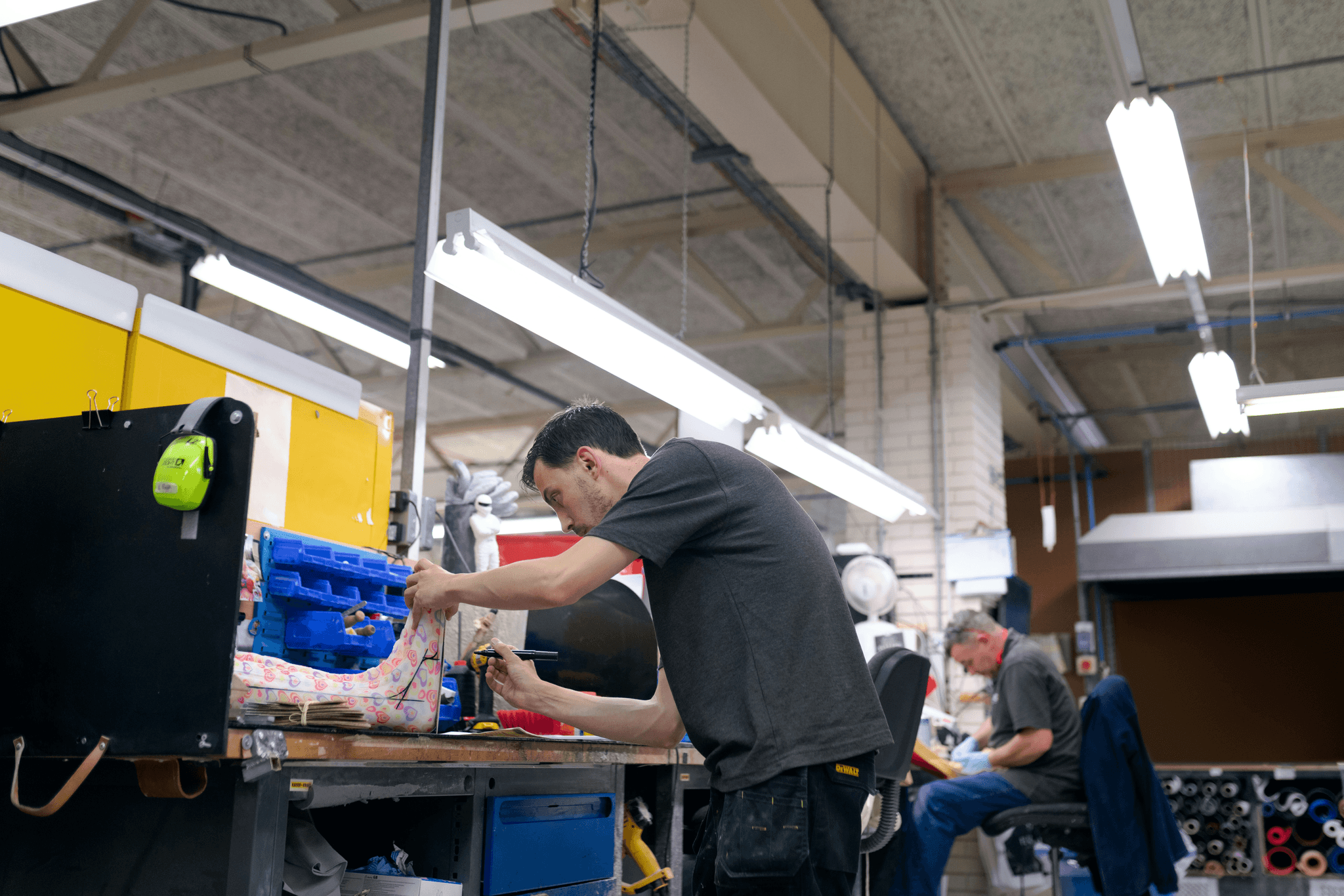
Choosing the right suppliers is a critical step in ensuring the overall quality of footwear production. Quality Control Shoes begin with reliable partners who understand and adhere to your defined quality standards. A well-chosen supplier not only meets your specifications but also contributes to the efficiency and effectiveness of your entire supply chain.
Choosing the Right Suppliers in Footwear
When selecting suppliers, it’s essential to consider their reputation and track record in the industry. Look for manufacturers that have demonstrated a commitment to quality control shoes through certifications and positive reviews from previous clients. Additionally, assessing their ability to meet deadlines and respond to changes can help you identify suppliers who will align with your production goals.
Supplier evaluation goes beyond just price; it involves understanding how well they can support your incoming material inspection processes as well as their capabilities for in-process quality control for shoes. A good supplier should be transparent about their processes and willing to collaborate on maintaining high-quality standards throughout production. This partnership can significantly enhance your ability to conduct effective pre-shipment inspections for shoes, ensuring that only top-notch products reach consumers.
Criteria for Evaluating Shoe Manufacturers
Establishing clear criteria is vital when evaluating shoe manufacturers, as this helps you maintain consistent quality across all products. Key factors include assessing their adherence to defined quality standards, capacity for performance and safety testing for shoes, and ability to provide documentation and traceability throughout the manufacturing process. These elements ensure that every pair produced not only meets aesthetic expectations but also complies with safety regulations.
Moreover, consider the technological capabilities of potential suppliers; advanced machinery may improve product consistency while reducing defects during production phases. Regular communication about expectations regarding incoming material inspection procedures can also foster a culture of accountability among suppliers. By using these criteria effectively, you can build a robust network of manufacturers committed to delivering high-quality footwear.
Building Strong Supplier Relationships
Building strong relationships with shoe manufacturers is essential for long-term success in footwear production. Open lines of communication facilitate better collaboration on quality control shoes initiatives, allowing both parties to address issues proactively rather than reactively after defects arise during inspections or testing stages. Regular meetings or updates about performance metrics can reinforce mutual commitment towards maintaining defined quality standards.
Additionally, investing time in understanding each supplier's strengths and weaknesses can lead to more effective partnerships where challenges are addressed collaboratively through shared knowledge about incoming material inspection techniques or in-process quality control measures for shoes. Strong relationships will not only improve product outcomes but also create an environment where innovation thrives—leading towards advancements in performance and safety testing for shoes over time.
Lastly, establishing clear documentation practices ensures traceability throughout the supply chain while building trust between you and your suppliers—paving the way toward higher-quality outcomes that satisfy consumer demands consistently.
Incoming Material Inspection
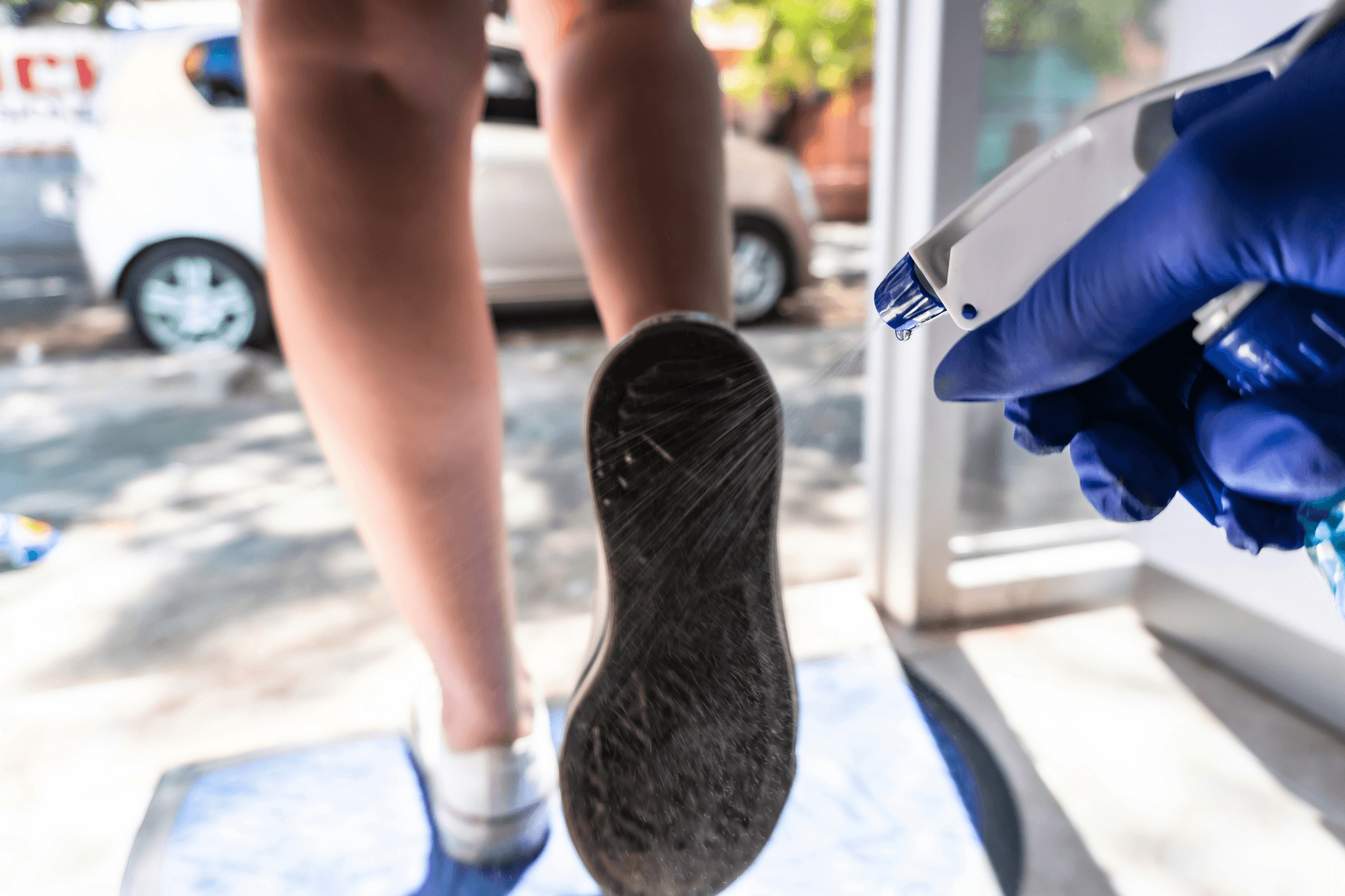
When it comes to Quality Control Shoes, the foundation lies in the materials used. Incoming Material Inspection is a crucial step that ensures only high-quality components enter the production line. This assessment can prevent costly errors down the road and enhance overall product quality.
Importance of Raw Material Assessment
Assessing raw materials is vital for maintaining quality standards in footwear production. Defining quality standards starts with understanding that inferior materials can lead to defects, impacting both performance and safety. By prioritizing raw material assessment, manufacturers can safeguard their reputation and ensure customer satisfaction.
Techniques for Inspecting Footwear Materials
There are several effective techniques for inspecting footwear materials during the Incoming Material Inspection phase. Visual inspections can quickly identify obvious flaws, while physical tests, such as tensile strength and flexibility assessments, provide deeper insights into material performance. Utilizing technology like spectrometers or moisture meters can further enhance accuracy in evaluating material quality.
Common Issues Found During Inspections
During Incoming Material Inspection, various common issues may arise that could jeopardize the integrity of Quality Control Shoes. For instance, inconsistent dye lots can lead to color mismatches in finished products, while subpar stitching materials might compromise durability during wear and tear testing. Identifying these issues early on allows manufacturers to address problems proactively and maintain their commitment to high-quality footwear.
In-Process Quality Control for Shoes
In the world of footwear production, in-process quality control for shoes is like the vigilant guardian ensuring that every pair meets the highest standards before they hit the shelves. This stage is crucial because it allows manufacturers to catch defects early, saving time and money while maintaining customer satisfaction. By closely monitoring production stages, companies can uphold their commitment to quality control shoes and deliver products that not only look good but also perform well.
Monitoring Production Stages Effectively
To effectively monitor production stages, it's essential to establish a systematic approach that aligns with defined quality standards. This involves creating checkpoints throughout the manufacturing process where specific criteria are evaluated against established benchmarks. By integrating supplier evaluation into these checkpoints, manufacturers can ensure that materials sourced meet quality expectations right from the start, which ultimately influences every subsequent stage of production.
In-process evaluations should cover various aspects such as stitching integrity, material adherence, and overall craftsmanship. Regular audits during these stages serve as a proactive measure against potential defects and misalignments with quality control shoes standards. Ultimately, continuous monitoring fosters an environment where quality becomes ingrained in every step of shoe production.
Tools for In-Process Quality Management
Modern technology offers a myriad of tools designed to enhance in-process quality management for shoes. From automated inspection systems to real-time data analytics software, these tools help streamline workflows while ensuring compliance with performance and safety testing for shoes requirements. Utilizing digital checklists or mobile apps can facilitate immediate feedback loops between workers on the floor and management teams.
Additionally, implementing statistical process control (SPC) techniques allows manufacturers to track variations in production processes over time effectively. These tools enable quick identification of trends or anomalies that could lead to defects if left unchecked. By harnessing such technologies alongside thorough documentation and traceability practices, companies can maintain high-quality output consistently.
Case Studies on In-Process Failures
Examining case studies on in-process failures reveals valuable lessons about the importance of rigorous quality control measures during shoe manufacturing. For instance, one prominent brand faced significant backlash due to a series of product recalls linked to poor stitching during assembly—a clear oversight in their in-process quality control for shoes system. The failure highlighted how neglecting proper monitoring could lead not only to financial losses but also lasting damage to brand reputation.
Another example involved a manufacturer who implemented an innovative real-time tracking system that significantly reduced defect rates by 30%. By investing in advanced inspection technologies during critical production phases—like incoming material inspection—the company was able to identify flaws before they escalated into larger issues down the line. These case studies underscore how effective in-process monitoring is paramount for maintaining high-quality footwear standards while mitigating risks associated with defective products.
Pre-shipment Inspection for Shoes

In the fast-paced world of footwear production, pre-shipment inspection for shoes is a critical step that can make or break a brand's reputation. This process ensures that every pair meets established quality standards before leaving the factory, safeguarding both consumers and manufacturers alike. By catching defects early, businesses can prevent costly returns and maintain customer satisfaction—an essential aspect of successful supplier evaluation.
Why Pre-shipment Checks Matter
Pre-shipment checks matter because they serve as the last line of defense against quality issues that could tarnish a brand’s image. These inspections help to define quality standards by ensuring that each product aligns with specific benchmarks set during production, including those established during incoming material inspection and in-process quality control for shoes. Moreover, they provide an opportunity to verify compliance with performance and safety testing for shoes, ensuring that customers receive only the best.
The consequences of neglecting pre-shipment inspections can be dire; defective products can lead to consumer injuries or dissatisfaction, resulting in costly recalls and damage to brand loyalty. With increasing competition in the footwear market, maintaining high-quality standards through rigorous checks is not just beneficial—it's essential for survival. Therefore, investing time and resources into effective pre-shipment testing is a strategic move every shoe manufacturer should prioritize.
Steps for Effective Pre-shipment Testing
Effective pre-shipment testing involves several key steps designed to ensure thorough evaluation of each batch of footwear before it reaches consumers. First, establish clear criteria based on defined quality standards so inspectors know what to check—this includes visual inspections for defects as well as functional tests like durability assessments related to performance and safety testing for shoes.
Next, implement systematic sampling methods; randomly select pairs from different boxes to represent the entire shipment accurately. This approach minimizes bias and provides a comprehensive overview of product quality across various sizes and styles—a crucial aspect often overlooked during supplier evaluation.
Finally, document all findings meticulously; accurate records not only support quality assurance efforts but also enhance traceability in case any issues arise post-delivery. By following these steps diligently, manufacturers can significantly reduce the risk of sending out subpar products while boosting consumer trust in their brand.
The Role of China Inspection Pro in Quality Assurance
China Inspection Pro plays an invaluable role in enhancing quality control shoes through its specialized services tailored specifically for footwear manufacturers operating within China’s vast supply chain landscape. Their expertise helps define quality standards by providing detailed inspections at various stages—including incoming material inspection and in-process quality control for shoes—ensuring compliance with international norms.
Utilizing their services allows brands to streamline supplier evaluation processes by leveraging professional insights into manufacturer capabilities based on previous performance metrics gathered during inspections. This partnership not only strengthens relationships with suppliers but also fosters an environment where continuous improvement becomes attainable through shared knowledge about best practices.
In addition to facilitating effective pre-shipment inspection for shoes, China Inspection Pro offers comprehensive documentation systems that enhance traceability throughout the production cycle—from raw materials all the way up until delivery at retail locations. By integrating such services into their operations, brands position themselves at the forefront of industry excellence while guaranteeing top-tier products reach consumers without compromise.
Performance and Safety Testing for Shoes
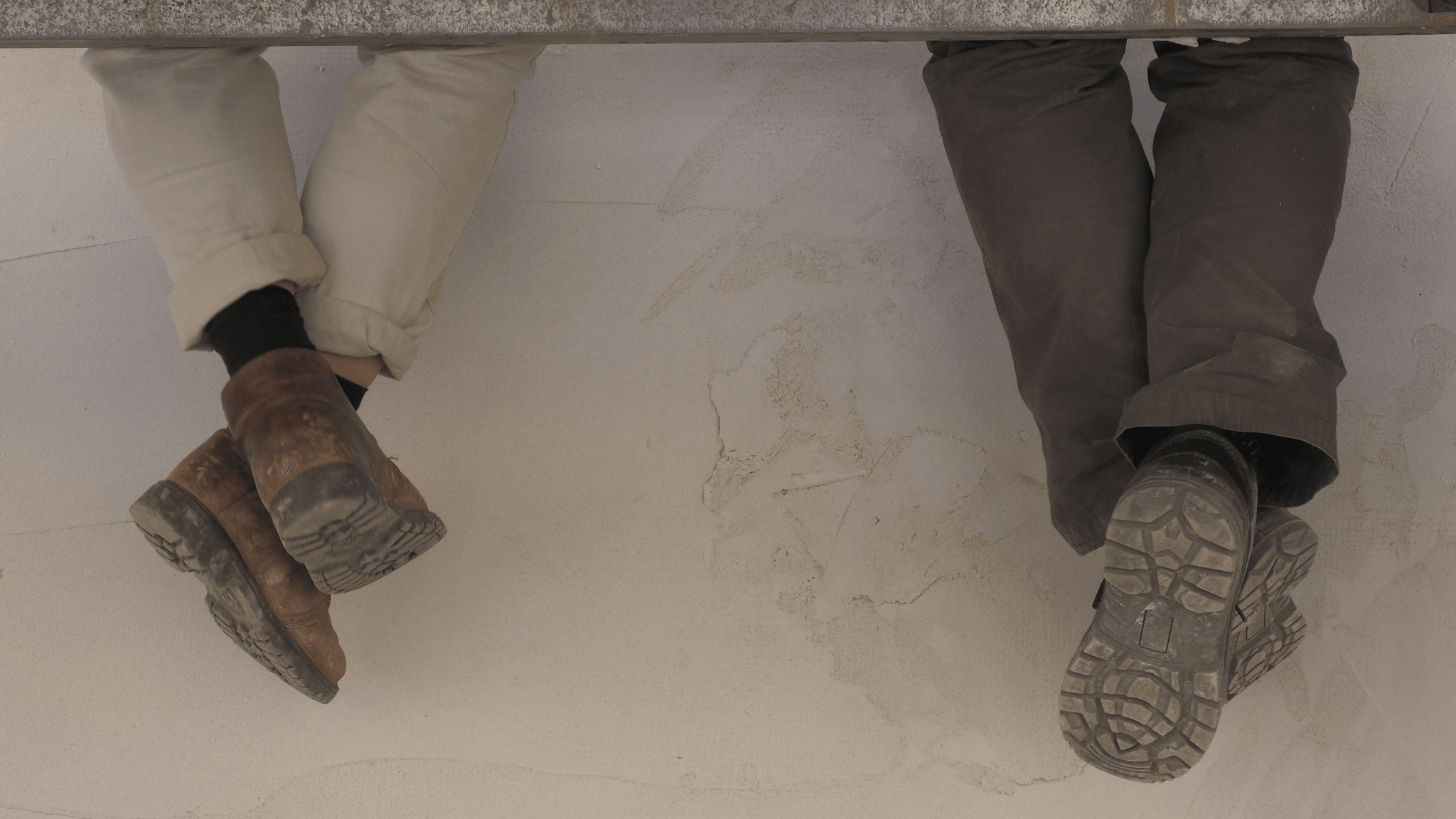
When it comes to footwear, performance and safety testing are non-negotiable. Quality Control Shoes must withstand the rigors of daily use while ensuring the safety of wearers. Without rigorous testing protocols, a shoe’s durability and compliance with safety standards can be questionable, leading to potential hazards for consumers.
Key Tests for Footwear Durability
To define quality standards in footwear, manufacturers often rely on several key tests that assess durability. These include abrasion resistance tests, flexing tests, and tensile strength evaluations, which help determine how well a shoe can endure wear over time. By implementing effective in-process quality control for shoes, manufacturers can catch issues early and ensure that their products meet established benchmarks.
Additionally, these tests should be performed on various components of the shoe—such as the outsole, upper materials, and stitching—to ensure comprehensive durability assessment. Regularly evaluating these aspects during incoming material inspection can help identify inferior materials before they even enter production. Ultimately, rigorous testing not only enhances product longevity but also builds consumer trust in the brand.
Assessing Safety Standards and Compliance
Safety is paramount in footwear production; hence assessing safety standards is crucial for any reputable manufacturer of Quality Control Shoes. Compliance with local and international regulations ensures that shoes are safe from hazards such as slip resistance or electrical conductivity issues. Various certifications exist that signify adherence to these essential safety benchmarks.
Evaluating suppliers based on their ability to meet these compliance requirements is vital during supplier evaluation processes. Manufacturers should also consider conducting pre-shipment inspections for shoes to verify that all safety measures have been implemented before products reach consumers’ hands. This proactive approach not only mitigates risks but also enhances brand reputation by demonstrating a commitment to consumer safety.
Real-World Examples of Performance Failures
Performance failures can have serious consequences—both financially and reputationally—for brands that overlook quality control in their footwear lines. For instance, several high-profile cases have emerged where shoes failed during extreme conditions due to inadequate performance testing; one notable case involved a popular athletic shoe that fell apart during a marathon event due to poor adhesion between components. Such failures highlight the importance of thorough documentation and traceability throughout the manufacturing process.
Another example involves slip-resistant work shoes that failed critical slip resistance tests after being used on wet surfaces—a clear oversight in assessing safety standards before market release. These instances underscore how crucial it is for brands to invest time in performance and safety testing for shoes prior to launching them into the marketplace. Ultimately, learning from past mistakes helps cultivate an environment where quality assurance becomes second nature.
Documentation and Traceability

In the world of footwear production, the significance of documentation and traceability cannot be overstated. Accurate records not only provide a roadmap for quality control but also serve as a safety net in case issues arise. When it comes to Quality Control Shoes, having a robust system in place ensures that every stage of production can be monitored and evaluated effectively.
Importance of Keeping Accurate Records
Keeping accurate records is foundational to defining quality standards in footwear manufacturing. These records serve as a historical account of each shoe's journey from raw material procurement to final inspection, which is crucial for Supplier Evaluation. Additionally, when discrepancies occur during Incoming Material Inspection or In-Process Quality Control for Shoes, precise documentation allows manufacturers to quickly identify the root cause and implement corrective actions.
Moreover, well-maintained records facilitate compliance with industry standards and regulations by providing verifiable evidence of adherence to established practices. This becomes especially important during audits or inspections when demonstrating that all protocols were followed can make or break a company's reputation. Ultimately, accurate record-keeping not only enhances operational efficiency but also builds consumer trust in the brand.
Traceability Systems in Quality Control
Traceability systems are essential tools that help manufacturers track every component used in their Quality Control Shoes. By implementing robust traceability systems, companies can monitor the entire lifecycle of their products—from sourcing materials through Pre-shipment Inspection for Shoes—ensuring that each step meets defined quality standards. This level of oversight is invaluable during Performance and Safety Testing for Shoes since it allows manufacturers to pinpoint failures back to specific batches or suppliers.
A well-designed traceability system should integrate seamlessly with existing quality management processes, allowing real-time updates on material status and production progress. This transparency not only aids in Supplier Evaluation but also enhances communication between stakeholders involved in the supply chain. In an industry where even minor defects can lead to significant consumer dissatisfaction, having a reliable traceability system becomes a non-negotiable aspect of quality assurance.
How Documentation Supports Quality Assurance
Documentation plays an integral role in supporting overall quality assurance efforts within footwear production facilities. Every record created—from Incoming Material Inspection reports to results from Performance and Safety Testing for Shoes—contributes valuable insights into potential areas for improvement within the manufacturing process. Furthermore, these documents serve as benchmarks against which future performance can be measured during regular evaluations.
When issues arise during In-Process Quality Control for Shoes or after Pre-shipment Inspection for Shoes, having comprehensive documentation allows teams to conduct thorough investigations into what went wrong and why. It’s this cycle of continuous feedback that drives improvements across all facets of production while ensuring compliance with established quality standards throughout the supply chain. Ultimately, effective documentation fosters a culture committed to excellence—a key ingredient for success in today's competitive footwear market.
Conclusion
In the world of footwear, achieving high-quality standards is not just a goal; it’s a necessity. The journey to quality control shoes involves meticulous attention to detail, from defining quality standards to ensuring that every step in the production process meets those benchmarks. By embracing robust practices like supplier evaluation, incoming material inspection, and pre-shipment inspection for shoes, manufacturers can significantly reduce defects and enhance consumer satisfaction.
The Path to High-Quality Footwear
To navigate the path to high-quality footwear, brands must begin by clearly defining what constitutes quality control shoes. This means establishing rigorous performance and safety testing for shoes that align with industry standards while also tailoring specific benchmarks suited to their unique products. By committing to thorough documentation and traceability throughout the production process, companies can ensure consistency and accountability at every stage.
Building a Culture of Quality in Production
Creating a culture of quality in production goes beyond just implementing checks; it requires an intrinsic commitment from all stakeholders involved. Each team member should understand the importance of supplier evaluation and be trained in effective incoming material inspection techniques that identify potential issues before they escalate. Furthermore, fostering open communication channels about in-process quality control for shoes encourages continuous improvement and innovation within the manufacturing environment.
Future Trends in Quality Control for Shoes
As technology advances, future trends in quality control for shoes will likely incorporate more automation and data analytics into traditional practices. Enhanced tools for monitoring production stages will streamline processes such as pre-shipment inspection for shoes, making them quicker and more efficient than ever before. Additionally, integrating advanced traceability systems will not only support documentation efforts but also provide real-time insights into product performance across various markets.