
Introduction
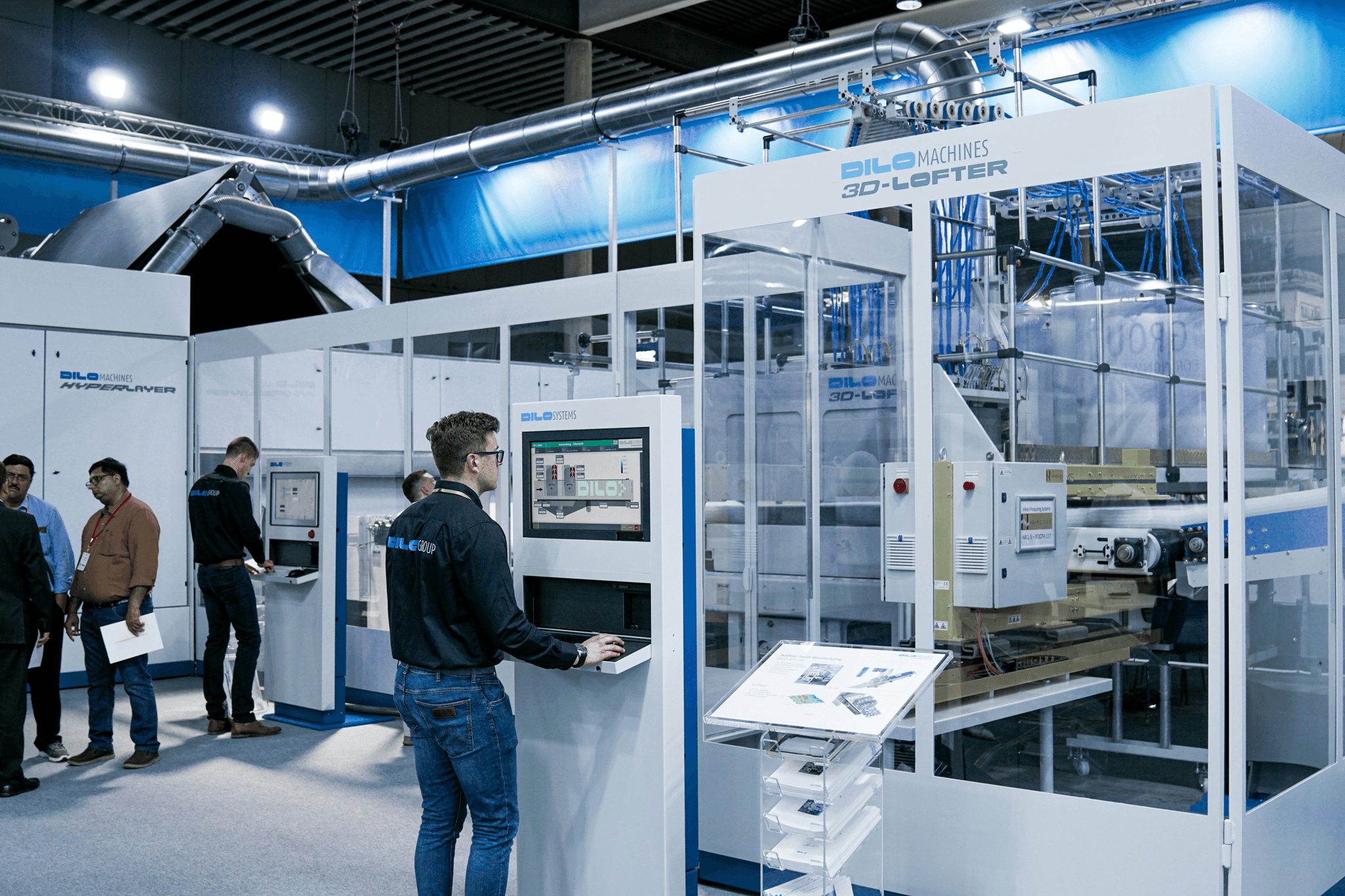
In the world of manufacturing and construction, the final inspection serves as a crucial checkpoint before products or projects reach their end-users. It involves thorough visual inspection services that ensure everything meets the required specifications and standards. By prioritizing this step, businesses can minimize costly errors and enhance customer satisfaction.
Understanding Final Inspections Importance
Final inspections are vital because they act as the last line of defense against defects and non-compliance. They provide an opportunity to catch issues that may have slipped through earlier stages of production or construction, ensuring that all aspects meet industry standards. Without a rigorous final inspection process, companies risk delivering subpar products, which can lead to reputational damage and financial losses.
Benefits of a Comprehensive Checklist
Utilizing a comprehensive checklist during final inspections streamlines the process while enhancing quality control service effectiveness. This checklist serves as a roadmap, guiding inspectors through critical elements that must be verified before approval. Moreover, it reduces oversight by ensuring that all compliance inspection requirements are met systematically.
Key Elements to Ensure Quality Control
To guarantee effective quality control in final inspections, several key elements must be considered. These include adherence to industry standards, detailed documentation of findings, and collaboration with industrial inspection services for expert insights. By integrating these components into the final inspection process, organizations can foster greater accountability and reliability in their outputs.
Itemization of Requirements

This section dives into the essential components that form the backbone of effective quality control service and compliance inspection processes. By clearly outlining specifications, adhering to industry standards, and documenting expectations, you can streamline the inspection process and enhance overall project success.
Detailed List of Specifications
A detailed list of specifications acts as your roadmap during the final inspection phase. It should encompass all relevant criteria that need to be met for a successful outcome, from material quality to performance benchmarks. This meticulous approach not only aids visual inspection services but also reinforces your commitment to quality control service by ensuring nothing slips through the cracks.
Moreover, each specification should be measurable and achievable, allowing for straightforward verification during inspections. This clarity helps prevent misunderstandings between stakeholders and inspectors alike while providing a solid foundation for compliance audit services in case any issues arise later on. Ultimately, a comprehensive list serves as both a checklist and an assurance that every aspect has been accounted for.
Compliance with Industry Standards
These standards provide guidelines that ensure safety, reliability, and efficiency across various industrial processes—essentially acting as a benchmark against which all operations are measured. By aligning your final inspection procedures with these established norms, you not only safeguard your project but also enhance its credibility in the marketplace.
Incorporating these standards into your quality control service practices ensures that every aspect of the final inspection meets legal requirements while also addressing best practices within your industry. Regular audits can help identify gaps in compliance that could lead to costly setbacks or reputational damage down the line. So remember: staying compliant isn't just about ticking boxes; it's about fostering trust among clients and stakeholders through transparent practices.
Clear Documentation of Expectations
A well-organized document detailing what is expected during visual inspections can significantly reduce confusion and streamline communication throughout the process. Think of it as creating a playbook; everyone knows their role and what needs to happen at each stage.
Additionally, this documentation serves as an invaluable resource during compliance audit services or future reference points when similar projects arise again in industrial settings. Having everything laid out clearly ensures accountability while minimizing risks associated with miscommunication or oversight during inspections or audits. In short, clear documentation not only clarifies expectations but also strengthens relationships built on mutual understanding.
Visual Inspection Techniques
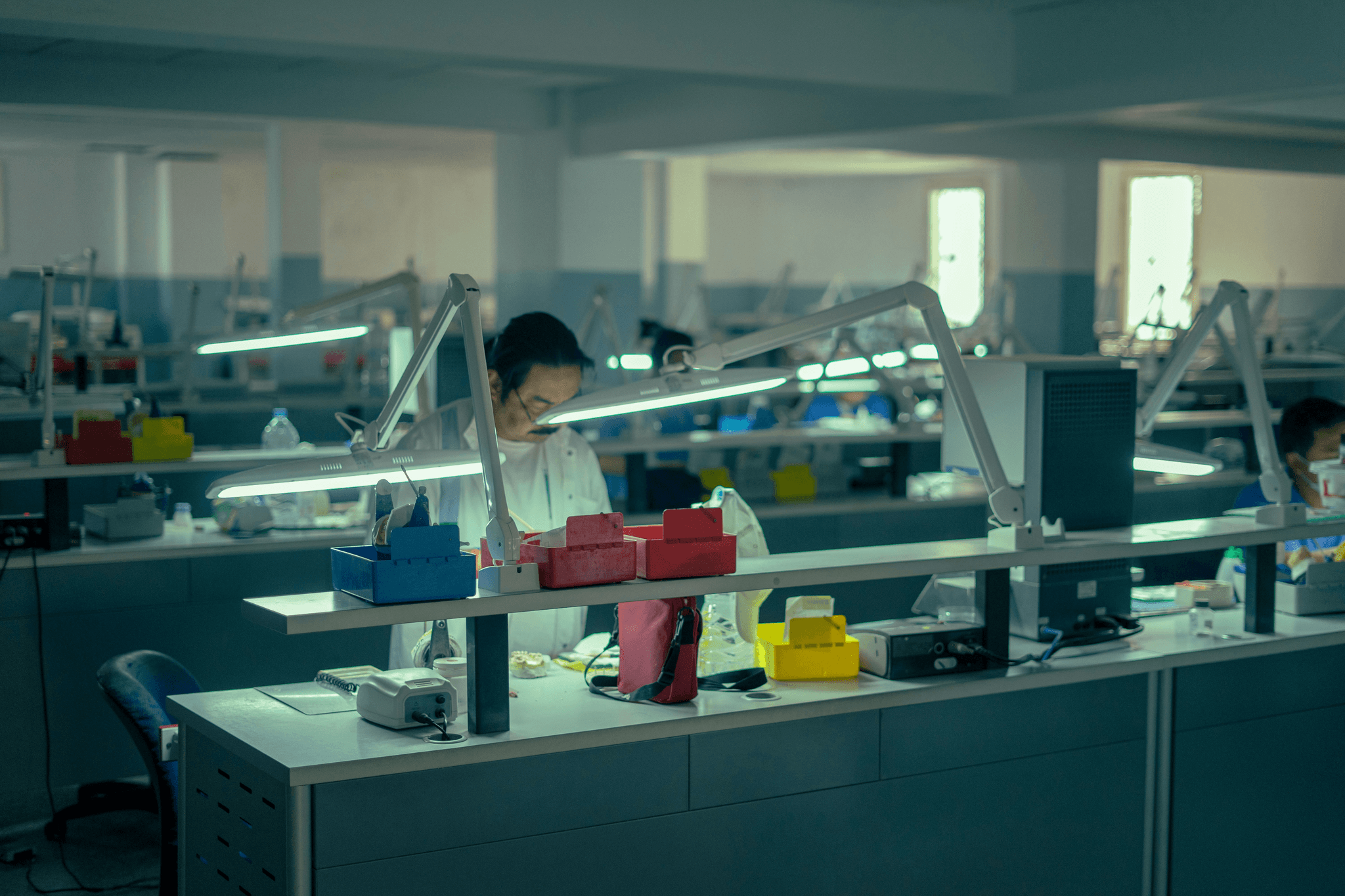
These inspections are often the last line of defense against defects, making them essential for maintaining quality control service. By employing effective visual inspection techniques, organizations can significantly reduce the risk of non-compliance and enhance overall operational efficiency.
Importance of Visual Inspection Services
Visual inspection services are crucial in the final inspection process as they provide a direct assessment of product quality and integrity. This hands-on approach allows inspectors to identify any visible defects or irregularities that could compromise safety or functionality. Moreover, these services help ensure compliance with industry standards, ultimately protecting both the company’s reputation and its customers.
In many industrial sectors, relying solely on automated systems may not capture every potential issue, which is where human eyes come into play. Trained inspectors can spot nuances that machines might overlook, making their role indispensable in quality control service processes. Thus, investing in robust visual inspection services is not just smart—it's necessary for long-term success.
Common Issues to Look For
During final inspections using visual inspection techniques, there are several common issues that inspectors should be vigilant about. First and foremost is surface defects such as scratches, dents, or discoloration that could indicate poor handling or manufacturing errors. Additionally, alignment problems and missing components can lead to functional failures down the line—issues that must be caught before products reach consumers.
Another critical area of focus includes signs of wear or corrosion on materials used in production; these could signal potential safety hazards if left unchecked. Furthermore, ensuring labels and documentation are accurate is vital for compliance audit services; incorrect information can lead to significant legal ramifications down the road. By being aware of these common issues during compliance inspections, organizations can ensure higher levels of product reliability.
Best Practices for Effective Inspections
To maximize the efficacy of visual inspections during final inspections, adopting best practices is key. First off, creating a comprehensive checklist tailored to specific industry standards will streamline the process while minimizing oversight during inspections. Inspectors should also be trained regularly to stay updated on new technologies and methodologies within industrial inspection services.
Utilizing proper lighting conditions enhances visibility during inspections; shadows or glare can hide imperfections from view—an inspector's worst nightmare! Moreover, documenting findings meticulously not only aids in immediate decision-making but also serves as invaluable data for future compliance audits and continuous improvement initiatives within quality control service frameworks.
Lastly, fostering a collaborative environment between inspectors and production teams encourages open communication regarding potential issues observed during compliance inspections—leading to quicker resolutions and improved product outcomes overall.
Quality Control Service Overview
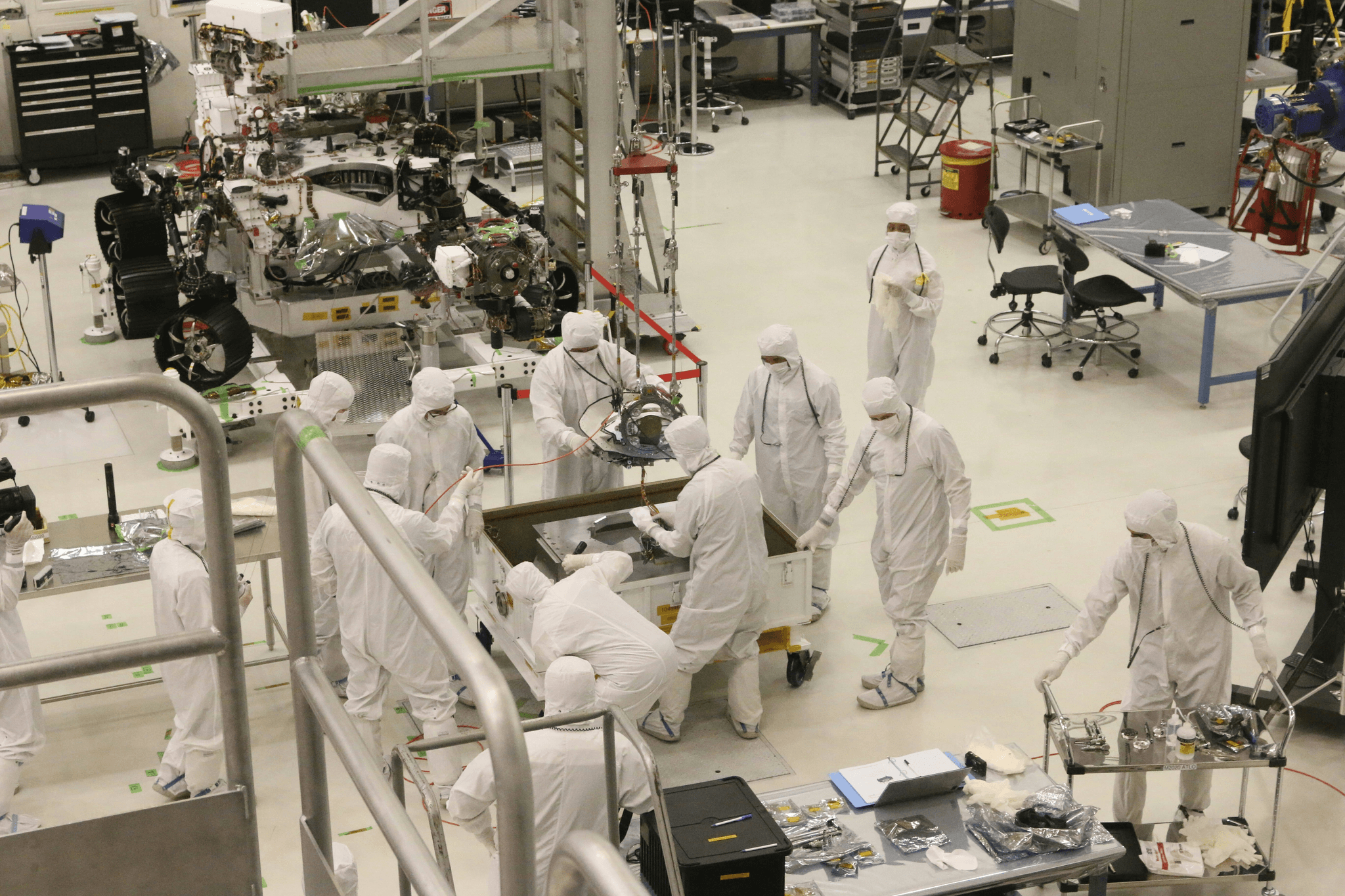
When it comes to final inspections, quality control services play a pivotal role in ensuring that every aspect of the product meets the required standards. These services help identify any defects or inconsistencies before the product reaches the end user, making them essential for maintaining quality assurance. By integrating visual inspection services and compliance audit services, businesses can achieve a comprehensive approach to quality management.
Role of Quality Control in Final Inspections
Quality control is not just a box-ticking exercise; it’s a crucial step in the final inspection process that ensures products are safe and reliable. It involves systematic checks and balances that confirm each item adheres to specified requirements, minimizing risks associated with defective products reaching consumers. By employing robust industrial inspection services, companies can catch issues early, reducing costly recalls and enhancing customer satisfaction.
Importance of Consistency
Consistency is the bedrock of effective quality control service; without it, even the most thorough inspections can yield unreliable results. Regular compliance inspections ensure that every product or service consistently meets established standards over time. This consistency fosters trust with stakeholders and customers alike, reinforcing a brand's reputation for reliability.
How to Implement Quality Control Measures
Implementing quality control measures requires a strategic approach tailored to your specific operational needs. Start by developing clear protocols for your final inspection processes that integrate visual inspection services alongside compliance audit services for maximum effectiveness. Training staff on these procedures ensures everyone understands their role in maintaining high-quality standards throughout production and inspection phases.
Testing and Functional Checks
In the world of quality control, testing and functional checks are the unsung heroes that can make or break a final inspection. These processes ensure that products meet all specified requirements before they reach the market, safeguarding both consumer safety and company reputation. Without thorough testing, even the most meticulous visual inspection services may miss critical flaws that could lead to costly recalls or compliance issues later on.
Significance of Testing Before Final Approval
Testing is not just a box to check; it’s a crucial step in the final inspection process that validates product integrity. By conducting rigorous tests before final approval, companies can identify potential problems early on, saving time and resources down the line. This proactive approach also reinforces confidence in quality control service efforts, ensuring that every item meets industry standards and customer expectations.
Types of Functional Checks Required
Functional checks vary widely depending on industry specifics but generally include performance assessments, safety evaluations, and usability tests. For instance, in industrial inspection services, equipment might undergo stress tests to ensure it can handle operational demands without failure. Additionally, compliance audit services often require specific functional checks tailored to regulatory standards—ensuring every aspect aligns with legal requirements while maintaining high-quality benchmarks.
Integrating Testing Results into Quality Control
Integrating testing results into overall quality control is essential for creating a cohesive strategy that promotes excellence throughout production cycles. By documenting findings from functional checks during final inspections, businesses can establish a feedback loop that informs future processes and mitigates risks associated with non-compliance inspections. This integration not only enhances transparency but also fosters continuous improvement within an organization’s quality control framework.
Compliance Audit Services Essentials
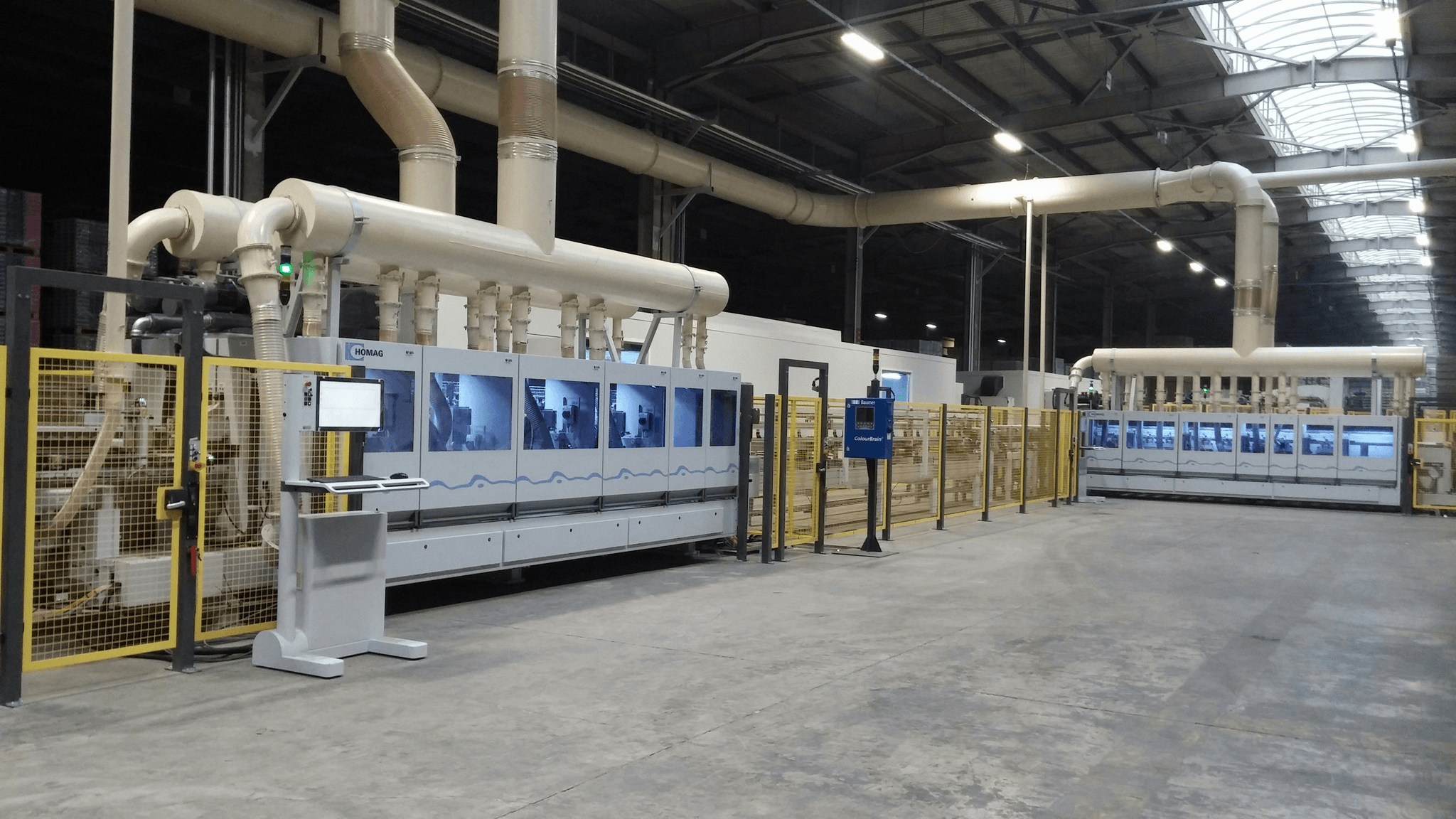
Navigating the complex world of compliance audits is crucial for any organization aiming to maintain high standards in quality control and operational integrity. Compliance audit services are designed to ensure that businesses adhere to necessary regulations and industry standards, providing a structured approach to evaluating processes and practices. By understanding these processes, companies can identify gaps in compliance and implement improvements before they lead to costly mistakes during final inspections.
Understanding Compliance Audit Processes
The compliance audit process typically involves several key steps: planning, execution, reporting, and follow-up. Initially, auditors assess the scope of the audit based on regulations relevant to the specific industry, ensuring that all necessary areas are covered during visual inspection services. Following this plan, auditors will conduct thorough evaluations of documents and operations to verify adherence to established protocols.
Once the examination is complete, findings are compiled into a report detailing any discrepancies or areas needing improvement. This documentation serves not only as a record for stakeholders but also as a roadmap for enhancing future compliance inspections. Regularly engaging with quality control services can streamline this process further by integrating ongoing monitoring systems that catch issues before they escalate.
Key Compliance Areas in Industrial Sectors
In industrial sectors, there are several critical compliance areas that warrant attention during audits. These often include safety regulations, environmental standards, quality assurance protocols, and labor laws—each playing a vital role in maintaining operational excellence. Focusing on these areas ensures that organizations not only meet legal requirements but also foster a culture of safety and reliability within their workforce.
Additionally, specific industries may have unique compliance requirements based on their operational nuances; for instance, manufacturing might emphasize product quality while construction could prioritize safety measures more heavily during final inspections. By understanding these distinctions through collaboration with industrial inspection services, companies can tailor their audits effectively to address specific challenges they face in their sector.
Benefits of Regular Compliance Checks
Regular compliance checks offer numerous benefits beyond merely avoiding penalties or fines; they enhance overall operational efficiency as well. By routinely assessing adherence to regulations through compliance audit services, businesses can identify inefficiencies or risks early on—saving time and resources down the line when it comes time for final inspection preparations. Moreover, consistent auditing fosters an environment where continuous improvement is prioritized across all levels of the organization.
Another advantage is building trust among stakeholders; when clients see that you take compliance seriously through regular inspections and audits, it enhances your reputation significantly within your industry. This proactive approach ultimately leads to better-quality products or services while minimizing disruptions caused by unexpected regulatory issues during critical phases like final inspections.
Collaboration with Industrial Inspection Services

In the realm of quality assurance, collaborating with industrial inspection services is not just beneficial; it’s essential. These partnerships leverage specialized knowledge and experience to enhance the final inspection process, ensuring that every detail meets stringent standards. By working closely with experts in visual inspection services and compliance audit services, you can expect accurate results that bolster your quality control service.
Partnering with Experts for Accurate Results
When you partner with experts in industrial inspection services, you gain access to a wealth of knowledge and resources that can significantly improve your final inspections. These professionals bring their expertise in visual inspection techniques and compliance inspections to the table, identifying potential issues before they escalate into costly problems. Moreover, their familiarity with industry standards means they can provide insights that help align your processes with compliance audit requirements.
The accuracy of results from a final inspection largely hinges on the competence of those conducting it. By collaborating with seasoned professionals who specialize in quality control service, you ensure that every aspect of your product or service is scrutinized meticulously. This partnership not only enhances the reliability of your inspections but also builds trust among stakeholders who rely on consistent quality outcomes.
How to Choose the Right Industrial Inspection Partner
Selecting the right industrial inspection partner requires careful consideration of several factors to ensure alignment with your specific needs for final inspections and compliance audits. Start by evaluating their track record in delivering comprehensive visual inspection services; look for reviews or case studies that highlight their successes in similar industries or projects. Additionally, assess whether they possess relevant certifications and adhere to industry standards—these credentials can be indicative of their commitment to quality control.
Communication is another crucial element when choosing an industrial inspection partner; open lines allow for effective collaboration throughout the compliance inspection process. Ensure that they are willing to understand your operational nuances and expectations fully while providing transparent reporting on findings during inspections. A good partner will not only conduct thorough assessments but also offer actionable recommendations based on their insights.
The Impact of Collaboration on Quality Assurance
Collaborating effectively with industrial inspection services has a profound impact on overall quality assurance strategies within an organization. By integrating expert feedback from final inspections into your operational processes, you create a culture focused on continuous improvement and adherence to high standards through rigorous compliance audit services. This synergy leads to enhanced product reliability and customer satisfaction as issues are identified early through diligent visual inspections.
Moreover, consistent collaboration fosters innovation as partners share best practices and new technologies related to quality control service improvements like automation tools or advanced testing methods. As these relationships evolve over time, both parties benefit from shared knowledge and experiences that strengthen overall performance in compliance inspections across various sectors. Ultimately, this partnership not only streamlines operations but also positions organizations for long-term success by ensuring robust quality assurance measures are firmly in place.
Final Review and Approvals

When it comes to the final inspection process, conducting a thorough review is not just a formality—it's a critical step that can make or break the quality of your project. This is where visual inspection services shine, ensuring every detail aligns with the specified requirements. A meticulous final review helps identify any discrepancies before they escalate into costly issues, reinforcing the importance of quality control service throughout the inspection process.
Importance of a Thorough Final Review
A thorough final review serves as the last line of defense against potential defects in your product or service. This step ensures that all elements meet established standards and specifications, which is crucial in industries where compliance audit services are mandatory. By dedicating time to this comprehensive evaluation, you can significantly reduce risks associated with non-compliance and enhance overall product reliability.
Gaining Stakeholder Approvals
Once the final inspection is complete, gaining stakeholder approvals becomes paramount. Engaging stakeholders early in the process fosters transparency and trust, making it easier to secure their sign-off on quality control measures implemented during inspections. Their approval not only validates that all compliance inspections have been met but also strengthens team cohesion by aligning everyone towards shared goals.
Documenting Findings for Future Reference
Documenting findings from your final inspection is essential for several reasons: it creates a historical record for future projects and provides insights into areas needing improvement. These records are invaluable during compliance audits or when revisiting quality control service protocols; they offer concrete evidence of adherence to standards over time. Moreover, having accessible documentation allows teams to learn from past experiences, ultimately driving continuous improvement across all industrial inspection services.
Conclusion
In wrapping up our discussion on the critical aspects of final inspections, it’s essential to revisit the key checklist elements that ensure quality and compliance. A comprehensive visual inspection service, thorough quality control service, and diligent compliance audit services are not just best practices—they are necessities for any industrial operation. These components work together to create a robust framework that guarantees both product integrity and adherence to industry standards.
Recap of Key Checklist Elements
The checklist for a successful final inspection must include detailed specifications, compliance with industry standards, and clear documentation of expectations. Visual inspection services play a pivotal role in identifying potential issues before they escalate into costly problems. Additionally, integrating quality control service measures ensures consistency across all inspections while maintaining high standards throughout the production process.
Importance of Ongoing Compliance Inspections
Ongoing compliance inspections are vital in today’s ever-evolving industrial landscape where regulations can shift unexpectedly. Regular compliance audit services help businesses stay ahead of potential pitfalls by ensuring adherence to established guidelines and standards. This proactive approach not only mitigates risks but also reinforces stakeholder confidence in the organization’s commitment to quality.
Finding the Right Service Provider for Success
Choosing the right partner for your industrial inspection services can make all the difference between success and failure in achieving quality assurance goals. Look for providers that offer a comprehensive suite of services including final inspections, visual inspection services, and robust quality control measures tailored to your specific needs. Ultimately, collaborating with an experienced service provider will empower your business to navigate challenges effectively while ensuring ongoing compliance through rigorous inspections.